
Walk down almost any grocery aisle these days and you’ll notice jars of kimchi sitting next to yogurt, kombucha bottles crowding the drink cooler, and sourdough loaves piled by the bakery counter. This isn’t a passing trend. Fermented foods have quietly built up one of the more interesting bodies of nutrition research in recent years, and the story is more nuanced than the wellness-aisle marketing suggests.
Some of that story is genuinely exciting. Other parts deserve a more careful look, especially for people managing blood pressure, histamine sensitivity, or other specific health conditions. Here’s what the current science actually says about why these foods might be worth a permanent place in your fridge.
Table of Contents
A gut microbiome boost with real clinical data behind it
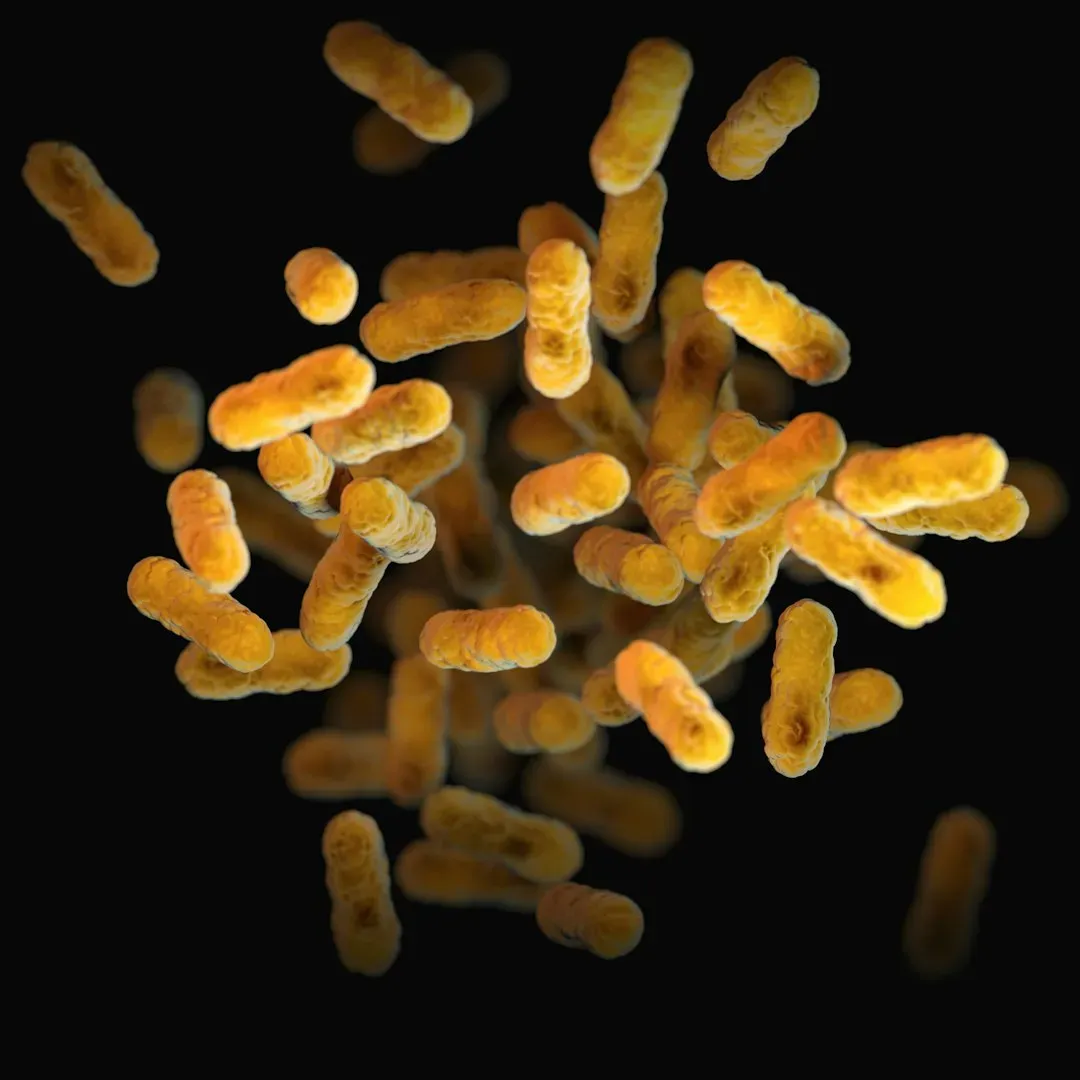
Most claims about fermented foods and gut health used to rest on tradition rather than trials. That changed with a Stanford School of Medicine study that put the idea to a real test. Researchers found that a diet rich in fermented foods enhances the diversity of gut microbes and decreases molecular signs of inflammation, according to a clinical trial in which 36 healthy adults were randomly assigned to a 10-week diet that included either fermented or high-fiber foods.
The results surprised even the scientists running the study. Despite the fact that researchers predicted a high-fiber diet would increase microbial diversity, the opposite was actually noted, and a stunning finding was that participants consuming the higher fermented food group showed reduced levels of inflammation while the high-fiber group did not. That’s not a reason to skip vegetables, but it is a strong signal that fermented foods bring something distinct to the table.
Kimchi and sauerkraut carry centuries of practical wisdom

Long before anyone talked about the microbiome, people were fermenting cabbage and other vegetables simply to survive the winter. Food fermentation is an ancient practice, and long before refrigeration existed, people from different cultures used this process to preserve food, enhance flavor, and even neutralize toxins. Kimchi and sauerkraut are two of the clearest survivors of that tradition, still eaten daily in households across Korea, Central Europe, and beyond.
What sets these vegetable ferments apart nutritionally is the combination of lactic acid bacteria and the vegetable’s own fiber. Fermented vegetables are valuable health products, combining dietary fibers and lactic acid bacteria, both essential for supporting normal gut microbiota. That double action, fiber feeding the microbes that are already there while live bacteria arrive from the food itself, is part of what makes cabbage ferments a reasonable everyday staple rather than a niche health food.
Yogurt and kefir hold the strongest clinical track record

Among all fermented foods, dairy ferments have been studied the most rigorously, largely because they’re easy to standardize in a lab setting. A 2025 meta-analysis pulling together a large body of cohort data found meaningful cardiovascular signals worth noting. A recent 2025 meta-analysis of 14 prospective cohort studies including 496,631 participants and 24,337 cases reported a statistically significant inverse association between yogurt consumption and cardiovascular disease risk, supporting a potentially protective role of yogurt in prevention.
Kefir has its own research pedigree, having appeared in actual randomized controlled trials rather than just observational data. Among fermented foods, kefir, sauerkraut, natto, and sourdough bread are among the few that have been tested in at least one randomised controlled trial for their gastrointestinal effects. That’s a meaningful distinction, since a lot of fermented food marketing leans on lab research that was never actually replicated in living, eating humans.
Miso and tempeh turn soybeans into something more digestible
Fermented soy products occupy a strange middle ground in Western kitchens. They’re familiar enough to buy at any grocery store, yet still somewhat mysterious in terms of what fermentation actually does to them. Miso, aged for months with koji mold, develops both flavor complexity and a different nutritional profile than plain soybeans, while tempeh’s fermentation process makes its protein easier for the body to break down.
Both foods land on almost every clinical review of fermented staples, though the researcher consensus is cautious rather than triumphant. Despite extensive in vitro studies, there are currently no randomized controlled trials investigating the impact of miso, kimchi, or tempeh specifically on gastrointestinal health outcomes. That gap doesn’t erase centuries of use in Japanese and Indonesian diets, but it’s a fair reminder that traditional wisdom and clinical proof aren’t always the same thing.
Kombucha earns its buzz, with a few caveats

Kombucha has probably done more than any other fermented drink to popularize the whole category over the past decade. It’s fizzy, approachable, and sold in flavors that make it feel more like a soda than a health tonic, which is part of the appeal and part of the problem. Fermented foods such as kefir, kombucha, miso, and kimchi contain potentially probiotic microorganisms, and the characteristic microbiome in kombucha includes several genera of acetic acid bacteria, yeasts, and lactic acid bacteria.
The catch is sugar content, since kombucha starts as sweetened tea and the fermentation process doesn’t remove all of it. Kombucha still carries residual sugar after fermentation, and commercial versions often have extra sweetener added, which over time works against metabolic and dental health. Reading the label matters here just as much as it does with any other bottled drink.
Sourdough bread proves fermentation doesn’t always mean live cultures

Sourdough gets lumped in with other fermented foods constantly, and it does go through a genuine fermentation process using wild yeast and lactic acid bacteria that develop the bread’s tangy flavor and open crumb. But baking kills off those live organisms, which changes the conversation about what benefits actually carry through to the finished loaf.
This distinction trips people up more than almost any other fermented food myth. Sourdough bread, pasteurized sauerkraut, and many shelf-stable pickles are examples of foods that may be fermented or pickled but do not necessarily provide live probiotic bacteria. That doesn’t mean sourdough is nutritionally worthless, since the fermentation process can still improve mineral availability and digestibility of the grain, but it’s simply a different kind of benefit than what you get from a jar of raw sauerkraut.
What fermentation actually changes at a nutritional level
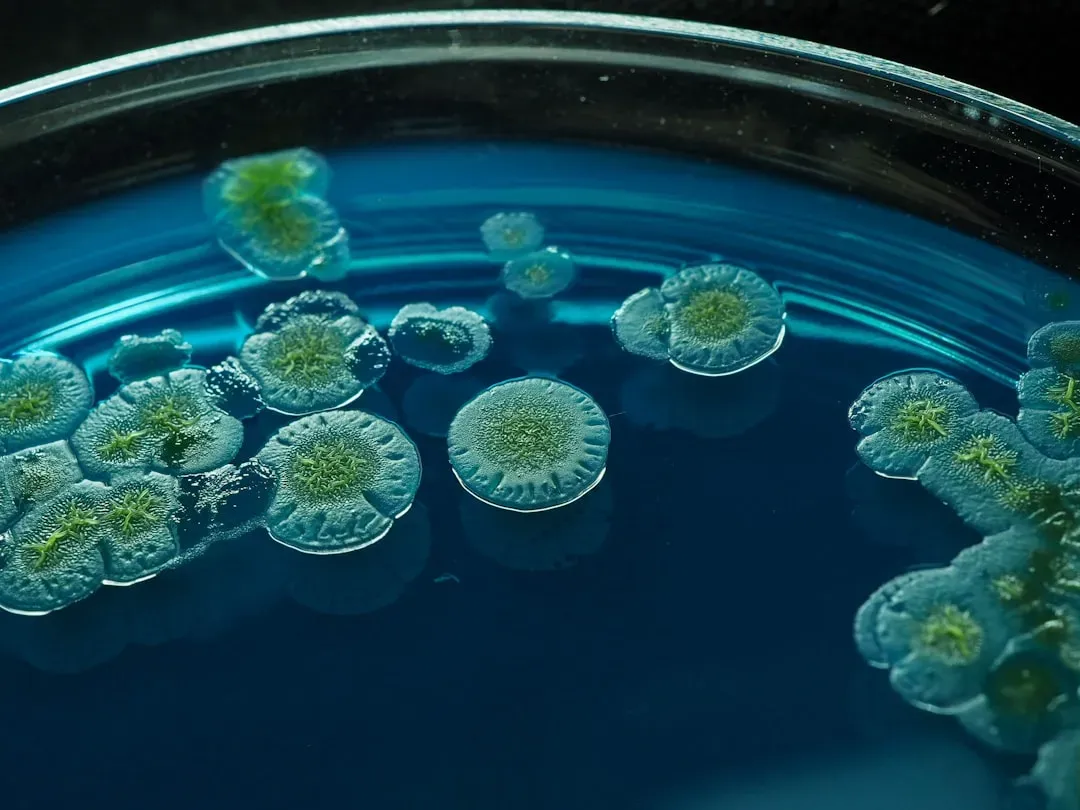
It helps to understand the mechanics rather than just the marketing. Fermentation occurs when microorganisms such as bacteria and yeast transform the starches and sugars in food into alcohol, lactic acid, carbon dioxide, and other compounds. Those byproducts are where much of the interest lies, since they can act on the body in ways the original food couldn’t on its own.
Beyond the microbes themselves, researchers are increasingly focused on what fermentation leaves behind in the food. The microorganisms themselves, or the components they produce, may improve nutrient digestibility and absorption, compete with pathogens, strengthen the gut barrier, support the immune system, and reduce intestinal inflammation. That’s a broader claim than “good for digestion,” and it reflects why fermented foods keep showing up in immune and metabolic research, not just gastroenterology journals.
Not every fermented product delivers the same payoff

One of the more important things clinicians want the public to understand is that fermentation and probiotic benefit aren’t automatically the same thing. It’s important to note that although fermented foods may contain live and active cultures, this does not mean they meet the strict definition of a probiotic. A probiotic claim requires a specific, studied strain in a defined dose, which most fermented foods on a grocery shelf simply don’t disclose.
Processing also plays a bigger role than most shoppers realize. Sourdough bread, pasteurized sauerkraut, and many shelf-stable pickles may be fermented or pickled but do not necessarily provide live probiotic bacteria by the time they reach your plate. If live cultures are the goal, refrigerated, unpasteurized products are generally the better bet, and checking the label for “contains live cultures” is worth the extra ten seconds.
A few groups of people should approach fermented foods with more care

Fermented foods are not universally risk-free, and that nuance is easy to lose in enthusiastic health coverage. Some fermented foods such as pickles, kimchi, and miso have high sodium levels, while some brands of yogurt, kefir, and kombucha can have a surprising amount of sugar. Anyone managing blood pressure or watching sodium intake for kidney or heart reasons should treat kimchi and miso the way they’d treat any salty condiment, in reasonable portions rather than unlimited quantities.
Histamine sensitivity is the other major consideration, though it affects a smaller slice of the population than social media sometimes implies. Only people with impaired DAO enzyme activity, estimated at roughly one to three out of every hundred people, tend to develop symptoms from high-histamine foods. For most people, the fix isn’t avoidance so much as moderation, and paying attention to how your own body responds after a larger serving of aged or long-fermented products.
Bringing fermented foods into everyday cooking

None of this research requires an overhaul of how you eat. Small, consistent additions tend to work better than dramatic changes, and fermented foods lend themselves well to that approach since a spoonful here and there adds up over a week. Kimchi folded into fried rice, a swirl of miso in a soup base, or plain kefir poured over granola are all low-effort ways to build the habit.
Portion size matters more than variety, at least at first. A good starting point is a few tablespoons to a half cup per day, depending on the food and your tolerance. Building up gradually also helps sidestep the temporary bloating some people notice when first increasing fermented food intake, which tends to settle down within a few weeks as the gut adjusts.
Final thoughts

Fermented foods sit in an unusual spot in nutrition science: old enough to be woven into nearly every culinary tradition on earth, yet only recently studied with the kind of rigor that turns folk wisdom into something closer to evidence. The Stanford findings on inflammation and microbiome diversity gave the category real scientific weight, even as researchers are honest that many popular ferments still lack the same depth of clinical testing.
What that leaves us with isn’t a miracle food group, but a genuinely useful one. Add kimchi to a meal, keep kefir in the fridge, read the label on your kombucha, and pay attention to how your own body responds. That’s a reasonable, grounded way to let a few thousand years of food tradition earn a place in a modern kitchen.