
Table of Contents
The smell of fresh bread triggers something primal
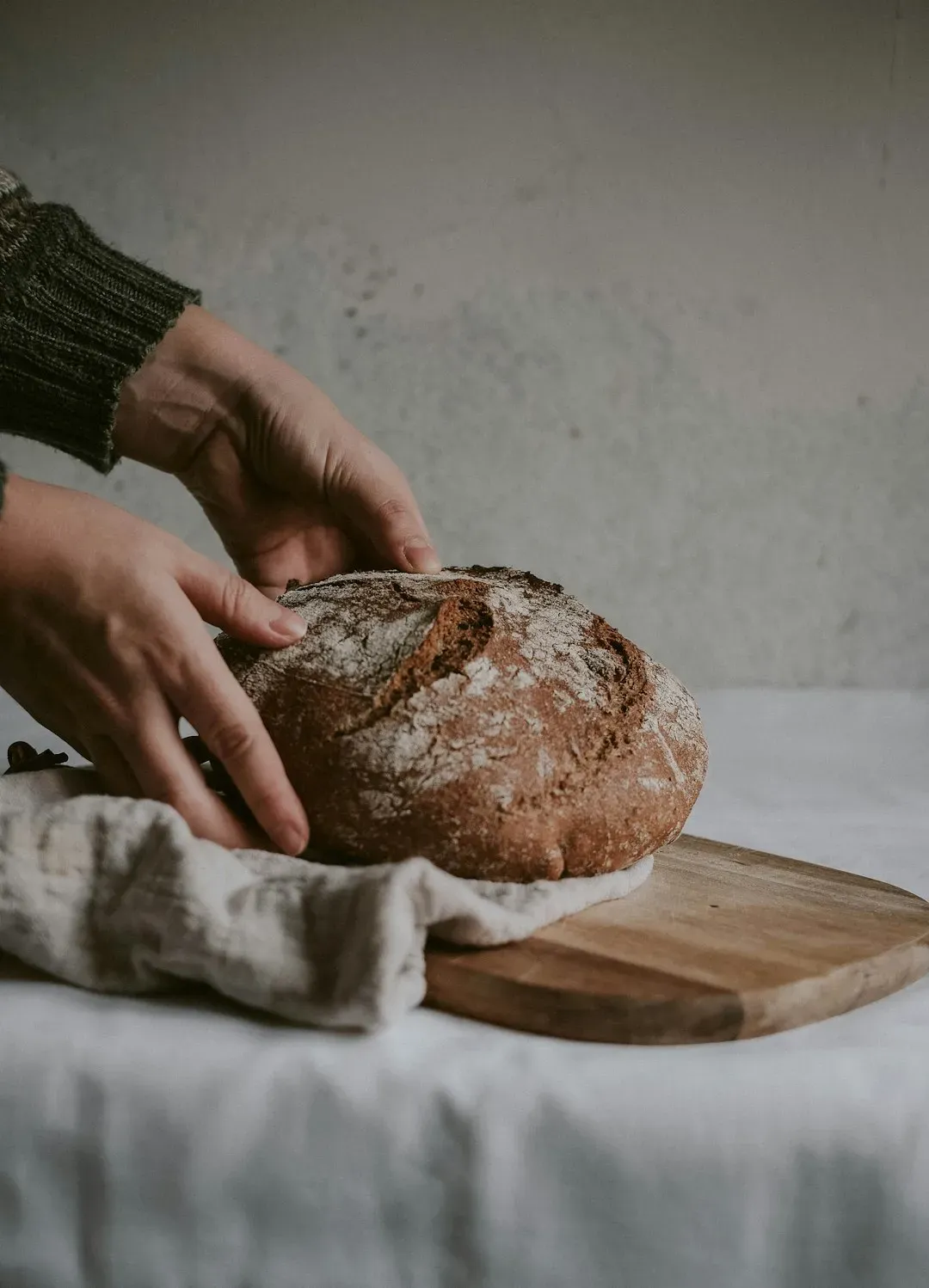
The scent of baking bread comes from a chemical reaction called the Maillard reaction, which happens when heat causes amino acids and sugars in the dough to interact and brown the crust. This same reaction is responsible for the smell of seared steak and roasted coffee, which is part of why bread aromas feel so universally comforting. Our brains are wired to respond strongly to food smells linked to warmth, safety, and nourishment, and bread checks every one of those boxes.
Retailers have known this for decades, which is why grocery store bakeries are often placed near entrances. The aroma alone can shift mood and appetite before a single bite is taken. Baking at home means that effect fills your kitchen and often your entire house, turning an ordinary afternoon into something that feels a little more alive.
Kneading dough works like a form of moving meditation
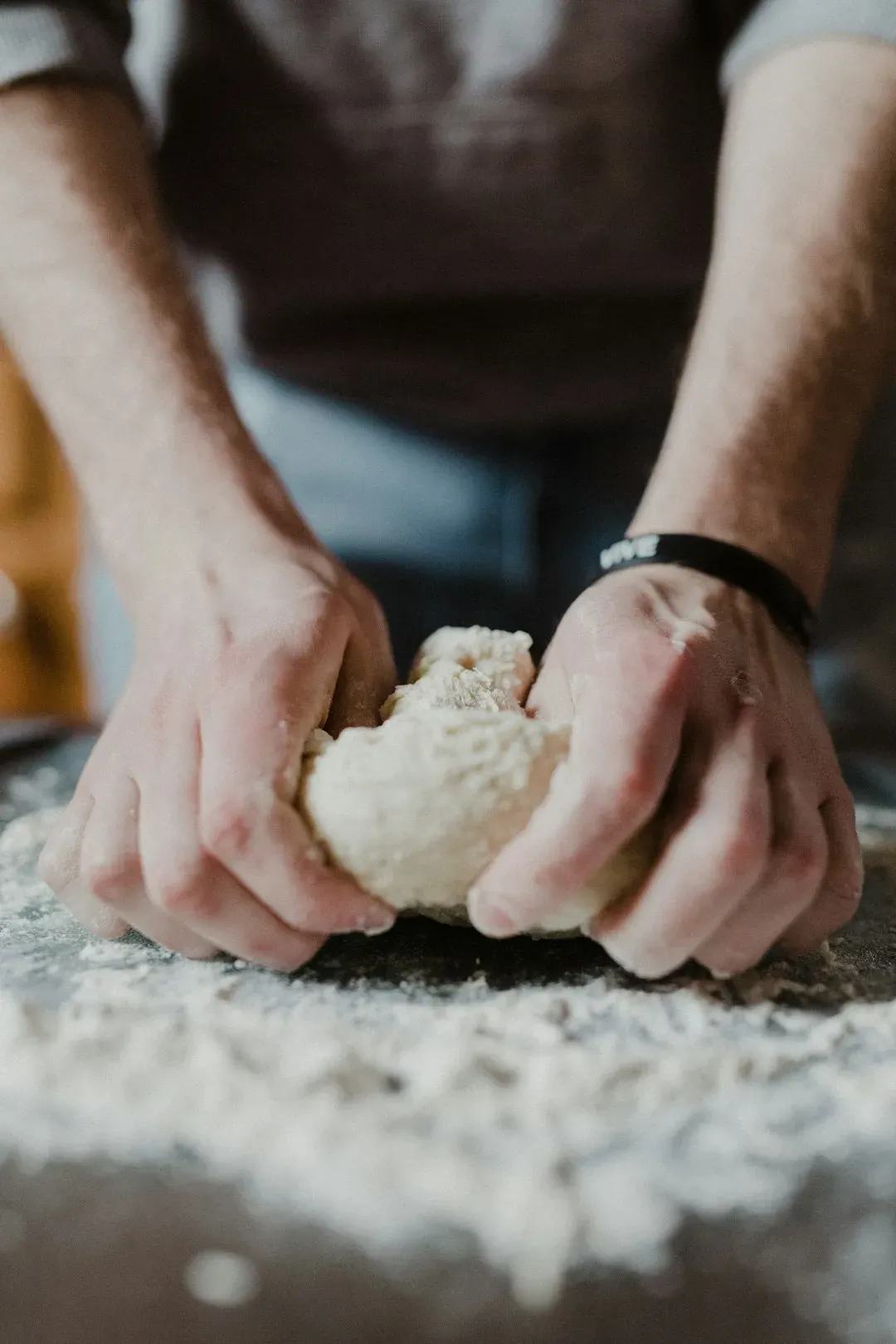
Kneading requires repetitive, rhythmic motion, the kind of physical task that occupies the hands while quieting the mind. Many bakers describe entering a steady, almost meditative state once they get into the rhythm of folding and pressing dough. This lines up with what researchers understand about repetitive manual tasks, which can lower stress by giving the mind a single, simple focus point instead of scattered thoughts.
There is also a tactile satisfaction to feeling dough change under your hands, moving from sticky and rough to smooth and elastic. That transformation is immediate and physical, unlike so much of modern work where results take days or weeks to show. In a world of screens and abstract tasks, kneading offers something refreshingly concrete.
Watching dough rise feels like witnessing something alive
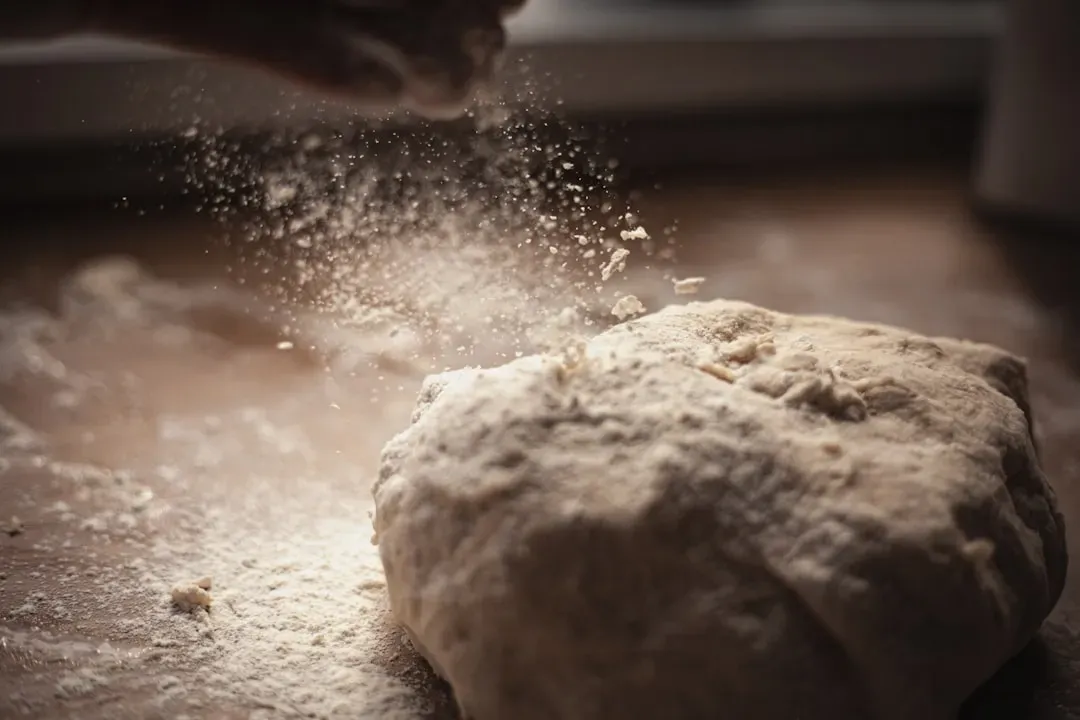
Yeast is a living organism, and watching it work is genuinely watching biology in action. As yeast consumes the sugars in flour, it releases carbon dioxide, which gets trapped in the dough’s gluten structure and causes it to expand. Seeing a lump of dough visibly double in size over an hour or two carries a small sense of wonder, even for bakers who have done it hundreds of times.
This slow transformation also builds anticipation in a way that few modern activities do. Most digital experiences are designed for instant results, while bread asks you to wait, check back, and trust the process. That patience is part of the appeal, not a drawback of it.
The golden crust delivers a satisfying sensory payoff
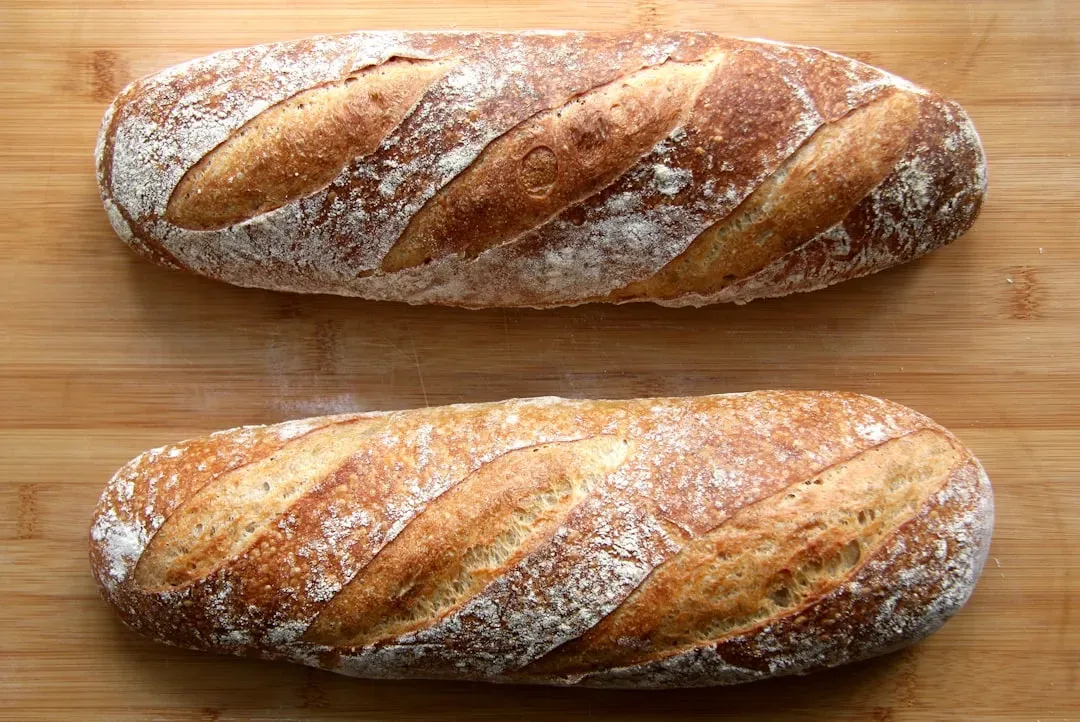
A well baked crust offers a distinct crackle and shatter that soft, mass-produced bread rarely achieves. That texture comes from moisture escaping the surface during baking while sugars caramelize, creating the deep color and crunch bakers aim for. Steam injection in professional ovens and creative home tricks like baking in a covered Dutch oven both work to replicate the humid environment that produces that shatteringly crisp shell.
Cutting into a loaf and hearing that crust crackle is a small but real reward for the hours of waiting that came before it. It signals that the process worked, that the science behind fermentation and heat did what it was supposed to do. Few kitchen tasks offer such an audible confirmation of success.
Bread connects bakers to a tradition thousands of years old
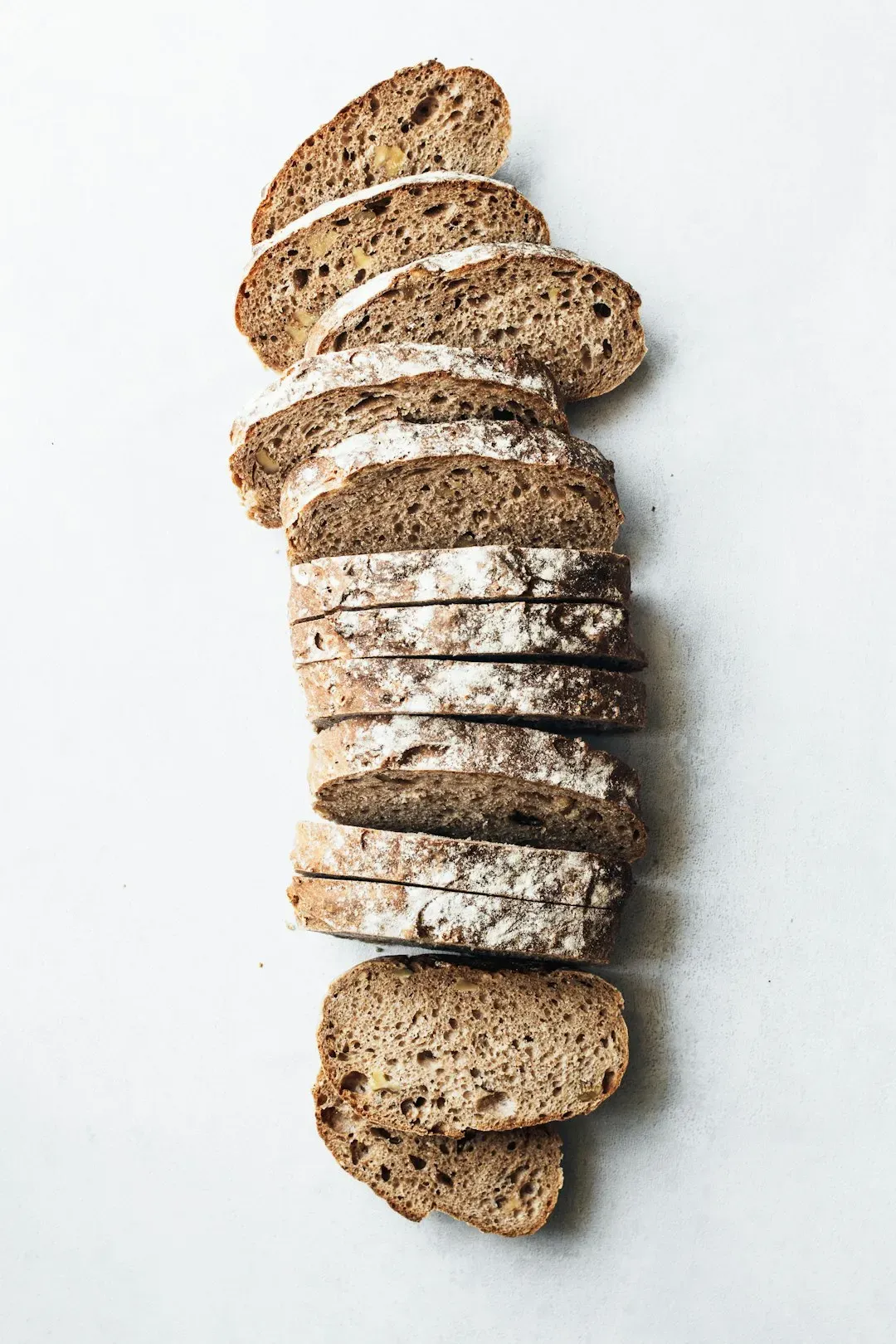
Bread is one of humanity’s oldest prepared foods, with evidence of bread-like baking dating back over 14,000 years, predating the widespread adoption of agriculture. Cultures across the world developed their own bread traditions independently, from sourdough in the Middle East to injera in Ethiopia to naan across South Asia. Baking a loaf at home links a person, even unknowingly, to a practice that stretches back to some of the earliest organized human communities.
That sense of continuity can feel grounding in a world that often prizes novelty over tradition. Following a basic bread recipe means repeating steps that have barely changed in centuries, even as ovens and tools have evolved. There is a quiet comfort in doing something the same way people have for millennia.
Working with your hands offers a break from digital life
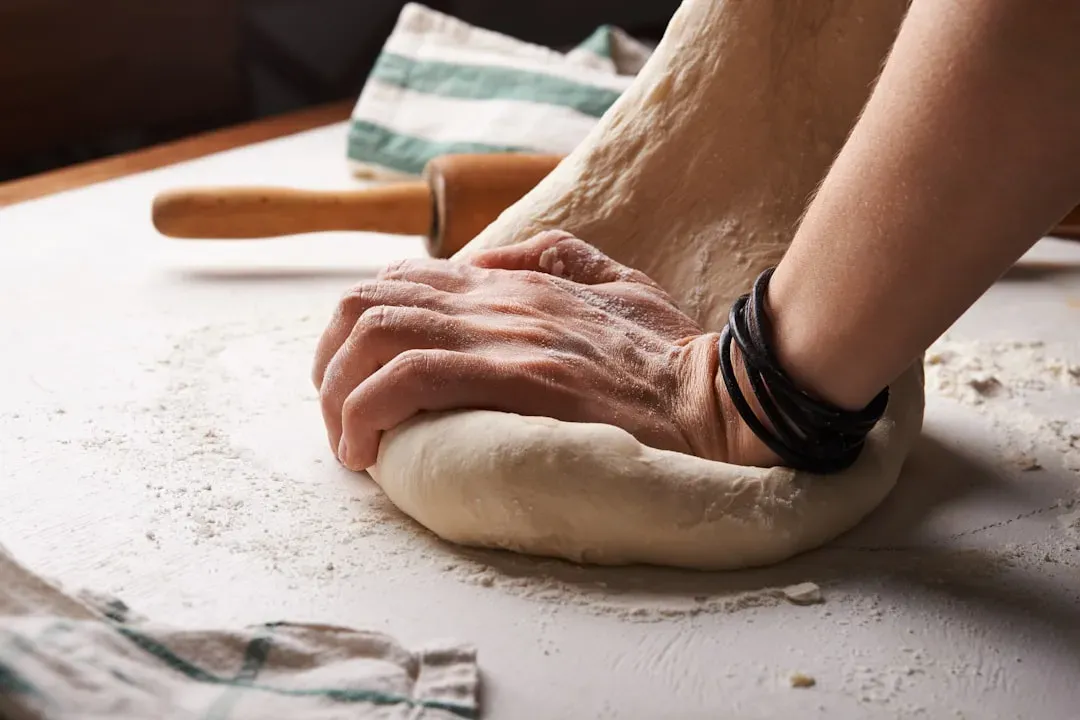
Bread baking demands physical attention: measuring, mixing, shaping, and monitoring texture by touch rather than by screen. This hands-on nature makes it a natural counterbalance to jobs and daily routines dominated by keyboards, phones, and passive scrolling. Occupational therapists and mental health professionals have increasingly pointed to tactile, hands-on hobbies as useful tools for reducing anxiety and improving focus.
Unlike many hobbies that require expensive equipment, bread only needs basic pantry staples and a bit of time. That accessibility means almost anyone can experience the grounding effect of a physical task without a significant financial investment. The reward is proportional to the effort, not the money spent.
Sourdough culture turned home baking into a wider movement
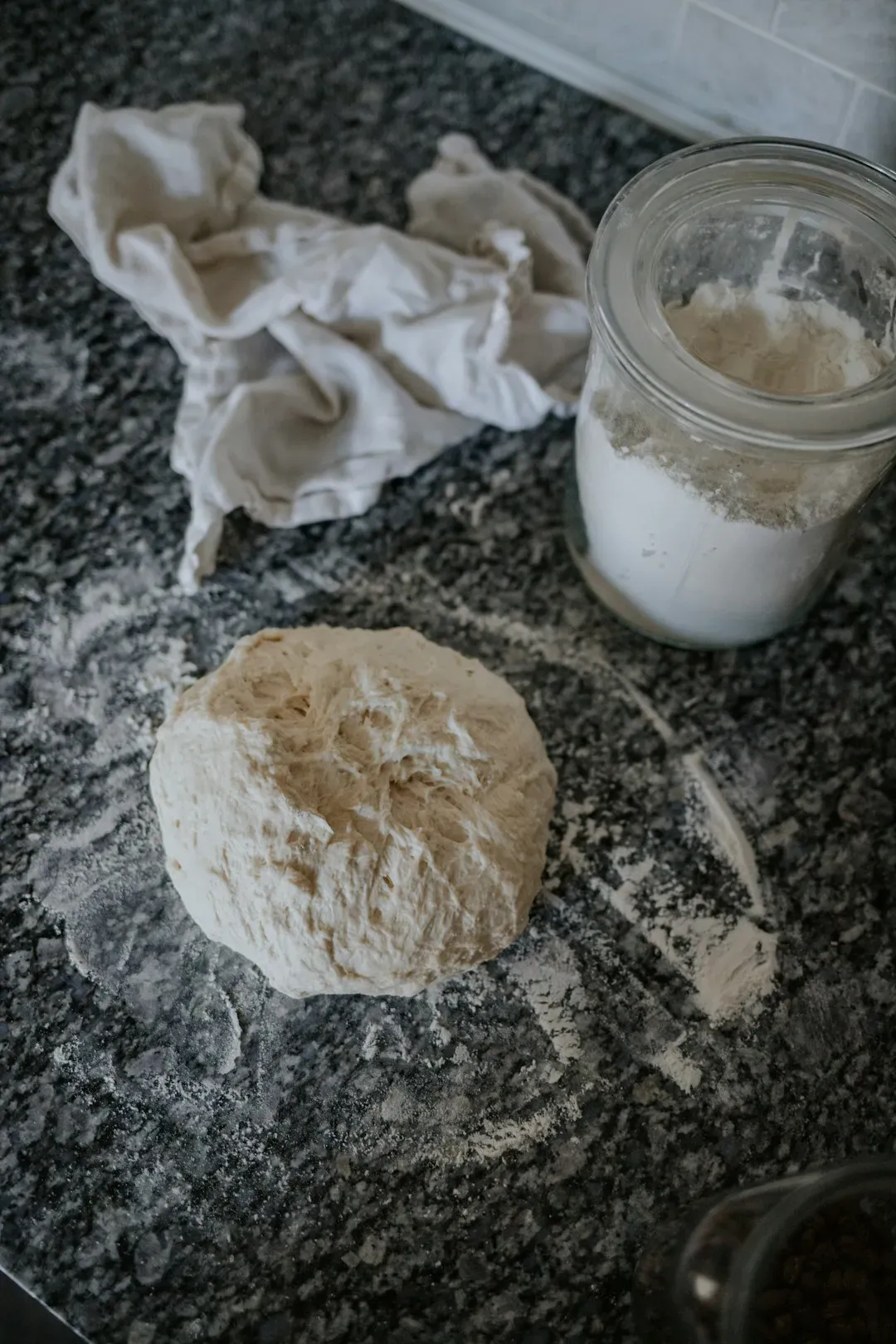
Interest in sourdough baking rose sharply during the pandemic years, when people confined at home turned to slow, engaging projects, and that interest has remained elevated well beyond that period. Maintaining a sourdough starter requires daily attention and a bit of ongoing care, which turns bread baking into an ongoing relationship rather than a single task. Online communities dedicated to starter maintenance, crumb structure, and scoring techniques have kept that momentum alive into 2025 and 2026, with social platforms regularly featuring detailed loaf breakdowns and tips.
This renewed enthusiasm has also pushed home bakers toward more advanced techniques once reserved for professional bakeries, such as extended cold fermentation and higher hydration doughs. That progression from beginner loaves to more technical bakes gives people a long runway of skills to build, which keeps the hobby engaging over time. Few kitchen crafts offer that much room to keep improving.
Sharing a homemade loaf strengthens social bonds
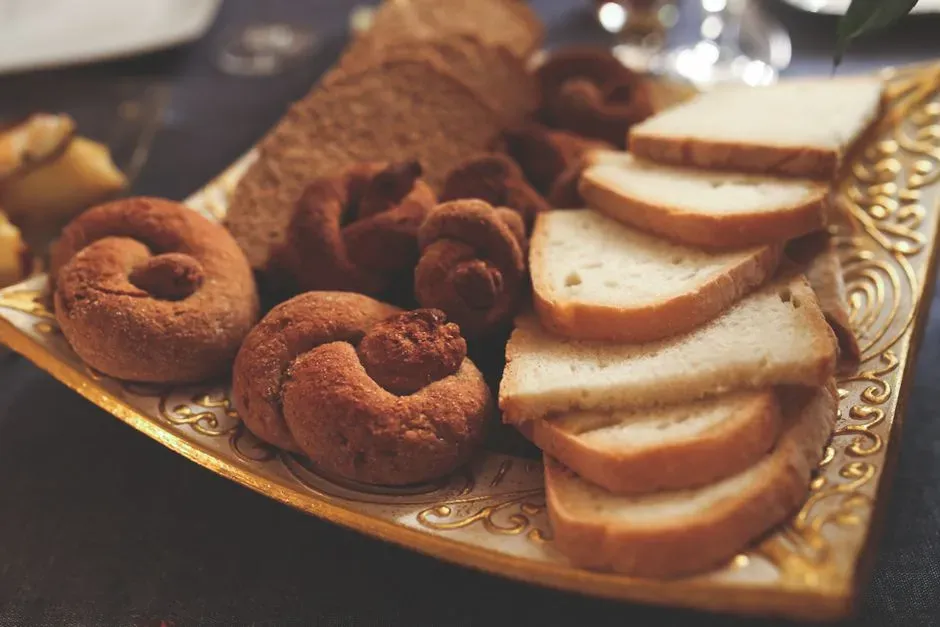
Food has always played a central role in human bonding, and bread in particular carries strong symbolic weight across cultures, often associated with hospitality and generosity. Handing someone a warm loaf you made yourself carries a different weight than handing them something store bought. It signals time invested, care taken, and a bit of vulnerability in offering something imperfect and homemade.
Many home bakers describe giving away loaves to neighbors, coworkers, or family as one of the more rewarding parts of the hobby. That exchange turns a solitary kitchen task into a small social ritual, reinforcing community ties in a low pressure way. Bread, in that sense, becomes less about the food itself and more about the gesture behind it.
Simple ingredients make bread forgiving and repeatable
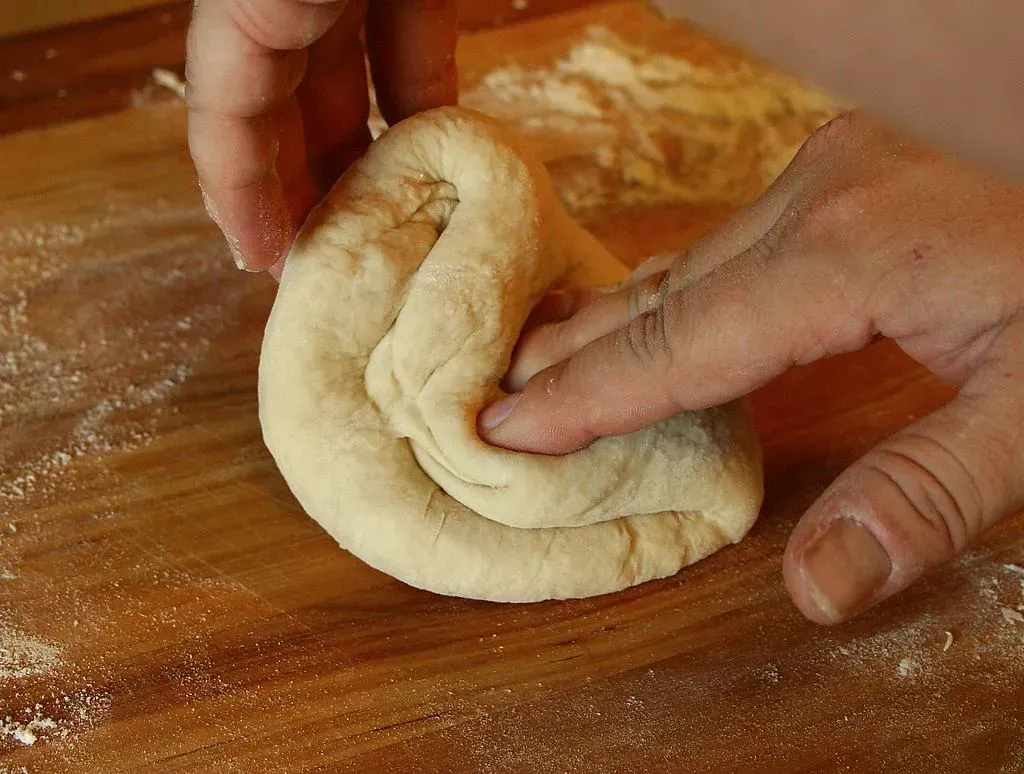
At its core, basic bread requires only flour, water, salt, and a leavening agent, making it one of the more accessible baked goods to attempt. This simplicity means failures are rarely expensive or wasteful, which lowers the psychological barrier to experimentation. A dense loaf or a flat one still teaches something useful for the next attempt, without much financial cost attached to the lesson.
That forgiving nature encourages repetition, and repetition is where real skill develops. Unlike more delicate baked goods that demand precision, bread dough tolerates a wide range of handling styles and still produces edible, often delicious results. This flexibility keeps beginners motivated long enough to notice genuine improvement.
Finishing a loaf delivers a rare, tangible sense of accomplishment
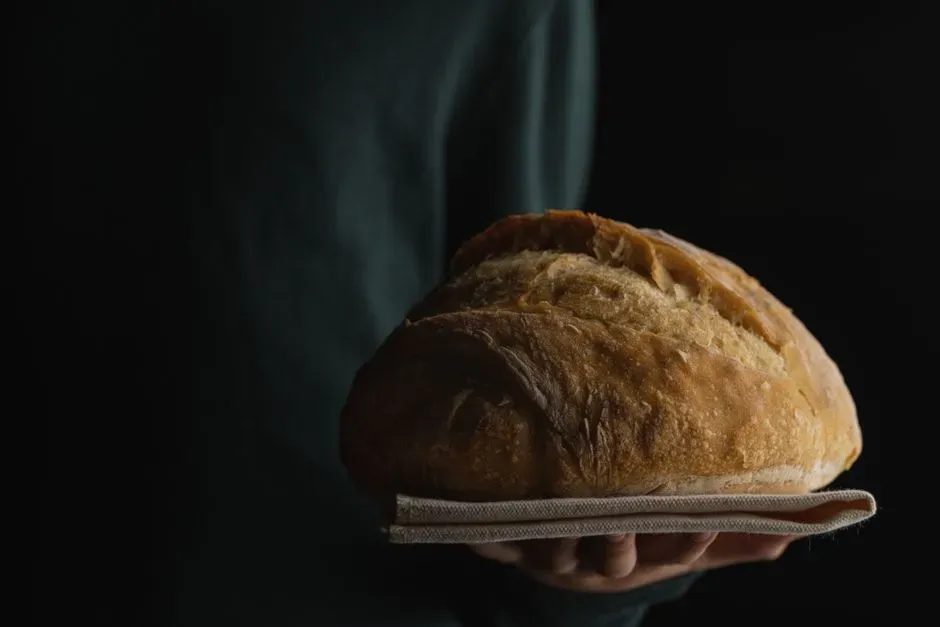
Modern work often involves long projects with delayed or invisible outcomes, but bread baking compresses effort and reward into a single afternoon or day. Pulling a finished loaf from the oven provides an immediate, physical marker of completion that few other everyday tasks can match. That loaf sits on the counter as visible proof that time and attention produced something real.
Psychologists who study motivation often point to this kind of visible, near-term payoff as a key driver of sustained engagement in hobbies. Bread baking offers that payoff reliably, loaf after loaf, which helps explain why so many people who try it once keep coming back to it. The reward is not abstract or delayed. It is warm, fragrant, and sitting right there on the cutting board.