
There’s a particular kind of recipe that lives beyond the kitchen. It gets folded into a wallet, stained with vanilla, scrawled on the back of an envelope, and passed from one hand to another across decades. These aren’t the viral food trends that flood your feed in January and disappear by March. They’re the dishes that make a table feel like home.
Every cook, no matter how casual or accomplished, eventually discovers a handful of recipes they genuinely can’t lose. They become the standard-bearers of celebrations, the answer to a bad week, the thing a child requests every single birthday. This is a collection of those recipes, and the reasons they earn their permanent place.
Table of Contents
The Roast Chicken That Always Delivers
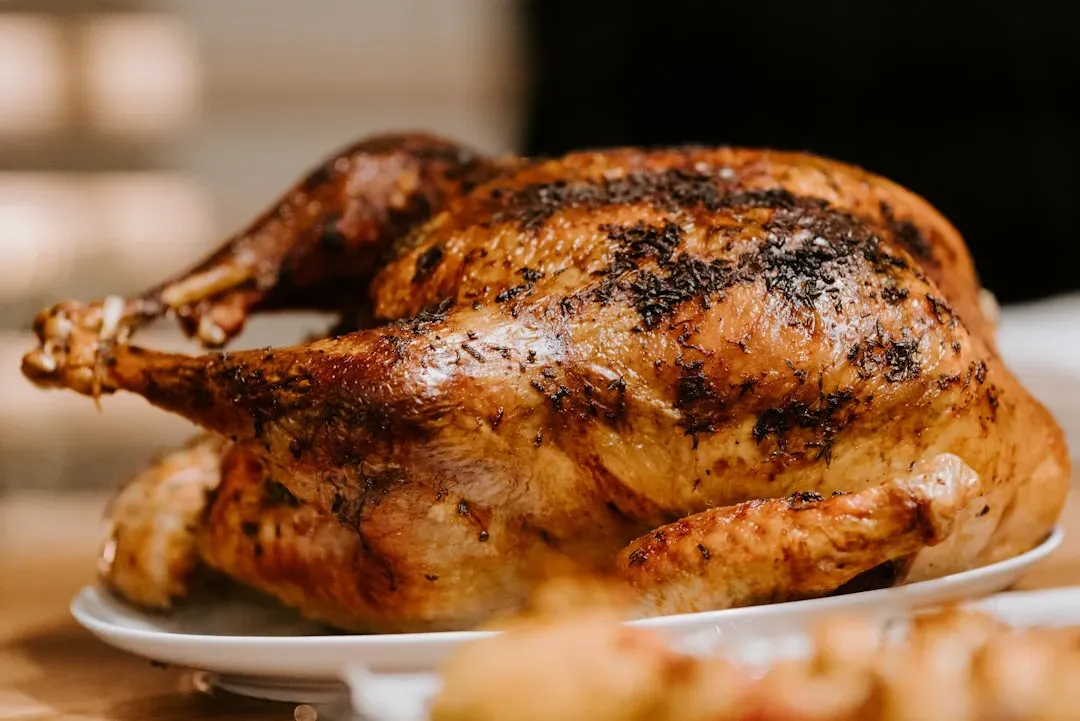
A properly roasted whole chicken is the anchor of home cooking. Crispy skin, juicy meat, and a kitchen that smells unforgettable for hours: few dishes match it for the effort involved. The technique matters more than the recipe itself. High heat, a dry bird, and seasoning that gets under the skin will outperform any complicated preparation.
It’s always tempting to try new things, but sometimes a time-tested classic simply can’t be beaten – and these old-fashioned preparations still hold up today. A roast chicken recipe you’ve made a dozen times, adjusted to your oven and your taste, becomes something better than any restaurant version. That’s the whole point.
A Chicken Soup You Build from Scratch
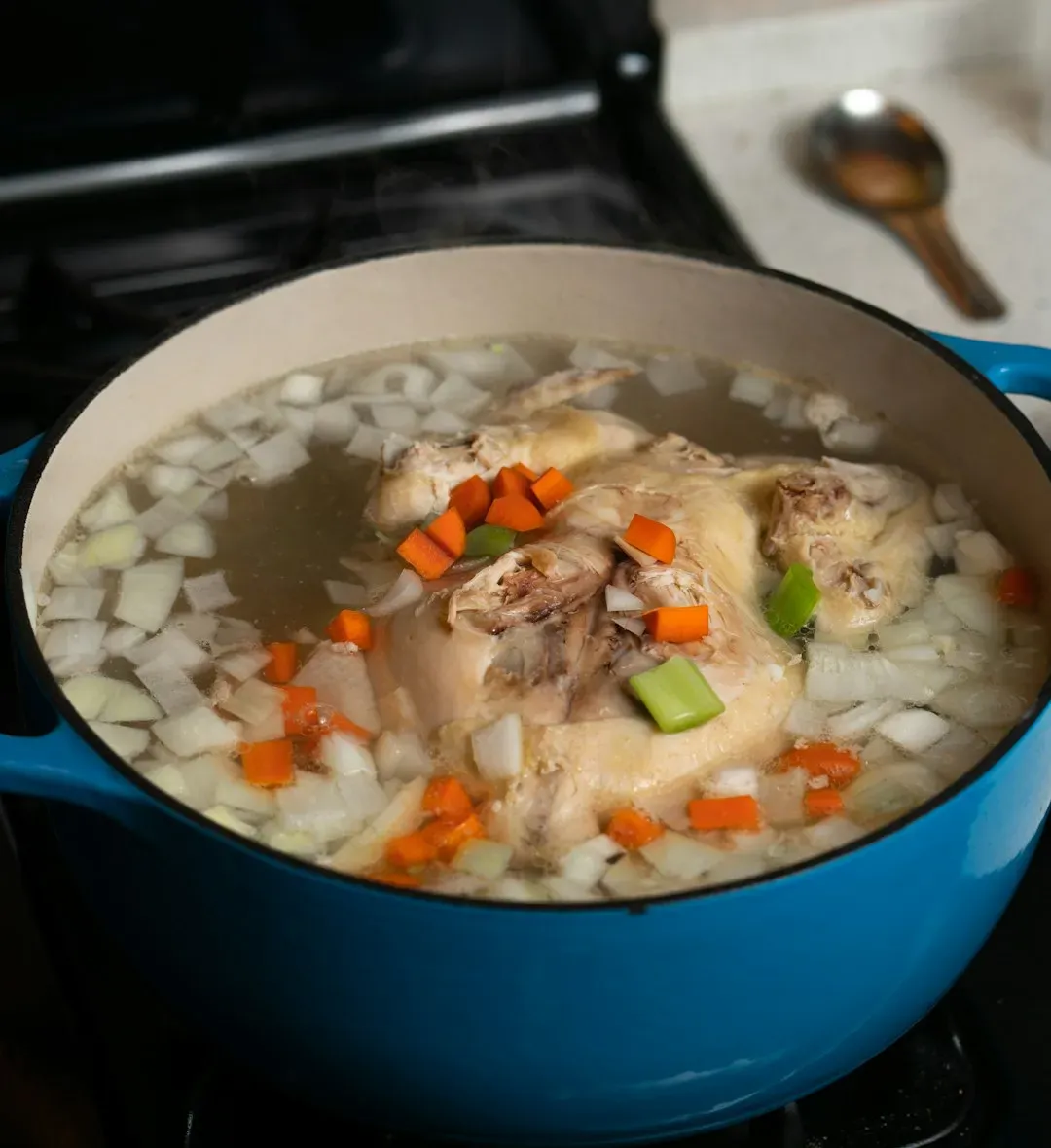
Chicken soup earned its reputation honestly. It’s deeply satisfying, genuinely comforting, and forgiving enough to make with whatever you have on hand. Onion, carrots, and celery form the classic mirepoix flavor base, built up further with garlic, dried or fresh thyme and oregano, and a good amount of black pepper. Getting these proportions right once means you’ll never need to look them up again.
From a restorative bowl of soup to the sweet nostalgia of home-baked bread, food becomes a tangible link to loved ones, memories, and the warmth of home. A handwritten chicken soup recipe carries that weight in a way a screenshot never quite manages. Write it down while it’s still fresh in your memory, with all the small variations you’ve learned.
Slow-Braised Meat That Rewards Patience
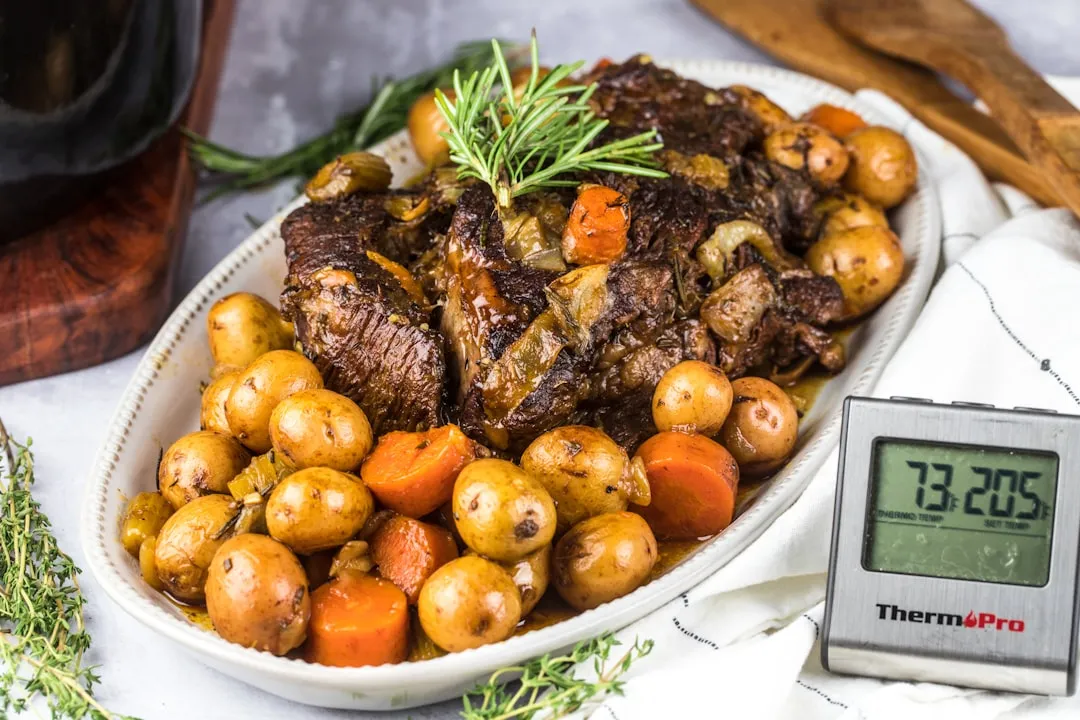
A pot roast made in the slow cooker can be packed with extraordinary depth of flavor – sweet caramelized onions, a rich beefy broth, and melted cheese if you want it. The beauty of a braised dish is that the longer it cooks, the more forgiving it becomes. Time does most of the work for you.
Whether it’s a French-style daube, a pot roast with root vegetables, or short ribs cooked low and slow in red wine, braised meat recipes belong in permanent rotation. The slow cooker in particular allows you to combine easy prep with hands-off cooking to create a genuinely comforting meal. Once you find the version that works for your household, write down every detail, including the pan you used and the timing that finally got it right.
Homemade Bread That Connects You to Something Older
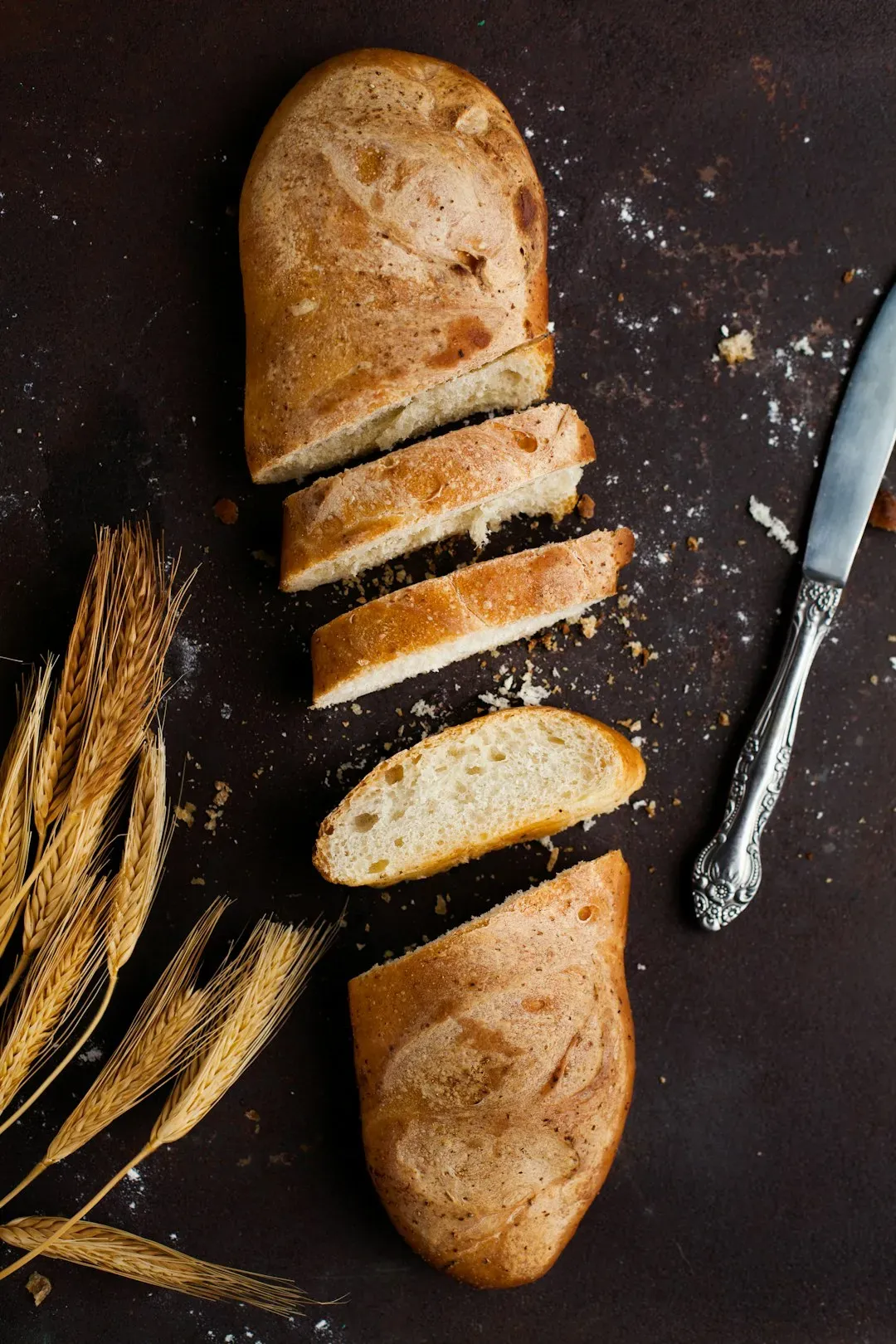
There are few things as comforting as homemade bread, a food that can soothe both the body and the soul at once. Bread-making is also one of those skills where the recipe matters less than the feel of the dough, the smell of the kitchen, and the small adjustments you learn over time. That accumulated knowledge is exactly what gets lost when a recipe isn’t written down.
If you’re lucky enough to hold a recipe card from a grandmother or great-grandmother, you’re holding a piece of history – these cards often contain more than just instructions; they’re artifacts from a time when food was a central part of daily life. A bread recipe passed down this way, with a flour type noted in the margin or a rising time adjusted for a cold kitchen, is irreplaceable. Make the bread, take your own notes, and add them to the card.
The Cake Every Family Deserves to Own
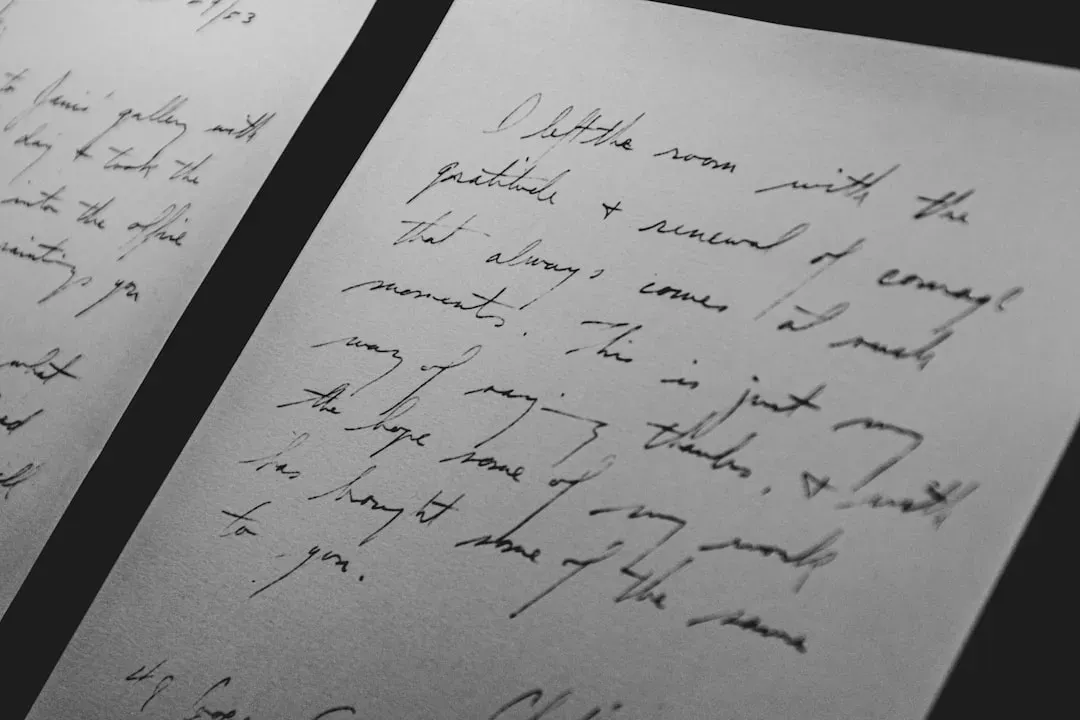
Every household has room for one truly great cake recipe. Not a boxed mix, not something assembled from a bakery shortcut, but a genuine scratch cake that someone in the family can reliably produce. Recipes are a way to bond with others, practice cooking skills, celebrate one’s culture, and remember family traditions. A birthday cake made from a written-down family recipe does all of those things at once.
A handwritten recipe conveys tremendous meaning – an invitation for everyone to be part of the culinary traditions that have become a founding aspect of our lives, creating a belief in continuity and connectivity. The cake doesn’t need to be complicated. It needs to be consistent, repeatable, and yours. Chocolate layer cake, lemon pound cake, a spiced carrot cake: pick one and make it your family’s.
A Pasta Dish You Could Make Blindfolded
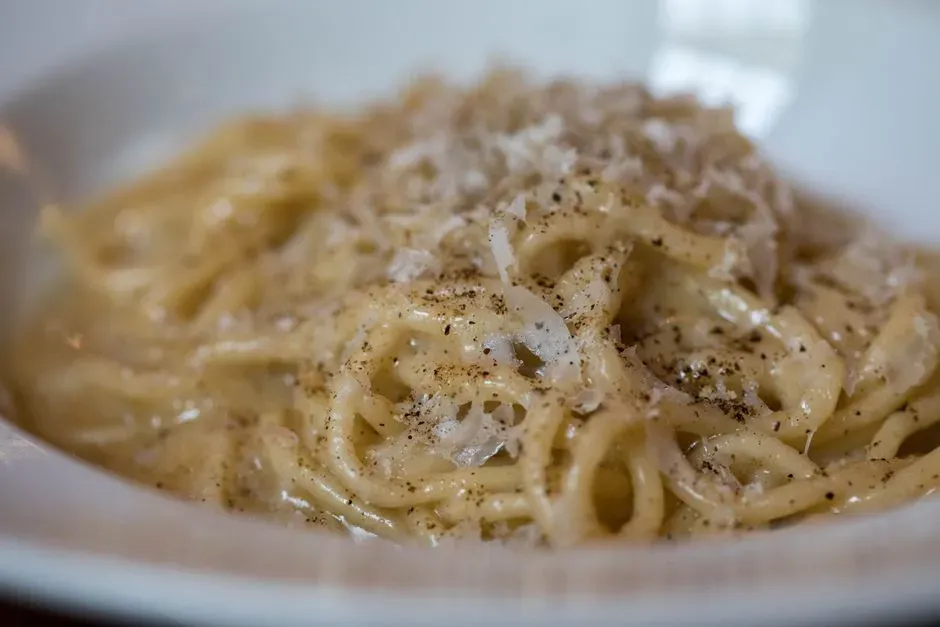
Every cook needs at least one pasta recipe so well-practiced that it barely requires thought. A proper cacio e pepe, a slow-cooked Bolognese, a simple aglio e olio: these are the dishes that save a weeknight, feed unexpected guests, and still feel special every time. A French onion pasta, for instance, takes everything you love about French onion soup and turns it into a creamy and cheesy pasta dish – which is the kind of clever adaptation that only happens when you know your way around a base technique.
The best pasta recipes aren’t about fancy ingredients. They rely on technique, timing, and the right ratios. The significance of passing down recipes relies on nostalgia and tradition; recipes are not bound to a sole purpose – apart from being a guide for cooking, they preserve generational tastes of family favorites and inspire the best moments in life. A pasta dish that shows up at your table once a week becomes one of those favorites fast.
The Cookie That Never Loses Its Crowd
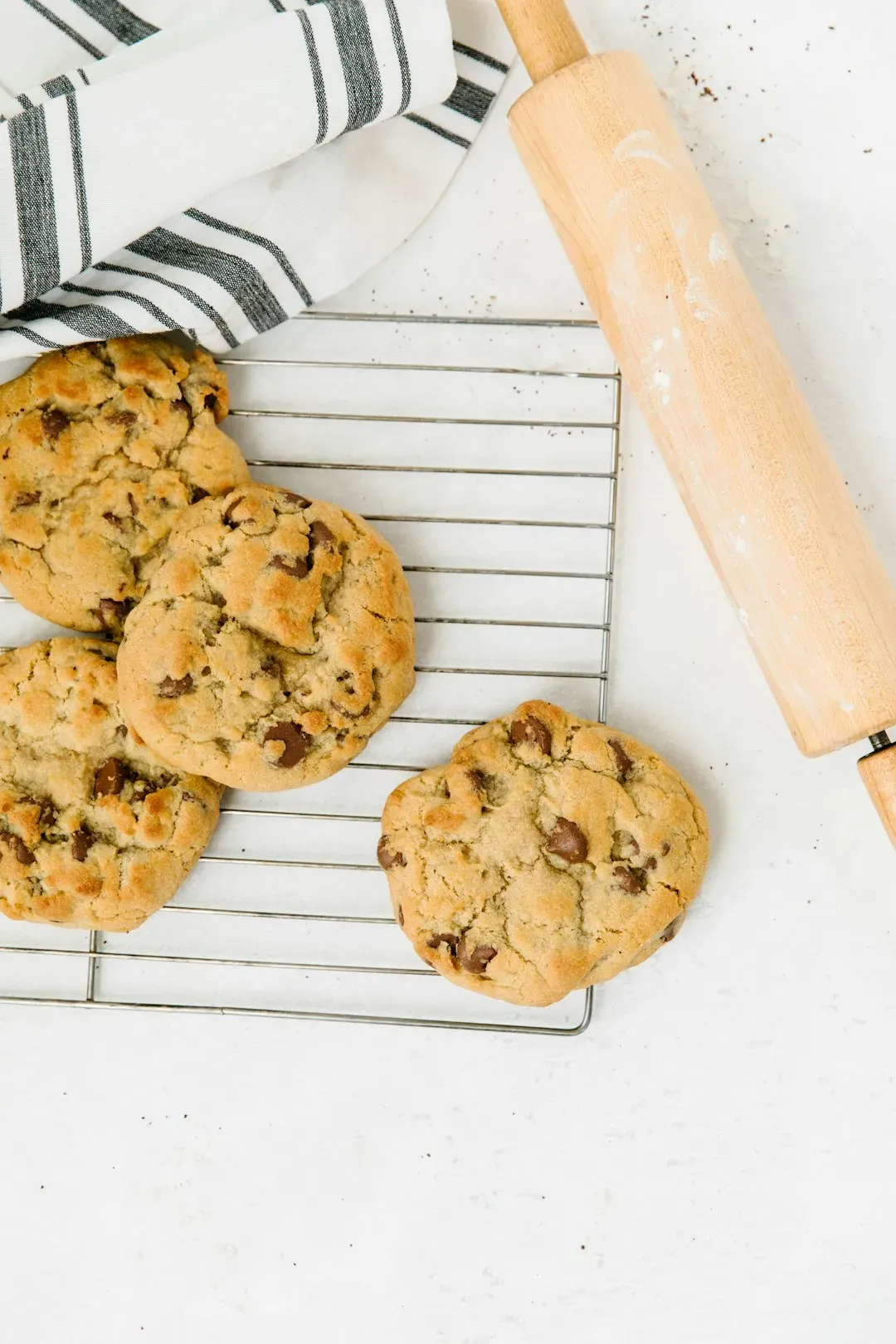
A great cookie recipe earns its place through sheer reliability. Rich, decadent cookies filled with chocolate-covered toffee chunks, for example, have a quality that keeps people coming back – but whatever your preferred style, the recipe you write down should be the one that consistently disappears from the plate first. That’s your answer.
A handwritten recipe card, a stained church cookbook, or a favorite holiday dish can reveal where a family came from, how they lived, what they valued, and how traditions moved from one generation to the next. Cookie recipes in particular tend to carry this kind of quiet history. The recipe a grandmother clipped from a newspaper in the 1970s, the one a friend slipped into a card as a wedding gift: these are the ones worth protecting.
A Vegetable Side That Earns Its Spot at the Table
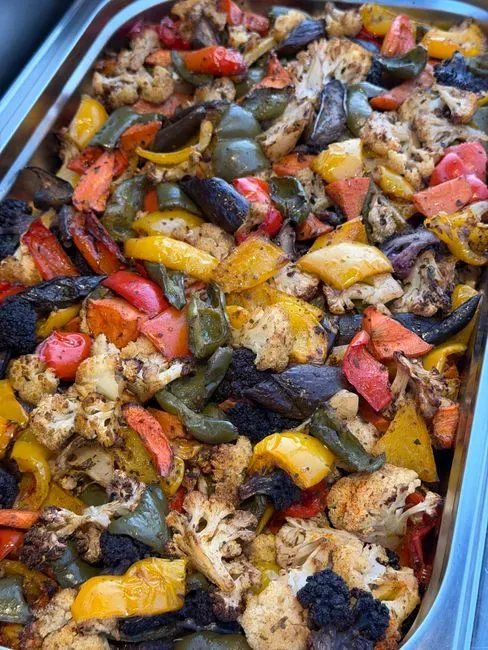
A great vegetable dish is harder to perfect than most people admit. Roasting is the most consistently reliable method. Incorporating seasonal produce keeps things fresh – a fall-inspired roasted vegetable medley with squash, Brussels sprouts, and carrots drizzled with balsamic glaze celebrates the natural colors and textures of vegetables, making each dish a visual feast and a healthful choice.
The specific vegetables matter less than the technique. High heat, space on the pan, good oil, and patience are the constants. Food can connect you with making the same things that generations of your family made before you – making these foods keeps the institution going, and it acknowledges the contributions of the people before us and how their taste influenced the things the family ate. A vegetable recipe that your household keeps requesting is worth documenting just as carefully as any main course.
The Holiday Dish That Holds the Year Together
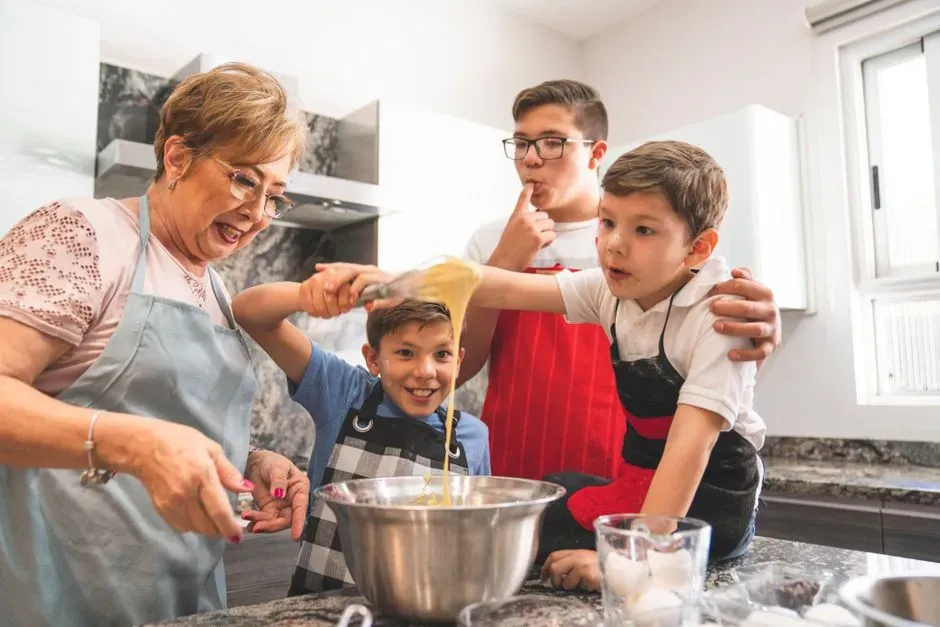
Family recipes often come out during special occasions – holidays, weddings, birthdays, or even funerals. These aren’t just meals; they’re part of a larger tradition that has cultural and sometimes religious significance. The fact that certain dishes are made only during specific times of the year reflects deeply ingrained customs that have been passed down through generations.
Family recipes are valuable records because they reveal cultural traditions, migration patterns, everyday life, family relationships, and personal memories that official documents rarely capture. The tamales made every Christmas, the potato dish that only appears at Easter, the specific stuffing recipe that signals Thanksgiving: these are recipes where the stakes are highest and the need to preserve them most urgent. Given their importance, it’s crucial to ensure they don’t get lost over time – many families are now digitizing their recipe collections, creating family cookbooks, or simply making sure these treasured recipes are passed down to the next generation.
Why Writing It Down Still Matters
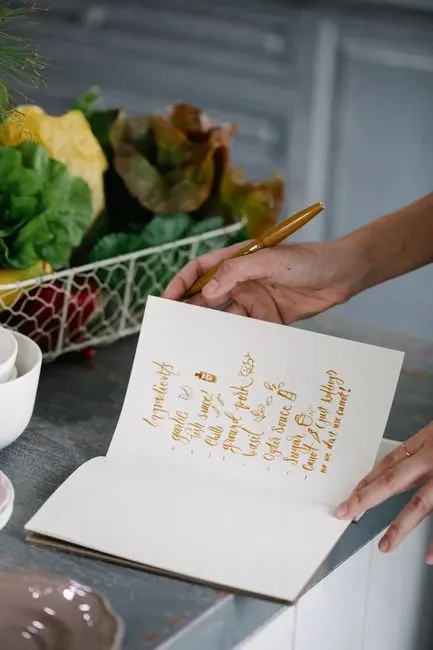
Smell and taste are memory triggers and can evoke fond recollections of people and the times you had with them. A recipe isn’t just instructions. It’s the distilled experience of every time a dish was made, adjusted, shared, and improved. Handwritten recipe cards preserve handwriting, personal notes, ingredient choices, substitutions, stains, and small details that can help descendants feel connected to the person who used the recipe.
Even as the world becomes more interconnected and fast food spreads everywhere, the importance of documenting and safeguarding family recipes grows. Older generations instinctively understand that their kitchen wisdom could disappear without conscious effort, which has led to handwritten cookbooks, digital archives, and family recipe-sharing reunions where each dish carries the weight of family history. Writing a recipe down is a small act with a very long reach. The person who writes it today has no way of knowing who will cook from it thirty years from now – but they will be grateful it was saved.