
There’s something quietly remarkable about the way certain foods appear on millions of tables at the same time every year. A turkey here, a pumpkin pie there, a green bean casserole that someone’s grandmother has been making since the 1960s. These dishes aren’t just meals. They’re markers of season and memory, repeated year after year until they become inseparable from the holidays themselves.
American holiday food culture is a fascinating mix of deep tradition, regional loyalty, and the occasional corporate invention that somehow became sacred. Across Thanksgiving, Christmas, Hanukkah, and New Year’s, certain dishes have earned a near-universal place at the table. Here’s a close look at the foods Americans love most when the holidays arrive.
Table of Contents
Roast Turkey: The Undisputed Centerpiece of Thanksgiving
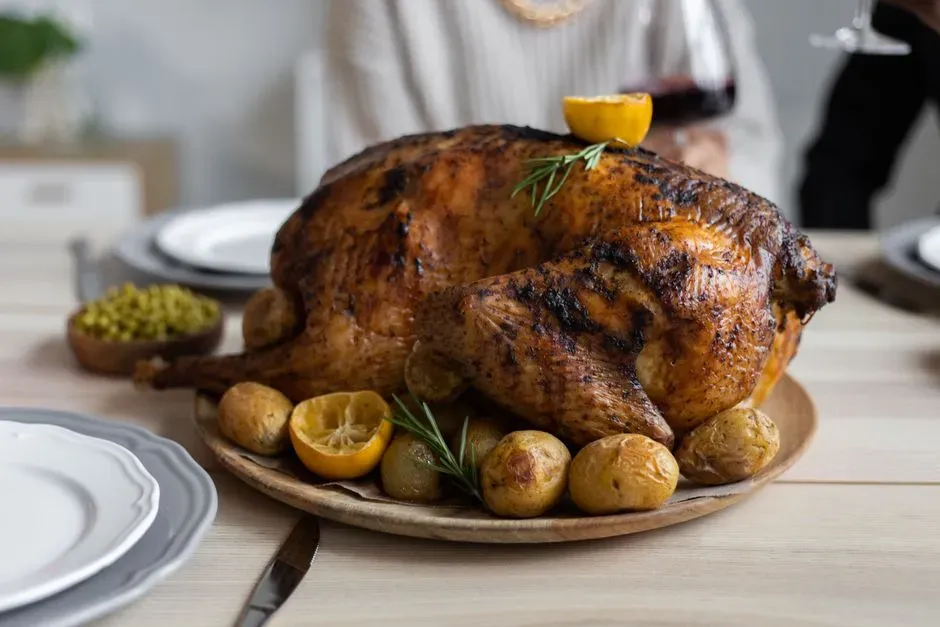
Americans consume approximately 46 million turkeys on Thanksgiving alone. That number alone tells you everything you need to know about how deeply turkey is embedded in the national holiday identity. No Thanksgiving feast is truly complete without it. It remains the most iconic dish of the season and the top-searched food in November year after year.
According to a YouGov poll that asked 1,300 Americans to choose the better of two dishes in a series of head-to-head matchups, the top item to emerge was America’s Thanksgiving classic, turkey, which won 83% of its matchups. Still, not everyone agrees it’s the star. Turkey is the favorite Thanksgiving food in only two states, Virginia and Nevada. The vast majority of Americans actually prefer Thanksgiving sides and desserts, mostly pie.
Stuffing: The Side Dish That Might Actually Win the Table
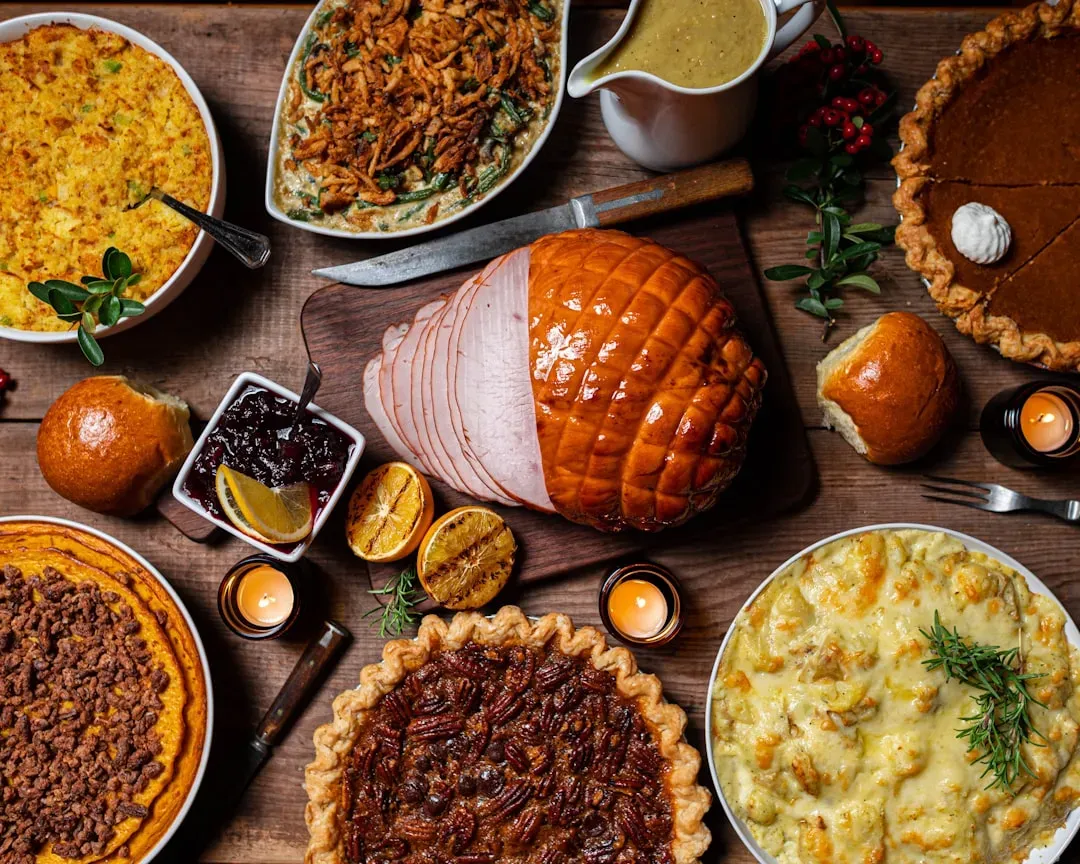
For the fourth year running, stuffing or dressing remains America’s most popular Thanksgiving side dish, claiming the top spot in 42 states according to Campbell’s 2025 report. It’s a remarkable showing for a dish built from bread, broth, and aromatics. Campbell’s annual State of the Sides report, based on a survey of 5,000 Americans across all 50 states, found that roughly two thirds of respondents prefer the sides to the entrée, and nearly half say they would be perfectly happy with a plate full of sides and no turkey at all.
The convenience-food revolution of the mid-1900s introduced pre-packaged stuffing mixes to the home kitchen, making perfect stuffing as easy as just adding chicken broth. That shift helped stuffing spread from regional tradition to a genuinely national obsession. Southerners are even more enthusiastic than Americans overall, choosing stuffing or dressing in matchups at a noticeably higher rate.
Mashed Potatoes: America’s Most Comforting Side
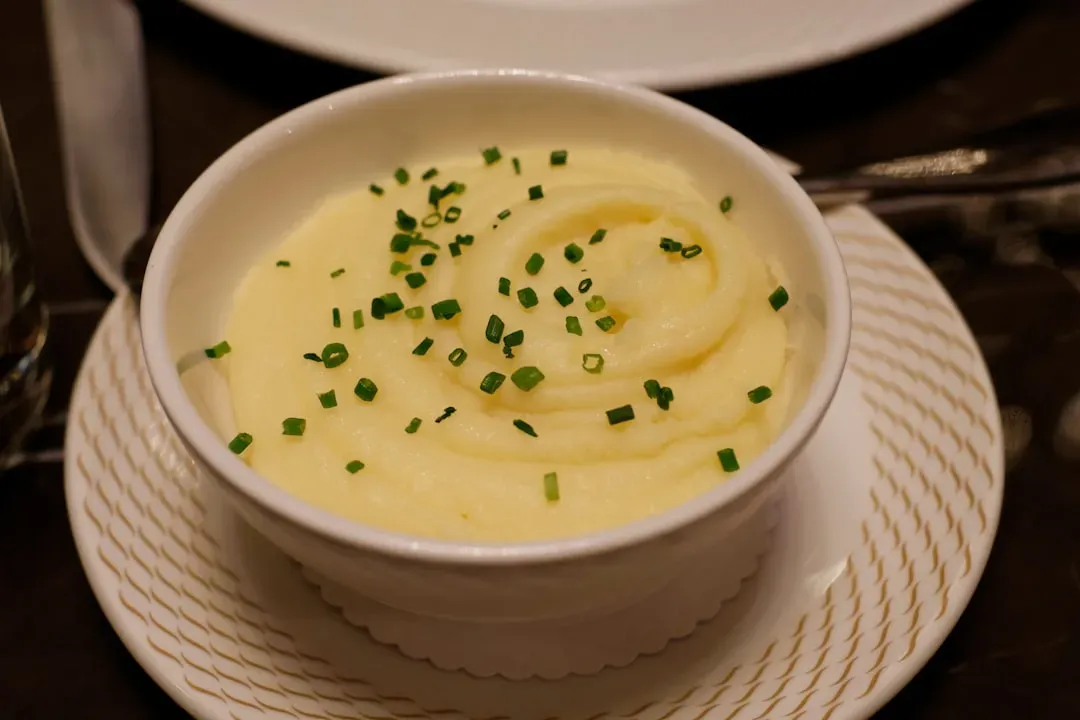
Sides get nearly as much attention as the main dish at holiday gatherings, and mashed potatoes are the number one favorite Thanksgiving side, chosen by roughly seven in ten Americans. The dish is almost elemental in its appeal. Buttery, soft, endlessly adaptable. Mashed potatoes consistently rank among the top Thanksgiving side dishes, loved for their comforting texture and ability to pair perfectly with gravy. In 2025, the trend has been all about customization, from buttery Yukon Gold varieties to rich blends made with heavy cream, sour cream, or roasted garlic.
When Americans were polled on their most popular Christmas dishes, roast potatoes came in at number one with a win percentage of 76%, with mashed potatoes a close second at 75% and turkey third at 73%. Potatoes, it seems, are America’s true holiday constant. They bridge Thanksgiving and Christmas, comfort and celebration, without ever needing an introduction.
Pumpkin Pie: The Dessert That Defines the Season
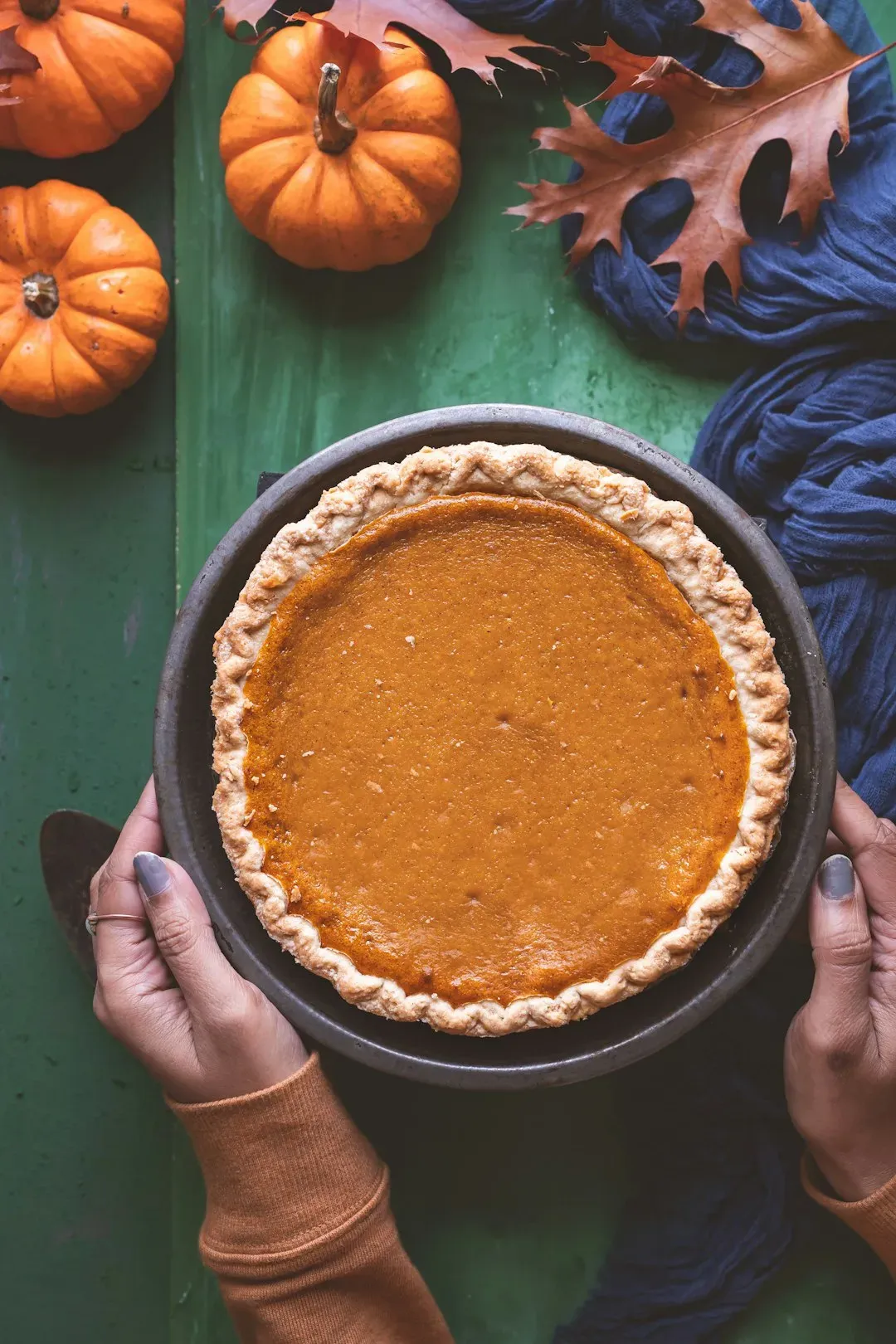
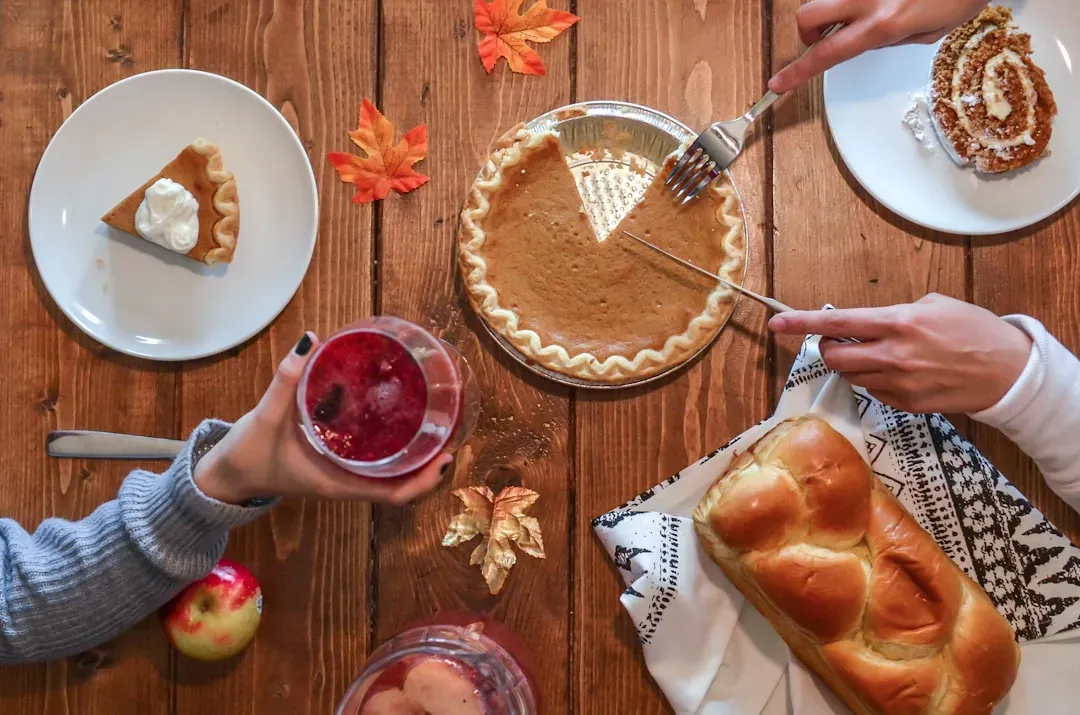
Market analysts report that more than 50 million pumpkin pies will be enjoyed this holiday season across the United States. The filling’s classic blend of pumpkin puree, cinnamon, nutmeg, and cloves evokes the warmth of fall. While traditional recipes still dominate, new variations such as maple pumpkin pie and pumpkin cheesecake hybrids are trending on social media.
Roughly three in ten Americans name pumpkin pie as their top Thanksgiving pie, while about one in five cite apple pie. The pumpkin pie tradition itself has an old history. The dish was championed early on by influential 19th century writer Sarah Josepha Hale, who made the case for pumpkin pie’s importance to the Thanksgiving meal across her widely-read publications. The pie stuck, and it hasn’t left the table since.
Green Bean Casserole: A Corporate Creation That Became a Classic
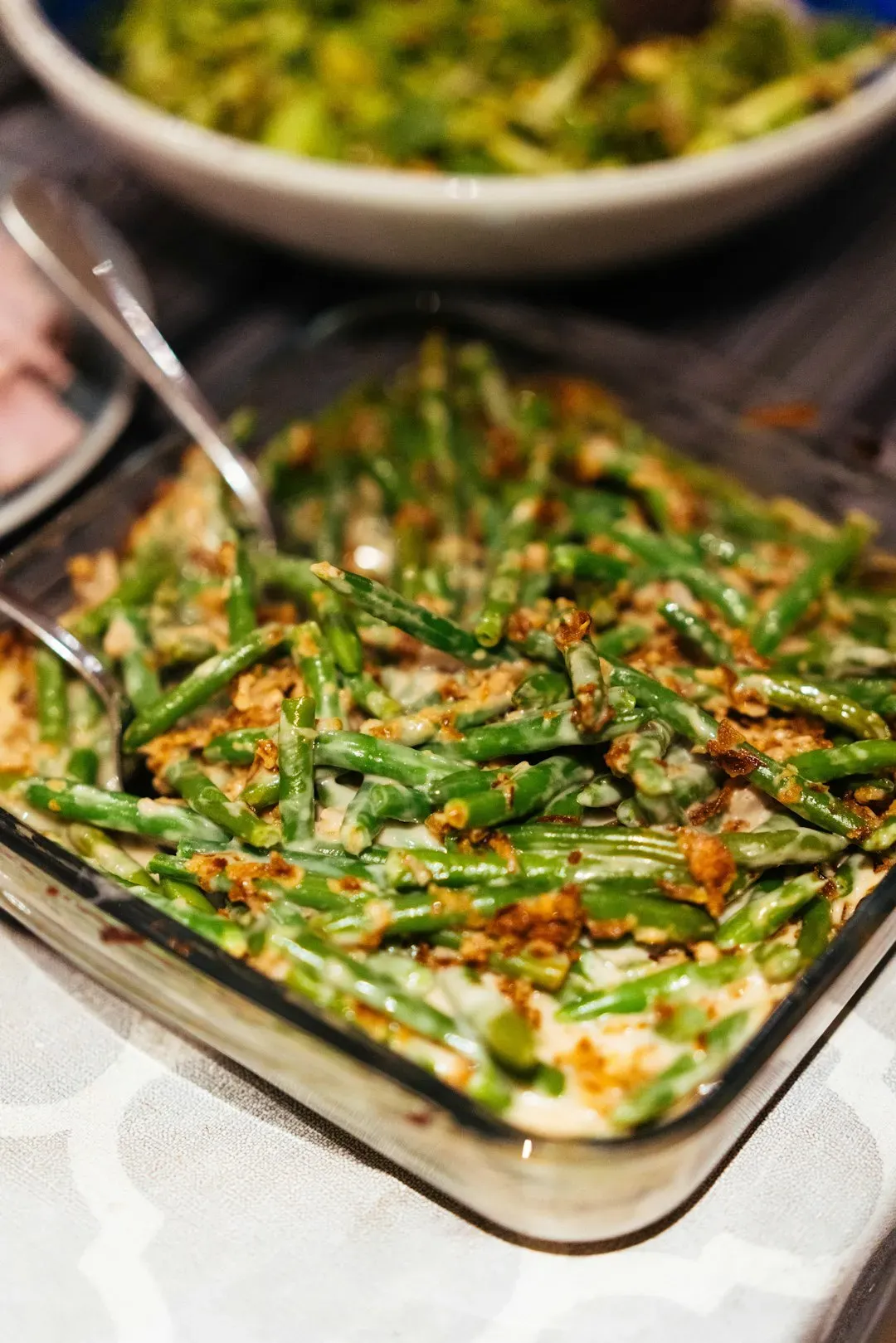
The green bean casserole was created in 1955 by the Campbell Soup Company as a simple recipe combining green beans, cream of mushroom soup, and crispy fried onions. It quickly became a Thanksgiving staple in many households. Few dishes have such a transparent origin story and yet feel so genuinely traditional. The casserole’s popularity coincided with a period of innovation and convenience in American kitchens, highlighted by the emergence of products like TV dinners and a rise in canned and pre-packaged foods following World War II.
Campbell’s Green Bean Casserole celebrated its 70th anniversary in 2025 and is still loved by many. Nearly half of respondents in the Campbell’s survey called it the most iconic Thanksgiving side dish. Its regional reception is uneven, though. Northeastern states don’t particularly embrace it, with states like New York and Pennsylvania ranking it as their least favorite Thanksgiving dish.
Cranberry Sauce: Fresh vs. Canned, a Debate That Never Gets Old
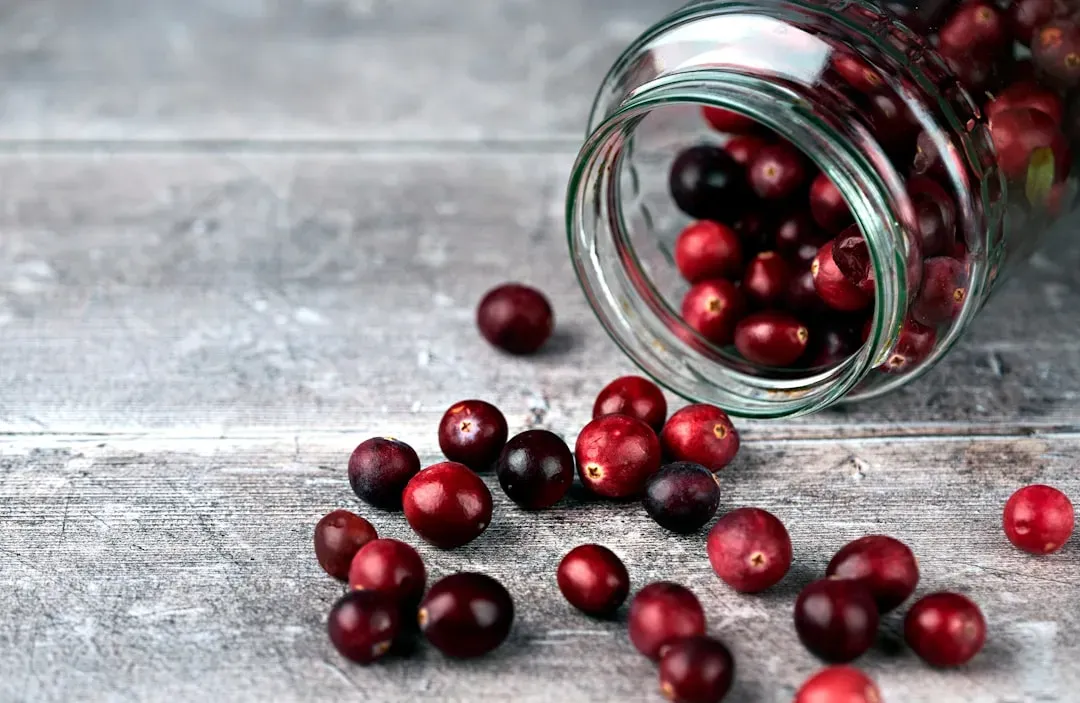
Cranberries are one of only three fruits native to the United States, making cranberry sauce about as traditional a holiday side as you can get. The sauce’s modern, mass-market form has a specific origin point. In 1912, Marcus Urann of the United Cape Cod Cranberry Company started packaging and selling canned cranberry sauce under the name Ocean Spray Preserving Company, allowing cranberries to enjoy a longer shelf life and become fixtures on Thanksgiving tables far away from cranberry bogs.
Whole turkey cranberry sales see a massive spike around Thanksgiving, with cranberry shopping increasing by nearly 3,777% compared to the rest of the year based on Instacart shopping data. Whether someone reaches for the fresh-cooked version or the iconic cylindrical can, the sauce is a consistent presence. Its sweet, tart balance cuts through the richness of everything else on the plate in a way nothing else quite does.
Christmas Ham: A Holiday Tradition Older Than Christmas Itself
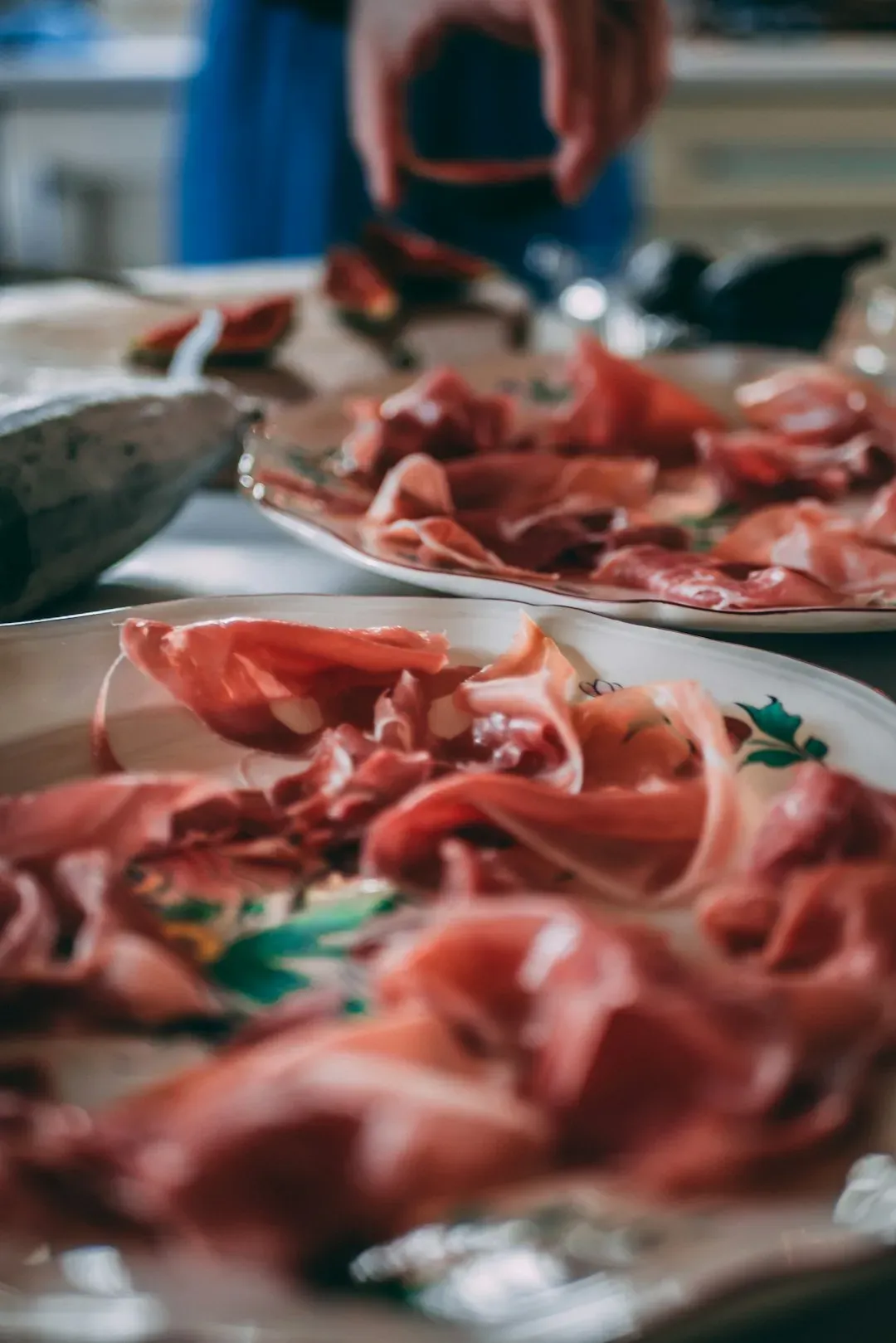
About 318 million pounds of ham is consumed on Christmas, making it the runner-up to turkey as the most popular holiday meat. Ham is chosen by roughly three quarters of Christmas dinner hosts, compared to just over half choosing turkey. That’s a striking gap. At Christmas, ham is arguably king. Although ham is commonly served alongside Christian holidays like Christmas and Easter, the tradition of eating ham during wintertime can be traced several centuries back. Germanic Pagans commonly served wild boar during Yuletide, and Norse Pagans sacrificed and feasted on wild boar during Winter Solstice celebrations.
In the South, ham, particularly salty, flavorful country ham, is one of the most popular Christmas main dishes. It’s often served with classic Southern sides like mac and cheese and cornbread. The regional variation in Christmas meats is striking. For example, lamb is preferred in states like Minnesota, Florida, and Massachusetts, while prime rib is preferred in Texas. Roast beef is the favorite dish in Pennsylvania and Missouri, while Wisconsin and Louisiana love duck.
Holiday Cookies and Gingerbread: The Baking Season’s Most Beloved Tradition
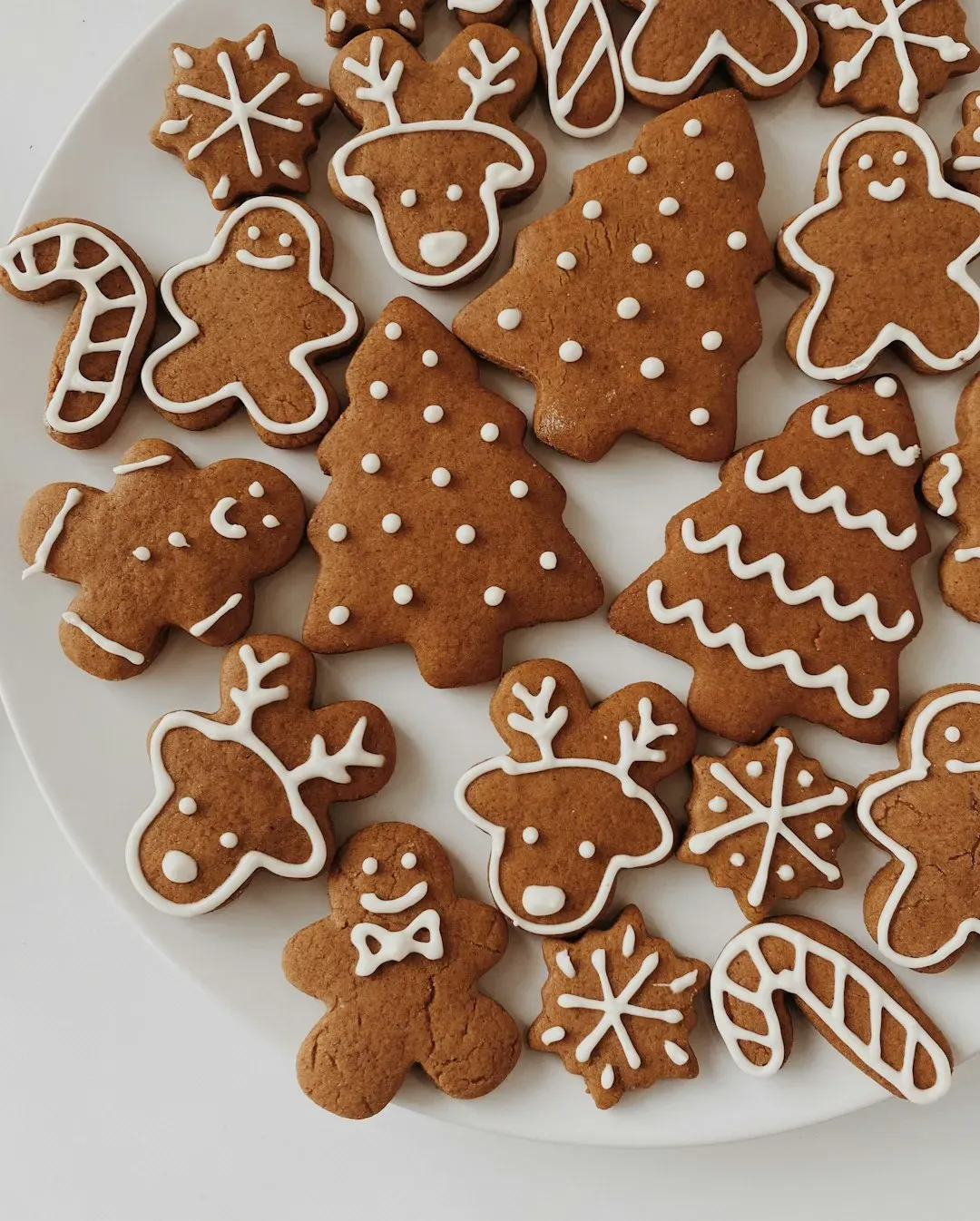
The average American eats roughly 26 cookies, 25 candies, and 12 slices of pie during the holiday season. Baking is a central ritual of the season in a way that goes beyond the food itself. Roughly six in ten adults bake a treat for the holidays, and nearly seven in ten buy candy to use in recipes. Kitchens get flooded with flour and cinnamon starting well before Christmas Day.
Chocolate chip cookies are the most popular Christmas cookie overall, outpacing sugar cookies. Gingerbread is the favorite seasonal cookie flavor. The tradition of gingerbread goes back centuries. In the 11th century, returning Crusaders brought ginger and other spices back from the Middle East, and as these ingredients became more accessible, gingerbread caught hold. Elizabeth I of England is believed to have originated the tradition of decorating the cookies in the late 1500s, and gingerbread houses originated in Germany around the same period.
Hot Chocolate and Eggnog: The Drinks That Define the Festive Season

Hot chocolate is the most popular holiday drink in America, chosen by roughly six in ten consumers in 2024 as their favorite festive beverage. It’s a humble drink elevated entirely by context. A mug of hot chocolate means something different in December than it does in July. Build-your-own hot cocoa bars with various chocolates, plant-based milks, and toppings like peppermint and marshmallows have been gaining traction at holiday gatherings as an interactive experience.
Eggnog occupies a unique seasonal niche. It’s almost impossible to find on grocery store shelves outside of the Christmas season, making it one of the most distinctly holiday-specific foods in the American food calendar. Sparkling wine also sees a notable seasonal spike, accounting for approximately one fifth of its total annual U.S. consumption during the month of December alone. Some drinks, it turns out, are only truly themselves when the season is right.
Plant-Based and Regional Alternatives: How Holiday Tables Are Changing
Plant-based holiday options are rapidly gaining ground in American households, with roughly three in ten Americans now planning to have plant-based foods at their Thanksgiving table. The shift isn’t about replacing tradition wholesale. While plant-based foods are no longer a novel trend, their presence during the holidays continues to expand. The focus has shifted toward making them center stage, with lentil loaves, mushroom wellingtons, and jackfruit roasts replacing turkey as the main attraction on some holiday tables.
There’s also a growing appreciation for regional and heritage-inspired dishes that highlight the cultural diversity of North America. Consumers are increasingly eager to explore flavors from Indigenous, Hispanic, African-American, and Asian traditions during the holidays. In the West, tamales are a more popular Thanksgiving dish than in the rest of the country, a reflection of strong Latino cultural influence across California, Arizona, and Texas. The American holiday table has never been a single fixed thing. It’s always been an evolving conversation.