
There’s a particular kind of comfort that only comes from a dish made at home, something stirred, kneaded, or simmered by hand rather than pulled from a package. These are the meals that show up at family gatherings, get passed down through handwritten recipe cards, and somehow taste better than anything a restaurant can plate. Across cultures and generations, certain homemade dishes keep earning their spot at the table, not because they’re trendy, but because they simply work.
What follows is a look at some of those enduring favorites, the ones that turn a regular dinner into something people remember. Each has its own history, its own reason for sticking around, and its own way of making a kitchen smell like something good is about to happen.
Table of Contents
Classic Chicken Noodle Soup
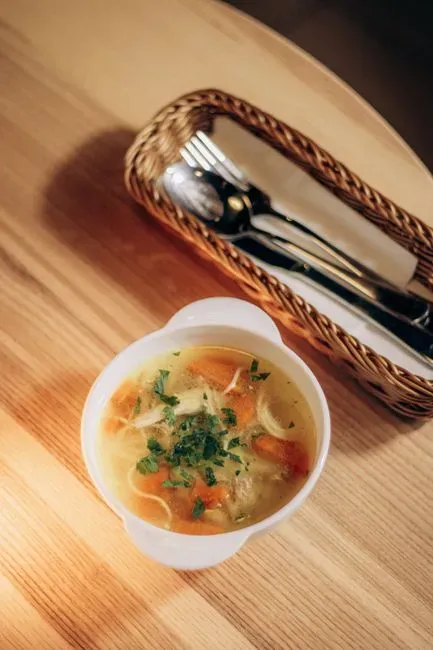
Few dishes carry the same emotional weight as a pot of homemade chicken noodle soup. It’s often the first thing people think to make when someone in the family is sick, and there’s actual science behind why it helps. Research published over the years has suggested that chicken soup can have mild anti-inflammatory properties, which may explain why it eases cold symptoms even beyond the comfort of a warm bowl.
Beyond its health reputation, the soup’s appeal comes from its simplicity. A whole chicken, some carrots, celery, onion, and egg noodles simmered together for hours create a broth that tastes like patience itself. Every region and every grandmother seems to have a slightly different version, yet the outcome is almost always the same: a bowl that feels like being taken care of.
A Proper Homemade Lasagna
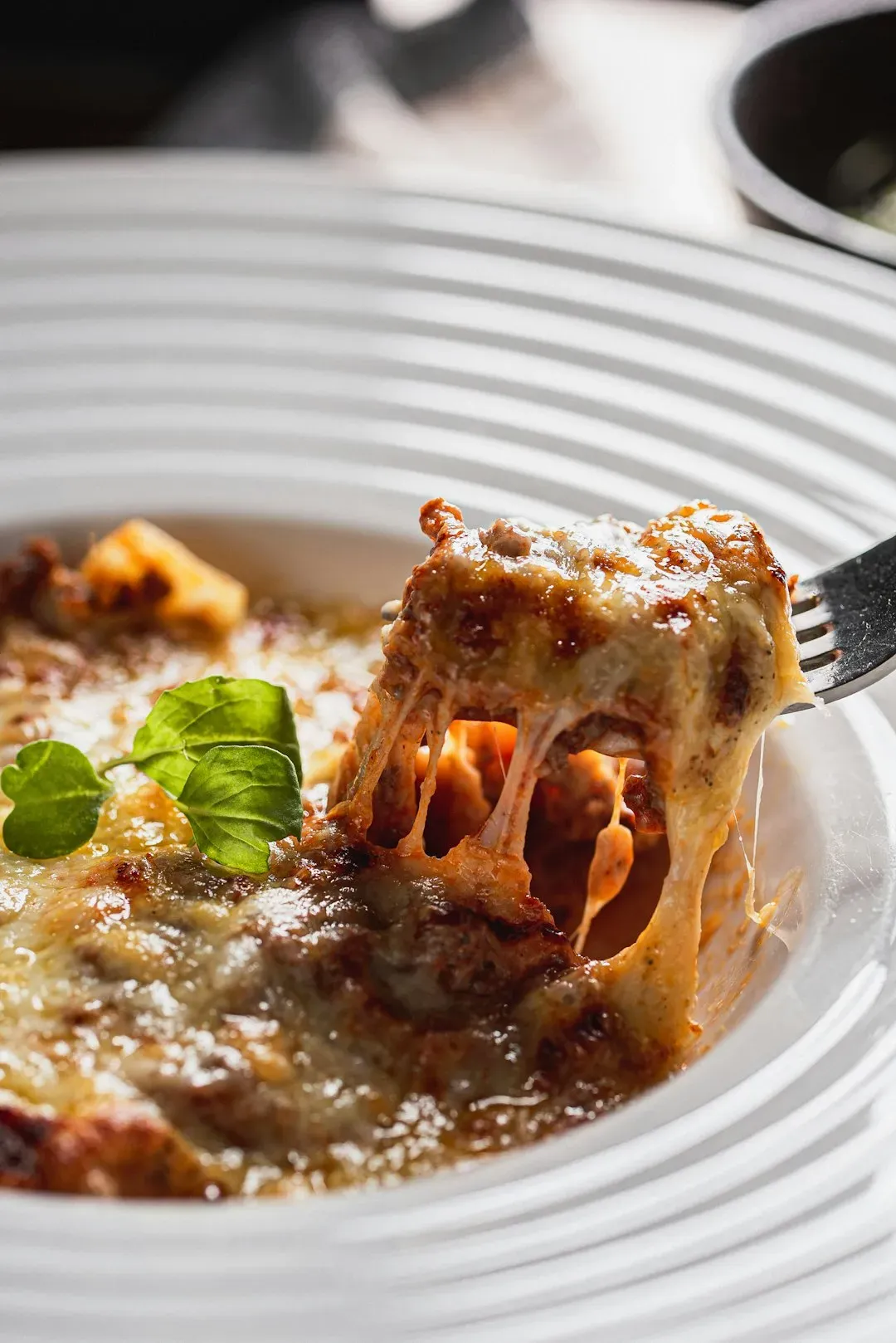
Lasagna has a way of turning an ordinary Sunday into an occasion. Layering pasta sheets with a slow-cooked meat sauce, ricotta or bechamel, and plenty of melted cheese takes time, sometimes a few hours from start to finish, but the payoff is a dish that feeds a crowd and still tastes better the next day. Italian immigrants brought countless regional variations to other countries throughout the twentieth century, and each household eventually settled on its own signature version.
Part of what makes lasagna so beloved is the ritual around it. It’s rarely made just for one person; it’s a dish built for gatherings, for holidays, for the kind of dinner where everyone goes back for seconds. The leftovers, arguably, are just as good as the first serving, which is a rare quality in home cooking.
Fresh Baked Bread
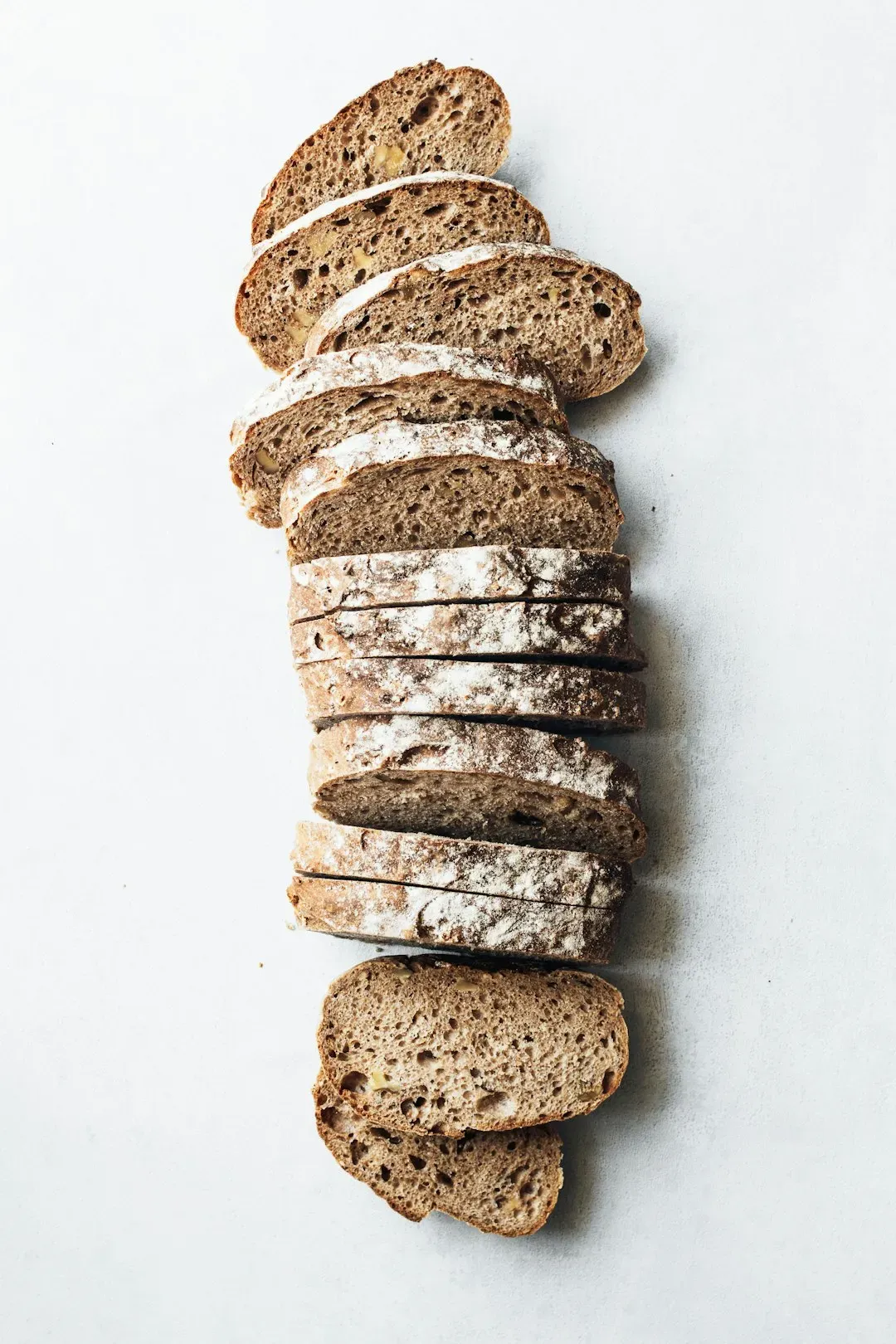
There’s something almost primal about the smell of bread baking. Humans have been making bread in some form for over 14,000 years, according to archaeological findings from sites in Jordan, long before the rise of formal agriculture. That ancient connection might explain why a fresh loaf still feels like such a fundamental comfort today.
Homemade bread, whether it’s a simple white loaf, a rustic sourdough, or a quick banana bread, tends to bring people into the kitchen just to watch or wait. The process of kneading dough or watching it rise adds a kind of quiet satisfaction that store bought bread can’t replicate. Slicing into a warm loaf, even a slightly uneven one, usually gets a better reaction than anything perfectly uniform from a bakery shelf.
Mashed Potatoes Done Right
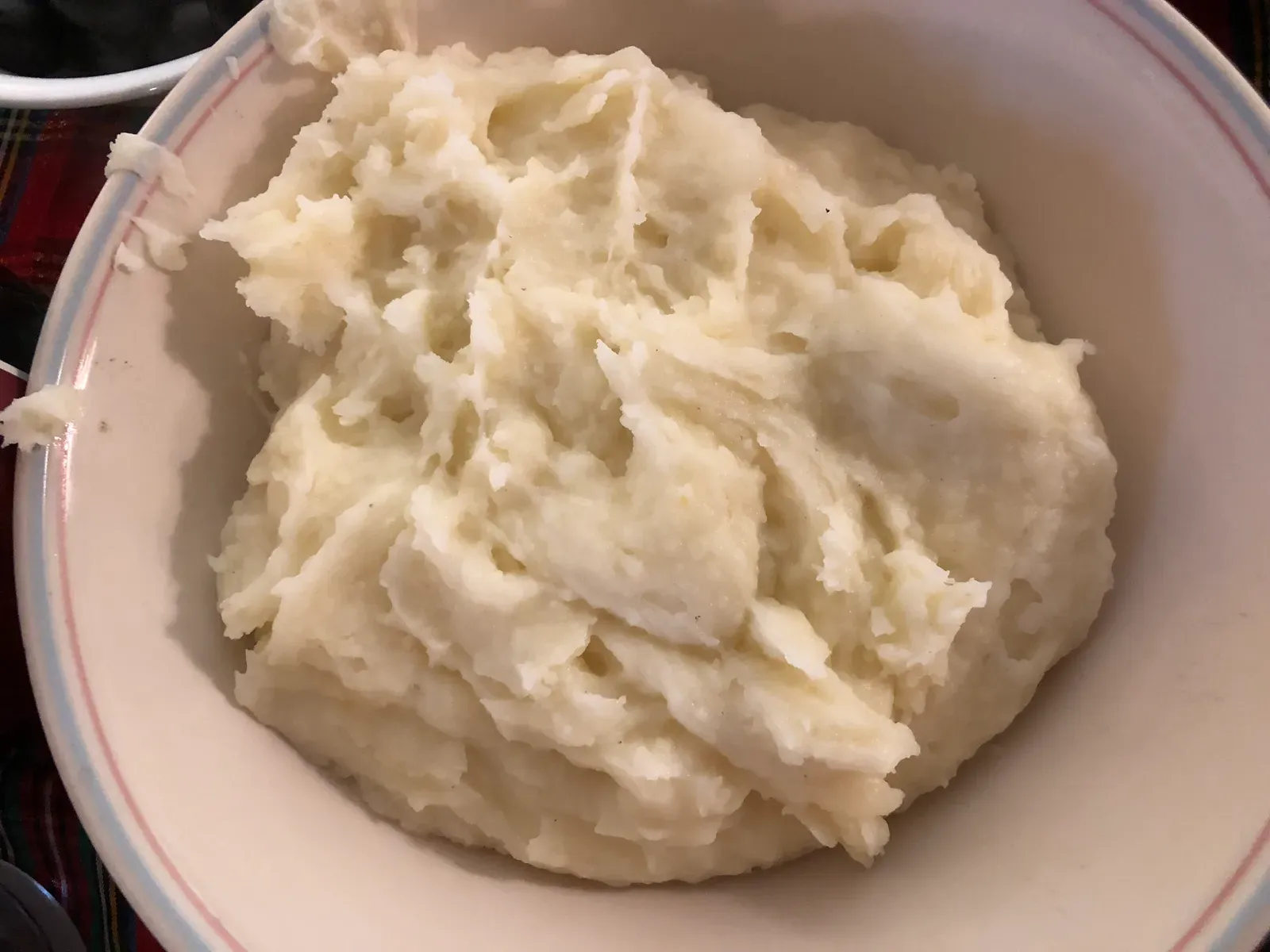
Mashed potatoes might be the most universally comforting side dish in existence. Butter, cream, salt, and well cooked potatoes are really all it takes, yet the dish varies wildly depending on who’s making it, some like it silky smooth, others prefer a few lumps left in for texture. It’s a staple at holiday tables across the United States and much of Europe, often standing in as the dish that ties an entire meal together.
The simplicity of mashed potatoes is exactly what makes them dependable. There’s very little that can go seriously wrong, and even a basic version made with just butter and milk tends to satisfy. It’s the kind of side dish that quietly steals attention from more elaborate mains.
Homemade Chocolate Chip Cookies
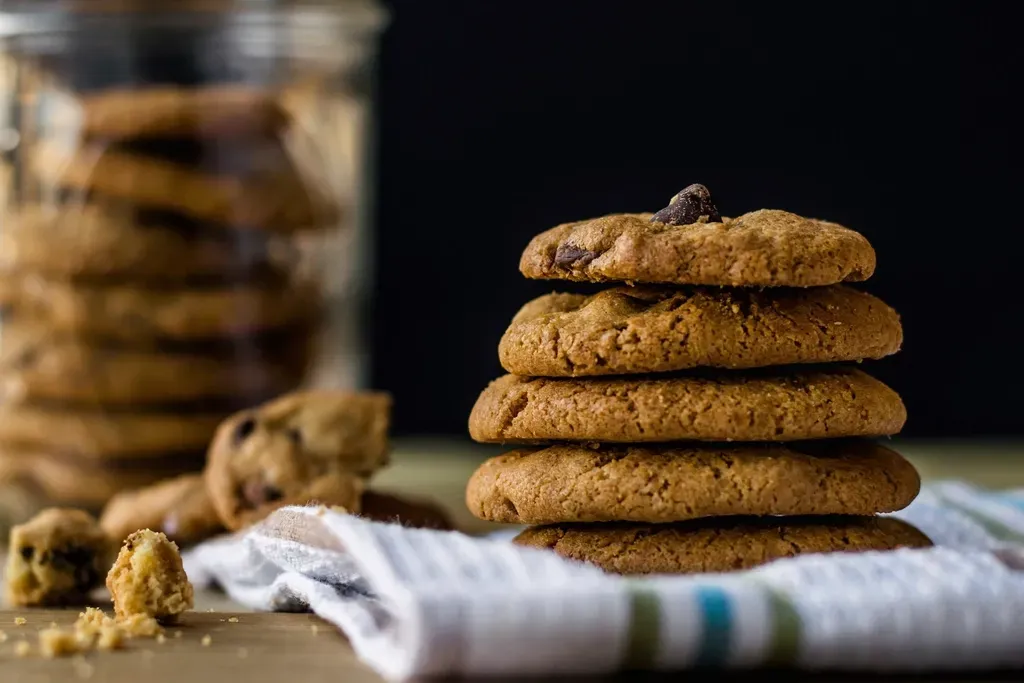
Chocolate chip cookies have a fairly specific origin story. They were invented in 1938 by Ruth Wakefield at the Toll House Inn in Massachusetts, after she added chopped chocolate to a butter cookie recipe expecting it to melt completely into the dough. Instead, the chocolate held its shape, and an American classic was born almost by accident.
Since then, the cookie has become something of a universal language in home baking. The smell of them baking tends to draw people out of other rooms, and warm cookies straight from the oven, slightly gooey in the center, remain one of the simplest ways to make someone’s day a little better. Every baker has their own tweak, more brown sugar, a pinch of sea salt, chilled dough versus fresh, but the core formula rarely strays far from Wakefield’s original idea.
Slow Cooked Beef Stew
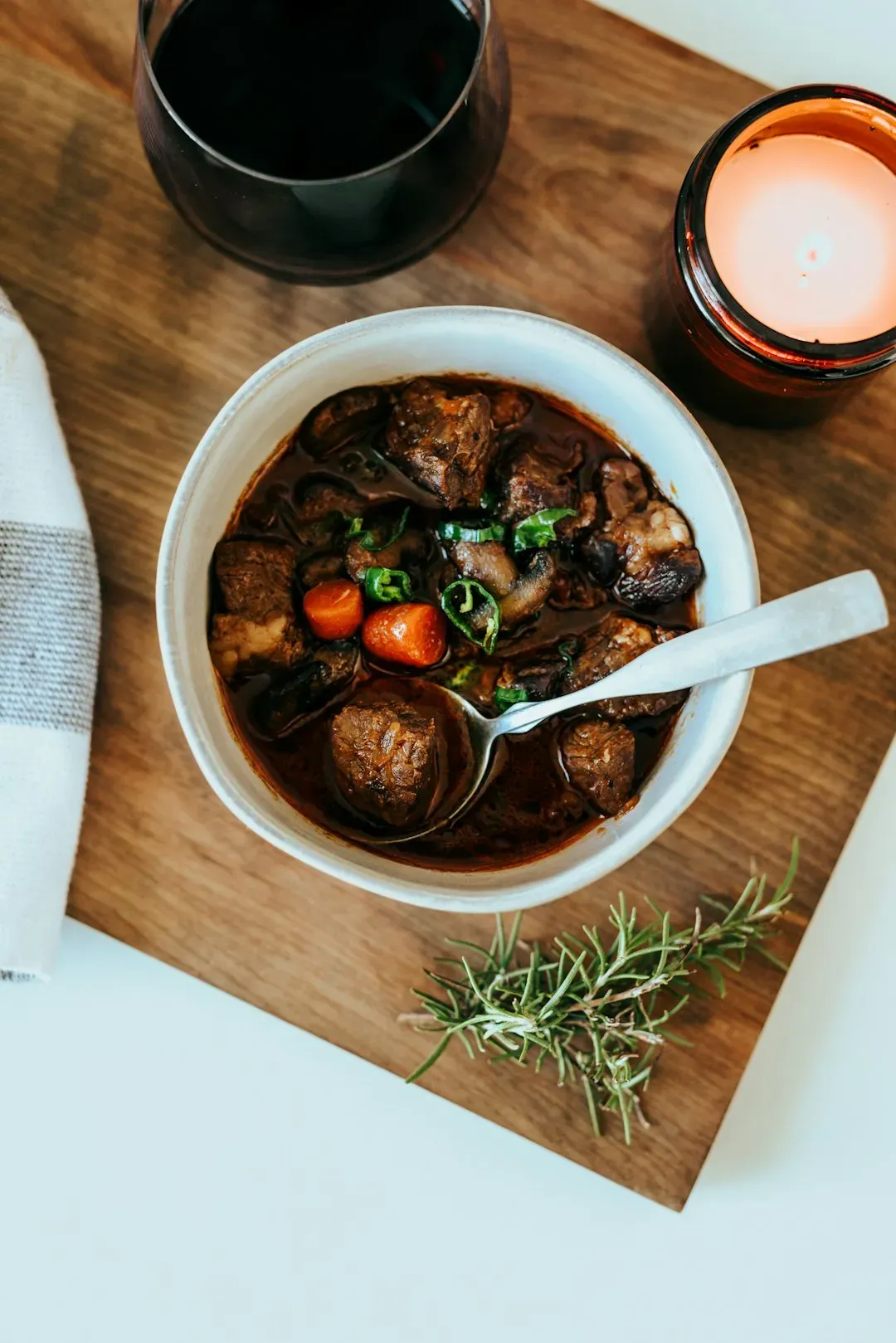
Beef stew belongs to a category of food that rewards patience. Chunks of beef, root vegetables, and a rich broth cooked low and slow for several hours break down into something tender and deeply flavorful, the kind of dish that’s hard to rush without losing quality. It’s a meal that tends to show up more in colder months, when a heavy, warming dish feels appropriate.
What sets homemade stew apart from anything canned or pre-made is the depth of flavor that only builds through slow cooking. Browning the meat first, deglazing the pot, letting everything simmer together, these small steps add up. It’s rarely a quick weeknight dinner, but that’s part of its charm; it feels like an investment of time that pays off in the bowl.
Traditional Apple Pie

Apple pie holds a strange cultural weight, especially in the United States, where it became shorthand for national identity sometime in the twentieth century. The phrase “as American as apple pie” actually traces back to earlier European baking traditions, since apple pie recipes existed in England well before American colonization. Still, the dish became deeply associated with home cooking and holiday tables across the country.
A good homemade apple pie depends heavily on the crust, flaky, buttery, and not too sweet, balanced against tart apples like Granny Smith mixed with cinnamon and sugar. Store bought versions rarely match the texture of a crust made from scratch. Served warm with a scoop of vanilla ice cream, it remains one of the most requested desserts at family gatherings.
Homemade Pizza Night

Making pizza at home has grown significantly in popularity over the past several years, partly fueled by social media and partly by a broader interest in cooking from scratch. Homemade dough, a simple tomato sauce, fresh mozzarella, and whatever toppings are on hand let people customize their meal in ways delivery never allows. It’s also become something of a family activity, with kids often getting involved in stretching dough or adding toppings.
Compared to takeout, homemade pizza gives more control over ingredients and portion sizes, which has made it appealing to households paying closer attention to what they eat. It’s forgiving too; a slightly misshapen crust or unevenly distributed cheese doesn’t really hurt the final result. The process itself, more than the final product, is often what makes pizza night a recurring tradition.
Rice and Beans, Reinvented
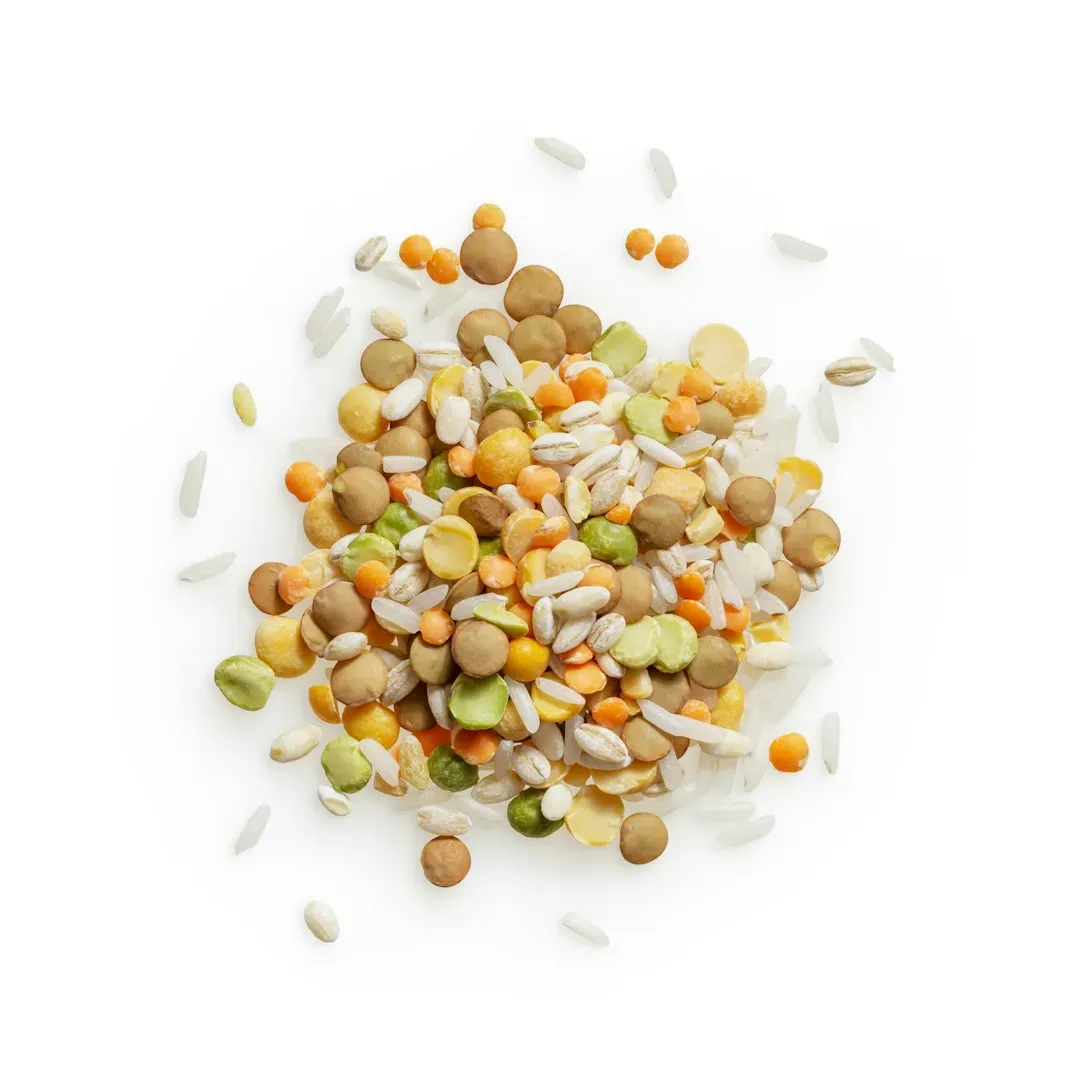
Rice and beans might be one of the most quietly important dishes in home cooking worldwide. It appears in countless forms, from Brazilian feijoada to Louisiana red beans and rice to Cuban moros y cristianos, each version shaped by local spices and cooking traditions. Nutritionally, the combination is notable too, since rice and beans together form a complete protein, something rare among plant based food pairings.
What makes this dish endure across so many cultures is its balance of affordability, flavor, and nutrition. It’s often one of the first dishes people learn to cook well, since it forgives small mistakes and still turns out satisfying. Despite its simplicity, a well seasoned pot of rice and beans, with the right blend of garlic, onion, and spices, can taste remarkably complex.
Homemade Ice Cream
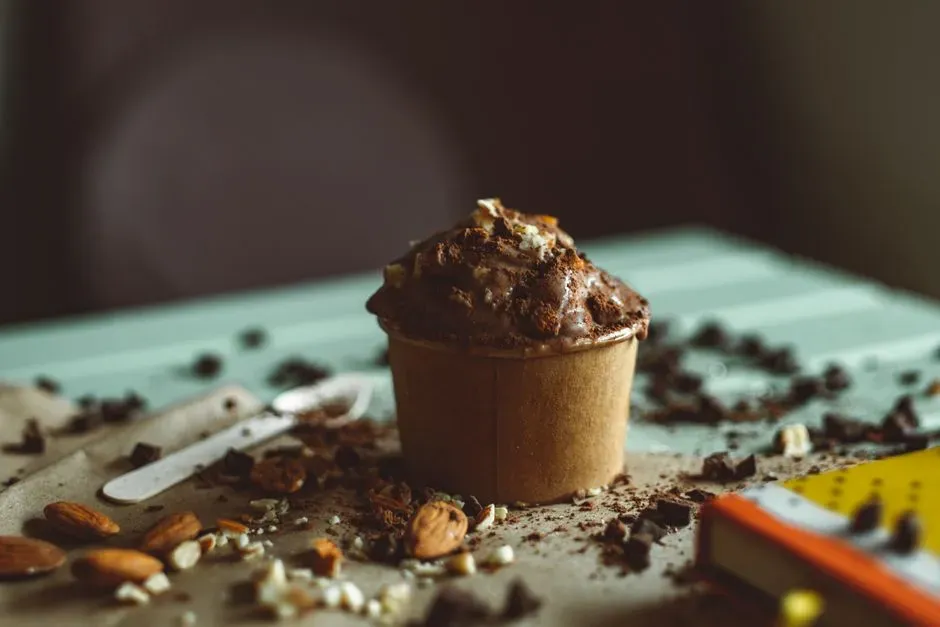
Making ice cream at home has become noticeably more accessible in recent years, thanks to more affordable countertop ice cream makers and simpler no churn recipes that only require a freezer. A basic combination of cream, sugar, and vanilla, or really any mix in flavor, produces something noticeably richer than most supermarket brands, largely because homemade versions skip the stabilizers and emulsifiers used in commercial production. That difference in texture and flavor is part of why homemade ice cream still feels like a special treat, even though it’s easier to make than most people assume.
Beyond the taste, there’s an element of fun built into the process. Kids especially tend to get excited watching cream turn into something scoopable, and the ability to mix in whatever fruit, cookie pieces, or chocolate is on hand adds a layer of creativity store bought pints can’t offer. It’s a dessert that manages to feel indulgent and simple at the same time.