
There’s something quietly satisfying about reaching two feet to grab a pinch of fresh basil while the pasta is still boiling. No grocery run, no half-wilted bunch wrapped in plastic, no guessing whether it’s still good. A kitchen windowsill herb garden is one of those ideas that sounds simple on paper and actually is – once you know which herbs genuinely thrive indoors and which ones will frustrate you.
Fresh herbs from a kitchen windowsill beat store-bought options in both flavor and convenience. Growing herbs indoors requires understanding their specific needs and adjusting expectations, but the reward is having fresh basil or parsley just steps from your cutting board year-round. The key is choosing the right plants for the conditions you actually have, not the ones you wish you had.
Table of Contents
Basil: The High-Reward Favorite
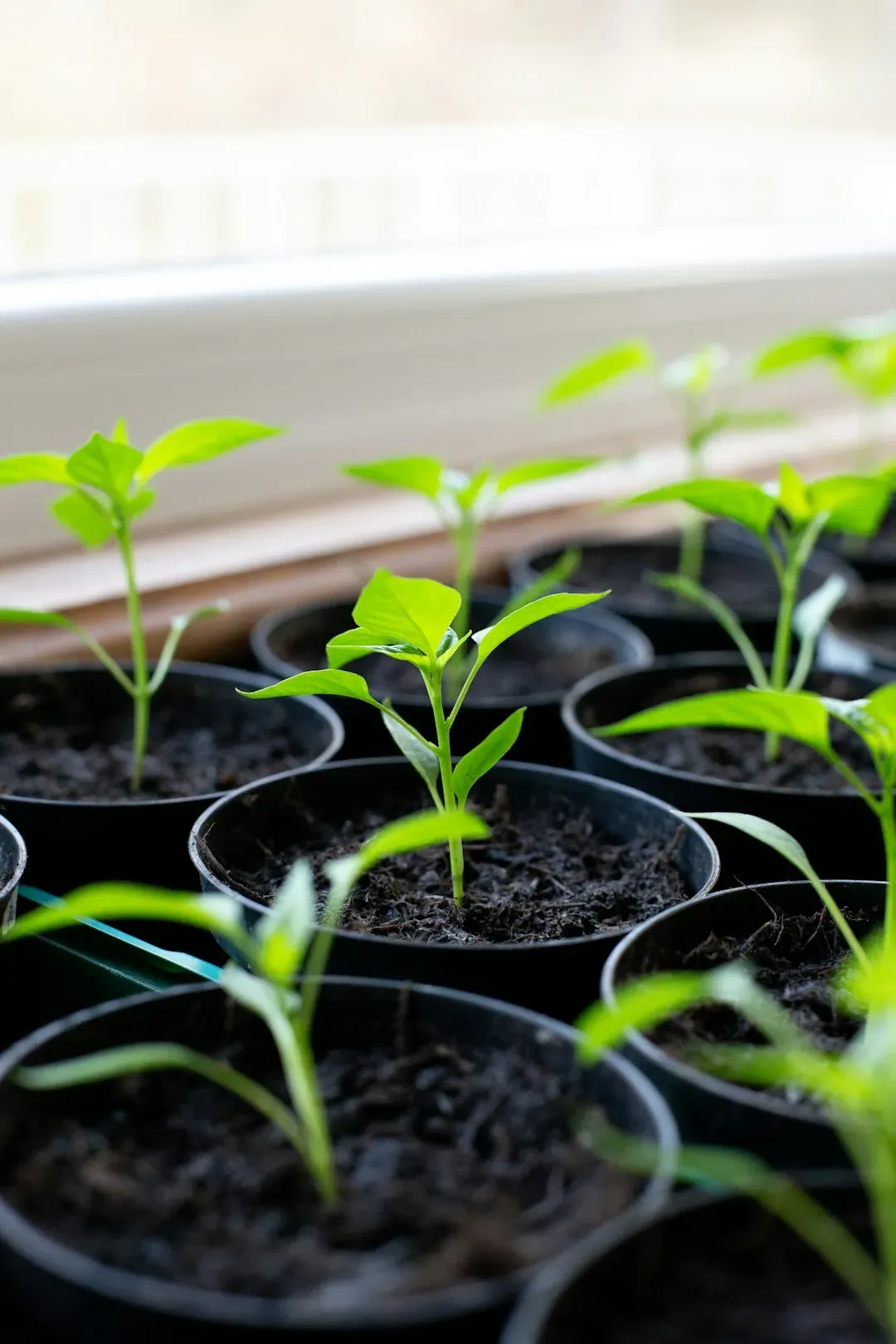
Indoors, basil grows year-round. If you love homemade pizza, pasta, and pesto, then you need a basil plant on your windowsill. Basil is frost tender, and typically, gardeners plant it outside during the summer season. Inside, it sidesteps that limitation completely. It’s arguably the most popular windowsill herb for a reason.
Basil is a bit particular about its growing conditions, needing bright light and a warm spot free of hot and cold drafts. Having fresh basil in winter is worth the extra effort. Basil cannot survive temperatures lower than 50°F and should not be kept on windowsills during winter months unless the sill stays genuinely warm. The key to growing basil is to harvest the leaves early and often. Basil lives to reproduce, which means it will start producing a seed stalk before you know it. To prevent this seed stalk from forming, keep it trimmed and harvested, never harvesting more than one third of the leaves at one time.
Chives: The Most Forgiving Herb on the Sill
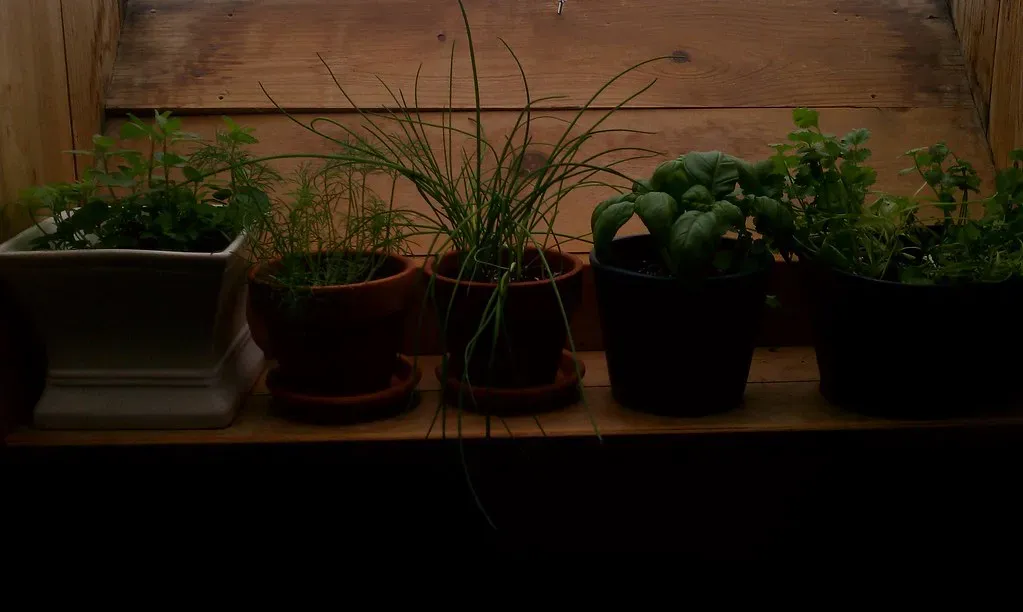
Chives are nearly indestructible on windowsills. They tolerate lower light, don’t mind being harvested heavily, and will keep producing with minimal care. The mild onion flavor works in countless dishes. Plus, you can grow them in soil or water. Few herbs make such a strong case for beginners.
Chives can be harvested as needed, providing a constant supply of fresh herbs for cooking. Their small growth habit makes them perfect for kitchen windowsills or small spaces. Like other indoor herbs, chives help purify the air and bring greenery into your home. Although chives tolerate dry soil, yellow-tipped leaves are their way of telling you to reduce the days between watering.
Parsley: Reliable, Versatile, and Underrated
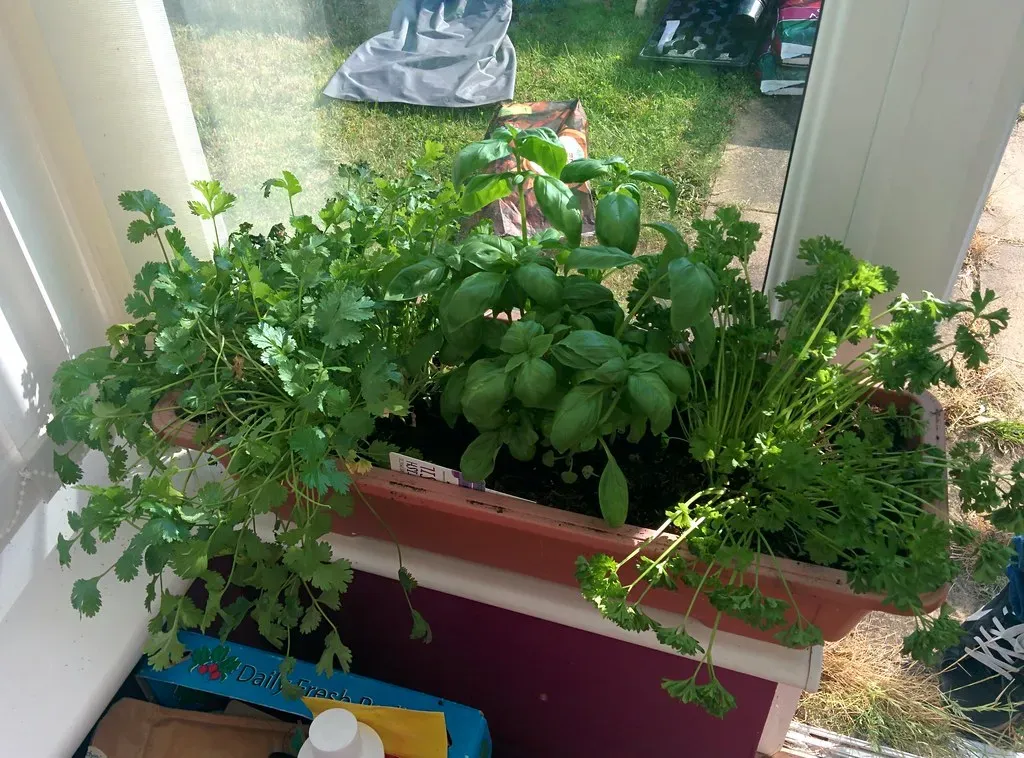
Parsley handles lower light better than most herbs, making it perfect for windowsills that don’t get full sun. Both flat-leaf and curly varieties work, though flat-leaf tends to have better flavor. It requires about six hours of sunlight per day and benefits from regular harvesting to stay productive. Flat-leaf parsley is the top choice for cooking, while curly parsley makes a decorative addition to kitchen windowsills.
Parsley is slower than people expect. Sown from seed, it takes two to three weeks to germinate and another three weeks before it’s large enough to harvest from. Buy a young plant if you want results quickly. Parsley is a great choice for a windowsill herb garden. It enjoys full to partial sunlight and evenly moist, well-drained soil.
Mint: Keep It in Its Own Pot
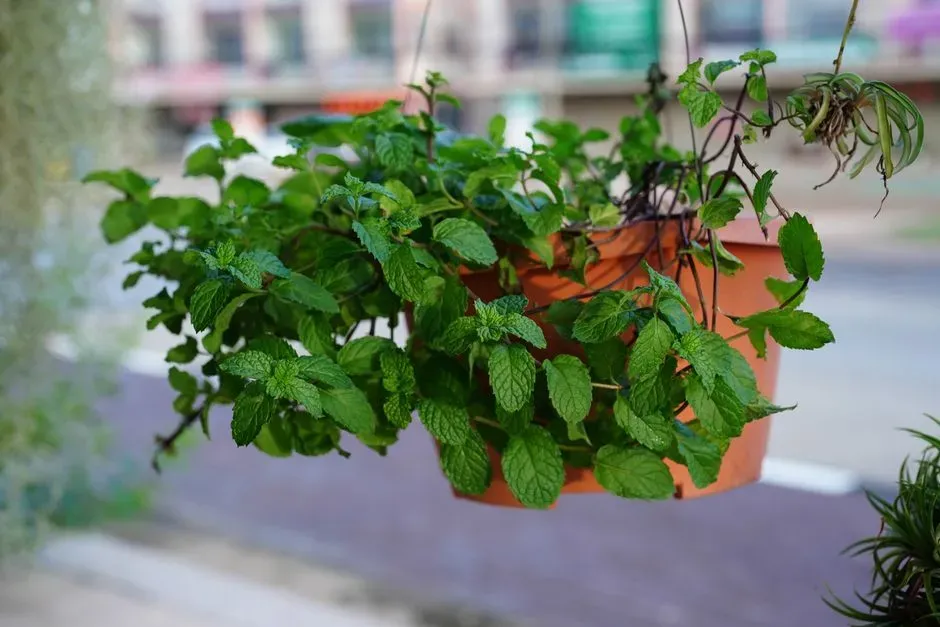
There are a vast array of mint types available that can bring all kinds of flavor and aromas indoors. From peppermint, spearmint, and even chocolate mint, mints are fantastic to use as a garnish or the main ingredient in your favorite teas and drinks. As an added benefit, mint acts as a natural air freshener, filling the surrounding air with its amazing fragrant scent.
Mint is the most forgiving herb on the list. It tolerates east- or west-facing windows with four to five hours of indirect sun, and it actively likes moisture – it’s one of the few herbs where you don’t need to let the soil dry between waterings. The critical rule: grow it alone. Mint spreads by underground runners and will crowd out everything else in a shared container within a season. Give it its own pot and cut it back hard in autumn to keep it compact.
Oregano: A Mediterranean Staple That Adapts Well Indoors
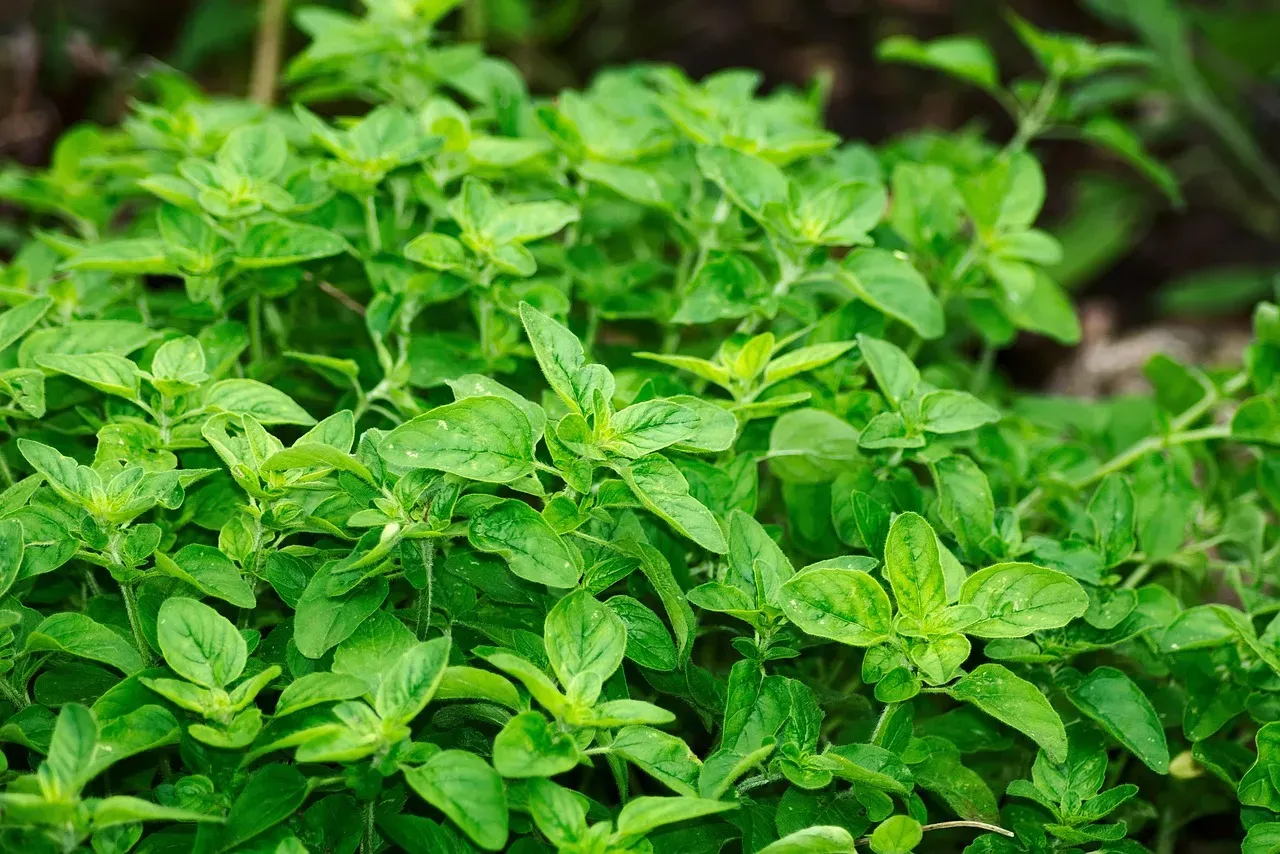
If you love to cook with a little Italian flair, there is no better herb for you to grow than oregano. Much as with chives, oregano can be grown with ease indoors from an existing plant, or by direct seeding. This perennial is a fast grower, and thrives when placed in a warm, sunny window. Oregano is perfect for windowsill growing.
Oregano prefers bright light but is more tolerant of fluctuating temperatures. Regular harvest will encourage compact growth. Oregano also dries easily and is perfect for using to create your own homemade Italian seasoning. It’s one of those herbs that rewards you in two ways: fresh from the pot for pasta sauces, and dried in a jar for everything else through the winter months.
Thyme: Small Leaves, Enormous Flavor
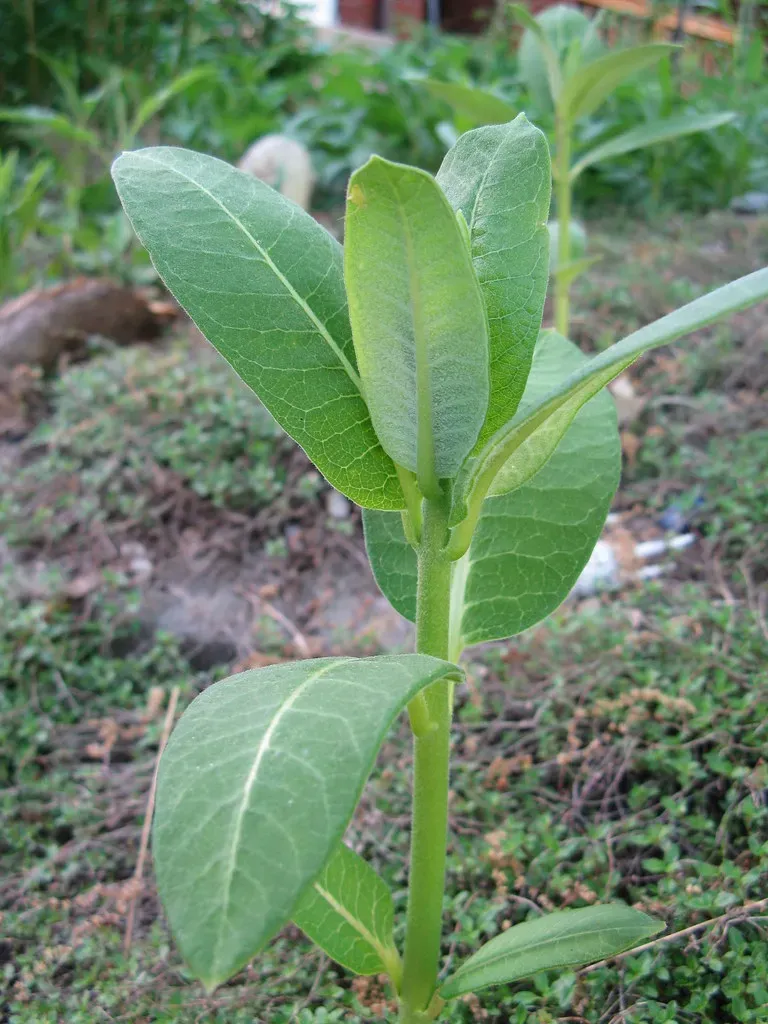
The tiny leaves of thyme add big flavor to soups, stews, and marinades. It’s also very easy to grow on a south- or east-facing windowsill. For a flavor twist, plant a pot of lemon thyme. Thyme thrives in well-drained soil and bright light. This drought-tolerant herb doesn’t need as much water as basil or parsley, making it a good choice for busy households. It’s also a hardy perennial, so with proper care, thyme can keep producing for years.
Thyme’s stems become woody and brown at the base over time. The critical rule for this herb is never to cut into old wood – unlike young green growth, woody stems don’t readily produce new shoots from dormant buds. Always harvest from the soft, new growth at the stem tips, cutting back by no more than one third. Following that single rule keeps a thyme plant productive for seasons.
Cilantro: Fast, Flavorful, and Worth the Challenge
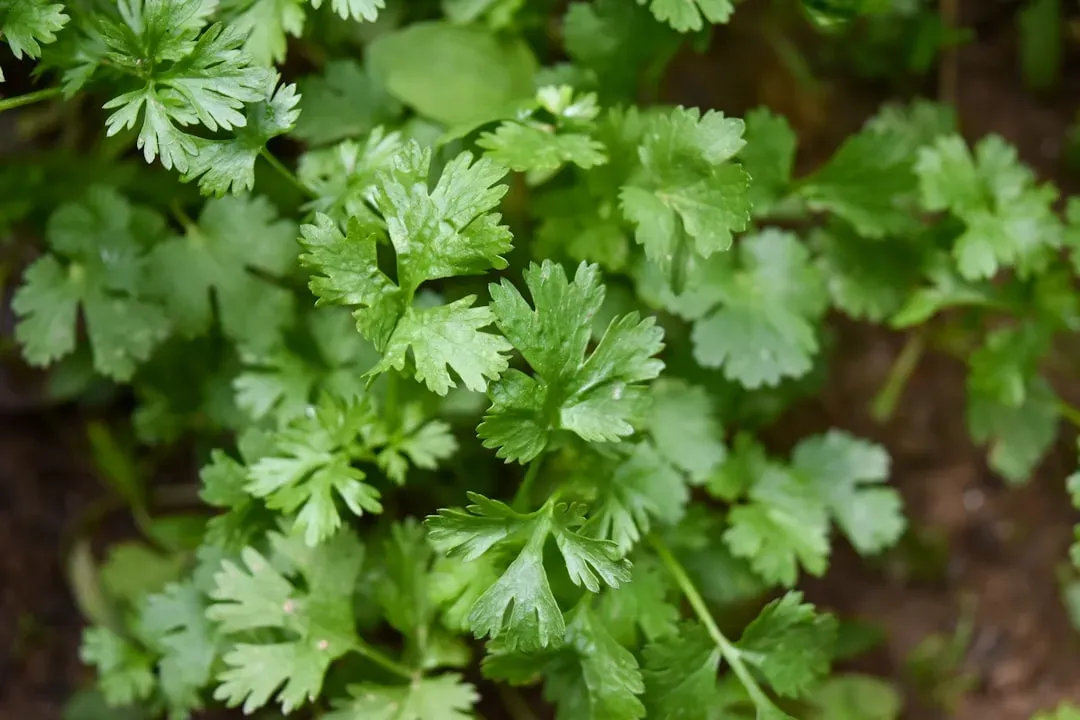
Cilantro is the herb most people give up on after one failed attempt. It grows beautifully for a few weeks and then – seemingly overnight – shoots up a tall flowering stem, the leaves become small and feathery, and the whole harvest is over. Cilantro requires moist, well-drained soil. It can grow in partial shade. As an annual, cilantro completes its life cycle within a single growing season, and it tends to bolt and go to seed quickly in hot conditions, so frequent harvesting of leaves is recommended to prolong its growing period.
East windows get morning sun, which is cooler and ideal for coriander and parsley. That cooler morning light is genuinely one of the best setups for keeping cilantro from bolting too fast. Cilantro is the fussiest herb to grow. It hates hot weather and will quickly become bitter and go to seed. Stagger your sowings every few weeks and treat each pot as a short-season crop rather than a permanent fixture.
Rosemary: Possible, With the Right Window
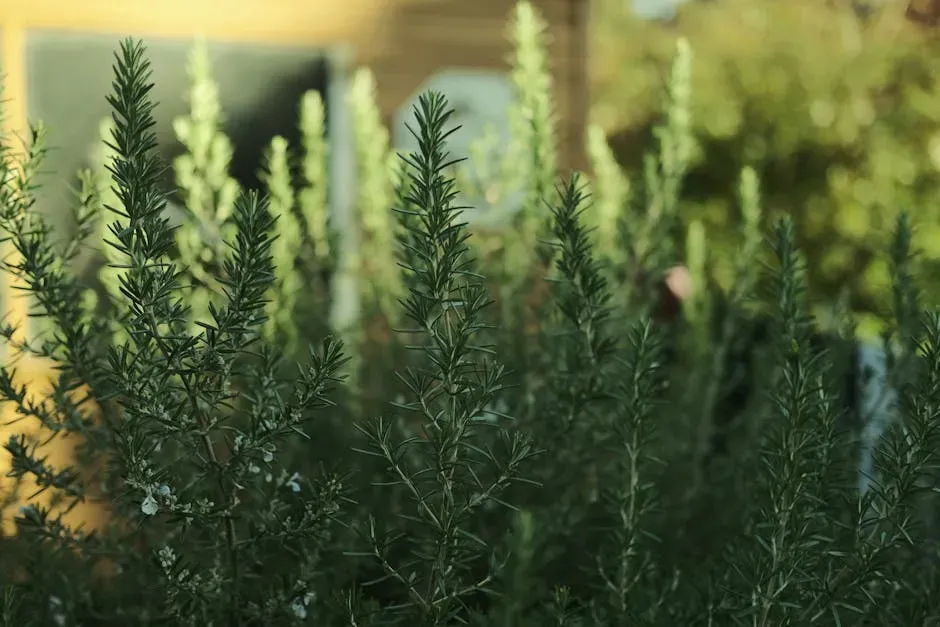
Rosemary is one of the easiest kitchen herbs to grow and its aroma enhances a variety of dishes from hearty stews to roast vegetables and soups. Keep the herb in a sunny spot. Watering and fertilising are rarely required because rosemary, being a Mediterranean herb, is drought and heat tolerant. That drought tolerance can actually become a problem indoors if owners overcorrect.
Skip rosemary unless you have a very bright windowsill. It needs intense light that most indoor spaces can’t provide, and it’s also quite sensitive to overwatering. Outdoor rosemary plants brought inside for winter often decline despite our best efforts. If you do have a south-facing window that gets strong, direct sun most of the day, rosemary is absolutely worth trying. Just resist the urge to water it frequently.
Sage: A Slow Burner Worth the Wait
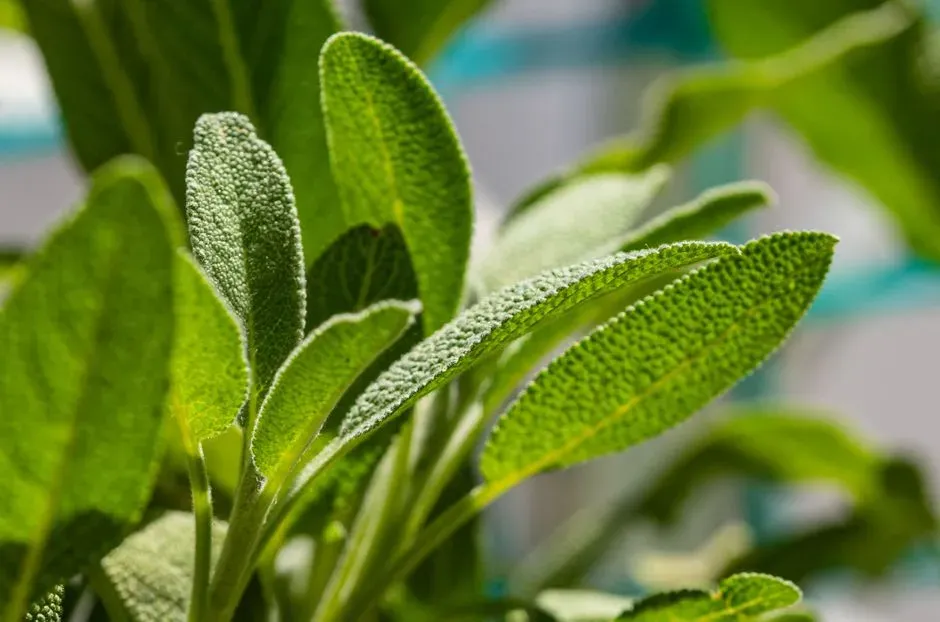
Sage needs bright light and tolerates fluctuating temperatures and dry soil, making it a good choice for busy gardeners. Divide and pot sage, oregano, lemon balm, mint, and thyme about three weeks before the first frost if you’re transitioning outdoor plants inside for the cooler months. Sage brought in from a garden bed tends to adapt more smoothly than a plant started from scratch indoors mid-winter.
Some excellent candidates for windowsill growing are thyme, lemon thyme, sage, oregano, basil, parsley, and chives. Sage fits naturally into that company. Its silvery-green leaves and strong savory fragrance make it as decorative as it is useful, which on a kitchen windowsill is a genuine bonus. Regular pruning is essential for maintaining healthy and bushy herb plants. Pinching off the tips of the herbs encourages lateral growth, resulting in a fuller and more robust plant.
Choosing the Right Window and Getting the Light Right
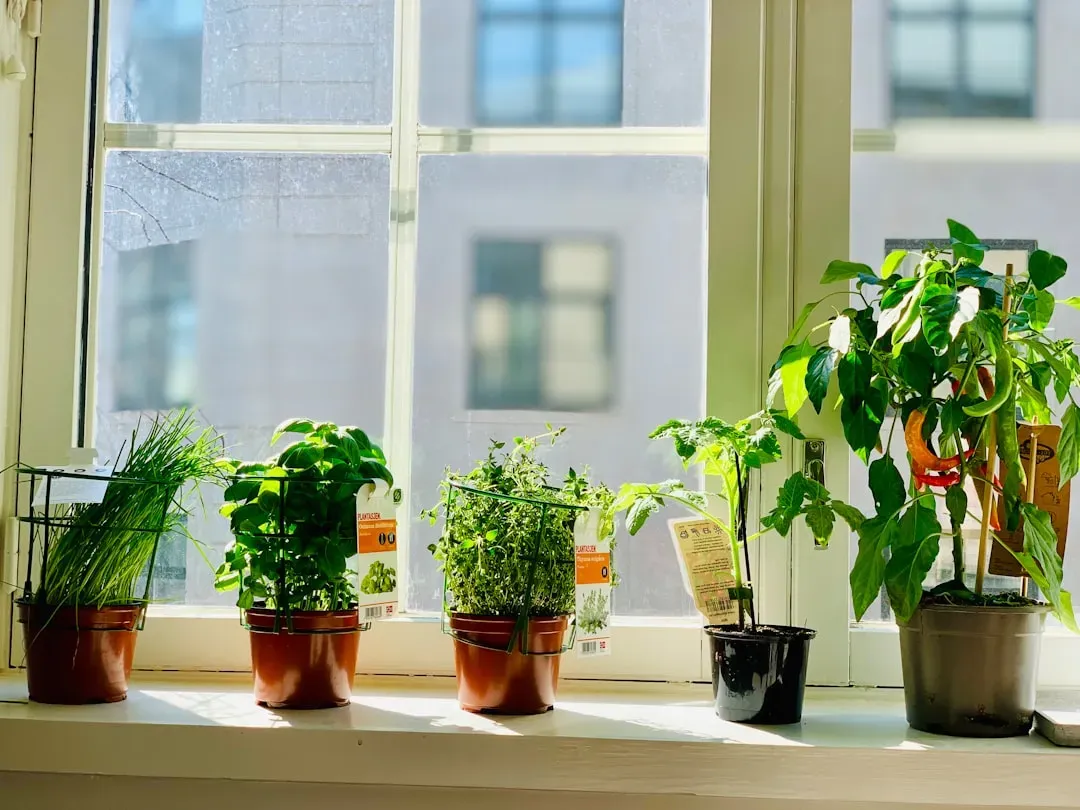
Sunlight is the number one necessity for growing healthy, happy herbs. South-facing windows have the brightest light and provide the most hours of sun. Most herbs require at least six hours of direct sunlight per day and will thrive in a bright, south-facing window. Other herbs can withstand four hours of direct sunlight and will thrive in an east or west-facing window. Knowing which category your herbs fall into before you start saves a lot of dead plants.
Plants do not receive the full spectrum of light through today’s double-glazed and coated windows that they would outdoors, so they grow a little slower. Unlike greenhouse glass, the wavelengths important to plants cannot pass through the windowpanes in homes. So, it is important to place the herbs in as bright a spot as possible. Rotating potted indoor herbs once a week to expose all sides of the plant equally to sunlight promotes more even growth. It takes ten seconds and makes a real difference over time.
Containers, Soil, and Watering Without the Guesswork
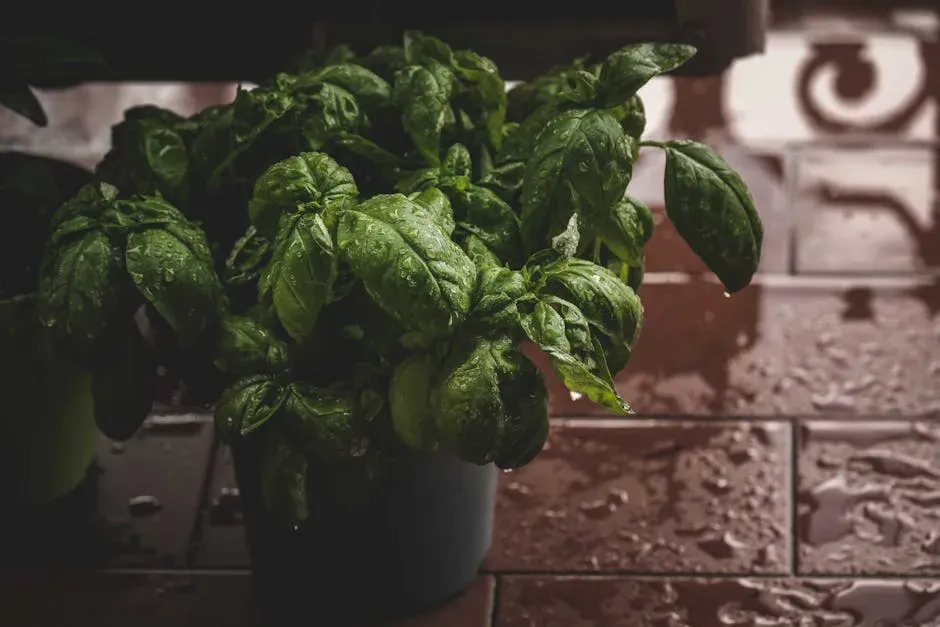
Proper drainage is essential for indoor herbs. The right container is essential to a solid harvest and no root problems. Most windowsill herb failures come down to drainage issues that the wrong container either creates, or makes worse. Drainage holes are a must for windowsill herbs. These plants hate sitting in water, and without drainage, you’re basically guaranteed to overwater and kill them with root rot.
Herbs have specific watering needs, and striking the right balance is crucial for their well-being. While herbs like to stay consistently moist, they don’t tolerate waterlogged conditions. Water your herbs when the top inch of the soil feels dry to the touch. This prevents overwatering and ensures that the roots receive adequate oxygen. Too much fertilizer will cause your herbs to grow tall and lanky with less of the oils that give them their flavor and scent. Less intervention, not more, is usually the right call once your herbs are established.