
There is something uniquely exciting about hosting a dinner party. The candles, the clinking glasses, the idea of pulling off a memorable evening for people you care about. It sounds romantic in theory. In practice though, things go sideways faster than you might imagine, and often for reasons nobody talks about out loud.
According to data from the Bureau of Labor Statistics, only roughly four percent of Americans hosted or attended a social event on an average weekend in 2023, a massive drop compared to two decades ago. So when people do actually gather around a table, the pressure is real. The stakes feel higher. And the margin for error? Surprisingly thin.
Whether you are a first-time host or someone who has thrown dozens of dinners, the same traps keep showing up. Some are obvious. Others are completely invisible until it is too late. Let’s get into it.
Table of Contents
Mistake #1: Overcomplicating the Menu (And Paying Dearly for It)
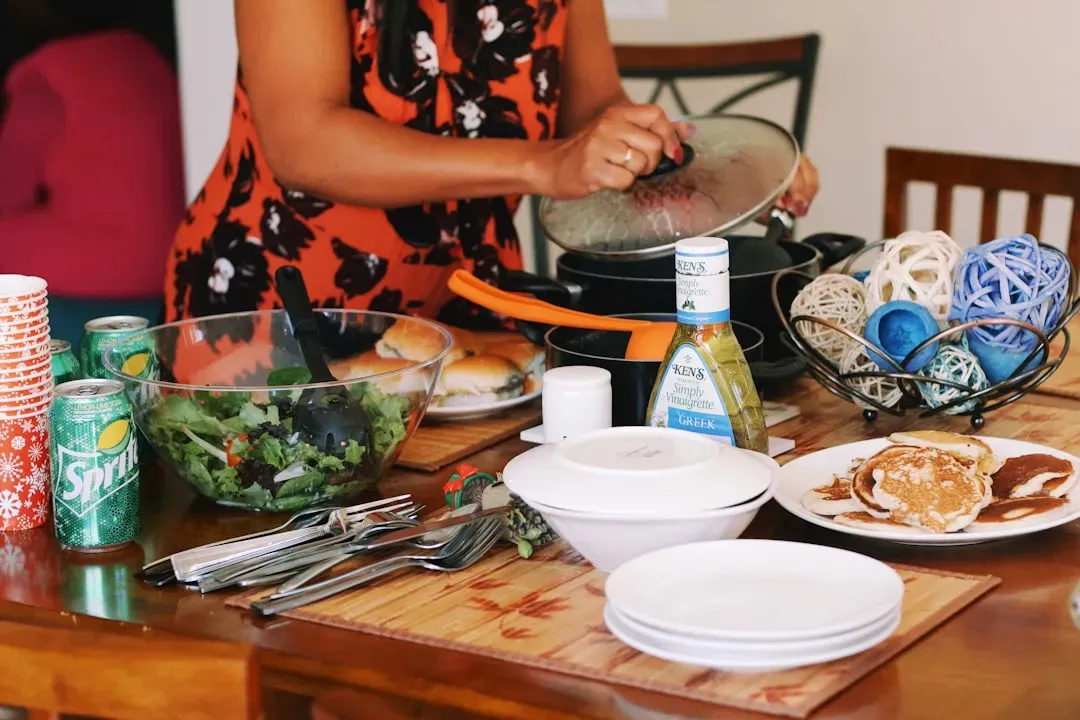
Here is the thing about ambitious menus: they look fantastic in your head the week before the party. Reality hits differently at 6:30 PM when you are juggling four pans, your oven is at full capacity, and the first guest just rang the doorbell. One of the most common hosting pitfalls is overcomplicating the menu. Hosts tend to go above their means when guests come over, leading to more time in the kitchen, not to mention more money and stress.
Sometimes you make zero mistakes with individual dishes, but when they come together, something feels off. Usually that is because your menu does not gel, which is why it is so important to design a menu that feels cohesive. Think of your menu like a playlist. Every song can be brilliant individually, yet if the whole set jumps from death metal to jazz to lullabies, the night feels scattered and exhausting.
A dinner party is not the best time to test a brand-new recipe. Even if it looks simple, you will not know how long it really takes or how it will turn out. If it goes wrong, you could end up feeling flustered or without enough food. Stick to dishes you have made before and feel comfortable with.
Mistake #2: Ignoring Dietary Restrictions Until It Is Too Late
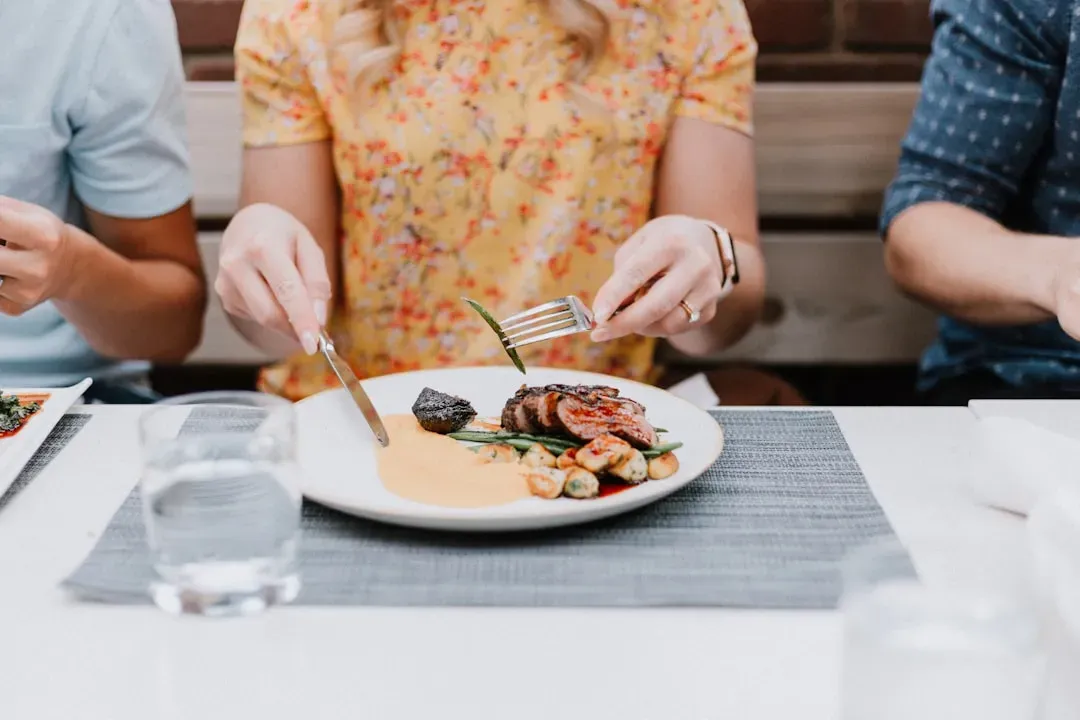
Honestly, this one stings. You spend hours preparing a beautiful lamb stew, your guests sit down, and then you discover that two of them do not eat meat and one has a severe nut allergy. Awkward does not begin to cover it. Forgetting about dietary restrictions is a significant oversight. It is good practice to ask guests ahead of time, because the last thing you want is to serve a meal that makes guests feel uncomfortable at best or sick at worst.
Not everyone with food allergies has the same experience or feelings about it, so discretion is important in helping everyone feel welcome. Having conversations privately and ahead of time allows you to ask questions and run your food preparation plan by the individual, and it is a great way to ensure a lovely gathering.
Because food allergies are a matter of safety, not dislike, certain measures need to be taken. For some guests, it can feel vulnerable to talk about food allergies or manage them in someone else’s home. Giving them the space to share that information before the night of the party removes the discomfort entirely.
Mistake #3: Leaving Food in the Temperature Danger Zone
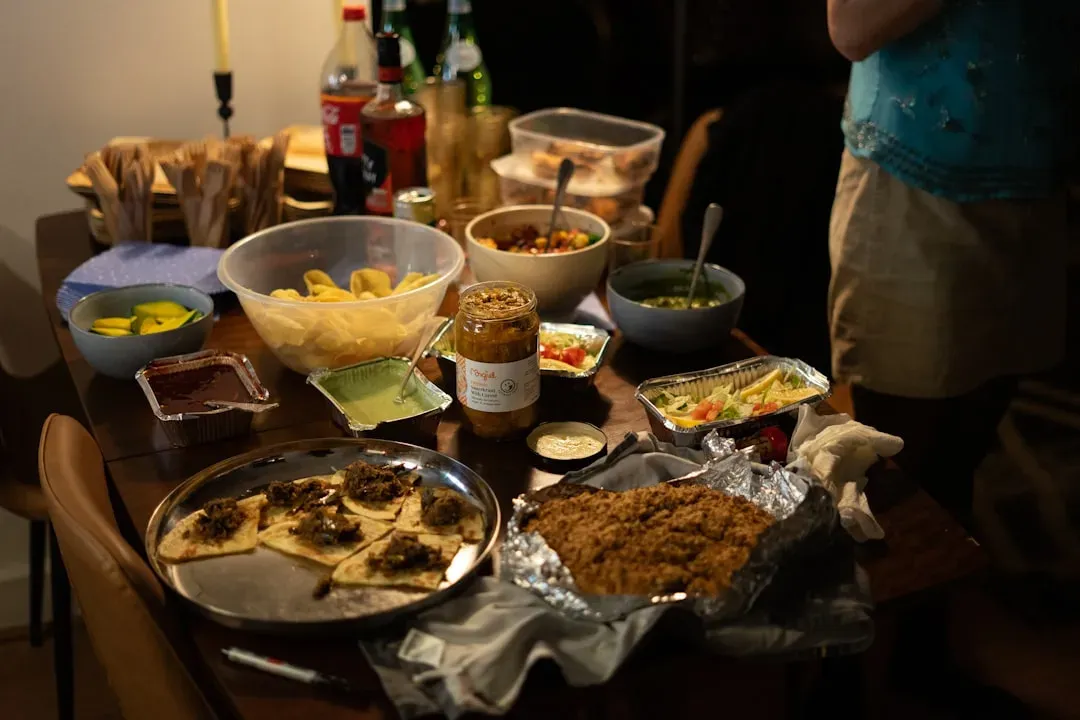
This is the hosting mistake that can genuinely ruin more than just the meal. Bacteria that cause food poisoning grow rapidly at temperatures between 40°F and 140°F. That range is called the “danger zone,” and it is something most home hosts never even think about. Food sits out on a beautiful spread, guests graze slowly, and quietly, bacteria multiply.
Cold and hot prepared items should only remain in the danger zone for up to two hours to prevent foodborne illness. That two-hour window goes surprisingly fast during a dinner party, especially when conversation is flowing and nobody is watching the clock. Preparing several smaller platters ahead of time allows the host to swap in fresh dishes throughout the event. Store cold backups in the fridge at a temperature below 40 degrees F. Hot dishes should be kept in the oven at a temperature between 200 and 250 degrees F.
The CDC estimates that roughly one in six Americans get sick from foodborne illness each year, leading to about 128,000 hospitalizations and 3,000 deaths. It is a sobering number. Food safety is not just a restaurant issue. It starts right in your kitchen.
Mistake #4: Testing a Brand-New Recipe on Your Guests
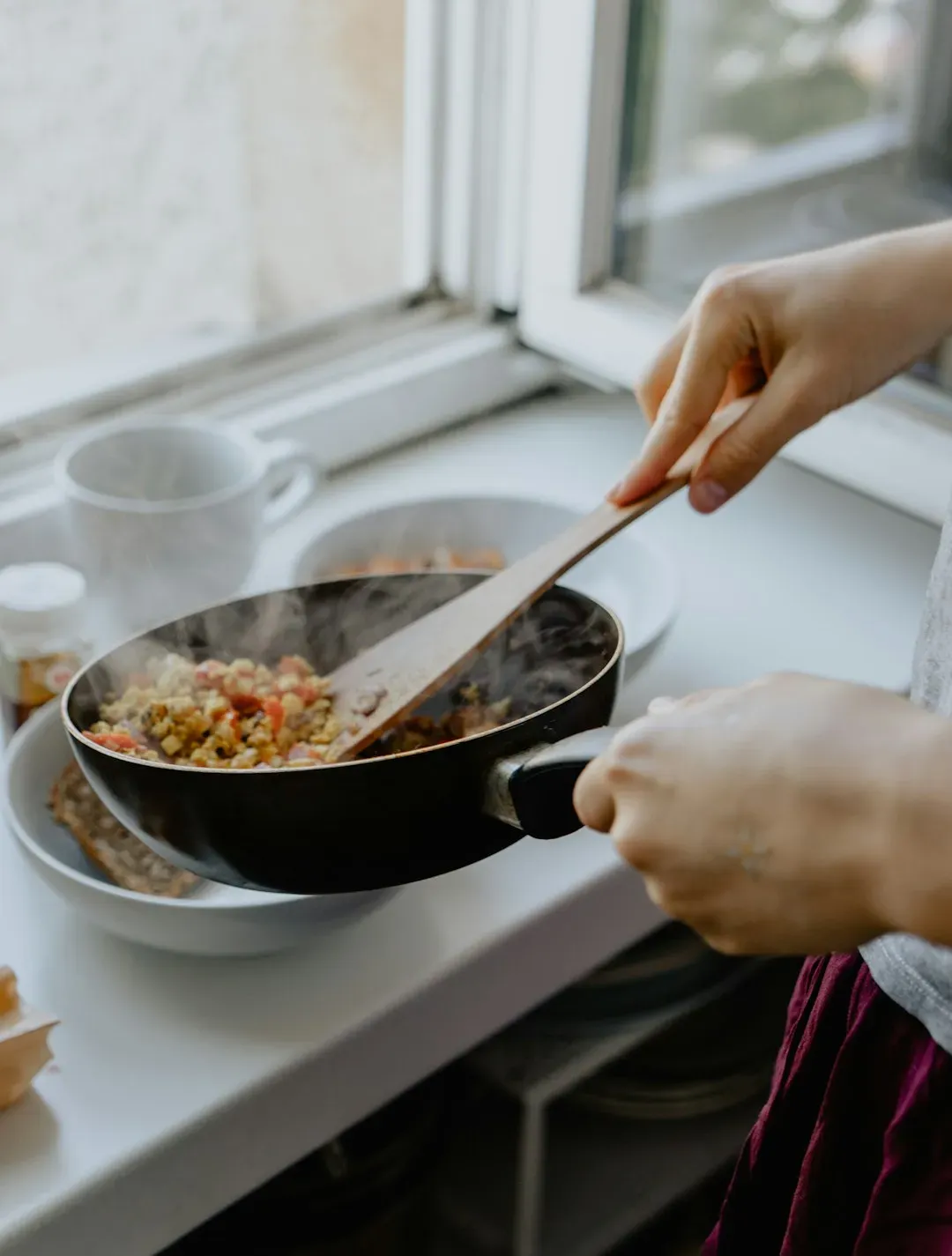
I know it sounds crazy, but the dinner party impulse to impress is exactly what drives hosts toward culinary disaster. There is this tempting logic: “I have guests, so this is the perfect moment to try that complex braised short rib recipe I bookmarked three months ago.” No. Just no. Waiting until the last minute to figure out what to serve can cause unnecessary stress. Without a clear plan, you might forget ingredients or end up with a mismatched meal. Planning ahead helps you shop smarter and prepare dishes that go well together.
You should always have some extra food on hand in case of kitchen mistakes. Keeping one fallback dish you know by heart and ingredients for a no-cook appetizer ensures that if something burns, does not set, or ends up on the floor, you have something ready to go. That safety net matters more than any ambitious new recipe ever could.
Mistake #5: Doing Everything Alone (And Burning Out By 7 PM)
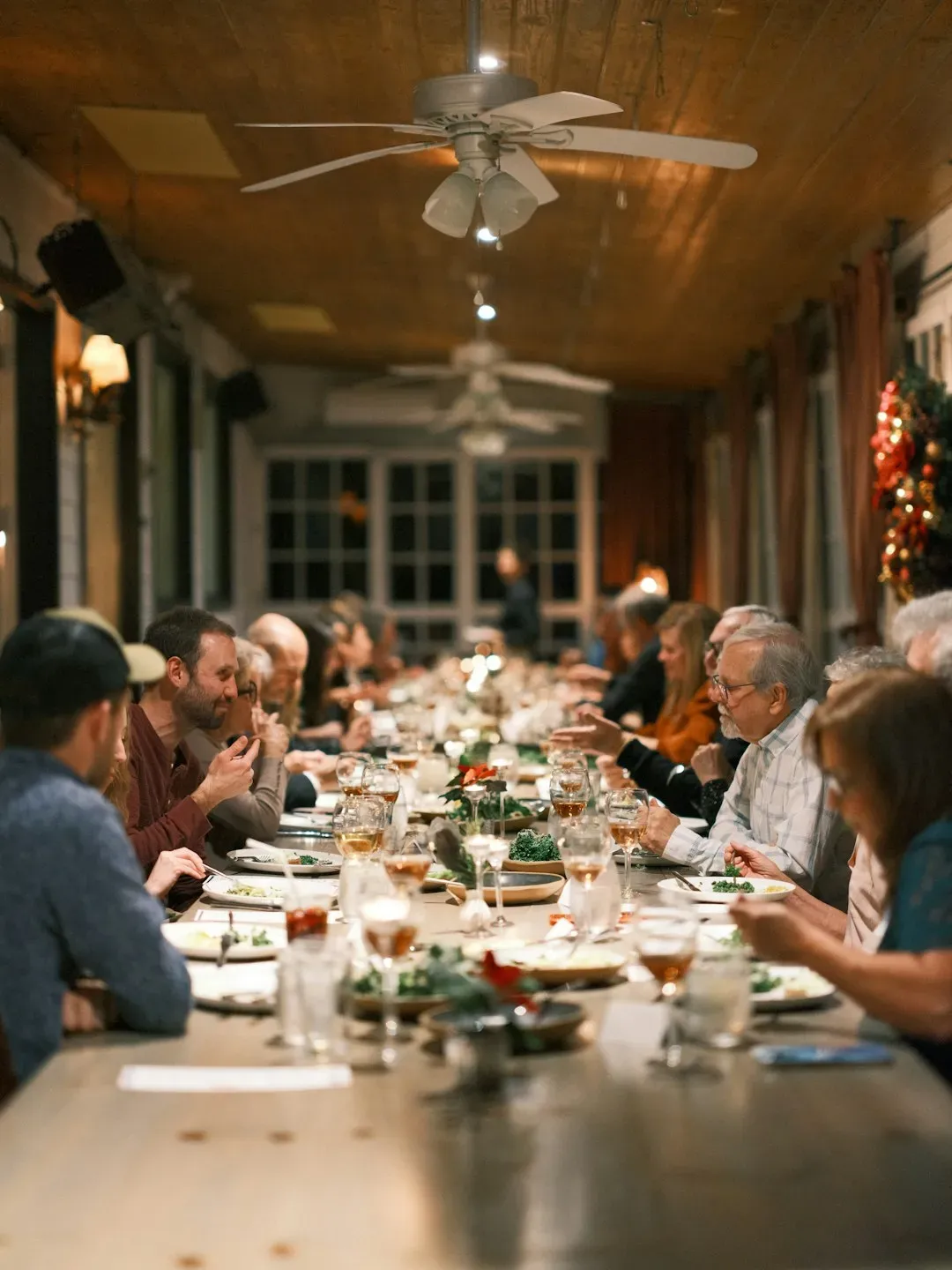
There is something noble about the solo host ideal. You imagined yourself floating between kitchen and living room, effortlessly plating food and keeping glasses full, looking composed and brilliant the whole time. The reality, for most people, is very different. Too many hosts run around like headless chickens, pouring drinks and plating food, only to sit down at the end looking like they just finished a marathon.
Doing everything yourself is a common pitfall. If a dinner party is about connection, remember it is okay to ask for or accept help. Guests generally enjoy having a job, so do not be afraid to delegate. Something as simple as asking a friend to manage drink refills or pass around the bread basket takes meaningful pressure off your shoulders.
Since the pandemic, there has been a growing appetite for intentional gatherings, including the dinner party. Hosting advisors say they receive thousands of messages from people who want to host but do not know where to begin. One of the clearest pieces of advice that emerges consistently is this: hosting is a team sport, even when it happens in your own home.
Mistake #6: Terrible Timing Between Courses
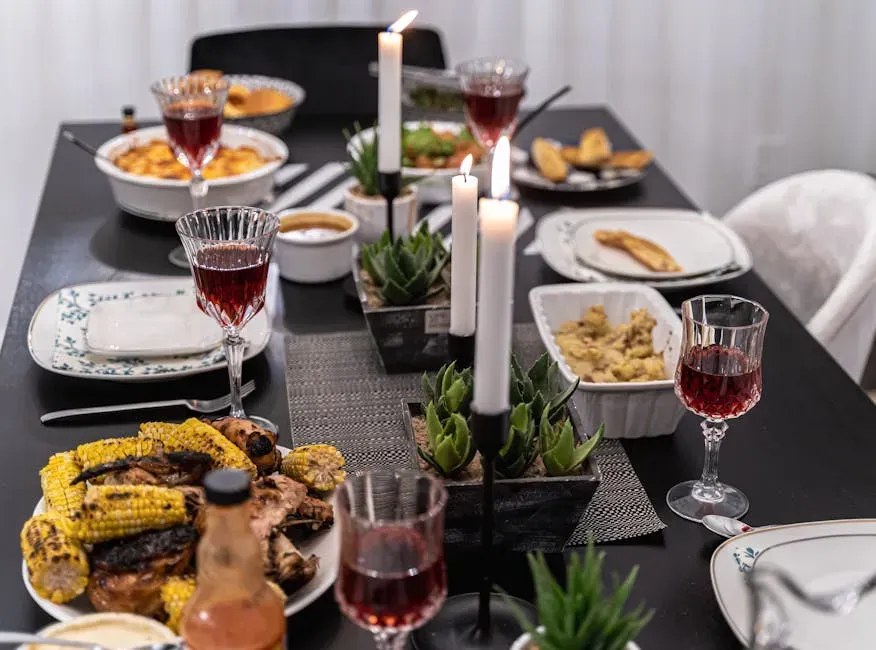
Timing is, honestly, the invisible architecture of any good dinner party. Get it wrong and the whole evening collapses. Serve the main course too fast and guests feel rushed, like they are eating at a highway diner rather than a relaxed dinner. Wait too long and the conversation stalls, people get restless, and the mood shifts from warm to awkward. Serving food too quickly or too slowly can throw off the flow of the evening. Guests may feel rushed or left waiting too long. Try to space courses with enough time for conversation, but not so much that people get hungry again.
Creating a simple timeline is the secret weapon for reducing stress and minimizing mistakes. Write down everything you need to get done the day of, such as setting the table, chilling drinks, and reheating appetizers, and assign a specific time to each task. Think of it like a production schedule. The best dinner parties feel spontaneous precisely because the host planned obsessively ahead of time.
Mistake #7: Neglecting the Atmosphere (Lighting and Sound Matter More Than You Think)
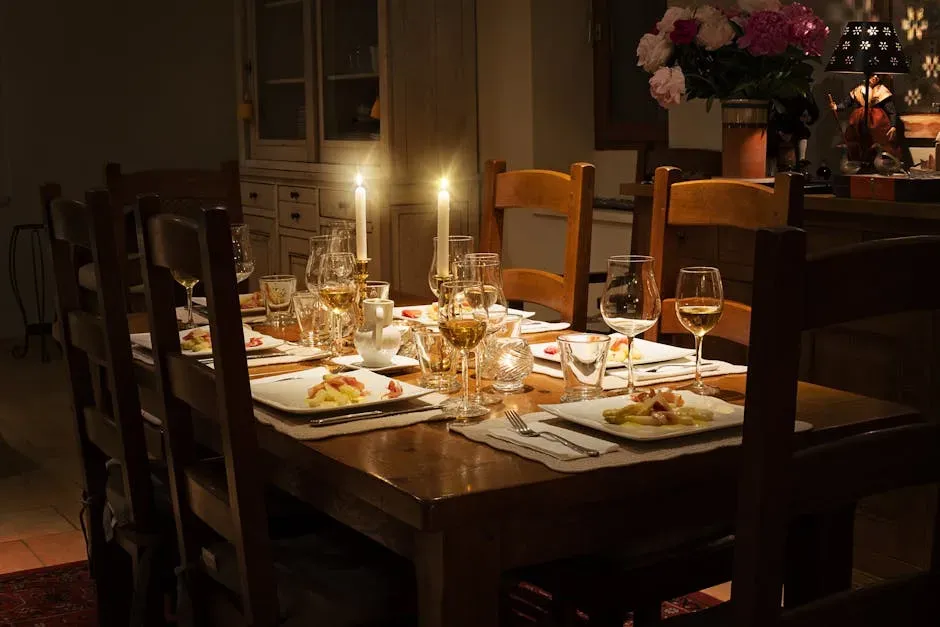
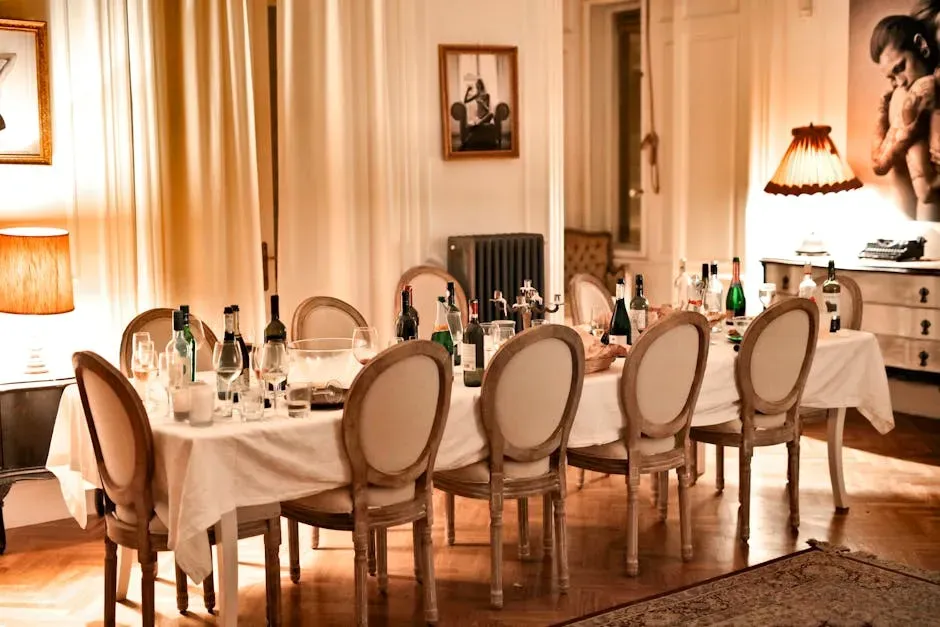
Let’s be real: a beautifully cooked meal served in harsh overhead lighting with dead silence feels more like an interrogation than a dinner party. Atmosphere is not decorative fluff. It is fundamental to how guests experience the entire evening. The right music and lighting can make your dinner party feel cozy and fun. If it is too quiet or too bright, things can feel stiff or cold. Soft background music and warm lighting help guests relax. You do not need anything fancy since a playlist and a few lamps or candles go a long way.
Setting the table is arguably one of the most important parts of planning a dinner party. A well-set table is part of what makes your guests think you have been thinking about them before they even arrived. When the tablescape feels intentional and thoughtful, guests bring a different attitude and energy to the dinner.
Mistake #8: Ignoring the Guest List Chemistry

You can cook a flawless four-course meal, set the most beautiful table in the neighborhood, and still watch the evening fall flat if the people around the table simply do not connect. The primary entertainment at a party is conversation, and conversation is the responsibility of the host. That is a lot of pressure, but it also means that thoughtful guest curation is part of the hosting job description.
Among the biggest dinner party mistakes you can make is to neglect a plus-one option for your single friends, or your not-single friends who need an evening away. This is to your benefit as much as to the guests’. Hosting is about making everyone feel comfortable and welcomed, and that extra guest might be what gets someone to say yes.
The guest list is essentially your casting call for an evening of human chemistry. Think about who will bring energy, who connects well with others, and even who might need a gentle conversation bridge. It is not about perfection. It is about intention. Research suggests that more than half of Gen Z and Millennials prefer social dining formats over traditional restaurant dining, which tells you something important: people genuinely want these evenings to work. Give them the environment to do so.
Mistake #9: Chasing Perfection Instead of Presence
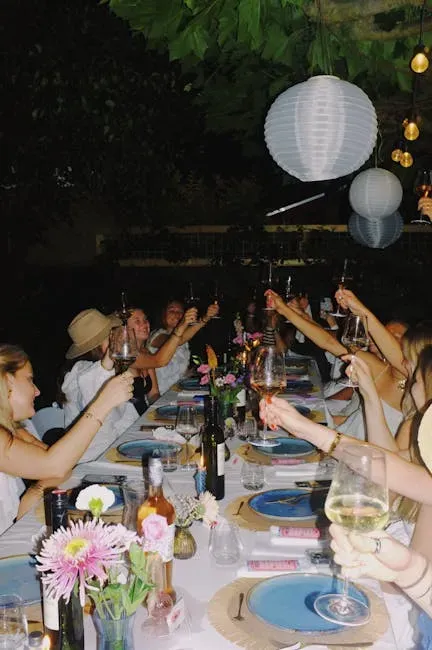
This might be the most quietly destructive mistake on this entire list. The host who spends all evening worrying about whether the sauce is seasoned correctly, whether the napkins are folded just right, whether anyone noticed the slightly overdone chicken, is completely absent from the dinner party they are supposed to be running. Hosting seems like a lot of work and pressure. Blame the themed gatherings with printed menus, elaborate tablescapes, and decorative ice cubes all over Instagram and TikTok.
Stop expecting perfection. Everyone makes mistakes, and you are probably not the exception. Throw formality to the winds in favor of fun. A slightly imperfect roast served with genuine warmth and good conversation will always beat a technically flawless meal served by a stressed-out, distracted host.
Bookings for dinner parties grew fourteen percent in 2025 compared to 2024. And according to a 2025 survey by TalkerResearch, nearly three quarters of Americans prefer a night in with friends rather than a night out. People are craving this. They want the table, the warmth, the human connection. They are not coming to score your plating technique.
Conclusion: The Best Hosts Know When to Let Go
A dinner party is not a restaurant service, an Instagram moment, or a test of your culinary credentials. It is an act of generosity. The food matters, yes. The safety of what you serve matters absolutely. The timing, the atmosphere, the guest mix, all of it plays a role. Still, none of those things define the evening more than your own presence in the room.
Avoid the obvious traps: the untested recipe, the forgotten dietary need, the food sitting out too long, the overcrowded menu that leaves you frantic. These are real problems with real consequences. Fix the basics, and the rest tends to fall into place on its own.
The most memorable dinner parties are rarely the most perfect ones. They are the evenings where something went slightly sideways, someone laughed too loud, and nobody wanted to leave. What does your dinner table say about you? That is worth thinking about before your next invitation goes out.