
Table of Contents
Heat Distribution Is Where Good and Bad Pans Part Ways
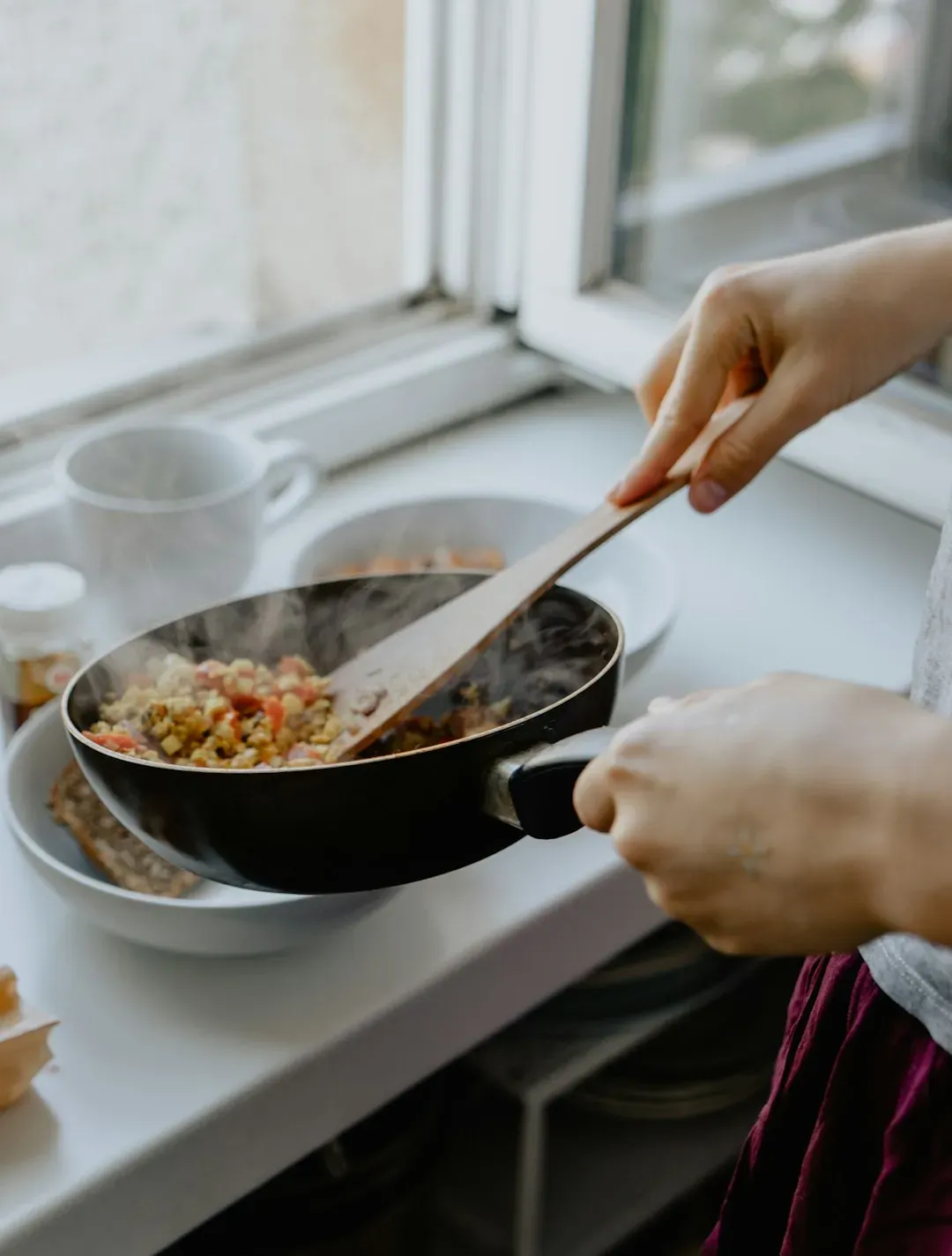
Even heat distribution is what separates average cookware from exceptional ones. When cookware distributes heat evenly, it prevents hot spots, allows consistent cooking, and helps maintain flavor and texture. This sounds basic, but the implications run deep.
Uneven heat can cause some parts of the food to cook faster than others, leading to inconsistent textures and flavors. Mastering heat distribution allows chefs to achieve the desired level of doneness and flavor development. A thin, cheap pan simply cannot do this reliably, no matter how carefully you cook.
Why the Material Inside Your Pan Changes Everything
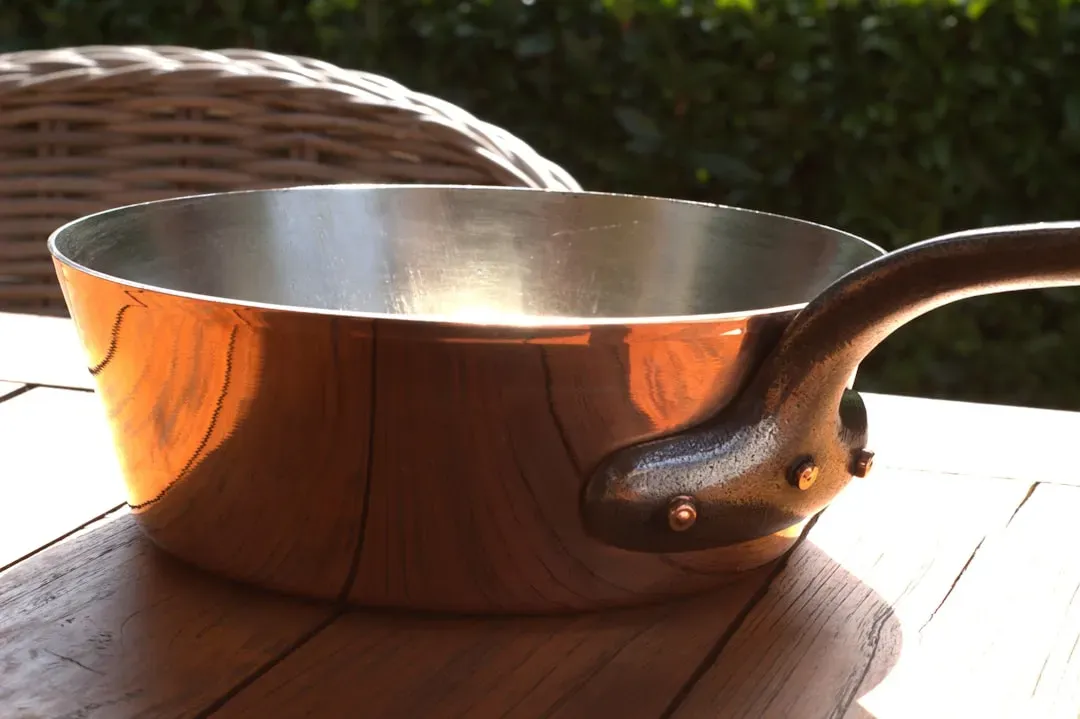
Pure stainless steel conducts heat poorly compared to aluminum, requiring multi-layer construction. Fully-clad tri-ply or five-ply pans with aluminum or copper cores distribute heat most evenly across the entire cooking surface. This is why the construction hidden inside your pan matters far more than the surface you see.
Copper is the best heat conductor of any material used to make cookware. It heats rapidly and evenly and cools down as soon as it’s removed from the heat, giving you maximum control. How quickly a pan responds to a change in cooking temperature is referred to as “responsiveness” and can be a significant factor in delivering the best results for different jobs.
The Science Behind a Better Sear
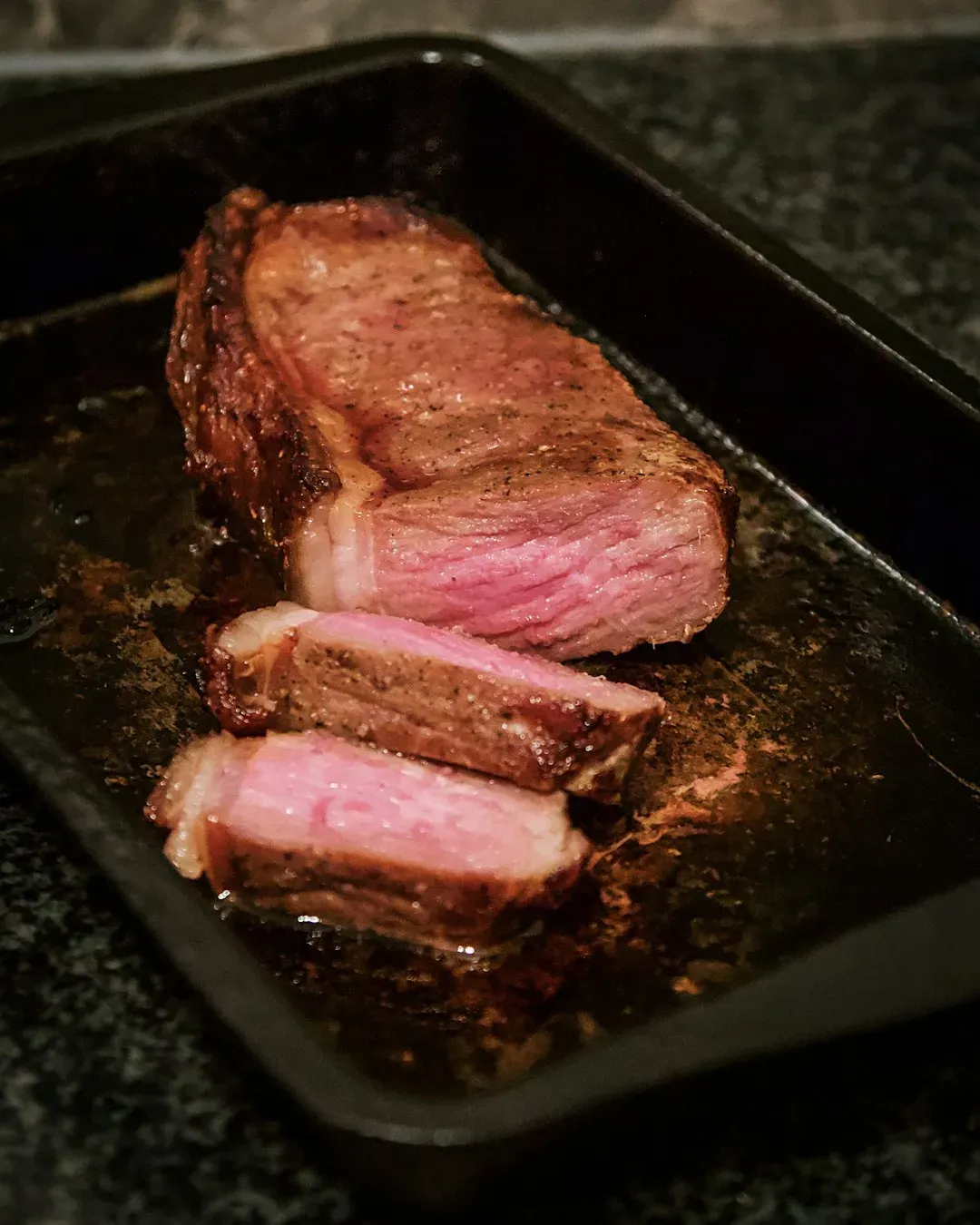
One of the most significant distinctions in cast iron cooking lies in its exceptional ability to retain and distribute heat. Unlike thinner pans that can experience rapid temperature fluctuations, cast iron’s dense material absorbs and holds heat for extended periods. This translates to a consistently hot cooking surface, crucial for achieving that coveted sear on steaks, chops, and vegetables.
To get the Maillard reaction going, you need some serious heat, typically above 300°F. That’s why cooking with a cast iron pan is such a game-changer. Cast iron’s excellent heat retention means you can drop a cold steak into a hot cast iron pan, and the pan will stay hot enough to initiate the reaction and produce a crispy, seared exterior.
What Hotspots Actually Do to Your Food
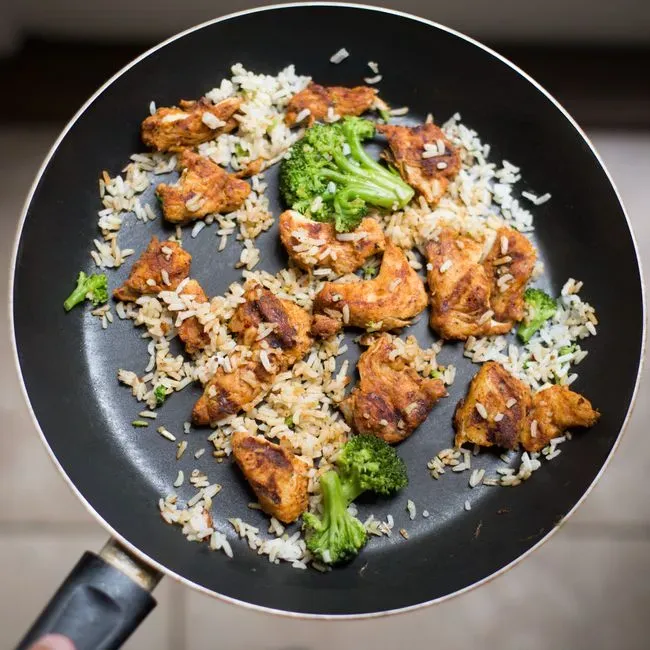
Poor heat distribution leads to hot spots. These are areas where the pan heats up much faster than the rest. This causes uneven heat, which ruins delicate dishes. Anyone who has cooked a pancake that burned in the center while staying pale at the edges has seen this in action.
High-quality nonstick cookware with an aluminum base often offers good heat distribution. However, cheaper versions may have thin bases that cause hot spots. Poor-quality pans with uneven heat distribution can cause hotspots, increasing the risk of burns or undercooked food. Investing in durable, well-built pans with sturdy handles and reliable coatings ensures a safer cooking experience.
How Nonstick Pans Fit Into the Picture
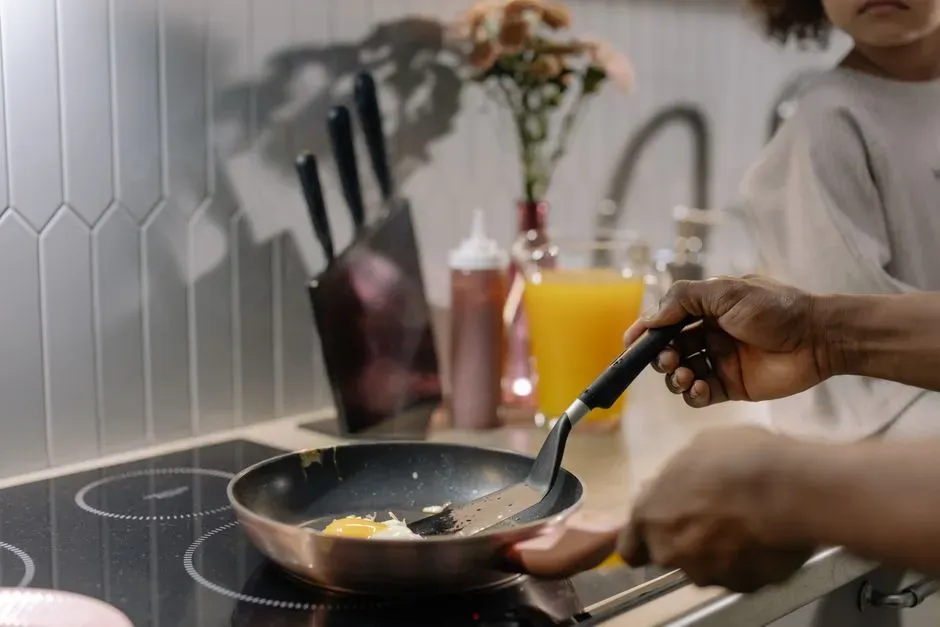
Nonstick surfaces are popular not only because of their ease during cleanup but also because they lend themselves to healthy cooking. Most nonstick pans allow the cook to use minimal amounts of oil. For eggs, fish, and pancakes, they remain a genuinely practical choice when handled correctly.
It’s best to take special care with nonstick surfaces because they only really work well when they are intact, and once they are scratched or scuffed, things can go quickly downhill. Avoid metal utensils on nonstick surfaces, and instead use heat-safe materials such as hard nylon, silicone, or wood. Regardless of the type of nonstick you use, take care not to use excessive heat.
Stainless Steel and the Technique It Demands
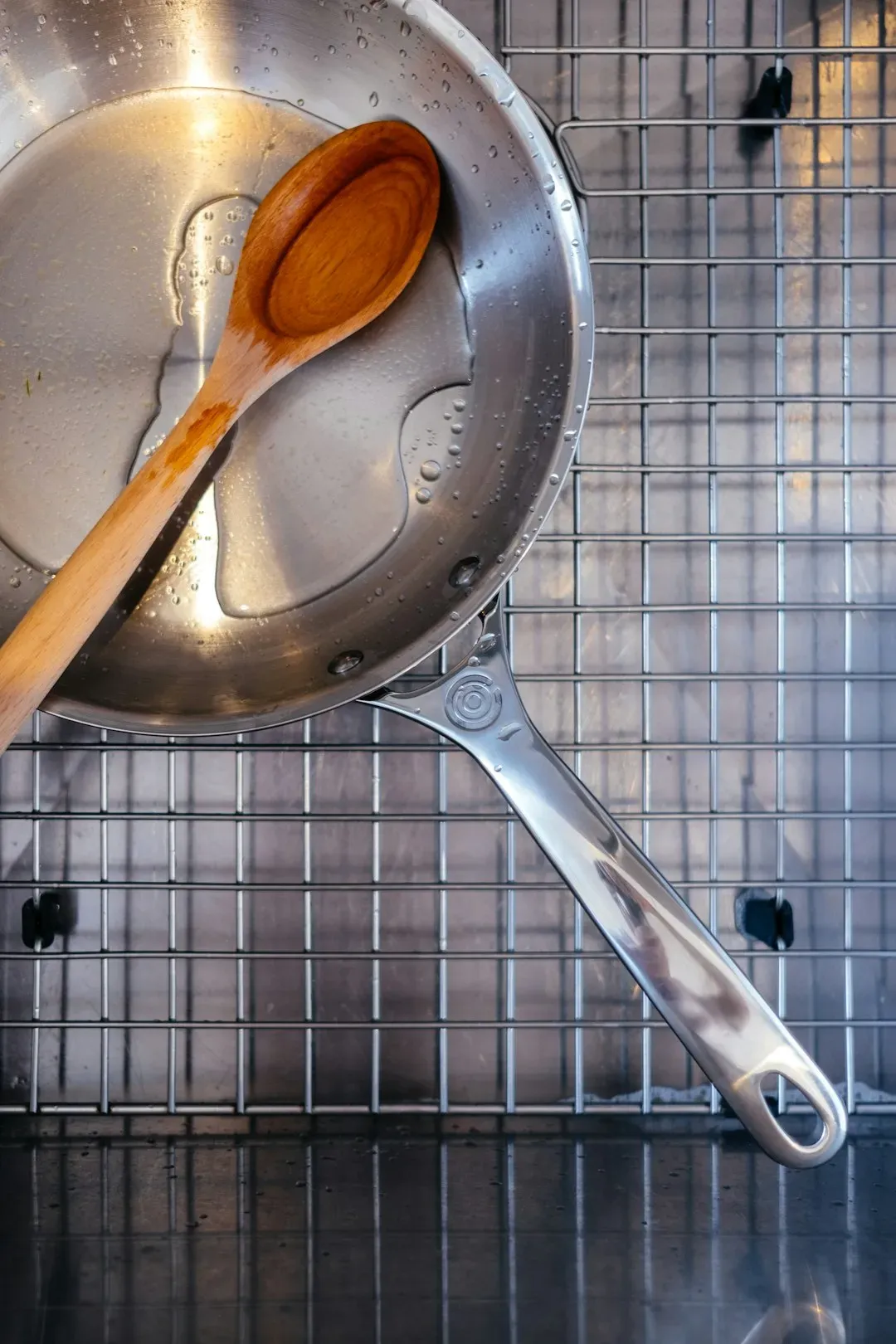
Stainless steel is prized as an interior cooking surface because it does not react with acidic or alkaline foods and won’t pit or scratch easily. This quality promises a certain purity to whatever gets cooked in it; it will not discolor foods or impart metallic flavors no matter what they are.
Stainless steel behaves differently from nonstick. It isn’t naturally slick, but with proper technique, preheating the pan and then adding oil and letting it warm before cooking, it can mimic a near-nonstick effect. It rewards patience. Skip the preheat and everything sticks.
Pan Construction and the Warping Problem
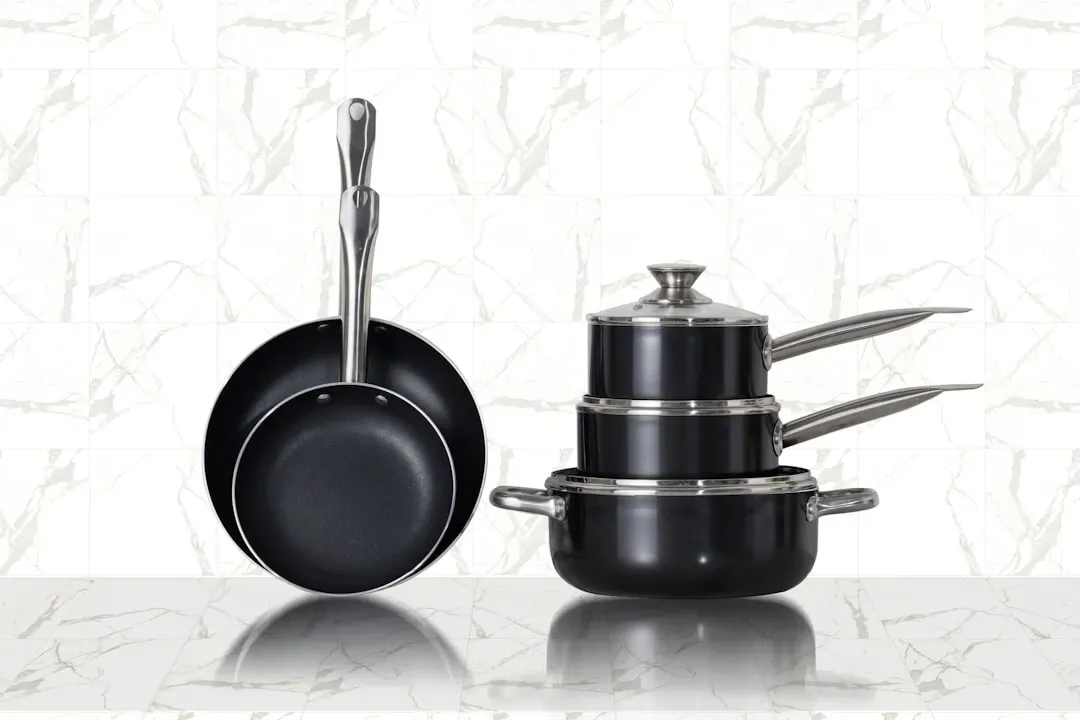
Warping occurs when cookware is exposed to extreme temperature changes or uneven heating, causing the metal to expand and contract unpredictably. The result is a pan that no longer sits flat on the stove, leading to uneven cooking and long-term frustration. This is one of the most common failures in budget cookware.
Thicker metal generally equates to better heat retention and durability, resisting warping. Premium cookware should feel substantial and built to endure. Fully-clad or tri-ply construction, where layers of stainless steel sandwich an aluminum or copper core, offers superior heat distribution and longevity compared to disc-bottom pans.
The Real Cost of Cheap Cookware Over Time
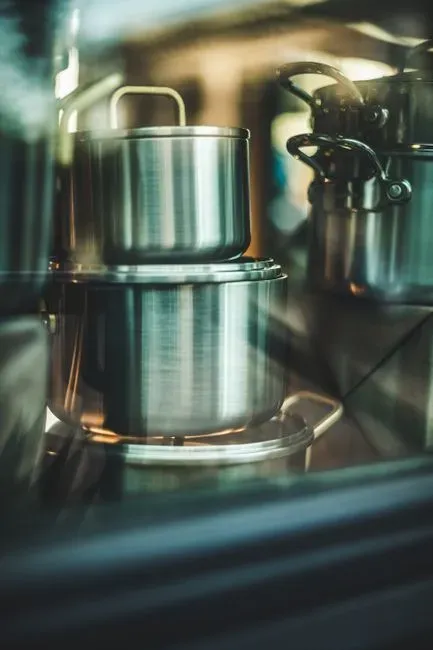
Thicker gauges, robust construction, and durable materials mean well-made pieces resist warping, scratching, and denting far better than budget alternatives. It’s an investment in cookware that lasts a lifetime. Spending less upfront rarely works out to savings in the long run.
A cookware set that lasts forty years is less expensive than replacing a cheaper set every five years. True value lies in longevity. High-quality stainless steel cookware can last thirty years or more with proper care. That kind of lifespan changes the math considerably.
Matching the Right Pan to the Right Job
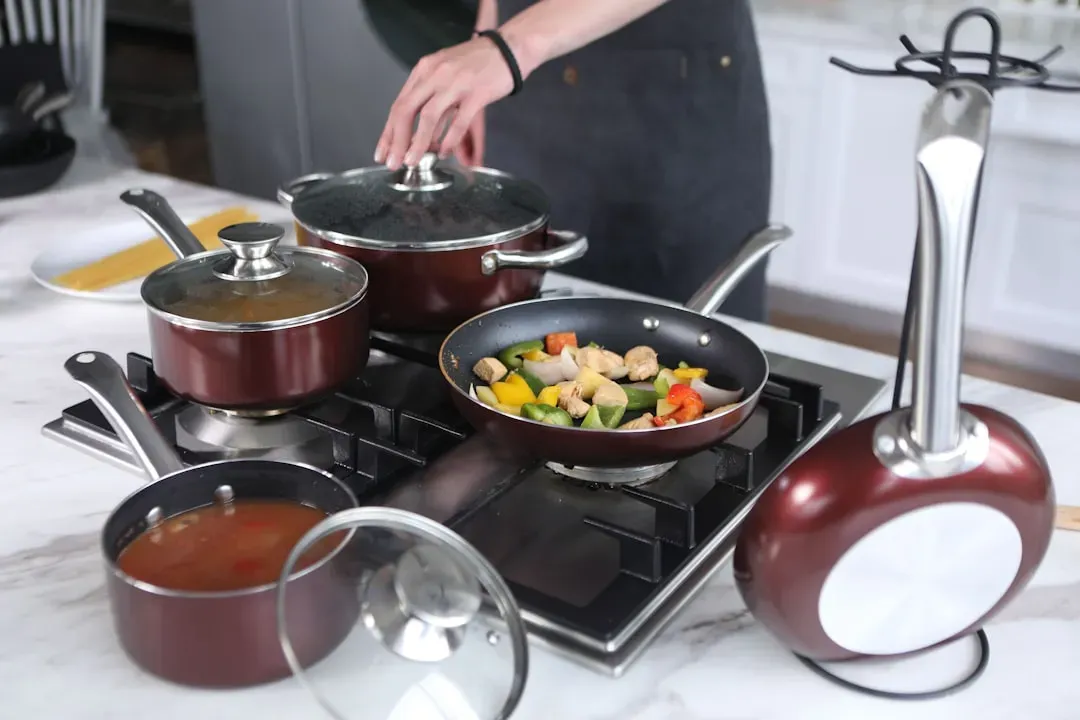
Cookware material choice depends on heat behavior, maintenance tolerance, weight, and cooking style. No single material performs best in every kitchen or cooking task. Each option balances heat distribution, durability, and ease of use differently. This is worth taking seriously when building a collection.
For most home cooks, a well-chosen combination such as a heavy cast iron skillet, a medium-weight stainless steel saucepan, and a lightweight nonstick frying pan covers all bases. Three pans, chosen with some care, outperform a full set of mediocre ones every single time.
What Price Actually Buys You
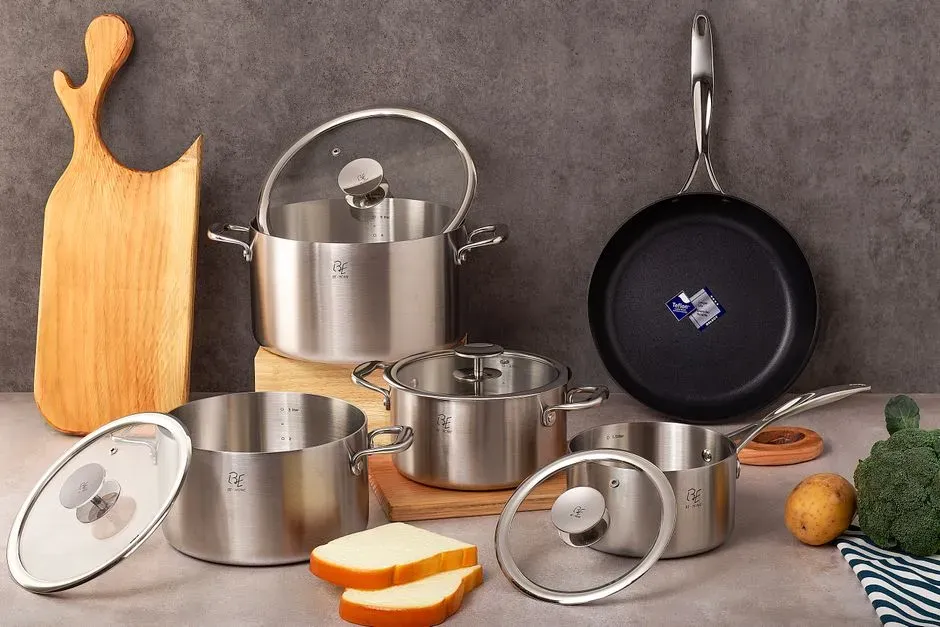
One thing learned in testing is that you don’t have to pay a lot for top-performing cookware. In testing, plenty of budget-friendly sets and individual pans cook just as well as more expensive options. Price is not a reliable shortcut to quality, though construction quality generally does improve at higher price points.
Weight alone doesn’t guarantee better heat conduction. Lighter pans with good materials can perform just as well. Focus on the material quality and density, rather than weight alone, to get the best heat conduction and heat retention in your cookware. The real signal is in the construction details, not the price tag or the heft.