
There’s a particular kind of hunger that shows up the moment the temperature drops. It isn’t about calories or convenience. It’s the pull toward something warm, familiar, and a little slow to make, the kind of dish that fills a kitchen with steam and makes a house feel like a refuge from the wind outside.
Food researchers and home cooks alike have noticed this pattern for years, and in 2026 it’s showing up in market data as clearly as it shows up in family kitchens. From soup sales to search trends, the appetite for cozy, familiar meals during cold weather is measurable, not just anecdotal. Here’s a look at the dishes people keep returning to when the days get short and the air turns sharp.
Table of Contents
Chicken noodle soup, the original comfort classic
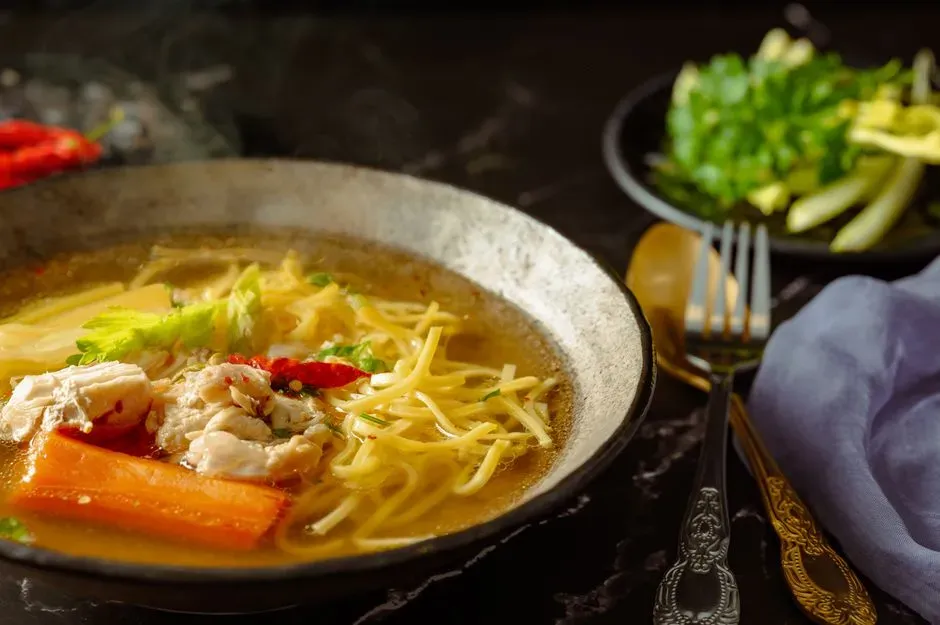
Chicken noodle soup has held its place at the top of winter comfort food lists for generations, and it isn’t just nostalgia keeping it there. Classic soups, such as chicken noodle and tomato, are becoming more popular during colder season as they provide comfort. The combination of warm broth, tender chicken, and soft noodles checks every box for what people want when they’re cold or under the weather.
Part of its staying power comes from how adaptable it is. Some cooks add ginger or extra garlic for a stronger kick, while others keep it plain and brothy the way a grandmother might have made it. Soup is a common feature in restaurants and homes in the United States because of its convenience, comfort, and health benefits, and is commonly eaten during winter, especially when recovering from colds or flu.
Creamy tomato soup with grilled cheese
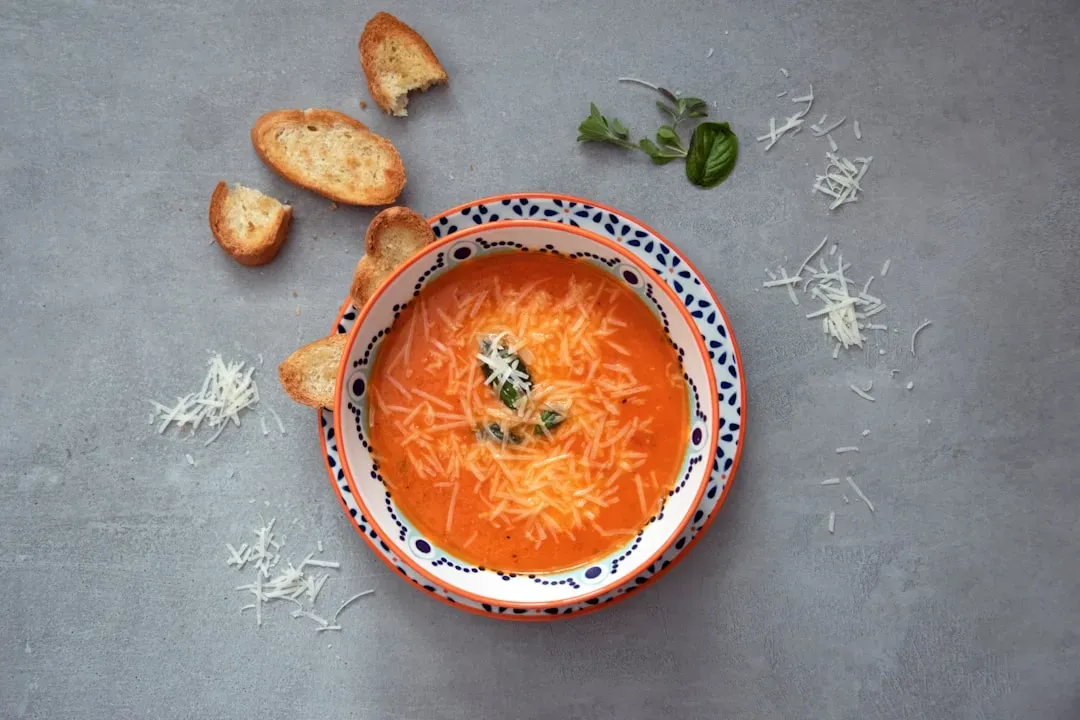
Few pairings feel as universally comforting as tomato soup and a griddled cheese sandwich. The combination has become something of a shorthand for cold weather eating, showing up on menus and in home kitchens with equal frequency. It’s simple to make, inexpensive, and endlessly customizable depending on what cheese or bread happens to be on hand.
Food brands have leaned into the pairing rather than fighting it. In 2024, Campbell Soup Company introduced a limited-edition grilled cheese tomato soup to honor National Grilled Cheese Day, a sentimental dish that appeals to comfort food lovers and suggests combining it with grilled cheese sandwiches for a heightened experience. That kind of product decision doesn’t happen unless the appetite for the combination is already well established among shoppers.
Wonton soup and the global soup boom
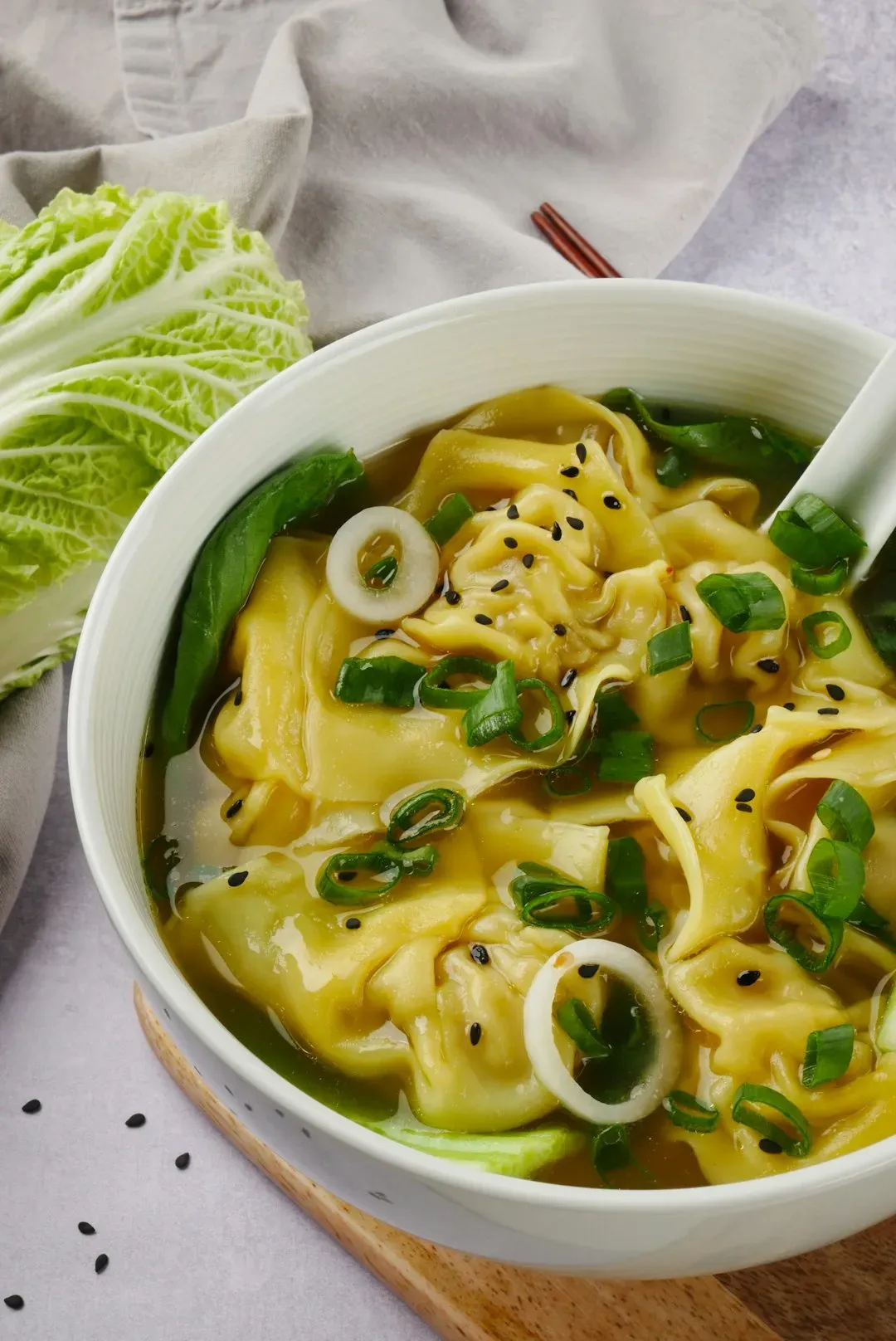
Not every cold weather favorite traces back to a grandmother’s stovetop in the American Midwest. Wonton soup has quietly become one of the most searched winter comfort foods in the country, according to a recent analysis of search behavior across states. The most popular winter comfort food in the country is wonton soup, particularly favored in cold-weather states and Pacific states with strong Asian culinary influences.
That popularity isn’t limited to one region. It topped searches in California, Hawaii, Nevada, New Jersey, Virginia, and Washington. The dish’s rise reflects a broader shift in what Americans consider comfort food, one that increasingly draws from global kitchens rather than a single culinary tradition.
Beef chili for busy weeknights
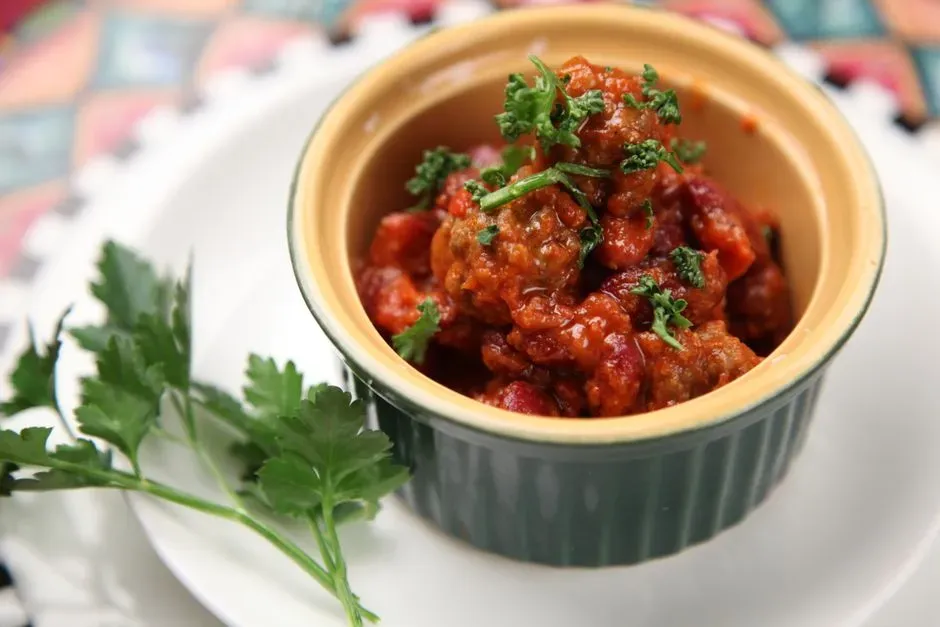
Chili occupies a strange but useful place in cold weather cooking. It feels indulgent and hearty, yet it’s often one of the easiest things to throw together on a weeknight when nobody has much energy left after work. A pot of chili simmering on the stove also happens to make a house smell like it’s being taken care of, which counts for something.
Shortcuts have made the dish even more accessible without sacrificing flavor. Rather than requiring endless hours of simmering, canned beans trim serious time off a one-pot chili recipe with no sacrifice of flavor, thanks to a potent mix of chili powder, cumin, and fresh oregano. That balance of speed and depth is exactly why chili keeps showing up on cold weather menus, from home kitchens to casual restaurants.
Baked mac and cheese
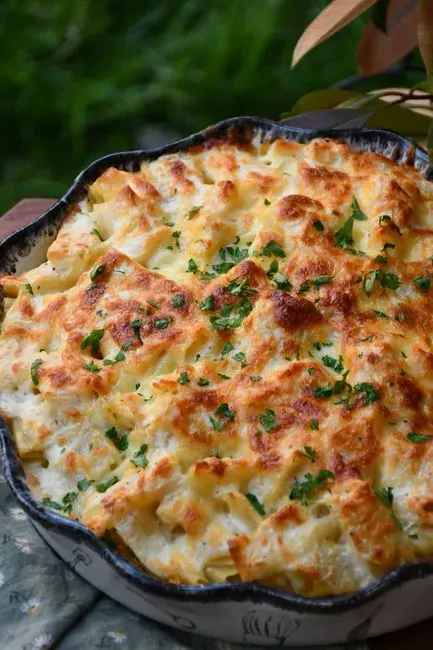
Macaroni and cheese sits squarely in the category of foods that feel like a hug on a plate, and it’s earned a permanent spot in the modern comfort food conversation. It doesn’t need much justification. Pasta, cheese, and a hot oven are usually enough to turn a rough day into a slightly better one.
What’s changed recently is how far people are willing to take it. Pumpkin versions, bacon-studded versions, and baked casserole styles have all found their way into seasonal rotations, proving the dish is flexible enough to absorb new flavors without losing its core appeal. Fall and winter comforts like Pumpkin Mac and Cheese automatically warm your bones when the weather outside is frightful.
Slow-cooked pot roast and stew
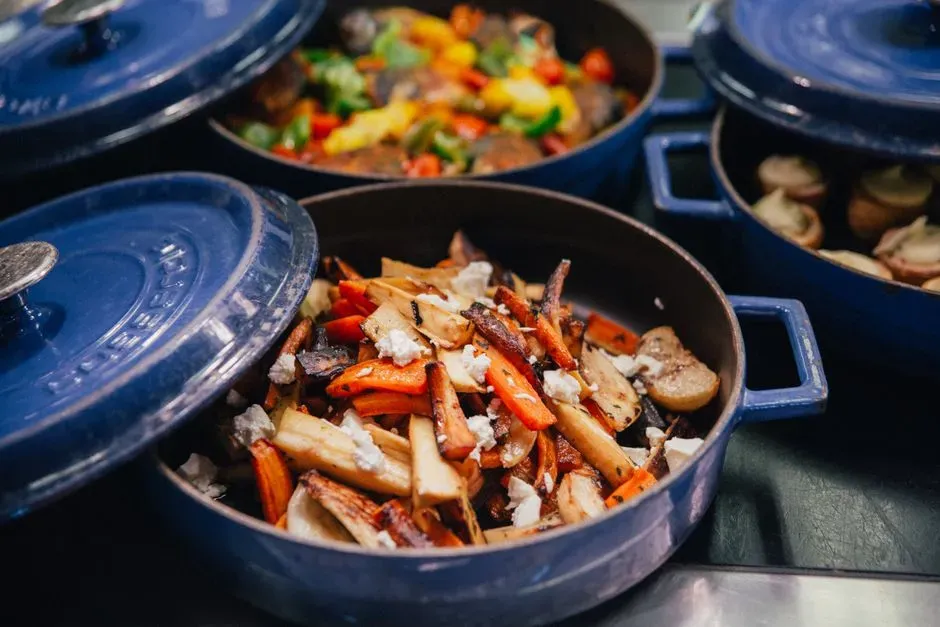
There’s a reason pot roast has survived as a Sunday dinner staple for so long. It rewards patience, filling a kitchen with the smell of braised beef and root vegetables over several hours while requiring very little active effort from the cook. It’s the kind of meal that turns a slow cooker into the most valuable appliance in the house once the weather turns.
Beef stew follows a similar logic, built around cheap cuts of meat that become tender and flavorful with enough time on low heat. Both dishes lean on root vegetables like carrots, potatoes, and onions, ingredients that are affordable and widely available even in the depths of winter. That practicality is part of why these meals have never really gone out of style.
Chicken and dumplings
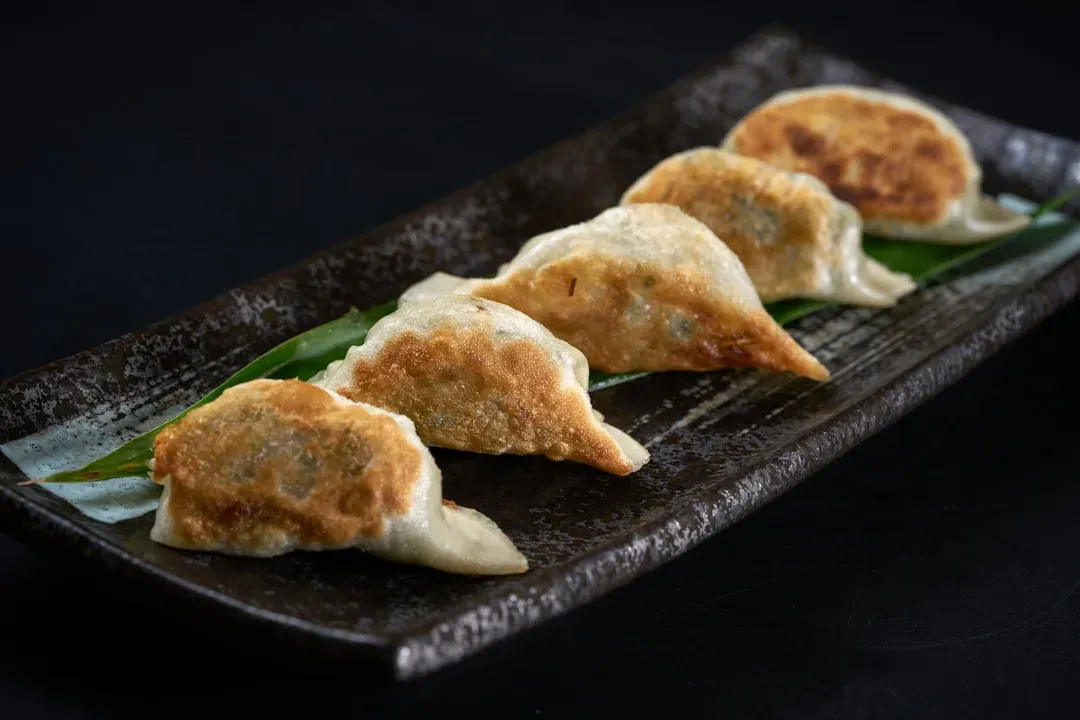
Chicken and dumplings sits at the intersection of soup and something heartier, closer to a stew with pillowy dough floating on top. It’s a dish strongly associated with home cooking, the kind that rarely appears on a restaurant menu but shows up constantly in family recipe boxes. The dumplings themselves do a lot of the emotional work here, adding a soft, doughy texture that feels distinctly nostalgic.
Regional variations exist across the American South and Midwest, some favoring drop dumplings and others rolling them thin like noodles. Either way, the dish delivers exactly what cold weather eating tends to call for: warmth, richness, and very little pretense. It’s rarely fancy, and that’s precisely the point.
Cheesy baked pasta and lasagna
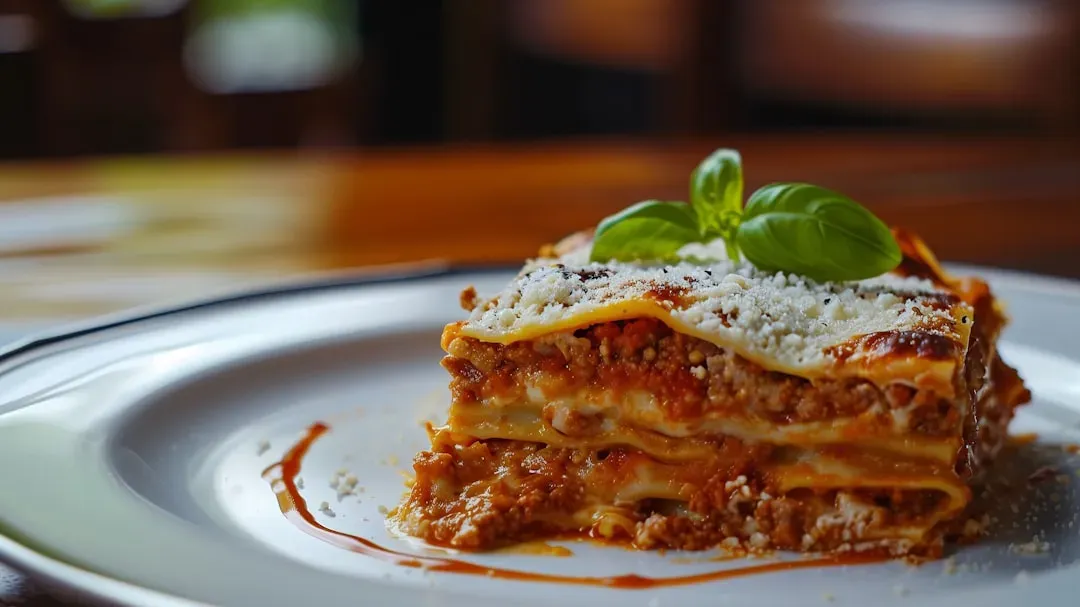
Layered pasta dishes like lasagna occupy a special place in cold weather cooking because they combine two things people want most in winter: heat and heft. A tray of lasagna coming out of the oven, bubbling at the edges, is one of the more satisfying sights in home cooking. It also tends to make enough food to last several days, which matters when nobody wants to cook again the next night.
Simplified weeknight pasta bakes have become especially popular as people look for cozy meals that don’t demand hours of prep. Many home cooks are fully leaning into cozy, comfort-food dinners on repeat this time of year, favoring simple pastas, cozy chicken and rice dishes, and creamy soups that are comforting and satisfying yet easy enough for a busy weeknight. That trade-off between comfort and convenience defines a lot of modern cold weather cooking.
Shepherd’s pie and cottage pie
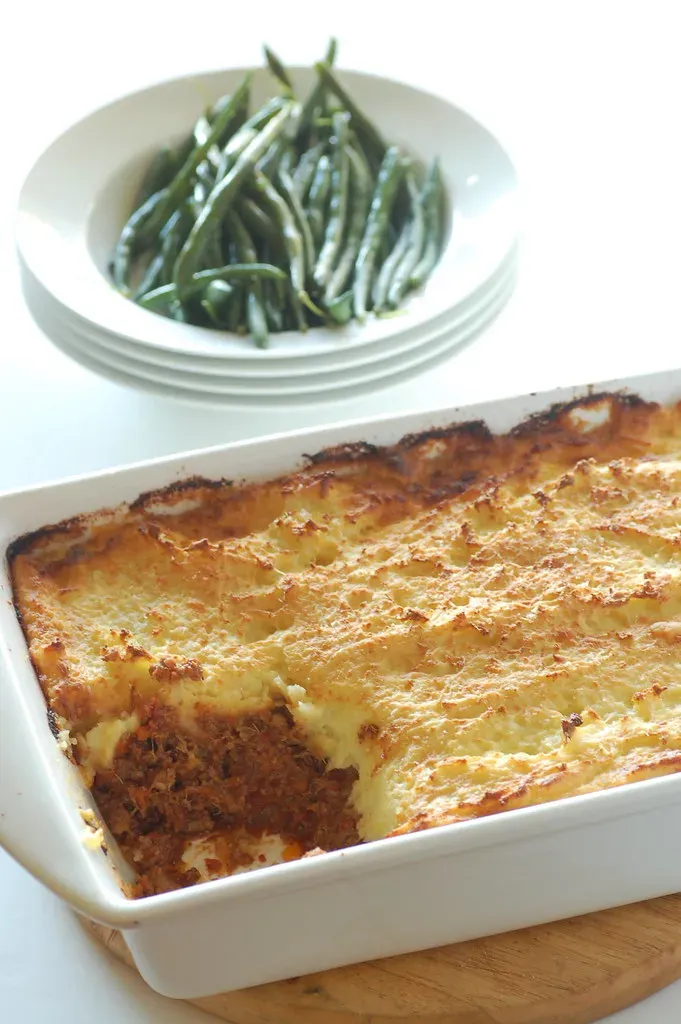
Shepherd’s pie, along with its beef-based cousin cottage pie, brings together ground meat, vegetables, and a thick layer of mashed potatoes baked until golden. It’s a dish built for cold climates, originating in British and Irish kitchens where warming, filling meals were a practical necessity rather than a trend. The mashed potato topping alone does a lot to make it feel indulgent without requiring exotic ingredients.
What makes it endure is its flexibility. Leftover roast can be repurposed into the filling, vegetables can shift with whatever’s in season, and the whole thing can be assembled ahead of time and baked when needed. That kind of practicality has kept it relevant well beyond its original geography, showing up on comfort food lists far from where it started.
Sweet potato and black bean bowls
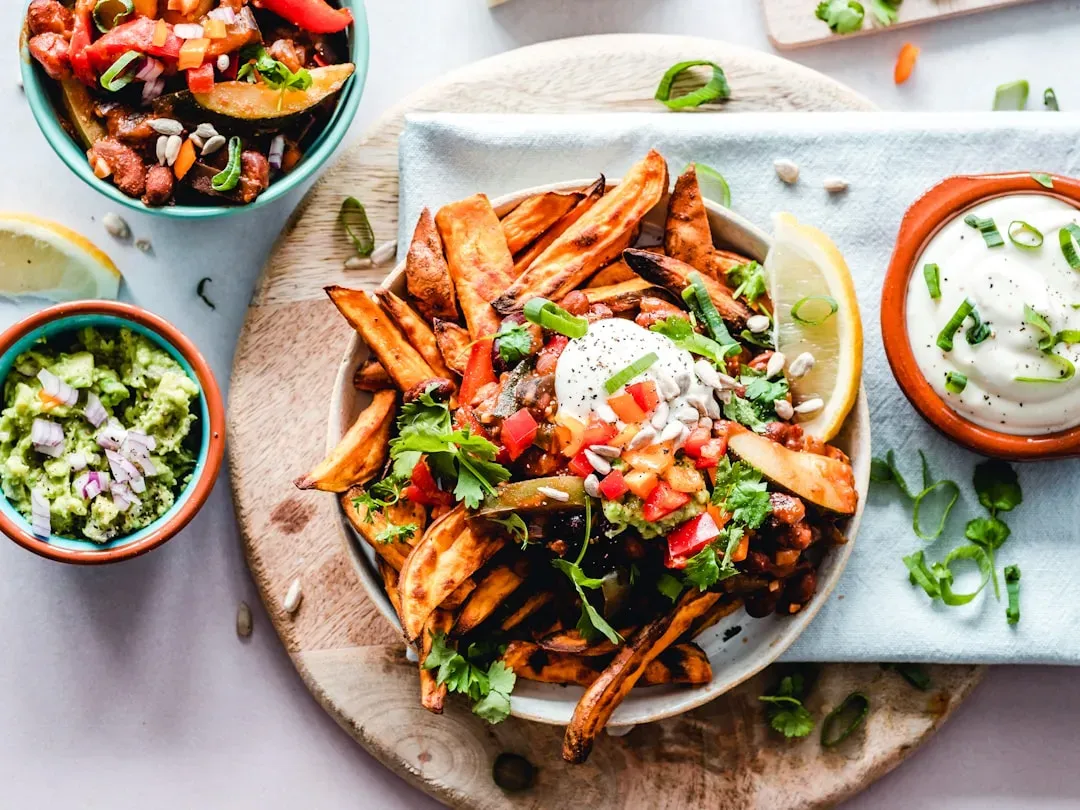
Not every cold weather favorite leans on meat and dairy. Sweet potato and black bean combinations have carved out a spot as a lighter but still satisfying option for people who want warmth without heaviness. Black beans and sweet potatoes make an unbeatable combination for cold weather comfort foods, with roasted cubed sweet potatoes layered over seasoned black beans with avocado, cilantro, and a squeeze of lime.
This kind of dish reflects a broader shift happening in comfort food more generally. Winter weather calls for hearty meals that warm you from the inside out, and there’s real science behind why certain foods feel so comforting, but that doesn’t mean nutrition has to be an afterthought since it’s possible to create comfort food recipes that deliver both emotional satisfaction and nutritional value. It’s proof that cozy eating and healthier eating aren’t automatically at odds.
The bigger picture behind comfort food’s staying power
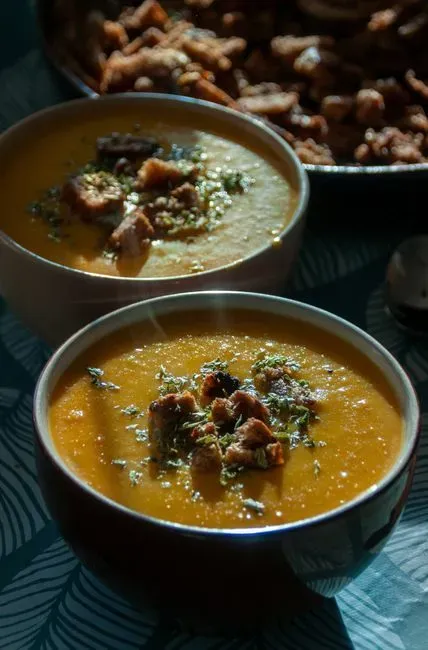
The pull toward cozy meals in cold weather isn’t just personal preference, it shows up clearly in industry numbers. The global soup market size was valued at 12.18 billion U.S. dollars in 2024, and it is expected to reach 16.69 billion U.S. dollars by 2033. That kind of sustained growth points to something steady in consumer behavior rather than a passing seasonal blip.
There’s also a psychological layer to why people reach for these dishes specifically. With the political climate and economy uncertain, a major source of stress for more than seven in ten American adults per the American Psychological Association’s 2024 Stress in America survey, people are in the mood for budget-friendly, streamlined recipes that wrap them in warm memories, aromas, and flavors. Comfort food, in other words, is doing more than filling stomachs. It’s offering a small, dependable sense of stability when other things feel uncertain.