
Something quiet is happening across the restaurant booths of America. No group laughter, no splitting of appetizers, no one grabbing the last fry. Just one person, one table, and one very intentional meal. Solo dining used to feel like something to apologize for. Now it’s becoming a statement.
The numbers tell a story that even the most seasoned restaurant operators didn’t fully predict. From fast food counters to candlelit sit-down spots, Americans are increasingly choosing to eat out entirely alone – and the data suggests this is no passing phase. Let’s dive in.
The Numbers Don’t Lie: Solo Dining Is Surging
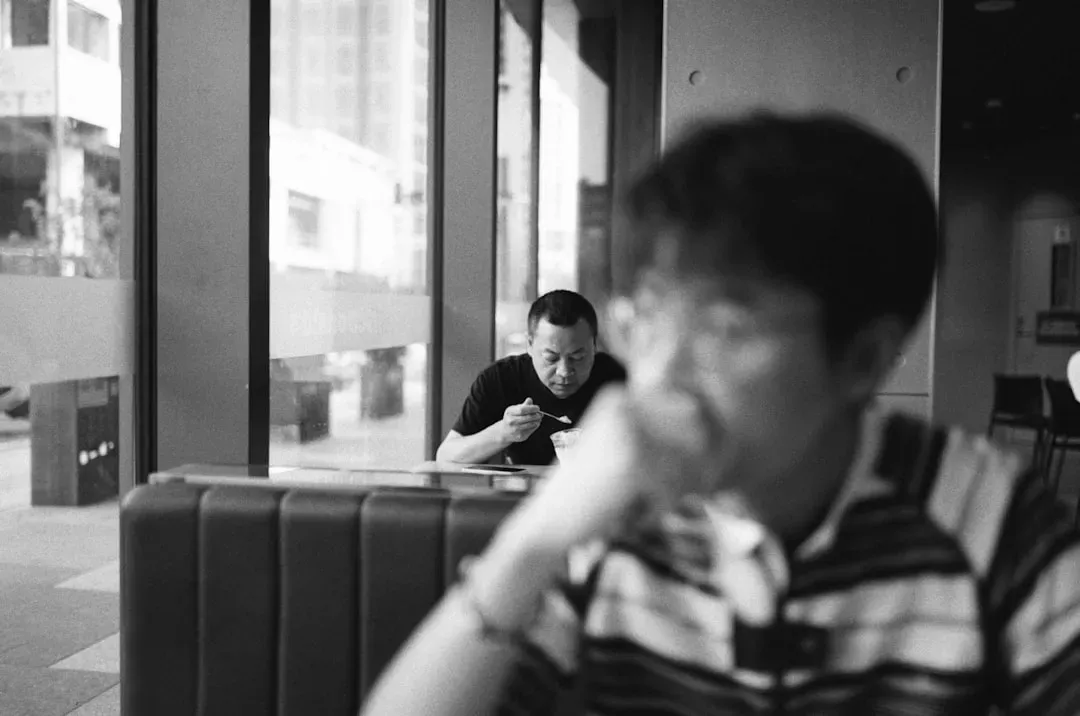
Solo dining is continuing its steady rise, with roughly one in five Americans – about 21% – saying they typically dine alone, according to TouchBistro’s 2025 Diner Trends Report. That might sound modest, but the trajectory is clear. Just a year earlier, only 18% of Americans reported dining out solo, underscoring how quickly this behavior is gaining ground heading into 2026.
Solo dining orders have surged since 2021, according to a report from Yum Brands, the parent company of Taco Bell, KFC, and Pizza Hut. Solo dining orders have risen 52% over that period and now account for nearly half of all quick-service restaurant visits, up from roughly 31% four years ago, according to the company’s 2026 Food Trends Report.
At full-service restaurants, reservations for one increased 22% in the third quarter of 2025 compared with the same period a year earlier, according to data from restaurant software company Toast. That’s a meaningful jump for an industry where party-of-one bookings were once practically invisible. The table for one is no longer a footnote – it’s a growing chapter.
Gen Z and Millennials Are Leading the Charge
Here’s the thing – this isn’t a trend driven by retirees eating early dinners alone. Younger consumers, particularly Gen Z and millennials, are fueling today’s solo dining trend, according to recent data. And the gap between these generations and older Americans is striking.
According to a survey of 2,000 people in the U.S. in 2024, roughly two-thirds of Gen Zs and nearly as many millennials said they planned to dine solo that year, compared to just about half of all U.S. consumers. Those are numbers that demand attention from anyone in the food service industry.
Twenty-nine percent of all diners said they dine out by themselves weekly or more often. Younger diners eat alone more frequently, with 49% of millennials and 46% of Gen Z diners doing so at least weekly. Think about that – almost half of an entire generation is regularly sitting down to restaurant meals completely on their own, by choice. That’s not social anxiety. That’s a cultural shift.
It’s About Self-Care, Not Loneliness
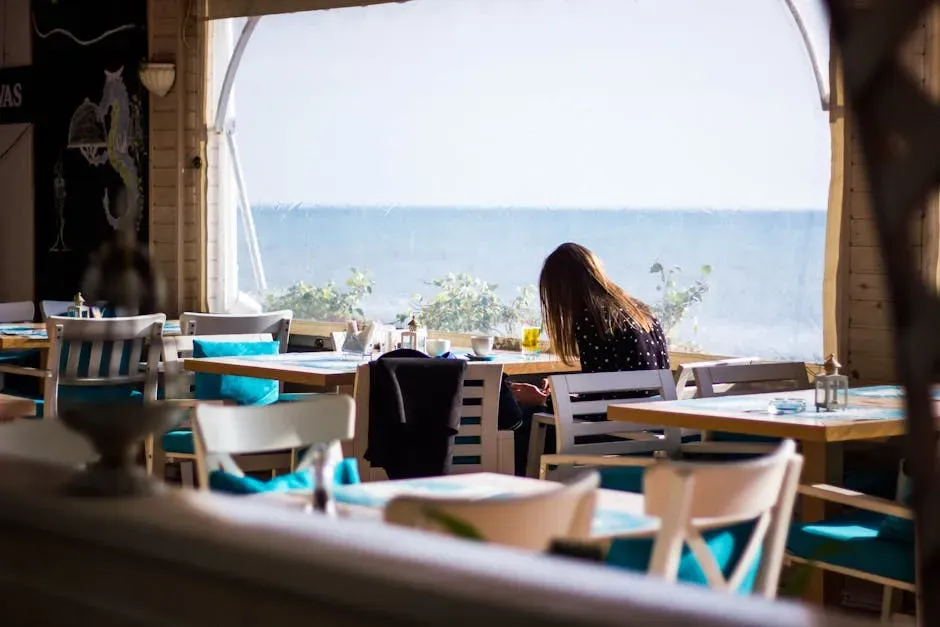
Let’s be real – most people’s first instinct when they see someone dining alone is to assume something went wrong. A canceled date, a fight with a friend. But that instinct is increasingly outdated. The shift appears driven more by self-care and personal preference than loneliness or budget concerns.
According to an OpenTable survey, 34% of people said their main reason for dining out alone was “me time,” while 20% said the main reason was to be able to eat on their own schedule. That’s a significant portion of people actively choosing solitude as a form of restoration, not resignation.
One key driver is the increasing comfort consumers have with dining by themselves, often viewing it as an opportunity for “me time” and a chance to reset. Women, in particular, are using solo meals to plan pauses in their day or explore new dining destinations for future group outings. Think of it like a solo walk in the park, except with better food and someone else doing the dishes. Clinical psychology research even supports this trend, showing that purposeful solo dining can reduce anxiety, boost self-esteem, and encourage mindful eating – because the brain gets to relax without managing conversation or social expectations.
Structural Shifts: More Americans Simply Live Alone

It’s not all about mindset, of course. Sometimes the math is simpler than that – fewer people sharing homes means fewer people sharing tables. The rise in single-person households, now at 28% in the US and up from 24% five years prior, also plays a significant role in the solo dining surge.
A 2019 Pew Research Center study found that 38% of Americans between the ages of 25 and 54 lived without a partner, up 29% from 1990. That number has continued to grow, meaning a substantial portion of the working-age population simply doesn’t have a built-in dinner companion at home to begin with.
In 2023, one in four Americans said they ate all of their meals alone on the previous day, up 53% from 2003, according to the World Happiness Report. That’s a dramatic generational change over two decades. Remote work has also blurred the lines between home and office, making solo lunches a welcome escape from otherwise isolated workdays. When your commute is ten seconds and your colleagues are a Zoom call, a restaurant table becomes something of a lifeline to the outside world.
The Happiness Question: Is Eating Alone Actually Good for You?

This is where it gets complicated, honestly. Not everything about this trend is worth celebrating uncritically. The World Happiness Report used solo eating as an indicator of growing unhappiness, finding that the more meals people shared, the happier they generally felt.
According to the 2025 World Happiness Report, the optimal number of weekly lunches and dinners eaten with others is 13. In the United States, people only share about 7.9 of those meals together every week. That’s a gap worth sitting with. It’s hard to say for sure how much of this is cause versus effect – are unhappy people eating alone, or does eating alone make people unhappy?
Young adults are driving the solo dining trend, multiple studies show – and they’re also reporting high levels of loneliness. The more meals people shared, the happier they reported feeling, even when controlling for factors like income and employment, according to Gallup principal researcher Andrew Dugan. Still, experts also point out that there’s a meaningful difference between enjoying the food and ambience at your table for one and eating takeout alone at home. Solo dining can be a positive, social event, if you go into it with the right mindset.
How Restaurants Are Adapting to the Solo Diner
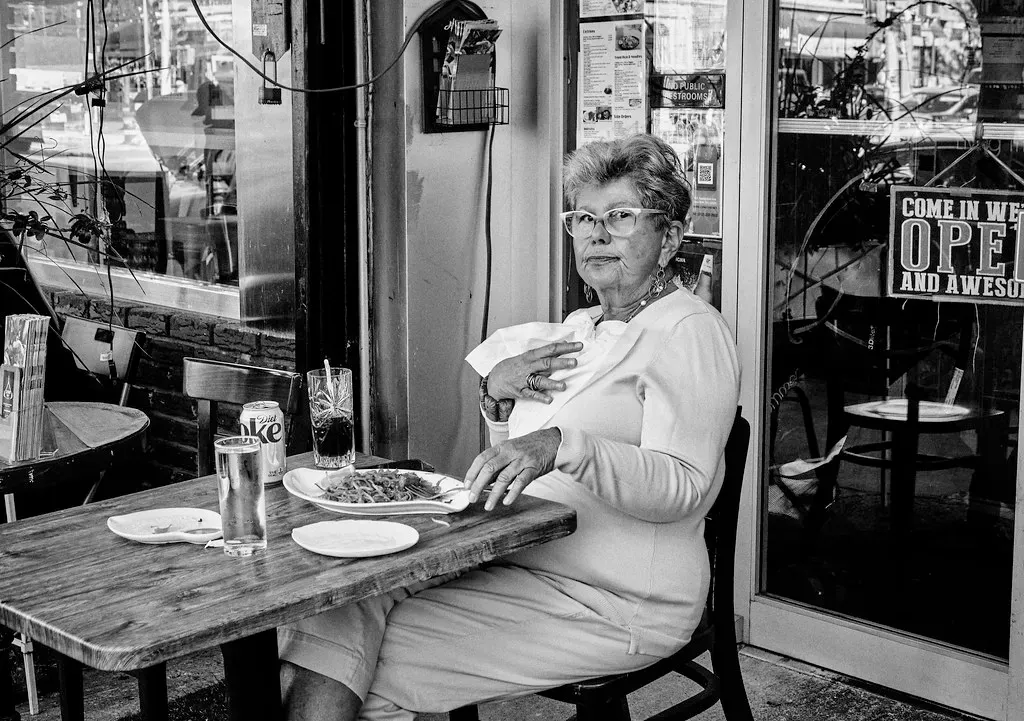
Smart restaurateurs aren’t watching this trend from the sidelines. They’re redesigning entire dining rooms around it. With many restaurants recognizing the importance of catering to singles, an increasing number of the nation’s eateries are now offering counter and single seating and communal tables that suit the needs of this new generation of diners.
Solo diners are also less price-sensitive and more inclined to indulge in snacks and beverages, with over two-thirds not taking advantage of deals. This presents an opportunity for restaurants to adjust offerings and venues to cater to individuals, such as providing comfortable solo-friendly seating, smaller-portion dishes, tasting menus, and engaging experiences like open kitchen views.
Weekday reservations are also on the rise, with Tuesday seeing a 15% increase and Thursday a 12% increase year-over-year. Breakfast reservations at 9 a.m. jumped 19%, and early-bird 4 p.m. dinner slots increased by 15%. Restaurants that embrace these quieter time windows for the solo crowd are essentially unlocking revenue they didn’t know they were leaving on the table. It allows people to manage their own time, spend within their comfort zone, and move at their preferred pace. Booking platform Classpop has even seen a 55% rise in customers booking solo cooking classes since 2024. The solo diner isn’t just at the restaurant anymore – they’re taking the experience home with them, too.
The table for one has quietly become one of the most interesting seats in the American dining room. Whether it signals self-empowerment, shifting household structures, or something more bittersweet about modern loneliness – probably all three at once – the solo diner is here to stay. What do you think is really driving it? We’d love to hear from you in the comments.