
There’s a creeping force quietly draining your grocery budget, and it’s not the price of eggs or the cost of milk. It’s something far sneakier. It’s the slow, seductive pull of “trendy” foods, the ones plastered across your social media feed, hyped up by wellness influencers, and strategically placed at eye level in the most expensive grocery stores in town. You pick one up. Then another. Before long, your weekly shop looks like a wellness retreat gift bag, and your bank account tells a very different story.
One in three consumers say they’ve bought fewer groceries over the past year, with higher prices remaining the top reason for pulling back. And food costs are still roughly 30 percent higher than they were in 2019, keeping pressure on household budgets well into 2026. So why are so many of us still reaching for the premium “it” food of the moment? The answer is complicated, deeply human – and, if we’re being honest, just a little embarrassing. Let’s dive in.
Table of Contents
1. Luxury Tinned Fish at $20+ a Can

Let’s be real, tinned fish is delicious, nutritious, and genuinely useful. Nobody is arguing that. The problem is what happened to it after social media got its hands on it. Some high-end companies capitalized on the trend with ever-fancier products, like a can of sardines packed with gold leaf, selling for $44 a pop. That is not a joke. That is a can of fish.
The U.S. canned seafood market generated over $5 billion in 2023, and total sales volume of tinned fish in the U.S. alone amounted to over $2.7 billion in 2024. The category is booming, and brands know it. Today’s consumers are increasingly seeking premium and luxury culinary experiences, and upscale packaging and gourmet flavors are helping rebrand tinned fish as a luxury snack rather than a survival staple.
Here’s the thing, though. The sardines inside an artfully labeled $22 tin and a plain $3 can from the same fish species are often virtually identical in nutritional value. Quality doesn’t always increase alongside price. Smart shoppers know that the mark-up is almost entirely aesthetic. Spend on good fish, sure. Just skip the gold leaf.
2. Premium Greens Powders That Promise Everything
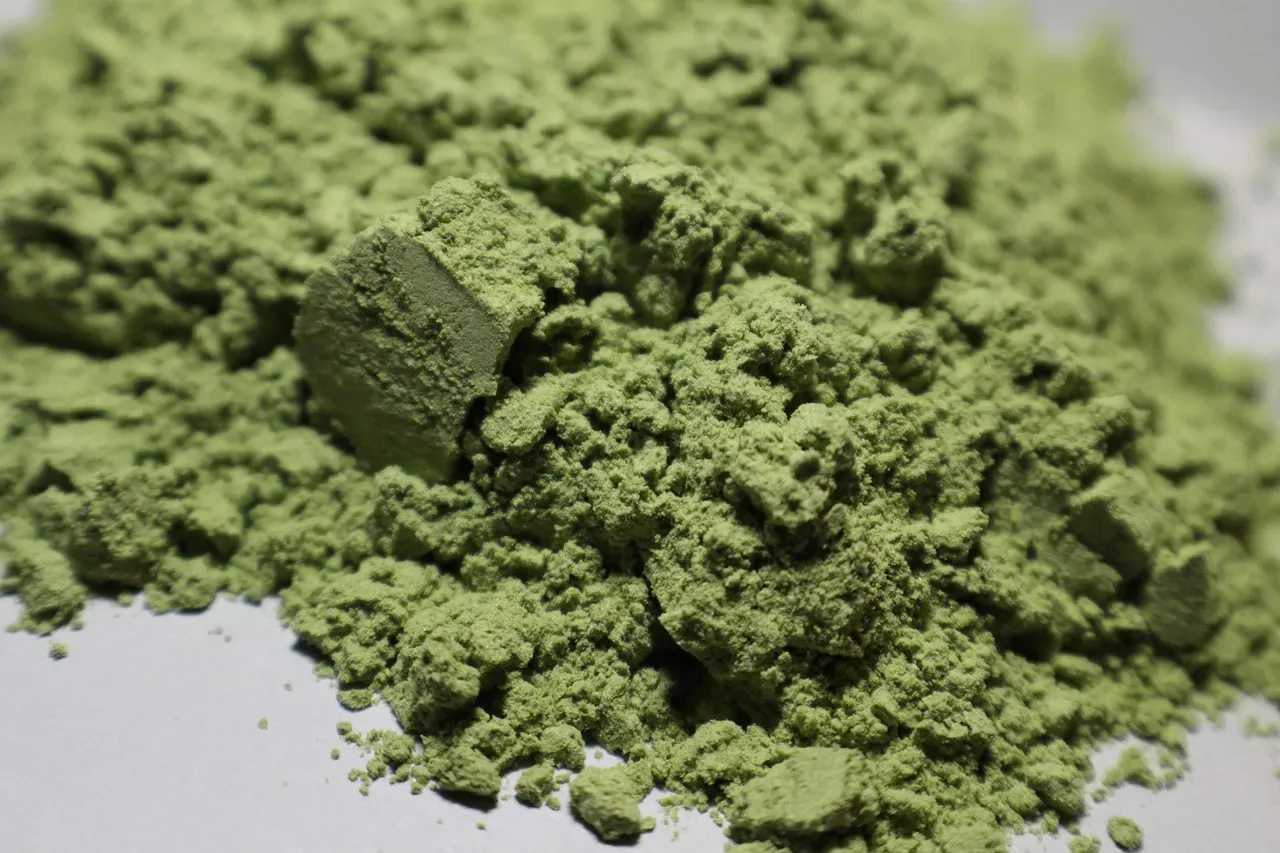
Walk into any health food store and you’ll find them: sleek canisters of green powder with names that sound more like spacecraft than food. They claim to boost energy, balance hormones, fix your gut, improve your skin, and practically solve climate change. Many popular greens powders do not disclose the exact amounts of many ingredients, making it unclear whether the formula is actually effective.
Though some companies claim well over 100 benefits for better health, the overstuffed ingredient lists in superfood, adaptogen, and botanical blends make it unclear whether these supplements truly deliver on their promises. This is a transparency problem hiding behind very convincing branding. Think of it like buying a mystery smoothie where nobody will tell you how much of each ingredient is actually in there.
Meanwhile, more than three-quarters of consumers surveyed listed price as the top factor they consider when choosing foods and beverages in 2025. Spending $80 to $120 a month on a powder when whole vegetables exist and cost a fraction of that price is exactly the kind of kitchen lifestyle creep that sneaks up on you. The better bet? Eat the spinach.
3. Overhyped Plant-Based Meat Alternatives

A few years ago, plant-based burgers felt genuinely revolutionary. The marketing was bold, the celebrity endorsements were everywhere, and the promise of something that bled like a burger without actually being a burger was genuinely exciting. Then people started paying closer attention. In a Food Technology survey, plant-based was singled out as the trend most likely to lose ground with consumers in 2025, with 14 percent of respondents specifically writing it in when asked what would diminish in importance, more than any other answer.
Flexitarianism has also declined by 7.6 percentage points since its peak. That’s a measurable retreat from the plant-based promise. The honest reason? These products are often heavily processed, loaded with sodium and additives, and priced at a substantial premium over actual whole foods like lentils, chickpeas, or black beans. The irony of paying more for something less nutritious than a cheap can of legumes is hard to ignore.
4. Collagen-Infused Everything

Collagen is now showing up in coffee, in water, in gummies, in chocolate bars, in pasta. The industry around it is genuinely enormous. The collagen market was valued at $9.8 billion in 2023 and is expected to reach $22.7 billion by 2032. That’s an extraordinary amount of money flowing toward a supplement category that carries some serious caveats worth knowing about.
The European Food Safety Authority has not approved any health claims for collagen supplements in the European Union. That’s significant. Many collagen studies receive funding from companies that sell these products, which raises real questions about bias. Consumers deserve to know that. When you see a “clinically proven” label on a collagen cookie, ask yourself: proven by whom, and funded by whom?
Here’s what the science does support. Foods like spinach, kale, carrots, and seaweed give your body nutrients that trigger natural collagen production. In other words, whole foods do the job already. The collagen-infused latte at $9 a pop is mostly marketing wrapped in a very photogenic cup.
5. Fancy Wellness Waters and Functional Beverages

Functional beverages are everywhere right now. Adaptogenic mushroom lattes, hydrogen water, collagen water, chlorophyll water. The aesthetics are stunning, the promises are vast, and the prices are quietly breathtaking. Many studies show consumers, particularly in the U.S., are willing to pay premium prices in the name of wellness. However, many are also beginning to see through brands’ regular attempts at greenwashing.
Brands increasingly face pressure to deliver on efficacious dosing, with legal scrutiny making weak claims unsustainable. Adaptogens and nootropics are being used more intentionally, but the industry still struggles to back many of its broader marketing claims. Put simply, a $7 bottle of water with a few drops of chlorophyll is not going to transform your energy levels. That’s not cynicism. That’s just reading the label carefully.
6. Caviar as a Casual Snack

Social media did something remarkable to caviar. It took a luxury ingredient historically associated with black-tie dinners and transformed it into a TikTok snack. The trendy way to eat it became a “high-low” pairing: caviar with Doritos, potato chips, fried chicken, or scrambled eggs. Honestly, the combination sounds fun. The problem is the price tag attached to what is increasingly a performance rather than a genuine culinary choice.
On TikTok, this type of caviar consumption is more about the aesthetics than the actual gustatory experience. Since sturgeon are severely overfished and their eggs are often sold on the black market, caviar should arguably remain a rare treat. Buying farmed caviar substitutes at a steep mark-up just to recreate a viral video is the very definition of kitchen lifestyle creep. The aesthetic isn’t worth the environmental or financial cost.
7. Meal Kits as a Regular Habit

Meal kits had their golden era. The concept is genuinely clever: pre-portioned ingredients, recipe cards, no thinking required. Convenient? Absolutely. But as a long-term grocery habit? The math rarely works in your favor. Purchases of meal kits declined slightly in 2024 versus the prior year, suggesting that consumers are waking up to the reality that the convenience premium is steep.
More than 70 percent of shoppers are concerned about high grocery prices, especially since many say groceries now comprise a greater share of their income. As a result, more than half of people are looking for ways to save money, an increase of more than 10 percent over last year. Meal kits cost significantly more per serving than shopping for the same ingredients independently. There’s a noticeable trend toward making meals from scratch rather than purchasing prepared or prepackaged foods, and that shift is smart economics.
8. Superfood Powders With Unverifiable “Ancient” Origins

There’s a reliable formula in wellness food marketing. Take an ingredient, preferably with a name nobody can pronounce, add the word “ancient” or “ceremonial grade,” and charge three times the going rate. Ashwagandha, maca, moringa, chaga: these are all real ingredients with real properties. The issue is how they’re packaged, priced, and sold to consumers who are, understandably, trusting the label. It’s hard to say for sure whether every brand is misleading people, but some clearly are.
Price and taste remain the dominant decision drivers for food purchases, with both cited by roughly 80 percent of consumers. Yet wellness powders routinely sell for $40 to $80 for a bag that lasts two weeks, often with proprietary blends that, include items like kale, chlorella, spirulina, reishi mushrooms, and ashwagandha, but without disclosing the exact amounts contained, making it unclear whether those amounts are actually effective. You’re paying for the idea of health as much as anything tangible.
9. Trendy “Functional” Snacks at Boutique Prices

The “lipstick effect” describes the idea that sales of smaller, more affordable luxuries actually go up during times of economic or financial hardship. Food brands have mastered this psychology. A $6 adaptogenic chocolate bar. A $9 probiotic cookie. A $12 bag of “activated” almonds. Each individual purchase feels small. Monthly, they add up to a genuinely significant drain on your food budget.
Over the past six months, more than 43 percent of respondents said they’ve somewhat reduced grocery spending, while nearly 16 percent reported making significant cuts. Despite these efforts, a substantial portion of respondents reported spending more on groceries in 2024 compared to the previous year. Functional snacks exist in an expensive middle ground: they cost more than real food and deliver less than a complete meal. The “functional” label does a lot of heavy lifting with very little nutritional backup.
10. Erewhon-Style Smoothies and Premium Grocery “Culture”

Erewhon, for those unfamiliar, is a Los Angeles grocery store where a single smoothie routinely costs $18 to $25, and the experience of shopping there has become a lifestyle signal as much as a grocery run. A viral piece reported on young Americans reportedly working two jobs to afford daily Erewhon visits, spending upwards of $200 a week. That is a real, documented phenomenon. It is also a perfect case study in kitchen lifestyle creep in its most extreme form.
The premium grocery “culture” that Erewhon represents has filtered down into mainstream stores. Consumers have become more used to sticker shock, so factors like product quality and convenience have become more prominent in their decision-making and how they perceive value. The problem is that “premium” perception is precisely what brands exploit. Most Americans, roughly 70 percent, say they are extremely or very worried about rising grocery prices, yet spending on prestige food items continues to climb. Beautiful packaging and an aspirational story can make even overpriced tap water feel like self-care.
What Smart Shoppers Actually Do Instead

Here’s the good news. The data shows that more shoppers are catching on. Measures to generate budget relief include switching to private label items, and a large part of the population has not returned to their old behavior after trading down, leading to an overall larger group of shoppers relying on private label products, discount retailers, and deliberate shopping lists to manage grocery spend. That’s not deprivation. That’s strategy.
While so-called “generic” brands once held a bad reputation, private labels actually allow for more control over the quality of the products found in stores and offer shoppers goods for lower prices, since fees for advertising and packaging don’t apply. The smarter move is to look at what’s behind the label, not what’s on it. A $1.99 store-brand canned salmon delivers the same omega-3s as the $18 beautifully illustrated tin. The fish doesn’t know it’s Instagram-famous.
About half of consumers say that their primary grocery store is helping them be healthier, and grocery stores are now being seen as outlets for health and wellness. Nearly half of shoppers say the healthiness of food is a purchase driver. The difference between a savvy shopper and an impulse buyer often comes down to one simple habit: reading the ingredient list before the front-of-package claim. If an ingredient sounds like a fantasy novel character or costs more than your electric bill, it probably belongs back on the shelf.
What would you skip next time you’re standing in that aisle, wellness claim in hand, wallet already open? Tell us in the comments.