
There’s a specific kind of magic that happens when a handful of fresh ingredients turns an ordinary dinner into something memorable. It rarely takes fancy technique or a long list of steps. Instead, it comes down to what you’re actually working with, and how much life is still in those ingredients when they hit the pan.
Home cooks in 2026 have more access than ever to good produce, quality oils, and farm fresh proteins, whether through local markets, delivery services, or simply paying closer attention at the grocery store. The ingredients below aren’t exotic or hard to find. They’re the reliable building blocks that, used well, can make even the plainest weeknight meal taste like it took real effort.
Table of Contents
Ripe tomatoes bring natural sweetness and depth
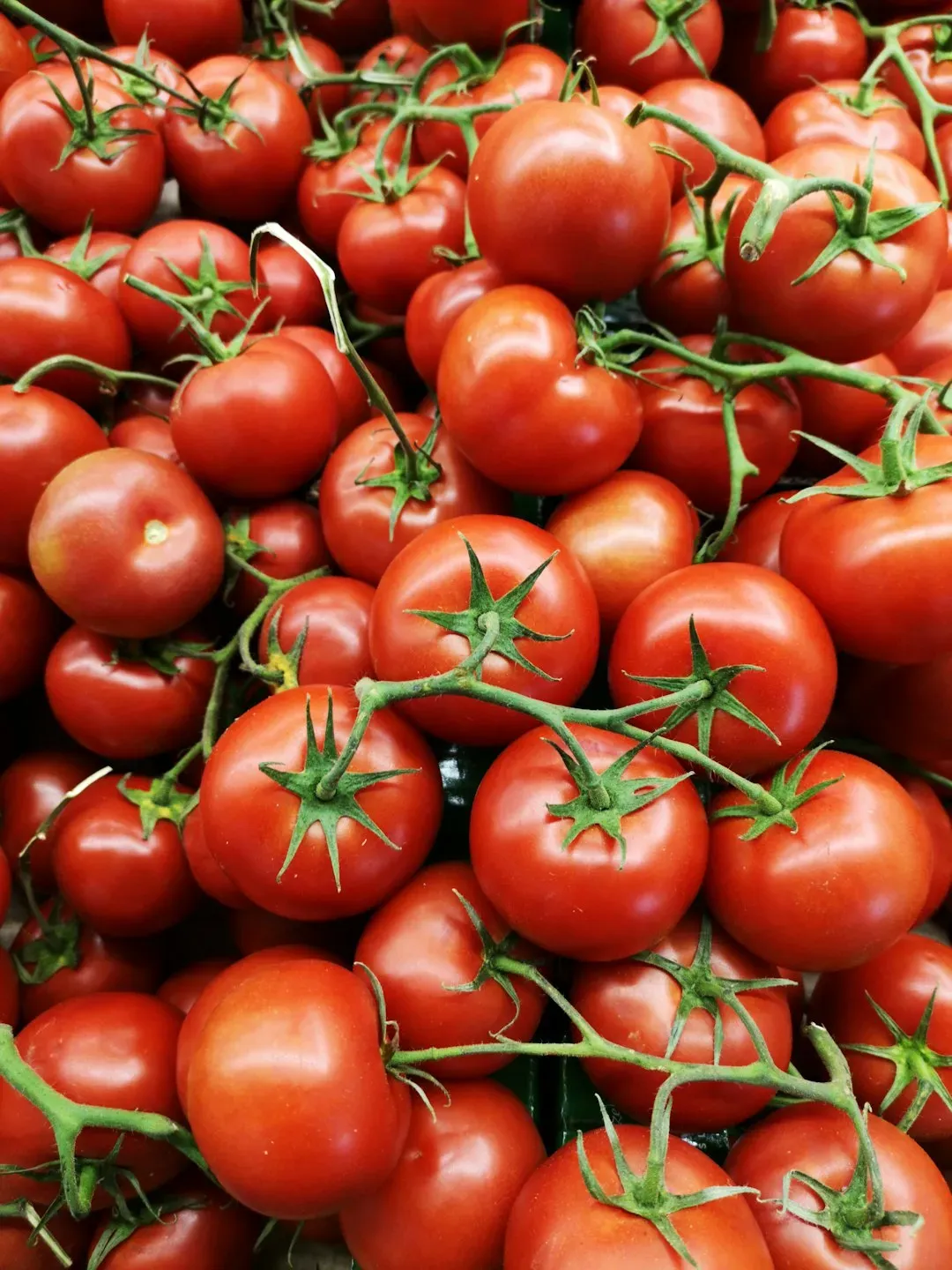
A truly ripe tomato needs almost nothing done to it. Sliced with a bit of salt, or cooked down into a quick sauce, it delivers a sweetness and acidity that canned versions rarely match once you’ve had the real thing in season. Part of what makes tomatoes so valuable in the kitchen is lycopene, the antioxidant compound responsible for their red color.
Lycopene is a plant nutrient that gives fruits like tomatoes and grapefruit their color, and it has been linked to improved heart health, sunburn prevention, and protection against certain cancers. Interestingly, cooking tomatoes with alliums like onion can actually help the body absorb more of that lycopene, since onion enhanced the production of lycopene Z-isomers, which are more bioavailable than the raw form. That’s one small reason a basic tomato and onion sauce works so well together, beyond just flavor.
Garlic adds punch without adding effort
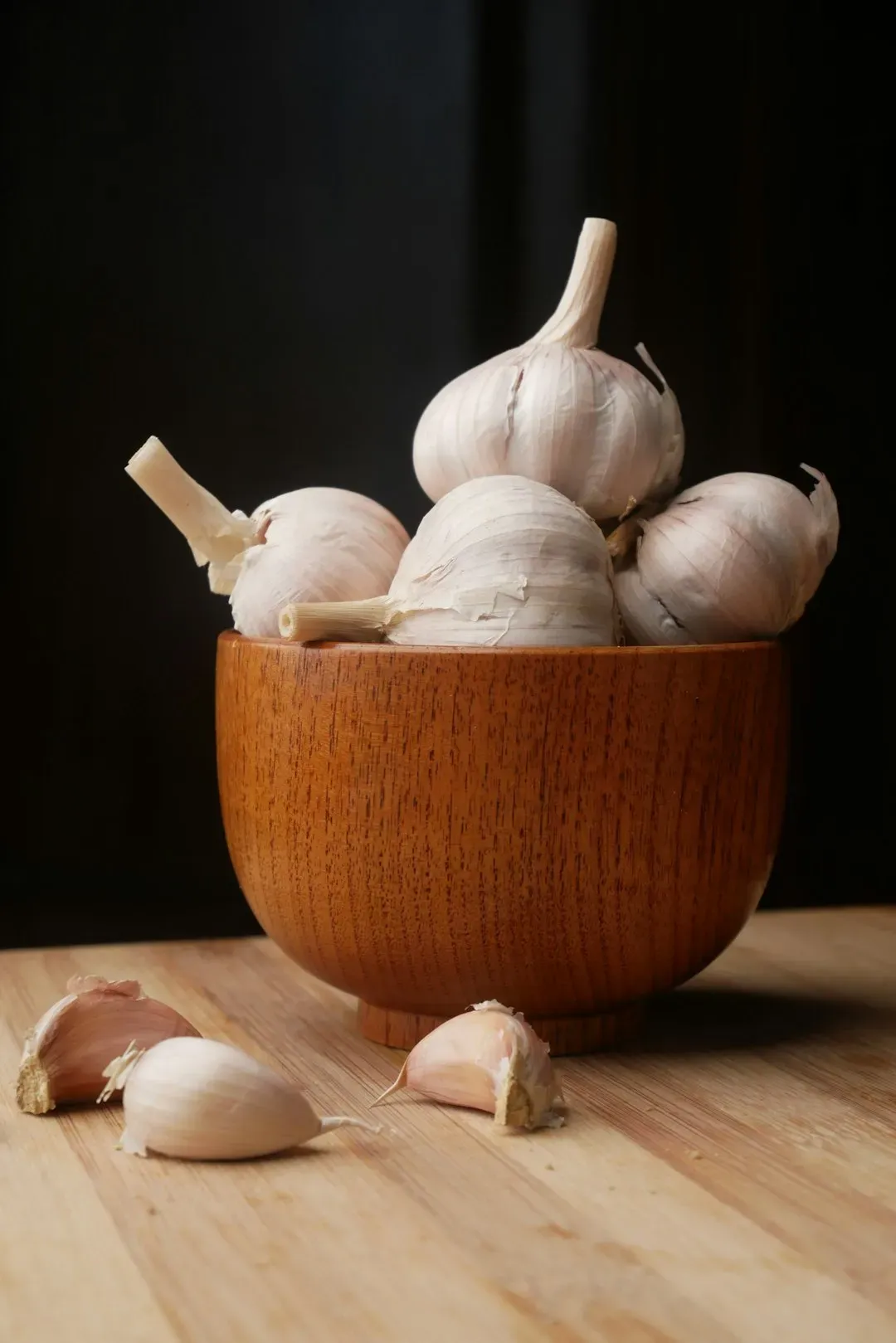
Few ingredients change a dish as fast as a clove of fresh garlic. It’s cheap, it stores well, and it turns a bland pan of vegetables or a pot of beans into something with real character in under a minute of sautéing. Garlic’s reputation isn’t just about taste either.
Researchers have long studied its active compounds, and collective epidemiological studies show that garlic intake is strongly associated with a reduced risk of cancers, particularly in the case of gastric or intestinal cancer. That kind of backing, combined with how easily it layers into almost any savory dish, explains why garlic sits near the top of most cooks’ pantry list. Fresh cloves, minced right before cooking, still beat the jarred versions for aroma and bite.
Fresh basil turns simple dishes fragrant
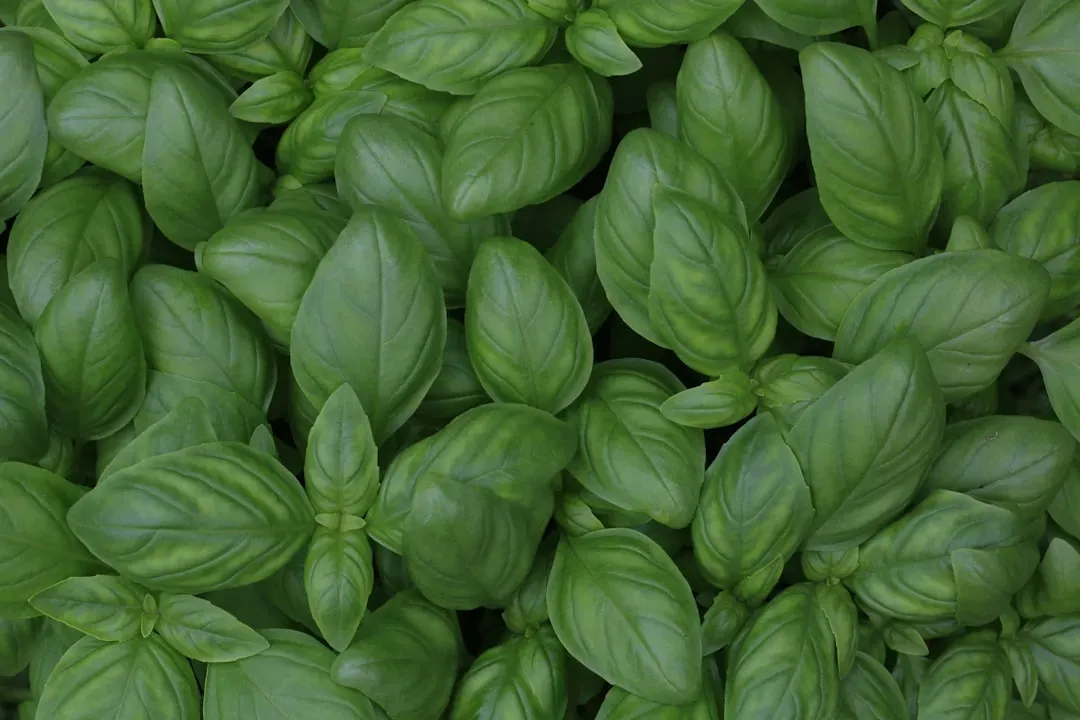
Basil is one of those herbs that smells like summer the second you tear a leaf. It’s central to caprese salad, pesto, and a simple pasta with olive oil, and it barely needs cooking to release its flavor. Dietitians consistently point to it as one of the more useful herbs to keep on hand, not just for taste.
Research suggests basil may have positive effects on blood sugar and pressure, circulation and cognition, according to information shared by the Cleveland Clinic. One nutritionist noted that one of the best ways to reap the benefits of fresh herbs is to eat a large amount of them, and that’s easy to do with basil, which can be blended into pesto, layered into caprese salad, and used to garnish pizza or soup. Chopping it right before serving, rather than letting it sit, keeps the aroma at its peak.
Parsley does more than just garnish the plate
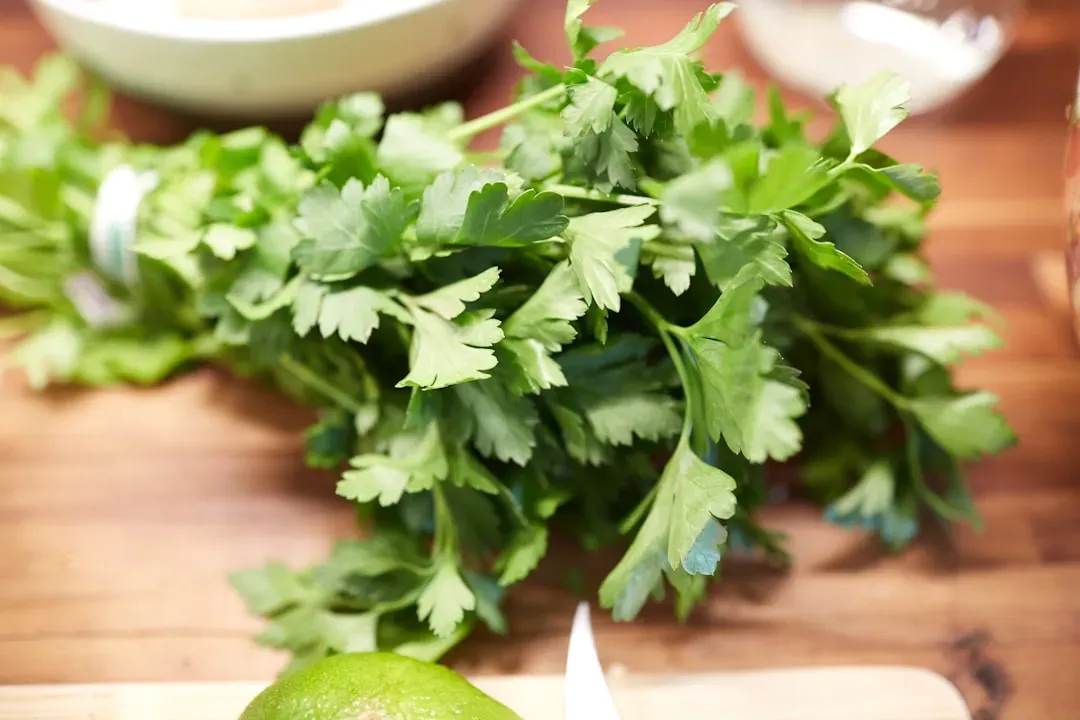
Parsley gets treated as decoration far too often, tossed on a plate and left uneaten. That’s a shame, because fresh parsley brings a clean, peppery brightness that lifts heavier dishes like stews, roasted vegetables, or grain bowls. It works especially well stirred in at the very end of cooking, right before serving.
Nutritionally, it earns its keep too. Parsley is often ranked among one of the healthiest herbs, and it’s rich in vitamins A, C and K, which support healthy immune function, vision, skin, blood clotting and more. It’s also a nutritional superstar, given that it contains a substantial amount of fiber, calcium, iron, magnesium, potassium, as well as vitamin C, folate, and vitamins A and K. That’s a lot of value from a bunch of herbs that costs next to nothing at most grocery stores.
Extra virgin olive oil ties a dish together
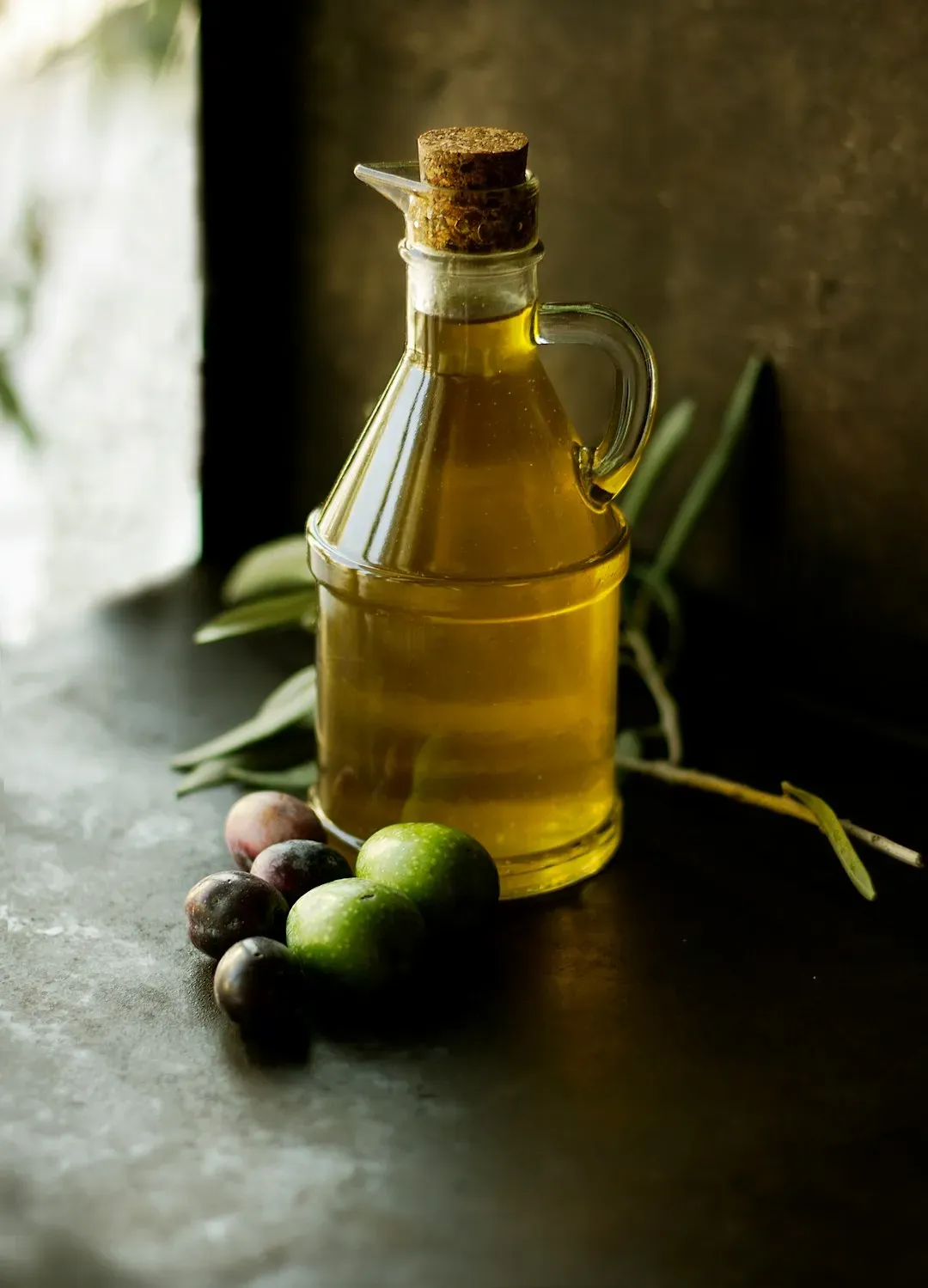
A good drizzle of extra virgin olive oil right before serving can do more for a simple dish than almost any other single addition. It adds richness, a bit of peppery bite, and a glossy finish that makes even plain roasted vegetables look and taste more intentional. Not all olive oils are equal though, and the difference matters more than people often realize.
A 2025 study following more than seven thousand people found that a high intake of extra-virgin olive oil was linked to a lower risk of heart-related problems, while intake of common olive oil was not, likely due to higher levels of beneficial polyphenols in EVOO. Choosing a cold-pressed, high-quality bottle for finishing dishes, rather than just for frying, is where the flavor and the health benefits both show up most.
Citrus wakes up flavors that feel flat

A squeeze of fresh lemon or lime is one of the simplest fixes in cooking. When a dish tastes muted or heavy, acid is usually what’s missing, and citrus delivers that faster than almost anything else in the kitchen. It brightens roasted chicken, cuts through creamy sauces, and balances out fatty or salty flavors in a way that’s hard to replicate with vinegar alone.
Beyond flavor, citrus zest carries aromatic oils that vinegar simply doesn’t have, which is why a little grated lemon peel can do more for a dish than the juice by itself. It’s a small habit, keeping a lemon on the counter rather than tucked in the fridge drawer, but it changes how often it actually gets used. Fresh citrus loses its punch quickly once cut, so it’s best added close to serving time.
Leafy greens add texture and quick nutrition
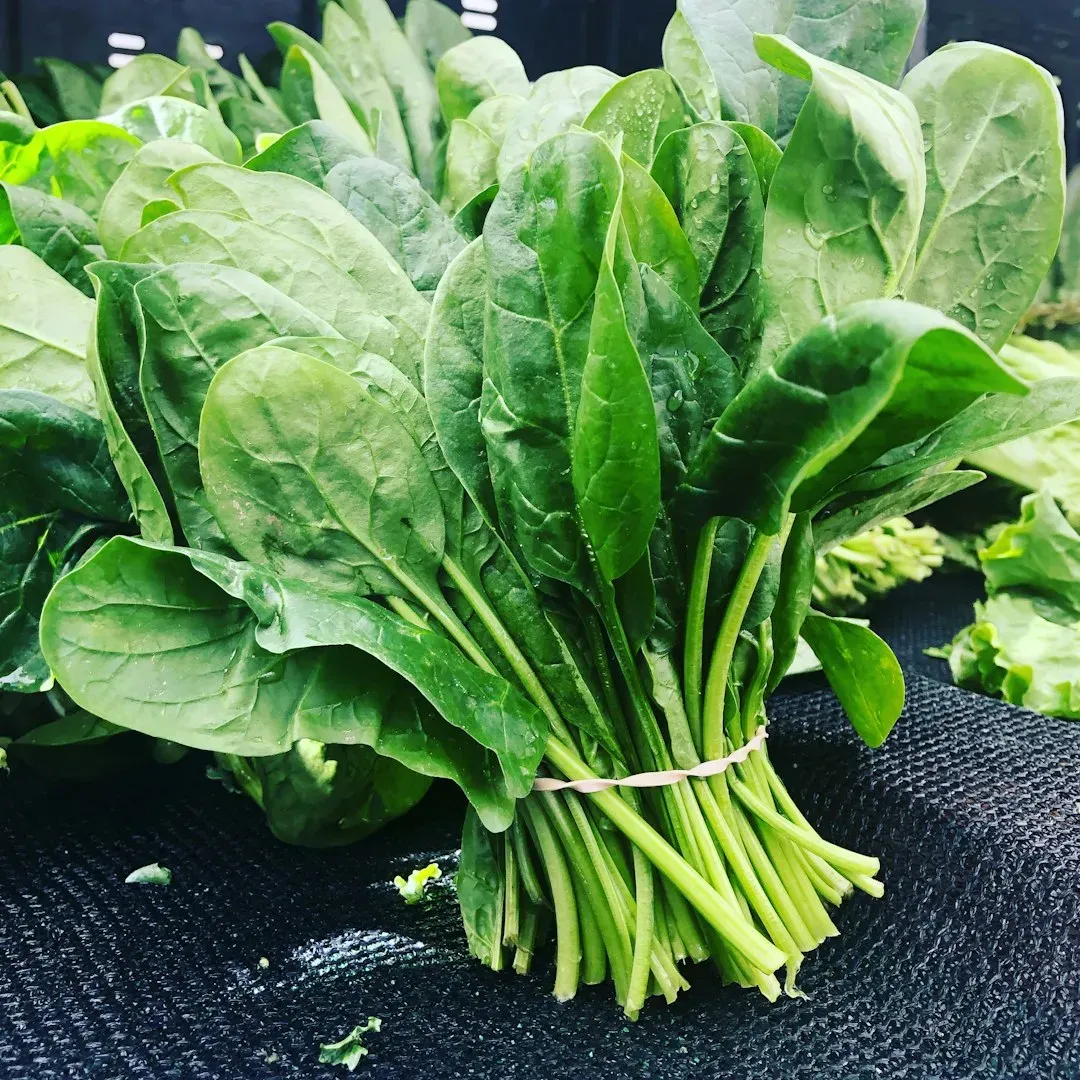
Spinach, arugula, and kale are some of the easiest ways to add both nutrition and texture to a simple meal without much planning. A handful of arugula tossed onto a warm pizza or pasta wilts slightly from the heat and adds a peppery contrast that plain cheese and sauce can’t. Spinach works the same way stirred into soups or scrambled eggs at the last minute.
These greens are also relatively fragile, which is part of why buying them fresh and using them within a few days makes such a difference in both taste and texture. Wilted, tired greens lose their crunch and turn slightly bitter, while fresh ones still have a bit of snap. It’s a small detail, but it’s often the difference between a salad that tastes vibrant and one that tastes like an afterthought.
Farm fresh eggs bring richer flavor to basics
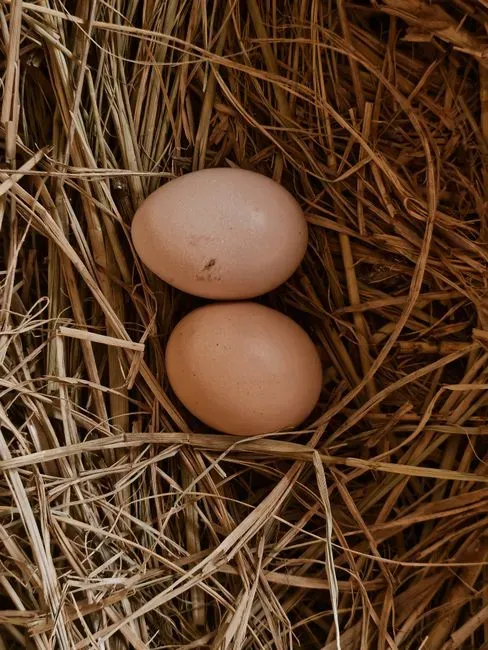
Eggs are already one of the most reliable proteins in any kitchen, but freshness genuinely changes their character. A truly fresh egg has a firmer white and a yolk that sits taller and tastes noticeably richer, which matters a lot in simple dishes like fried eggs, omelets, or a basic carbonara where the egg itself is the star. Older eggs work fine for baking, but they don’t shine the same way on their own.
Many home cooks have shifted toward buying eggs from local farms or farmers markets in recent years, partly for flavor and partly out of interest in how the hens were raised. Whatever the source, the general rule holds steady: the fresher the egg, the more it delivers in a dish where it’s not hiding behind other ingredients. That’s especially true for anything served soft, like a jammy egg over toast.
Fresh cheese adds creaminess without heaviness
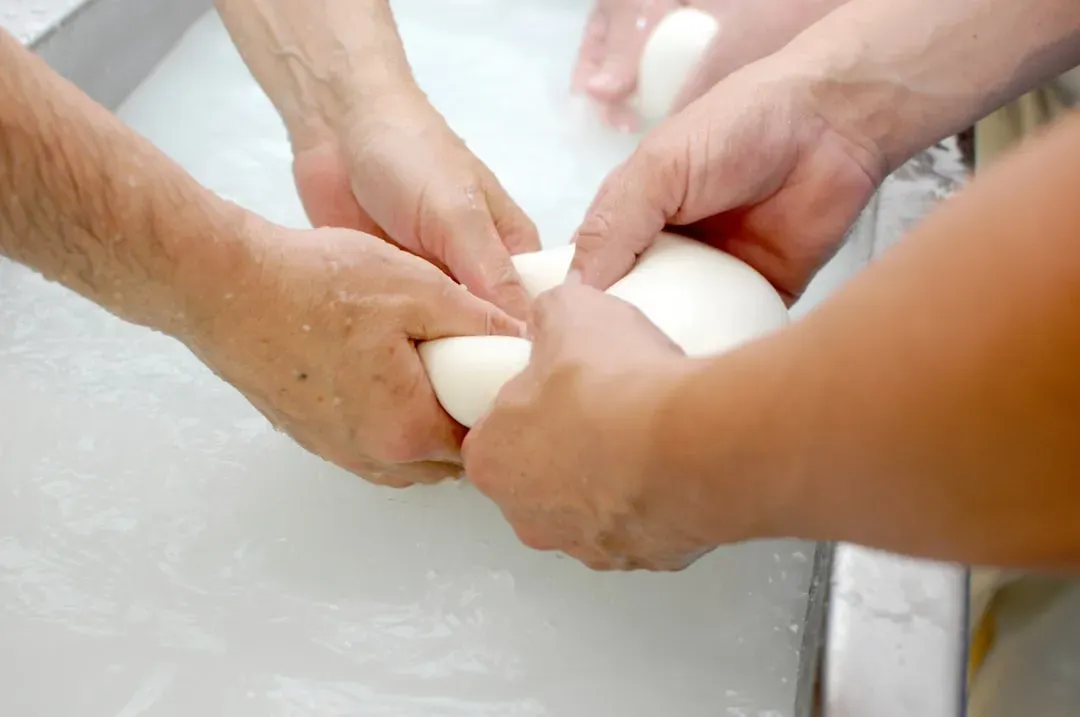
Fresh cheeses like mozzarella, ricotta, and feta bring a lightness that aged, hard cheeses don’t offer. A ball of fresh mozzarella torn over a tomato salad, or a spoonful of ricotta stirred into pasta, adds creaminess without the sharper, saltier weight of something like parmesan. That softness pairs particularly well with dishes built around fresh produce, since neither ingredient overwhelms the other.
Fresh cheese also has a much shorter shelf life than aged varieties, which is part of what gives it that delicate, milky flavor in the first place. Buying it close to when you plan to use it, rather than letting it sit in the fridge for weeks, keeps that quality intact. It’s a small purchasing habit, but it has a real effect on the final dish.
Quality salt and fresh pepper finish the plate
Salt and pepper seem like the most basic seasonings in any kitchen, yet the quality and freshness of both still matter more than people expect. Pre-ground pepper loses its aromatic oils fairly quickly, which is why freshly cracked pepper tastes noticeably sharper and more fragrant than the pre-ground jars that sit in a cabinet for months. A pepper grinder is a small investment that pays off in almost every savory dish.
Salt works a bit differently, since it doesn’t go stale the way pepper does, but the type still shapes flavor. Flaky finishing salts, added right at the end of cooking, give a bit of crunch and a cleaner salt taste than fine table salt stirred in earlier. Together, freshly cracked pepper and a good finishing salt are often the last, quiet step that pulls a simple dish together.
Final thoughts

None of these ingredients require a special trip or a bigger grocery budget. Most of them are already familiar, sitting in produce aisles and pantry shelves everywhere. What changes the outcome is paying a little more attention to freshness and using them close to their peak, whether that’s a lemon before it dries out or basil before it wilts.
Simple cooking doesn’t need to mean plain cooking. With the right handful of fresh ingredients, treated with a bit of care, an ordinary meal can hold its own against something far more complicated.