
dinner on a regular Tuesday doesn’t have to feel like a chore or a rerun of the same three recipes you’ve leaned on for years. The good news is that home in 2026 is shaped by a mix of practical needs and genuine creativity, with people looking for ways to stretch a budget, save time, and still land something on the table that feels a little exciting. Whether you’re feeding one person or a full household, there are plenty of small shifts that can make weekday feel fresher without demanding hours in the kitchen.
What follows is a gallery of ideas pulled from how people are actually right now, from sheet-pan shortcuts to smarter grocery habits. None of it requires culinary school. It just requires a willingness to try something a little different than what’s already in your rotation.
Table of Contents
One-Pan and Sheet-Pan Meals Are Still Doing the Heavy Lifting
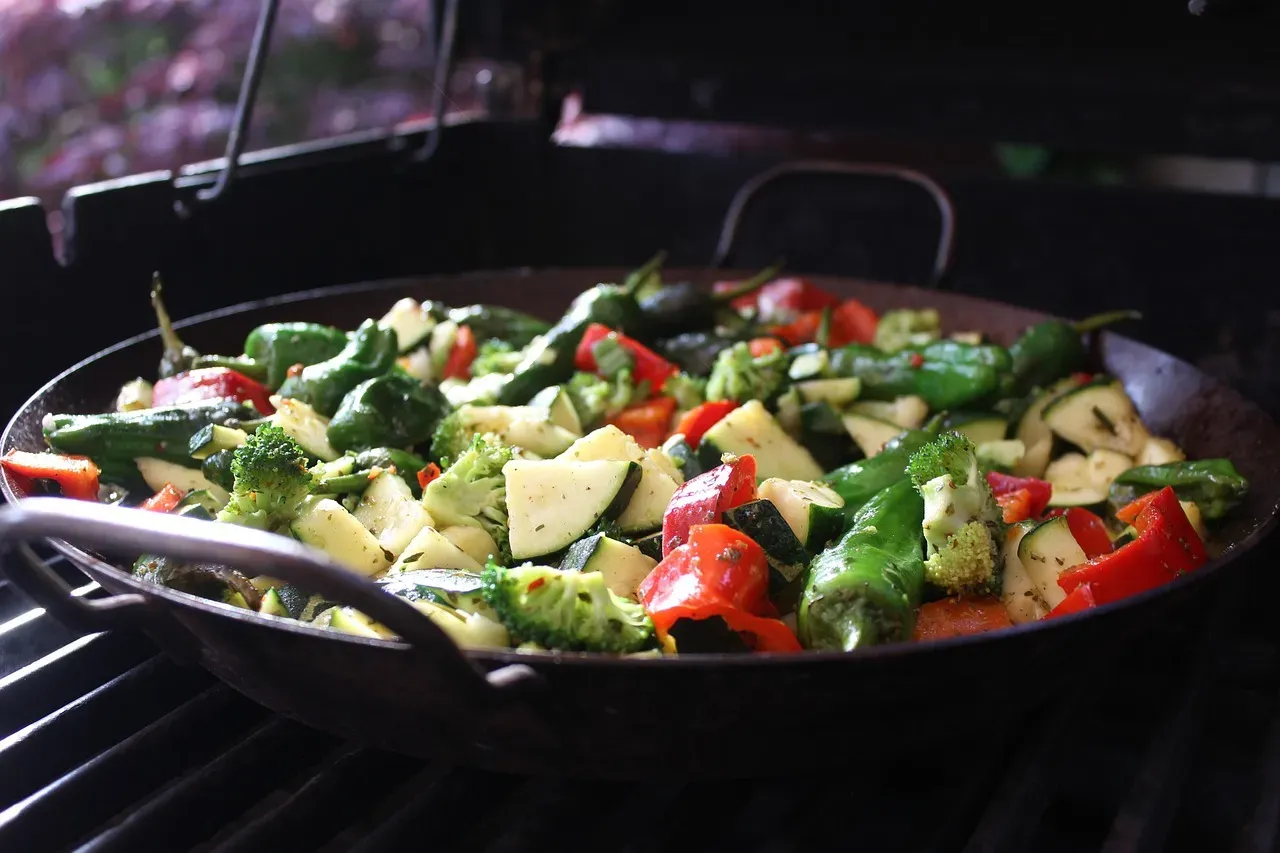
Sheet-pan dinners have become a genuine staple of home cooking rather than a passing fad. The popularity of sheet pan recipes started to rise a few years ago, with theories pointing to how photogenic these meals are for social media, which helped the concept explode once bloggers began sharing them. The appeal isn’t just visual though. A weeknight meal can be sheet-pan chicken with vegetables involving twenty minutes of prep, twenty-five minutes in the oven, and one pan to wash, or a grain bowl built from pre-cooked rice, canned beans, and whatever vegetables are in the fridge.
The trick to a good sheet-pan dinner is timing, not creativity. If you cook a pan of chicken thighs, potatoes, and asparagus for the forty-ish minutes the chicken needs, the asparagus ends up overcooked, so the fix is giving the chicken and potatoes a head start before adding delicate vegetables for the final stretch. This small adjustment separates a soggy tray from one that actually tastes like it was cooked with intention, and it costs you nothing extra in effort.
Give Leftovers a Second Life Instead of Reheating Them
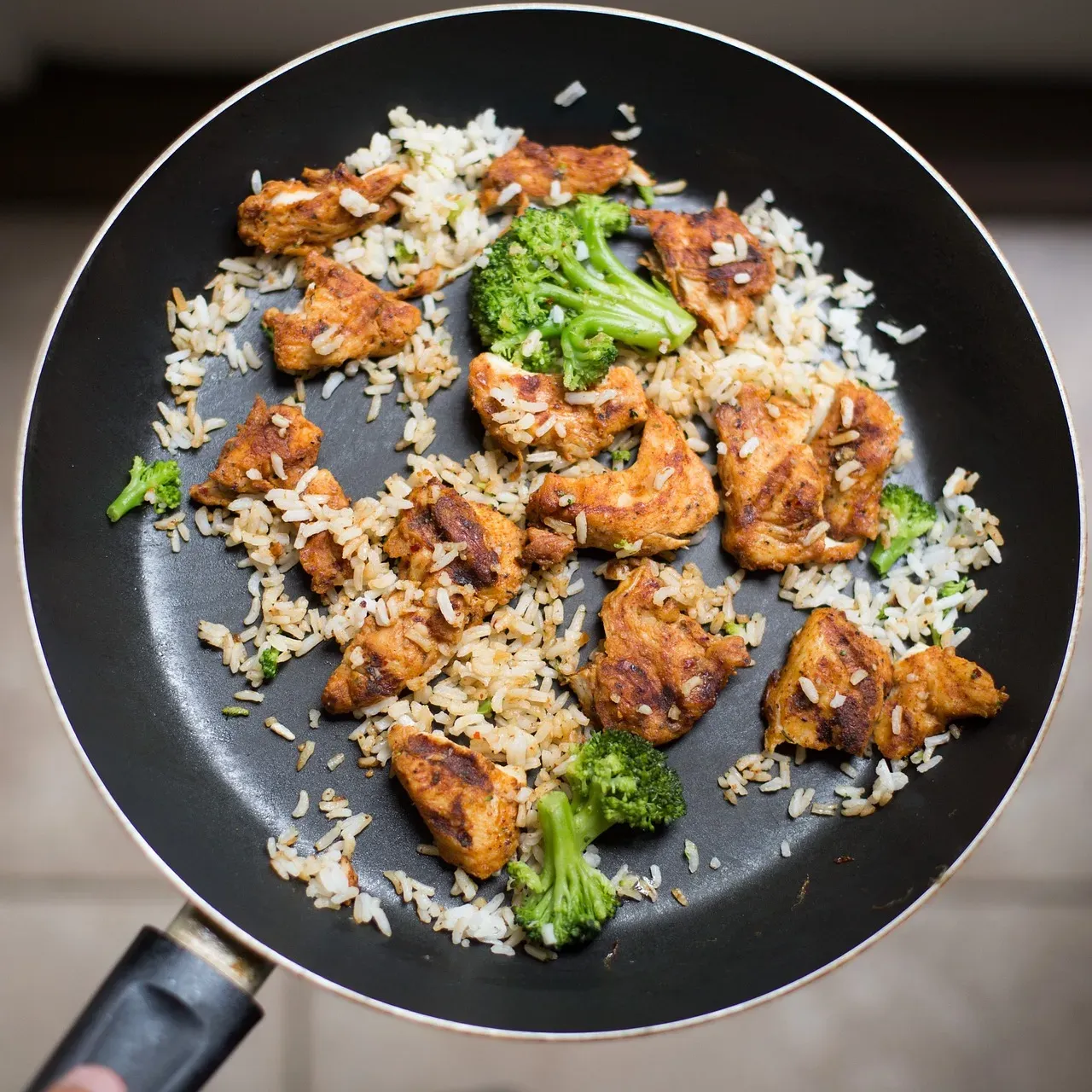
One of the more useful shifts in is treating leftovers as raw material rather than a rerun of last night’s dinner. Leftovers are getting a rebrand in 2026, with the focus moving away from simply reheating a meal and toward rebuilding cooked proteins, grains, and vegetables into something with new textures, formats, and sauces. That could mean turning last night’s roast chicken into a wrap, or leftover rice into crispy fried rice cakes.
This approach solves two problems at once. It reduces the boredom of eating the same dish twice, and it stretches a grocery budget further since nothing goes to waste. Ideas include turning leftover chicken into crispy wraps or rice paper rolls, reworking last night’s mince into dumpling fillings or crispy rice toppers, and using roast vegetables in fritters, waffles, or salads. Small changes in sauce or texture are often enough to make a repeat meal feel brand new.
Global Flavors Are Showing Up in Ordinary Weeknight Meals

Home cooks are increasingly comfortable borrowing flavors from around the world without treating it as a special occasion. Globally-inspired and fusion cuisine continues to be a strong food trend, with more consumers looking for ways to expand their culinary horizons and blend new and unique flavors with familiar ones. This isn’t about elaborate multi-course meals either. It’s showing up in everyday staples.
Grocery retailers have picked up on this shift too. Asian inspired mashups are expected to take off as customers explore cultural curiosity in approachable, delicious ways. Seasoning blends are part of this too, with chili-lime, gochujang, and ghost pepper cited as some of the year’s trending protein seasonings. A simple weeknight chicken thigh or tofu stir-fry can suddenly feel far more interesting with one of these flavor profiles swapped in.
Comfort Food Is Being Reframed as a Smart Strategy, Not an Indulgence
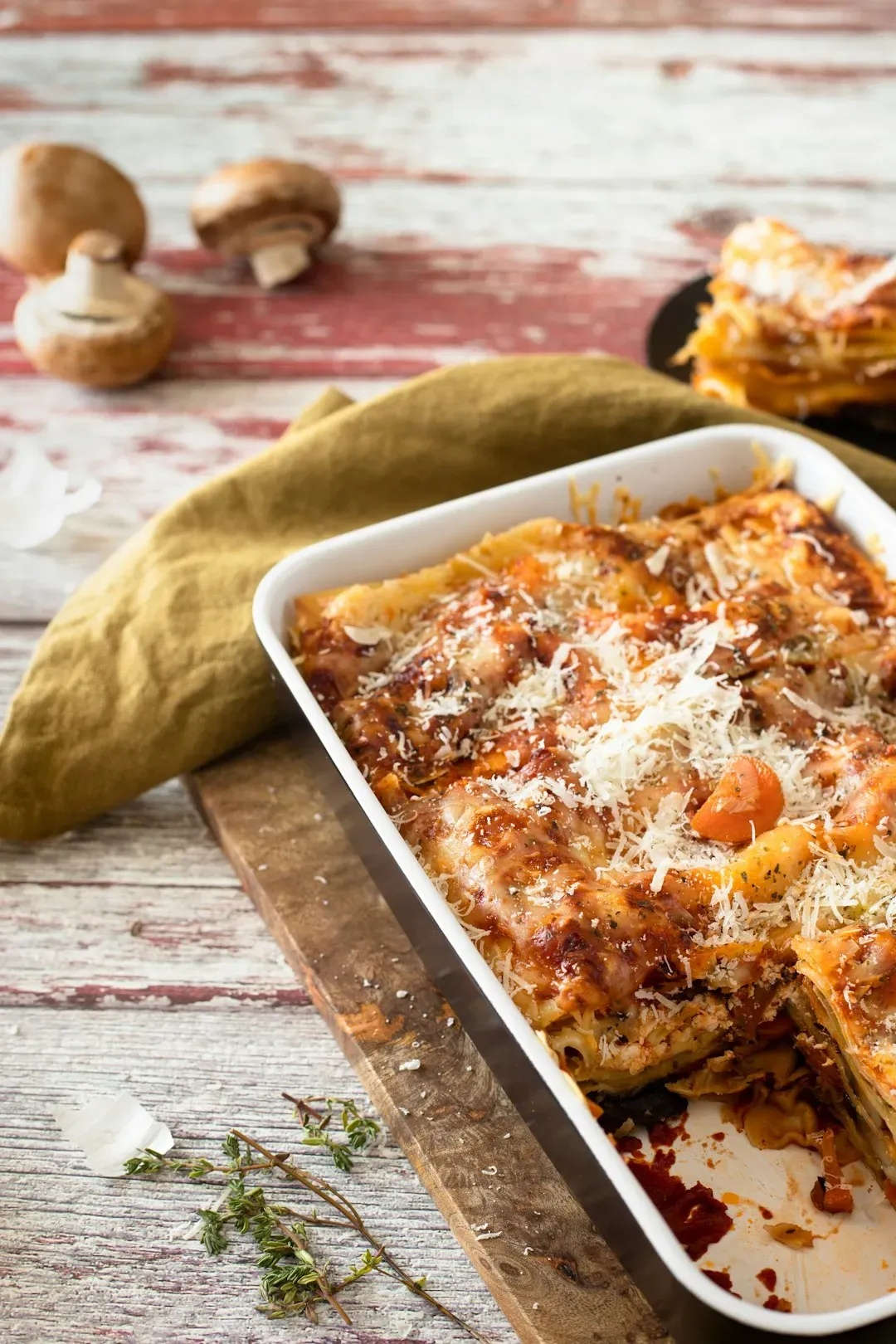
There’s a noticeable shift in how comfort food is talked about right now. Rather than being framed as something to feel guilty about, it’s increasingly positioned as a practical choice. The way people eat in 2026 feels both inventive and deeply familiar, with comfort food no longer treated as an indulgence but rather a strategy, built to soothe, nourish, and stretch the grocery budget during a period of grocery inflation.
This matters because it takes pressure off home cooks who might otherwise feel like a stew, a casserole, or a simple pasta bake isn’t impressive enough. Comfort food is called that for a reason, and people tend to crave it most when times are hard and stress runs heavy. Leaning into a warming bowl of something familiar isn’t a step backward. It’s simply cooking in a way that matches how people actually feel.
Protein Still Matters, But It’s Getting Paired With Fiber and Comfort

Protein-forward eating hasn’t gone away, but the framing has softened. Instead of stark, austere high-protein meals, the trend has moved toward pairing protein with ingredients that add comfort and nutrition together. The food as medicine mindset continues to shape how people build their plates, with protein remaining essential but increasingly paired with fiber-rich ingredients to support satiety, digestion, and overall wellness.
Practical examples of this are easy to build at home. Adding a little extra fiber to sweet treats through indulgent chickpea cookie dough or sweet potato pancakes is one option, while chickpea coconut curry can pack in over twenty grams of fiber per serving. None of this requires specialty ingredients. It’s really just a matter of thinking about what you pair alongside the protein already on your plate.
Smart Grocery Shopping Is Becoming Part of the Cooking Process

Cooking well right now is inseparable from shopping well. With grocery prices remaining a real concern for many households, more people are treating their shopping list as the first creative decision of the meal rather than an afterthought. Nearly two thirds of consumers were still extremely or very concerned about high food prices at grocery stores as of the start of the year.
That concern is changing shopping behavior in measurable ways. Shoppers switching brands to get a better deal has become common enough that recent Nielsen data found roughly eighty-one percent of shoppers have switched brands to save money. On the ingredient side, staples that stay affordable are doing a lot of work in home kitchens. Chicken, beans, canned fish, and pasta are staying at a comparatively low cost, which means many households are loading up on recipes that use these ingredients in varied ways to bring in different cultural flavors.
Kitchen Gadgets Are Being Used as Creative Shortcuts, Not Just Novelties
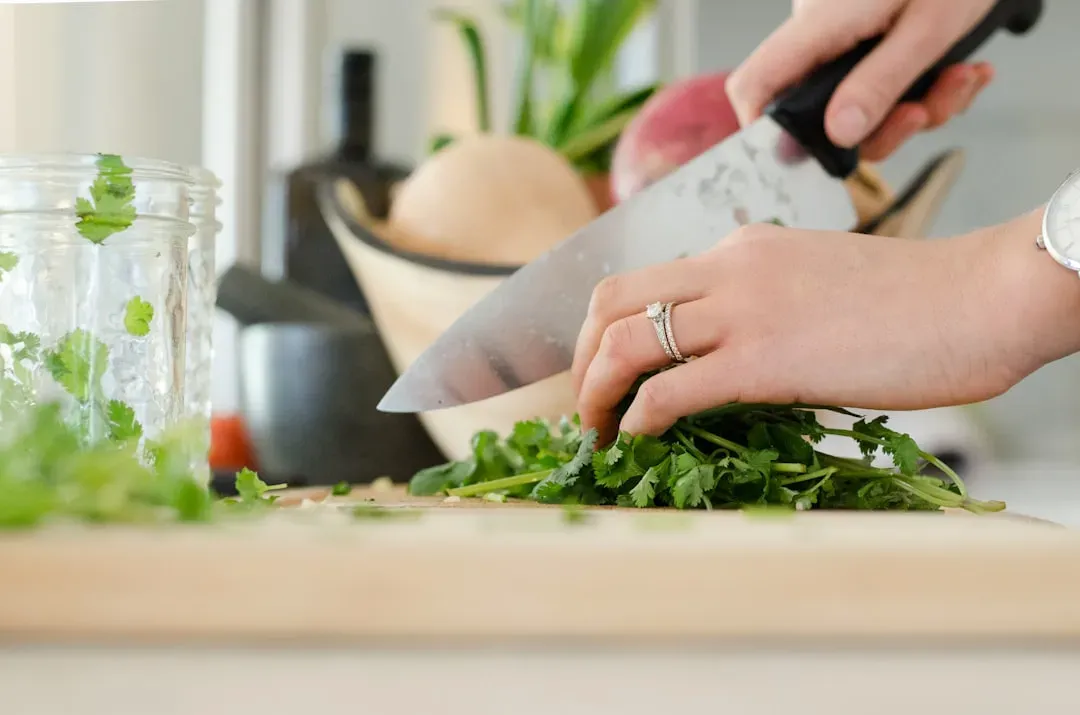
Appliances that once felt like gimmicks are increasingly being treated as genuine tools for creativity rather than one-trick countertop clutter. If a kitchen gadget saves time and unlocks new ideas, it tends to get used, with appliances increasingly treated as creative tools rather than gimmicks to make cooking faster, easier, and more fun.
This shows up in small, practical ways across different appliances. Examples include air fryer dump-and-bake meals and crispy dumplings, waffle maker hacks for crispy rice or savory waffles, and blender-based high protein ice creams and smoothies made without much effort. The common thread is maximum result for minimum effort, letting the appliance handle the labor while the cook focuses on flavor and assembly.
Small Restaurant-Style Touches Are Elevating Ordinary Meals
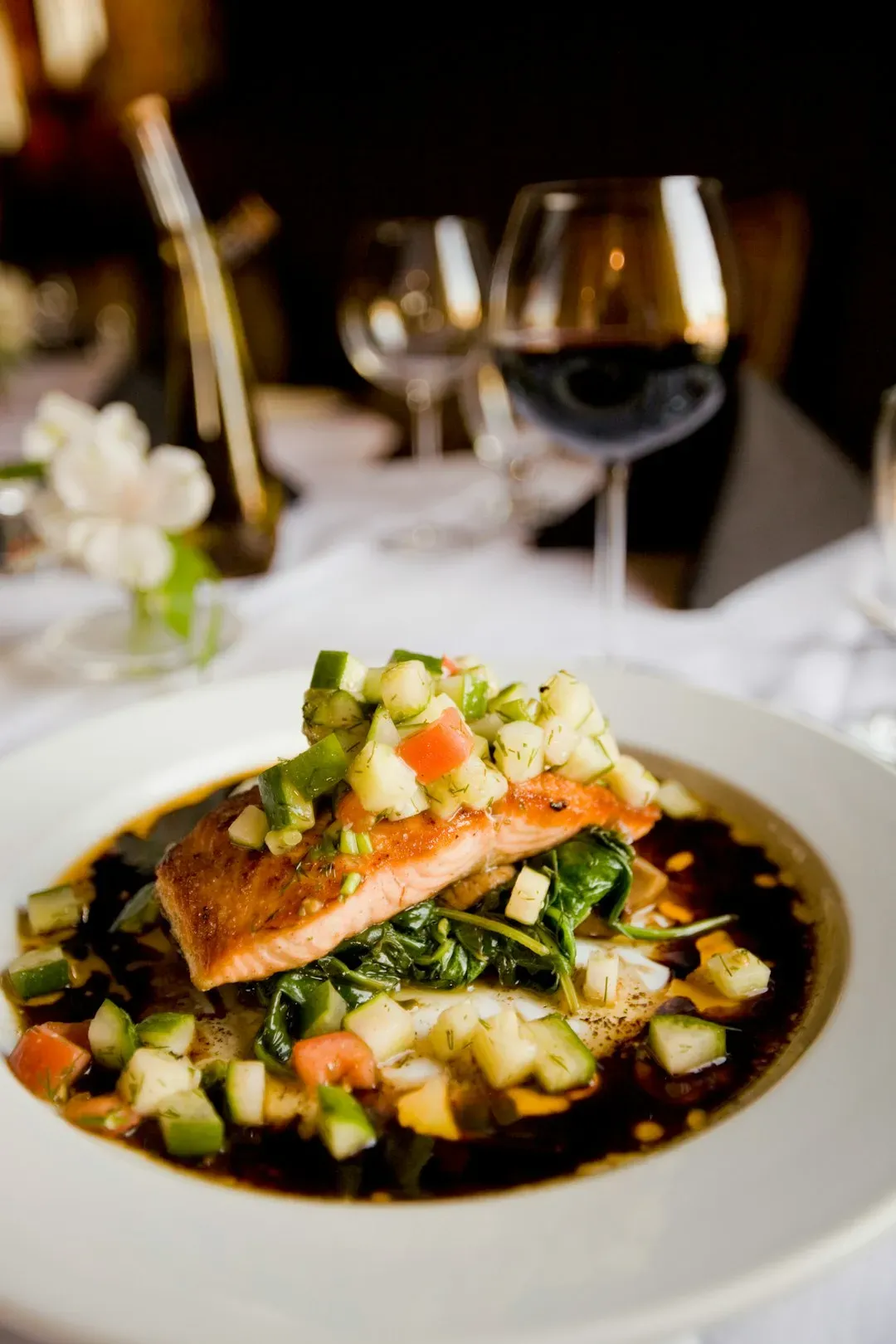
Even with tighter budgets, people aren’t giving up on the idea that a home-cooked meal can feel a little special. Instead of dining out for that experience, many are adding small upgrades to meals they’re already making. Many people are cooking at home more as a way to reduce costs compared to dining out, but this doesn’t mean cutting corners everywhere, since shoppers are adding small restaurant-quality touches to their home-cooked meals such as spending a little more on a nicer bottle of wine or buying artisan bread to pair with a meal.
Retailers have noticed this pattern too and are stocking products to match it. Restaurant-style home cooking is on the horizon as customers crave more than just savings, with experimentation expected around elevated cuts of meat, globally-inspired sauces, and chef-style slow simmers. The underlying idea is simple: one thoughtful ingredient, whether it’s a good cheese, a flavored oil, or a fresh herb, can make a familiar dish feel new again without requiring a whole new recipe.
Seasonal and Home-Grown Ingredients Are Reshaping What Ends Up on the Plate

There’s also a quieter shift happening around where ingredients come from in the first place. Seasonal eating, once mostly associated with high-end restaurants, is filtering down into everyday home cooking. Seasonal eating is already popular among high-end restaurants where farm-to-table rules the menu, and this trend is set to become even more popular among individual consumers, with farmers markets and produce subscription boxes providing regional specialties at peak freshness.
Growing at least some food at home is part of this picture as well. A move toward growing food at home and making the most of nearby U-Pick offerings is playing into the overall trend. Even a small windowsill herb pot or a few tomato plants on a balcony can change how a weeknight meal tastes, giving cooks direct access to ingredients at their freshest without adding much to the grocery bill.
Bringing It All Together in Your Own Kitchen
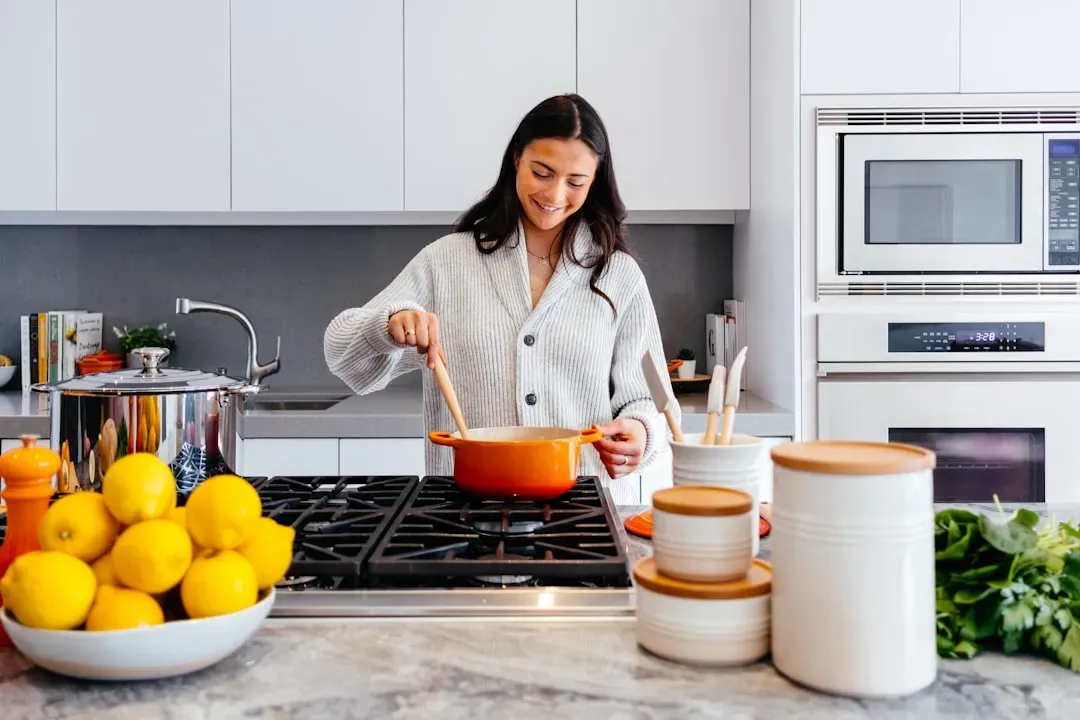
None of these ideas require a complete overhaul of how you cook. Swapping in a bolder spice blend, rethinking last night’s leftovers, or picking one seasonal vegetable at the farmers market are all small enough changes to try this week without any pressure. The through-line across all of it is that right now rewards flexibility over perfection, and a willingness to experiment with what’s already in your kitchen.
Cooking doesn’t need to be reinvented every night to feel fresh. Sometimes it just takes one new idea, tried once, to shake loose a habit that had gone stale. Start with whichever section here felt most doable, and let that be tonight’s dinner.