
There’s something quietly satisfying about a bowl that does all the work for you. Grain bowls have become a weeknight staple for good reason: they’re forgiving, endlessly customizable, and turn whatever is sitting in the fridge into something that actually feels like a meal. Whether you’re leaning into a grain-forward lunch or building dinner around a base of rice or farro, the formula is simple once you understand the pieces.
What follows isn’t a rigid recipe so much as a framework, a set of building blocks that work together no matter what combination you land on. From choosing the right base to layering in texture and sauce, these are the elements that separate a forgettable bowl from one you’ll actually crave.
Table of Contents
Start With the Right Grain Base
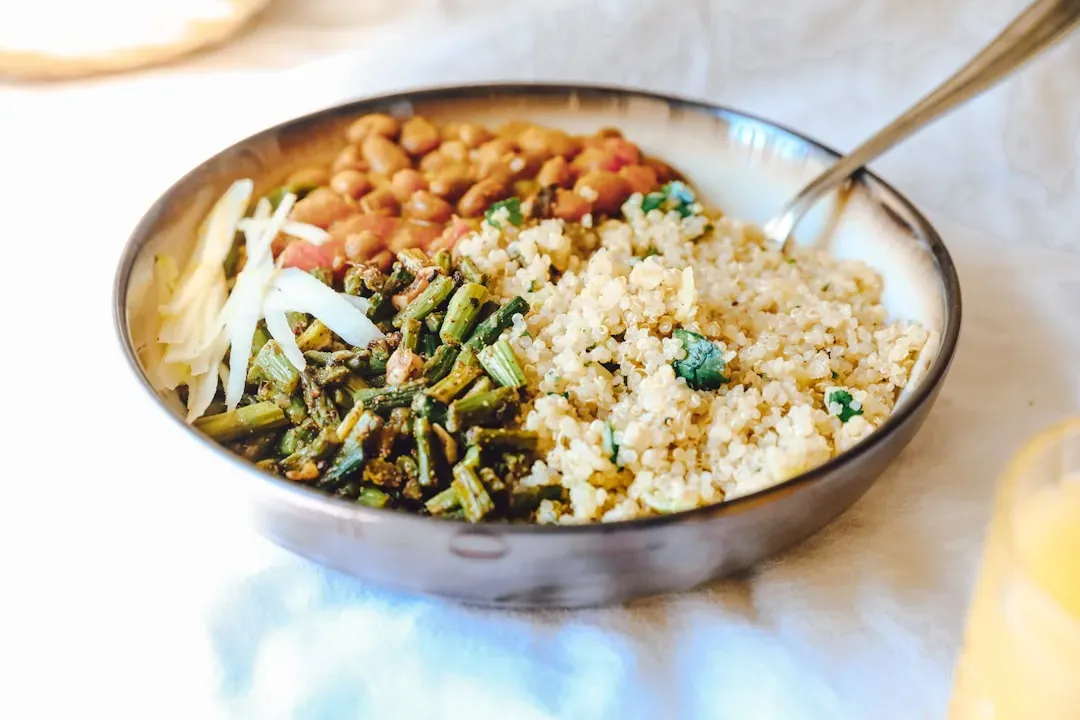
The grain is the foundation, and it sets the tone for everything else in the bowl. Brown rice, quinoa, farro, and barley are all solid choices, each bringing a different chew and profile to the table. Quinoa cooks fast and carries a slightly nutty taste, while farro has a denser, more satisfying bite that holds up well under heavier toppings.
Cooking the grain in broth instead of plain water is a small trick that makes a noticeable difference. It adds a layer of savory depth before any toppings even go on. Batch-cooking grains at the start of the week is also a practical move, since most keep well in the fridge for four to five days and reheat easily.
Layer In Roasted or Charred Vegetables
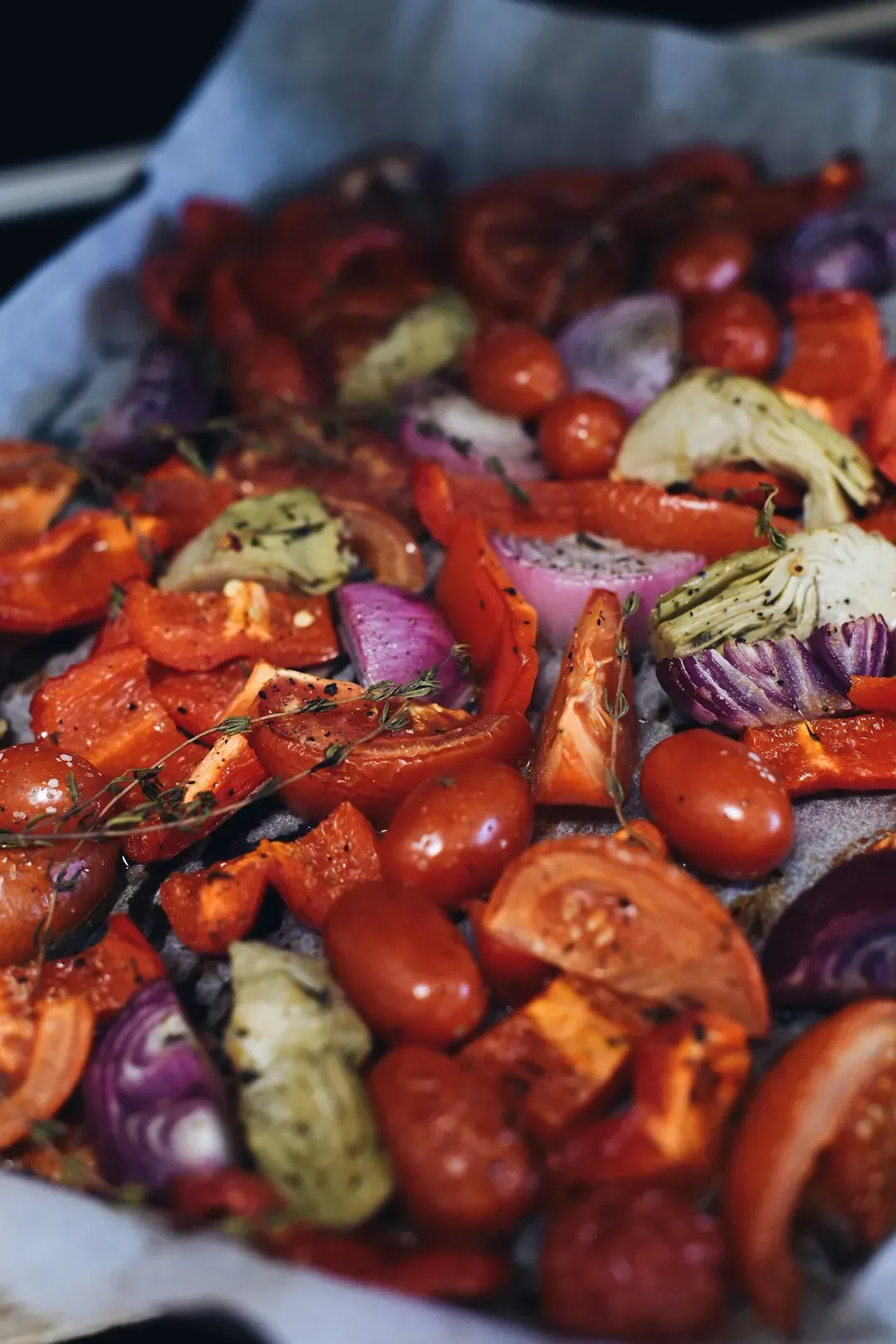
Roasting vegetables concentrates their natural sugars and adds a caramelized edge that raw vegetables simply can’t replicate. Sweet potatoes, broccoli, brussels sprouts, and bell peppers all roast beautifully at high heat, developing crispy edges while staying tender inside. A hot oven, somewhere around 425 degrees Fahrenheit, tends to produce the best contrast between char and softness.
Charring vegetables on a stovetop grill pan or under a broiler works just as well when time is tight. The slight bitterness from char balances out sweeter elements elsewhere in the bowl, like roasted squash or a citrus-based dressing. This layer is often what makes a grain bowl feel like a cooked meal rather than a cold salad with rice thrown in.
Add a Protein That Pulls Its Weight
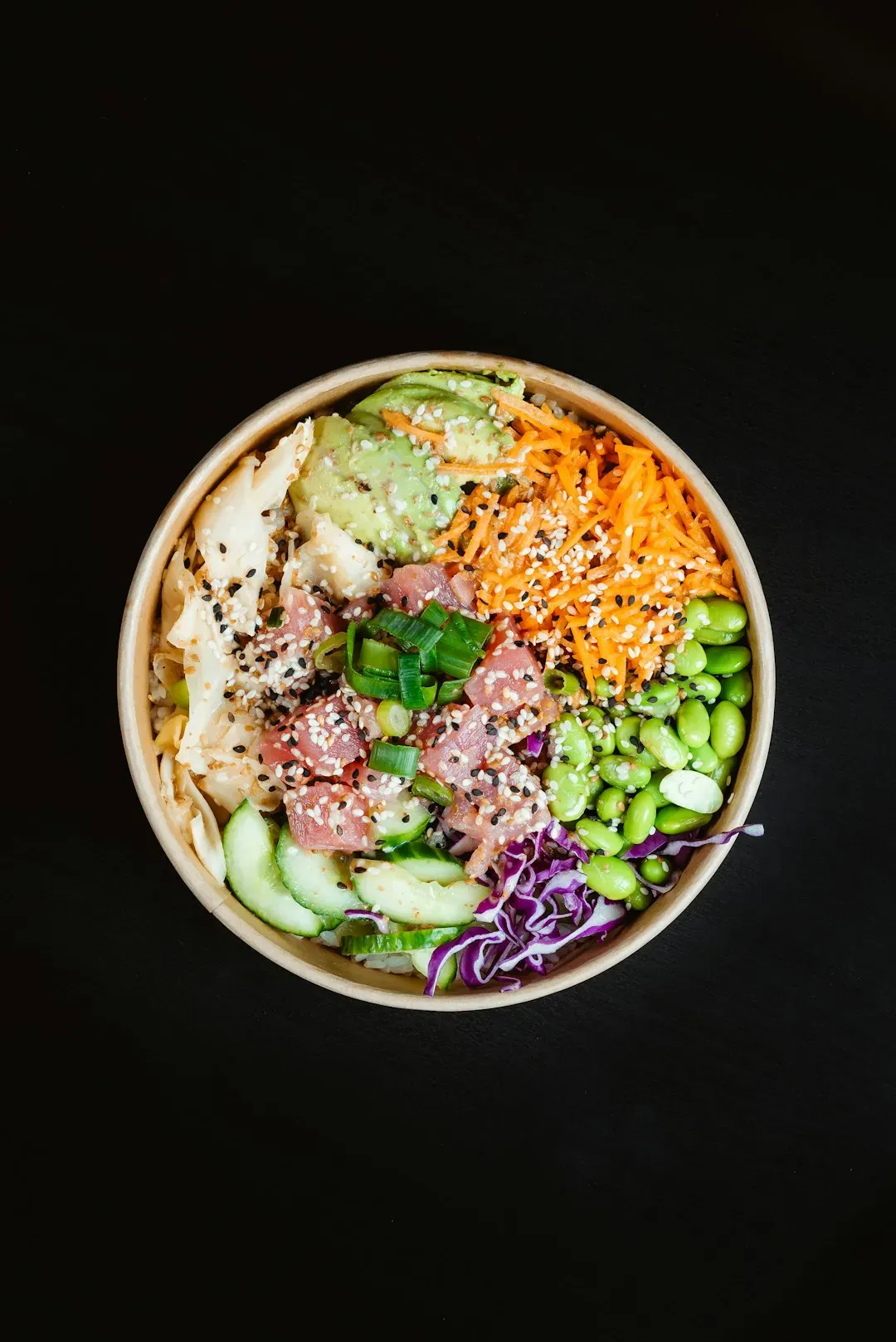
Protein is what turns a side dish into a full meal, and grain bowls are flexible enough to handle almost anything. Grilled chicken thighs, seared tofu, soft-boiled eggs, and canned chickpeas are all reliable options that don’t require much extra effort. Marinating protein even briefly, for fifteen to twenty minutes, tends to improve significantly without adding much prep time.
Plant-based proteins like tempeh and lentils have become increasingly common in grain bowls, partly due to their affordability and partly because they absorb sauces and marinades so well. A well-seasoned protein doesn’t need to be the star of the bowl, but it does need to hold its own against bold sauces and roasted vegetables. Balance matters more than quantity here.
Don’t Skip the Crunch Factor
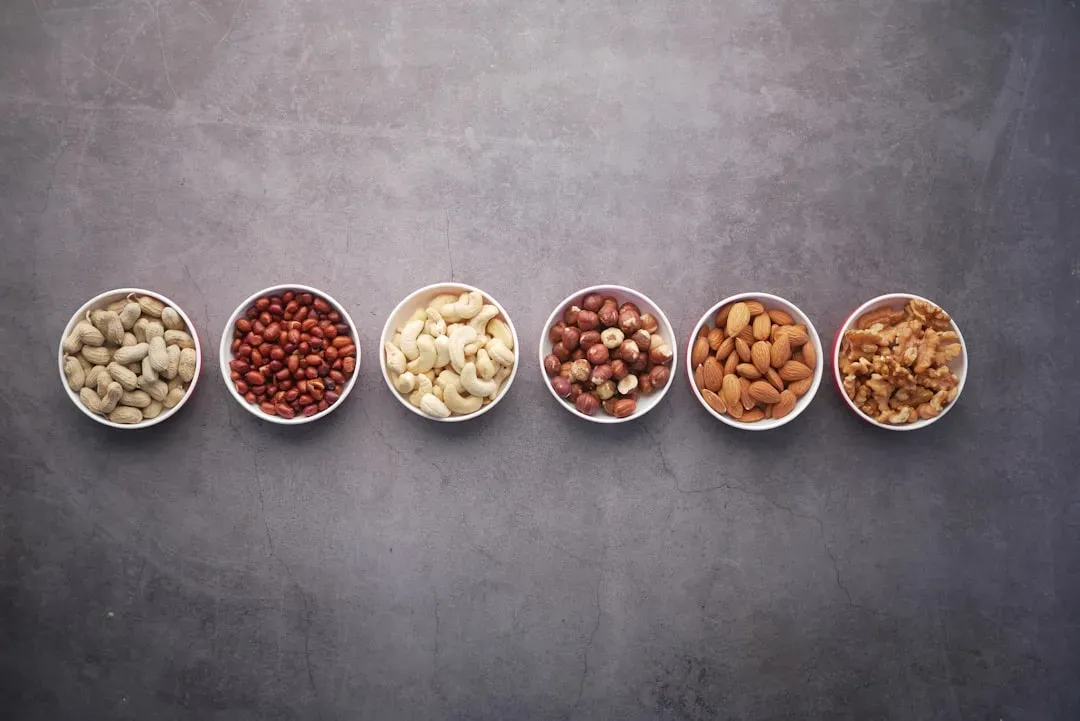
Texture is often the difference between a bowl that feels complete and one that feels flat. Toasted nuts, seeds, crispy chickpeas, or even crumbled tortilla chips add a contrast that keeps every bite interesting. Without some kind of crunch, grain bowls can start to feel monotonous, especially once everything softens together after mixing.
Pumpkin seeds and sunflower seeds are inexpensive, shelf-stable options that toast up in just a few minutes on the stovetop. Sliced almonds or crushed peanuts work particularly well in bowls with Asian-inspired s, like sesame or ginger-soy dressings. A small handful goes a long way, so this layer doesn’t need to be heavy to be effective.
Build a Sauce That Ties Everything Together
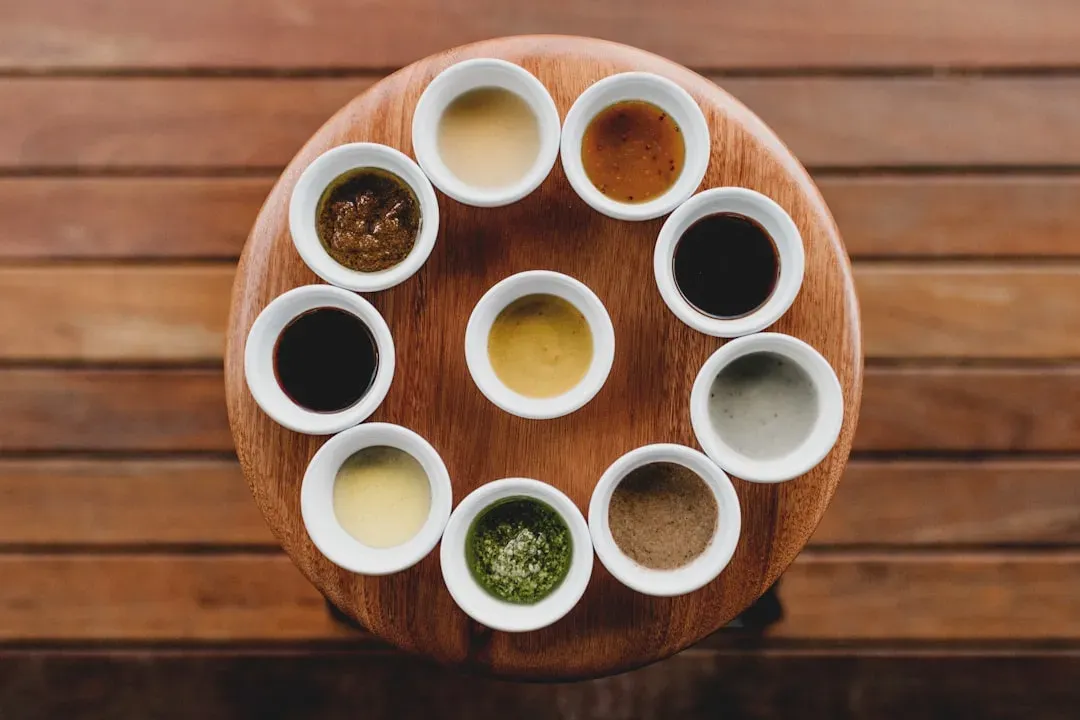
A grain bowl lives or dies by its sauce. Without something creamy, tangy, or spicy to bring the components together, even the best individual ingredients can taste disconnected. Tahini-lemon dressings, peanut-lime sauces, and yogurt-based herb sauces are popular for a reason: they’re quick to make and pack a lot of into a small amount.
Most sauces come together with just five or six pantry staples, whisked in a small bowl in under five minutes. Keeping a jar of homemade dressing in the fridge means a bowl can go from plain to ful in seconds. This is often the step home cooks skip, and it’s usually the one that matters most.
Use Pickled or Fermented Elements for Brightness
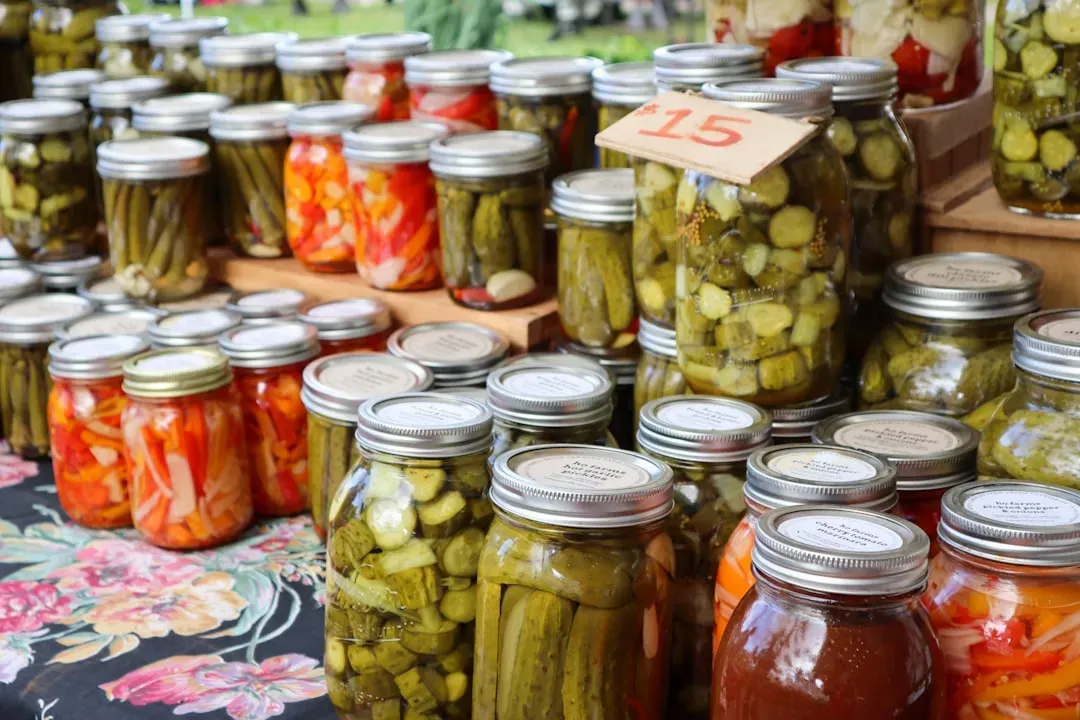
Acidity cuts through richness, and that’s exactly what pickled vegetables bring to a grain bowl. Quick-pickled red onions, kimchi, and pickled jalapeños are all easy additions that require little more than vinegar, salt, and a few minutes of patience. These elements wake up a bowl that might otherwise feel heavy or one-note.
Fermented ingredients like kimchi also introduce probiotics, giving the bowl a nutritional edge beyond just . Even something as simple as a squeeze of fresh lime or a splash of rice vinegar right before serving can brighten the entire dish. This step is inexpensive and takes almost no extra effort, which makes it easy to build into a regular routine.
Think in Themes, Not Random Ingredients
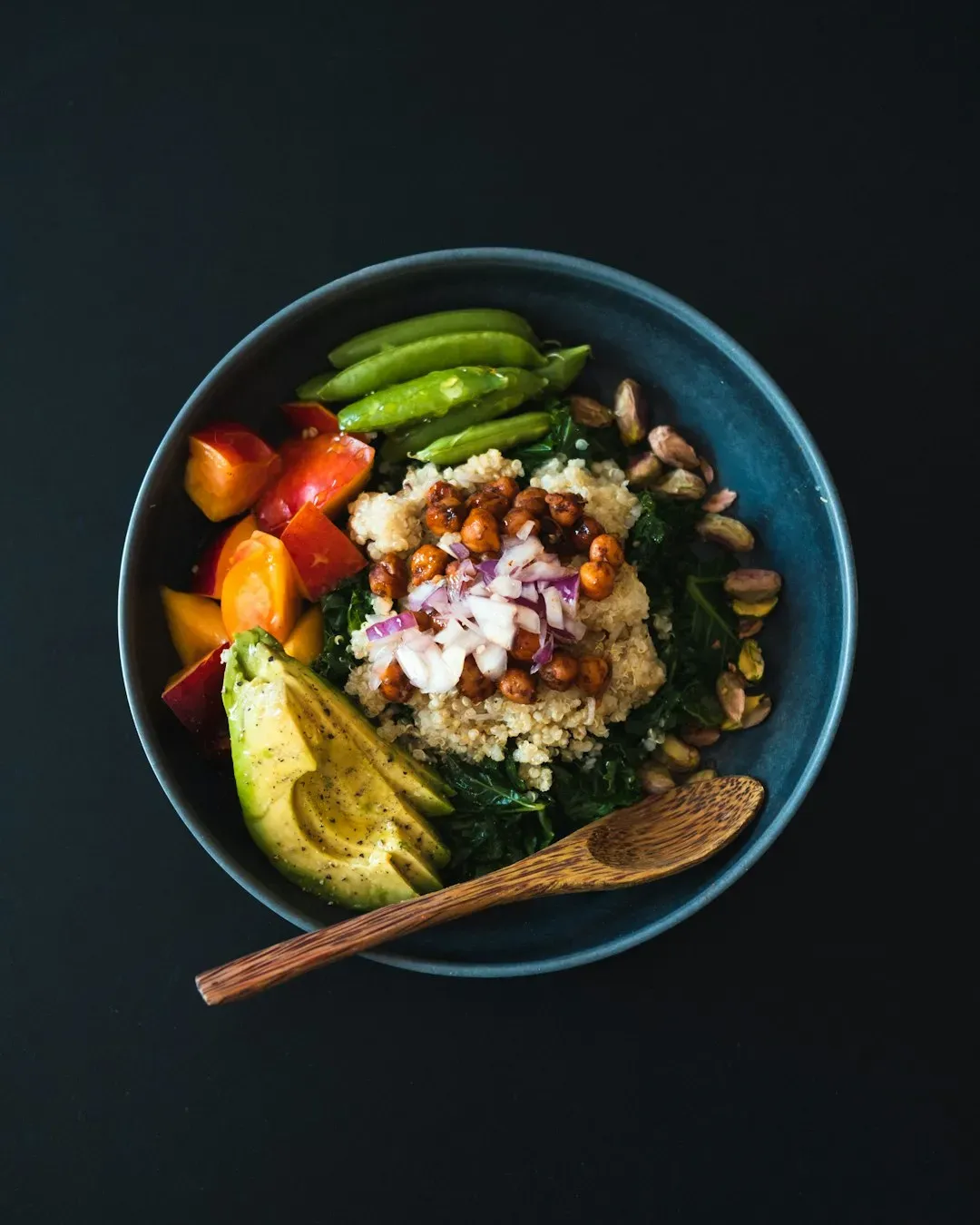
Random combinations can work, but grain bowls tend to taste more cohesive when built around a specific theme. A Mediterranean bowl might combine farro, chickpeas, cucumber, feta, and a lemon-herb dressing, while a Korean-inspired bowl leans on rice, marinated beef, kimchi, and gochujang sauce. Thinking in themes also makes grocery shopping easier, since ingredients naturally overlap.
Mexican-inspired bowls built around black beans, corn, avocado, and lime-cilantro dressing have become especially popular in recent years, partly due to their affordability and partly because the s are familiar to most home cooks. Sticking to a theme doesn’t mean rigidity, though. Swapping one vegetable or protein within the same family rarely throws off the balance of the bowl.
Meal Prep Grain Bowls the Smart Way
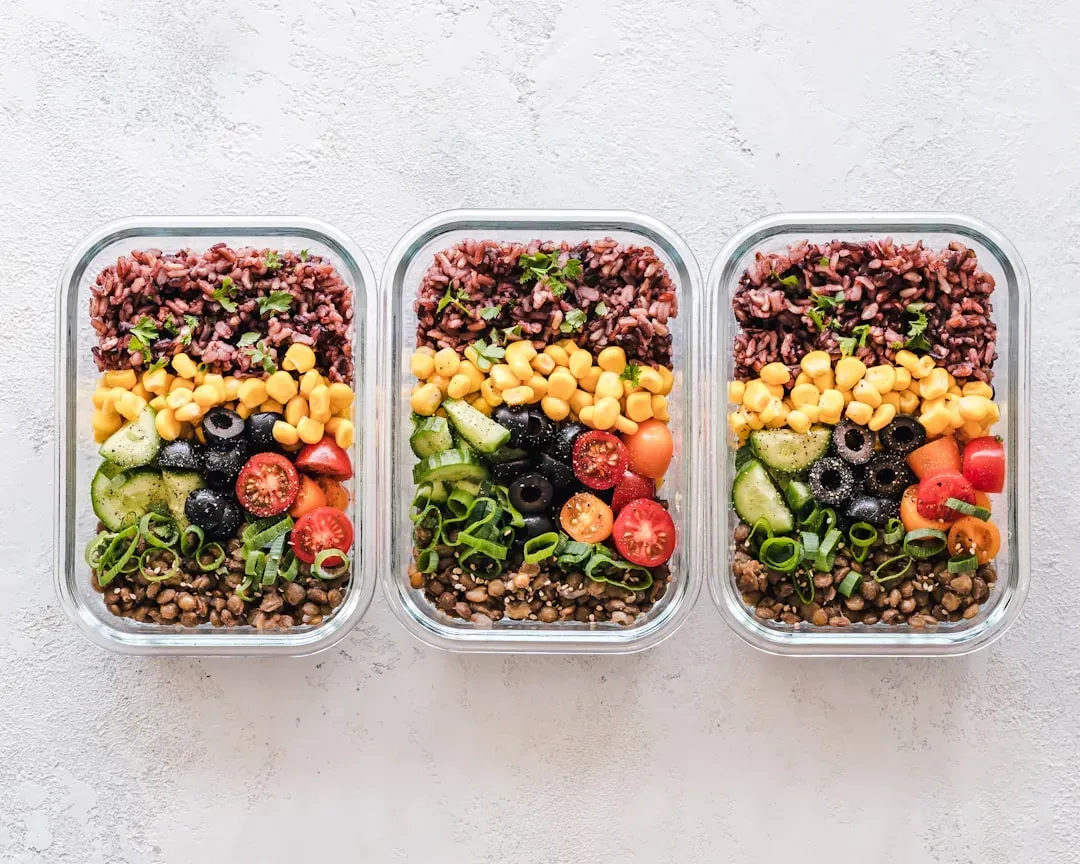
Grain bowls are particularly well suited to meal prep, but only if assembled with some strategy. Storing sauce separately from the grains and vegetables prevents everything from turning soggy by the third day. Layering ingredients in glass containers, with heartier items on the bottom and delicate greens or herbs on top, also helps maintain texture throughout the week.
Most cooked grains and roasted vegetables hold up well in the refrigerator for four to five days when stored properly. Proteins like grilled chicken or baked tofu tend to have a similar shelf life, making it realistic to prep a batch on Sunday and eat from it through midweek. This approach has become increasingly common as more people look for ways to eat well without cooking daily.
Adjust Bowls for Dietary Needs Without Losing
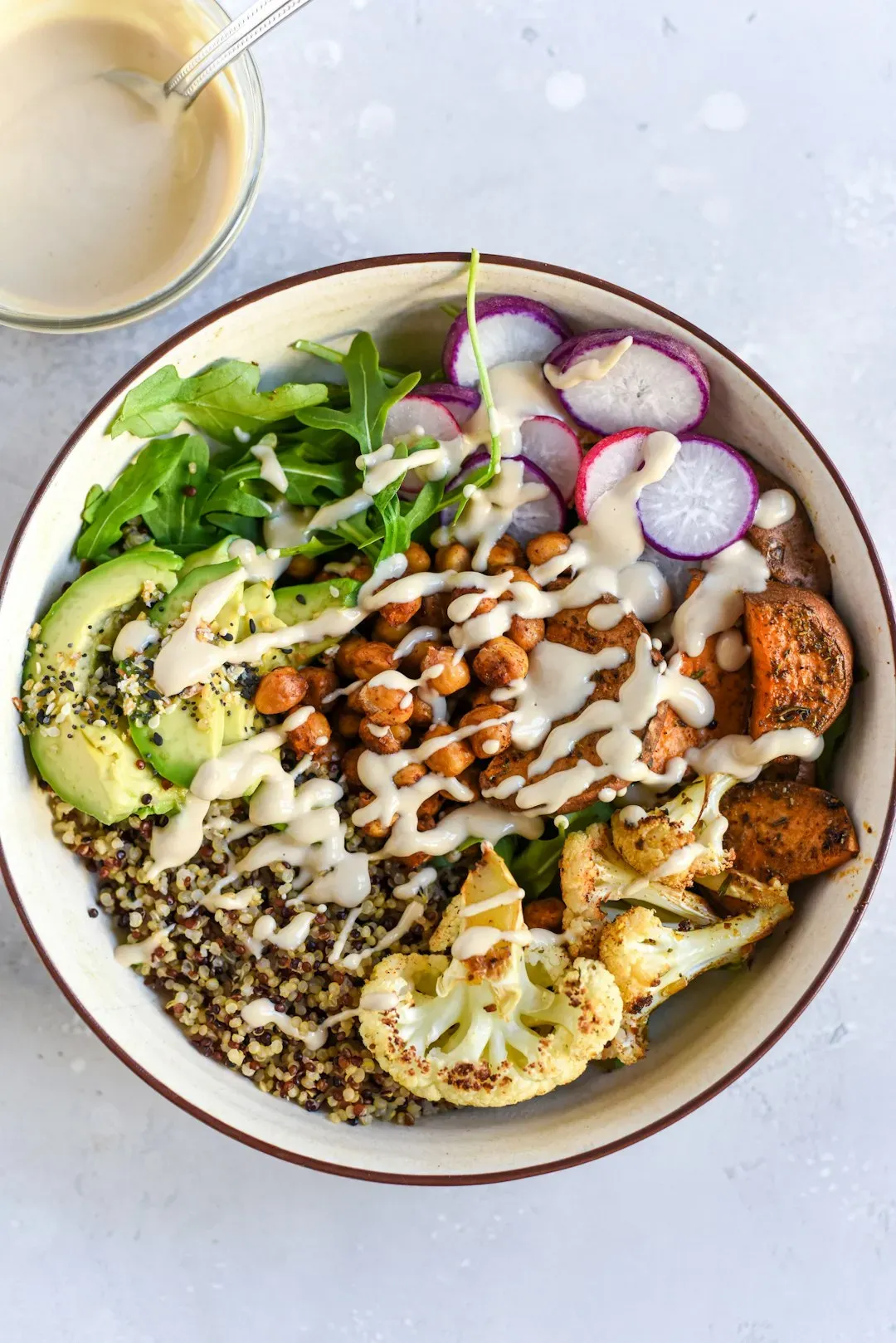
One of the biggest advantages of grain bowls is how easily they adapt to different dietary needs. Swapping quinoa for cauliflower rice keeps a bowl low-carb, while using tamari instead of soy sauce makes it gluten-free without sacrificing . Vegan versions rely on ingredients like tempeh, lentils, or marinated tofu to keep protein levels reasonable while skipping animal products entirely.
These substitutions rarely require rethinking the entire bowl. In most cases, only one or two components need to change, while the overall structure, grain, vegetable, protein, sauce, and crunch, stays exactly the same. This flexibility is a big part of why grain bowls have remained popular across such a wide range of diets and eating styles.