
Spend enough time inside a professional kitchen and something shifts. Your palate sharpens, your patience thins, and certain foods start to feel almost like personal insults. It’s not snobbery, not exactly. It’s more like what happens when a mechanic watches someone pour the wrong oil into a pristine engine. You just know better, and it physically pains you to watch.
The foods on this list aren’t exotic or obscure. Some of them are sitting in your fridge right now. Yet among professional chefs with years of serious kitchen experience, these items spark eye-rolls, grimaces, and occasionally outright refusals. Let’s dive in.
Table of Contents
1. The Well-Done Steak: A Kitchen Crime Scene
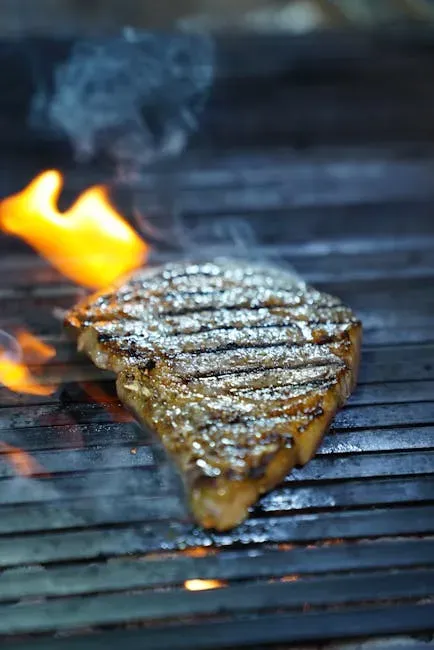
Walk into almost any professional kitchen and mention a well-done steak order, and the mood shifts instantly. There’s a collective sigh, an eye-roll, sometimes something worse. Ask any professional chef about cooking a well-done steak, and you’ll likely see a slight grimace cross their face. The request often creates a moment of internal conflict for kitchen professionals, who must balance their expertise and training against customer preferences.
When a steak is cooked beyond medium-rare, significant chemical changes occur within the meat. The muscle fibers contract and become increasingly tense, while the fat that marbles premium cuts like ribeye or wagyu begins to render out completely. This transformation fundamentally alters both the texture and moisture content of the meat.
One of the primary reasons chefs prefer not to cook steaks well-done is the loss of flavor. As the steak cooks longer, it loses more of its natural juices and fats, which carry much of the meat’s flavor. Honestly, it’s like spending a fortune on a beautiful painting and then hanging it behind a thick curtain. The point is completely lost. It takes about 10 minutes to make a well-done steak, versus the 4 or 5 minutes for a medium-rare steak, throwing off the entire rhythm of a busy service.
2. Truffle Oil: The Great Kitchen Fraud
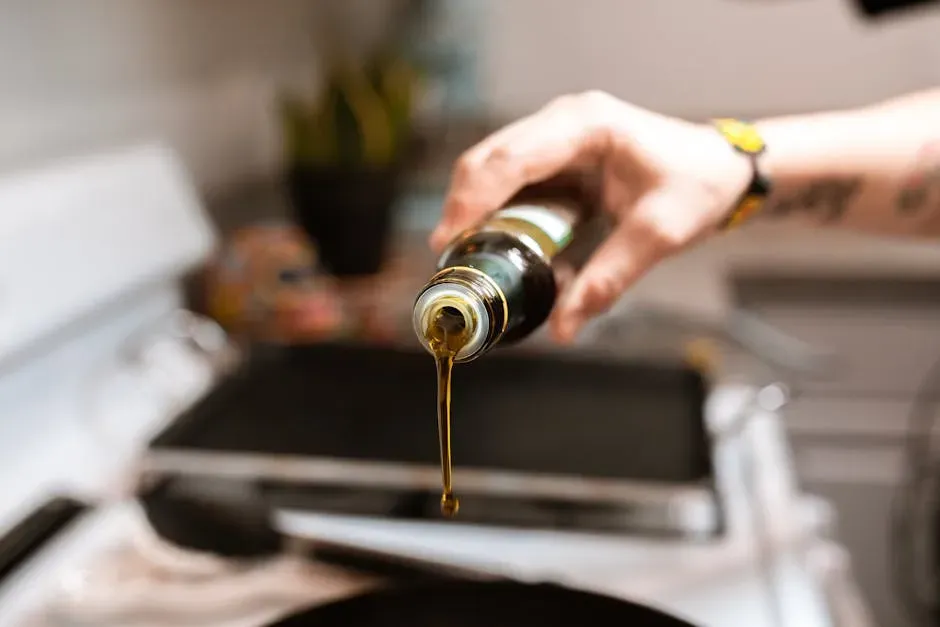
Truffle oil has exploded in popularity over the years, making an appearance in restaurant dishes ranging from french fries to risotto. Despite becoming increasingly common on menus, the infused oil also happens to be a polarizing ingredient in the culinary world. Few things make a seasoned chef cringe faster than watching truffle oil dumped onto a dish that never needed it.
Most truffle oils aren’t even made with actual truffles. Instead, they are made with synthetic ingredients, namely 2,4-dithiapentane, which mimics the flavor of real truffles. That’s right, the “luxurious” drizzle on your fries is likely a lab-engineered chemical compound.
Gordon Ramsay, for one, particularly dislikes the way truffle oil is used by chefs. He says many chefs don’t quite know how to use truffle oil and use far too much at once. Celebrity chef Dave White described truffle oil as “disgusting and so overwhelming,” calling its “overpowering” flavor “an insult to fresh truffles.” That’s about as clear a verdict as you’ll find in the culinary world.
3. Pineapple on Pizza: The Debate That Won’t Die
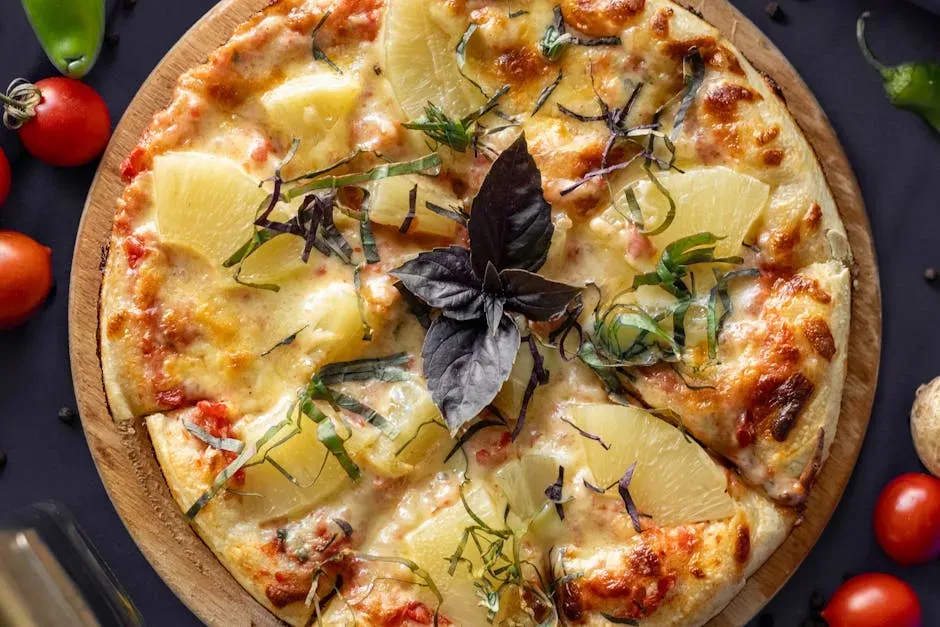
Let’s be real – this one has become a full-blown cultural debate. Even in 2025, opinions are still divided. Despite innovations like buffalo chicken pizza, stuffed crust pizza, and even dill pickle pizza, pineapple on pizza continues to spark passionate arguments at every dinner table. For most professional chefs, the issue isn’t even the pineapple itself. It’s the moisture.
Pineapple on pizza compromises the Italian roots of pizza too much. It’s also sweet and fruity, and whether freshly cut or pulled from a can, pineapple is quite juicy, and that moisture can contribute to a soggy crust. A soggy crust is basically a cardinal sin in any respectable kitchen.
One YouGov survey found that roughly one in eight Americans list pineapple among their top three pizza toppings. So the fans exist. Still, among professionals, the verdict is nearly unanimous. Gordon Ramsay, with 17 Michelin stars, has traveled the world tasting the best dishes, but when it comes down to it, there is one pizza topping he refuses to touch: pineapple. Noted.
4. Store-Bought Mayonnaise: The Fresh-Ingredient Betrayal
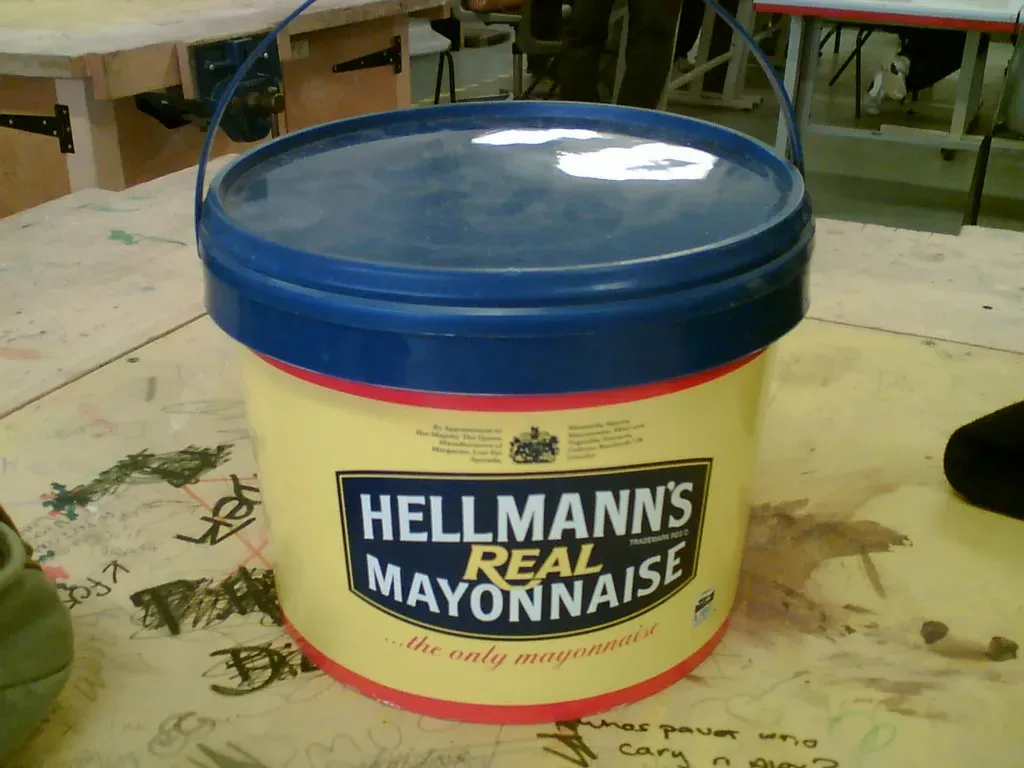
For chefs who spend their careers sourcing fresh, quality ingredients, opening a jar of shelf-stable mayonnaise feels like a small defeat. It’s the culinary equivalent of buying a pre-made birthday speech. Rachael Ray, a huge proponent of homemade food and fresh ingredients, has a strong aversion to the grocery store version of mayo. “I hate store-bought mayonnaise,” Ray told EatingWell. “I will eat aioli or mayonnaise all day long if I make it or if I know the person who made it, but I do not want shelf-stable.”
Making fresh mayo takes about three minutes with a stick blender. The result is silkier, richer, and infinitely more alive in flavor than anything sitting in a shelf-stable jar for months. For a trained chef, there’s just no going back once you’ve tasted the real thing. The gap between the two is enormous, and once you’ve spent years in a kitchen making everything from scratch, that jar becomes a symbol of what you’re working against.
5. Cilantro: It Genuinely Tastes Like Soap to Some
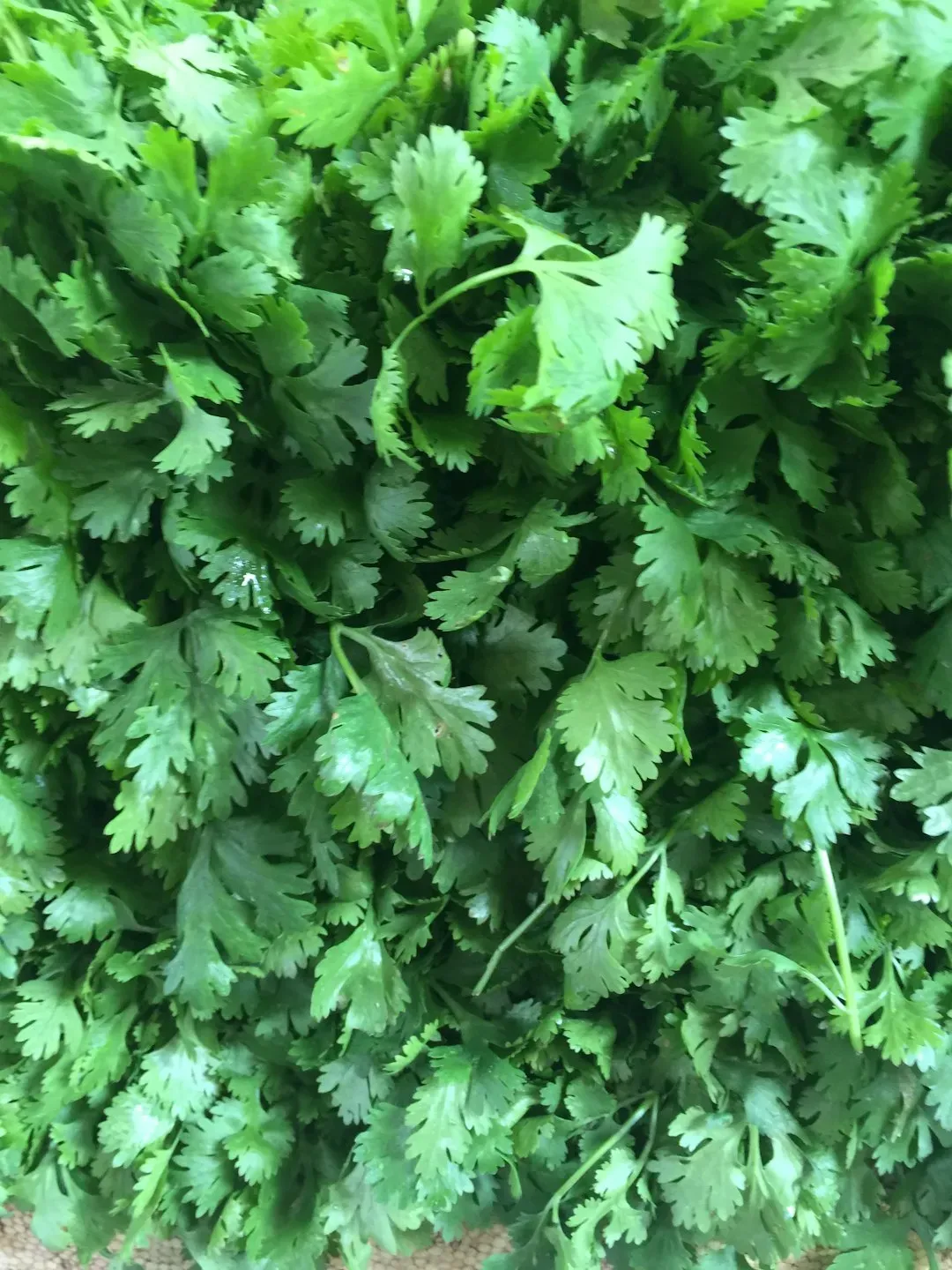
Here’s the thing about cilantro. It’s not a simple preference issue. There’s actual science behind the aversion. Less than a fifth of the world’s population is genetically predisposed to despise cilantro as an ingredient. For those who likely have the OR6A2 receptor, the experience of eating the “devil’s herb” is akin to biting into a bar of soap, or worse.
Ina Garten, author of 10 New York Times-bestselling cookbooks, revealed her deep hatred for the herb: “I just hate it. To me, it’s so strong, and it actually tastes like soap to me, but it’s so strong it overpowers every other flavor.” When someone with that level of palate training finds an ingredient this overwhelming, it says something.
The legendary Julia Child felt the same way, famously telling Larry King she would pick cilantro out of a dish and throw it on the floor. Child started the trend of chefs publicly railing against cilantro, and nowadays, many chefs have followed in her footsteps and found the ingredient worth criticizing. It’s hard to say for sure how widespread the genetic aversion really is in professional kitchens, but the list of notable chefs who despise it is surprisingly long.
6. Canned Vegetables: A Childhood Trauma in a Tin
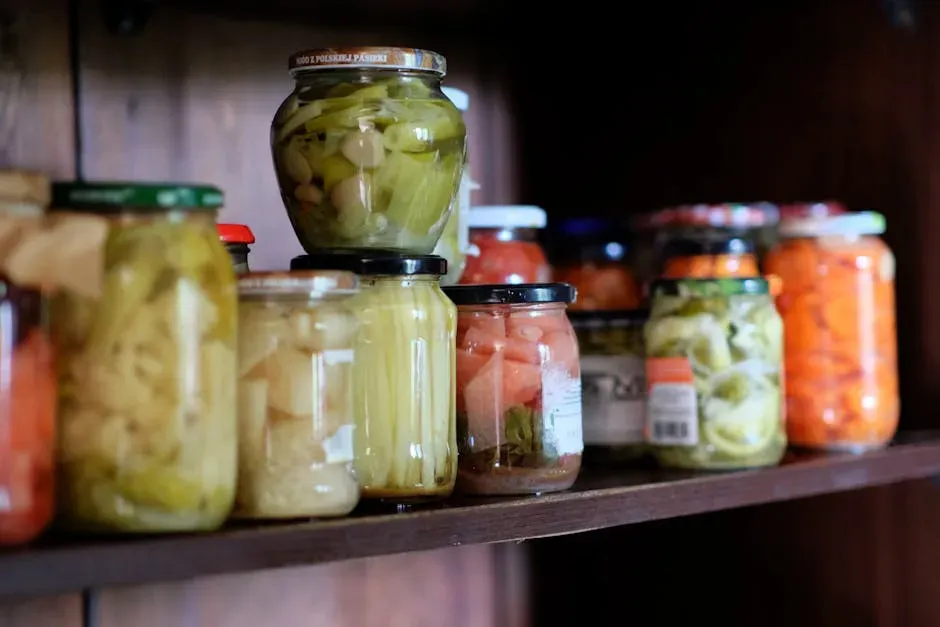
For many professional chefs, canned vegetables represent everything they entered the kitchen to move away from. They’re the culinary past, not the present. Ina Garten, despite loving cooking, has one ingredient she just can’t have in her kitchen: canned beets. She explained that the vegetable takes her back to the unhappy dinners of her childhood, saying “We had canned vegetables. I particularly remember Harvard beets, one of my least favorite things in the world… It wasn’t a joyful time.”
The texture of canned vegetables is the real problem for most kitchen professionals. Mushy, waterlogged, stripped of life. Fresh produce has a vibrancy that cooking is supposed to enhance, not bypass. There’s almost a moral dimension to it for chefs who care deeply about ingredients. Think of it this way: a musician wouldn’t perform with a detuned instrument just for convenience. Same principle.
7. Raw Red Onion (Used Carelessly): An Assault on Every Other Flavor
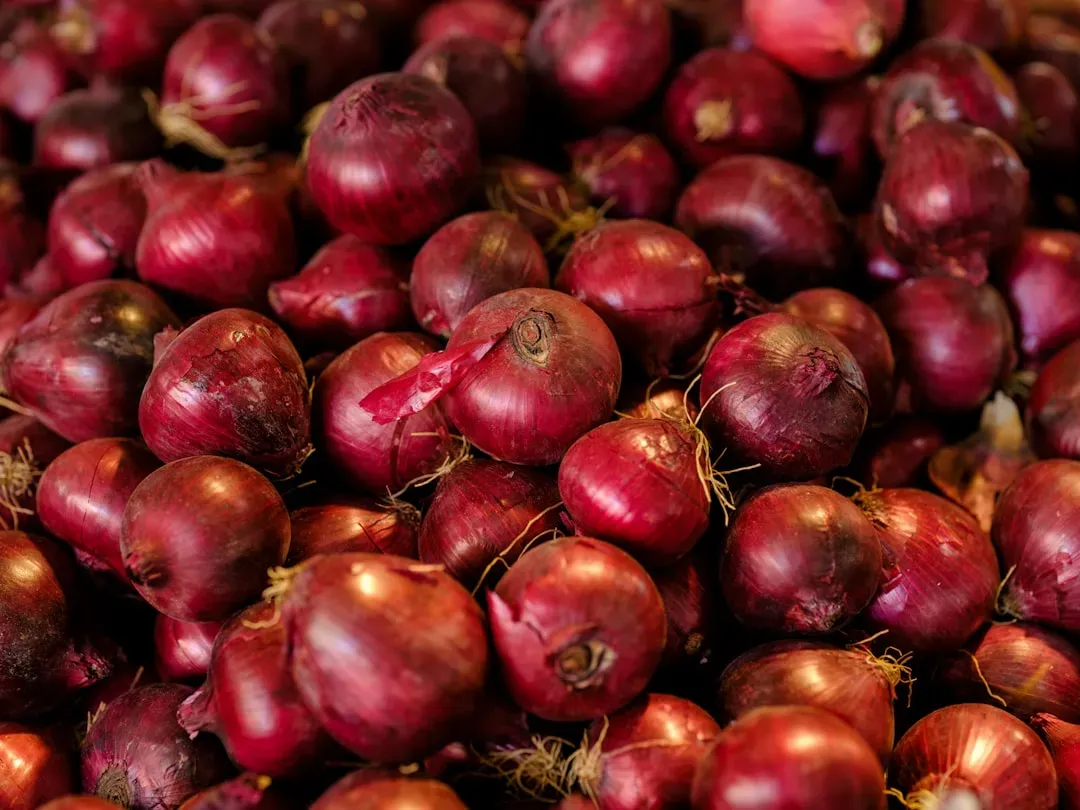
Raw red onion isn’t inherently evil, chefs will tell you that. The problem is how casually it ends up in dishes, piled on top of things with zero consideration for balance. During an episode of the Food Network competition “Chopped,” restaurateur and judge Scott Conant made his distaste for raw red onion clear in no uncertain terms, warning a competitor about an “aversion” to the ingredient added to his crudo.
Conant’s position is nuanced, which makes it all the more interesting. He clarified in 2016 that the problem isn’t the red onions themselves; he just doesn’t want them served in a way that they taste like “plain red onion.” Raw onion dumped recklessly onto a dish is a blunt instrument when the situation calls for a scalpel. Macerate them in vinegar for ten minutes and everything changes.
8. Green Bell Peppers: Flavor’s Most Disappointing Relative
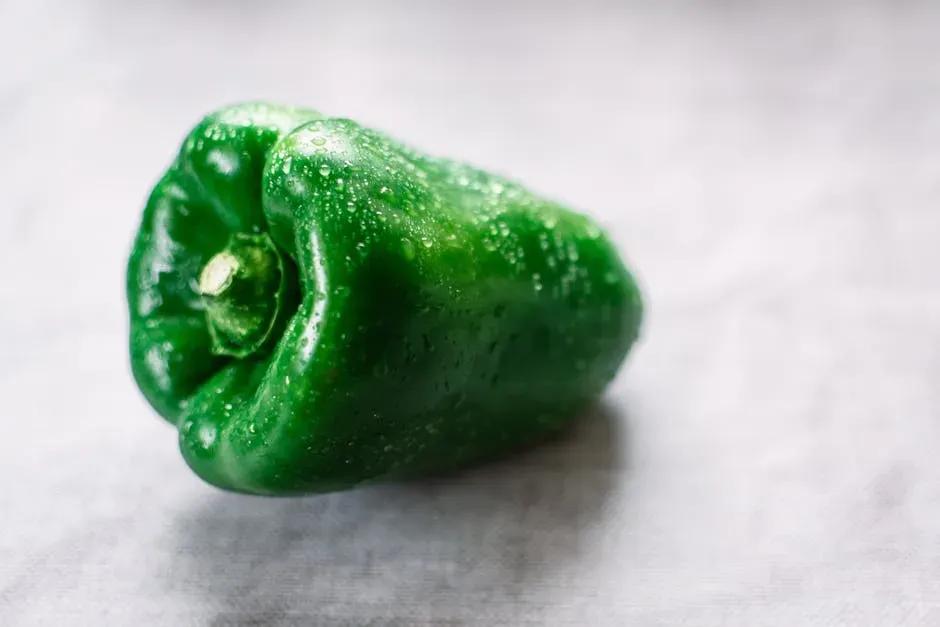
Red, yellow, orange bell peppers all have something to say. Green bell peppers? They show up, eat your time, and contribute almost nothing to the conversation. There’s not much to hate about green bell peppers. They’re like lettuce, crisp and crunchy without any strong taste. However, that’s exactly why Chef Aaron Sanchez told Food Network he won’t touch them. “I like red bell peppers and yellow peppers, but green bell peppers just don’t taste like much of anything,” he said.
The science actually backs this up. Green bell peppers are simply unripe versions of the red and yellow varieties. As they ripen, they develop natural sugars and more complex flavor compounds. Cooking with an underripe ingredient when ripe alternatives are sitting right next to it feels, to a professional, like deliberate self-sabotage. It’s like choosing a green banana when there are perfectly ripe ones on the same bunch.
9. Airline Food and Mass-Processed Deli Meats: The Flavor Desert

Spend over a decade in professional kitchens and your tolerance for food that has been engineered purely for shelf life and convenience collapses almost entirely. Processed deli meats are a prime example. Andrew Zimmern, known for eating some of the world’s most unusual foods on “Bizarre Foods,” still draws the line somewhere. He warned that “the processed meats on your deli shelf are probably worse for you than anything I eat.”
Then there’s the matter of airplane food, which stands as perhaps the most extreme example of mass-produced, convenience-over-quality eating. Gordon Ramsay, who spent almost two decades running Kitchen Nightmares, has an experienced palate. His one food he would never touch is what’s served on airplanes. “I worked for airlines for 10 years, so I know where this food’s been and where it goes and how long it took before it got on board,” he told Time magazine.
The underlying thread tying these together is the same thing that drives all genuine chef aversions: a deep respect for what food can be when it’s treated well. Processed and convenience products are the opposite of that philosophy. After years in professional kitchens, eating something designed purely for logistics, not flavor, feels like a kind of defeat. It’s not just distaste. It’s a worldview.
A Final Thought Worth Chewing On
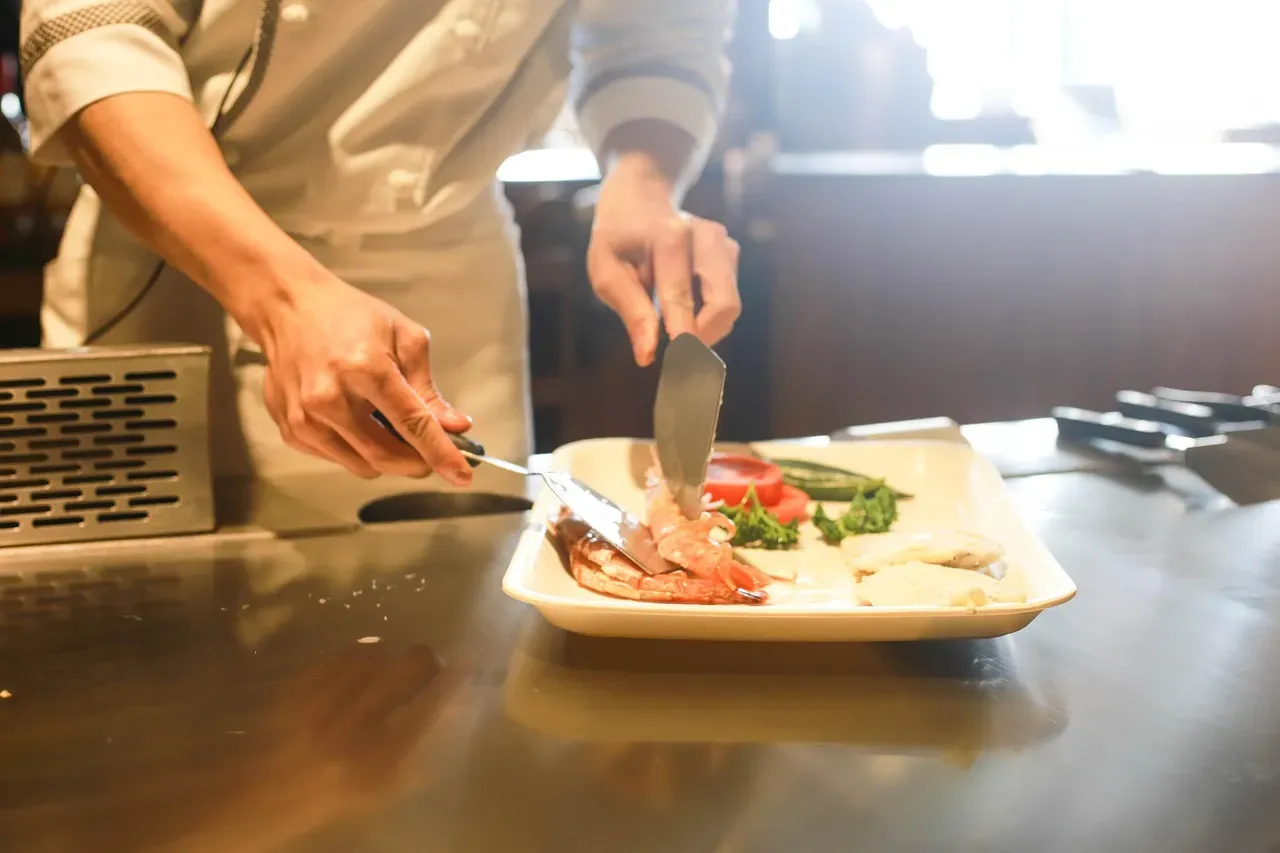
What’s striking about all nine of these is that none of them are about exotic ingredients or snobbish taste. They’re about respect. Respect for technique, for freshness, for the integrity of what food can actually be when someone genuinely cares. Working with food on a daily basis doesn’t mean taste buds become accepting of every flavor. Famous chefs have tried some of the weirdest, barely palatable things on earth, yet many of them still have a strong aversion to certain everyday foods we eat without a second thought.
Every aversion on this list tells a story about what a life spent cooking teaches you. Not rules to impose on others, but standards that become almost instinctive over time. The foods you stop reaching for aren’t always bad foods. Sometimes they’re just foods that, once you’ve seen what’s possible, simply can’t compete anymore.
So here’s a question worth sitting with: after reading this, which of these nine would you actually reconsider next time you’re cooking? Tell us in the comments.