
There’s something different about grandma’s house. The smell of it. The quiet stillness of certain rooms. The way light catches objects that have been sitting in the same spot for decades. Most of us have walked through a grandparent’s home without realizing we were surrounded by things that carried enormous weight, not just emotionally, but historically. Then one day, those homes are emptied. Boxes get filled. Things get donated. Things get lost.
Heirlooms represent a tangible link to a family’s past, carrying rich histories and sentimental value. They can range from antique jewelry to well-worn recipe books, each embodying a story of generations that has been passed down. They carry the memories, traditions, and values of ancestors and provide a sense of continuity. Honestly, most people don’t realize what they had until it’s gone. So before you clear out grandma’s house, take a breath. Read this first. Let’s dive in.
Table of Contents
1. The Handwritten Recipe Book
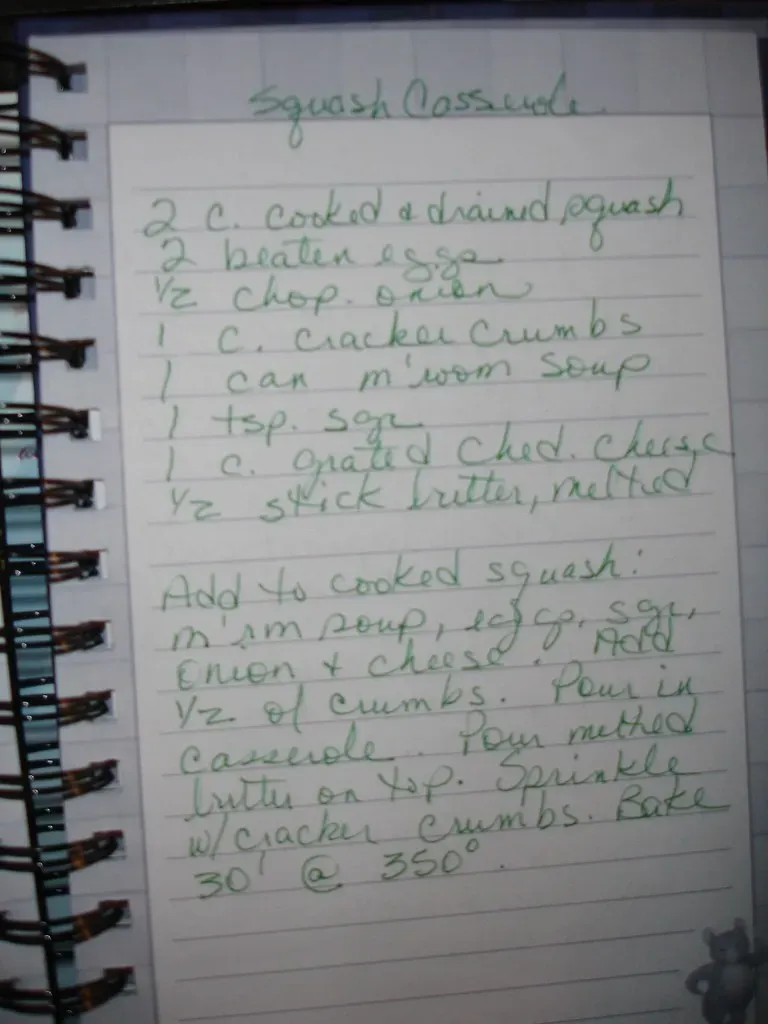
Few things are as irreplaceable as a recipe written in a grandmother’s handwriting. The crossed-out measurements, the little notes in the margins, the smears of old butter or vanilla. Handwritten recipe books are a treasure trove of family culinary traditions. These recipe compilations often tell a story beyond the dishes they contain, reflecting the culture, tastes, and lifestyle of past generations.
Think about it this way: a printed cookbook from a store is a snapshot of someone else’s family. But grandma’s recipe book is a snapshot of yours. While some heirlooms may be valuable antiques or fine jewelry, many of the most meaningful family heirlooms are simple, everyday items. A handwritten letter can matter more than silver. A chipped plate can hold more meaning than crystal. Emotional value, the memories, stories, and associations, is what truly defines a family heirloom.
Kitchenware, items like vintage cookware, recipe boxes, and cherished cookbooks, carry the flavors and aromas of family traditions. Once those dishes are gone from memory, they are gone forever. No amount of internet searching will recreate the exact taste of a grandmother’s pound cake if the recipe is lost.
2. Family Photographs and Photo Albums
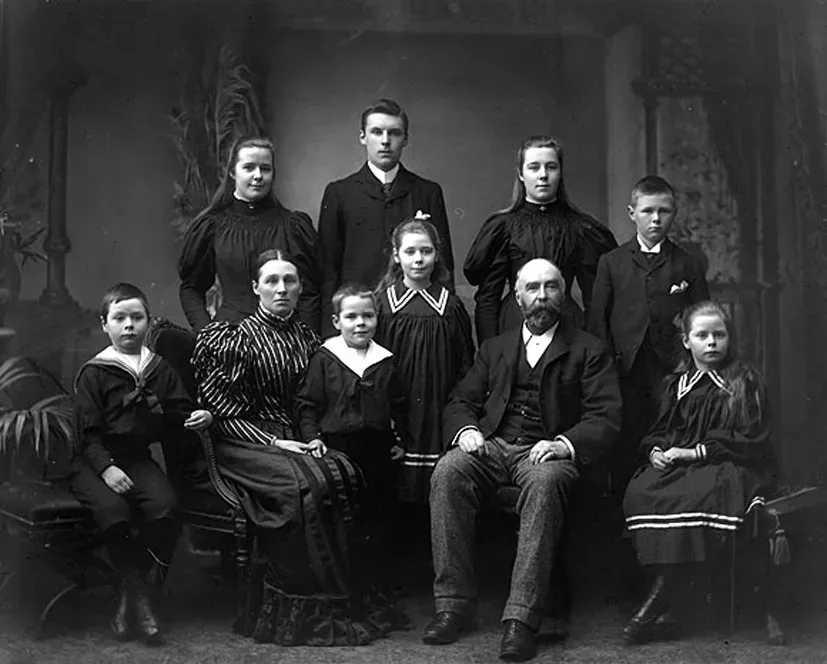
Here’s the thing about old photographs: they are windows. You are literally looking at faces of people who walked through the same world you did, just decades earlier. Nothing captures a moment in time quite like a photograph. Vintage photos and photo albums offer a unique snapshot into ancestors’ lives, showcasing their faces, fashion, and surroundings. They give a glimpse into the world as they saw it, a world that has long since changed.
Old postcards and photographs from a bygone era have a growing demand among collectors. Photographs that have sentimental value could also carry monetary value if they capture important historical moments or places. History collectors also look for vintage postcards to complete their collections, especially rare ones in good condition. That old shoebox of black and white photographs on grandma’s shelf could be worth more than you think on multiple levels.
For photos, label any known dates, locations, people, and context on a corresponding notecard to get the memories in writing. Do this while people who knew the subjects are still alive. That context is irretrievable once those voices are gone.
3. Antique Jewelry and Timepieces
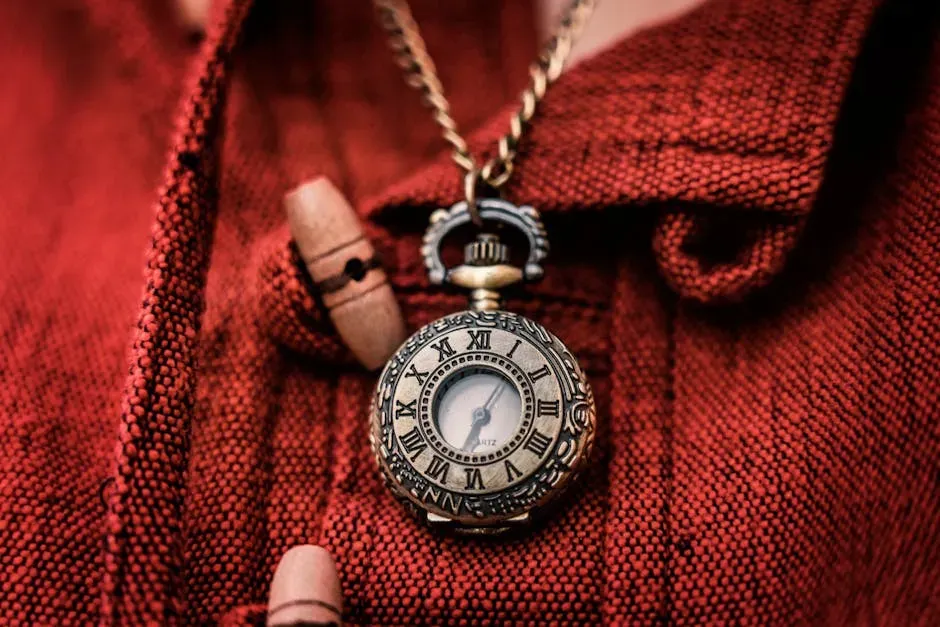
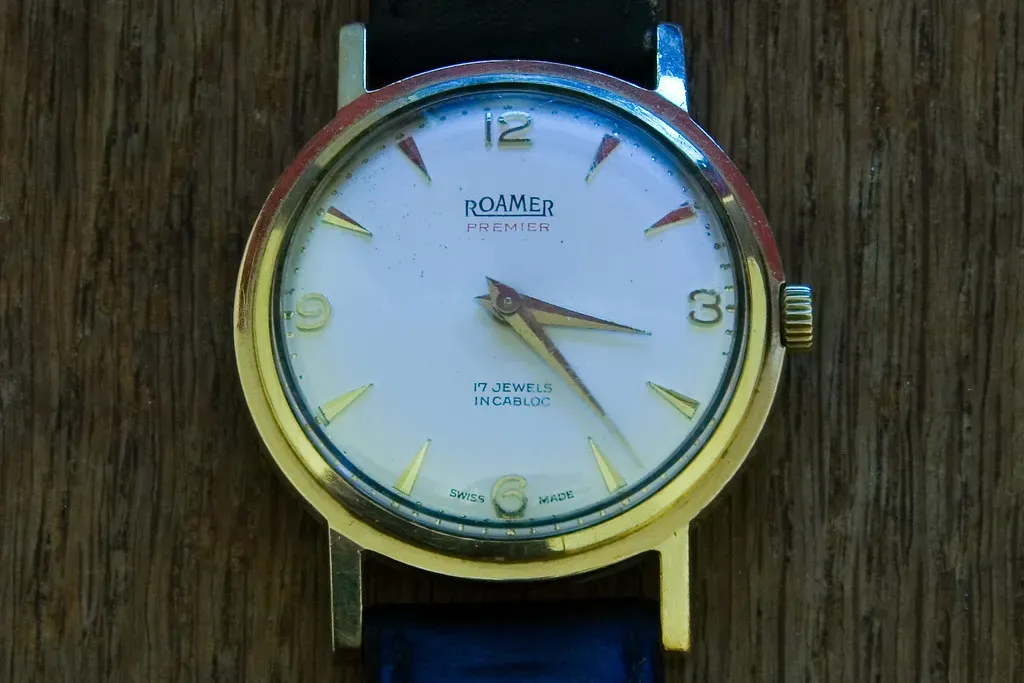
Antique jewelry, whether a delicate locket or a grandparent’s wedding ring, often holds sentimental value beyond its material worth. These pieces serve as a shimmering link to the past, worn by ancestors in times of joy, sorrow, and everyday life. They bear witness to the lives lived before and continue to hold significance as they adorn current and future generations. The beauty of antique jewelry is that even as fashions change, the value and meaning of these heirlooms remain timeless.
Jewelry pieces like rings, necklaces, watches, or bracelets often carry sentimental value and personal stories. Each piece can represent a milestone, such as an engagement or anniversary, making it a powerful heirloom. Passing down jewelry allows future generations to carry a part of their family’s past with them. Wearing a beloved grandparent’s ring or pendant can remind them of family values, history, and love.
Heirloom jewelry restoration is more than a service; it is a way of preserving family histories and personal legacies. Each piece restored is treated with the utmost care and respect, understanding its value goes far beyond its material worth. Even a tarnished, bent brooch is worth having properly assessed before it is tossed aside.
4. Hand-Stitched Quilts and Textiles
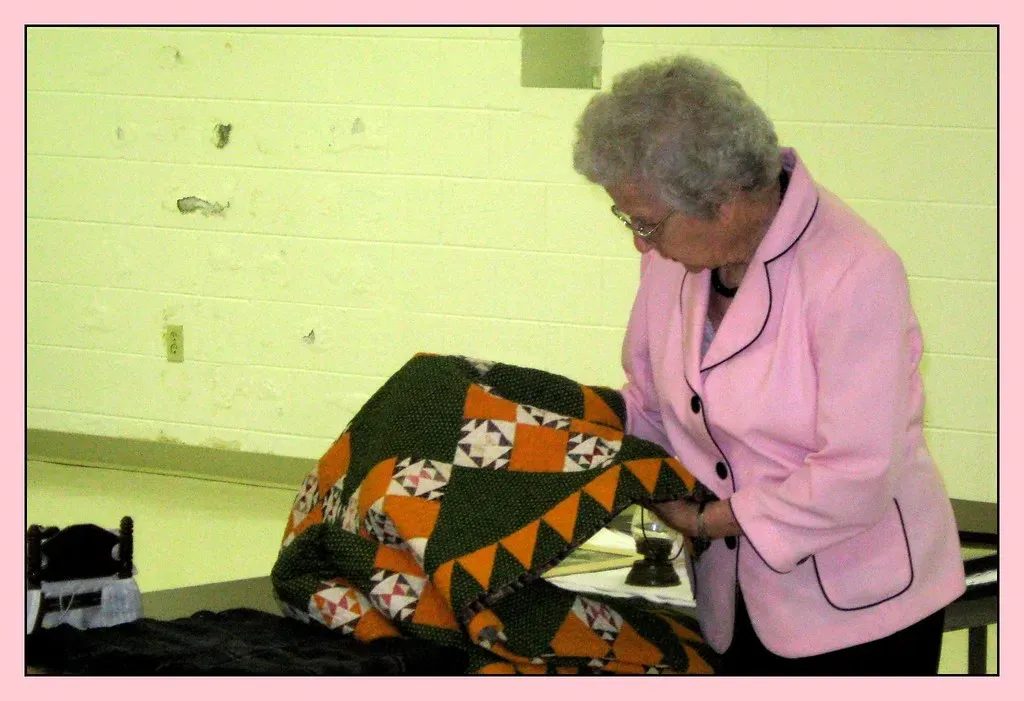
I think quilts might be the most underestimated heirlooms on this list. People see a faded, worn blanket and miss the story entirely. Appreciating the value of well-preserved quilts from the olden days involves understanding their deep historical relevance. These pieces of fabric art provide a rich insight into the cultural, social, and often personal history of the era they were made in.
Quilts were a medium for women to share stories, about their family, their hardships, about love and loss. These meticulously stitched pieces of cloth are not just bedcovers; they are narrative tapestries capturing the essence of an era, whispering stories of the past. Each scrap of fabric inside that quilt might have been cut from a dress, a shirt, a pair of curtains that once hung in a childhood bedroom.
Quilts, whether newly crafted or cherished family heirlooms, hold intrinsic value beyond their utilitarian purpose. Recognizing the worth of these quilts is crucial, and that is where quilt appraisals come in. An early to mid 20th century quilt, hand stitched, in very good condition, can have a resale value of $50 to $400 depending on size, quality, colors, and pattern. The monetary figure matters far less, though, than the stories stitched into every seam.
5. Fine China and Silverware Sets
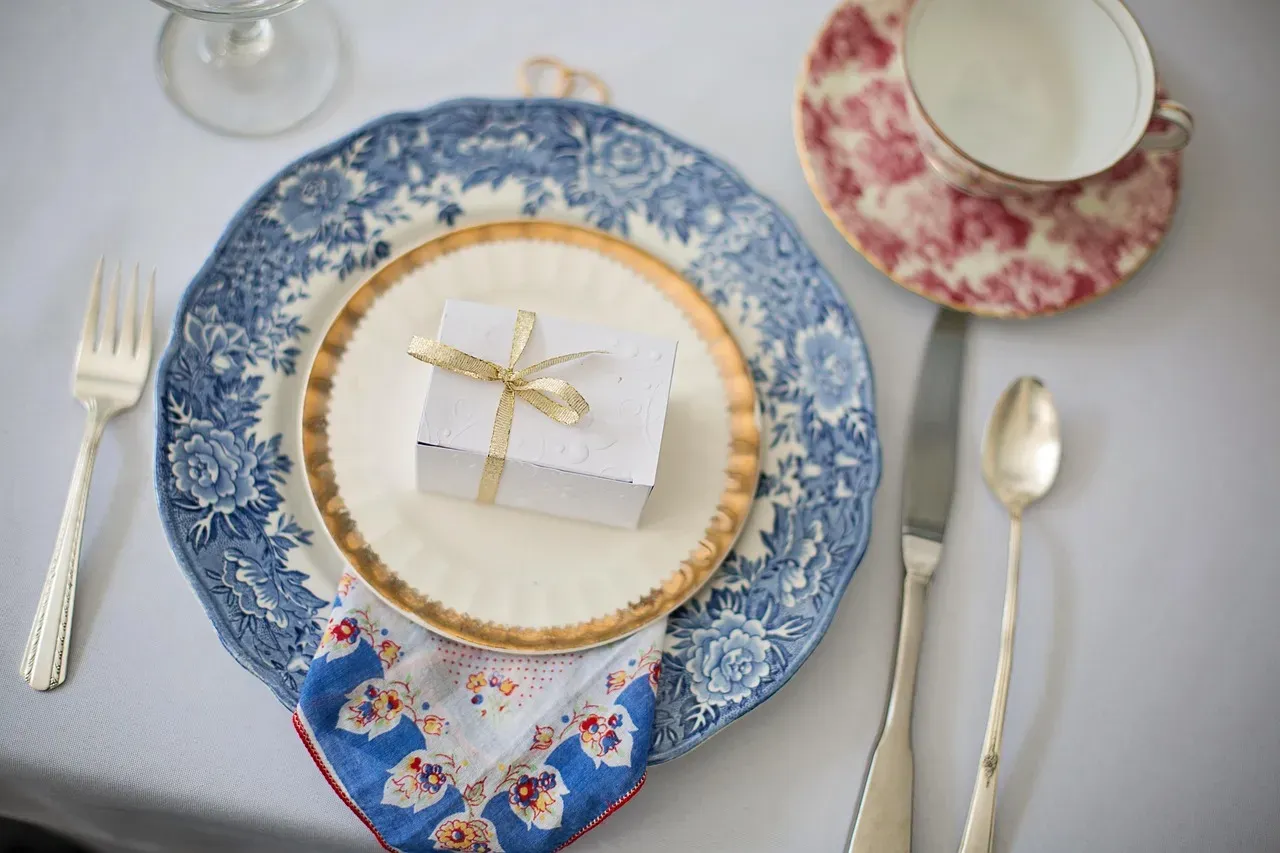
Fine china and silverware sets often symbolize family celebrations and special occasions. They are brought out for holiday meals, birthday dinners, and other significant events, creating a sense of tradition and elegance. These heirlooms can bear the marks of many shared meals and celebrations, reminding families of the joyous moments that bring them together.
Let’s be real, nobody actually uses these things on a Tuesday. They come out at Christmas. They come out at Easter. They smell like the past when you open the cabinet. Many collections of sterling flatware are passed down from one generation to the next. It is important to make sure the silverware is sterling and not plated silver. Sterling silver will be marked as such or with the numbers ‘925,’ indicating the silver content. A set of sterling flatware, service for 12, can sell for more than $2,000.
Fine china, silver and crystal fall in and out of fashion, but the glorious sparkle of polished silver always makes an occasion extra special. Unfortunately, silver reacts with hydrogen sulfide in the air and surrounding materials, resulting in tarnish. Tarnish does not harm the silver, but overzealous polishing of this soft metal can obscure engraved designs. Care for these pieces correctly and they will outlast everyone in the room.
6. Military Memorabilia and Medals
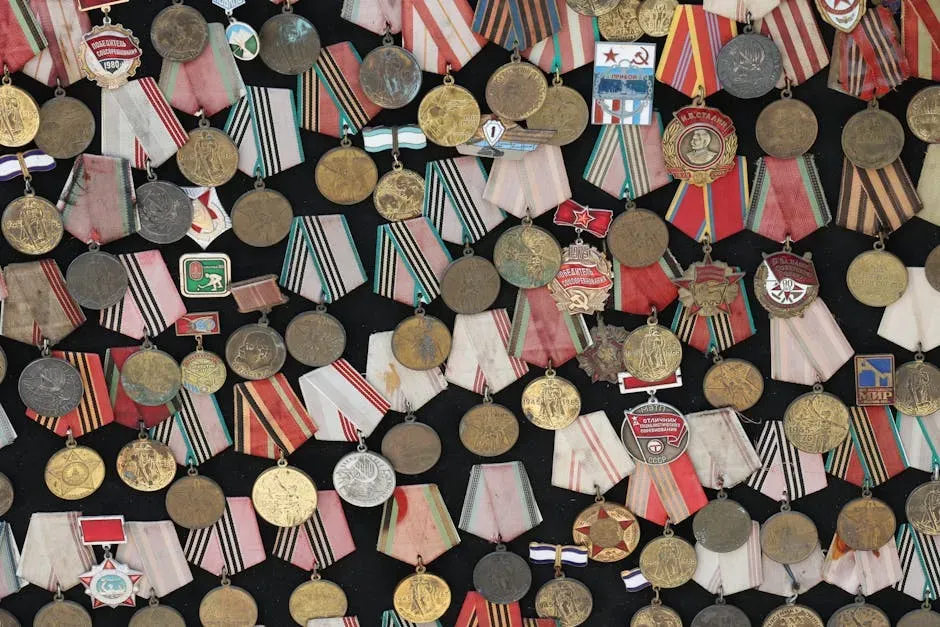
This one hits differently. Military memorabilia such as medals, uniforms, or letters from the front lines honor the bravery and sacrifices of family members who served in the armed forces. These items carry a weight of history and emotion, reminding families of the personal stories behind the larger narratives of war and conflict. They offer a way to remember and honor family heroes, keeping their stories alive for future generations.
There is something profound about holding a grandfather’s medal. The weight of it. The cold of the metal. The knowledge that it was earned in conditions you will hopefully never know firsthand. Each family heirloom is unique and every item has its own individual story to tell. The one thing that links them all is the emotional significance they hold for the families that cherish them. It is just as important to preserve the story behind an object as the object itself. The value of a family heirloom is not only in the artifact, but in the memory and meaning that accompanies it.
Objects to consider documenting and photographing include military medals and uniforms, alongside jewelry, letters, portraits, works of art, and family Bibles. If you have military memorabilia in grandma’s home, photograph it, label it, and write down everything you know about it before that knowledge fades.
7. Furniture With a Story
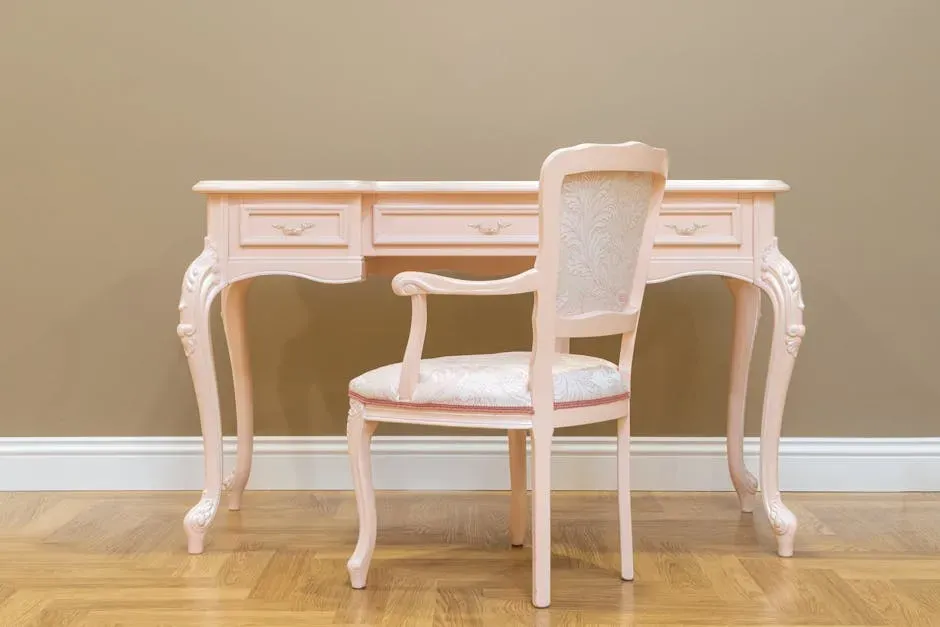
Not every chair is just a chair. Not every table just holds plates. The story of one family rocking chair began in England, where a great-uncle crafted it for his young niece. It was not just a piece of furniture; it was a gesture of love and a gift that would one day become a family heirloom. As the family eventually left England for Canada, the rocking chair made the journey with them, a constant through the changes and challenges of migration.
Furniture, pieces like antique dining tables, chairs, and cabinets, can hold historical significance and are often central to family gatherings. Think of every holiday meal eaten at that old table, every birthday cake cut on that counter. The furniture was the stage for a family’s entire life. That is not nothing.
Certain heirloom items can appreciate over time, becoming valuable assets that can support future generations. Their real worth lies in the memories they carry and the connections they nurture. Ultimately, passing down heirlooms creates a legacy of love, history, and shared experiences. Grandma’s rocking chair in a corner of your living room is a conversation piece, a time machine, and a keepsake all in one.
8. Family Bibles and Letters
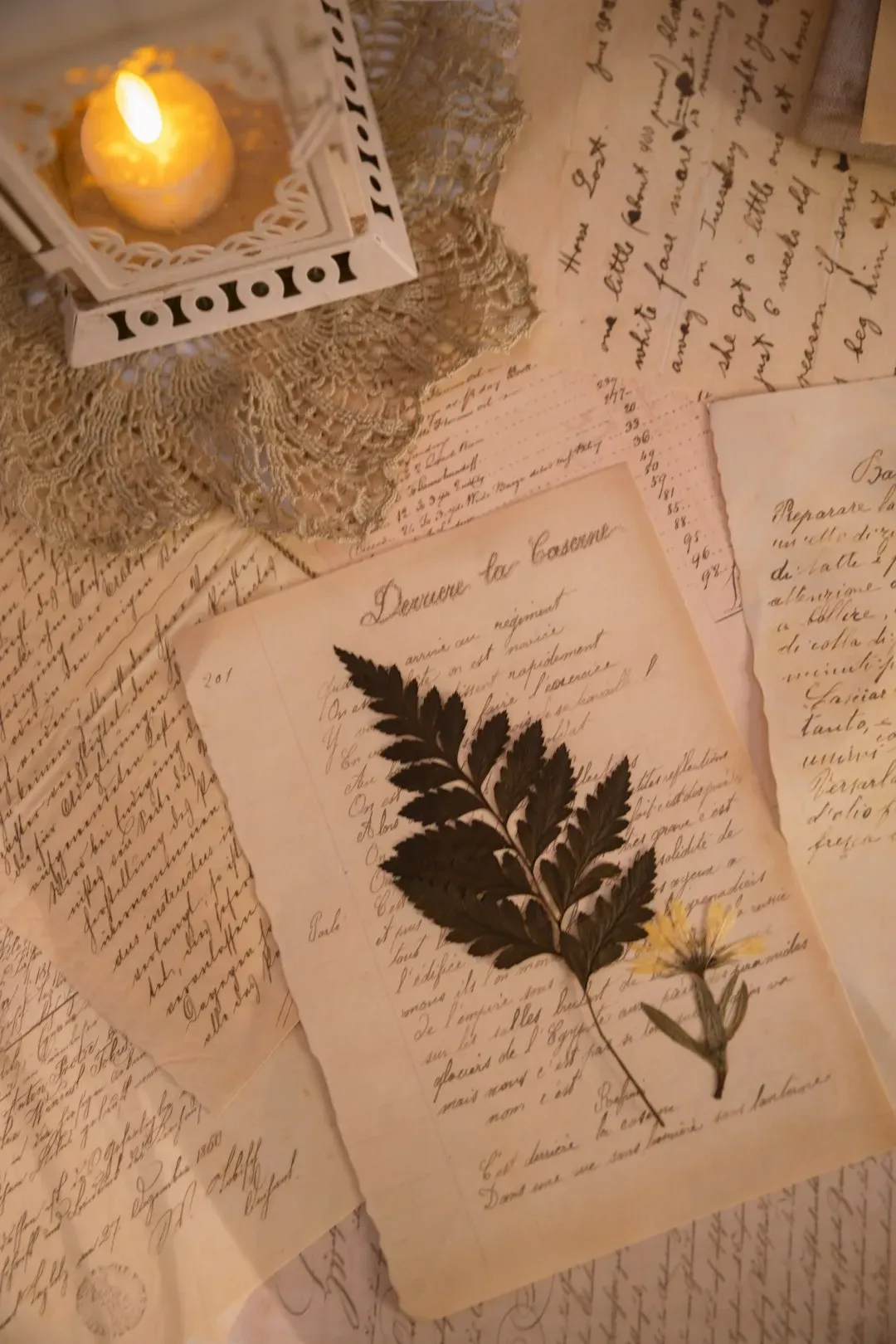
It’s hard to say for sure just how many families still have them, but handwritten letters and annotated family Bibles are among the rarest and most remarkable things a grandparent’s house can hold. Family photos, letters, diaries, and official records serve as historical archives, preserving moments and personal narratives. Special editions or family Bibles often contain handwritten notes, chronicling significant events and reflections.
Without understanding where an heirloom came from, who it belonged to, and what role it played in a family’s history, the connection to the past is lost. That is why documenting the history behind each heirloom is just as vital as keeping the object safe. Think about how much deeper the connection becomes when we know the significance of the item, who owned it, when it was acquired, and the memories attached to it.
Store documents in archival quality papers and ensure they are kept in a dry, climate-controlled space to avoid discoloration and deterioration. A sealed letter written by a great-grandmother during wartime is not just paper and ink. It is a voice from across time, speaking directly to you. Protect it like the irreplaceable artifact it truly is.
The Objects We Keep Are the Stories We Tell
A family heirloom is properly defined as a valuable object that has belonged to a family for several generations. It can range from estate jewelry to furniture to a recipe to a vacation home, but despite how beautiful the item may be, it is the memories behind the piece that truly make an heirloom something worth keeping around.
Heirlooms connect generations. They carry the essence of family stories, values, and traditions, making them more than just objects. Every time you look at a piece of grandma’s china or wrap yourself in her quilt, you are participating in an unbroken chain of human experience that stretches back further than you can see.
The next time you are standing in a grandparent’s home, surrounded by objects that feel ordinary, look closer. These are not just things. They are proof that people who loved you existed, lived fully, and left something behind on purpose. Do not let those things become strangers to the family they were always meant to belong to. What treasure from grandma’s house means the most to you? Tell us in the comments.