
Composting feels like one of those rare win-win habits. You reduce waste, feed your garden, and do something genuinely good for the planet. Honestly, it’s hard to argue with. But here’s the thing – not everything that seems like a natural, harmless addition to your bin actually belongs there. Some of the most common composting mistakes are made by well-meaning gardeners who follow advice that turns out to be flat-out wrong for a backyard setup.
The gap between what industrial composting facilities can handle and what your backyard pile can safely process is enormous. It’s almost like comparing a hospital-grade sterilizer to a microwave. So before you toss in that leftover from last night or those old planks from the shed, keep reading. Some of what you’re about to discover might genuinely surprise you.
Table of Contents
1. Meat, Fish, and Bones
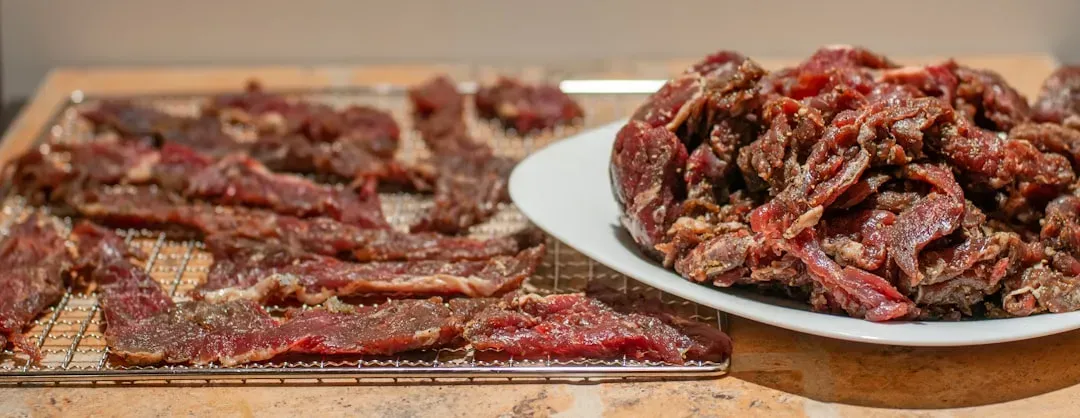
Meat scraps, bones, grease, whole eggs, and dairy products decompose slowly, cause odors, and can attract rodents. That’s straight from Iowa State University Extension guidance, and it’s worth taking seriously. The smell alone is enough of a warning sign.
Putting meat, fish, bones, or fat in the compost will attract animals and can grow harmful bacteria in your garden. Think raccoons rummaging through your bin at 2am or rats treating your compost as a permanent buffet. Not exactly what you signed up for.
Fish and meat are organic and will add nutrients to your garden, but their smell acts like a magnet for rats, mice, foxes, raccoons, or cats in the neighborhood, or even coyotes and bears, depending on where you live. Even if the nutrient argument is technically true, the risk is not worth it in a residential setting. Leave meat out of the backyard bin entirely.
2. Dairy Products
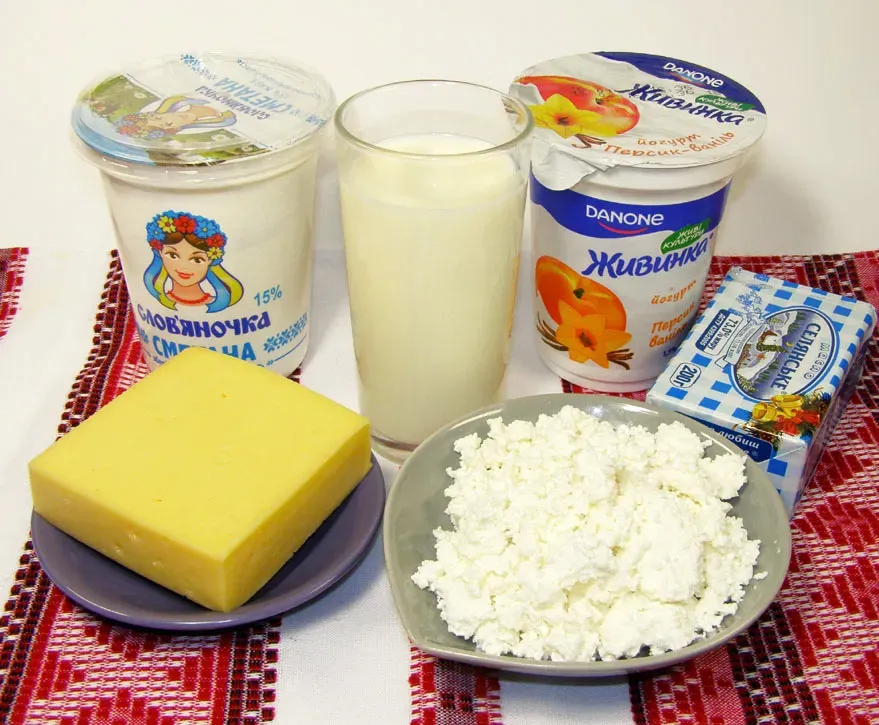
Milk, cheese, yogurt, and other dairy products can create odors and attract pests in backyard compost bins. It seems logical to toss in a spoonful of old yogurt or the crust of cheese, but the effects on your compost pile can be surprisingly disruptive. The fats in dairy break down unevenly and slowly.
Dairy products, like milk, cheese, butter, and yogurt, are also prone to attracting insects and rodents. Once pests discover your bin, they are very hard to deter. A single incident can compromise the entire composting setup for months.
Oils and fats, bread products, rice and pasta, sauces, dairy products, nuts, fish and meat or bones will cause odour problems and attract pests. The David Suzuki Foundation puts dairy firmly in the “do not compost at home” category. Municipal green bin programs are a much safer option for these materials.
3. Pet and Human Waste
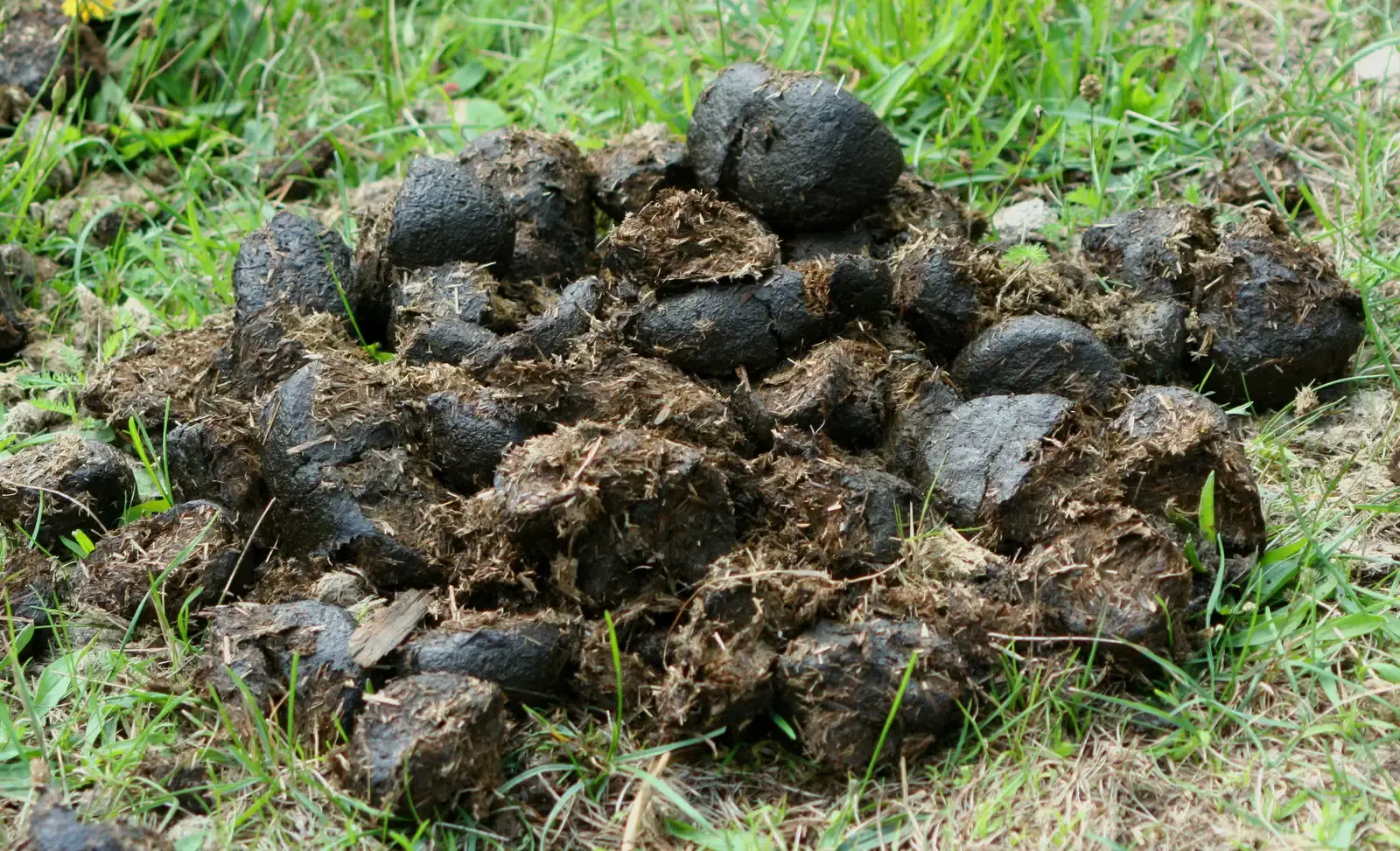
Waste from dogs and cats can contain harmful pathogens like E. coli, Salmonella, and parasites such as Toxoplasma gondii. Most backyard compost piles don’t reach high enough temperatures to reliably kill these organisms, which can pose risks to human health, especially if the compost is used around vegetables or other edibles. This is a real and documented danger, not just a theoretical concern.
As a general rule, manure from herbivores is compostable while feces from carnivores and humans is not. Think of it this way: cow manure from a field is very different from what your cat leaves in the litter box. The dietary differences alone change the entire microbial landscape.
It is not advisable to add the poop from dogs and cats to your compost. Their waste often contains microorganisms and parasites that you do not want to introduce to the crops you will be eating. If you want to compost pet waste specifically, it requires a completely separate and dedicated system, used only on non-food areas of the garden.
4. Diseased Plants
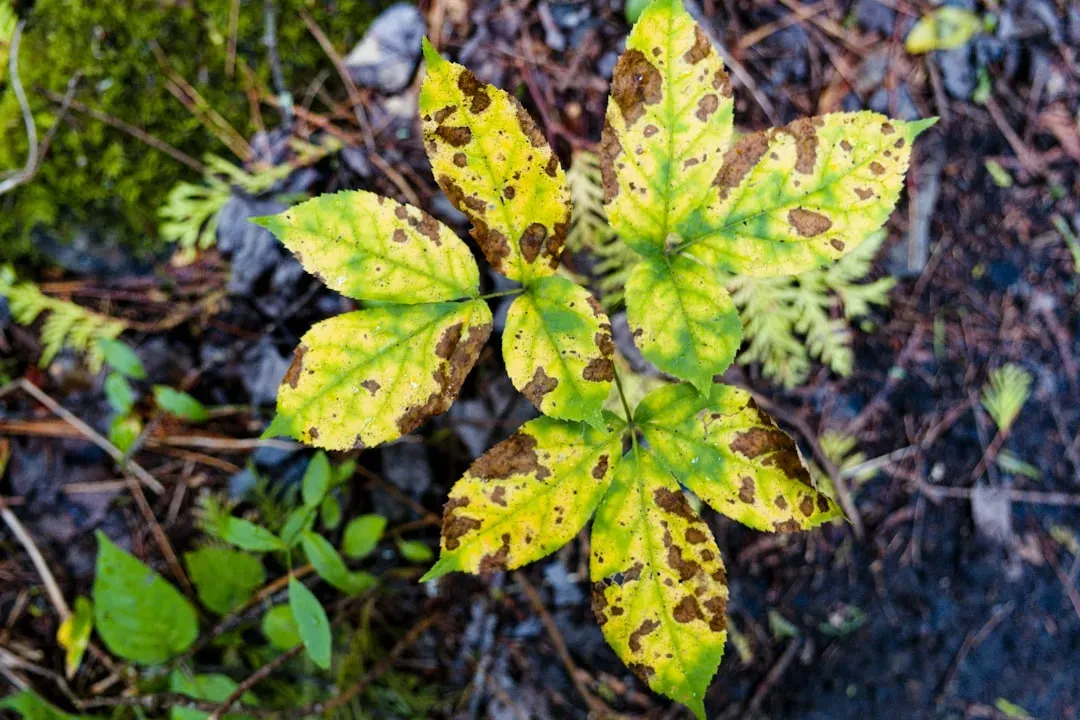
In most backyard compost bins, temperatures rarely reach the levels needed to reliably kill disease-causing organisms. For this reason, it’s safest to dispose of affected material elsewhere. This is one of those cases where good intentions can genuinely backfire in the worst possible way.
If other plants are diseased or insect-infested, avoid tossing them in your composter, or else you’ll transfer this problem onto your vegetables. Imagine spending the entire spring nurturing tomatoes only to see them wiped out by a fungal disease you unknowingly reintroduced through compost. It happens more often than people realize.
Bringing diseased plants to a council recycling point allows them to be composted in large industrial piles or incinerated, where heat and scale ensure pathogens are destroyed. If that isn’t possible, placing diseased material in the garbage is a safer alternative than risking contamination in your own compost. Industrial operations run at temperatures that home bins simply cannot replicate.
5. Weeds That Have Gone to Seed
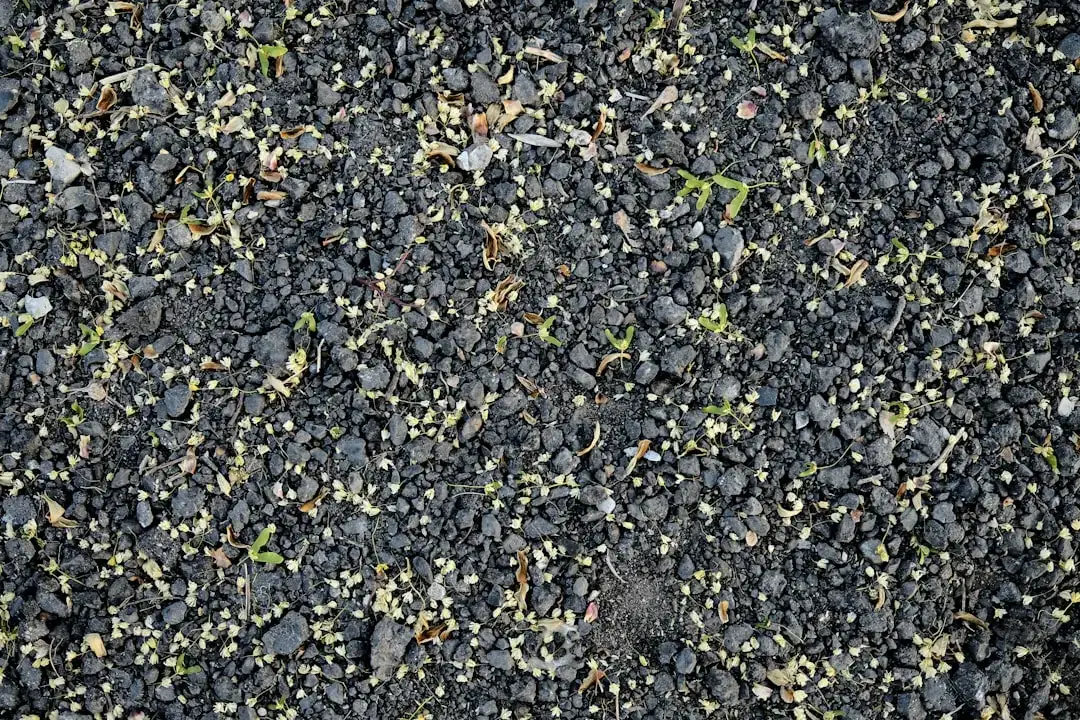
Weeds that have gone to seed and diseased plant material can survive in backyard piles that don’t reach high temperatures, spreading pests or weeds when the compost is applied. This is one of those composting mistakes that seems minor until you spread the finished compost across your entire garden bed.
Don’t add diseased plant material or weeds that have gone to seed. Disease organisms and weed seeds will not be destroyed if the temperature in the pile does not reach 150 to 160 degrees Fahrenheit. Most backyard bins hover well below that range for most of the season, especially during cooler months.
A typical backyard compost heap isn’t insulated or turned often enough to maintain heat and rotate all the viable seeds in the compost through the hot center of the pile. Yes, the heat generated by thermophilic bacteria in a hot compost pile is high enough to destroy seeds, but getting every bit of your compostable materials hot enough to kill the seeds takes very good compost management. Unless you’re a composting expert with a perfectly managed pile, seeded weeds are better off in the trash.
6. Treated, Painted, or Pressure-Treated Wood
Pressure-treated wood, painted wood, plywood, MDF, and laminated wood products may contain chemicals that contaminate compost and soil. Only untreated wood and sawdust are safe for backyard compost. This one shocks a lot of gardeners, especially those who like to repurpose old materials.
These toxic compounds won’t break down in the composting process and can get into the soil, negatively affecting microorganism activity and plant health. The sawdust from pressure-treated wood alone contains arsenic and cadmium, two toxins you definitely don’t want in your garden or your food. I know it sounds extreme, but arsenic contamination from treated wood is a well-documented research concern.
CCA components in soil have been reported with levels as high as 3,300 mg per kg for arsenic, 2,800 for chromium, and 2,100 for copper, way above the recommended levels for agricultural soils. Published research from 2025 in Frontiers in Environmental Chemistry confirms that these metals persist in soil long after the original wood source is gone. The damage is cumulative and lasting.
7. Glossy or Coated Paper Products

Any paper that has a glossy plastic finish is toxic to the compost pile. This includes even some magazines, product catalogues, wrapping paper and photographs. Plenty of people toss old magazines into the compost bin thinking it’s a green choice. It really isn’t.
Dyes, bleach, and plastic added for tensile strength are all things to watch out for when composting paper. If you’re unsure of where the paper is from, don’t add it. Recycle it instead. The recycling bin is almost always the better destination for paper-based products you’re uncertain about.
Produce stickers are another paper-adjacent culprit that sneaks into bins constantly. Many store-bought fruits and vegetables come with small produce stickers attached, even when they’re sold loose or in additional packaging. These labels are typically made from plastic or plastic-coated materials designed to withstand moisture, meaning they won’t break down in a home compost bin. Always peel them off before composting your fruit scraps.
8. Bread, Baked Goods, and Pasta
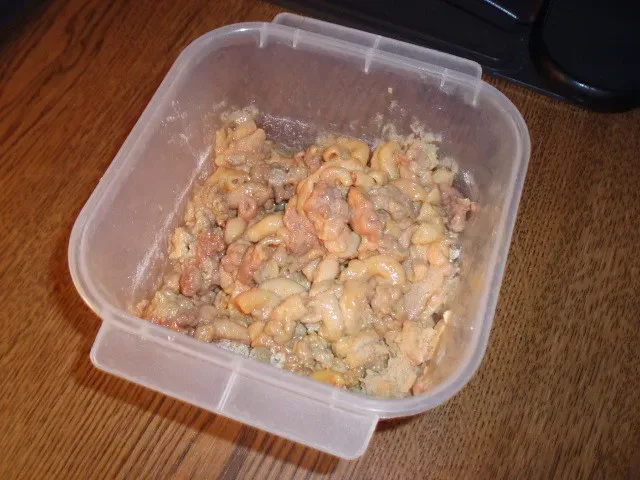
While fine in moderation, bread products like pasta, cake, and other baked goods attract rodents and other animals. It’s one of those things that feels harmless – a bread crust, a stale cracker – but the cumulative effect on your bin can be significant. The starchy residue lingers and ferments.
Cakes and pasta have been included in the category of things that should not go in the compost heap. All forms of residue left behind are a magnetized attraction for unwanted pests. It is perceived as food by pests. Also, its chemical content can upset the balance of nutrients in the compost. Even if the pests don’t invade immediately, the nutrient imbalance can throw off your entire composting process.
Rice is unsuitable for the compost heap in two parts. Raw rice is attractive to pests, while cooked rice is fertile ground for bacteria, potentially harmful to the compost’s nutrients. Cooked grains in general carry a much higher microbial risk than most people expect. When in doubt, leave them out.
9. Tea Bags and Coffee Pods with Synthetic Materials
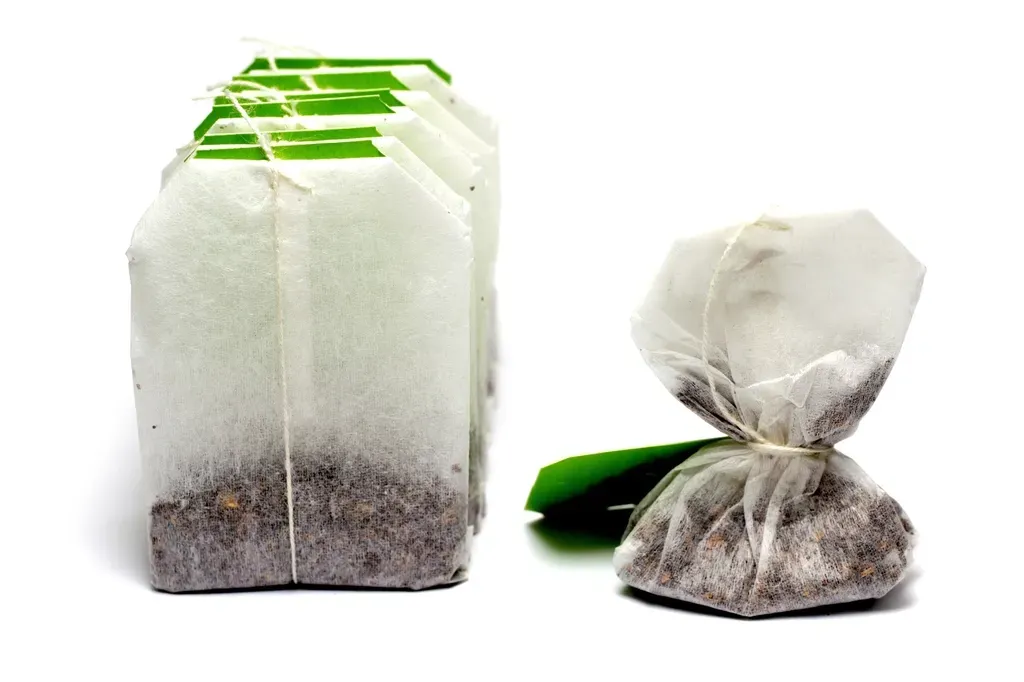
Coffee grounds and tea leaves should only be added to compost if they are bag-less or have been removed from their bags. The bags that some coffee and tea products come in contain nylon and other synthetic fibers that do not break down in a compost pile, and contain plastic particles and chemicals you don’t want in your soil. Honestly, this one surprises even experienced composters.
Don’t compost tea or coffee bags unless you are certain they are made from natural materials, like cotton or hemp. The problem is that the packaging rarely makes this clear, and many brands use heat-sealed plastic films that are completely invisible to the naked eye. When in doubt, empty the contents and bin the bag.
The grounds themselves? Excellent for compost. Rich in nitrogen, beneficial for most plants. It’s purely the container that’s the problem here. Think of it like a great meal in a toxic wrapper. You’d take the food out before eating, and the same logic applies to composting. Check every bag before it goes in.
10. Antibiotic-Resistant Bacterial Sources and Poorly Processed Manure
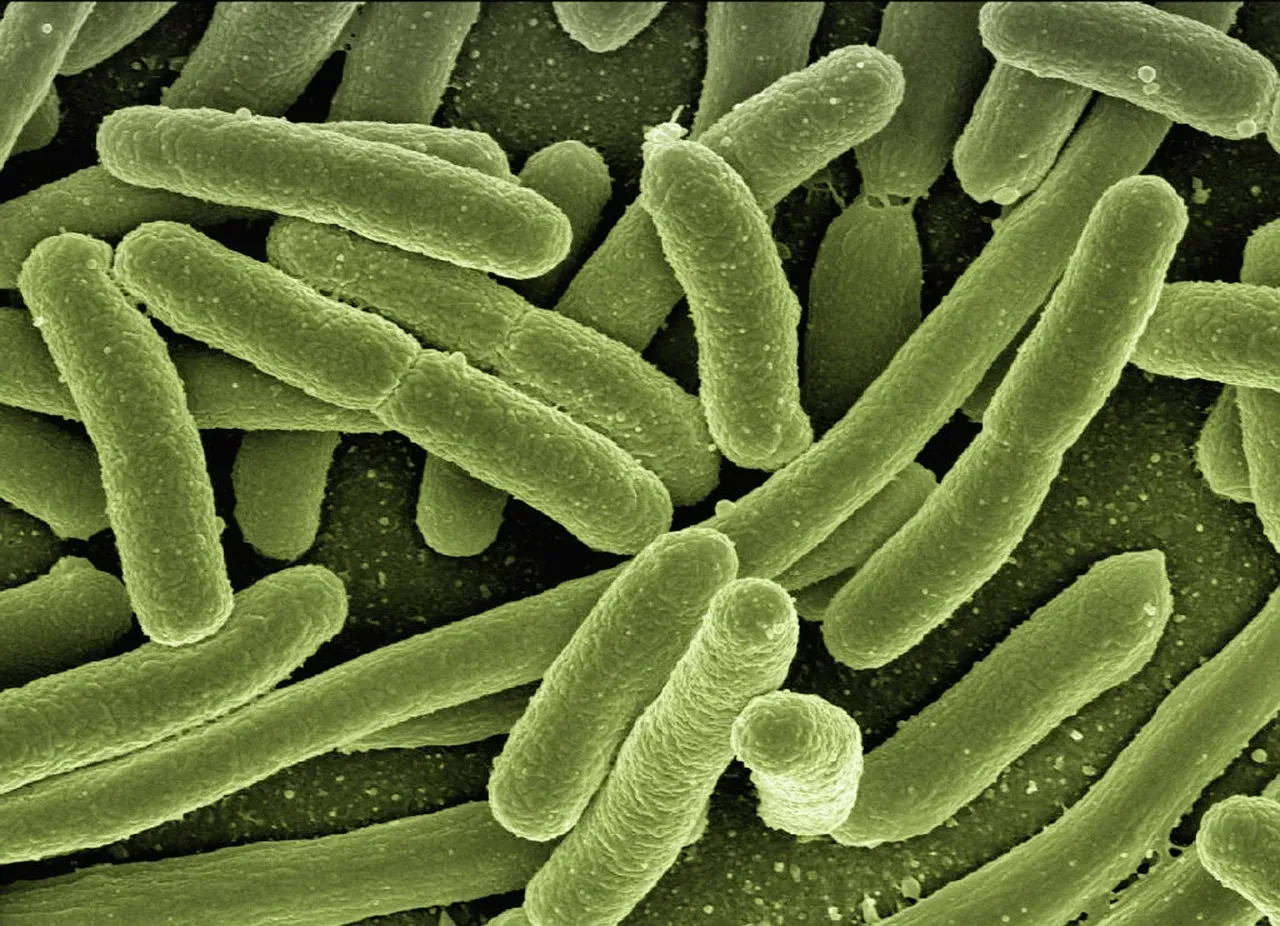
A 2024 study published in the Journal of Hazardous Materials identified 134 pathogens across 16 composting piles, with ten pathogens showing increased abundance and transcriptional activity in the curing phase. They included high-risk virulence factor-carrying pathogens, indicating hidden pathogen risk in mature compost. This is sobering science, and it applies directly to backyard settings where proper composting temperatures are rarely sustained.
Research published in 2024 alerts to the fact that composts may contribute to the dissemination of antibiotic resistance, highlighting the need of regular assessment. Multiple factors, including the raw materials, may influence the safety of the final compost, and the knowledge of the variables affecting compost safety needs to be thoroughly investigated and understood. This is not a fringe concern. It is being studied at the highest levels of environmental science.
Community-scale analyses revealed a linkage of pathogen survival with their low optimal growth temperature and an increased number of heat shock proteins, enabling them to tolerate high temperatures and regrow. Integrating data with prior composting studies, surviving pathogens were found to express multiple virulence factors, and their persistence in mature compost was a widespread issue, highlighting a greater risk of pathogen spread than previously thought. Poorly sourced or inadequately processed manure, particularly from animals on antibiotics, is one of the riskiest materials you can introduce to a backyard pile without expert knowledge of your composting temperatures and conditions.
The Bottom Line
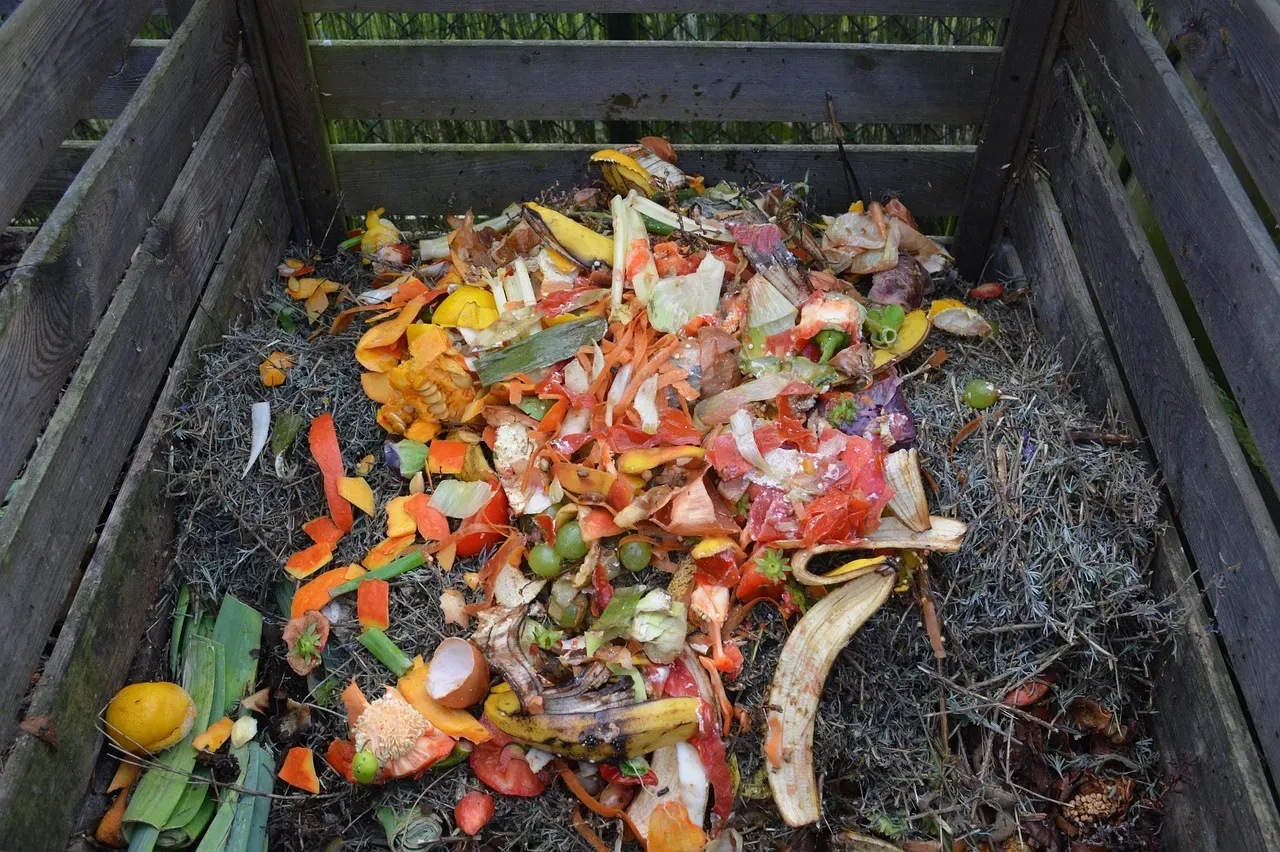
Composting is one of the best things you can do for your garden and the environment. It is genuinely powerful and worth every bit of effort. But treating your backyard bin like a catch-all for anything organic is where many well-intentioned gardeners go wrong.
The gap between industrial composting and what happens in a backyard pile is real, significant, and backed by solid research. Pathogens, toxic metals, pest attractants, and antibiotic-resistant organisms are not abstract risks. They are documented outcomes when the wrong materials end up in the wrong place.
Keep your bin clean, know what goes in, and your compost will reward you with something genuinely valuable. What surprises you most about this list? Drop your thoughts in the comments.