
Most people assume that once you hit your sixties, the rules of eating stay pretty much the same. Just eat less, maybe cut the salt, and you’re good. Honestly, that couldn’t be further from the truth. The nutritional landscape shifts dramatically after 60, and the gap between what most people eat and what their bodies actually need is striking, even alarming.
Turning 60 is not just a birthday milestone. It’s a biological turning point where muscle, bone, metabolism, and even your brain start responding differently to the food on your plate. The good news is that science now understands this transition better than ever. Insights from 2024 and 2025 have continued to shape the latest guidelines, offering a clearer and more complete picture than we’ve had in the past. It’s the kind of shift that challenges long-held assumptions – and may require a rethink of what we thought we knew.
Table of Contents
Your Calorie Needs Change, But Nutrient Needs Don’t Drop

Here’s the thing that surprises most people. Eating less doesn’t mean you need fewer nutrients. It actually means you need to be smarter about every single bite. According to current federal dietary guidelines, women aged 60 and older require between 1,600 and 2,200 calories per day, while men in that age group need roughly 2,000 to 2,600 calories daily.
As you get older, your body can begin to lose muscle mass and bone strength, and after age 60, your metabolism can begin to slow down. This creates a tricky equation. Less food, but the same vitamins, minerals, and protein your body requires to function well.
After 60, you may become less active and need fewer calories. Some people also experience a reduced appetite, which means you’ll need to include more nutrients such as vitamins, minerals, protein, and fiber in a smaller amount of food. Think of it like packing the same amount of gear into a smaller suitcase. Every item has to earn its place.
While aging is inevitable, nutrition can play a major role in reducing your risk of age-related chronic disease. A balanced eating pattern that emphasizes key nutrients can help improve your odds of healthy aging and continue living a dynamic, active lifestyle.
Protein Is Not Optional, It’s Essential

Let’s be real: protein gets talked about a lot in fitness circles, but older adults actually need it more urgently than the average gym-goer. As you age, your protein requirements actually increase. This is due to factors like age-related muscle loss, known as sarcopenia, and a decreased ability to use protein efficiently. While a general protein recommendation for young adults is about 0.8 grams per kilogram of body weight, this increases to 1.0 to 1.2 grams per kilogram daily for older adults.
Sarcopenia can start as early as your 30s and speed up each decade. Research shows that muscle mass decreases roughly 3 to 8 percent per decade after age 30, and the rate of decline is even higher after age 60. By age 80, you may have lost up to nearly a third or more of your muscle mass if you’re not proactive.
About one in three people over the age of 50 fall short of recommended protein requirements. That’s a significant number. In addition to eating high-protein food sources, when you consume protein is also important. Experts recommend spreading protein consumption throughout the day, with good protein sources at each meal.
To get enough protein throughout the day and maintain muscle, try adding seafood, dairy, or fortified soy products along with beans, peas, and lentils to your meals. Variety is your friend here.
Fiber Keeps Your Body Running Smoothly
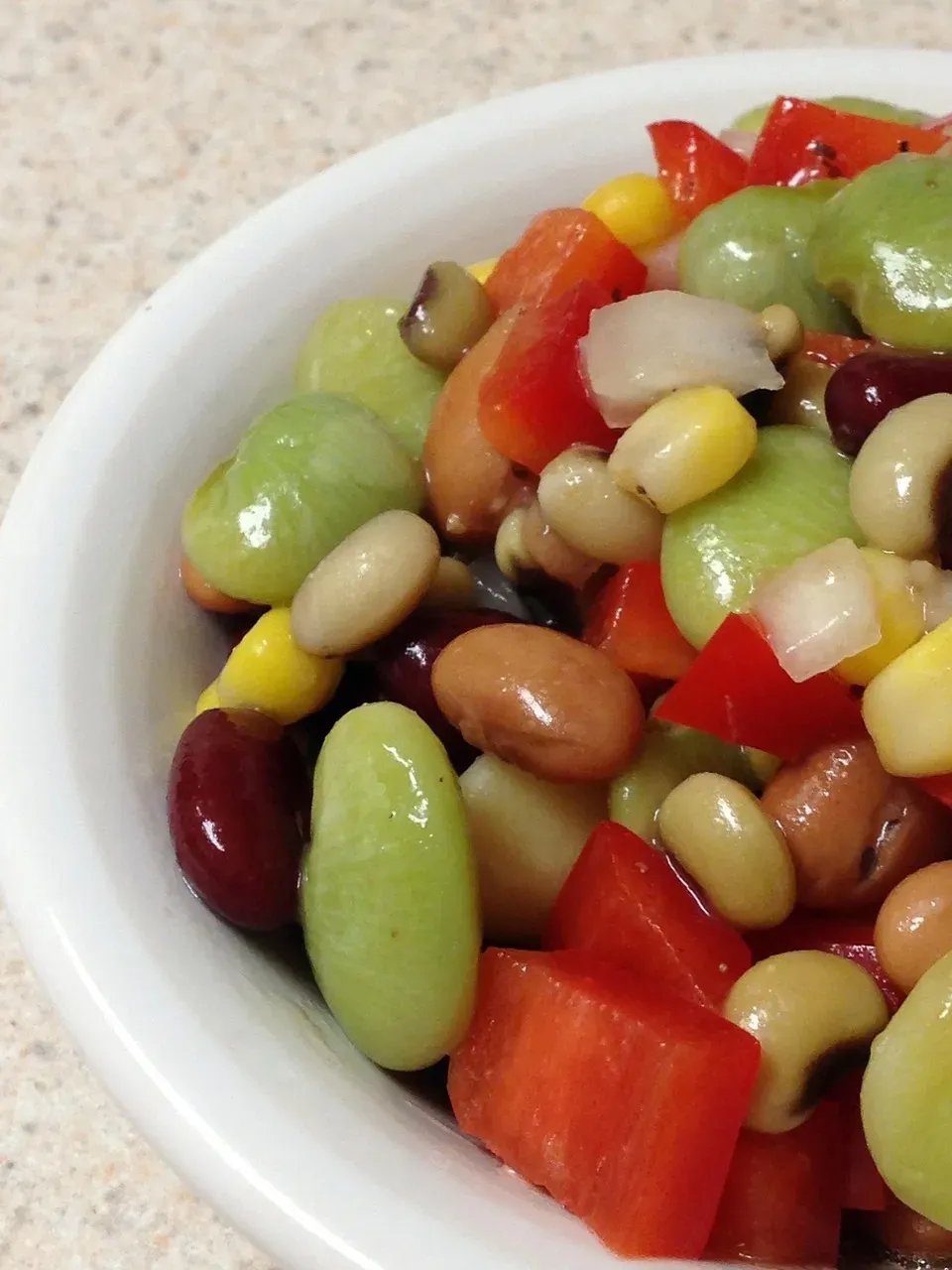
Fiber is one of those quiet heroes of the dinner plate. Nobody films themselves eating oat bran, but maybe they should. Eating high-fiber foods can help promote healthy bowel movements and digestion, support heart health, slow sugar absorption to stabilize blood sugar levels, and help maintain a healthy weight.
It’s important to consume enough fiber to help prevent constipation, bowel cancer, and hemorrhoids, and this is especially important as you get older because your bowel function tends to slow down. This isn’t just about comfort. It’s about long-term protection.
Wholegrain high-fiber foods reduce the risk of heart disease, and soluble fiber found in fruits, vegetables, beans, lentils, and oats can lower cholesterol levels and help manage blood glucose levels. Think of fiber as the daily maintenance crew your digestive system needs to stay running smoothly.
Most people can get enough fiber from food alone, although a 2024 randomized study found that older adults living in special care facilities often do not get enough fiber in their diet. Community-living adults should take note of this, too.
Calcium and Vitamin D: The Bone Health Balancing Act
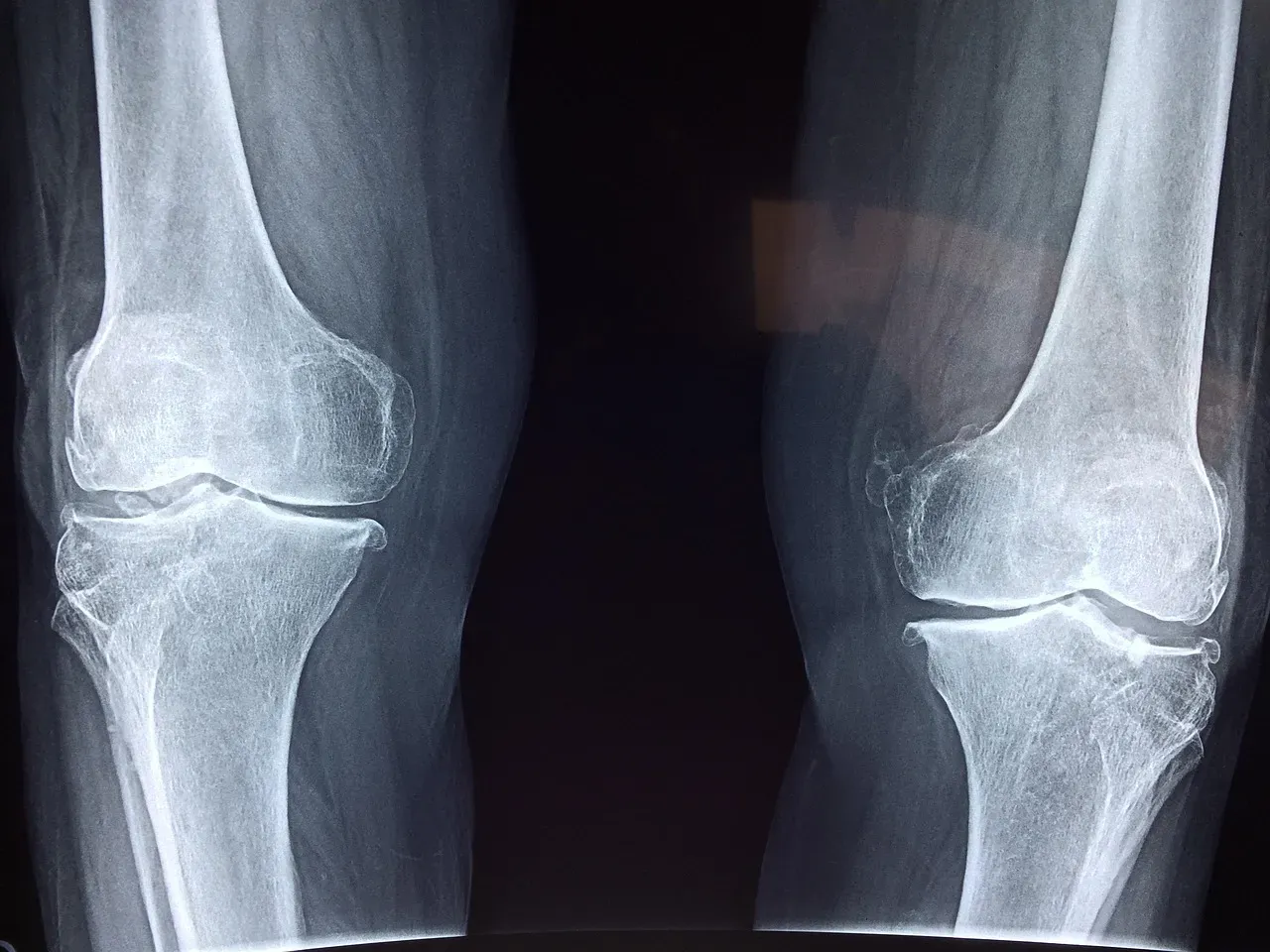
Bone loss is not a myth. It’s a measurable, progressive reality. Women lose roughly 3 percent of their bone mass each year during menopause and for about five years after their last period as estrogen levels drop, after which bone loss continues at about 1 percent per year. Men also lose bone steadily, starting around age 50, at about 1 percent per year.
According to the Food and Nutrition Board of the National Academies of Sciences, Engineering, and Medicine, the recommended daily allowance of calcium for women 51 and older and men 71 and older is 1,200 mg, while men aged 51 to 70 need 1,000 mg. For vitamin D, it’s 15 mcg for those aged 51 to 70, and 20 mcg for those over 70.
Without enough vitamin D, muscle strength and balance diminish, increasing the risk of falling. That’s a serious downstream consequence most people don’t think about until it’s too late.
Adequate calcium and vitamin D are important for bone health, but excessive supplementation can cause harm. Supplements are recommended if dietary intake or sun exposure is insufficient, following established daily allowances to avoid adverse effects. Food-first strategies remain the safer, more effective approach for most adults.
The Mediterranean Diet: Your Brain’s Best Defense

If there’s one dietary pattern that consistently comes out on top in the research, it’s the Mediterranean diet. And the evidence keeps piling up in its favor. Greater adherence to the Mediterranean diet has been shown to be associated with a wide variety of outcomes, including slower cognitive aging, lower mortality, lower incident frailty, and improvements in pain, disability, and depressive symptoms.
People who ate a healthy balanced diet had enhanced mental health, superior cognitive function, and higher amounts of grey matter in the brain, associated with attention and memory, compared to those who ate a less varied diet. That research, involving nearly 182,000 British adults published in a Nature journal, is hard to ignore.
Greater adherence to Mediterranean, MIND, and high-quality diets is associated with a lower risk of dementia, while pro-inflammatory diets increase the risk. I think this is one of the most compelling pieces of nutritional evidence we have for older adults in 2026.
Research found that the anti-inflammatory Mediterranean diet offered the strongest protection against early memory concerns, with higher intake of greens, vegetables, and legumes lowering risk, while dairy, refined grains, sugars, and pastries increased risk.
The Hidden Danger of Ultra-Processed Foods
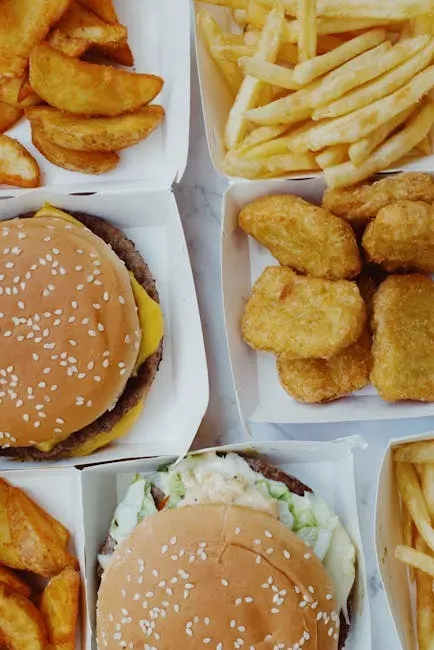
Ultra-processed foods don’t just lack nutrition. They actively work against your health, especially after 60. There was no shortage of studies linking a high intake of ultra-processed foods, including processed meats, soft drinks, frozen meals, and snack foods, to an increased risk of health problems. A review of 45 meta-analyses involving nearly 10 million people found direct associations between ultra-processed food consumption and 32 adverse health outcomes.
U.S.-based research tied a higher intake of ultra-processed foods to a greater risk of stroke and cognitive impairment, and a Harvard study found a high intake of these foods, especially processed meats, sugary breakfast foods, and sugar-sweetened beverages, was associated with an increased risk of early death. Those are not small findings.
The U.S. federal government released the 2025 to 2030 Dietary Guidelines for Americans, one of the most significant updates to national nutrition guidance in decades, putting an emphasis on whole, nutrient-dense foods and offering a clear framework for helping people make healthier choices every day.
The simplest advice is to swap out one ultra-processed food at a time. Replacing a packaged snack with a handful of nuts or a piece of fruit is not a sacrifice. It’s a genuine upgrade.
Hydration and the Nutrients Most Seniors Miss

Water might seem too basic to include in a nutrition article, but dehydration among older adults is a genuinely underestimated public health issue. Compared to younger adults, people aged 60 and older consume substantially fewer beverages and often fail to stay properly hydrated, according to the federal dietary guidelines.
While older adults don’t need more vitamin B12 than younger adults, their bodies are less able to absorb it, and some medications can further reduce absorption. Because of this, the guidelines encourage older adults to eat enough protein, which contains B12, and foods that may be fortified with B12, such as breakfast cereals.
Older adults are at high risk of vitamin D inadequacy because of limited sources of vitamin D in the diet, less exposure to sunlight, a decreased capacity to synthesize vitamin D in the skin, and a decreased capacity of the kidneys to convert vitamin D into its active form. It’s a combination of factors, not just one dietary slip-up.
Gradually adding more nutrient-dense whole foods to your daily diet, such as fruits and vegetables, whole grains, beans, nuts, and seeds, remains one of the most practical and effective strategies for better health after 60. Small changes, made consistently, add up to something transformative over time.
A balanced diet after 60 isn’t about perfection or following a rigid food rulebook. It’s about understanding that your body has changed, and your plate needs to reflect that. The research available in 2025 and 2026 makes one thing unmistakably clear: what you eat in this decade of life has a direct and measurable impact on how well you move, think, and feel. What surprises you most about how much nutrition shifts after 60? Share your thoughts below.