
Every time you walk through those automatic sliding doors, the grocery store is quietly working against your wallet. Prices have been climbing for years, and honestly, some of it feels relentless. Since 2020, U.S. food prices have risen by nearly 24%. That’s not a typo.
The tricky part is that not every price hike is equal. Some items have always carried outrageous markups, while others have ballooned recently due to disease outbreaks, climate disasters, and supply chain chaos. Either way, certain foods on your regular grocery list deserve a serious second look. Let’s get into it.
Table of Contents
1. Bottled Water: The Most Overpriced Item in the Entire Store

Let’s be real. Bottled water might be the greatest marketing trick ever pulled on the modern consumer. You are, in many cases, literally paying for something that flows freely from your kitchen tap. Bottled water, which costs manufacturers just pennies to produce, is often sold at markups exceeding 4,000 percent. Let that sink in for a moment.
There is much to consider when it comes to bottled water, including leaching microplastics into your water and subsequently your body, the environmental impacts on the planet, and the reputed 4,000% markup, per Reader’s Digest. So you’re not just overpaying. You’re potentially getting a worse product in return. According to the Natural Resources Defense Council, bottled water is not better regulated, better protected, or safer than tap.
Bottled water costs manufacturers only a few cents to make but is often sold for $1 to $2, factoring in a markup of 4,000% or higher. A reusable water bottle and a basic home filter is all you really need. The savings add up faster than you’d think.
2. Pre-Cut Fruits and Vegetables: Convenience Has a Steep Price Tag
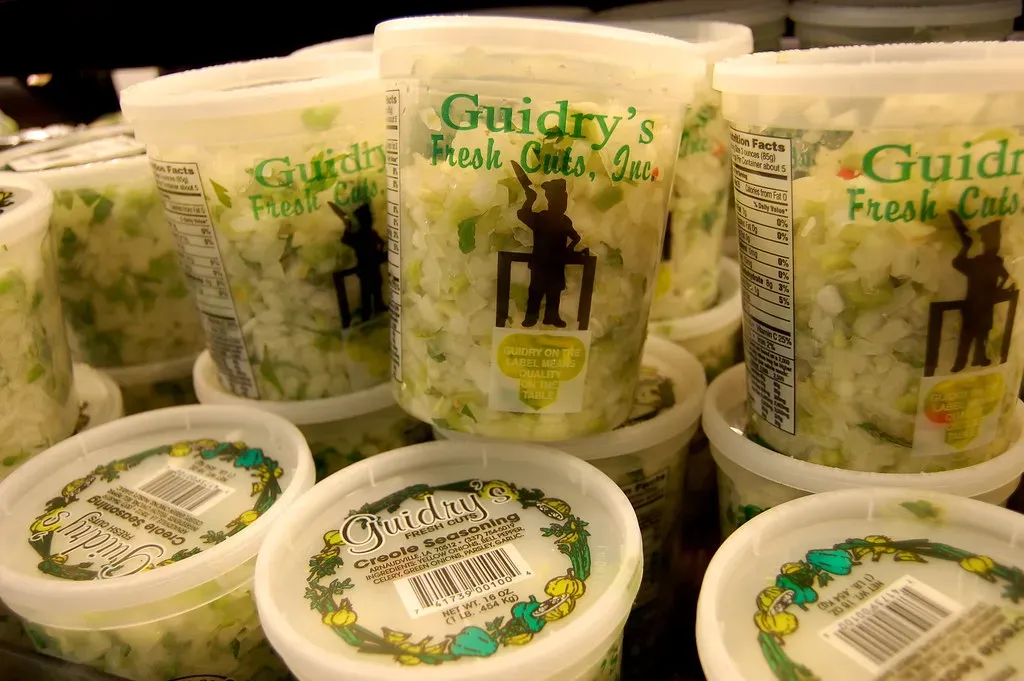
Those perfectly diced onions and adorable little melon cubes are genuinely tempting. I get it. After a long day, the last thing you want to do is stand over a cutting board. But the financial hit is staggering. Walmart’s diced yellow onions cost an eye-watering 12 times the price per ounce of a bag of whole yellow onions from the same store.
Produce that has been sliced, chopped, or diced comes with a convenience markup and is priced an average of 40% more compared to the whole vegetable or fruit. That’s not a small surcharge. That’s a tax on laziness. Pre-cut fruits and veggies cost more because you’re paying for labor, packaging, and waste risk, plus their shorter shelf life makes them pricier to stock.
There’s also a nutritional downside that most people don’t know about. Cutting fruits or vegetables exposes them to oxygen and light, and sometimes heat, all of which affect vitamin retention in food. Because cut produce loses water faster, water soluble vitamins like B and C also evaporate faster. So you’re paying more for something that’s nutritionally inferior. Tough sell.
3. Name-Brand Breakfast Cereal: You’re Paying for the Box, Not the Food
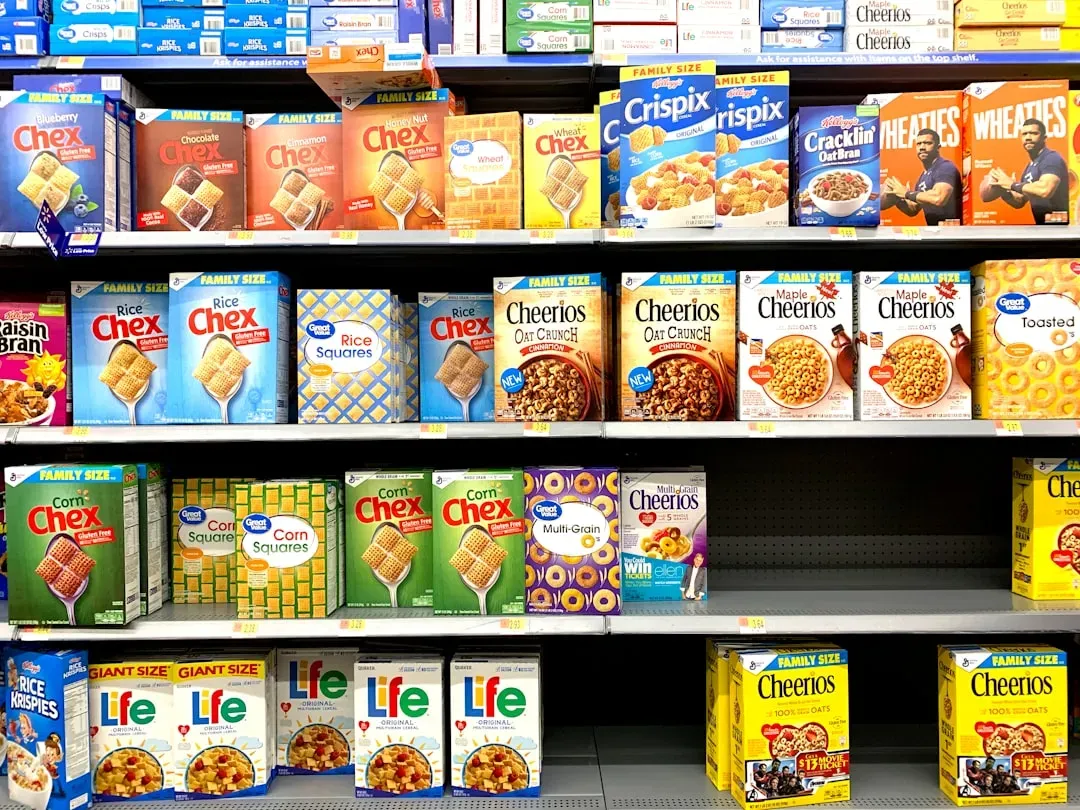
Walk down the cereal aisle and you can almost feel the nostalgia radiating off those bright boxes. Toucan Sam, Tony the Tiger, the whole crew. Honest opinion? You are mostly paying for that packaging and for decades of aggressive advertising. A 2007 study published in the American Journal of Agricultural Economics found the average markup on cereal to be 28%. However, name-brand cereal Kellogg’s Corn Flakes had the highest markup at 44%.
Data on the cost of cereal from 2022 to 2023 shows an average price increase of 13.6% across all cereals, while individual products such as Cap’n Crunch, Chex, Fruity Pebbles, and Froot Loops have seen price hikes from 22% to a staggering 42%. Meanwhile, store-brand equivalents sit right next to them for a fraction of the cost. When it comes to cereal, most of the time you’re paying for design and packaging rather than taste. Comparing ingredients between your favorite name-brand cereal and the less expensive generic brand will likely reveal they are nearly identical, with a less appealing box and a 30 to 50% lower price tag.
It’s hard to argue against the numbers here. The cereal itself hasn’t gotten dramatically better. The price just has.
4. Grocery Store Beef: A Category in Serious Price Crisis
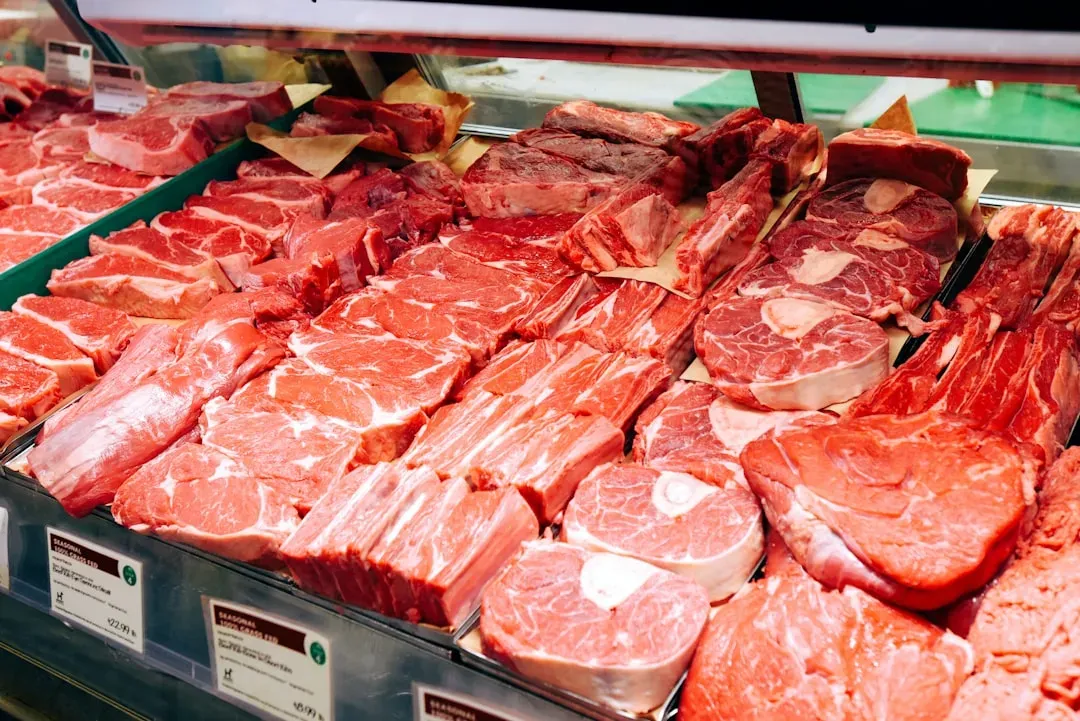
Steak night used to be a regular thing for a lot of families. Now it’s more of a special occasion, and even then, people are flinching at the checkout. Beef and veal prices are up nearly 15% year-over-year, leading all non-beverage food items for inflation according to the CPI. That is a dramatic jump in a short window of time.
The underlying causes are structural, not temporary. Part of the driving force, as explained in a 2024 report by the USDA Economic Research Service, has been the reduction of the U.S. cattle herd to a level not seen in more than 70 years. Texas and Kansas have endured years of drought that have dried up pastures and increased the cost of feed, driving ranchers to sell their herds. Fewer cattle means less beef, which means higher prices at the meat counter.
One NPR study found that the cost of ground beef rose 7.2% between December 2023 and December 2024. If you compare ground beef prices from December 2024 to August 2019, you’ll notice a 33.9% difference. As a swap, boneless pork chops decreased by more than 20% between December 2023 and December 2024, making them a suitable protein replacement for ground beef.
5. Grocery Store Coffee: Your Morning Ritual Is Getting Expensive Fast
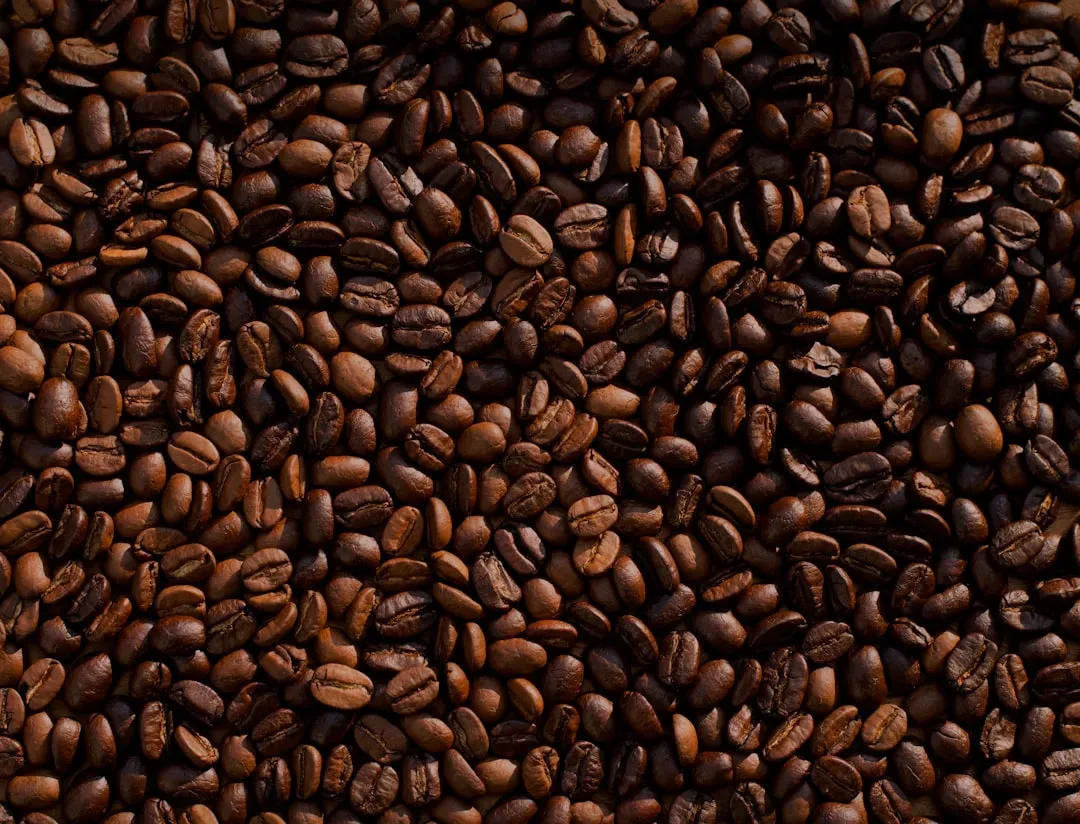
Coffee is one of those daily rituals that feels almost sacred to millions of people. Nobody wants to give it up. The problem is that prices have been surging in a way that is hard to ignore. Recent Consumer Price Index data shows that coffee prices are still trending upward. Overall food-at-home coffee prices have climbed about 6% since February 2024, with instant coffee seeing an even sharper increase of 8.6%. Even as broader grocery inflation begins to stabilize, coffee remains one of the categories where consumers are still feeling consistent price pressure. This has translated to an average cost of $7.25 per pound of ground roast coffee, compared to $4.17 per pound at the start of 2020.
The reasons are largely tied to geography and climate. Supply chain disruptions and climate change are creating ideal conditions for rising prices. Temperature swings have combined with weather changes in Vietnam and Brazil, as both countries face record frost and droughts affecting both Arabica and Robusta crops. These are the two countries that together supply the vast majority of the world’s coffee.
Coffee prices climbed 1.8% in February alone and are up 18.4% in the past year. If you’re buying fancy ground coffee at the grocery store without comparison shopping, you’re likely overpaying. Warehouse clubs, discount grocers, and online bulk suppliers frequently offer the same quality at a noticeably lower cost per pound. It may feel like a small thing, but over a year it genuinely adds up.
6. Pre-Made Grocery Store Deli Items and Hot Bar Food: The Ultimate Convenience Trap
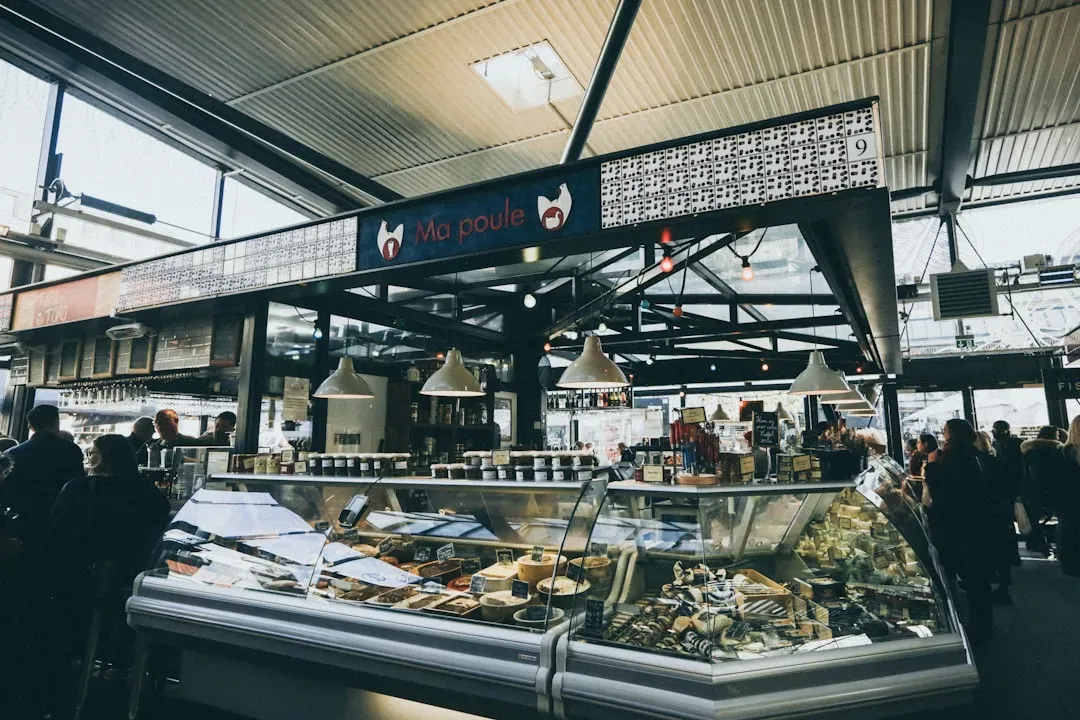
There’s something almost magical about walking past a hot bar or a fully stocked deli case. It smells incredible, it looks fresh, and it promises a shortcut to dinner. Here’s the thing though: you’re paying an extraordinary premium for that convenience. Depending on the dish, you could save up to 90% on items like premade salads, hot-bar items, and ready-to-eat meals, according to consumer savings experts.
Hot bars are a trap. As you stroll through the grocery store, growing hungrier while meandering from aisle to aisle, self-control is pretty hard to muster when you come upon the hot bar. Just remember that the prices are outrageous and you’re better off resisting the temptation. It’s a bit like going to the gas station hungry and buying a hot dog. The decision looks different when your stomach is doing the thinking.
The bakery is one of the most overpriced sections of any grocery store, with markups topping 300 percent. Baking cookies, cupcakes, and birthday cakes from scratch is the cheapest way to go, but even boxed cake and brownie mixes are a less expensive alternative to the bakery. The markup on in-store prepared foods often rivals that of a sit-down restaurant, without the ambiance. That’s a tough value proposition in an era when grocery costs are still elevated. Even now, the average monthly grocery bill remains roughly 30% higher than it was in 2019, underscoring just how much prices have reset over the past several years.
What This All Means for Your Grocery Cart
The bigger picture here is one that experts have been flagging for a while now. Grocery store prices have soared more than 25% in the past five years, outpacing average wage growth. That gap between what we earn and what we pay at the checkout is real, and it isn’t closing anytime soon.
According to the USDA’s latest Food Price Outlook, grocery price increases are expected to remain relatively moderate heading into 2026. Food-at-home prices rose an estimated 3.2% in 2025, a noticeable uptick from the modest 1.2% increase in 2024. While the pace of inflation has cooled compared to the spikes seen earlier in the decade, prices are still climbing enough to keep budget-conscious shoppers on alert. Slower growth is not the same as relief. The prices that already climbed are staying where they are. As we head into 2026, it is still nearly impossible to avoid sticker shock when shopping for groceries. While food prices may not be soaring as they did in previous years, they remain high enough to make many of us rethink our shopping lists. Some items that were once staples are now splurges.
The six items on this list are not random. They share something important: either the markup is extraordinary relative to what you actually receive, the value simply doesn’t hold up against alternatives, or the price surge is driven by forces that aren’t going away. Knowing which items deserve your money, and which ones deserve to stay on the shelf, might be the smartest grocery skill you can develop right now. What would you have guessed was the most overpriced item before reading this?