
Every week, millions of shoppers wheel their carts through supermarket aisles, tossing in items out of habit, convenience, or clever marketing. Grocery prices have gone up nearly a quarter since 2020, and that number keeps climbing year after year. The painful truth is that a big chunk of your bill isn’t really about feeding yourself well. It’s about paying for packaging, branding, and convenience that ultimately benefits the store far more than you.
Food prices are up roughly a third since 2019, driven by the combined impact of rising input costs, supply chain disruptions, and corporate profits. Yet, hidden inside that broad statistic are specific items where the markup is so outrageous it borders on ridiculous. Let’s dive in and find out exactly where your money is quietly disappearing.
Table of Contents
1. Pre-Cut Fruits and Vegetables
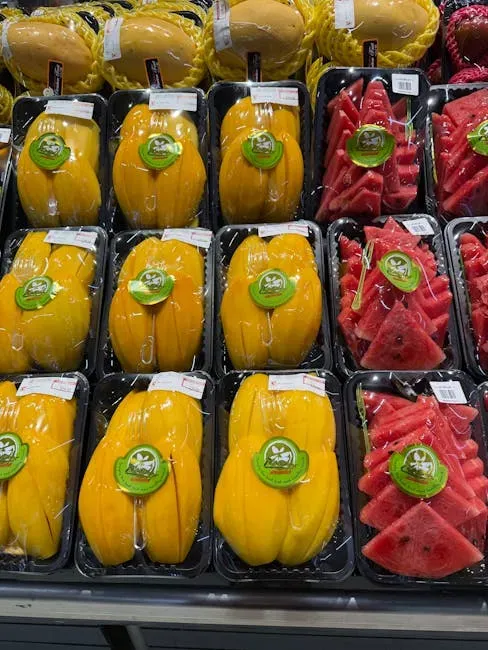
Let’s be real. That little container of pre-sliced melon or diced bell peppers looks appealing when you’re in a rush, but the price you pay for that convenience is genuinely shocking. In many cases, pre-cut produce costs double or even triple the price of whole items. Think about that. You are essentially paying someone a premium wage to do about three minutes of chopping for you.
The top reason for the higher price is labor, pure and simple. When you buy a whole vegetable at the grocery store, it’s been harvested, cleaned, and delivered. Pre-cut vegetables take far more steps: extra washes, peeling, slicing and dicing. On top of that, pre-cut veggies need to be packaged since they can’t just roll free on the shelves.
Pre-cut items also spoil faster than their whole counterparts. So not only are you paying more upfront, you’re also more likely to throw some away. That is a double loss, and one worth rethinking on every single grocery run.
2. Bottled Water

Honestly, this one might be the most egregious item on this entire list. Bottled water, which costs manufacturers just pennies to produce, is often sold at markups exceeding 4,000 percent. That is not a typo. Four thousand percent. You could fill a swimming pool with tap water for the cost of a single case of trendy sparkling water.
Bottled water is by far the most overpriced item in a grocery store. According to a report from Harvard University, it’s about 3,000 percent more expensive per gallon than tap water. The study also debunks the myth that bottled water is better for you, noting that the federal government requires far more rigorous and frequent safety testing of municipal drinking water.
A lot of the time, bottled water is actually just filtered tap water sold at a massive markup. On top of that, the environmental cost of all those plastic bottles is staggering. A reusable bottle with a basic filter is a one-time investment that pays for itself within a week. There is simply no good argument for buying bottled water regularly in 2026.
3. Name-Brand Breakfast Cereals
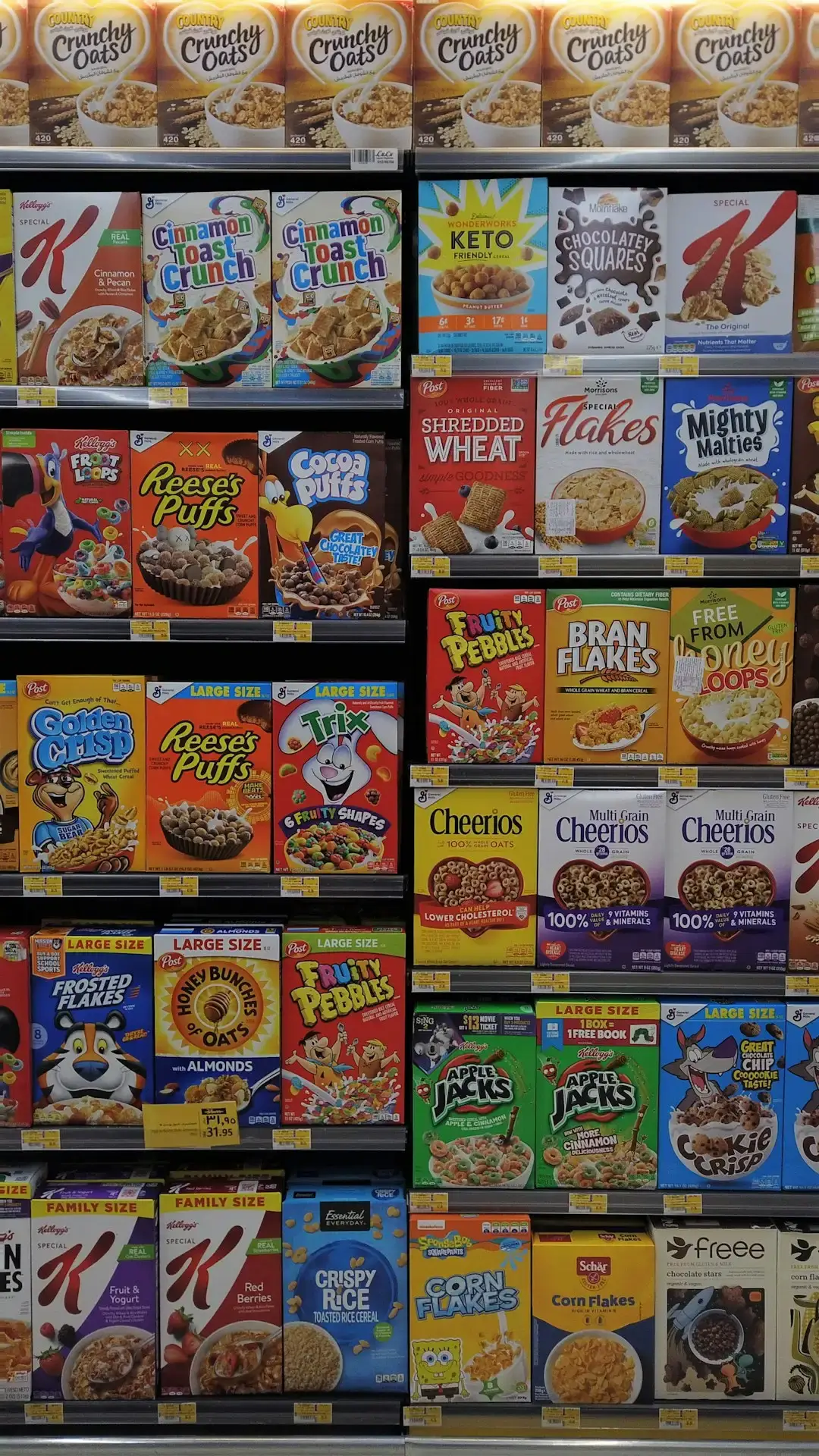
The colorful boxes, the cartoon characters, the prize inside. We grew up with them and that nostalgic pull is exactly what grocery brands count on. Name-brand cereals usually cost double what store brands do. In reality, the ingredients are almost identical, and you are actually just paying more for marketing and packaging.
Our love of breakfast cereals can come at a cost, to the tune of a roughly 40 percent markup on average. Think about that every single morning when you pour a bowl. You are quite literally eating advertising spend. At one grocery store comparison, a name-brand cereal was 43 cents per serving, while the generic was 20 cents per serving. Everything else about the cereal, including ingredients and calories, was exactly the same.
Using average cost per unit, in a store-wide price comparison between store brands and national brands, it is estimated that U.S. consumers save more than 40 billion dollars a year on grocery and household purchases by opting for the store brand. That number should stop you dead in the cereal aisle. Generic really is good enough.
4. Pre-Packaged Spice Blends
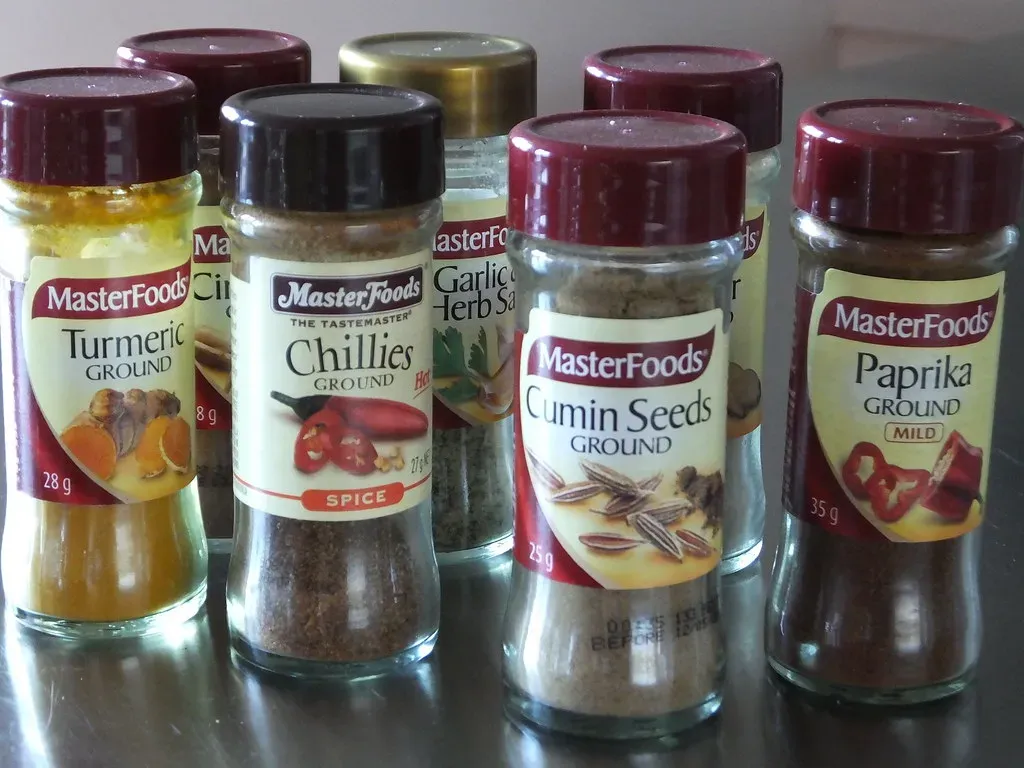
Spices are one of those grocery items where the markup feels almost personal. Cereal, baked goods, and spices are among the grocery items with the most significant markups. Retailers know that these are staple items for many households, and consumers are generally willing to pay a higher price for them. Spice jars in particular are notorious for selling tiny amounts at huge prices.
Pre-mixed spice blends and imported spices often come with high markups. Many blends contain simple ingredients you can mix at home for less. Buying single spices in bulk is usually cheaper than small jars of name-brand blends. It’s the same principle as the cereal: you’re paying for the label, not the flavor.
Here’s the thing. A taco seasoning packet you buy for two dollars is literally just cumin, chili powder, garlic powder, and salt. Ingredients you probably already own. Checking the international aisle for common spices at lower prices can also deliver real savings. That ethnic food section next to the fancy spice rack is one of the most underrated money-saving tricks in the supermarket.
5. Pre-Made Smoothies and Bottled Juices

The wellness aisle is a masterclass in convincing people to pay premium prices for sugar water. Pre-made smoothies and juices seem like a healthy choice, but they come with a high price tag. Many contain added sugars and preservatives that make them less nutritious than fresh fruit. The marketing around these products is extraordinarily powerful and remarkably deceptive.
These drinks are often loaded with sugar and markups. Brands charge a high price for branding and packaging, but you can make healthier versions at home with fresh or frozen produce and a basic blender. Think of it like this: a bottle of green juice might cost you six or seven dollars. That same blended drink made at home with frozen spinach, a banana, and some apple costs less than a dollar.
Non-alcoholic packaged drinks like juices and iced teas carry markups as high as 72 percent, according to data published by the National Association of Convenience Stores. That is a staggering figure for something that is mostly water, fruit concentrate, and clever bottle design. Your blender is not just a kitchen tool. It is a financial instrument.
6. “Fresh” Fish from the Seafood Counter
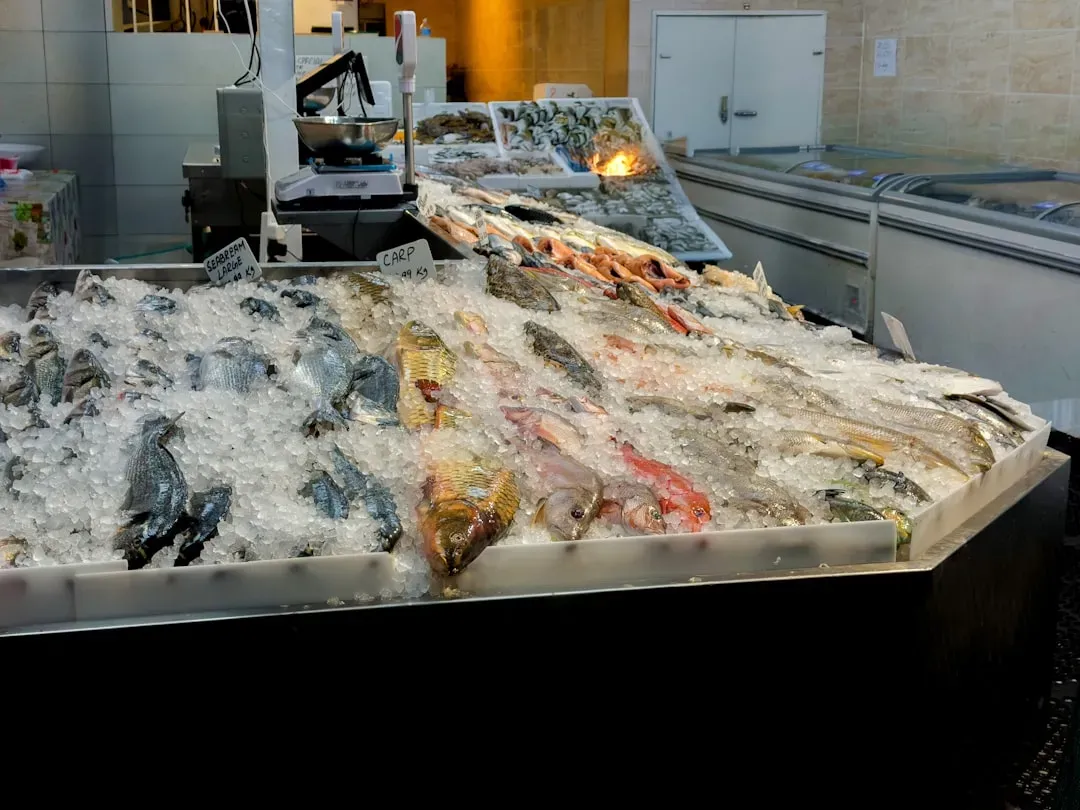
The glistening display of “fresh” fish at the seafood counter looks impressive. Ice beds, careful presentation, a guy in an apron who looks like he just stepped off a boat. I know it sounds crazy, but almost none of it is actually fresh the way you imagine it to be. Fish is almost always frozen when it arrives at the supermarket. It’s then thawed out and presented on ice, so it may appear like you’re splurging on a fresh catch, but it’s actually a bait and switch.
The frozen version is actually the superior choice. If you buy fish directly from the frozen-food department, you can save roughly 35 to 40 percent. There’s also a good chance it’s a better product because it hasn’t already been defrosted by the distributor and then rechilled by the grocery store.
It’s hard to say for sure which specific fish this applies to in every store, but the principle is consistent across the industry. The premium you pay at that counter is largely theater. Frozen fish, bought from the freezer aisle, often preserves quality better and costs significantly less. That is a straightforward win worth remembering.
7. Trendy “Health” Labeled Products
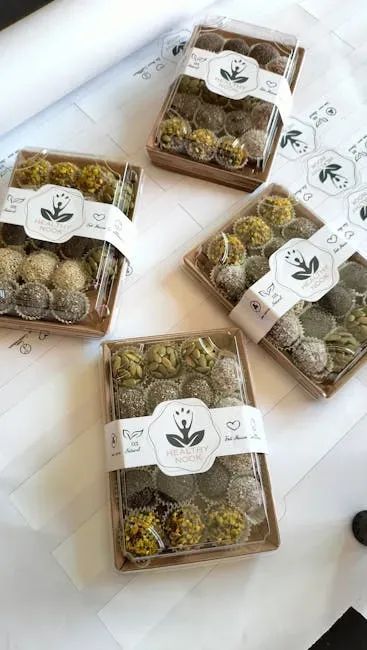
Walk past any product screaming “keto,” “paleo,” “gluten-free,” or “plant-based” and you are walking past one of the most brilliantly manipulative pricing tricks in modern retail. Items labeled as keto, paleo, gluten-free, or plant-based are often overpriced versions of simple foods. While some specialty products are necessary for medical reasons, others are just marked up due to trendy branding.
Labels that scream “Non-GMO, Gluten-Free, and Low-Fat” give the appearance that you need to opt for those more expensive items, when the reality is most of the time you are paying extra for no additional benefit. That “keto-friendly” almond butter costs twice as much as regular almond butter. Guess what? Regular almond butter was already keto. You paid for the sticker.
Some major brands reduced product sizes by over 30 percent in 2025 without reducing prices. Health-branded items are particularly vulnerable to this kind of manipulation because buyers already assume that “healthier” means “worth more.” Always read the ingredient list before falling for a label that promises a lifestyle transformation via granola bar.
8. Name-Brand Packaged Snacks Hit by Shrinkflation
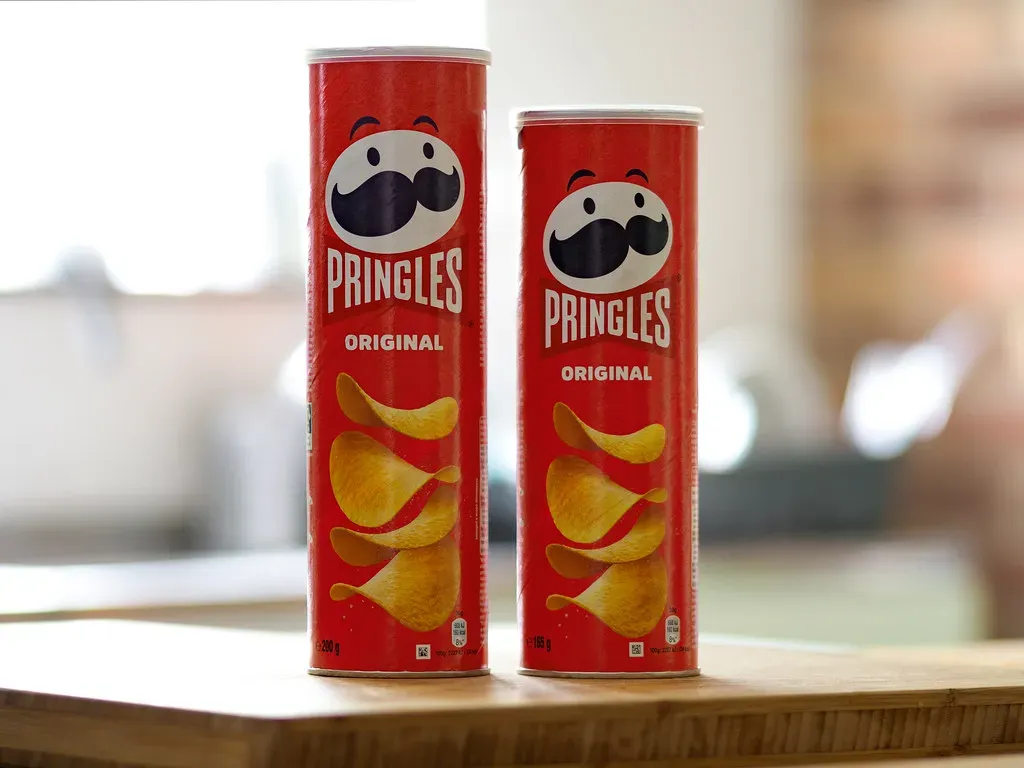
This one is sneaky and it deserves its own spotlight. Shrinkflation, also known as product downsizing, occurs when manufacturers decrease the quantity of an item without a corresponding price drop. Sometimes the price doesn’t change at all. Sometimes the price goes down slightly, but the price per unit is still higher than before. You are getting robbed in slow motion.
One industry analysis of 100 common grocery products found that roughly a third had shrunken in size between 2019 and 2024. Real-world examples are everywhere. Party and family-sized bags of tortilla chips are not as full as they used to be. Tostitos bags went from 18 ounces to 15.5 ounces in 2023, and the price stayed the same. Your snack bowl just quietly got smaller.
Per-unit price increases from shrinkflation ranged from 12 percent for paper towels to 32 percent for coffee between 2019 and 2024, according to the GAO’s July 2025 report. The defense against this is simple but requires a small habit shift: always look at the price per ounce on the shelf label, not the total sticker price. Three quarters of Americans have noticed shrinkflation at their grocery store, and nearly half have abandoned a brand because of it. You are not imagining it. The bag really is smaller.
What You Can Do Right Now
The overarching theme across all eight of these items is the same: convenience and branding cost real money, and that cost is often wildly disproportionate to the benefit. According to a study by the Private Label Manufacturers Association, consumers can save an average of 25 to 30 percent on their grocery bills simply by choosing store-brand options over name brands. That is not a small number. Over a year, for the average household, it adds up to hundreds of dollars.
Here’s a refreshed, 2026-ready version with a more current tone and flow: Data from 84.51° shows that by late 2025, roughly seven in ten consumers were actively seeking out sales, deals, and coupons more often than they were at the start of the year – a clear sign that value-driven shopping is no longer a temporary habit but a lasting shift. Shoppers have already adjusted their behavior in meaningful ways. U.S. store brand sales climbed to a record nearly $283 billion in 2025, marking a 3.3% increase over 2024, according to PLMA data. What once looked like a short-term response to rising prices has now evolved into a nationwide change in how people shop.
Small changes compound fast. Skipping the pre-cut melon, buying frozen fish, and grabbing the generic cereal box each trip might feel insignificant in the moment. Over a year? It can mean hundreds back in your pocket. The grocery store is designed to make you spend more than you need to. Knowing which items exploit that design is one of the most practical financial skills you can develop. What item on this list surprised you the most? Drop your thoughts in the comments.