
Think about what was on a typical American breakfast table 80 years ago. Not smoothie bowls and overnight oats. We’re talking creamed meats, smoked fish, and fried organ cuts that would make most people today do a double take. The morning meal used to be something entirely different, shaped by war, necessity, immigration waves, and the raw economics of survival.
Today’s breakfast trends are heading in a clear direction: protein, convenience, snackification. In 2025, nearly two thirds of breakfast eaters aged 18 to 34 said they preferred snacking in the morning rather than eating a full breakfast, according to Mintel. That’s a decisive cultural break from the sit-down, hearty, sometimes genuinely strange breakfasts that earlier generations considered completely normal. Let’s dive in.
Table of Contents
1. Creamed Chipped Beef on Toast (S.O.S.)
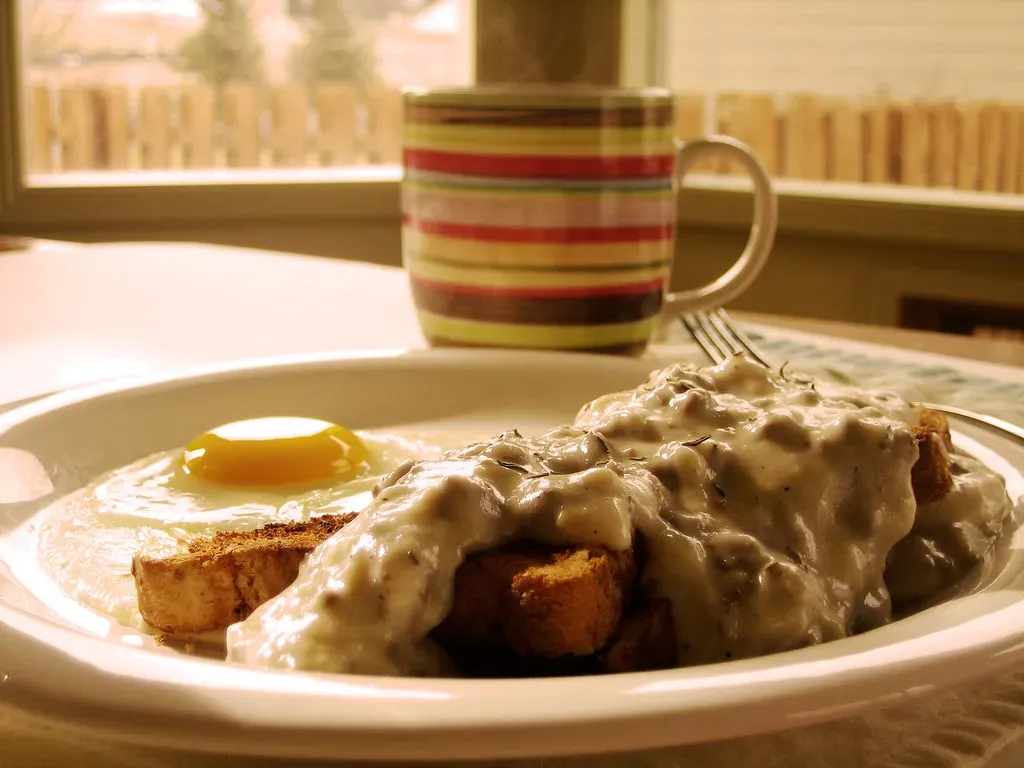
If you’ve never heard the nickname “SOS,” consider yourself lucky, or maybe just young. Chipped beef on toast is a dish comprising a white sauce and rehydrated slivers of dried beef served on toasted bread. In the United States, it was commonly served to members of the Armed Forces from World War I all the way through Vietnam. It was filling, cheap, and could be made in industrial quantities. Soldiers had very mixed feelings about it.
Like many other “poor man’s” style meals, creamed chipped beef is an example of Great Depression-era ingenuity. The old-school food rose to even greater prominence around World War II as a popular meal with enlisted members of the US military. After the war, nostalgic veterans brought a taste for it home, and it found a natural home on diner menus across the country. Honestly, it was one of those meals you either loved or hated with a passion.
Creamed chipped beef fell from popularity after World War II, when American troops had grown sick of it, nicknaming it “SOS.” By the mid-1990s, chipped beef was difficult to find in US supermarkets. Today, it’s essentially a ghost of the diner era, surviving in only a handful of regional establishments, mostly in Pennsylvania.
2. Liver and Onions for Breakfast
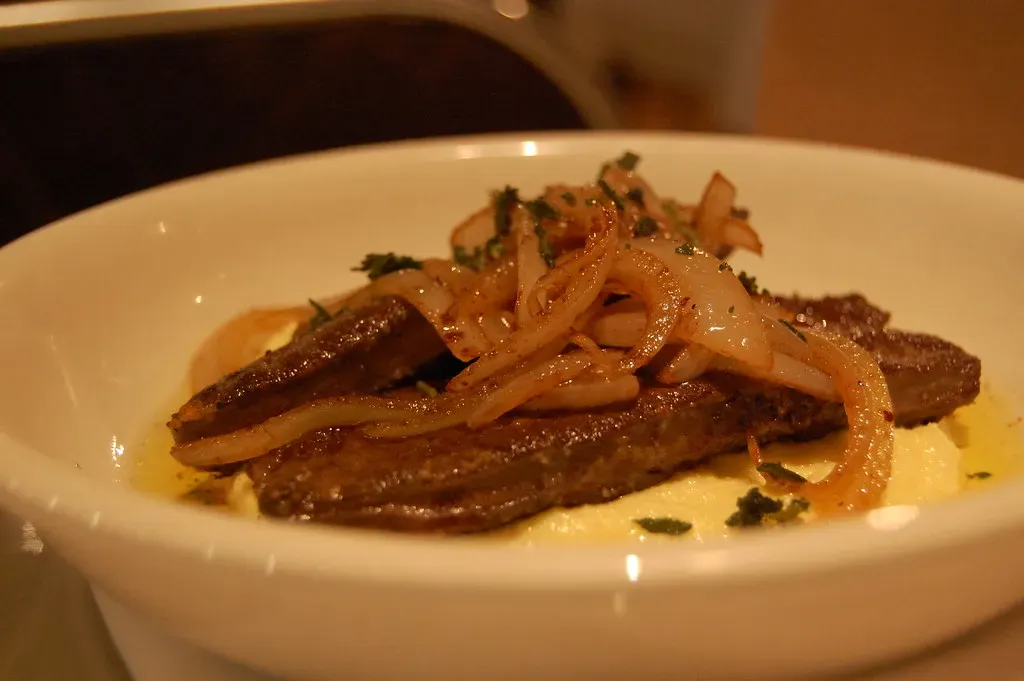
Yes, really. Liver for breakfast was a thing, and for a long time, a pretty common one. As shocking as it may sound, many people once consumed this organ-heavy dish in the morning hours, serving it alongside other breakfast staples like bacon and eggs. Traditionally an English foodstuff, this former breakfast food was often made from liver slices which were fried or cooked with onions, becoming so common in the US that it was once regularly served in diners across the nation.
During the Second World War and even up to the 1960s, it wasn’t uncommon to see dishes like grilled liver with bacon and fried onions listed on a diner menu. From the 1970s onwards, liver started to fall out of favor, in part because people just didn’t see the need to eat it anymore. The war years were over, and there were simply far tastier meats available.
Others shied away from the dish for health reasons, with sources recognizing an individual slice of liver to have as much as 90% of an adult’s suggested daily cholesterol in it. Additionally, the dish requires a good deal of prep work, making it an unappealing meal to cook first thing in the morning. Today, rather than diner kitchens, most of America’s liver is eaten by dogs and cats. That’s not a joke. That’s just the data.
3. Scrapple
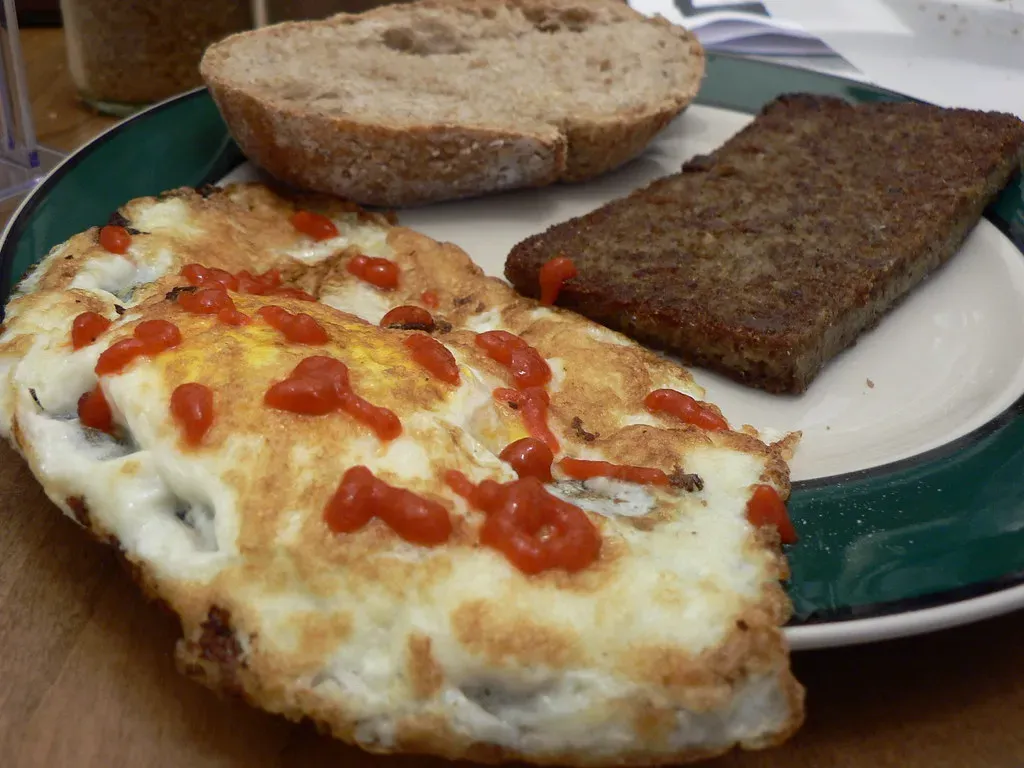
Let’s be real: the name alone was always going to be a tough sell for future generations. Scrapple is made with leftover pig parts that were not able to be used for sausage or bacon, which are then combined with cornmeal or buckwheat flour and spices such as sage, savory, salt, and pepper. The mush is formed into a loaf, sliced, and pan fried before serving as a breakfast side dish. This unique dish was introduced to the Philadelphia region of Pennsylvania by German immigrants, at which point the name “scrapple” was adopted in place of the German “panhas” meaning pan rabbit.
Born from the resourcefulness of 17th-century German immigrants, scrapple was their clever way of using every last bit of the pig. Pork scraps, including some organ meats, are simmered with grains like cornmeal and flour, seasoned, then chilled into a loaf. For a working farm family, this was smart, no-waste cooking. Nothing went to waste when times were hard.
While it still exists in niche markets and regional diners, scrapple’s strong flavor and unusual preparation have kept it from staying mainstream. For many, it’s a forgotten dish that represents a very different era of breakfast eating. Those who grew up with scrapple describe its crispy exterior and savory interior as completely irreplaceable. Outside of Pennsylvania and a few Mid-Atlantic pockets, most Americans under 40 have never even tasted it.
4. Kippered Herring (Kippers)
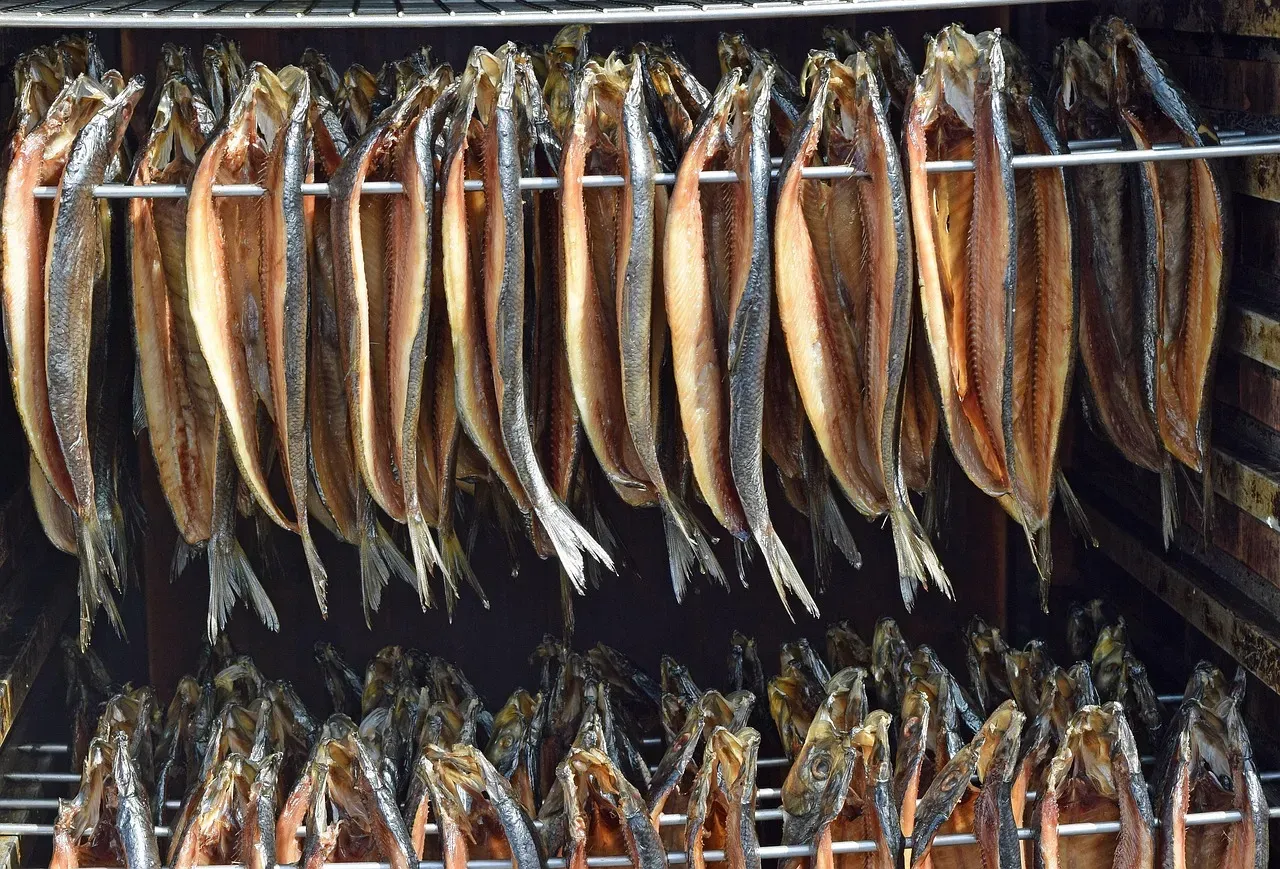
Here’s a food that once appeared on American breakfast tables with genuine regularity, especially in households with British or Scandinavian roots. Kippers are kippered herring, the kippering process referring to smoked herring. In the UK, particularly England, kippered herring are sold smoked and dry. They were advertised in major American newspapers as early as 1909. A traditional English breakfast for upper-class folks might include fried tomatoes, mushrooms, and smoked herring.
Kippers were such a big deal, especially in Great Britain, that the tiny fish were almost all depleted by the 1970s. In 1977, The New York Times did a whole story about overfishing and the resulting cultural shock waves. In the early 1950s, British fishermen were taking more than 100,000 tons of herring a year in the North Sea; in 1976 they caught 25,000 tons. The combination of overfishing and shifting American tastes pushed kippers almost entirely off the breakfast map.
Soused herring featured pickled fish with rye bread. Its sharp, tangy flavor attracted many immigrants but turned away younger generations. This Scandinavian breakfast nearly disappeared from American breakfast tables as sweet cereals grew popular. It’s hard to argue with that logic. When a bowl of sugary cereal is competing with smoked fish before 8 a.m., the fish is going to lose.
5. Hasty Pudding (Cornmeal Porridge)
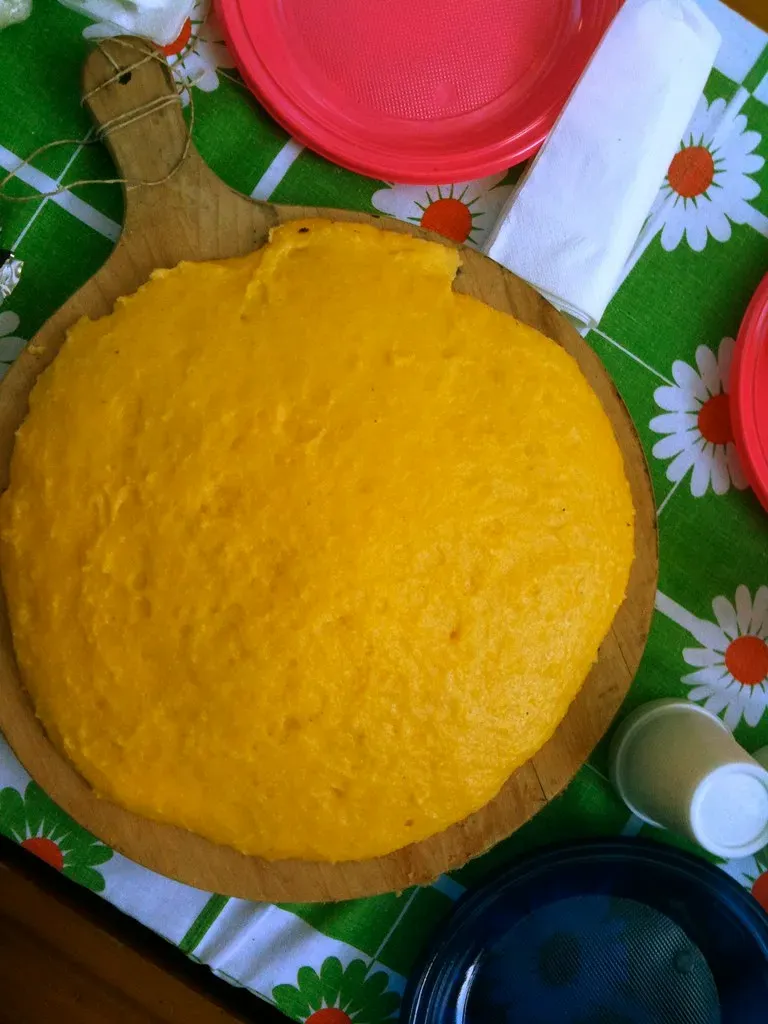
Long before granola, long before oat milk smoothies, early Americans started their day with a bowl of hasty pudding. Native American breakfast consisted of cornmeal mush and perhaps cornbread, both items the first European settlers adapted for their own breakfasts. The settlers also breakfasted on a quickly prepared porridge called “hasty pudding,” made with cornmeal and molasses. It was dead simple to prepare and required almost nothing in the way of ingredients or equipment.
A cowboy in the 1880s may have munched on antelope steak and boiled coffee, while the Puritan settlers of the Seventeenth Century enjoyed a cornmeal mash called “hasty pudding.” At first, wheat would not grow in the colonies, so corn again became the primary grain. Corn mush or hasty pudding was common, and the leftovers were fried and served with sweetener of some sort. Think of it as colonial overnight oats, except nobody was putting it on Instagram.
The rise of packaged and ready-to-eat cereals in the late 19th century gradually pushed hasty pudding off the morning table. Hasty pudding, a colonial breakfast dish, slowly evolved from a basic morning meal to a sweet dessert topped with cream. It still lives on in that form, but as a true daily breakfast staple, it is long gone from the American morning routine.
6. Buckwheat Pancakes
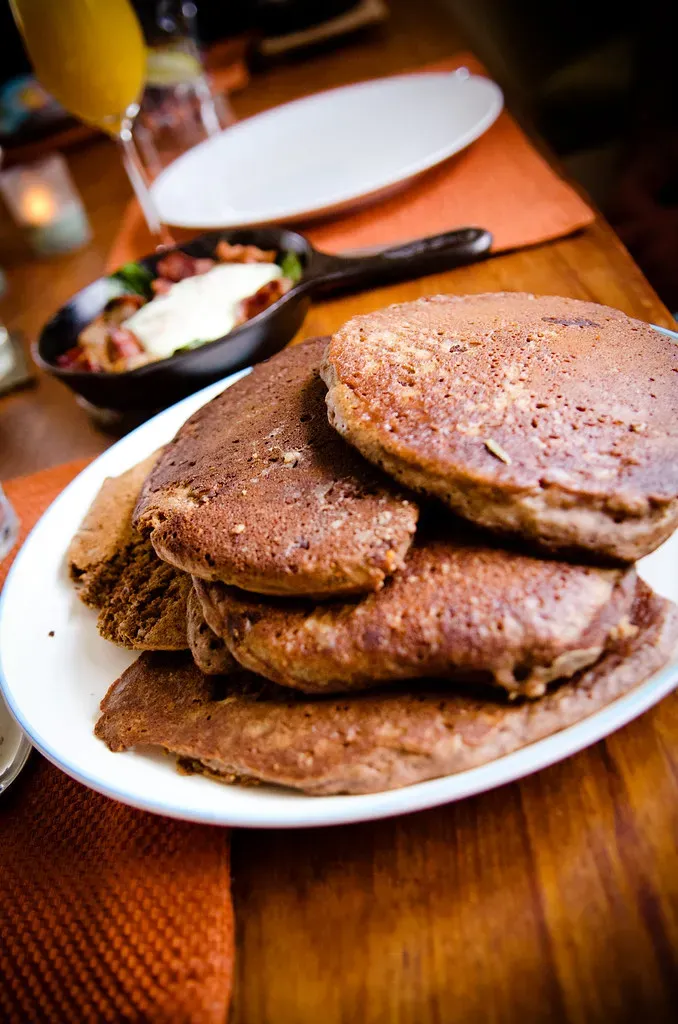
Not the fluffy, sweet short-stack pancakes of today. These were something older, earthier, and honestly far more interesting. Buckwheat pancakes were popular in the middle Atlantic region as well as in New England. Traditionally, they were made with a slightly sour yeast starter, and the batter had to be mixed at least twenty-four hours before the pancakes were cooked. Because the pancakes were considered heating to the system and the buckwheat grain was not harvested until late in the year, raised buckwheat pancakes were a winter breakfast dish.
They were enormously popular throughout the United States in the eighteenth and nineteenth centuries, so much so that the English traveler George Makepeace Towle said in 1870, “It is hard for the American to rise from his winter breakfast without his buckwheat cakes.” I think that says everything. This wasn’t a regional curiosity. For generations, these were as central to winter mornings as coffee.
By the middle of the twentieth century buckwheat cakes had become something of an anachronism. The arrival of instant pancake mixes meant nobody had to plan a day ahead for their breakfast anymore. Convenience won. It almost always does. The deep, slightly nutty and sour flavor of a true fermented buckwheat pancake is now something most Americans have simply never encountered.
7. Traditional Cold Cereal as a Daily Ritual
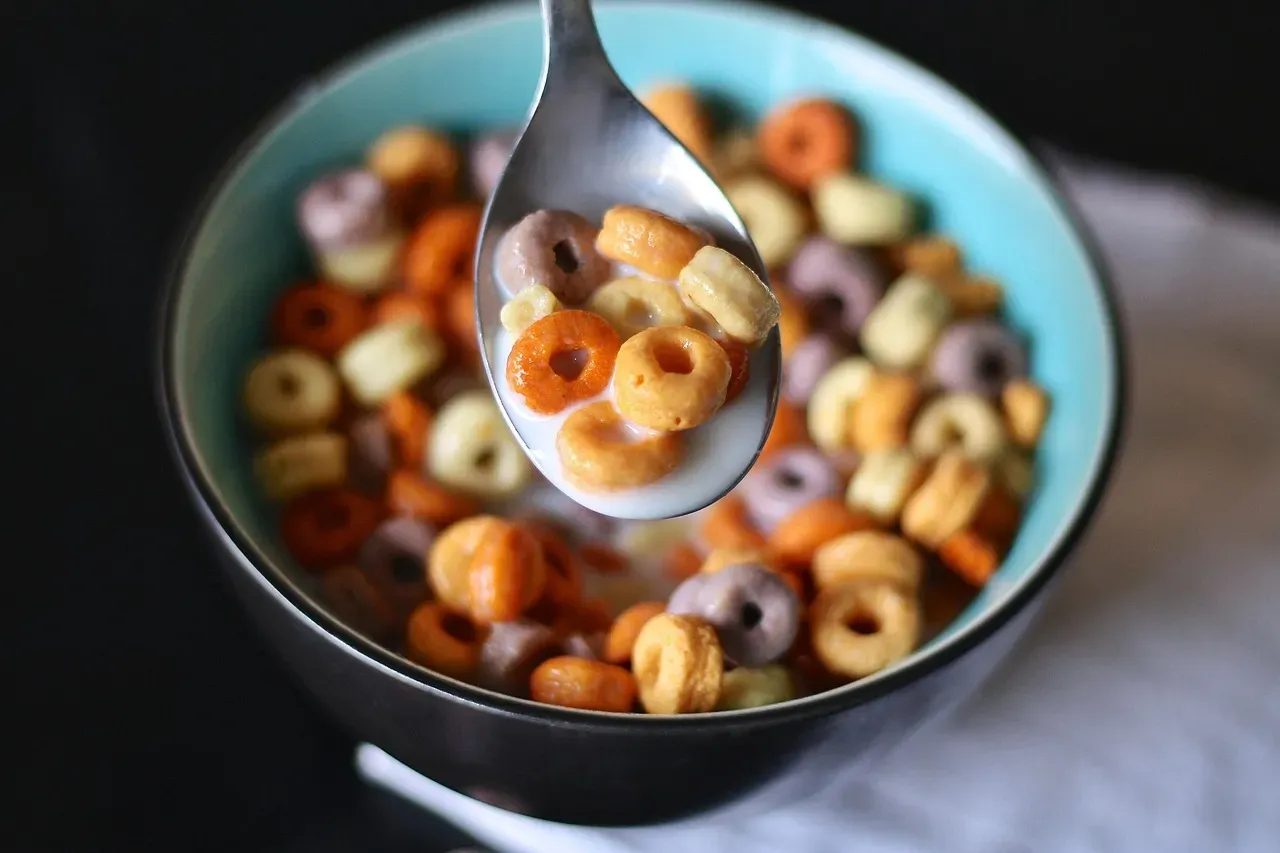
Wait, cereal? Yes, but not in the way you might think. The ritualized daily bowl of cold cereal, once the defining symbol of the 20th century American breakfast, is now in serious, documented decline. Except for a brief period during the coronavirus pandemic, when many workers were home and had time to sit down with a bowl of cereal and milk, sales of cold cereal have steadily fallen for at least 25 years, experts say.
U.S. sales of the colorfully packaged morning staple have been in a decades-long decline, a trend back in the spotlight with news that Italian confectioner Ferrero Group plans to purchase WK Kellogg, maker of Corn Flakes, Froot Loops, Rice Krispies and other familiar brands. That’s a remarkable statement on its own. Volume sales of both cold and hot cereals are projected to decline further in 2026, with hot cereals losing the gains made in 2024 and cold cereals continuing their long-term downward trend, according to Mintel.
Mintel describes breakfast as a flexible, fragmented eating occasion rather than a defined meal, with consumers increasingly replacing traditional breakfasts with portable snacks and informal eating patterns. Millennials and Gen Z, in particular, are driving this shift, as they tend to prioritize their health and well-being over the indulgent breakfasts of yesteryears. The cereal bowl that defined childhood mornings for so many Americans is quietly becoming another food memory rather than a daily habit.
The Morning Meal Has Always Changed, and Always Will
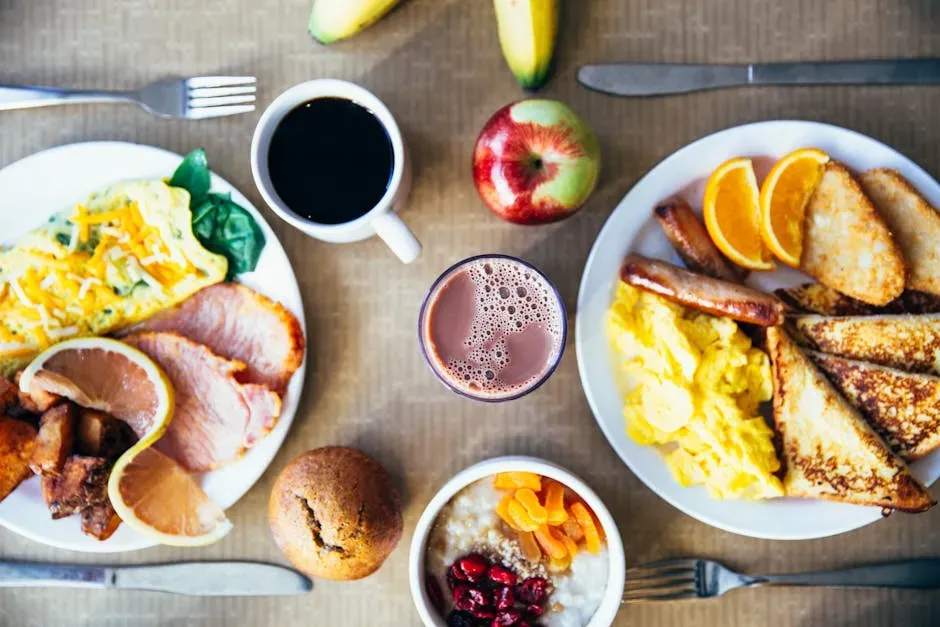
What’s striking about all of these foods isn’t just that they disappeared. It’s how quickly they went from essential to invisible. Scrapple, kippers, creamed chipped beef, these weren’t fringe foods eaten by a handful of people in specific regions. They were genuine staples. Everyday meals. The kind of thing grandparents made without a second thought. Many of these dishes vanished alongside shifting economies, evolving out of necessity in harsh times and trailing off as times improved.
The culinary landscape of America has transformed dramatically over the past century. Family recipes that once defined regional identity have quietly slipped into obscurity. Today’s shift is just as fast. By 2026, breakfast is increasingly behaving less like a defined meal category and more like a flexible moment in the day, according to Mintel. What began as shifts in product offerings has evolved into broader behavioral change – the morning meal continues to move and adapt, leaving yet another generation of traditional breakfast foods behind.
The real question is this: which foods on your breakfast table today will feel just as strange and alien to someone eating breakfast in the year 2075? What do you think? Drop your thoughts in the comments below.