
Most of us have been there. You feel that familiar scratch in the back of your throat, your sinuses start to fill up, and suddenly you’re wondering what you could have done differently. The truth is, your kitchen might already hold some of the most powerful infection-fighting tools available. Not in pill bottles. In your fridge, your spice rack, your fruit bowl.
Science has been paying closer attention to the connection between diet and immune function, and what it keeps finding is genuinely fascinating. Some of the most ordinary, affordable foods you can buy at any grocery store carry real, measurable antibacterial, antiviral, and anti-inflammatory properties. Let’s dive in.
Table of Contents
1. Garlic: The Ancient Antimicrobial Powerhouse
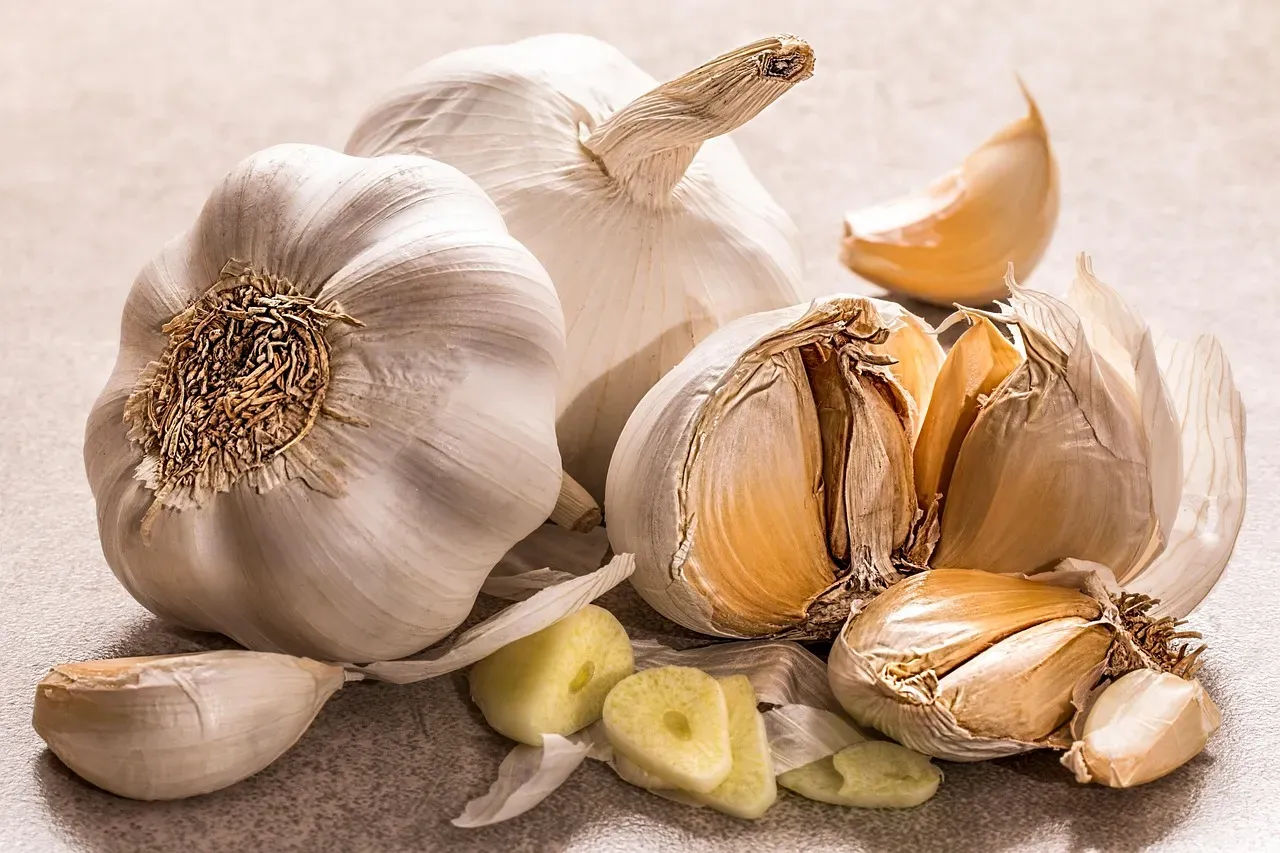
Garlic is probably the most well-studied food when it comes to fighting infection, and honestly, the evidence is pretty convincing. Garlic (Allium sativum) has been used traditionally to treat various ailments, especially bacterial infections, for centuries across cultures around the world. That long history isn’t folklore – it’s backed by modern science.
The key phytochemicals in garlic are organosulfur compounds, such as allicin, ajoenes, and allyl sulfides. These compounds exhibit various antibacterial activities, including bactericidal and antibiofilm activities, against many bacteria, including multidrug-resistant strains. Think of allicin as the sharp edge of garlic’s defense system.
Raw garlic demonstrated the strongest antimicrobial effects, primarily due to its high allicin content and other sulfur-containing organosulfur compounds, which are recognized as potent antimicrobial agents. So if you can handle the bite, raw is better. A little goes a long way.
Research has shown that garlic is effective against many gram-positive, gram-negative and acid-fast bacteria. That range of coverage is what makes garlic so remarkable as a natural food compound. It does not work like a single-target drug. It attacks on multiple fronts.
2. Citrus Fruits: Vitamin C and Far More
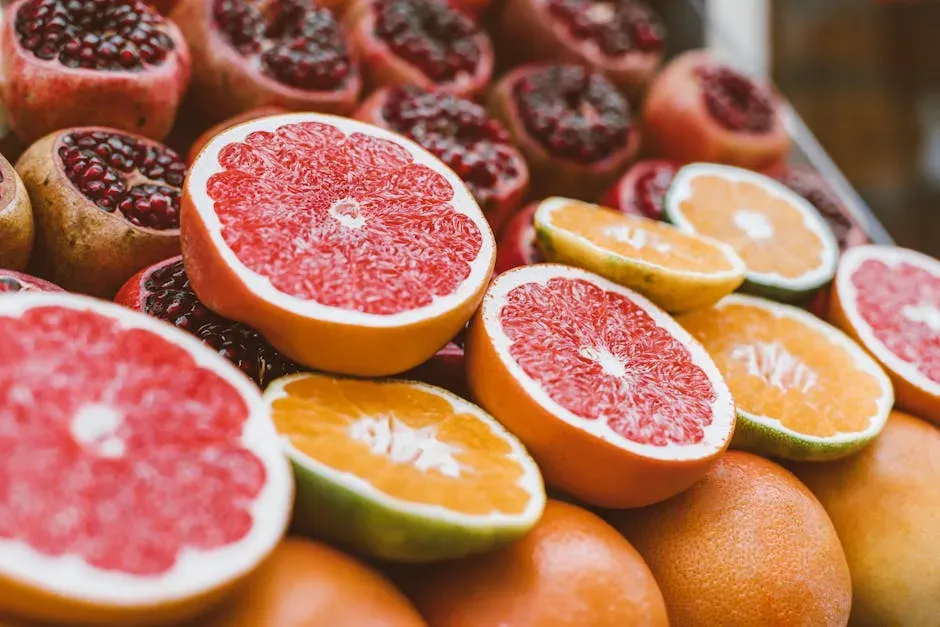
Everyone knows oranges and lemons are rich in vitamin C. But the story here is a lot deeper than most people realize. Vitamin C plays an important role in both innate and adaptive immunity, probably because of its antioxidant effects, antimicrobial and antiviral actions, and effects on immune system modulators.
Vitamin C is thought to increase the production of white blood cells, which are key to fighting infections. Most citrus fruits are high in vitamin C. White blood cells are essentially your body’s soldiers. More soldiers, stronger defenses.
People with vitamin C deficiency are more likely to develop infections, and vitamin C can reduce infection severity. Research from 2023 cited evidence that vitamin C can help uphold the body’s immune response, making getting enough essential for fighting diseases. There’s also the bonus of flavonoids in citrus fruits. Citrus fruits contain inflammation-fighting flavonoids, which add another layer of protection alongside the vitamin C.
3. Ginger: The Anti-Inflammatory Root
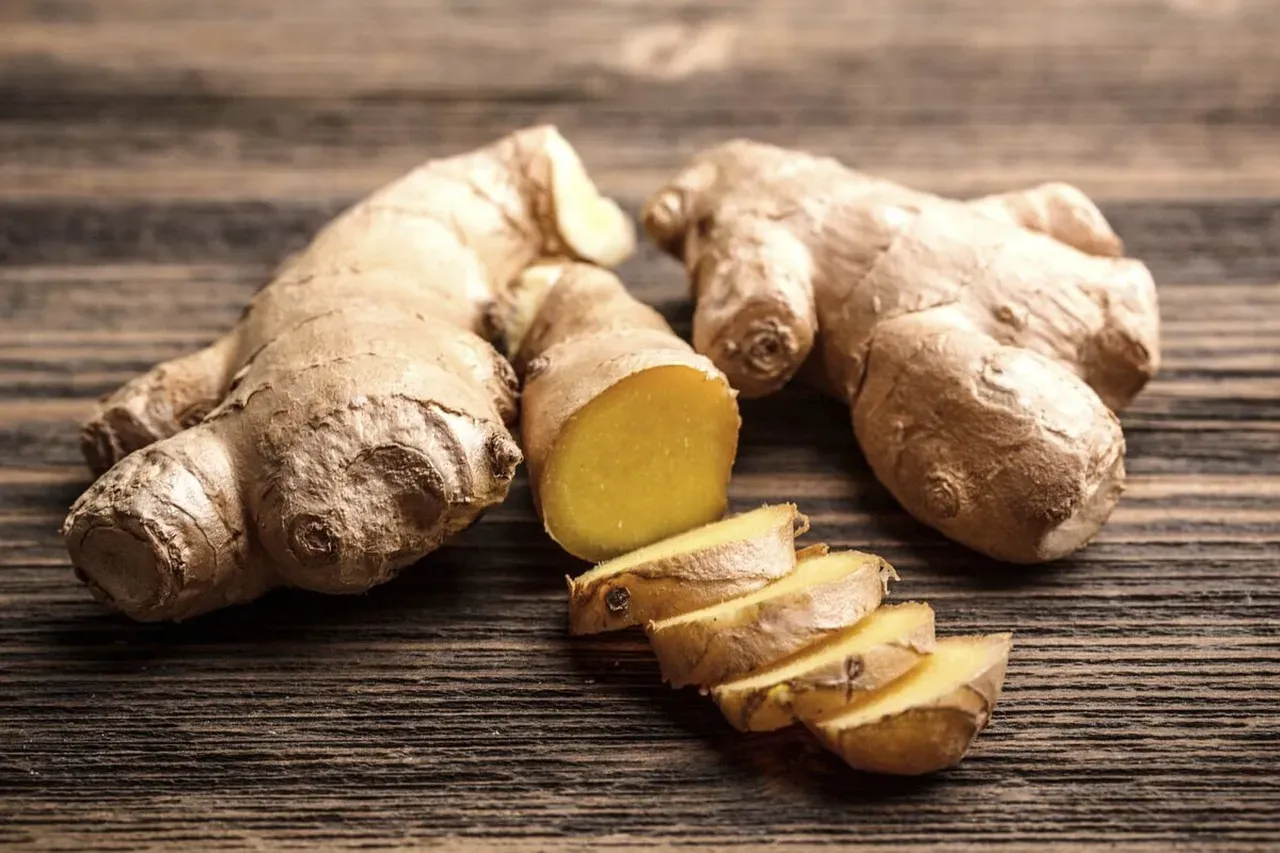
Fresh ginger is one of those foods that almost feels medicinal. It’s spicy, warming, and a little intense. But that intensity comes from something real. Ginger contains gingerol, a bioactive compound with powerful medicinal properties. Gingerol is the main reason ginger carries so much punch in such a small package.
Ginger has anti-inflammatory and antioxidant effects, which can help reduce inflammation and boost immune response. It also has antimicrobial properties s. A 2024 critical review published in Frontiers in Nutrition specifically examined ginger’s antioxidant, anti-inflammatory, and immunomodulatory activities, confirming these mechanisms scientifically.
Ginger may help decrease inflammation, which may help reduce a sore throat and inflammatory illnesses. It may also help with nausea. For anyone who has ever sipped hot ginger tea when sick, none of this is surprising. It is one of those cases where ancient wisdom and modern research actually agree.
4. Turmeric: Curcumin’s Immune-Modulating Magic
Turmeric has had something of a cultural moment in the last decade, popping up in lattes, supplements, and wellness circles everywhere. Here’s the thing – the hype around it is not entirely undeserved. The qualities of curcumin, a compound in turmeric, give it antioxidant and anti-inflammatory effects which may boost the immune system. It can also modulate the function of immune cells, such as B cells.
The active ingredient in turmeric, curcumin, has antioxidant properties and may help fight microbes and viruses. In 2025, a triple-blind randomized controlled trial published in Scientific Reports specifically examined the effects of turmeric on inflammatory biomarkers in patients with COVID-19, reflecting growing clinical interest in its real-world infection applications.
Certain compounds in turmeric neutralize harmful compounds called free radicals in sunlight and air pollution that can damage your cells, including those involved in your immune system’s response to infection. One practical tip worth knowing: curcumin is fat-soluble, so consuming turmeric with a healthy fat (like olive oil) and a pinch of black pepper dramatically improves how well your body absorbs it.
5. Yogurt: Probiotics That Fortify Your Gut Defense

Your gut is not just about digestion. It is a command center for immunity. Roughly two thirds of your immune system lives in or around your gut, which is why what you feed it matters enormously. Yogurt is a very effective immune-modulating food with potential therapeutic effects due to its ability to alter the microbiome of the gastrointestinal tract. The growth of harmful bacteria is suppressed as the number of beneficial bacteria grows, which helps to minimize infection.
Yogurt consumption has been shown in human studies to increase cytokine synthesis, antibody formation, and various cell activities, all of which help fight illnesses. That is a lot of immune activity from a single cup of yogurt. Not all yogurts are created equal, though. Look for labels that say “live and active cultures.” Also look for added vitamin D – studies show that people with low vitamin D levels may be more likely to get colds or the flu.
Several randomized, controlled trials found that older adult participants receiving milk fermented with live bacteria didn’t get fewer gastrointestinal or respiratory infections, but they recovered more quickly compared to those in the control group. Faster recovery is a meaningful benefit, especially for older adults or anyone with a weakened immune system.
6. Spinach: The Green That Does More Than You Think
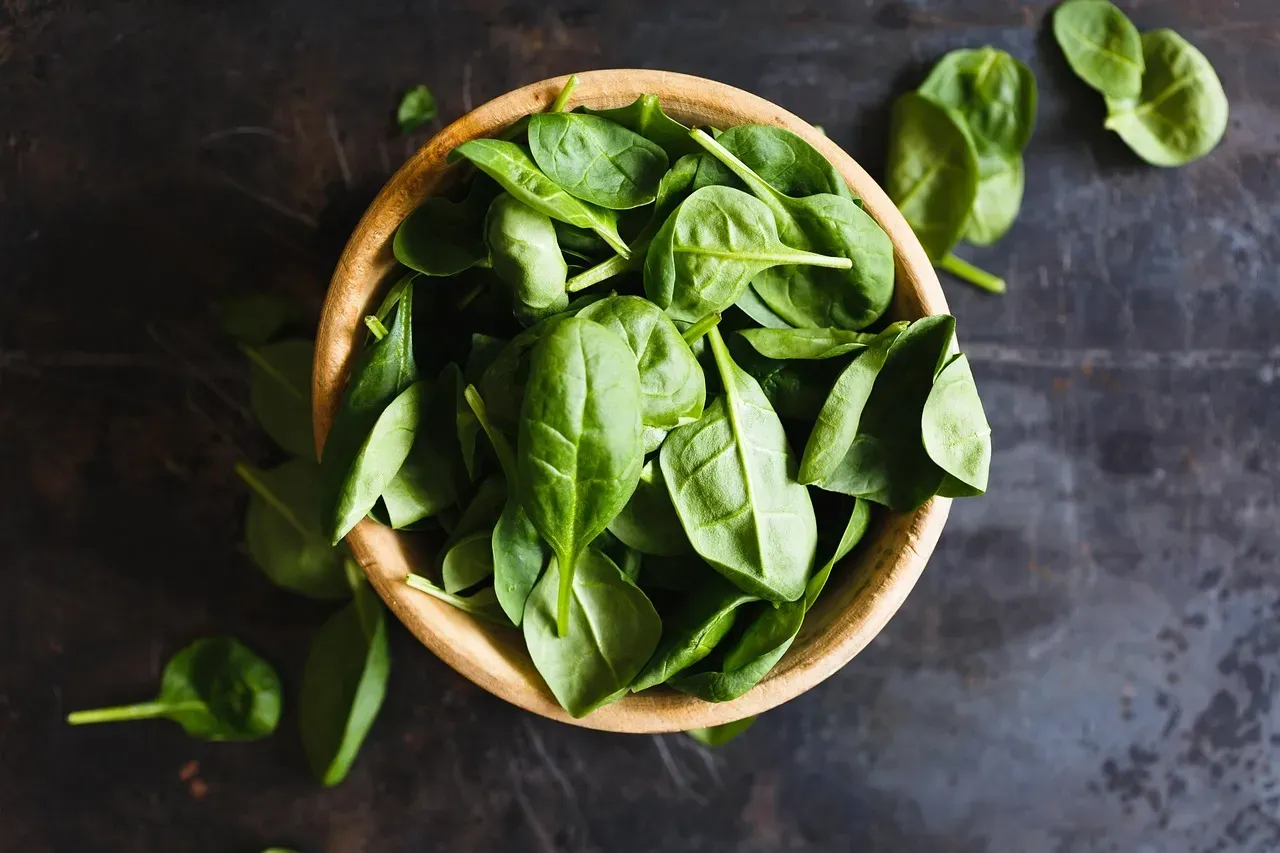
Spinach is one of those vegetables that shows up on every “healthy food” list, and it can start to feel a bit cliché. But when you look at what it actually contains, the reputation is justified. Spinach is packed with numerous antioxidants and beta-carotene, which may both increase the infection-fighting ability of our immune systems.
Spinach is especially beneficial for immunity thanks to its high concentration of vitamin C, beta-carotene and folate. Folate is a compound that the immune system needs to regulate its response to infection. Folate rarely gets the attention it deserves in immune conversations. It plays a behind-the-scenes but essential role.
Leafy greens such as spinach, kale, and Swiss chard are packed with vitamins A, C, and E, which help to protect against harmful bacteria and viruses, and boost white blood cells. How you prepare spinach matters too. Light cooking helps release certain nutrients while preserving others, so a quick sauté or brief steam is a smarter move than boiling it into oblivion.
7. Green Tea: An Antiviral in Your Mug

There is something almost meditative about a cup of green tea, and it turns out that calm ritual might also be doing your immune system a genuine favor. A 2022 comprehensive review suggests that green tea contains polyphenols and other substances that can impact the immune system. Laboratory tests, animal studies, and human trials have found that green tea can regulate parts of the immune system.
Evidence suggests EGCG, an anti-inflammatory polyphenol in green tea, can significantly increase the number of T cells in the spleen and lymph nodes, which act to increase the immune response to infections. T cells are among the immune system’s most important soldiers, specializing in targeting specific pathogens. More of them means a more precise and powerful response.
Both black and green teas contain flavonoids that improve immune function. Green teas also have amino acids which help create germ-fighting chemicals. It’s hard to say for sure whether a daily cup will keep every cold at bay, but the research case for green tea as a routine immune support is genuinely solid.
8. Blueberries: Small Berries, Big Immune Impact
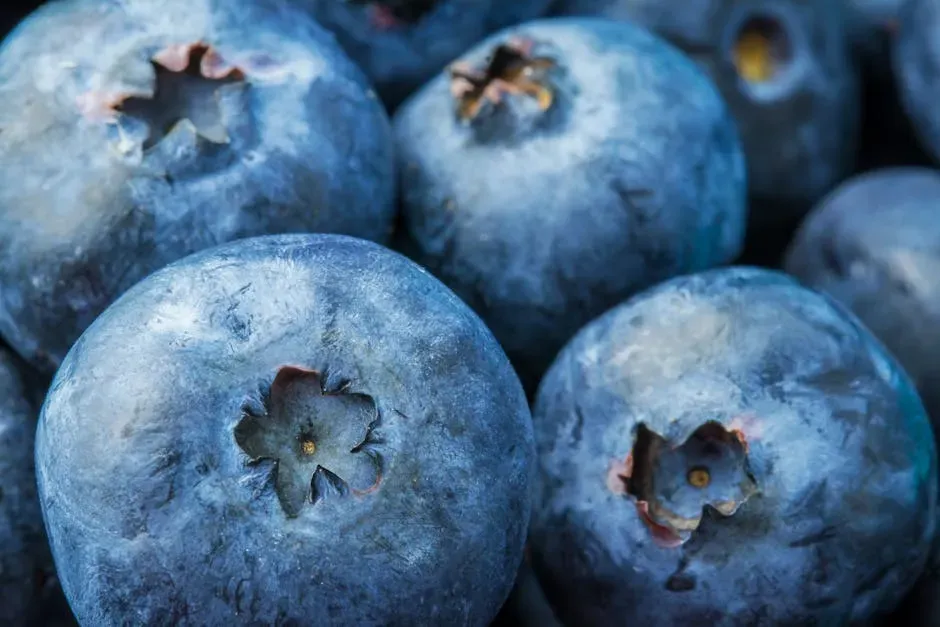
Blueberries look humble. They are tiny, soft, and easy to underestimate. But in terms of what they deliver to your immune system, they punch well above their weight. Blueberries contain antioxidants to help fight off free radicals. Free radicals are unstable cells in the body that contribute to aging and disease. Blueberries also contain flavonoids, compounds that help reduce inflammation and speed recovery from disease.
Blueberries are rich in antioxidants and flavanols, which help to reduce inflammation and protect your immune cells from being damaged by free radicals. Think of free radicals like microscopic wrecking balls inside your cells. Antioxidants disarm them before they can do lasting damage to your immune infrastructure.
Often called a “super food” because of their nutrient density, brightly colored berries are packed with vitamins, fiber and a type of antioxidant called polyphenols. Antioxidants are molecules that inhibit the effects of free radicals, metabolic by-products that can cause harm to cells. Fresh, frozen, tossed into oatmeal or blended into a smoothie – it doesn’t really matter how you eat them. The benefits come either way.
9. Honey: Nature’s Antimicrobial Sweetener

Honey has been used as a remedy for infections and wounds for thousands of years, and modern science has been catching up to explain exactly why it works. Honey is a natural immunity booster packed with antioxidant, antibacterial and antimicrobial properties. Those aren’t vague marketing claims – they reflect real biochemical activity.
Honey contains hydrogen peroxide and other natural compounds that can kill harmful bacteria and soothe sore throats. Its anti-inflammatory effects can help reduce coughs and ease cold symptoms. It’s also great for gut health, promoting the growth of good bacteria, which supports a strong immune system.
The diverse medicinal benefits of honey can be attributed to its complex composition, which varies depending on its botanical source. Produced by bees from the nectar of various plant flowers, honey contains a rich array of nutritional and bioactive compounds that modern science continues to explore. While carbohydrates make up approximately 80 to 85 percent of its dry weight, honey also includes organic acids, proteins, amino acids, minerals, polyphenols, vitamins, and aromatic compounds. Raw, minimally processed honey tends to retain the most of these beneficial compounds.
10. Salmon: Omega-3s, Vitamin D, and Two Layers of Defense
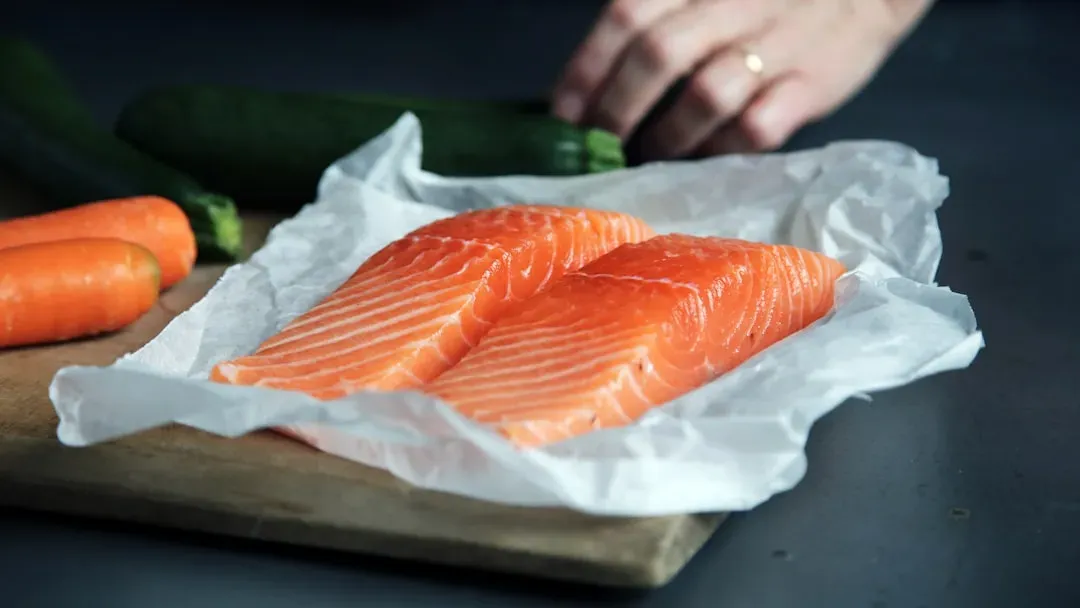
Salmon is perhaps the most nutrient-dense food on this entire list when it comes to fighting infection on two separate fronts simultaneously. There is a clear link between sub-optimal vitamin D levels and increased infection rates as well as higher death rates from microbial infections. That alone makes getting enough vitamin D a priority, and salmon is one of the best food sources available.
Wild-caught salmon is one of the few foods that contain a significant dose of vitamin D, providing 124% or even more of your daily value for a 3.5-ounce portion. Farmed salmon contains significantly less vitamin D than wild-caught salmon. Worth knowing next time you’re at the fish counter.
Vitamin D receptors are found in most immune cells. Adequate vitamin D levels may help maintain the body’s defense against infection. Beyond vitamin D, salmon is a rich source of omega-3 fatty acids, essential for brain health and immune function. Omega-3s reduce inflammation, improve circulation, and may even help prevent certain cancers. Two powerful mechanisms in a single delicious meal.
What the Science Consistently Shows
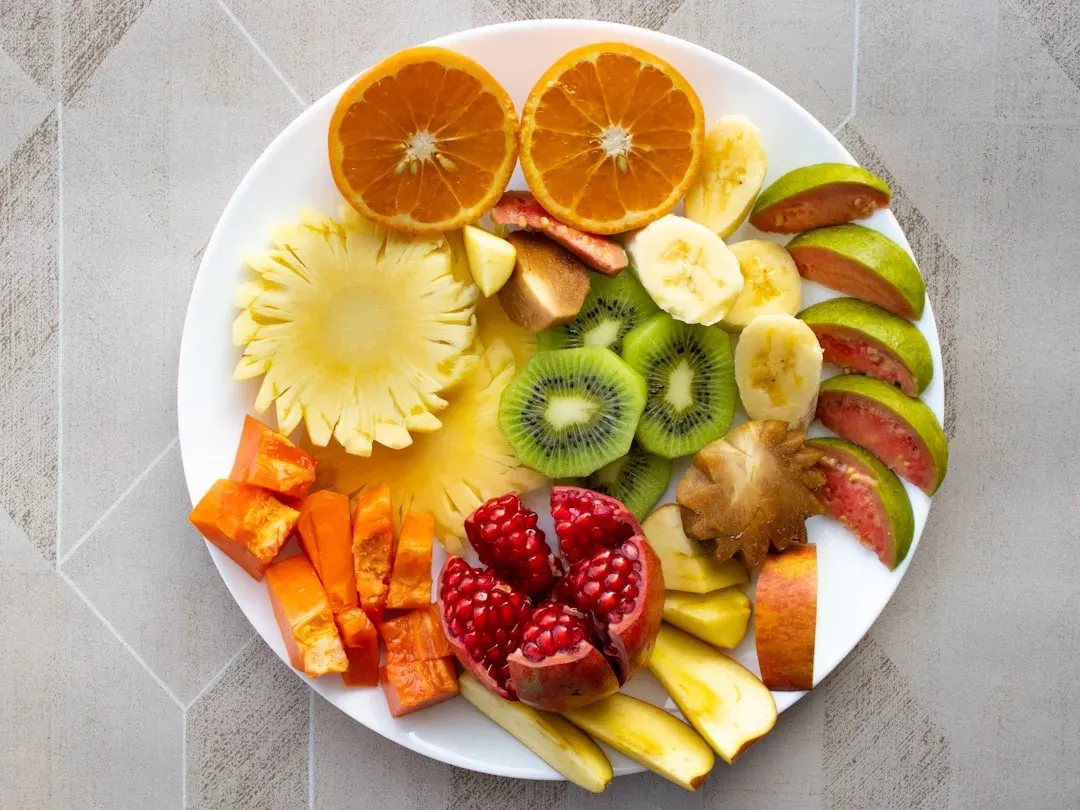
There is no food that will singlehandedly fight off infection. A well-balanced diet of lean protein, whole grains, and lots of fruits and vegetables is your best bet for immune system health. However, eating certain foods for immune health may help strengthen your body’s defenses. That balance is the real takeaway from everything the research suggests.
Good diet, social relationships, stress control, and not smoking or drinking all aid in maintaining a healthy immune system to enable the immune system to fight off pathogens and recognize harmless food antigens. Food is one piece of a larger puzzle, but it is a piece you have direct, daily control over.
The foods on this list are not exotic, expensive, or hard to find. Garlic, citrus, ginger, turmeric, spinach, yogurt, green tea, blueberries, honey, and salmon are staples available in virtually every grocery store in the world. The research backing their immune benefits, drawn from studies published in journals including Frontiers in Nutrition, Scientific Reports, PMC, and the NIH’s own Office of Dietary Supplements, continues to grow and strengthen.
Next time you feel a cold coming on, maybe the first place to look isn’t the supplement aisle. What would you add to your plate?