
You walk into a beautifully lit restaurant, the scent of something extraordinary drifts from the kitchen, and a host glides you to your table. Everything feels right. Except, if you know what insiders know, the real story of that restaurant is already laid out right in front of you before you even unfold your napkin.
Former fine dining staff have a secret. The table setting tells you almost everything you need to know about a restaurant’s standards. And most guests never stop to look. Let’s dive in.
The Table Setting Is the Restaurant’s First Report Card
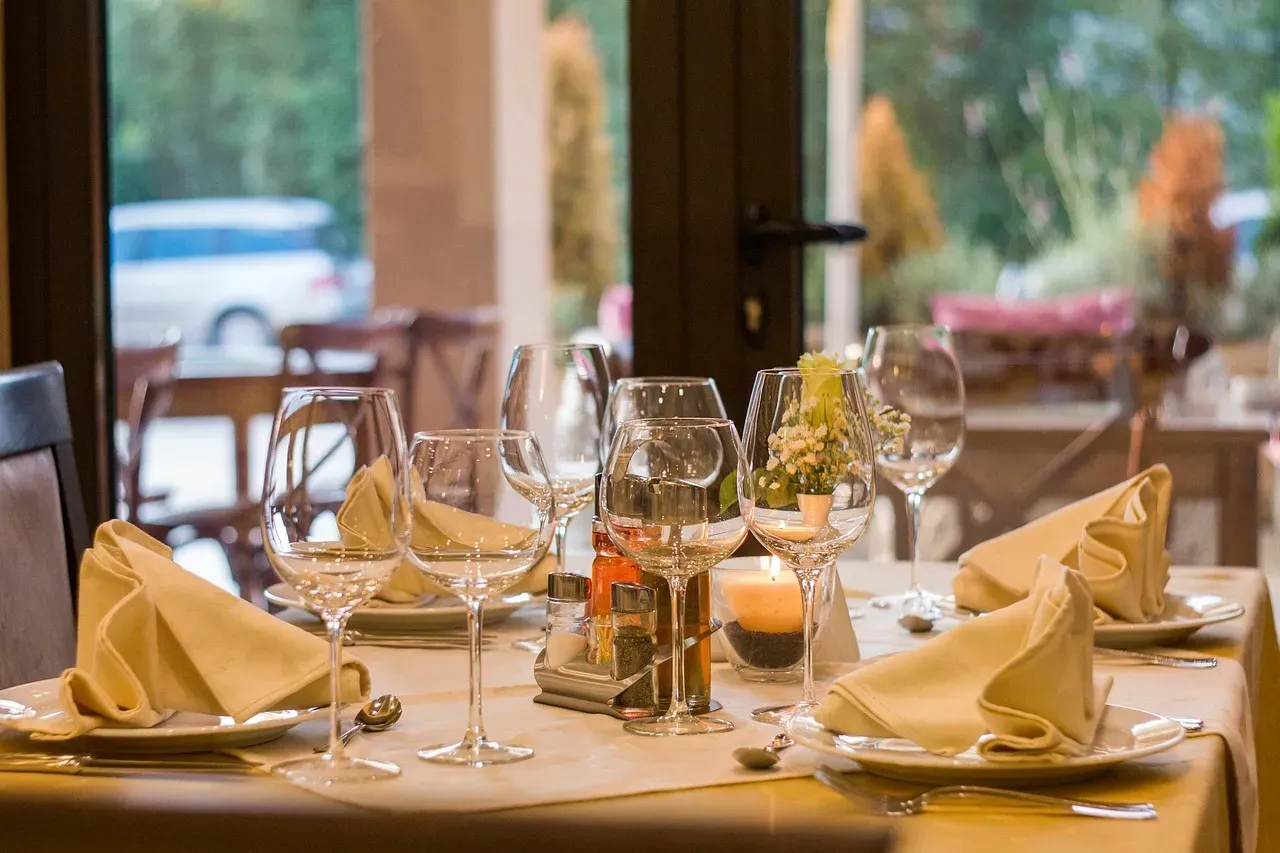
Table setting is a core feature of restaurants that cannot be neglected. The way tables are set has a profound impact on the customer’s experience, and it is often how many diners form their very first impression. Think of it like a business card. You can tell a lot about the company before anyone says a word.
Every dining experience has its etiquette, and table settings typically offer a clue to those unwritten standards while also helping to establish the ambiance, both at a restaurant and when entertaining at home. A rushed or careless setting communicates rushed or careless kitchen standards too. It really is that simple.
As a server, preparing dining tables for service is a strategic way to enhance the restaurant’s ambiance, and guests will know that service is excellent if they witness an impeccable table setting. Former fine dining professionals know this intuitively. They set tables not just for aesthetics, but as a statement of intent.
Polished Cutlery and Spotless Glassware Are Non-Negotiable
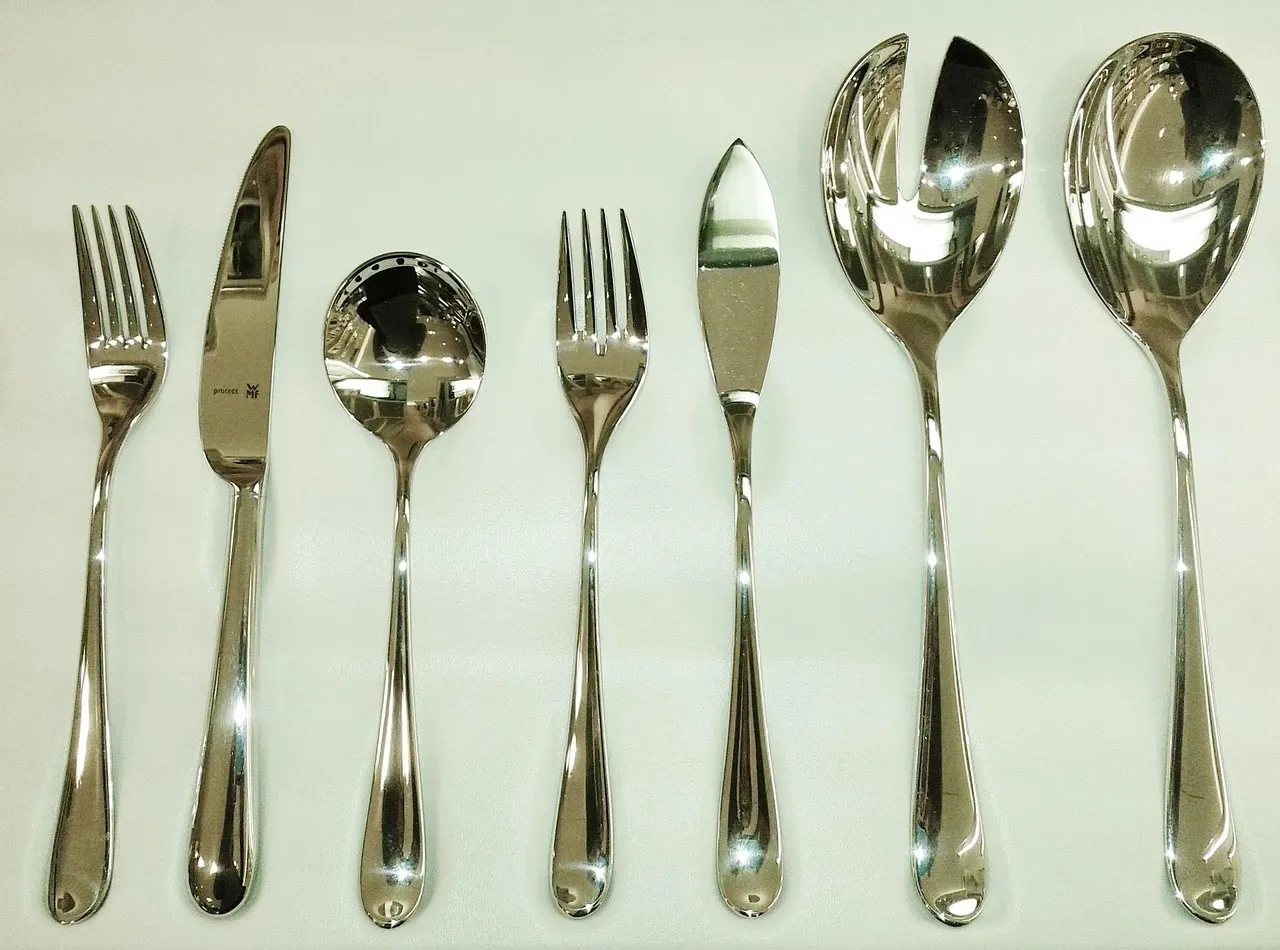
Each piece of tableware used for service should be inspected for chips, irregularities, and cleanliness. Flatware, glassware, and any silver pieces should be polished to remove water spots, and cotton gloves can be worn during polishing to eliminate fingerprints. If your fork has smudges on it at a fine dining establishment, something in the pre-service routine has already broken down.
A common misunderstanding is that it is acceptable to set tables without polishing cutlery and glassware first. Every piece should be polished, because watermarks or leftover smudges can make guests think the cleanliness standards are low, which might deter them from returning. Honestly, that’s a fair takeaway. A smudged fork and a smudged reputation often go hand in hand.
Research suggests that the vast majority of diners notice tarnished silverware before their food arrives. For restaurants and cafes, polished utensils are not just tools but silent ambassadors of quality, and a single fork with water spots or scratches can subtly undermine customer trust and repeat business. It’s a small thing with a surprisingly outsized impact.
The Cutlery Order Tells You What to Expect From the Meal
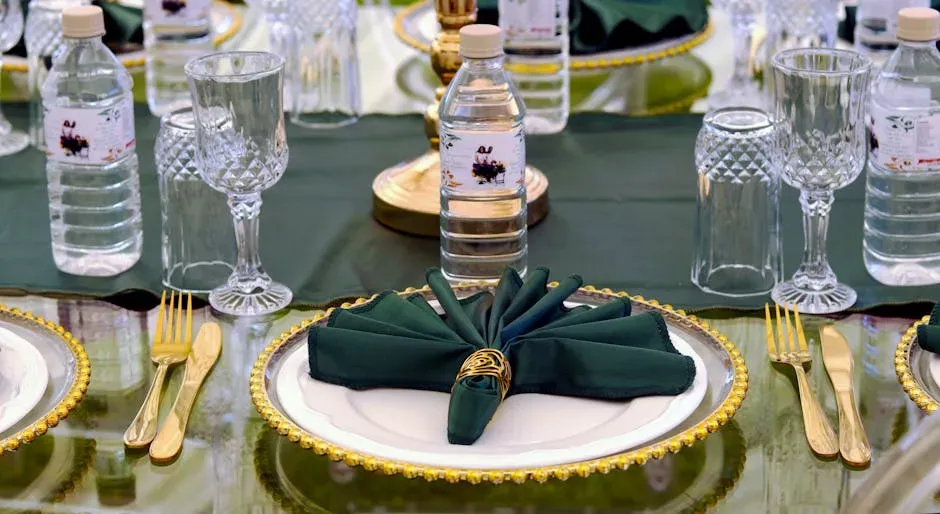
Cutlery follows a simple outside-in rule. The outer utensils match the first courses, and each subsequent piece works inward as the meal progresses. Forks sit on the left, knives on the right, and dessert utensils rest above the plate. A proper setting is essentially a preview of the meal’s architecture before a single dish arrives.
Table setting is a combination of form and function and should align with what dishes you serve and how you serve them. The setting signals to guests what is coming, whether a multi-course meal where people are expected to take their time or a casual, shorter experience. At an upscale establishment, a dozen or more items might be included in a place setting.
When it comes to flatware, a formal fine dining setting will require anywhere between nine and eleven pieces. Nine pieces will cover a normal six-course meal while eleven will include an extra knife and fork for a fish course. So here is the thing: counting the cutlery gives you a real preview of how ambitious the kitchen is about the evening.
The Napkin Is a Quiet but Meaningful Signal
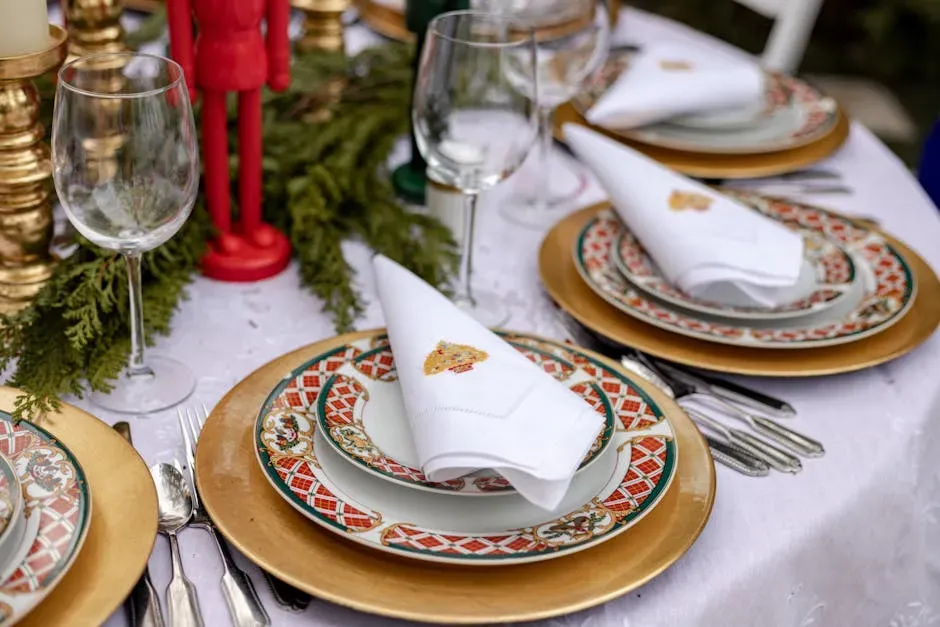
The napkin should remain folded in your lap unless you are leaving the table or using it to clean your face. When doing so, dab rather than wipe, and use the inside of the napkin to hide the marks. When the meal is over, place your napkin on the table, not on the plate. Simple rules, but a properly folded, freshly laundered napkin is one of the first things trained staff notice when inspecting a table.
All linens should be wrinkle-free and freshly laundered. The tablecloth should be draped over the table with an equal overhang length on all sides, and folded napkins should be placed to the left of the salad fork or on top of the dinner plate. A wrinkled or damp napkin is a red flag worth noting before you even open the menu.
Hygiene at the Table Reflects What You Cannot See in the Kitchen
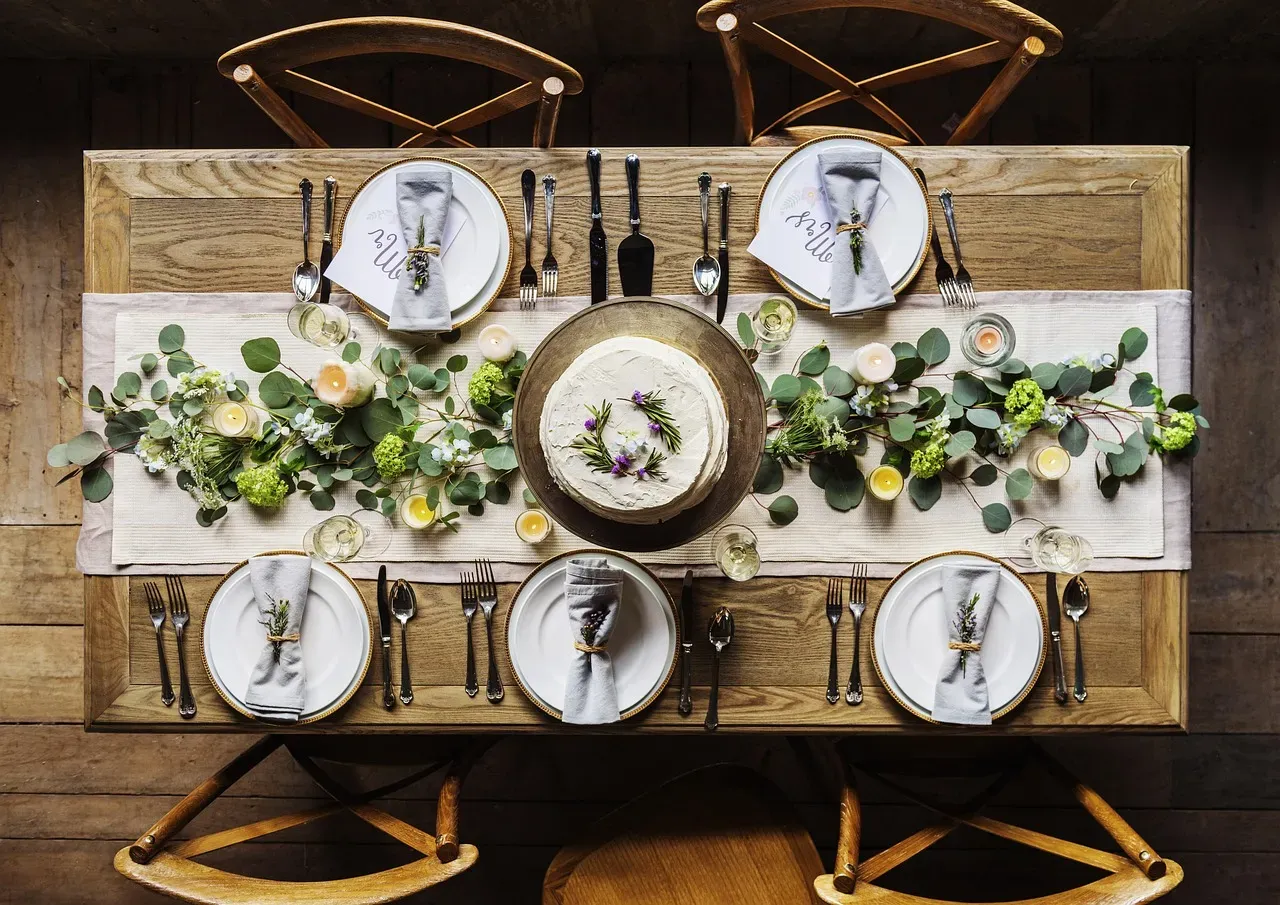
Let’s be real about something. What’s on your table is the visible tip of a much larger hygiene iceberg. Professional culinary educators note that what sits on restaurant tables can also give away the true cleanliness of an establishment. Condiments that are missing caps, have crusty caps, or are not refilled, as well as sticky or splotchy menus, can be a sign that things are not cleaned routinely.
Most Americans express how important visible cleanliness is when dining, and according to a P&G Professional survey, roughly four out of five diners said they lose their appetite when they see grease or dirt at a restaurant. That is an overwhelming majority agreeing with what former fine dining staff have always known.
According to the Centers for Disease Control and Prevention, foodborne illness affects approximately 48 million Americans annually. Beyond the human cost, hygiene violations can lead to closures, fines, and irreparable damage to a restaurant’s reputation. A poorly set table is rarely an isolated incident. It tends to point to a broader culture of inattention.
The Silent Language of Resting Cutlery During Service
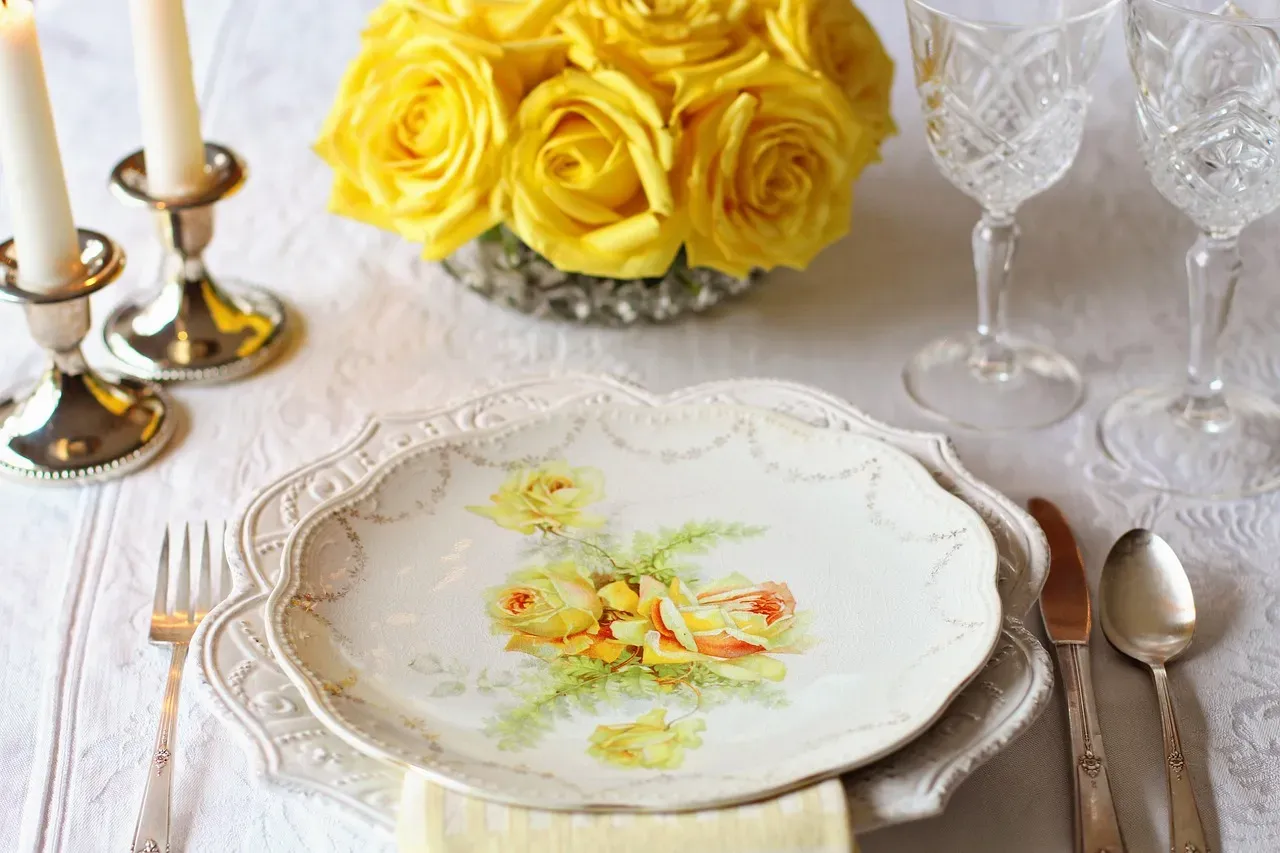
Resting cutlery etiquette is a method of non-verbal communication used in formal dining service. The guest places their flatware on the dinner plate in a certain position to signal their needs to the server, and the benefit of this etiquette is that the server can meet the guest’s needs without interrupting the table’s conversation. It’s essentially a whole silent language that most diners don’t even know they’re speaking.
Keeping cutlery resting on the plate between bites signals to staff that you are still eating, which helps them maintain smooth pacing. Placing your knife and fork parallel at the top right of the plate indicates you are finished, and staff recognize this instantly and clear your setting without interruption. Leaving utensils crossed suggests you are still eating, so this small detail controls the flow of the entire evening.
Service in fine dining follows precise movements. Food arrives from the left, drinks and wine arrive from the right, and plates are cleared from the right. These consistent rules prevent disruption and keep staff movement predictable. When you see a table set with precision and those movements followed flawlessly, you are watching a kind of choreography that has been rehearsed and perfected over years.
There is something quietly thrilling about learning this insider vocabulary. You will never sit down at a restaurant table the same way again. Before you pull out your chair, take ten seconds to look at what is in front of you. The cutlery, the glassware, the napkin fold, the symmetry. Together they tell you more about the night ahead than the menu ever will. What do you think? Have you ever noticed the table setting before sitting, or is this something you will start paying attention to now?