
Most people sit down at a restaurant, glance at the menu, and never give the waiter a second thought until they need to order. But people who have actually worked the floor for years will tell you something very different. What your server does in those first few seconds at your table is not random, not scripted filler, and definitely not something you should ignore.
There is real psychology baked into every opening move a server makes. The way they approach, what they say first, whether they look you in the eye – it sets the stage for your entire dining experience. And if you know what to watch for, it reveals a lot more about that restaurant than the menu ever will. Let’s dive in.
Table of Contents
The Seven-Second Rule: First Impressions Are Made Almost Instantly
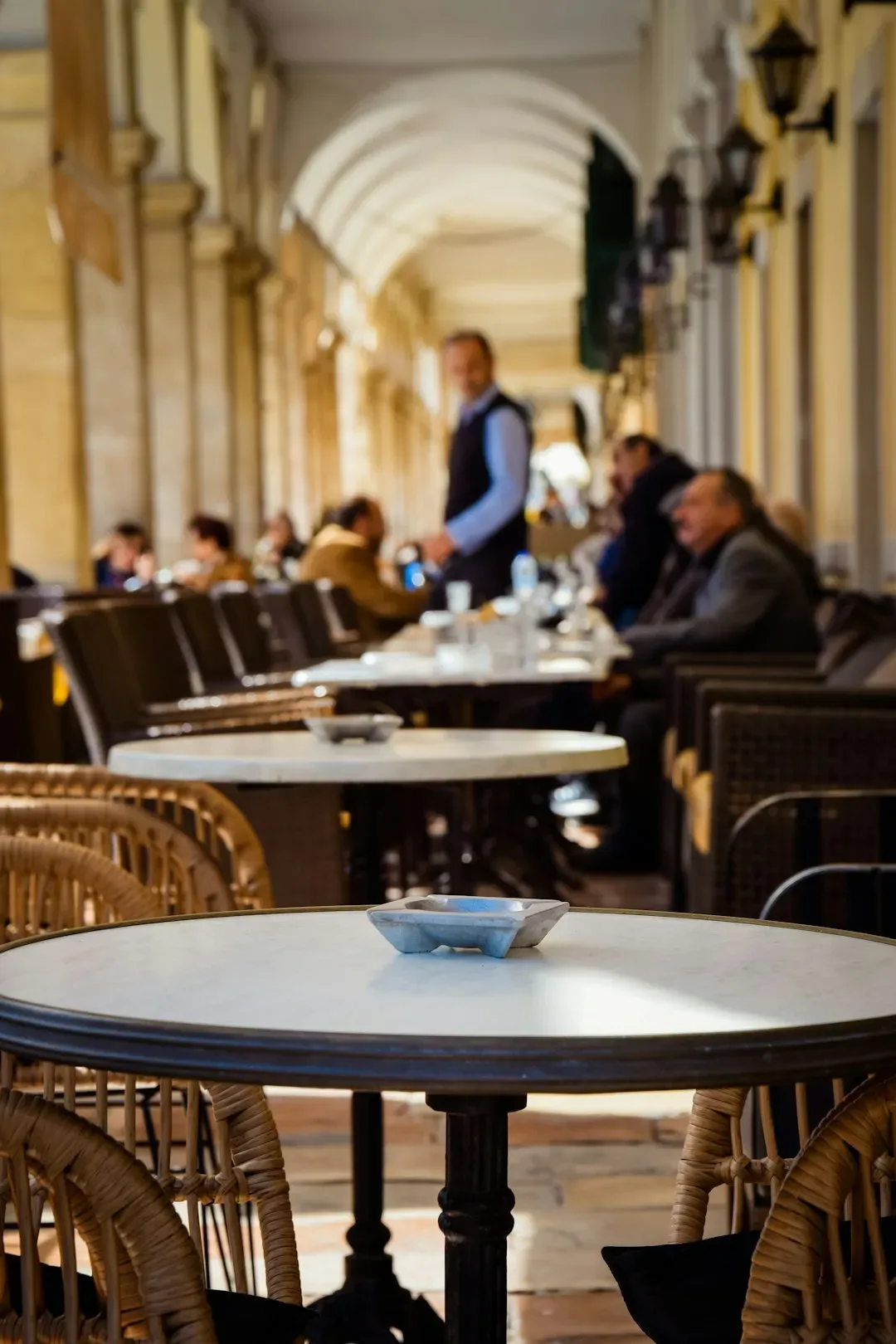
Here is something that honestly surprises most diners: first impressions form within seven seconds of a guest entering a restaurant. Seven seconds. That is barely enough time to pull out your chair. Everything that happens in that tiny window, including how your server approaches and acknowledges you, will quietly shape how you feel about the entire meal.
Research shows that guests who receive acknowledgment within 10 seconds of entering report satisfaction rates that are notably higher, regardless of actual wait times. Think about that. The food hasn’t arrived. The drinks haven’t been poured. Nothing has technically happened yet. Still, that initial acknowledgment alone can shift how a guest perceives the quality of the whole visit.
A guest’s first impression is more than just a greeting – it’s the foundation of their entire experience. Former servers know this instinctively. It’s not something you read in a manual once and forget. You feel it every single shift, in real time, in the difference between a table that relaxes and a table that never quite settles in.
Introducing by Name: The Single Move That Changes Everything
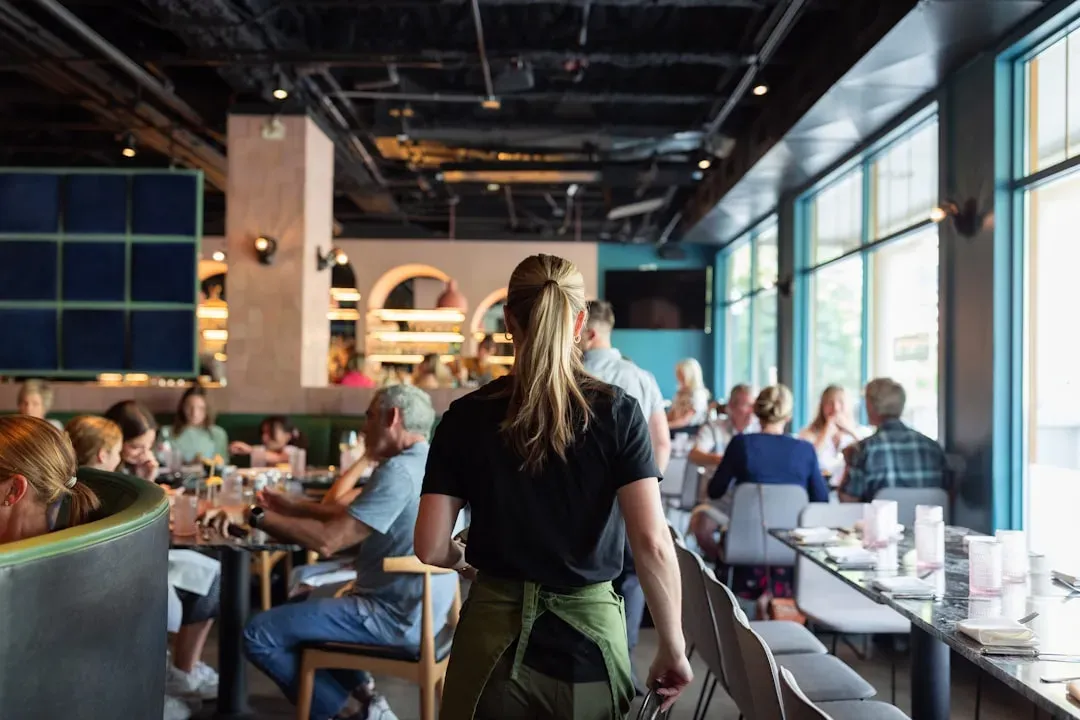
Here is the thing most diners completely tune out: the moment the server says their name. It feels routine, maybe even a little corporate. But the research behind that single act is genuinely remarkable. Psychological research on tipping has found that servers earn larger tips when they introduce themselves by name, alongside other behaviors like flashing sincere smiles and squatting down next to the table.
A study conducted in southern California had half of the waiters greet their tables with their name and the other half not introduce their names, and the tips were substantially different. The group who introduced themselves received an average tip of 23% compared to 15% for those who did not. That is a massive gap for something that takes roughly two seconds to do. It is not manipulation – it’s basic human connection kicking in.
When done properly, a name introduction makes the server seem friendly and polite, and the guest feels more empathy for them. Empathy. That is the key word. Once you humanize someone, you treat them differently. And once a guest treats their server differently, the whole dynamic shifts in a direction that benefits everyone at the table.
The Smile and Eye Contact Signal: Reading Genuine Warmth vs. Trained Performance
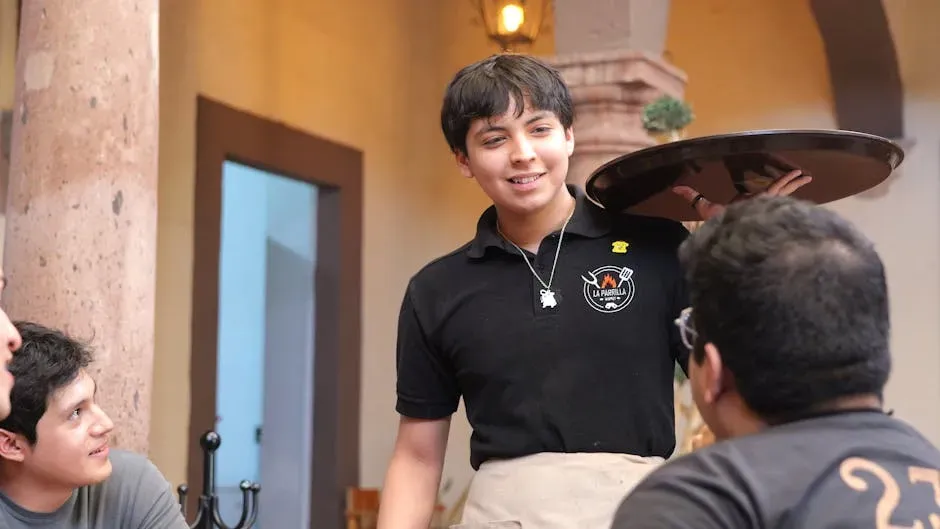
Experienced diners can almost always tell the difference between a real smile and one that has been painted on out of obligation. Former servers can tell too, because they have done both. Eye contact and smiling from staff has been shown to boost tip averages by roughly 18% in studies. That is not trivial. It reflects something real happening between two people at the table.
A study conducted in a cocktail bar found that smiling more often could double the tip for the server. However, people can tell a genuine smile from a fake one, so it has to be real. Honestly, this lines up perfectly with what most of us sense but rarely articulate. A forced grin feels hollow. A warm, authentic smile lands differently in your body – you actually feel it.
Great eye contact sends a message of welcome and sincere interest. Lack of, or poor, eye contact sends the message that the server has no time for or interest in the most important person on the premises – the customer. Watch for this the next time you sit down. It tells you, almost immediately, whether you’re being truly seen or simply processed.
How Quickly They Arrive: The Timing That Former Servers Track Like a Clock
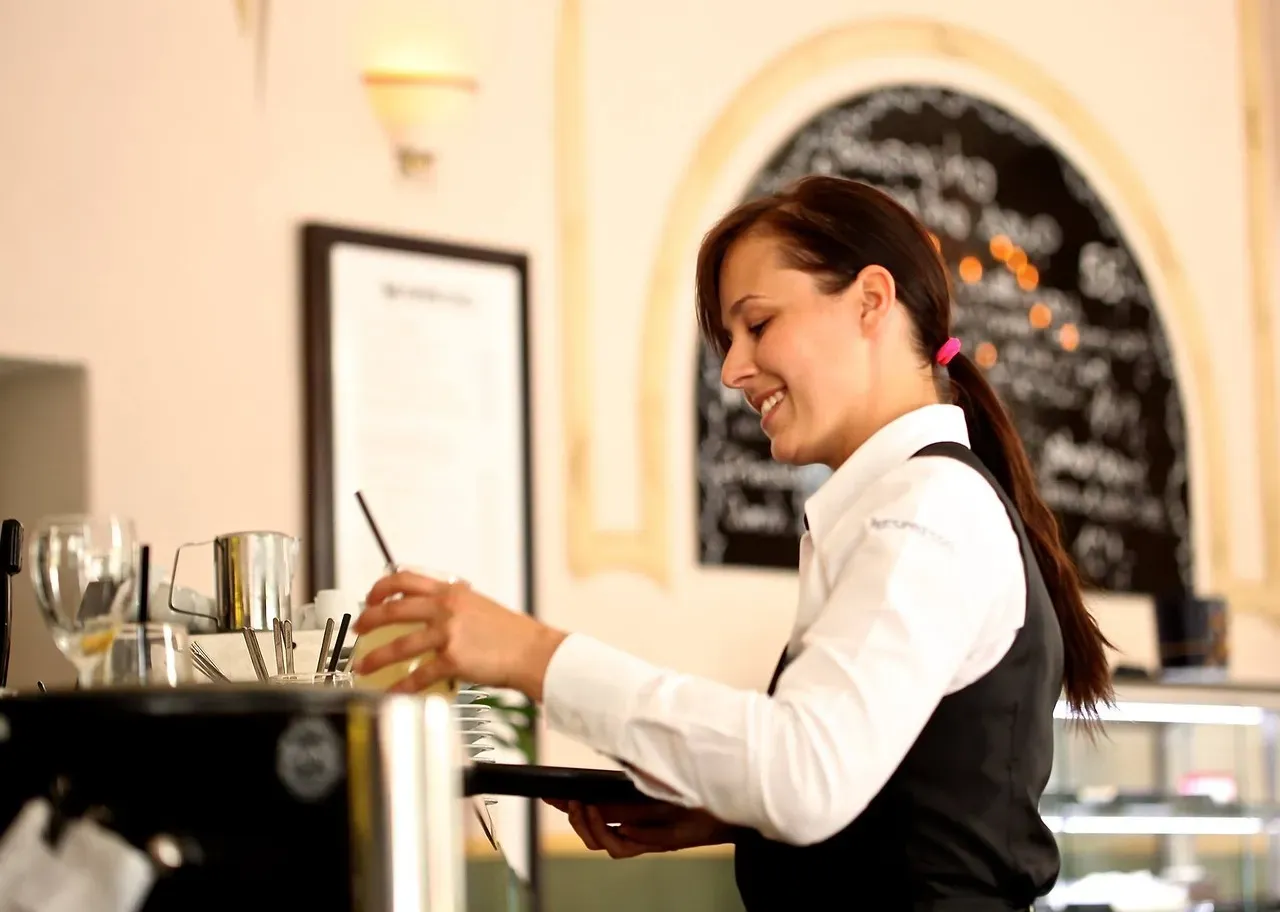
Most diners never consciously clock how long it takes for a server to first appear. Former servers do it automatically, even when they are dining out themselves. There is an invisible but very real window here. The waiter should greet the diners and take their drink orders within 2 minutes upon arrival. Miss that window, and no amount of charm or efficiency later in the meal will fully compensate.
When waitstaff take a long time to greet guests and then hurry the introduction, diners will feel like they have to hurry and cannot enjoy a leisurely dinner. It is almost like setting a tempo for the entire table. Rush the opening, and guests spend the next hour feeling subtly unsettled without even knowing why. The pacing of that first approach matters more than most people realize.
While it primarily focuses on the dining experience itself, restaurant customer experience extends to factors such as staff attentiveness and friendliness, efficiency of service, and other things that affect customer impression. Customer experience is a crucial factor of successful restaurant management, as it directly impacts a restaurant’s reputation and long-term viability. The clock starts the moment you take your seat. Every good server knows it.
Reading the Table: The Unspoken Assessment Guests Never Notice
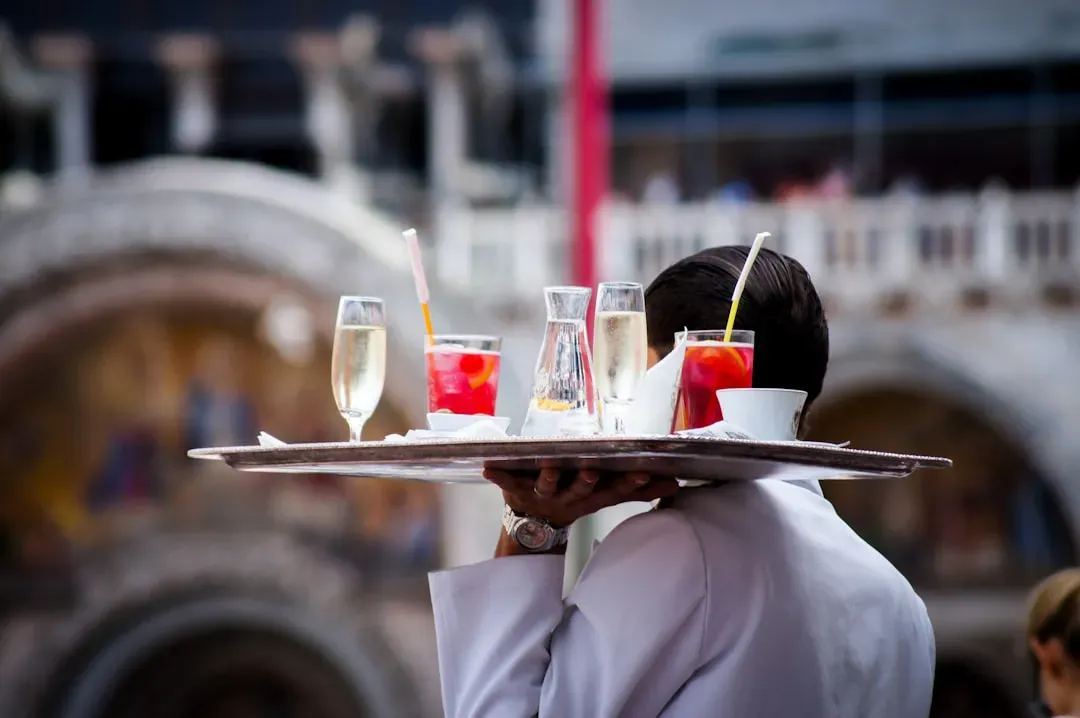
This one is fascinating. A well-trained server is doing something subtle and deeply human in that very first approach: they are reading you. Mastering the art of reading guest cues is essential for exceptional service, and top staff observe body language – such as looking around for assistance or pushing empty plates away – to anticipate needs before guests vocalize them. They notice whether you look rushed, whether you are celebrating, whether a conversation at the table seems tense.
Each customer is different, and the best servers are great speed readers. Some customers require lots of attention and interaction, while some customers prefer minimal service and some just want to be left alone to enjoy their meal. The quicker servers learn to read their customers, the higher their tips will be. This is a skill that takes years to develop. It cannot be faked, and it cannot be taught in a one-day orientation.
When a server spots red flags early – the aggressive hand wave, the dismissive tone, the complete lack of eye contact – they mentally adjust their approach to protect themselves from potential conflict or disappointment. On the flip side, when they read positive signals, the guest has unlocked a different level of service that goes beyond the standard script. In short, the table assessment runs both ways. You are reading your server, and they are absolutely reading you.
What Happens When That First Move Gets It Wrong
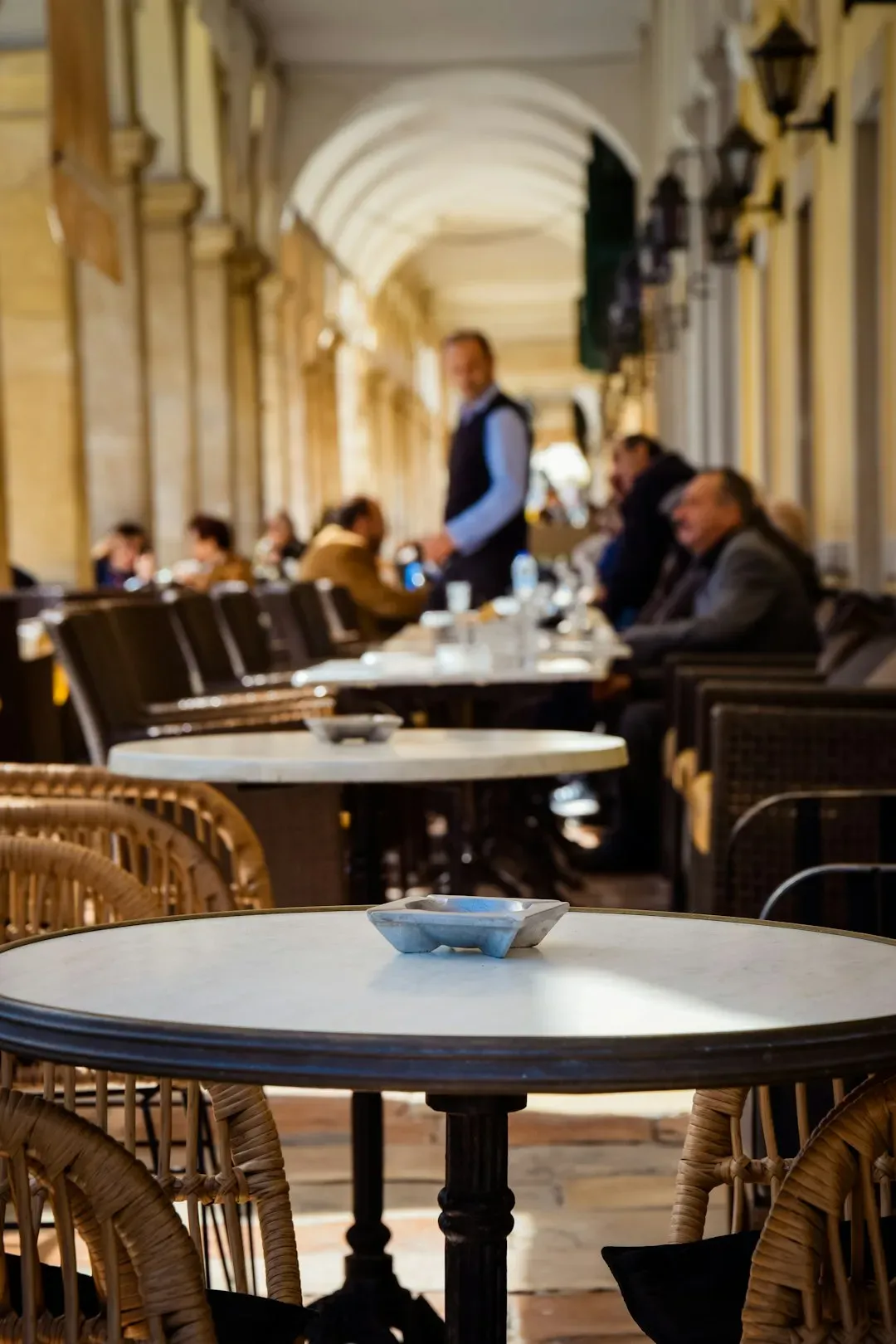
Let’s be real about the other side of this. When the opening interaction fails, the ripple effect can ruin the entire meal. A positive customer experience can lead to customer satisfaction, loyalty, and positive word-of-mouth recommendations. Meanwhile, a negative experience can result in lost business and damage to the restaurant’s reputation. One clumsy or cold opening moment can outweigh an hour of otherwise solid service.
Research by Harvard Business School found that a one-star increase in a Yelp rating leads to a 5 to 9 percent increase in revenue for restaurants. Many of those reviews are driven precisely by how guests felt in the first moments – acknowledged, cared for, welcomed, or simply ignored. And a bad first approach rarely stays contained to just one review.
85% of diners still prefer to order from a server, and even 64% of Gen Z diners make in-person reservations, indicating that diners still want human contact as part of the customer experience at restaurants. In an era when technology could theoretically handle every table interaction, the fact that people keep choosing human servers says everything. That human opening moment – done right – is irreplaceable. Done poorly, it is deeply memorable in all the wrong ways.
The next time a server walks up to your table, pause for just a second before you dive into the menu. What they do in those first few moments is not filler. It is the whole story compressed into a greeting. Did you ever notice it before?