
There is something quietly unsettling about a deficiency you can’t see coming. Vitamin B12 deficiency is often called a “silent deficiency” because symptoms develop slowly and are frequently mistaken for stress, aging, or other health problems. You might brush off the tiredness. You might blame the brain fog on a bad week at work. Honestly, most people do exactly that – for months, sometimes years.
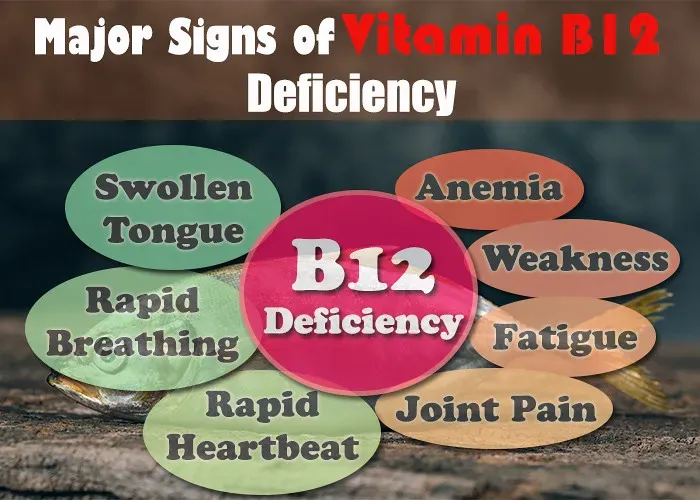
According to the World Health Organization, vitamin B12 deficiency may be considered a global public health problem affecting millions of individuals. The scale of that statement is easy to miss. This isn’t a rare condition buried in medical textbooks. It’s happening in ordinary households, to ordinary people who eat what they think is a reasonable diet. Here are the seven early warning signs your body might be sending you – and what to actually put on your plate. Let’s dive in.
Table of Contents
1. Persistent, Unexplained Fatigue

Here’s the thing about B12-related fatigue: no amount of sleep seems to fix it. Persistent fatigue and low energy are among the most common signs of a vitamin B12 deficiency. When B12 levels are low, the body may not produce enough healthy red blood cells to carry oxygen throughout the body, and this can lead to a feeling of exhaustion even after adequate rest. It’s the kind of tired that makes a full night’s sleep feel pointless.
A deficiency in B12 can cause megaloblastic anemia, a condition that leads to the formation of large, abnormal, and immature red blood cells and impaired DNA synthesis. Think of it like trying to run a city with broken pipes – the infrastructure is there, but nothing flows properly.
The average daily intake of vitamin B12 is about 7.2 micrograms in people who eat meat, but only 0.4 micrograms in vegans. That staggering gap helps explain why those on plant-based diets are so frequently caught off guard by persistent, creeping exhaustion. If fatigue is your constant companion and a good night’s rest isn’t helping, a blood test is worth considering.
What to eat: Salmon, rich in both omega-3 fatty acids and vitamin B12, is an excellent choice, while tuna – particularly canned tuna – is another great source of B12, making it an affordable and convenient option. Sardines are packed with nutrients including B12 and are a great addition to a balanced diet.
2. Tingling or Numbness in Hands and Feet

That pins-and-needles feeling in your fingertips or toes might be easy to dismiss as just sleeping in a bad position. It’s called paresthesia, and it’s a classic symptom of nerve damage from B12 deficiency. If ignored, this tingling can progress into numbness, balance issues, and coordination problems. This is not something to sit on for months hoping it resolves on its own.
Once absorbed, vitamin B12 is used as a cofactor for enzymes that are involved in the synthesis of DNA, fatty acids, and myelin. Myelin is the protective sheath wrapping around your nerve fibers – without enough B12, that coating starts to erode. It’s a bit like an electrical wire slowly losing its insulation.
If untreated, nerve damage can become permanent. I think this is probably the most underappreciated fact in all of B12 deficiency research. People assume the body will “bounce back.” Sometimes it simply doesn’t, especially if the deficiency goes undetected for years.
What to eat: Clams rank among the most concentrated natural food sources of vitamin B12 available. Just three ounces of cooked clams provide an impressive 84 micrograms of B12 – over 3,000% of your daily needs. These marine delicacies also deliver high-quality protein, iron, and zinc.
3. Brain Fog and Memory Trouble

Vitamin B12 deficiency may affect brain function and contribute to difficulty with memory, focus, or concentration. Some people describe this as feeling mentally foggy or having trouble staying sharp during tasks that require attention. It’s that maddening sensation of standing in a room and forgetting why you walked in there – except it happens several times a day.
Vitamin B12 deficiency is associated with cognitive problems including issues with thinking, judgment, and learning, and may play a role in conditions such as Alzheimer’s disease and stroke. That’s a sobering connection that doesn’t get nearly enough attention in mainstream conversations about brain health.
Vitamin B12 deficiency that is caused by suboptimal vitamin B12 intake and changes in absorption due to aging directly causes neurocognitive deficiencies by neurotoxic effect. Several epidemiological studies about vitamin B12 and the effects of aging on cognitive function have found a correlation between B12 levels and cognitive function among middle-aged and elderly individuals in Central and Eastern Europe.
What to eat: Beef liver represents one of the most concentrated foods high in vitamin B12. A single 3-ounce serving provides an extraordinary 70 micrograms of B12 – nearly 3,000% of your daily requirement. Organ meats also supply vitamin A, folate, and iron. Not everyone’s favorite, admittedly, but few foods come close in nutritional density.
4. Pale or Slightly Yellow Skin

Skin changes are one of the more visible clues your body throws out, though most people don’t connect the dots. A lack of B12 can interfere with the production of healthy red blood cells and may cause the skin to look pale. In some cases, individuals with low B12 may also develop a slight yellowing of the skin or eyes, a condition known as jaundice.
B12 deficiency can manifest as macrocytic anemia, and the presenting symptoms often include signs of anemia such as fatigue and pallor. Due to increased hemolysis caused by impaired red blood cell formation, jaundice may also be a presenting symptom. When red blood cells can’t form properly, they break down faster – and that breakdown releases bilirubin, the yellow pigment behind jaundice.
It’s hard to say for sure how often people notice this in themselves, since subtle skin changes are easy to chalk up to season changes or just “looking tired.” Still, if pale or yellowish skin arrives alongside fatigue and tingling, the combination is worth taking seriously with your doctor.
What to eat: Salmon is well known for having one of the highest concentrations of omega-3 fatty acids and is also an excellent source of B vitamins. Half a fillet of cooked salmon can pack 208% of the daily value for vitamin B12. Pair it with eggs – particularly the yolks, which are an excellent source of vitamin B12 and are also packed with protein and other essential nutrients.
5. Mood Changes, Anxiety, and Low Spirits

Your mood can be greatly affected by a deficiency in vitamin B12. It is involved in the production of serotonin, the chemical responsible for keeping you calm and happy. Fewer people realize that emotional health has such a direct biochemical link to a simple vitamin.
Having low levels of B12 can cause elevated levels of homocysteine, a sulfur-containing amino acid. In turn, this may contribute to the development of depression by increasing oxidative stress, DNA damage, and cell death in the body. A 2020 study with 132 children and teens found that participants with depression had lower B12 levels and higher levels of homocysteine compared with those without depression.
Mental health conditions including depression, mood disorders, and psychosis are also associated with B12 deficiency. Let’s be real – in 2026, mental health conversations are finally becoming mainstream, but the nutritional side of that equation still gets overlooked. If someone you know is struggling emotionally without a clear cause, low B12 is a genuinely valid thing to investigate.
What to eat: Milk, yogurt, and cheese contribute meaningful amounts of vitamin B12 to your diet. One cup of milk provides approximately 1.2 micrograms of B12, while yogurt and cheese offer similar benefits. The probiotics in yogurt may also enhance overall digestive health and nutrient absorption.
6. A Swollen or Sore Tongue (Glossitis)

This one surprises people. Most folks associate a sore tongue with biting it or spicy food. A swollen, red tongue known as glossitis, with small ulcers in the mouth, could signal a lack of B12. The change is real and documented, yet it’s one of the least-discussed symptoms out there.
Other presenting complaints in B12 deficiency may include peripheral neuropathy, glossitis, diarrhea, headaches, and neuropsychiatric disturbances. Notice how many of these symptoms seem completely unrelated on the surface. That’s exactly what makes this deficiency so tricky to pin down without proper testing.
These signs may make it uncomfortable to eat or speak. In severe cases, the tongue loses its tiny bumps called papillae and becomes unusually smooth. I know it sounds unusual, but this is a well-documented clinical sign – not something obscure from a fringe medical blog. Doctors are trained to look for it.
What to eat: Food sources of vitamin B12 include poultry, meat, fish, and dairy products. For those avoiding animal products, fortified nutritional yeast represents one of the few reliable foods high in vitamin B12 from non-animal sources. Two tablespoons of fortified nutritional yeast can provide 2.4 micrograms of B12, meeting your entire daily requirement. Nutritional yeast offers a cheese-like flavor that enhances various dishes. Always verify that the product is fortified with B12, as non-fortified versions contain minimal amounts.
7. Dizziness, Shortness of Breath, and Headaches

If you have vitamin B12-deficiency anemia, you may have the typical symptoms of anemia at first, such as fatigue, paleness, shortness of breath, headaches, or dizziness. These can feel like completely standalone problems, which is why they so often get treated in isolation while the underlying deficiency continues unnoticed.
Headaches are among the most commonly reported symptoms related to B12 deficiency in both adults and kids. A 2019 study with 140 people, half of whom experienced migraine, found that blood levels of B12 were significantly lower in the participants with migraine. Those with the highest B12 levels were far less likely to suffer from migraine compared to those with the lowest levels – a finding that deserves a lot more attention than it gets.
Feeling lightheaded, especially when standing up or climbing stairs, is a notable symptom. B12 deficiency-related anemia can reduce oxygen flow, leading to shortness of breath and frequent dizziness. The body is simply not getting enough oxygen to where it needs to go – think of it like a car running on a nearly empty tank that keeps sputtering.
What to eat: Shellfish, including clams, oysters, and mussels, are among the best sources of B12. Just a small serving can provide several times the daily recommended intake. For those eating a plant-based diet, common fortified foods include fortified plant milk such as almond, soy, oat, and rice milk, as well as fortified breakfast cereals and fortified nutritional yeast – all popular options for people following plant-based diets.
Who Is Most at Risk – And What the Numbers Say
Studies suggest that up to roughly one in five people over the age of 60 in the United States and the United Kingdom are deficient in the vitamin. That’s a substantial portion of the older population walking around with a condition that can be treated relatively simply once it’s caught.
Vitamin B12 deficiency affects between a very small fraction and nearly half of older adults, depending on the population studied and the thresholds used. A 2024 study published in European Geriatric Medicine found that vitamin B12 deficiency was present in 9.1% of older hospitalized adults, while 17.3% had borderline levels. That’s not trivial when you consider how often these patients also present with other complex health conditions.
Vitamin B12 deficiency is widespread. Among the population groups at risk are older people, vegetarians, pregnant women, and patients with renal or intestinal diseases. Certain medications also play a role. Taking certain medicines can make it harder for your body to absorb vitamin B12 over time. These include some heartburn medicines and metformin used to treat diabetes.
Your body stores 1,000 to 2,000 times as much vitamin B12 as you’d typically eat in a day, so the symptoms of vitamin B12 deficiency can take several years to appear. This is why so many people are genuinely shocked when a routine blood test reveals the deficiency. The body is quietly drawing down reserves for a long time before things visibly go wrong.
The Bottom Line on What to Eat

Vitamin B12 is mainly found in animal products, especially meat and dairy products. However, for those eating vegan diets, fortified foods can be good sources of this vitamin. Organ meats such as liver and kidneys are very high in vitamin B12. The best dietary approach is simply making these foods a regular part of your routine.
The Reference Daily Intake is about 2.4 micrograms, but slightly higher for those who are pregnant or nursing. That sounds like a tiny amount – and it is. The catch is that absorption, not just intake, is often the problem. People over 50 should get most of their vitamin B12 from fortified foods or dietary supplements because, in most cases, their bodies can absorb vitamin B12 from these sources more reliably.
Most cases of vitamin B12 deficiency can be effectively treated with injections, oral supplements, or sublingual tablets to restore adequate levels. Depending on whether the deficiency stems from dietary insufficiency or malabsorption, patients may require B12 supplementation between meals or regular injections. In some cases, lifelong treatment is necessary to prevent chronic and potentially life-threatening complications.
The good news is simple: once identified, this deficiency responds well to treatment. A blood test from your doctor is all it takes to find out where you stand. Did you recognize any of these signs in yourself or someone you know? It might be worth asking your doctor about it – what do you think? Share your experience in the comments.