
Most of us grow up believing that the worst dietary damage is done in youth. Pizza at midnight, fast food drive-throughs, soda by the liter. But here’s a sobering truth: the foods you eat after 60 can be even more consequential for your long-term health than the ones you ate at 25. The aging body simply plays by different rules.
Multiple changes occur as people grow older that affect how their bodies digest and use food, along with what they need to stay healthy. Muscle mass and strength begin slowly deteriorating as people approach their 40s and decline more rapidly in their 60s. Losing muscle contributes to the slower rate at which the body uses calories. That means what you eat matters more than ever, not less. So let’s dive into the foods that nutritionists and researchers are most urgently flagging for older adults right now.
Table of Contents
1. Processed Meats: Bacon, Bologna, Sausage, and Hot Dogs

If there is one food category that has had the most alarming headlines in recent scientific research, it is processed meat. The evidence is stacking up in a way that is genuinely hard to ignore.
People who eat at least a quarter serving of bacon, bologna or other processed red meat a day, roughly about two servings a week, have a higher risk of dementia than those who eat less than one-tenth of a serving a day. That is not a small or theoretical risk. It is based on decades of real-world tracking.
Researchers observed more than 130,000 participants in the Nurses’ Health Study and Health Professionals Follow-Up Study and tracked them for up to 43 years to assess the association between red meat and dementia, identifying over 11,000 dementia cases. For seniors, that cognitive connection alone should be reason enough to pull back sharply.
The risk increased as consumption increased, and for processed meat consumption, the data showed that there is no “safe amount.” Think of it like cigarettes at low doses: just because the damage is gradual doesn’t mean it isn’t real. Sugar-sweetened beverages and processed meats such as sausages, bacon, salami and burgers can increase inflammation, which plays a big part in a variety of chronic diseases. Processed meats are also often cured with nitrite, which is converted to carcinogenic nitrosamines in the stomach.
2. Sugar-Sweetened Beverages: Sodas, Energy Drinks, and Sweetened Juices

Here’s the thing: that daily soda or sweetened iced tea might feel harmless, even comforting. It is one of those quiet habits that accumulates enormous health consequences over time, and seniors are especially vulnerable.
Consumption of sugar-sweetened beverages has been consistently associated with a higher risk of obesity, type 2 diabetes, cardiovascular disease, and premature mortality. For older adults whose metabolism has already slowed, the compounding effect of liquid sugar is particularly dangerous.
Higher sugar-sweetened beverage intake was associated with increased Alzheimer’s disease risk, with dose-response analyses supporting a linear association. That is a deeply concerning finding for a demographic already at elevated risk of cognitive decline. The 2025-2030 Dietary Guidelines for Americans advise against drinking sugary beverages and instead recommend drinking water and unsweetened beverages.
The consumption of sugar-sweetened beverages has been linked to numerous health complications, including chronic kidney disease due to type 2 diabetes mellitus. Kidney function naturally declines with age, which makes this finding particularly relevant for older adults who may not even be aware their kidneys are under pressure.
3. Ultra-Processed Packaged Foods: Chips, Cookies, Ready Meals

Walk down any supermarket aisle and you will find shelf after shelf of ultra-processed foods dressed up in colorful packaging with health claims printed all over them. Do not be fooled. For seniors, these products represent one of the most pervasive dietary threats around.
According to data from the U.S. Centers for Disease Control and Prevention, more than half the calories Americans eat and drink are from ultra-processed foods tied to increased risks for heart disease, obesity, diabetes and cancer. That statistic is honestly staggering when you sit with it.
Ultra-processed foods, distinguished by their high content of unhealthy fats, sodium, refined sugars, and synthetic additives, significantly increase dyslipidemia, hypertension, and obesity, which are key risk factors for cardiovascular disease. Chronic consumption leads to systemic inflammation, gut microbiota dysbiosis, endothelial dysfunction, and oxidative stress.
Salty and sweet chips and cookies, along with other highly processed foods, should be avoided, the dietary guidelines say. I think of ultra-processed foods like financial debt: a little here and there feels manageable, until the interest catches up with you all at once.
4. Trans Fats: Hidden in Fried Foods, Baked Goods, and Some Margarines

Trans fats are the dietary equivalent of a silent assassin. They lurk in unexpected places and deliver some of the most damaging effects on the cardiovascular system of any food substance we know of.
Experts say that trans fat is the worst type of fat to eat. That’s because it raises “bad” cholesterol and lowers “good” cholesterol. A diet high in trans fat raises the risk of heart attack and stroke.
High trans-fatty acid intake is a major modifiable risk factor for cardiovascular disease, especially in older adults. That word “modifiable” is important. It means you can do something about it. Industrially produced trans fat is a harmful compound created as a substitute for animal and saturated fats, and it is estimated to cause up to 500,000 deaths per year.
Look for the words “partially hydrogenated” in the ingredient list: it means oils have been turned to solids and trans fats. Manufacturers can show 0 grams of trans fat if there are less than 5 grams per serving, so a small serving size might show 0 grams of trans fat, but it still might be in there. Read labels carefully. Every time.
5. High-Sodium Foods: Canned Soups, Deli Meats, and Packaged Snacks
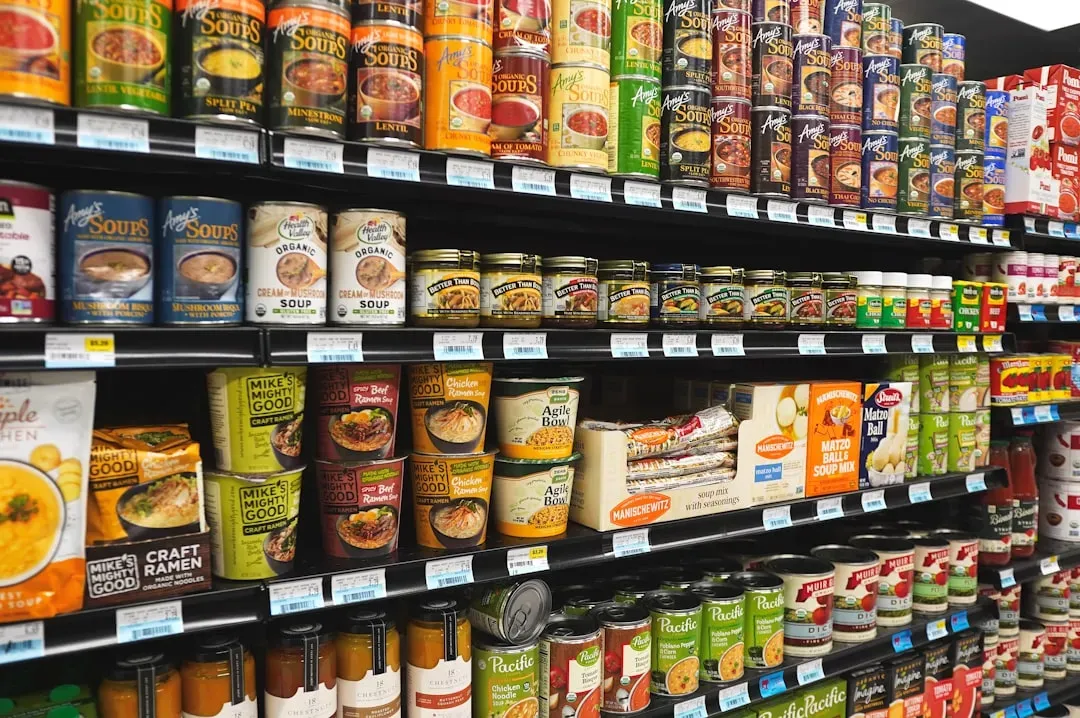
Sodium is deceptive. It doesn’t taste dangerous. It doesn’t smell like trouble. Yet for seniors, an excess of it is one of the most direct pathways to high blood pressure, heart disease, and stroke.
Processed meats are any meats transformed by salting, curing, smoking or adding chemical preservatives. That transformation often leaves processed meat with a high concentration of salt, in addition to the saturated fat many meats already contain. The added salt can quickly add up, increasing blood pressure, weight and the risk of heart disease.
Excessive consumption of processed foods, unhealthy trans fats, sugars, and sodium has been shown to increase the probability of developing hypertension and cardiovascular disorders. Most seniors are already managing blood pressure, which makes high-sodium foods especially problematic.
Those calories should come from nutrient-dense foods, with an emphasis on vegetables, fruits, whole grains, lean meats and low-fat dairy, prepared with minimal added sugars, refined starches, saturated fats and sodium, according to the guidelines. Sodium reduction is not optional for older adults; it is genuinely urgent.
6. Refined Carbohydrates: White Bread, White Rice, Pastries

Refined carbohydrates are a lot like empty promises: they feel filling in the moment but leave your body with nothing useful. For seniors particularly, these foods contribute to blood sugar volatility, weight gain, and chronic disease risk in ways that whole grains simply do not.
Excess intake of added sugars and refined carbohydrates has been consistently linked to increased risks of obesity, type 2 diabetes, and cardiovascular disease. The 2025-2030 Dietary Guidelines reflect this by explicitly addressing these foods as targets for reduction.
Public health guidance from the Centers for Disease Control and Prevention highlights the importance of limiting these foods as part of a balanced dietary pattern. Sugary drinks, packaged snacks, and refined grains are explicitly discouraged when consumed regularly.
The 2025-2030 Dietary Guidelines for Americans also recommend limiting added sugars, sodium, and refined carbohydrates, and keeping saturated fat to less than 10% of calories. Swapping white bread for a dense whole grain loaf is one of the simplest and most effective food swaps a senior can make. Honestly, it doesn’t even taste worse once you adjust.
7. Flavored Yogurts and Sweetened Dairy Products

This one might genuinely surprise you. Yogurt has a healthy reputation, one that is almost entirely hijacked by the flavored versions sitting in supermarket refrigerators right next to the plain, genuinely nutritious ones.
Nutritionists flagged flavored yogurts for their added sugars and flavorings, warning that a serving of flavored yogurt may have the equivalent of five to six added teaspoons of sugar. For a senior trying to manage blood glucose levels, that is a meaningful daily insult to metabolic health.
The dietary guidelines suggest limiting foods and beverages with artificial flavors, dyes, low-calorie nonnutritive sweeteners and artificial preservatives. No amount of added sugars or nonnutritive sweeteners is recommended or considered healthy or part of a nutritious diet.
The solution here is simple. Buy plain, unsweetened yogurt and add fresh fruit yourself. You control the sugar, you get the probiotic benefits, and you’re not blindly trusting a “strawberry swirl” label that reads more like candy than food.
8. Alcohol: Beer, Wine, and Spirits

This is one of the more contentious entries on the list, but the science has been shifting significantly in recent years toward a much less permissive view of alcohol for older adults specifically.
Unlike previous editions, alcohol recommendations are no longer a central focus of the 2025-2030 dietary guidelines. This reflects ongoing debate within the scientific community about whether any level of alcohol can truly be considered “safe.”
While older adults don’t need more vitamin B12 than younger adults, their bodies are less able to absorb it, and some medications can further reduce absorption. Alcohol interferes with nutrient absorption across the board, which is especially concerning when the aging body is already struggling to absorb key vitamins and minerals efficiently.
Seniors often take multiple medications, and alcohol interactions with common prescriptions including blood thinners, blood pressure drugs, and sleep aids are well documented and genuinely dangerous. The “a glass of red wine is good for you” idea is being increasingly challenged by researchers, and for this population, caution is the clearly sensible path.
9. Raw or Undercooked Foods: Raw Fish, Runny Eggs, Unpasteurized Products
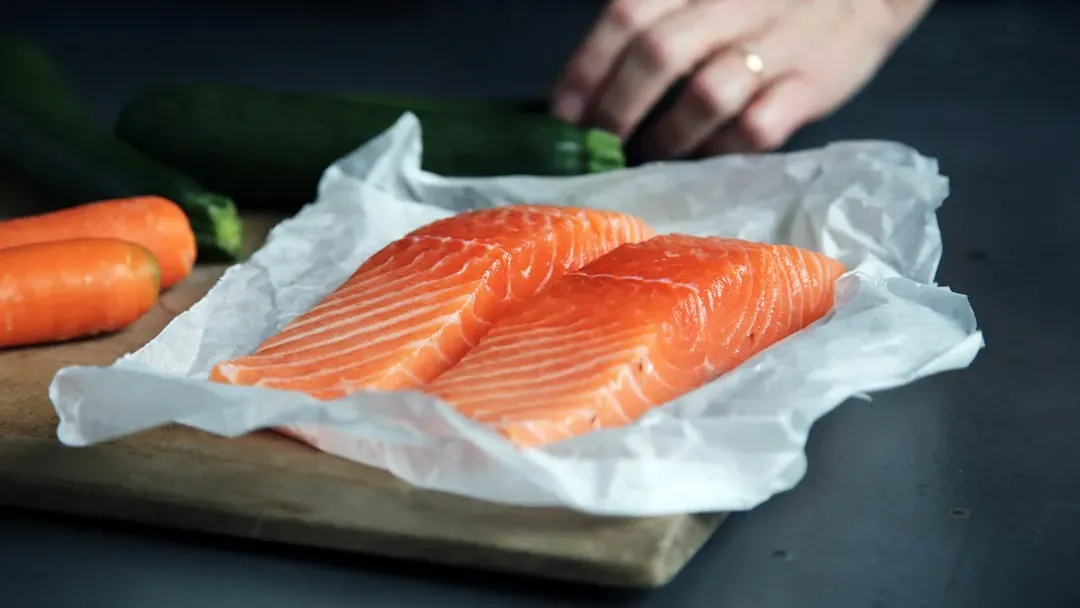
This entry is less about a specific taste profile and more about a biological reality. The immune system weakens with age, and foods that a healthy 30-year-old could eat without consequence can seriously harm a person in their 60s, 70s, or beyond.
Limiting processed foods, as well as foods high in salt, sugar, and unhealthy fats, can help you ward off age-related health risks. Eating well throughout life is a key way to help your body defend against chronic diseases that can occur in older age, including heart disease, cancer, and osteoporosis.
The CDC specifically lists adults over 65 as a group at increased risk for serious foodborne illness. Raw sushi, undercooked eggs, unpasteurized cheese and juices, and foods left at room temperature too long carry a disproportionate risk for older adults. Aging is worryingly linked with malnutrition, which can profoundly affect the well-being of older adults and increase their risk of chronic diseases and premature mortality.
Think of the immune system after 65 like a slightly understaffed security team: capable most of the time, but stretched thin when pathogens like salmonella or listeria show up. Why take that risk when cooking food thoroughly costs nothing?
10. Added Sugars and Artificial Sweeteners in Packaged Foods

Last on the list, but far from least significant. Added sugars and artificial sweeteners hide in foods that nobody would expect: salad dressings, pasta sauces, crackers, protein bars, flavored waters. The sheer stealth of it is remarkable.
Current dietary guidance continues to emphasize limiting added sugar, but the framing has shifted slightly in recent years. Rather than focusing on a strict per-meal cap, recommendations center on overall daily intake. The 2020–2025 guidelines advised that added sugars should make up less than 10 percent of total daily calories – a benchmark that still underpins current nutrition advice in 2026.
The 2025-2030 Dietary Guidelines specify limiting foods and beverages with artificial flavors, artificial preservatives, low-calorie non-nutritive sweeteners, and petroleum-based dyes. That is a firmer stance than previous editions, and it reflects growing unease among nutrition scientists about the long-term effects of these compounds.
Research has linked sugar with chronic inflammation and a range of health conditions. For seniors who are already navigating inflammation-related conditions like arthritis, heart disease, or diabetes, consistently consuming hidden added sugars is like quietly pouring gasoline on a fire. There is perhaps more consensus than ever in the scientific community that a diet based on whole grains, legumes, vegetables, fruits, olive oil, nuts, seeds, seafood, and lean proteins, and limited in added salt, sugar, and animal fat, is optimal for health.
Final Thoughts: Small Changes, Big Consequences

The pattern running through all ten of these foods is the same: ultra-processing, excess sodium, added sugars, and inflammatory fats. None of this is surprising in isolation, but it is striking how consistently the latest 2024-2026 research reinforces what nutritionists have quietly known for years.
Although maintaining a balanced diet may be challenging at times, it’s never too late to start. Focusing on eliminating or limiting foods that are not health-supporting can be a good first step. That might be the most reassuring finding of all: the body responds to positive change at any age.
The foods we choose after 60 are not merely about weight or energy. They shape cognitive function, cardiovascular resilience, kidney health, immune strength, and quality of life in ways that compound quietly and powerfully over time. Replacing processed red meat with protein sources like nuts and legumes or fish may decrease dementia risk by approximately 20 percent. That single swap illustrates just how much agency older adults actually have over their health outcomes through food choices alone.
What would you change on your plate starting tomorrow?