
You pull up to the drive-thru, glance at the menu board, and assume that what you’re about to receive was made sometime in the last few minutes. Honestly, that’s a pretty reasonable thing to believe. You’re paying for it. It should be fresh, right?
Here’s the thing though. Fast food workers see a side of the kitchen that customers simply never get to witness. Employees often see a very different side of the menu behind the counter, and workers frequently share insights about preparation methods and freshness levels that might change how customers order their favorite meals. Some of what they reveal is eye-opening, occasionally unsettling, and almost always surprising.
Let’s dive in.
Table of Contents
1. Chicken Nuggets
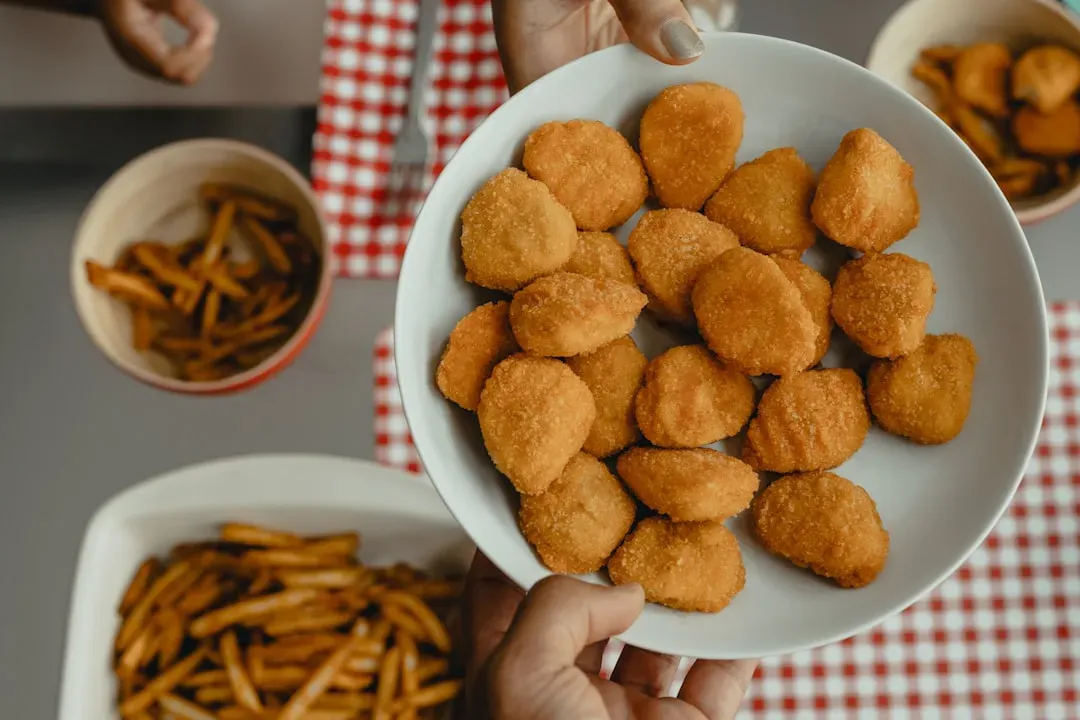
On a Reddit post about items fast food employees recommend you avoid, one user says that if you order chicken nuggets, you should ask for them fresh, because otherwise they’ve been sitting in their container in the heat. They have a timer, but nine times out of ten when that timer goes off, people just reset the timer instead of making new ones.
This cycle of resetting timers could go on until all the nuggets are sold. Think about that for a moment. The nuggets sitting in the tray when you order could have been cooked well over an hour ago. Employees have chimed in to explain that while nuggets are only supposed to be kept on hand for 20 minutes, many franchisees ignore that and just keep resetting the timer and keeping the old nuggets.
Some employees say the chicken McNuggets are another concern, with some reporting they are reheated more than once during a single shift. The fix here is simple. Always ask for a fresh batch. Most locations will oblige, though you will wait a few extra minutes.
2. Fish Sandwiches
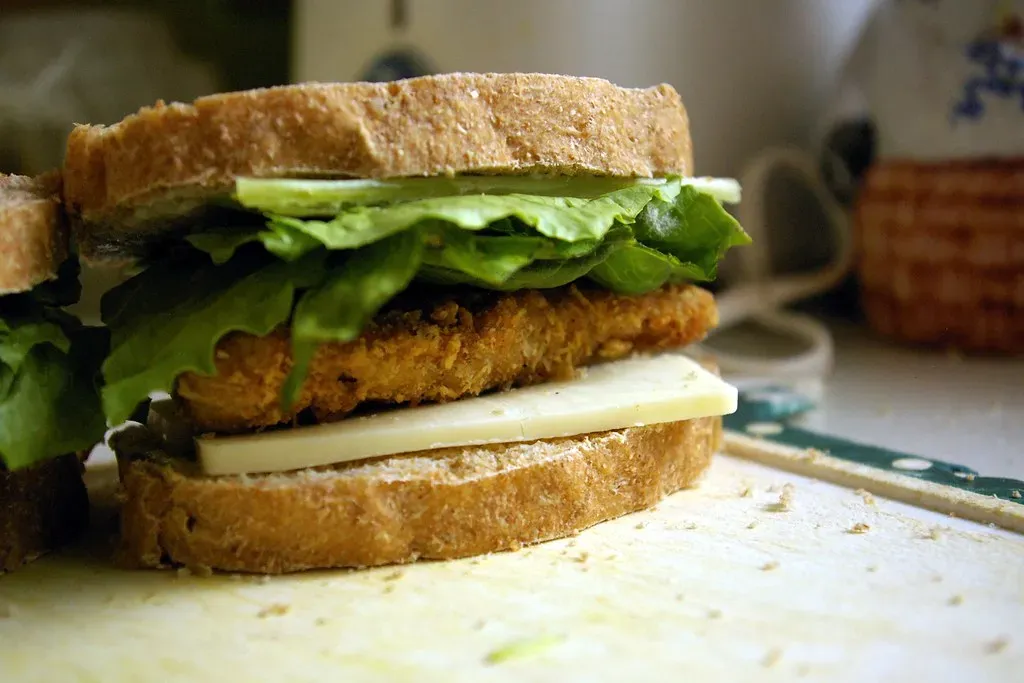
Fish sandwiches are notorious among fast food workers for sitting in the warming bin for extended periods. Since these items are not ordered as frequently as beef patties, they are often prepared in batches and left to wait.
According to former Burger King staff, fish sandwiches rank among the bottom five percent of ordered items, meaning they can sit in heated cabinets for up to two hours. Since fish deteriorates faster than chicken or beef, this delay greatly affects flavor and safety.
The breading can become soggy while the fish inside dries out significantly over time. It’s a bit like ordering seafood at a gas station. You just know it’s been sitting there a while. Employees on Reddit frequently explain that these sandwiches can reach the end of their holding time before someone orders them, and even though restaurants usually follow food safety rules, the texture can suffer, with the breading losing its crispness and the bun becoming slightly steamed from sitting too long.
3. Grilled Chicken Sandwiches
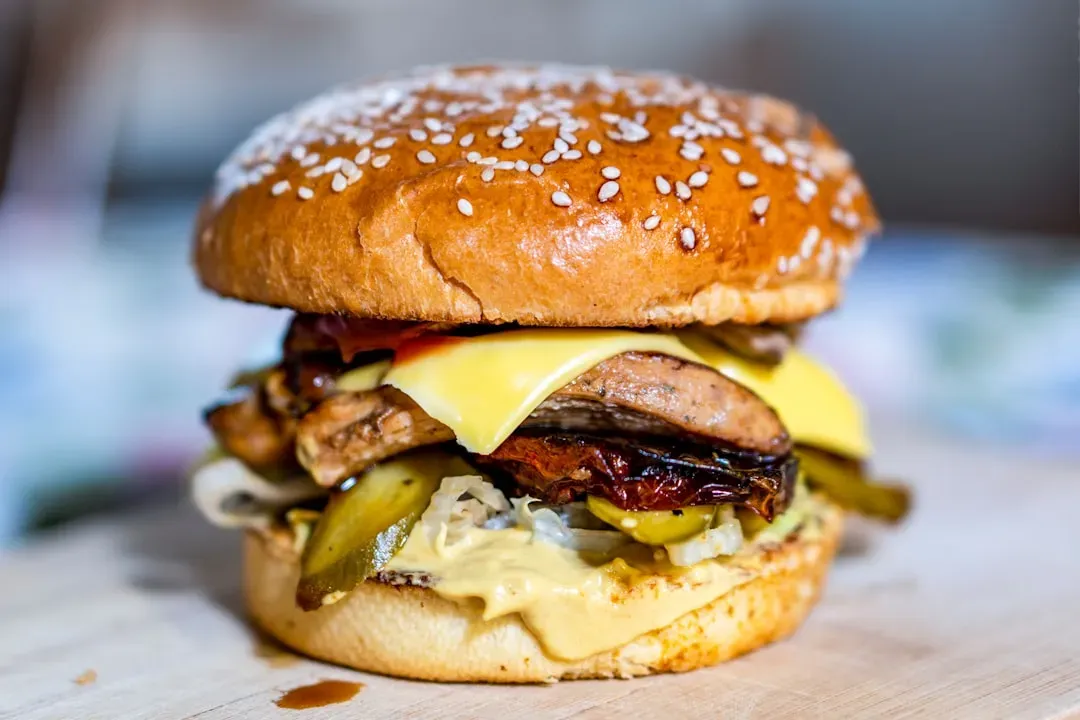
People order grilled chicken because they think it’s the healthy, fresh alternative. I get that. The reality, though, is a little more disappointing. Many McDonald’s crew members admit that grilled chicken sandwiches often sit in warming trays for up to 60 to 90 minutes before being served, far exceeding the optimal 20-minute hold time. Because they’re ordered less frequently than fried options, they tend to dry out and lose flavor quickly.
If you’re hitting a place that’s largely known for burgers, you probably want to avoid the grilled chicken sandwich. As one former worker put it, at their location they didn’t sell many grilled chicken sandwiches, so it sits around a lot longer than other menu items and the texture becomes rubbery.
Customers often choose grilled chicken assuming it is a fresh and healthy alternative to fried options, but employees reveal that these filets can sit in warming trays for hours because they are ordered less frequently than burgers, with the meat often becoming dry and rubbery after sitting in heated cabinets for too long. To revive the appearance of the chicken, workers sometimes add extra marinade or water. That last detail is something most of us would never have guessed.
4. Wendy’s Chili
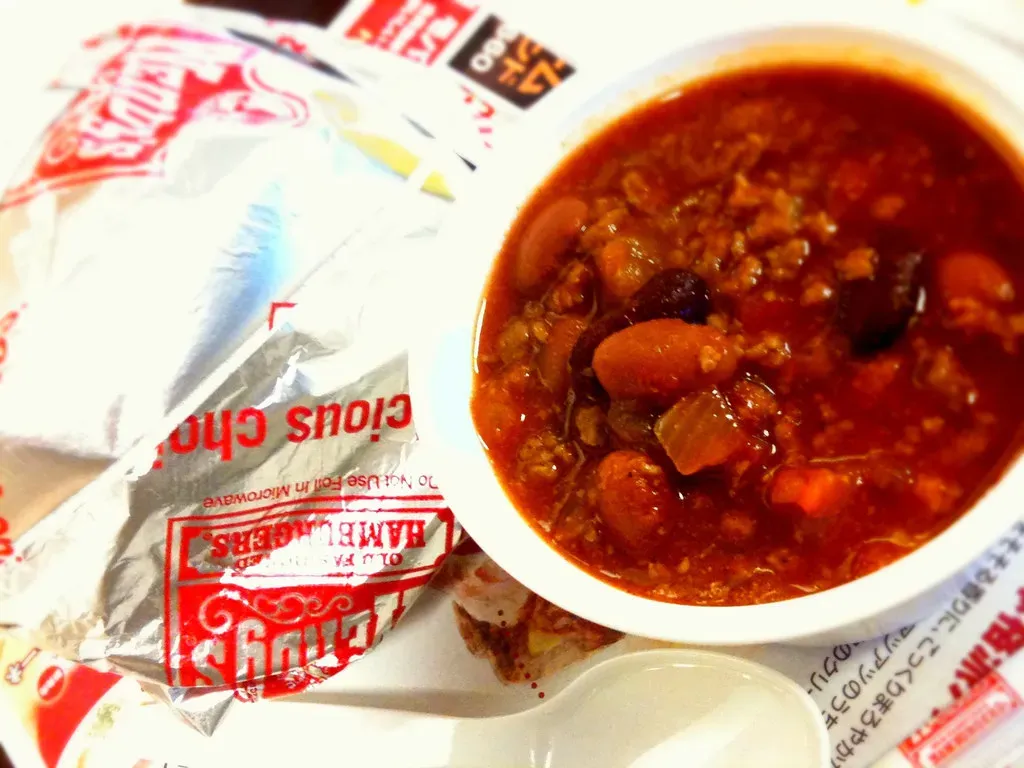
This one travels the internet regularly, and it’s been confirmed by multiple workers over the years. Despite its popularity, Wendy’s chili isn’t as fresh as it seems. Employees confirm it’s made using leftover hamburger patties that have exceeded their 30-minute serving window. These patties are cooled, chopped, and added into a tomato-bean mix that’s then simmered for hours. While this reduces waste, it also means the chili’s base meat could be a full day old before reaching your cup.
One Reddit user put it plainly, saying the meat comes from hamburger patties that sat on the grill too long to serve to customers. They take them, put them in a bin, throw them in the fridge, and when the chili is made they take it out, boil it, chop it up, and dump it in the chili.
It’s a smart way to reduce food waste, I’ll give them that. Still, it’s hard to call a bowl of day-old chopped burger meat truly “fresh.” One former fast food worker put it bluntly, saying they would never in a million years eat any fast food place’s chili, because it’s just the past few days of unsold, sat-in-the-heater-too-long meat that gets chopped up and thrown in chili seasoning and beans.
5. Panera’s Pasta Dishes
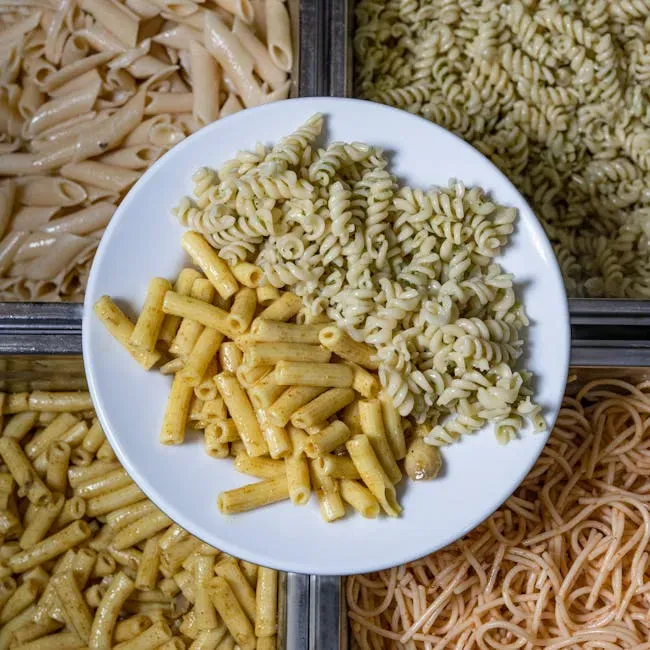
Panera carries a warm, wholesome, “we-care-about-your-food” kind of brand image. The pasta situation behind the scenes is worth knowing about. At Panera, former staff report that pasta dishes like mac and cheese or Alfredo arrive at stores frozen in vacuum-sealed bags. When ordered, they’re reheated in boiling water for roughly four to six minutes before being plated. Each bag serves about four portions, and once opened, it can sit for several hours. This reheating process often makes noodles soggy and sauces overly thick.
A Panera employee responding to a thread on Reddit recommends skipping the pasta dishes entirely. The pasta, they say, is all microwaved, and this includes the mac and cheese.
Former Starbucks employees also claimed that sandwiches and pastries are not made fresh in-store, but are instead shipped to the venues frozen and then reheated. The broader pattern is clear: the “fresh-baked” or “made-in-house” image projected by certain fast-casual chains does not always match what’s actually happening in the back.
6. Taco Bell’s Refried Beans
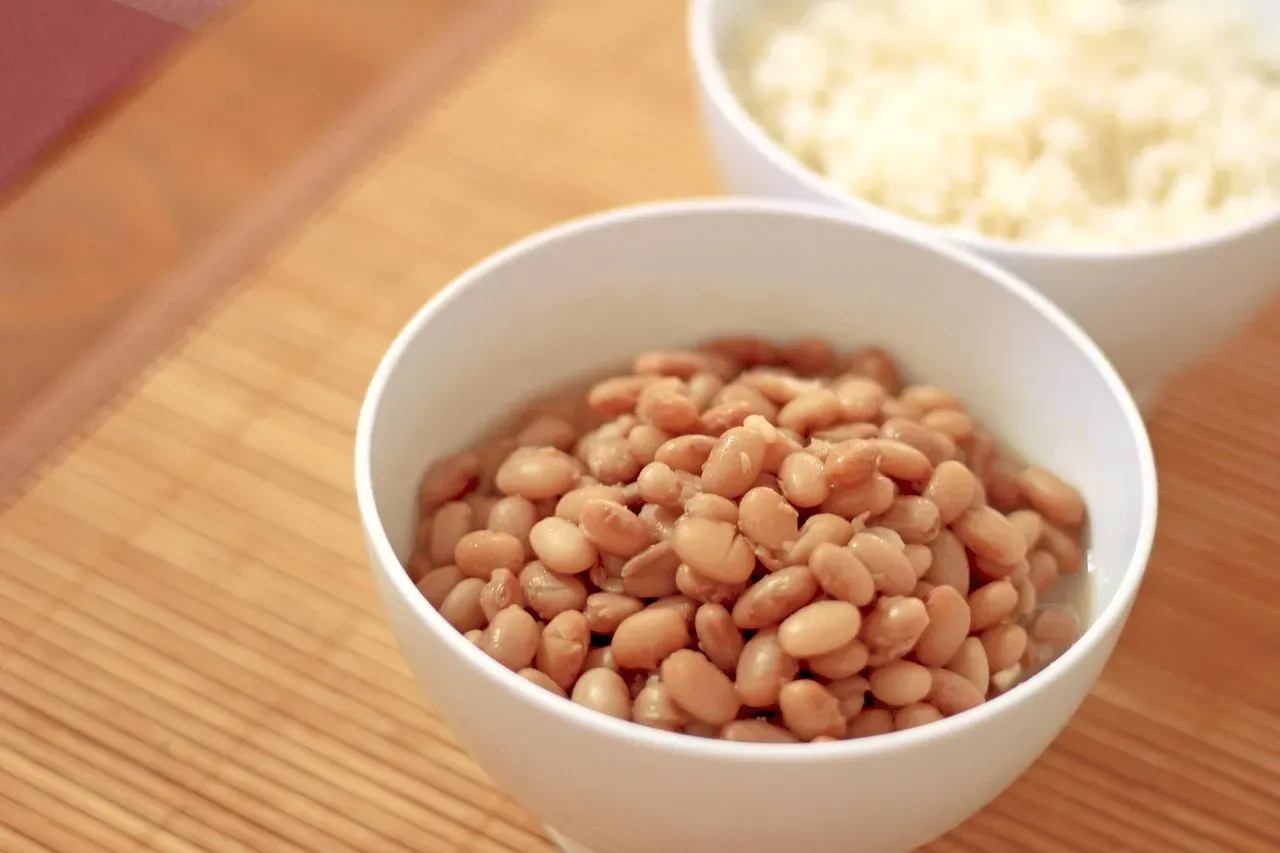
There’s something deeply strange about refried beans that start their journey as powder. Taco Bell employees often reveal that the refried beans start as dehydrated powder mixed with hot water in bulk batches, and once prepared, the mix can sit for three to four hours in warming containers before being served.
The preparation process involves pouring the bag of powder into a pan, adding water, and somehow it turns into beans after about 45 minutes. It’s a bit like making instant mashed potatoes, then calling them homemade. Not a health crisis, necessarily, but certainly not the fresh, slow-cooked beans that the menu imagery tends to imply.
Many of these items are flagged by workers due to infrequent turnover or specific preparation practices that customers rarely hear about. The beans at Taco Bell are one of the most consistent examples workers cite, simply because most people would be shocked to learn the actual starting point of what ends up in their burrito.
7. Fast Food Breakfast Eggs (Outside Peak Hours)
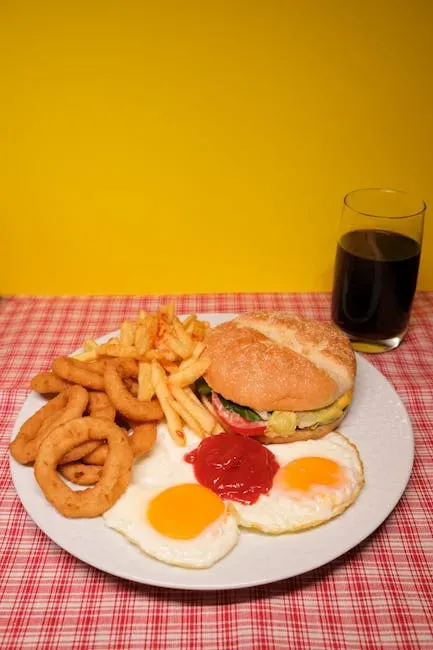
Breakfast sandwiches are among the most beloved items in the fast food world. The freshness level, though, depends heavily on timing. During rush periods, this system works well because new eggs are constantly being prepared. However, when breakfast traffic slows down, some eggs may sit in warming trays longer than expected, and over time the texture can change, with the egg becoming firmer or slightly rubbery instead of tasting freshly cooked.
As one employee revealed, the food is all carried over from the night before, meaning if you walk in the moment a restaurant opens, you may be eating reheated food from the previous evening’s prep.
Employees often say they still enjoy breakfast sandwiches, but they try to order them during peak morning hours, because when the restaurant is busy, fresh eggs move quickly from the grill to the sandwich. Timing, according to many workers, can make a noticeable difference. If you’re hitting a drive-thru at 10:45 AM right before breakfast service ends, it’s hard to say for sure what you’ll actually get.
8. Pizza Chain Chicken Wings
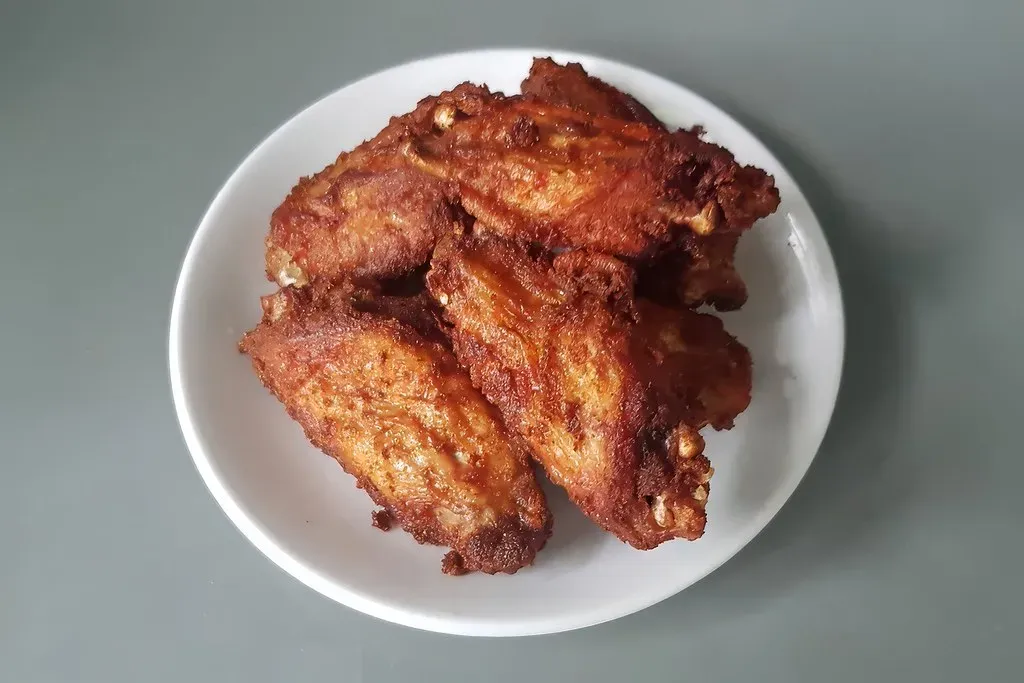
Wings at a pizza chain sound appealing, especially during a game night order. Workers, however, are not exactly lining up to eat them on their break. Just about every fast food pizza chain offers chicken wings, but several workers said that it was never a guarantee the wings would always come out fresh.
One former employee alleged that they never replaced the fryer oil, and it would be dark brown for a couple of weeks. Their store only changed the oil about once every three or more weeks, despite all the numerous pieces of raw chicken and other fried foods cooking in it.
Chicken may be left in warming drawers beyond the recommended time, especially during lulls between orders. Fryer oil isn’t always changed frequently, leading to a greasy aftertaste. Some workers say they’ll only eat fresh-made pieces directly from the fryer, never from the heated display. That’s a telling choice from the people who know the operation best.
9. Late-Night French Fries
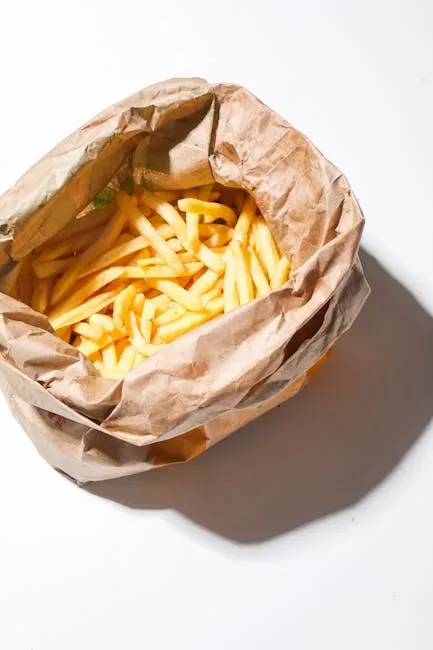
French fries feel like a safe bet, and during peak lunch or dinner hours they mostly are. The story changes significantly after the crowds thin out. Late at night, traffic slows down and employees may prepare fewer batches. As a result, fries might sit longer in warming trays. Even though restaurants usually follow strict holding times, the texture can deteriorate, with fries losing their crispness and becoming slightly soft.
Across the board, fast food employees rolled their eyes at customers who insist on ordering fresh fries. One worker explained that when a customer asks for fresh fries they usually end up complaining about how long it takes, and depending on how busy they are, workers are not necessarily making a special batch just for you, meaning you may walk away with the same fries you’d get without the request.
Employees often say the easiest solution is simply to ask for fries made fresh, as most restaurants will happily cook a new batch if a customer requests it. Still, many workers admit that when they are off the clock, they avoid ordering fries during slow periods. That quiet admission from the people making the food says more than any marketing campaign ever could.
The Bigger Picture: What This All Means for You
According to a 2025 McKinsey and Company consumer report analysis, poor quality and small portions are the top factors keeping people from visiting fast food restaurants. It makes sense. A common theme among many of the fast food chains that were in decline in 2025 was a perceptible drop-off in food quality.
Fast food offers convenience and consistency, but employees often see a different side of the menu behind the counter. Workers frequently share insights about preparation methods and freshness levels that might change how customers order. Many of these items are flagged due to infrequent turnover or difficult cleaning schedules for specific equipment. Understanding these insider tips can help diners make safer and fresher choices during their next drive-thru visit.
The people who know the most about every item on a fast food restaurant’s menu aren’t the people from the corporate offices who develop those items. The people who know the most are the employees, who work on the front lines every day and know that even the ideas that seem the best aren’t necessarily great in practice.
The truth is, fast food is not a villain. It’s convenient, it’s affordable, and sometimes nothing else will do. Knowing which items to order fresh, which to skip during slow hours, and which to avoid altogether is simply smart eating. So next time you’re at the drive-thru window, maybe think twice before ordering the fish sandwich at 9 PM on a Tuesday. What would you have guessed was the worst offender on this list?