
Most of us have a glass dish tucked away in the kitchen cabinet. It feels safe, familiar, dependable. You grab it without thinking. But here’s the thing – that habit might be quietly ruining your food, and in some cases, it could even be putting you at risk. Glass bakeware has real strengths, but it also has very specific weaknesses that most home cooks never talk about.
So let’s dive in, because some of what you’re about to read might genuinely surprise you.
Table of Contents
1. Artisan Bread and Sourdough Loaves
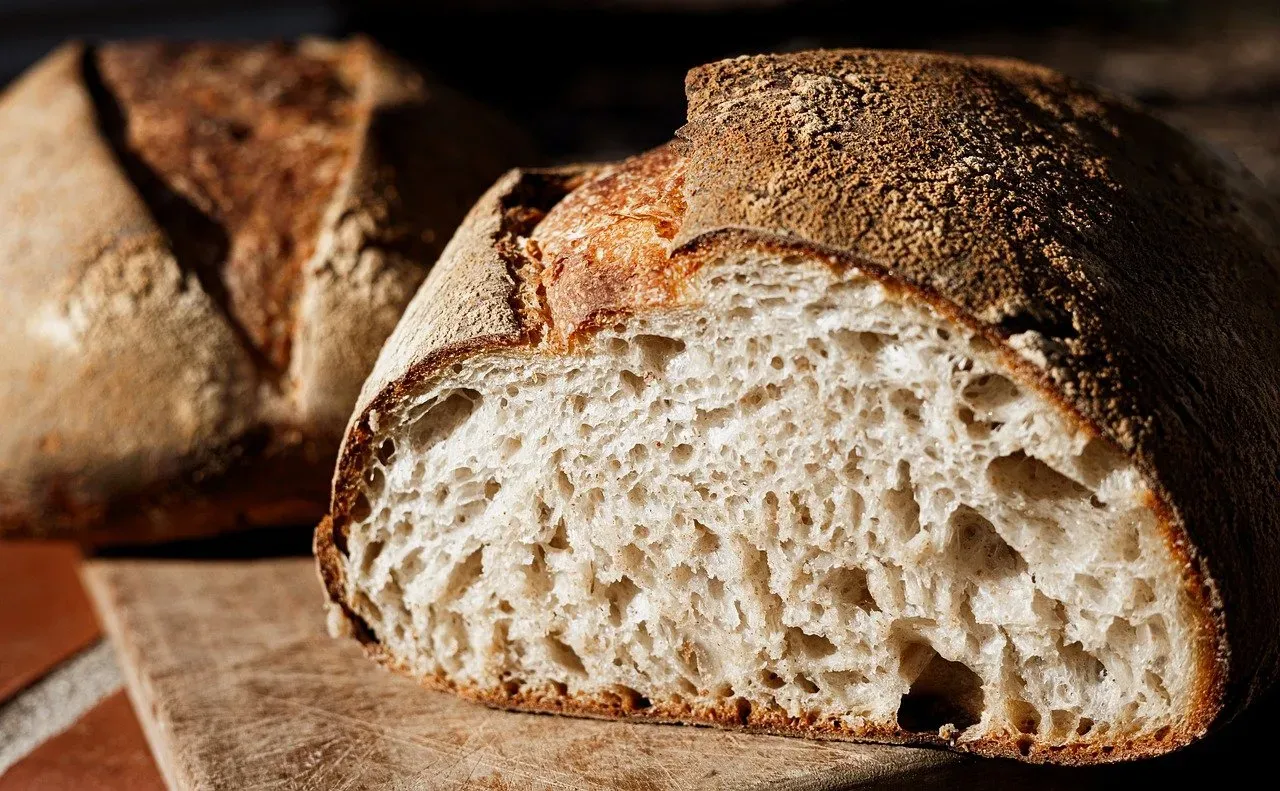
Baking bread properly is all about heat – specifically, high and immediate heat that creates a proper crust. A good sourdough loaf needs to be baked at high temperatures to achieve a solid crust all over, which for home bakers means starting at 485 degrees Fahrenheit or higher. That kind of heat is a serious problem for glass.
This puts your glass dish at risk of shattering. The glass simply cannot tolerate those extreme temperatures without the risk of cracking or outright breaking apart in the oven. Think of it like asking a wine glass to survive a campfire – it’s not what it was built for.
While glass isn’t the choice for bread with a crispy crust, you can use it if you prefer a style that’s moist from top to bottom. Likewise, a glass baking pan can be used for quick breads like zucchini loaf, where you’re not necessarily looking to develop a crust. So it’s not entirely off limits – just know what you’re sacrificing.
2. Brownies and Bar Cookies
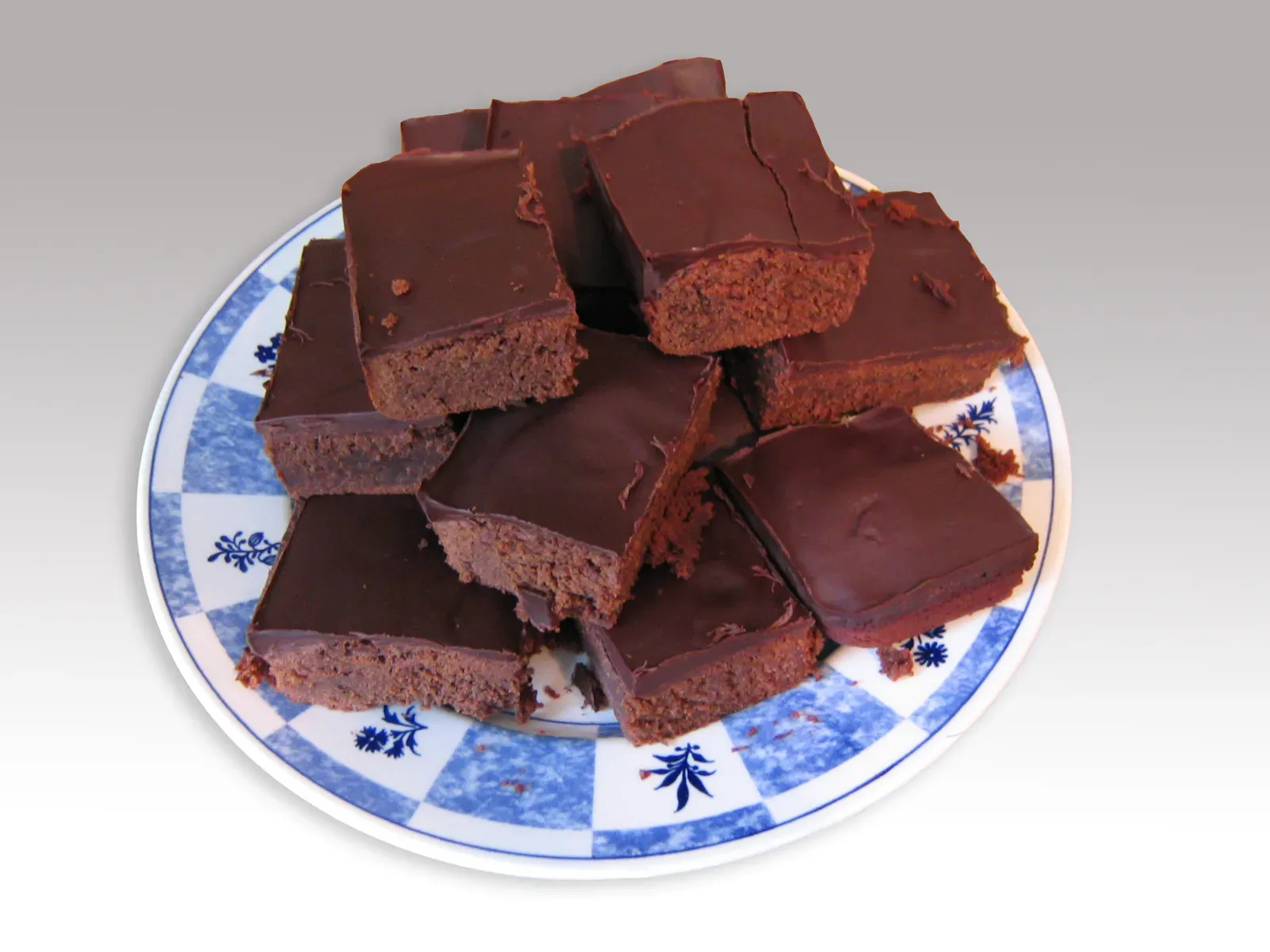
Brownies are one of those foods where the pan material actually changes the final product in a very noticeable way. Using glass or ceramic baking pans for brownies may create adverse results because they take longer to conduct heat. Often the edges become overcooked before the heat has transferred enough to cook through the center. If you’ve ever baked brownies that turn out raw, underbaked, gummy, or sunken in the center, it may be due to a glass pan.
Brownies baked in a metal pan are perfectly cooked through after 30 minutes, taller, thicker, and with a perfectly chewy texture. The brownies baked in a glass pan were very underdone in the center after 30 minutes. The edges of the corner brownies were also rounded instead of perfectly square slices. These brownies were shorter, far too gooey, and actually sunk in the center quite a bit.
Honestly, I think brownies are the single most convincing argument against glass bakeware. It’s easier to over-bake brownies in a glass pan because it takes longer for the center to cook. By the time the center finishes, the glass is acting like a heat sink, and the outer edges are getting very tall and probably pretty hard. You lose on both ends – the center and the edges.
3. Cookies
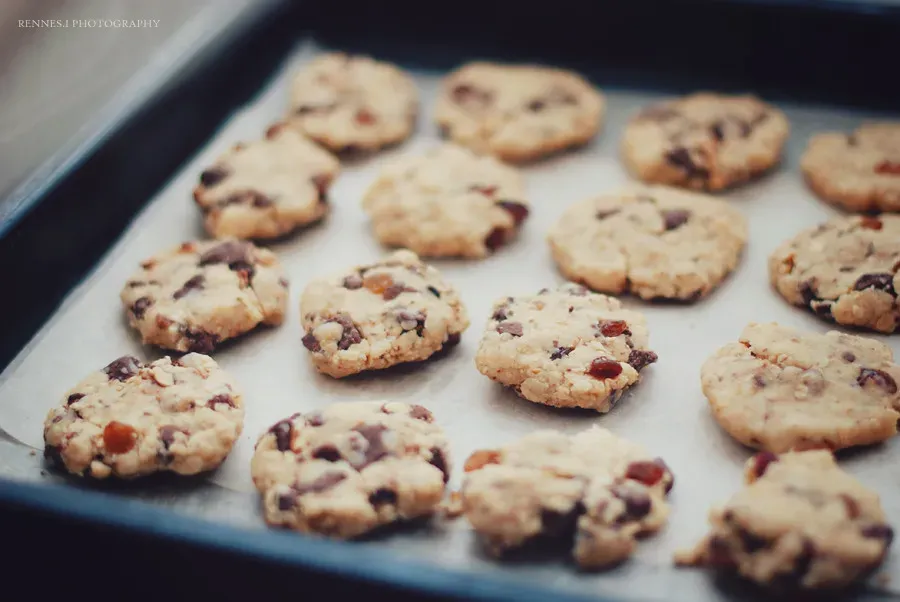
Cookies need quick, direct, even heat from below. That’s exactly what a standard aluminum baking sheet delivers. Metals, especially aluminum, are generally better at conducting heat – they pick up that heat but can lose it again quickly. Grab metal baking pans when you want foods to heat up quickly and if you want them to brown.
Cookies, biscuits, and scones benefit from the high heat of metal, which gives you browner edges and a higher rise. A glass dish, by contrast, heats slowly and unevenly, which means your cookies may spread too much, brown inconsistently, or simply bake at different rates across the dish.
Glass or dark-colored pans can cause the edges to overbake or even burn. When you combine that with the slow heat transfer to the center, you end up with cookies that are burnt on the outside and underdone inside. That’s a frustrating result from something that seems so straightforward.
4. Whole Roasted Chicken and Large Cuts of Meat
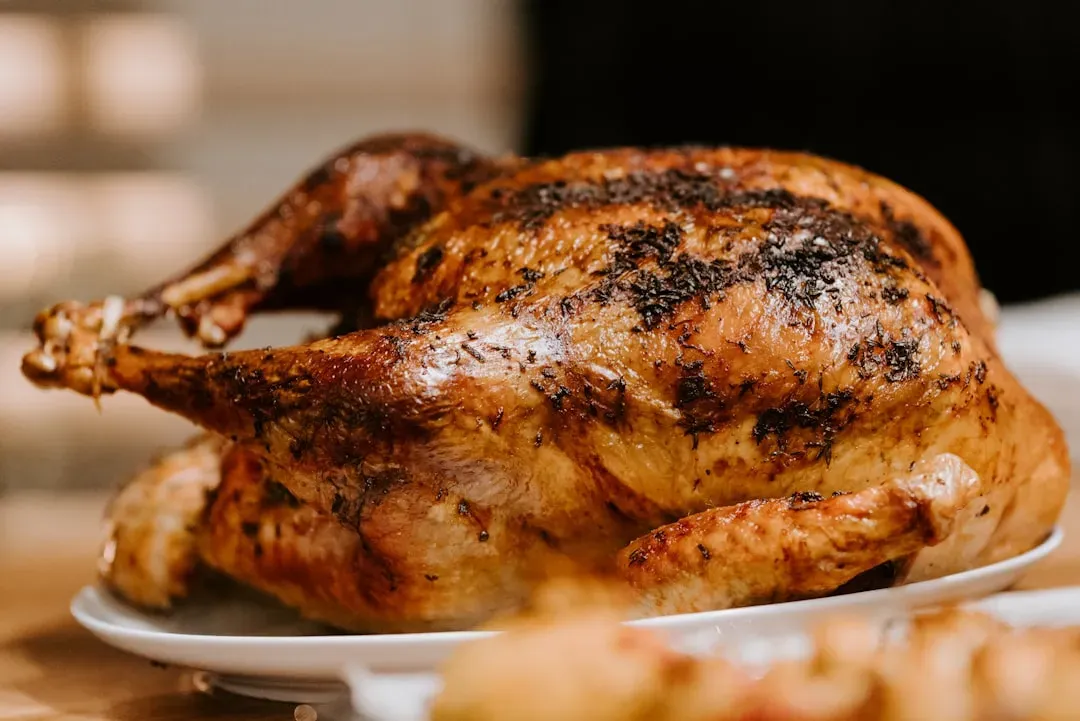
Roasting a whole chicken requires bold, consistent heat to develop that golden, crispy skin everyone craves. It is generally recommended to bake chicken in a metal pan rather than a glass dish. Metal pans provide more even heat distribution, resulting in more consistent cooking. Glass dishes can sometimes lead to uneven cooking and may take longer to heat up.
Glass also has a tendency to trap moisture, which can lead to steaming rather than roasting the chicken properly. When it comes to heat conduction and retention for perfectly roasted chicken, metal pans are the superior choice for achieving crispy skin and juicy, evenly cooked meat.
If you are roasting a meat and want to make a pan gravy on the stove after, stick to a metal roasting pan, not a glass pan, or else you will have to transfer everything to a pot first before making your sauce. That’s an extra dish, extra hassle, and extra mess – all avoidable with the right pan from the start.
5. Pizza
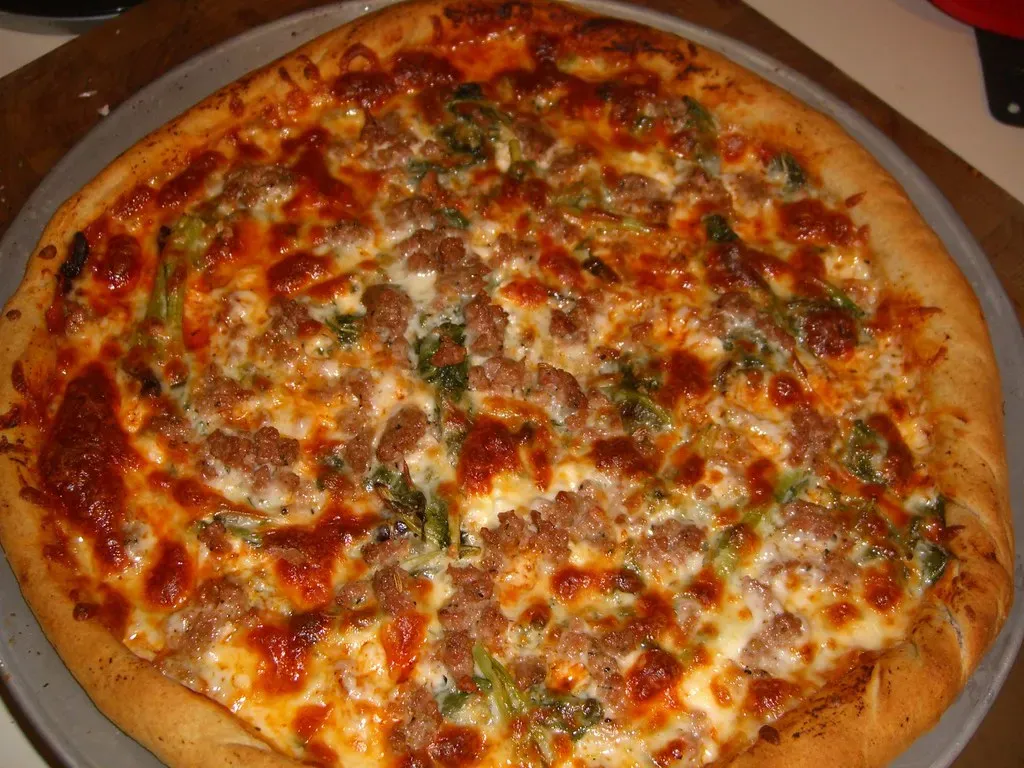
Pizza is all about the crust. You want it crisp on the bottom, slightly charred at the edges, and sturdy enough to hold toppings without going soggy. Glass bakeware is not conducive for high-heat cooking, such as under a broiler, because glass is sensitive to abrupt temperature changes. Pizza typically requires very high temperatures, putting glass at risk.
Most glassware manufacturers suggest using temperatures no higher than 350 degrees Fahrenheit. Most homemade pizza recipes call for 450 to 500 degrees Fahrenheit or higher. That’s a gap too wide to ignore – baking pizza in a glass dish at proper pizza temperatures is essentially asking your dish to break.
Glass will not give you that crunchy base that’s a vital element of bakery-style bread or pizza. A pizza stone, heavy metal pan, or cast iron skillet will always outperform glass for pizza. Let’s be real: no one wants a limp-bottomed pizza when it’s so easy to use the right equipment.
6. High-Heat Roasted Vegetables
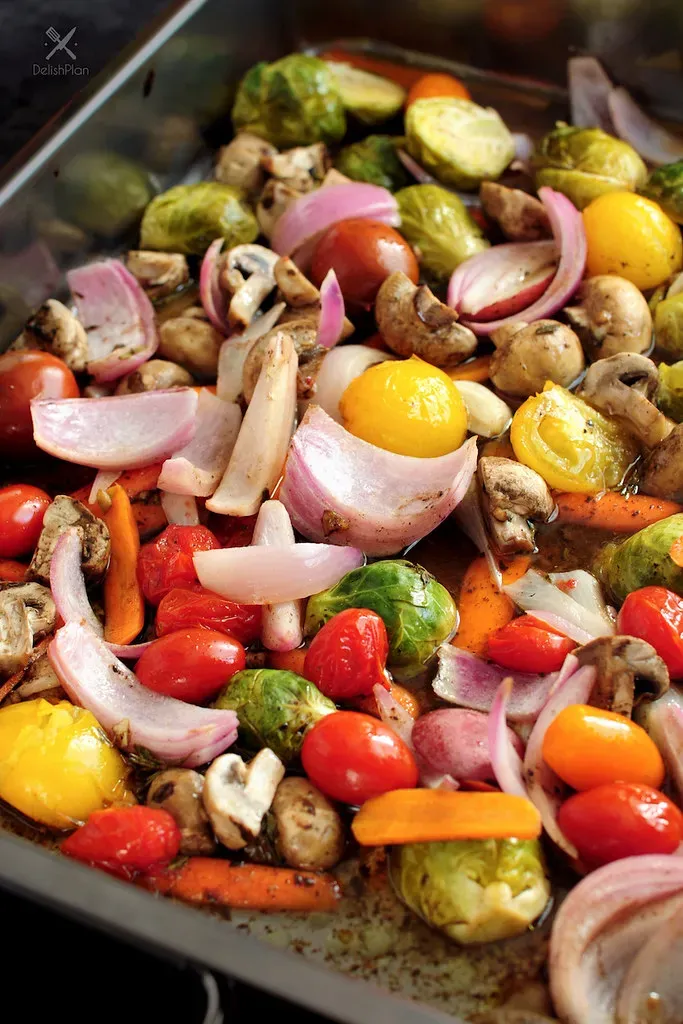
Caramelized, slightly charred roasted vegetables are a weeknight staple for a reason. But getting them right depends heavily on fast, efficient heat transfer. Metals, especially aluminum, are generally better at conducting heat. Grab metal baking pans when you want foods to heat up quickly and if you want them to brown, like when you are roasting potato wedges.
Uneven heat distribution can lead to hot spots in the dish, causing certain areas of your food to cook faster than others. For roasting, where consistent heat is essential for even browning and cooking, this can be a drawback. The slower and less even heat transfer can lead to uneven cooking and browning, requiring adjustments in technique and timing.
Always cover the bottom of the dish with liquid before cooking meat or vegetables. This is the official safety guidance from Consumer Reports for glass dishes – but if you need liquid to protect your glass dish while roasting vegetables, you’ve essentially shifted into steaming territory. The vegetables will be soft, not roasted. That’s a big difference in flavor and texture.
7. Anything Destined for the Broiler
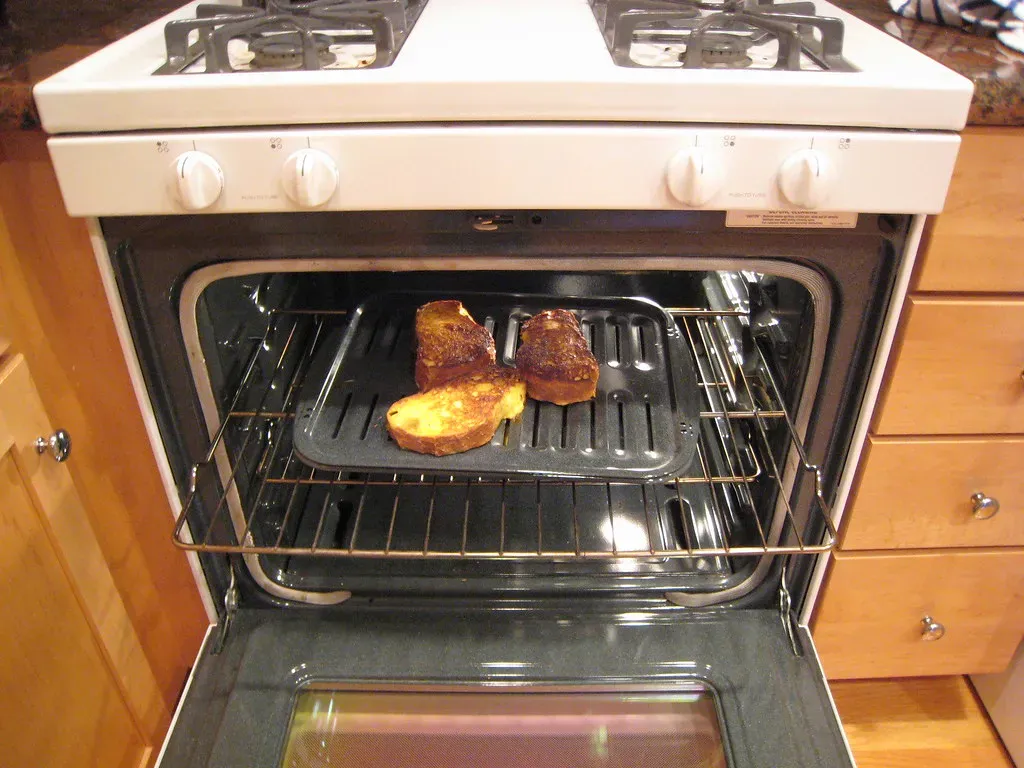
This one is non-negotiable. The broiler operates at extreme, direct, top-down heat – and glass absolutely cannot handle it. Glass pans aren’t recommended when you want to broil foods because they may shatter. Glass pans should never be used in direct high-heat cooking situations, like on the stovetop.
Never use glassware for stovetop cooking or under a broiler. That’s direct guidance from Consumer Reports, which in 2010 conducted testing that showed alarming results. Consumer Reports found that taking the newer glass out of a hot oven and placing it on a wet granite countertop yielded poor results with the glass shattering almost instantly. As a result of its investigation, Consumer Reports called on the Consumer Products Safety Commission to look into the problem of shattering bakeware.
The intense heat from the broiler can cause glass to shatter. This can come into play with some pie or casserole toppings. So even if you started the dish in the oven just fine, switching to broil for a golden top is enough to compromise the whole thing. Switch to a metal dish before you hit that broil button.
8. Frozen Foods Going Directly Into a Hot Oven
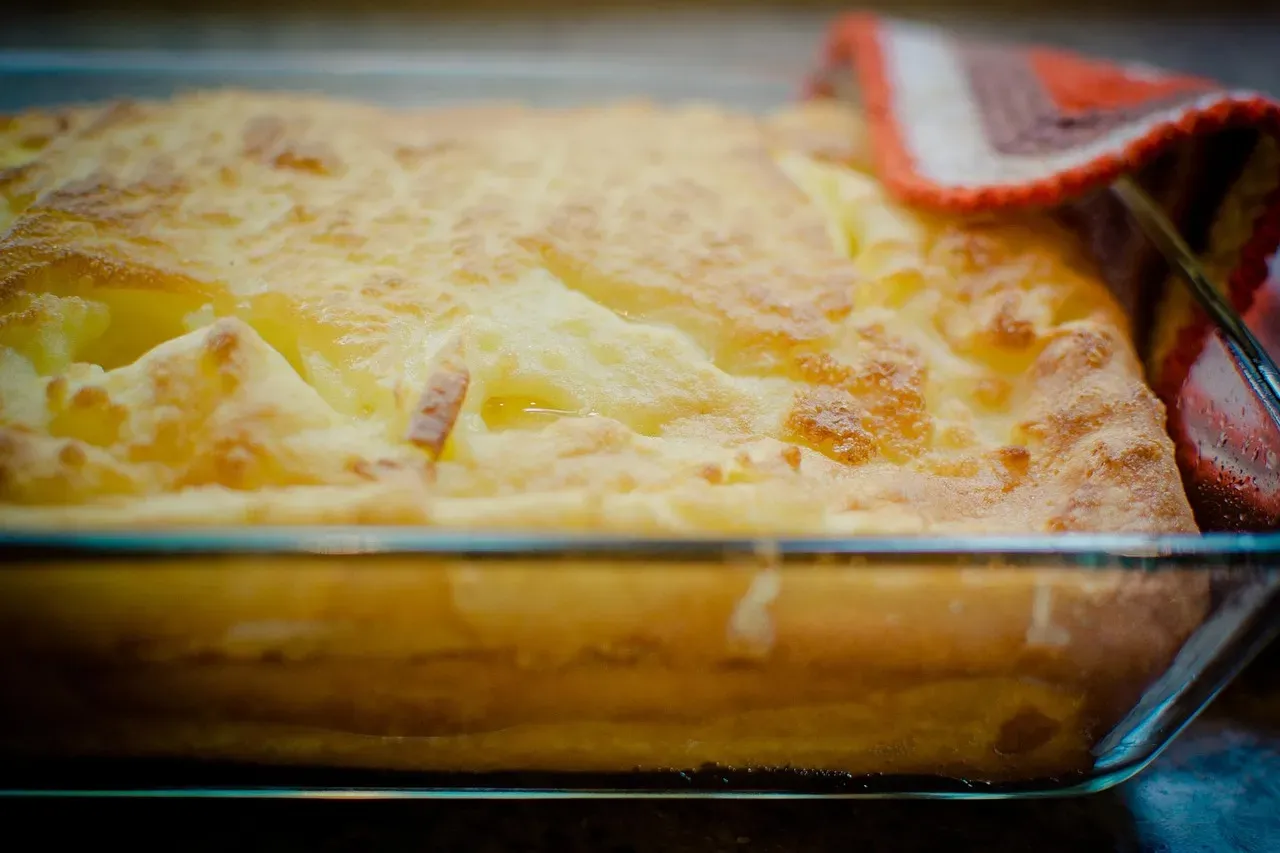
You’ve probably been there: it’s a busy evening, you pull a dish straight from the freezer, and you want dinner on the table fast. With a glass dish, this is where things get genuinely dangerous. Under the right circumstances, glass bakeware will shatter, crack, split and even explode when exposed to thermal shock. Thermal shock is when an object abruptly goes through a drastic temperature change causing it to fracture as it expands or contracts.
Don’t take a cold glass pan straight from the refrigerator and place it directly into a hot oven. This dramatic change from icy to piping hot puts too much strain on the glass and could cause it to break. For frozen foods, the temperature gap is even wider and the risk is that much higher.
Thermal shock occurs when sudden or uneven temperature changes cause glass cookware to break or shatter. The outside of the dish heats or cools faster than the inside. That temperature difference creates internal stress, and when the stress is high enough – especially when the glass already has chips or scratches – a crack can start and spread very quickly. The simple fix? Let the dish come to room temperature for at least 30 minutes before placing it in the oven.
Conclusion
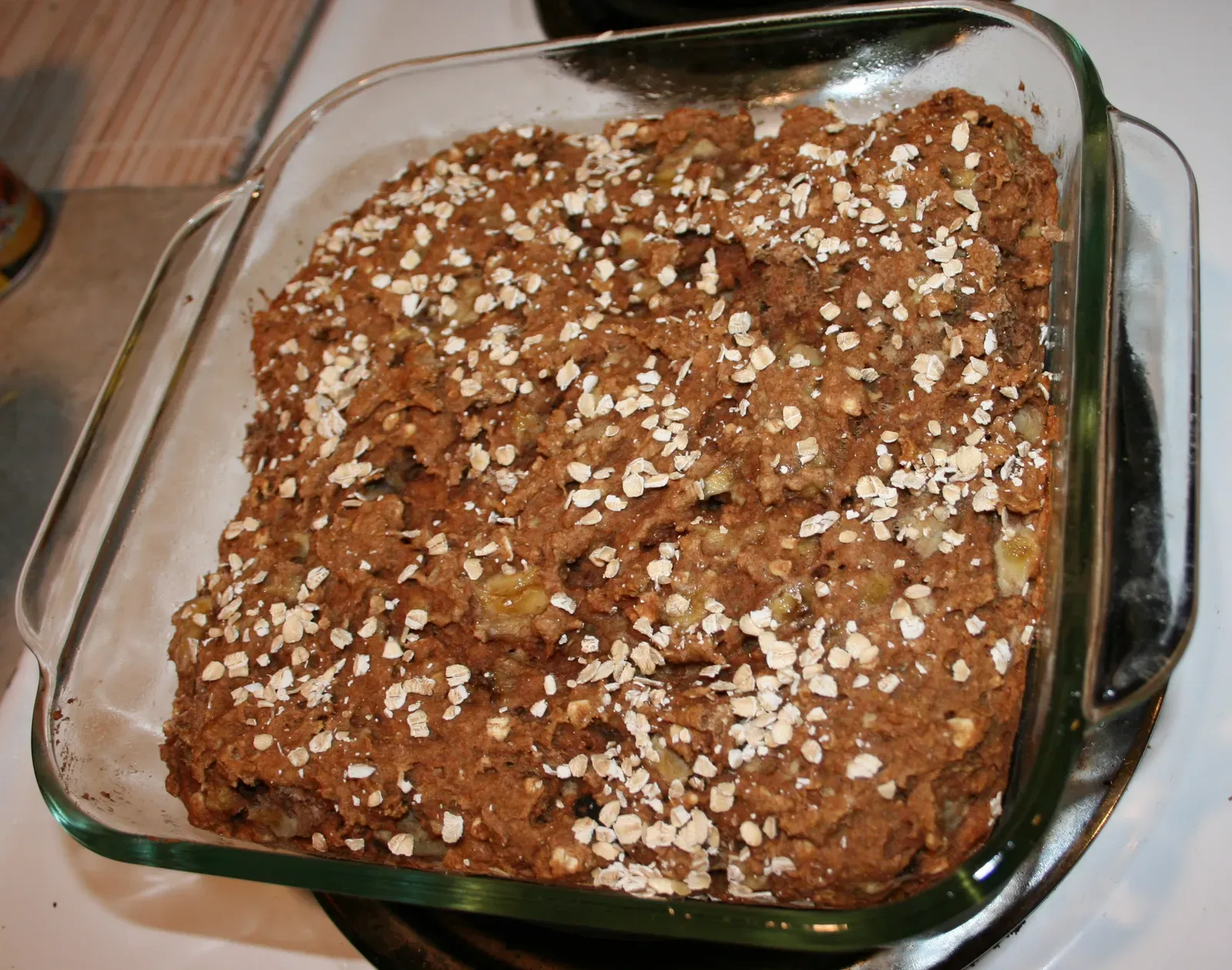
Glass bakeware has a real place in any kitchen – casseroles, bread puddings, and slow-baked pasta dishes genuinely shine in it. Food baked in glass will not pick up any taste from the pan itself since glass is a non-reactive material, and food stays hotter for longer once you take it out of the oven since glass retains heat much better than metal pans. Those are genuine advantages worth keeping.
The problem is that most people use glass by default rather than by choice. Understanding when to reach for metal instead – especially for high-heat cooking, broiling, browning, and anything straight from the freezer – will not only improve your food but could genuinely prevent a kitchen accident.
Your pan choice is not a small detail. It shapes the texture, color, doneness, and safety of everything you bake. Now that you know the eight foods that fight back against glass, you can make a smarter call every single time you open that oven. What would you have guessed was safe before reading this?