
Eating well doesn’t have to drain your wallet. That’s a fact a lot of people forget the moment they start scrolling through trendy food content filled with expensive ingredients and elaborate setups. The truth is, some of the most satisfying, nourishing meals in the world cost next to nothing to make.
Americans save around $12 by opting to cook and eat at home, with the average home meal costing around $4 compared to over $16 at an inexpensive restaurant. Annually, it costs over $13,000 more to eat out than to prepare the same amount of food at home. That’s a jaw-dropping figure. You could take a vacation with those savings. So let’s dive into eight meals that are genuinely delicious, shockingly affordable, and backed by real data.
1. Rice and Beans – The Undefeated Champion of Cheap Eating
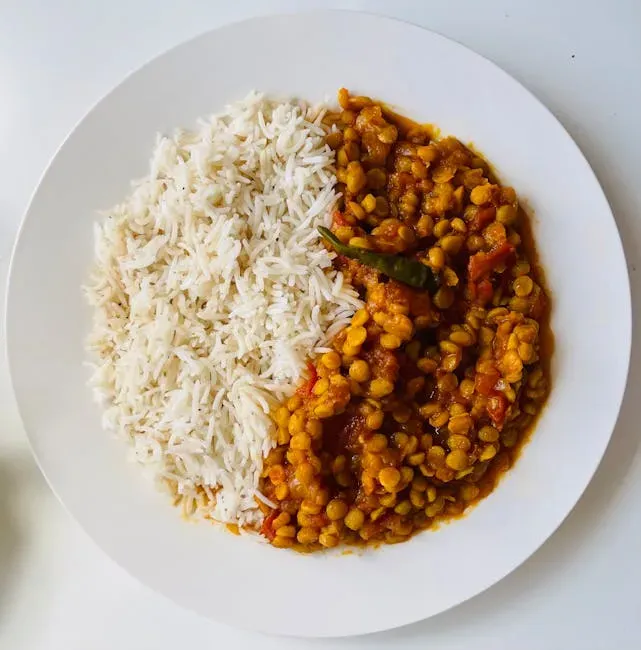
I know, I know. Rice and beans sounds boring. Give it a chance, though, because this combo has been quietly feeding billions of people around the world for centuries, and for very good reason. It’s filling, deeply nutritious, and when seasoned right, it tastes genuinely great.
Combining beans and rice creates complete proteins at a fraction of the cost of meat. That’s not just food blogger talk. That’s real nutritional science. Lentils, for example, cost just about ten cents per serving and provide 18 grams of protein and 15 grams of fiber per cooked cup. They are cholesterol-free by nature, high in folate, iron, and potassium, and low in fat.
Rice and bean meals can be made for less than three to four dollars total for a whole family of four. Think about that for a second. Four people, one satisfying meal, barely any money spent. Canned beans are convenient, but dried beans are far cheaper. A one-pound bag of dried beans yields about six cups of cooked beans, equivalent to roughly four cans.
2. Oatmeal – The Breakfast That Keeps Giving
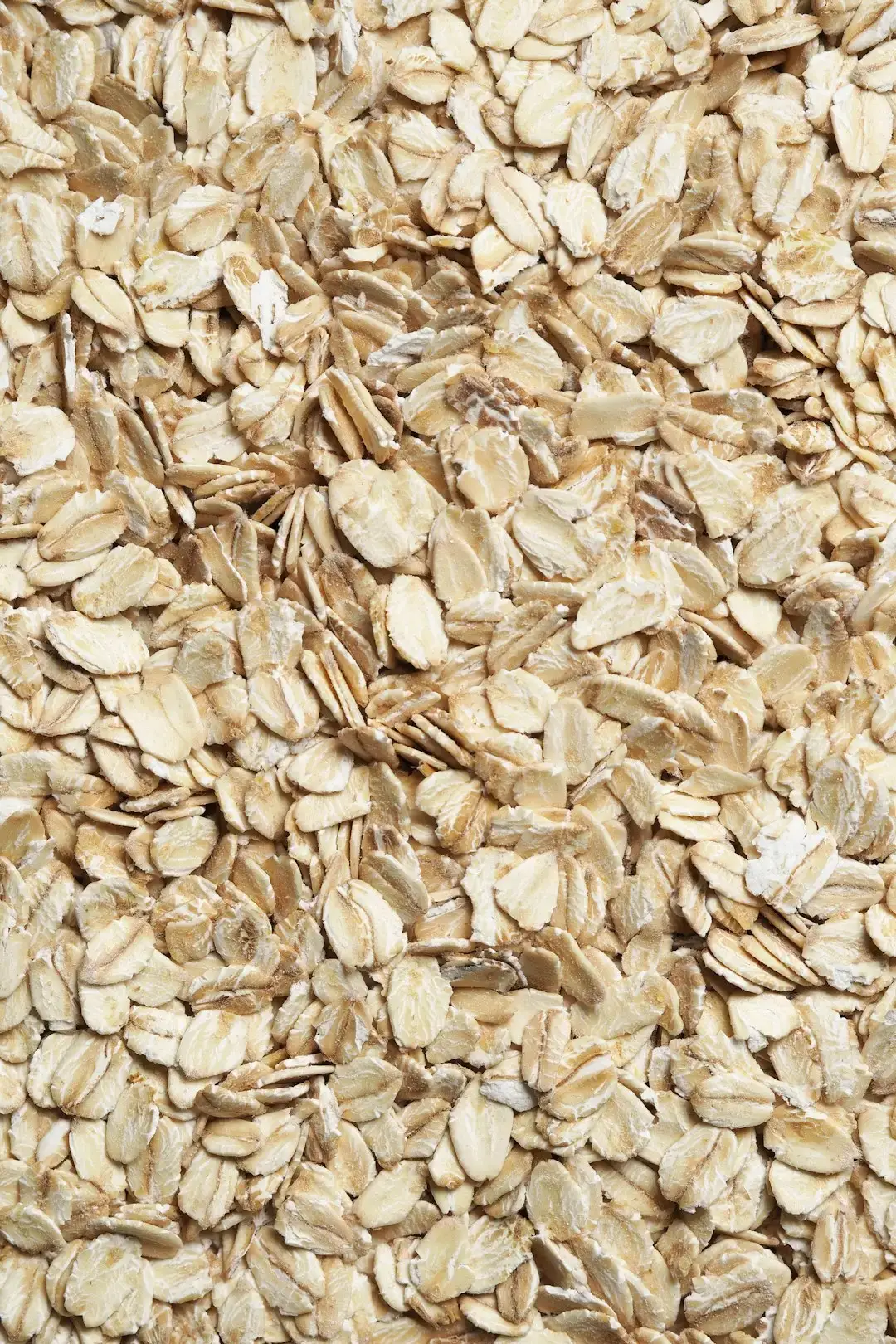
Oatmeal is probably the single most underrated budget meal out there. People dismiss it as plain or dull, but honestly, a well-made bowl of oats topped with banana, cinnamon, and a drizzle of honey is something worth waking up for. It’s also one of the cheapest breakfasts per serving you’ll find anywhere.
Oatmeal is a nutritious, inexpensive, and versatile way to incorporate whole grains into your diet. Oats made history when they became the first food with a Food and Drug Administration health claim label in 1997. This claim was related to heart health, showing that intake of whole oat products decreased blood cholesterol levels.
Oats contain a type of soluble fiber called beta-glucan, which lowers blood glucose and cholesterol levels and reduces the risk of heart disease and diabetes. Beta-glucan also promotes healthy gut bacteria and intestinal health. Baked oatmeal recipes can make multiple servings for less than a dollar each, reheat great for quick breakfasts through the week, and freeze well too. Hard to beat that math.
3. Lentil Soup – Cheap, Cozy, and Surprisingly Complex
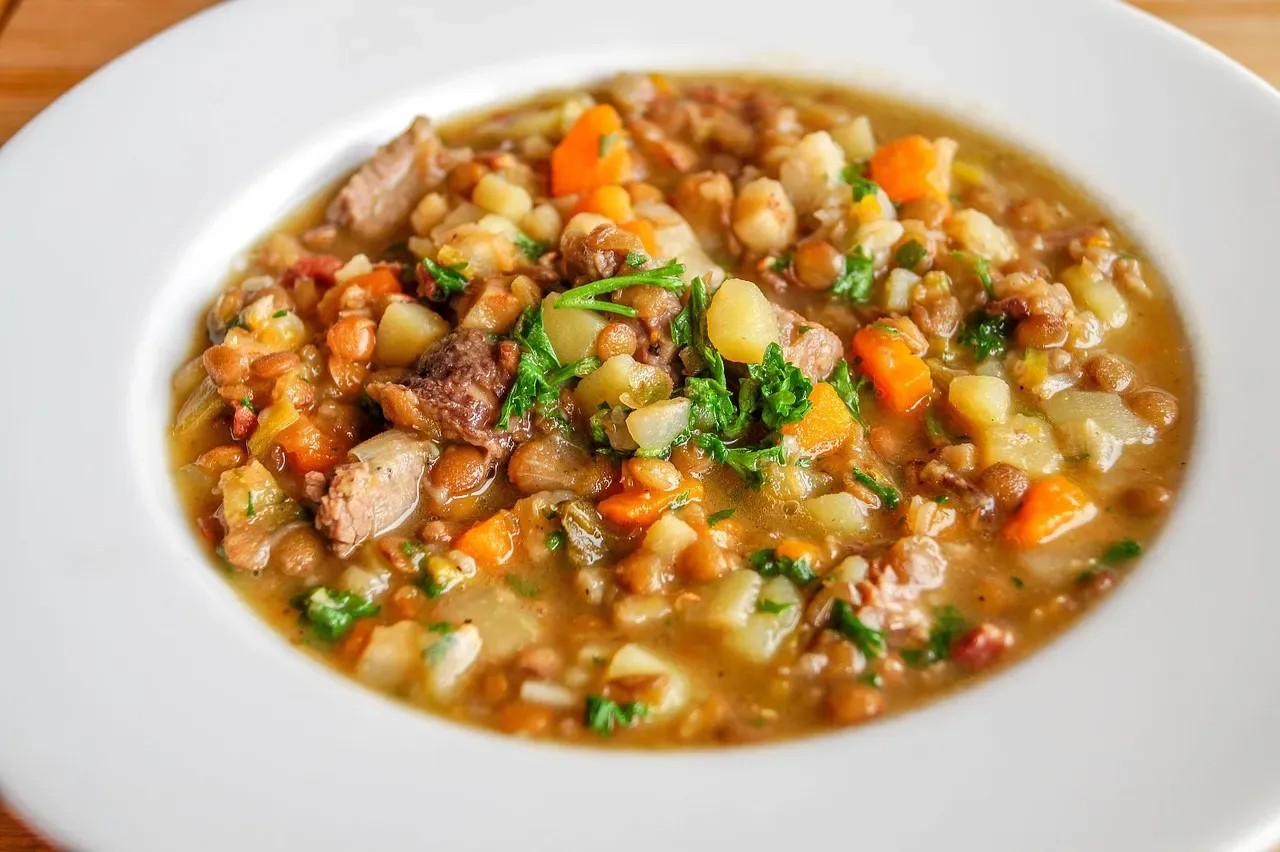
There is something almost magical about a pot of lentil soup. It’s the kind of meal that smells incredible as it simmers, fills your kitchen with warmth, and somehow tastes like it took way more effort than it actually did. It’s a weeknight dinner secret weapon.
Vegetable lentil soup comes in at around $1.20 per serving and is colorful, chunky, and full of plant fiber that keeps you full for hours. For a super budget meal, frozen mixed veggies can be tossed in as they’re cheaper than fresh and require zero chopping.
New evidence in the Nutrients Journal from 2024 discovered that pulses like lentils in the diet increase diversity in the gut microbiome. So this isn’t just a wallet win. It’s a health win too. Affordable staples such as beans, lentils, oats, eggs, brown rice, canned fish, and frozen vegetables offer a powerful combination of vitamins, minerals, fiber, and protein while being easy on your wallet. Many of these foods are shelf-stable or have a long freezer life, which helps reduce waste and saves money over time.
4. Egg Fried Rice – A Leftover Masterpiece
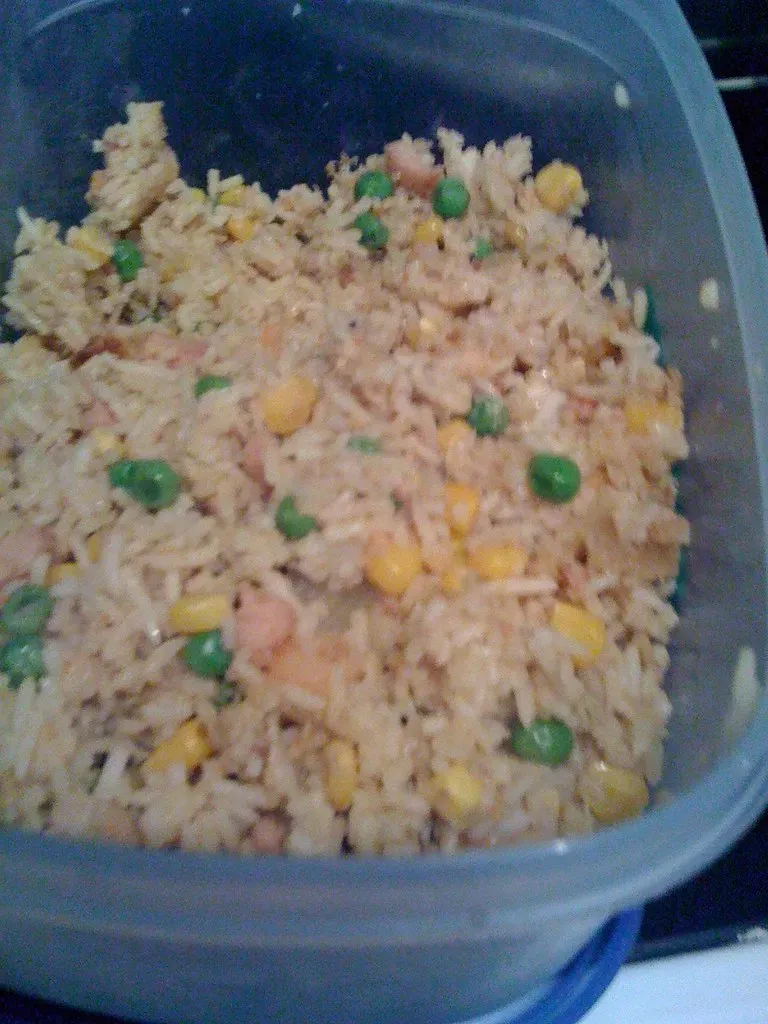
Here’s the thing about egg fried rice: it was literally invented to use up leftovers. That cold, slightly dried-out rice sitting in your fridge? That’s actually the ideal ingredient. Day-old rice fries up crispier and with better texture than freshly cooked rice ever could.
Leftover rice finds new life in the form of egg fried rice, a quick and delicious way to use kitchen staples. Scrambled eggs add protein and texture, while soy sauce enhances the taste. Adding frozen peas or carrots increases the nutritional content and color. The dish is cooked quickly over high heat, resulting in a delightful combination of flavors and textures.
Day-old rice plus any leftover vegetables or meat becomes fried rice with an estimated cost of just two to four dollars for four servings. That’s less than a dollar a plate. Eggs are a complete protein and one of the cheapest animal proteins available. Pair them with rice and a splash of soy sauce, and you’ve got a genuinely satisfying dinner with almost no effort.
5. Pasta e Fagioli – Italian Comfort on a Shoestring
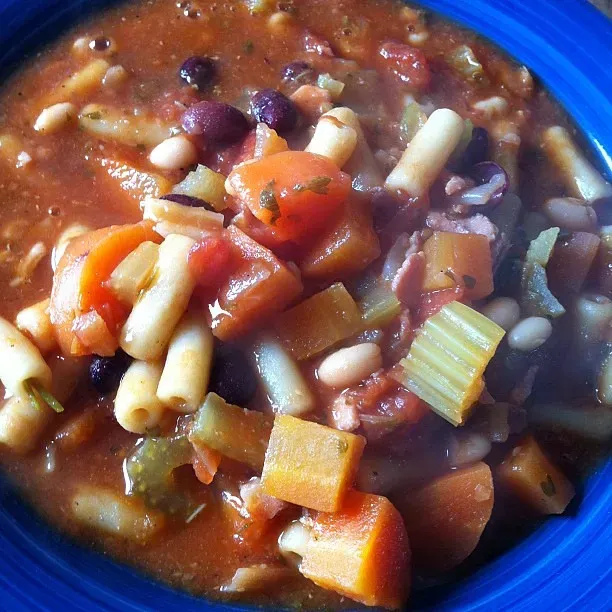
Pasta e Fagioli, or “pasta and beans” in Italian, is one of those dishes that proves humble ingredients can create something extraordinary. This thick, hearty soup is a staple of Italian home cooking, and it happens to be almost comically affordable to make.
Pasta e Fagioli comes in at around $1.20 per serving and is described as rustic, hearty, and high-volume. Using half the pasta and double the beans adds more fiber at fewer pennies. It’s the kind of trick that seems obvious once you hear it but makes a real difference.
This Italian soup combines pasta and beans in a tomato-based broth. It is incredibly filling and costs very little to make, especially when using dried beans, with an estimated cost of five to seven dollars for eight servings. Think of it like this: that’s a meal for eight people for less than the price of a single fast food combo. You really cannot argue with that.
6. Vegetable Stew With Potatoes – No-Fuss Filling Fuel
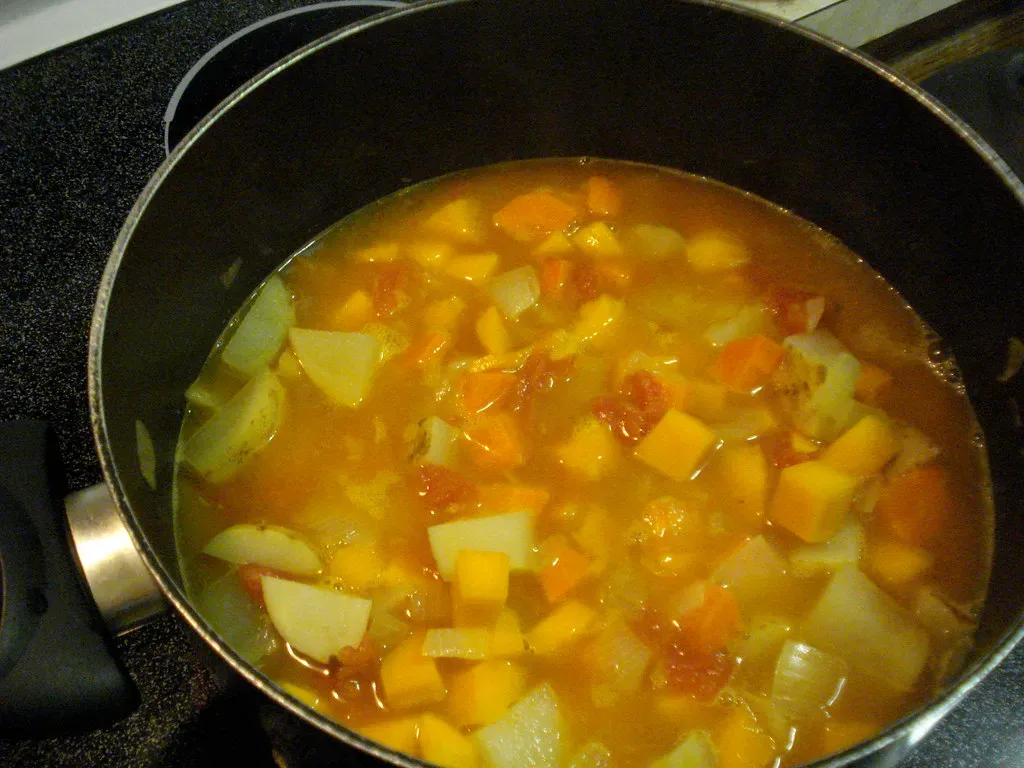
A simple vegetable stew built around potatoes, carrots, onions, and whatever else is in your fridge might not sound exciting on paper. In practice, though, it’s one of the most satisfying meals you can make on a tight budget. Root vegetables are naturally sweet when cooked long enough, and they absorb flavor beautifully.
Frozen vegetables are nutritionally comparable to fresh and often more affordable. Canned tomatoes are actually more nutritious than fresh in many cases. Root vegetables provide substantial nutrients at low cost. So swapping fresh for frozen or canned isn’t a compromise. It’s actually a smart move.
A sheet pan meal with chicken thighs, carrots, potatoes, onions, olive oil, and garlic, roasted together on one tray for easy cleanup, comes in at roughly $2.80 per serving. Strip the chicken out, and the vegetable version costs even less. Potatoes can be boiled and mashed for comfort food, or they are essential for bulking up soups and stews. Stored in a cool, dark, and dry place, potatoes can last for weeks.
7. Red Lentil Curry – Bold Flavor, Tiny Price Tag
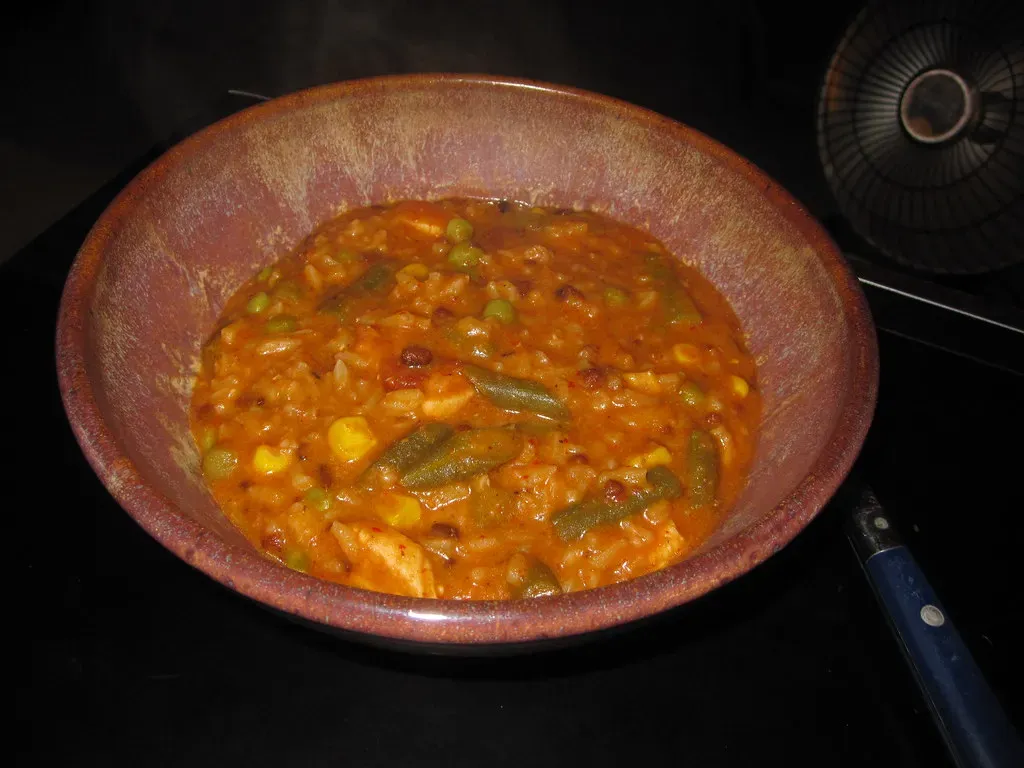
Few meals deliver as much flavor punch per dollar as a good red lentil curry. It’s velvety, warming, and deeply spiced. When you serve it over brown rice, you’ve got a complete, nutritious meal that feels indulgent but costs almost nothing to put together.
Red lentil curry comes in at around $1.00 per serving and is velvety, spiced, and naturally creamy from split lentils, ready in about 25 minutes. If coconut milk is pricey, using plant milk with a spoon of peanut butter delivers the same lush texture. That’s a clever trick worth remembering.
Brown rice delivers whole-grain nutrition for only about eight cents a serving, offering slow-burning carbs and over three grams of fiber per cooked cup. It’s a good source of magnesium, needed for muscle and nerve function, and selenium, which boosts immunity. A UN Food Security Report from 2024 included legumes such as chickpeas as the ideal foods to consume for sustainable, high-quality diets worldwide. That’s a powerful endorsement from the highest level of global nutrition thinking.
8. Homemade Vegetable Soup From Scratch – Zero Waste, Maximum Flavor
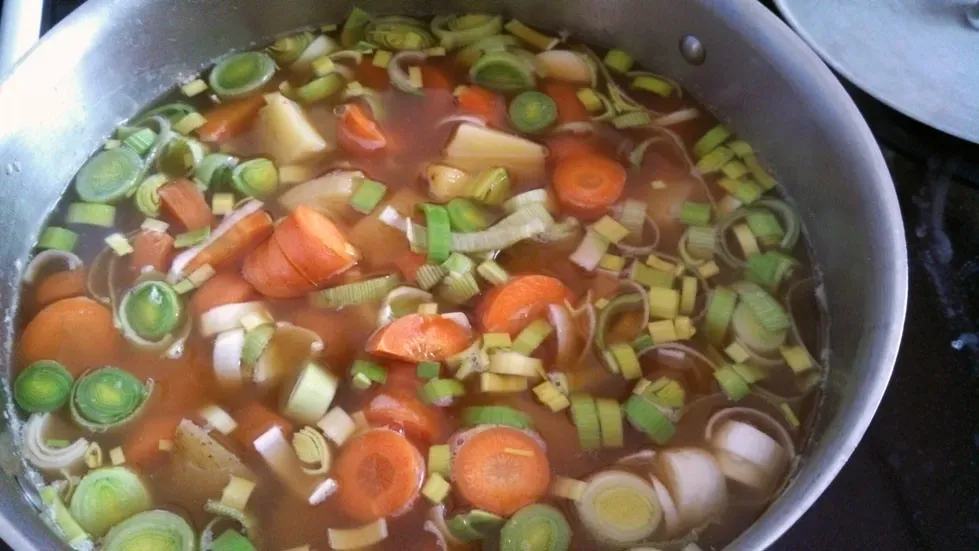
Homemade vegetable soup might be the ultimate budget meal because it actively rewards you for using things up. Wilting celery, the last few carrots, half an onion, vegetable scraps, canned tomatoes. They all go into the pot and come out as something genuinely warming and delicious.
Vegetable scraps, meat bones, and leftover vegetables become flavorful soup where nothing goes to waste. You create something delicious from what others might throw away, with an estimated cost of three to five dollars for six servings.
Frozen vegetables are often cheaper and fresher than out-of-season fresh produce. Herbs and spices like salt, garlic, cumin, paprika, and chili powder are small investments that turn bland food into delicious meals. The spice rack is where cheap food stops tasting cheap. Some of the best dinners are simple, hearty, and under three dollars per serving. A pot of vegetable soup proves that every single time.
The Real Numbers Behind Cooking at Home

It’s worth stepping back and looking at the bigger picture, because the financial case for cooking budget meals at home is genuinely striking. In 2024, U.S. consumers spent an average of 10.4 percent of their disposable personal incomes on food, a decrease from 10.6 percent in 2023. Still, food is a major household expense for most families.
The average monthly cost for groceries in the United States in 2025 is about $370 per person – a figure that continues to edge upward as food prices remain elevated heading into 2026. The eight meals listed here can be made for a fraction of that figure, repeated throughout the week in different combinations, and still leave you with money to spare. It costs nearly three times more to eat a meal in a restaurant than to make it at home, and some states see even higher costs when eating out.
Each recipe built around affordable pantry staples like beans, lentils, and seasonal vegetables costs around 50 cents to $1.30 per serving based on 2025 U.S. prices. That’s remarkable. Eating healthy on a budget is entirely possible, and the list of cheapest and most nutritious foods proves that you don’t need to spend a lot to nourish your body well.
Conclusion

The eight meals in this list have one thing in common. They all prove that great food doesn’t require a big grocery bill. From a creamy red lentil curry to a pot of Italian pasta e fagioli, from a warming bowl of egg fried rice to a deeply satisfying lentil soup, cheap and delicious are not opposites. They’re friends.
The secret is in the pantry staples. Beans, lentils, oats, brown rice, eggs, canned tomatoes, frozen vegetables, and a good set of spices. These are the foundations of genuinely good cooking, and they cost almost nothing when bought smartly.
Cooking on a budget isn’t about deprivation. It’s about creativity, intentionality, and knowing which ingredients punch far above their price. Next time you’re tempted to order takeout because cooking feels like too much effort, just remember: some of the world’s most beloved dishes were invented by people making the most of very little. Which of these eight meals will you cook first?