
There’s a quiet, unspoken contract happening every time you sit down at a restaurant. You know your part, right? Order something, eat it, tip well, leave happy. Simple. Yet somehow, a surprising number of diners unknowingly turn this routine exchange into a minor nightmare for the people serving them. And honestly, most of them have zero idea they’re doing it.
Restaurant workers are stretched thinner than ever. Among restaurant managers and employees, their biggest challenges include staffing at over half of respondents, burnout affecting roughly half, and compensation difficulties. That’s the backdrop against which your dinner order lands. So before you wave down your server or rattle off a laundry list of requests, it’s worth knowing what actually drives restaurant staff to the edge. Let’s dive in.
Table of Contents
1. Saying You’re Ready When You’re Clearly Not
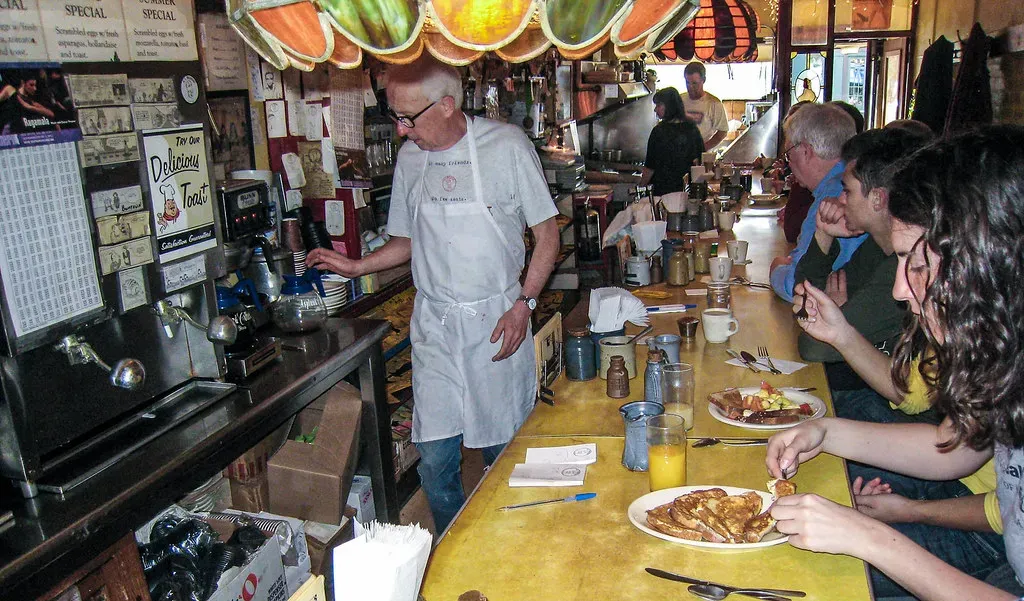
This one is painfully universal, and servers have been quietly suffering through it for years. You catch your server’s eye, give the confident nod, and wave them over. Then you pick up the menu. The menu you haven’t actually read yet.
All too often, parties will confidently declare they’re ready to order, only for one out of six patrons to actually be prepared. Those who flag down a server only to scratch their heads and look over the menu for over five minutes create a real problem. It sounds trivial, I know. But think about it like this: imagine being in a meeting where someone calls an urgent discussion, then spends ten minutes Googling the topic they called the meeting about.
Servers have things to do, and monopolizing their time won’t make your food arrive any sooner. In fact, it’s more likely to slow things down because every second counts in the kitchen and on the floor. The fix is almost embarrassingly simple: just let your server know you need a few more minutes. They will come back. That’s literally their job.
2. Snapping Fingers or Waving Aggressively to Get Attention
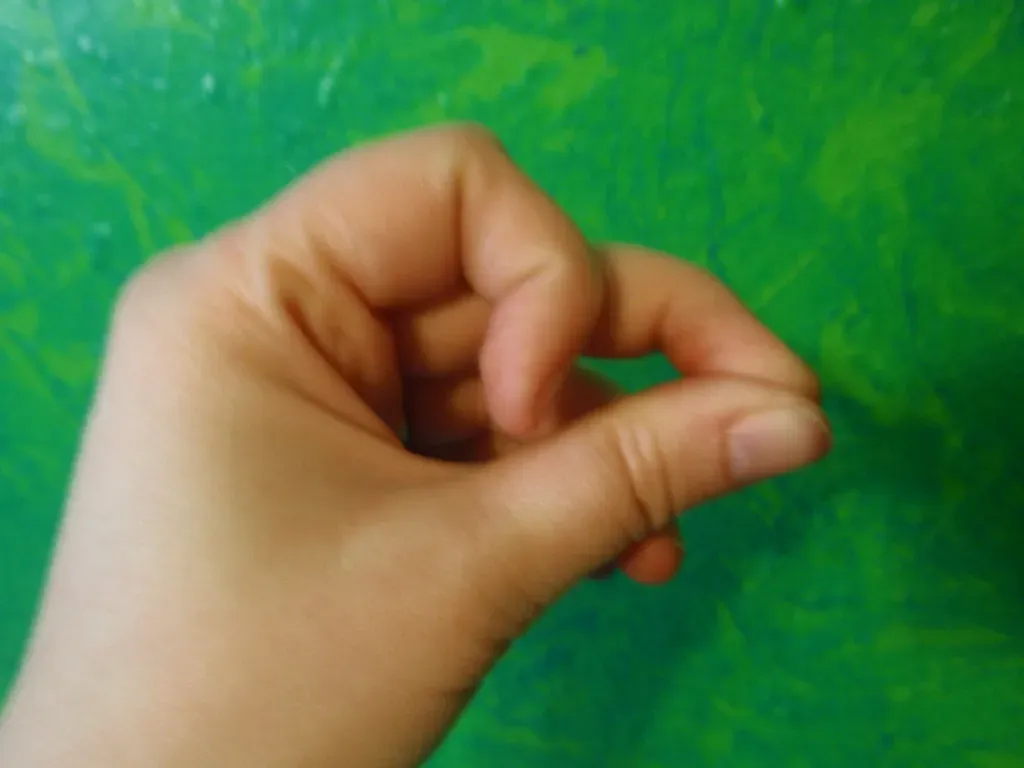
Here’s the thing. Nobody working in a restaurant signed up to be treated like a household pet. Yet snapping fingers at servers remains one of the most complained-about behaviors in the industry, and it never seems to go away entirely.
Servers have directly stated that nothing irritates them more than when people snap at them, adding simply: “I’m not your dog or your servant.” That sentiment says everything. It’s not just the action itself but what it communicates: that you see the person serving you as less than worthy of basic human courtesy.
According to Food and Wine, customer entitlement at restaurants is now extremely high, and restaurant workers are at their limit, with the pandemic having worsened customer behavior and often making staff feel unsafe and unvalued. Making eye contact and a simple wave works just fine. It always has. Snapping belongs at a dog training class, not a dining room.
3. Interrupting Staff While They’re With Another Table
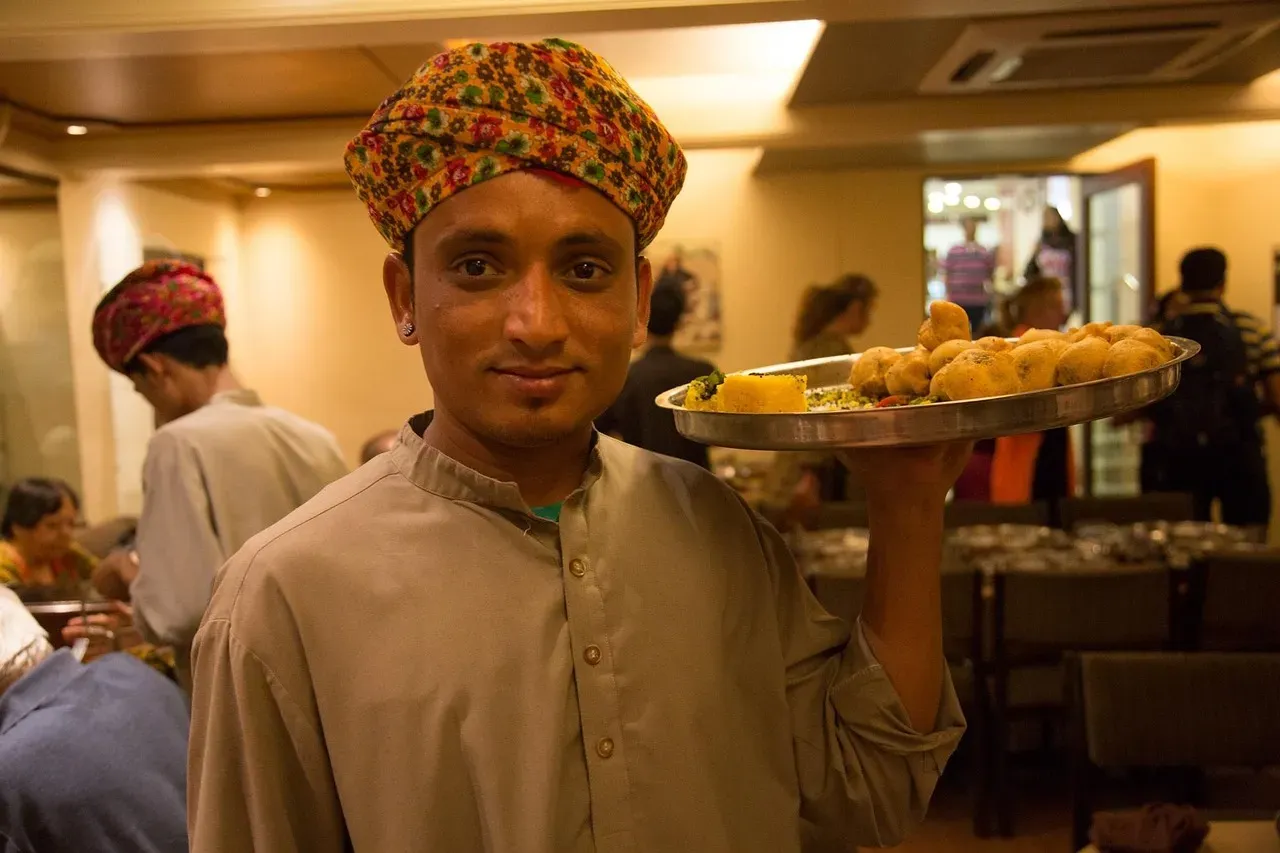
This habit tends to come from a place of impatience rather than genuine malice. Still, it’s genuinely disruptive and shows a fundamental misunderstanding of how a restaurant floor actually operates. Servers are not exclusively yours. They are managing multiple tables simultaneously, often more than you’d guess.
Servers have expressed particular frustration when customers think they’re their only table and interrupt them when they’re literally in the middle of taking someone else’s order. It forces servers into an awkward spot socially, and it disrupts the momentum of an order that’s already in progress. The table being served? They notice too.
A waiter typically serves around three to five tables at once during their shift, depending on the restaurant type they work at. So when you interrupt mid-order at another table, you’re not just affecting your own experience. You’re potentially throwing off the rhythm for everyone in that server’s section. Patience genuinely pays off here.
4. Piling On the Modifications and Special Requests
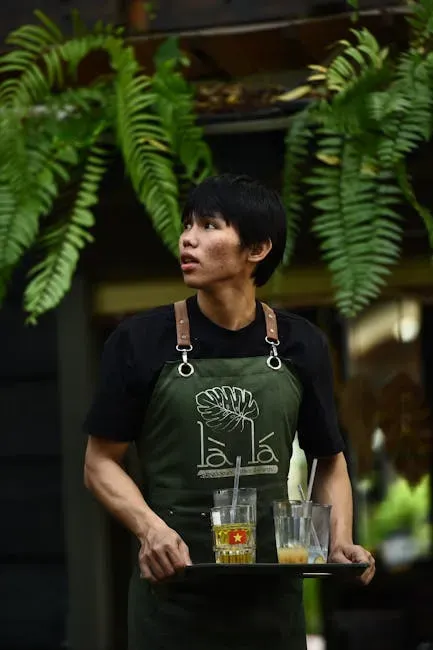
Now, look. Legitimate dietary needs and allergies are serious, and any good restaurant should accommodate them without hesitation. That’s non-negotiable. The issue is something different: the modern trend of treating every menu item like a personal customization project, swapping out multiple ingredients simply out of preference.
Working as a waiter is often described as one of the most stressful jobs a person can have, and dealing with very specific and subjective demands from every single table can take its toll. Every modification adds a layer of complexity to what the kitchen has to execute, often under significant pressure during a busy service. A dish with six modifications is essentially a brand new dish that the kitchen wasn’t designed or prepped to make.
Research by Tork found that roughly three out of four kitchen staff would be happier if their workplace was more organized, and service interruptions affect guest experience according to the vast majority of restaurant employees. Excessive modifications are essentially self-generated service interruptions. A small tweak? Totally fine. Ordering a pasta dish without the pasta, sauce, or cheese while adding three things that aren’t on the menu? That’s a different story altogether.
5. Letting Kids Dismantle the Table Without Intervening
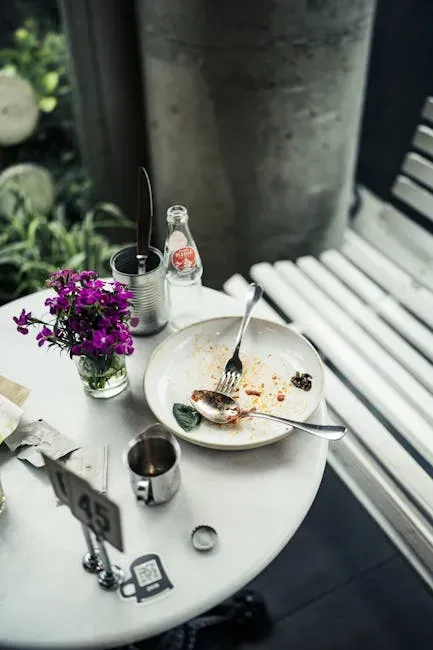
This is a topic servers often discuss in hushed tones among themselves, and it’s one most parents probably don’t think about at all. Kids are kids. They make messes, they scatter things, they turn sugar packets into sculptures. That’s fine and completely expected. The frustration, though, arises when adults at the table simply watch it happen without any acknowledgment.
Breaking down the restaurant is the most taxing part of the whole night, especially for the kitchen. Consider how messy a kitchen looks after making an elaborate dinner for four, then multiply that by 50 and you begin to understand the scale of end-of-day cleanup. When a table is left completely destroyed, with food on seats, shredded napkins, and scattered condiments, that cleanup falls entirely on staff who are already dealing with a dozen other responsibilities.
A server’s job is high-stress by nature. They have to get used to the fast-paced environment and juggle different customer demands while keeping a smile on their face. A little awareness goes a long way. Stacking plates, gathering wrappers, or at least acknowledging the mess takes about thirty seconds and it genuinely makes a difference to the person clearing your table at the end of a ten-hour shift.
6. Ordering Everything Separately and at Different Times

Imagine you’re a server managing five tables during a peak dinner rush. One table needs drinks, another needs their check, a third just got their food. Then there’s the table that ordered an appetizer, waited until it arrived to order their main course, then remembered mid-meal that they wanted a salad, and then thought of a dessert question before the entrees even landed. This is the ordering habit that quietly unravels a server’s entire flow.
Missed orders, incorrect items, and delayed pickups create a frustrating experience for customers and add unnecessary stress for staff. Staggered ordering works against the kitchen’s rhythm, which runs on timing. When one table orders in disconnected waves throughout the meal, it forces the kitchen to make constant small adjustments that ripple through the entire service.
Staff can only move so fast, and when they’re stuck taking orders repeatedly for the same table or manually tracking multiple stages of a single table’s meal, delays become inevitable. The simple move here is to think through what you’d like before the server arrives, or at least be upfront and say: “We’d like to start with these and then order the rest.” That one heads-up saves everyone serious time.
7. Arriving Right Before Closing Time and Lingering
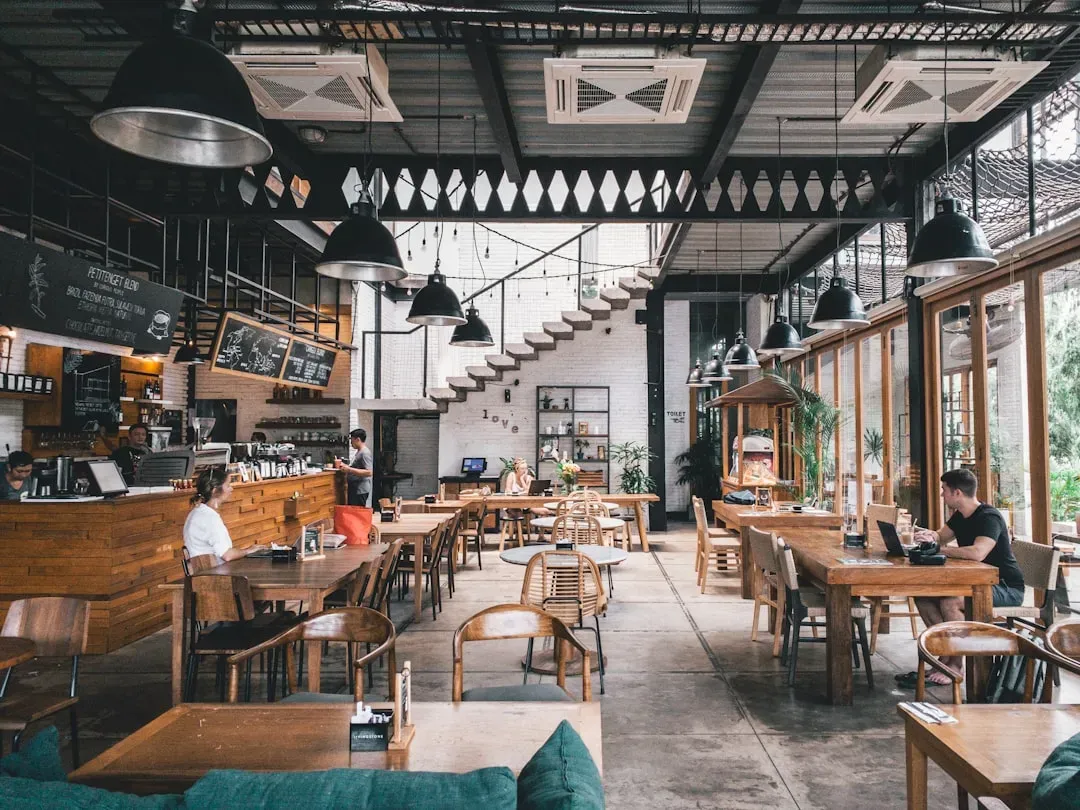
I’ll be honest. This one might be the most contentious item on the list, because technically, a restaurant is open until it’s closed. If the sign says 10pm, then walking in at 9:55pm is within your legal right as a customer. Nobody disputes that. The frustration isn’t really about your presence. It’s about what sometimes follows: ordering extensively, taking your time, and staying well past the listed closing hour with no sense of urgency.
This is a universal no-no in the restaurant industry, yet there still seems to be a community of people who aren’t aware of this social norm or who simply don’t care. Breaking down the restaurant is the most taxing part of the whole night, especially for the kitchen, where cleanup is an enormous undertaking. The kitchen staff who cooked your food have often been on their feet since early afternoon. The longer a table lingers, the longer every single person on staff has to stay.
According to the National Restaurant Association, roughly seven out of ten operators are struggling to fill positions, with turnover rates remaining high at between 75 and 80 percent annually. That means the staff still standing at your table at 11pm are likely already understaffed, possibly covering for missing colleagues. Emotional fatigue from handling difficult customers and peak service pressure accelerates burnout. Eating quickly and leaving at a reasonable hour when you arrive near closing time is one of the most genuinely kind things you can do as a diner.
Restaurant work is harder than it looks from the other side of the table. The people serving you are managing more stress, fewer colleagues, and higher expectations than perhaps any time in recent history. None of these seven habits are unforgivable sins, and most are genuinely unintentional. Awareness, though, costs nothing. The next time you sit down to eat, ask yourself honestly: which of these might you be guilty of? Chances are, you might be surprised by the answer.