
Most of us grew up hearing the same thing: fresh is best. Fresh vegetables straight from the market, vibrant and crisp, must be the gold standard for nutrition. It’s one of those food beliefs that seems almost too obvious to question. Turns out, though, science has been quietly challenging this assumption for years now.
The truth is a bit more complicated, and honestly, a lot more interesting. Supermarket “fresh” produce can spend up to a month in the chain of producers, wholesalers, and retailers before you ever see it in store. During that entire journey, nutrients are quietly disappearing. So let’s get into the six frozen vegetables that research actually backs as nutritional powerhouses rivaling or even topping their fresh counterparts.
Table of Contents
1. Green Peas: Frozen at the Speed of Freshness
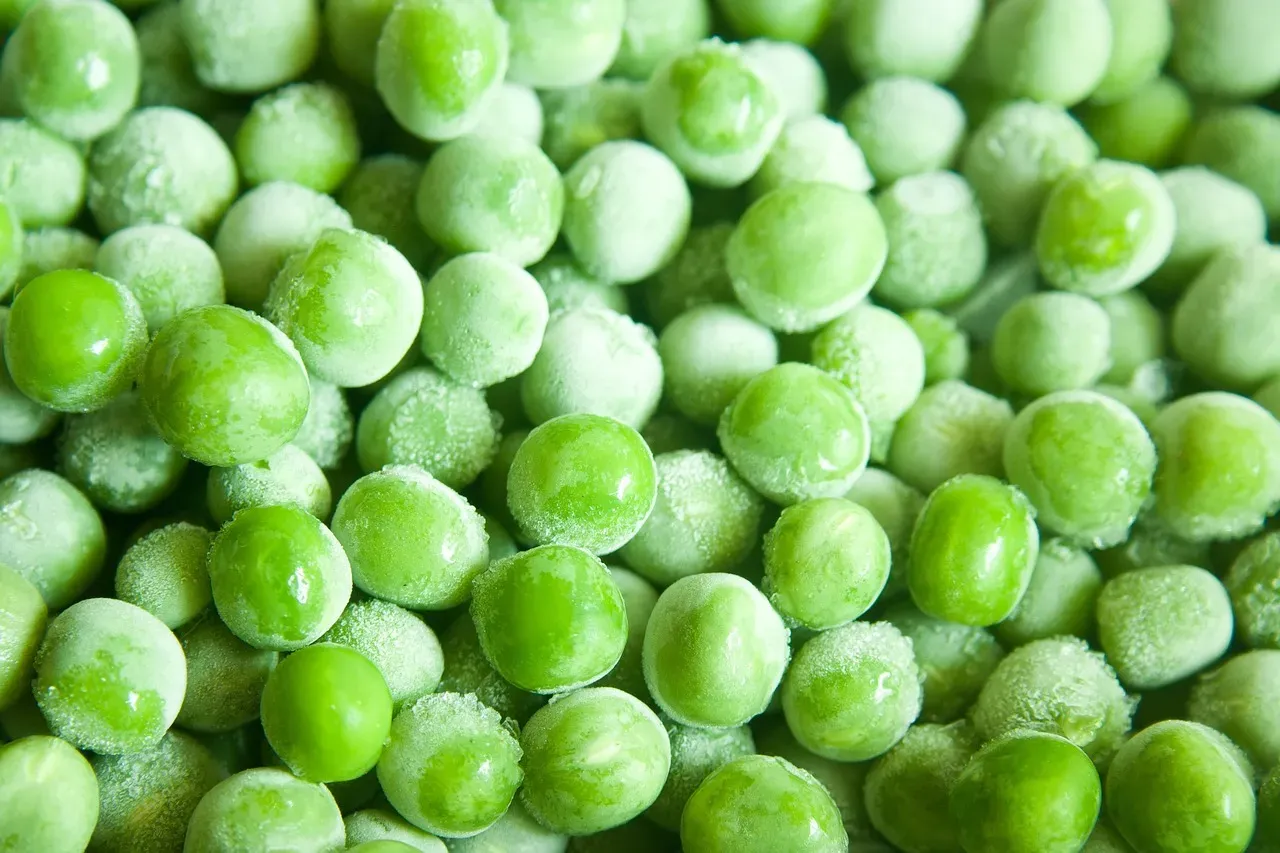
Here’s a fact that might genuinely surprise you: green peas are one of the fastest vegetables to lose their nutritional value after harvest. Green peas have been shown to lose up to roughly half of their vitamin C during the first 24 to 48 hours after harvesting. That’s not days in the fridge. That’s hours.
Frozen peas are frozen so quickly within picking that they don’t have the chance to lose any nutritional content. That rapid turnaround is the key. One cup of frozen green peas provides over sixty percent of the daily recommended intake of Vitamin C, along with a meaningful amount of Vitamin A, folate, and seven grams of protein.
In peas, you’ll also find several B vitamins and antioxidants like lutein and zeaxanthin, which support eye health. Think of frozen peas like a nutritional time capsule. The goodness gets locked in right at its peak, while the “fresh” ones at the grocery store have likely been slowly fading for weeks.
2. Broccoli: The Vitamin C Champion of the Freezer Aisle
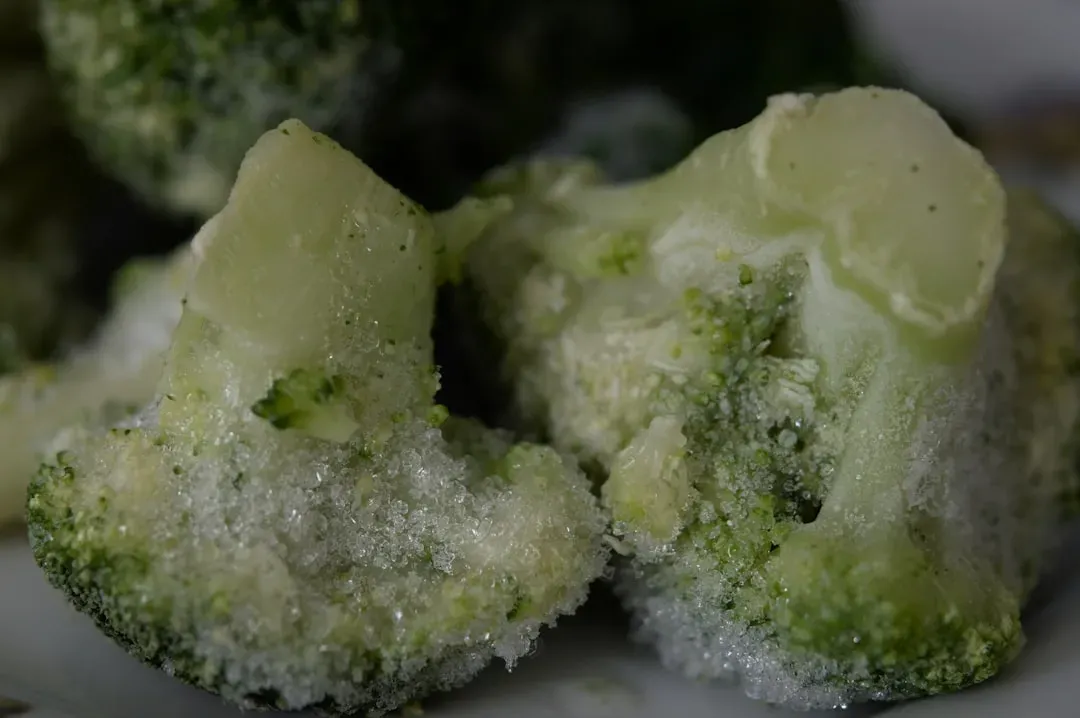
Broccoli is practically synonymous with healthy eating, but the fresh florets sitting in your fridge might not be delivering what you think. Broccoli is one of those greens that spoils and loses nutrients quickly. Vitamin C rapidly degrades after harvest, and broccoli can lose up to 56 percent of its vitamin C within seven days when refrigerated at higher temperatures or at room temperature.
Frozen broccoli actually stood out in research comparisons, with studies showing it had higher levels of Vitamin C, lutein, and four times more beta-carotene, whereas fresh scored better only on polyphenols. Four times more beta-carotene is not a minor difference. That compound is directly linked to eye health and immune support.
Scientists found that vitamin C in fresh broccoli dropped by more than half within one week, but in frozen broccoli it dropped by only about ten percent. If you’re cooking broccoli anyway, honestly, the frozen bag in your freezer might be the smarter buy.
3. Spinach: The Folate Story Nobody Talks About
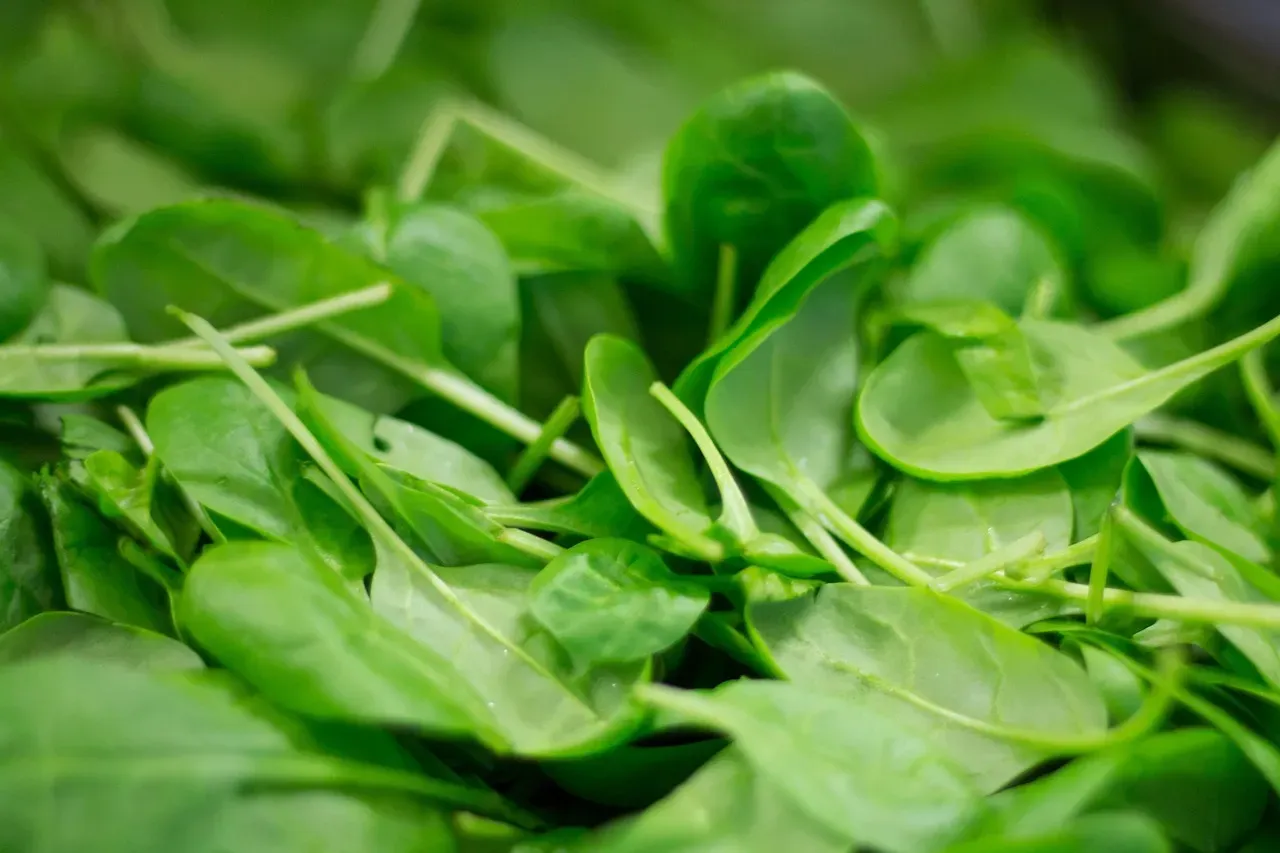
Even when refrigerated properly, spinach loses its nutritional value very fast. Fresh spinach is an excellent source of folate, a nutrient many women are deficient in, but it starts to lose its folate the very moment it is harvested. Folate is critical for cell function and incredibly important during pregnancy. Losing it quietly in the fridge is not ideal.
A study published in the journal Food Chemistry and Toxicology found that only about half of the folate in packaged spinach was retained after eight days of storage at refrigerator temperature. If stored slightly warmer, the folate concentration was reduced to less than a quarter within just six days. That is a dramatic drop for something marketed as “fresh.”
Frozen spinach is a nutrition powerhouse precisely because it’s blanched and flash-frozen right after harvest, retaining more vitamin A, folate, and vitamin K compared to fresh spinach that sits in the fridge for a week. Top performers for nutrient density per calorie among all frozen vegetables include frozen spinach, specifically for its folate, iron, and vitamin K content.
4. Corn: Sweeter in the Bag Than on the Shelf
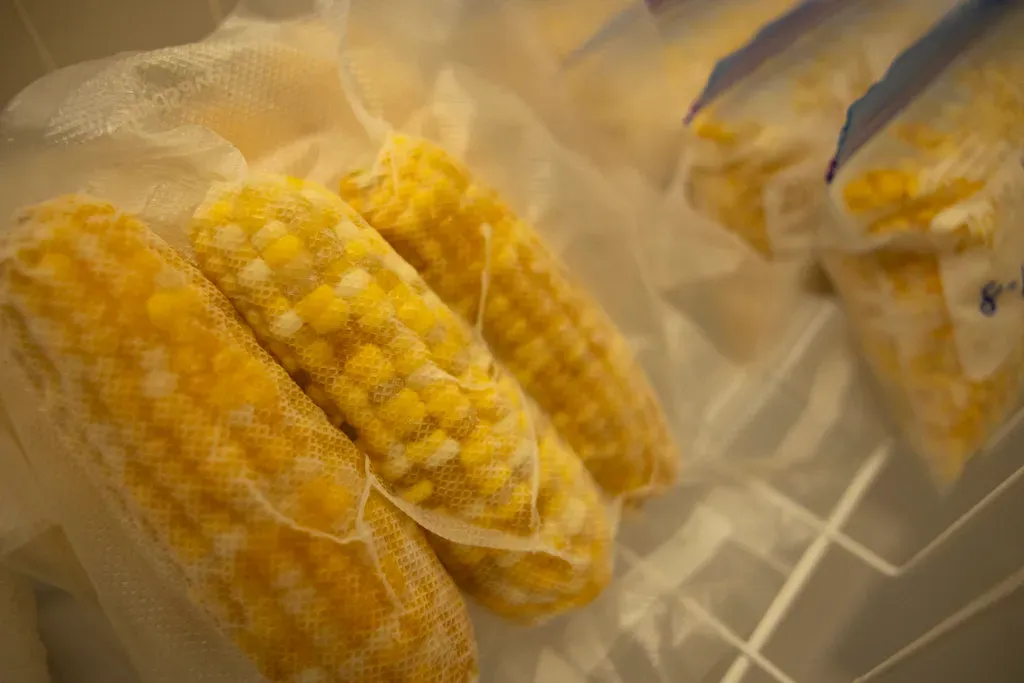
Sweet corn is one of those vegetables that truly races against the clock. Sweet corn loses its sugar and nutrients quickly after harvest. Frozen corn is processed and frozen at its peak freshness, which preserves its natural sweetness and vitamin C content. That window between peak sweetness and nutritional decline is surprisingly short.
Researchers found that frozen corn had more vitamin C than its fresh equivalent. This finding came from a study comparing vitamin retention in eight different fruits and vegetables across refrigerated and frozen storage, published and cited widely in nutrition science. It’s not a one-off result.
Frozen produce is picked at or around peak ripeness, then blanched and packaged in a nitrogen atmosphere within just a few hours, which helps preserve nutrients. The corn that ends up in a frozen bag probably had a better nutritional start to life than the fresh ear you picked up on a Tuesday in November. That’s just the reality of modern food supply chains.
5. Green Beans: A Clear Case for the Freezer
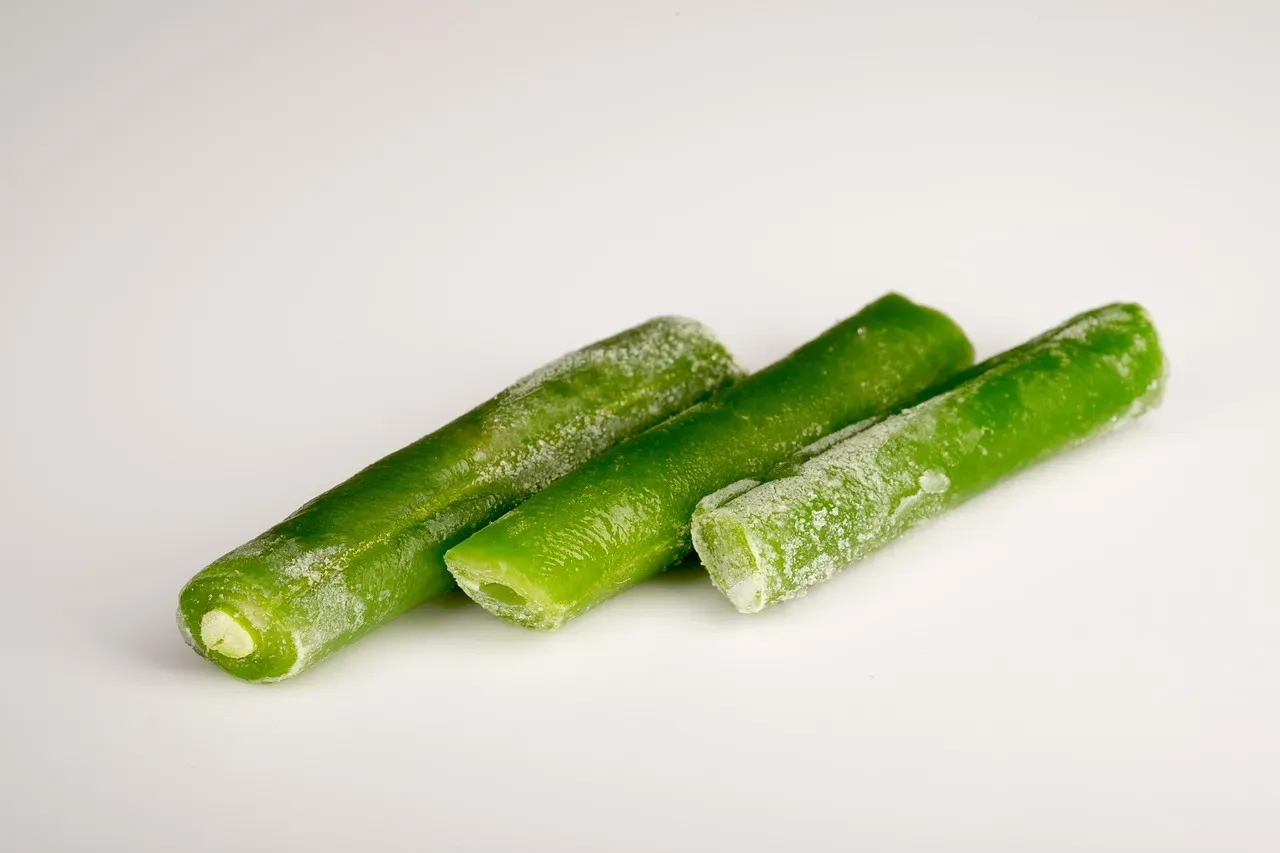
Green beans might be one of the most compelling arguments for frozen produce, full stop. According to a UC Davis study, green beans can lose as much as roughly three quarters of their vitamin C content when stored at refrigerator temperature for seven days. That loss climbs to nearly ninety percent if the beans are stored for sixteen days. Almost all of the vitamin C. Gone.
In contrast, green beans lose only about twenty-eight percent of vitamin C during blanching and subsequent freezing. That’s the trade-off in a nutshell. Yes, there’s some loss during the freezing process. It’s hard to say for sure that frozen is always superior, but the numbers here are pretty hard to argue with.
Levels of Vitamin C and polyphenols were found to be much higher in frozen green beans compared to fresh counterparts in research highlighted by Plant Based Science London. The British Heart Foundation, the American Heart Association, and Harvard Medical School all agree that frozen produce is a healthy choice, largely because it is usually frozen shortly after harvesting, which helps lock in nutrients.
6. Edamame: The Protein Powerhouse You Should Keep Stocked
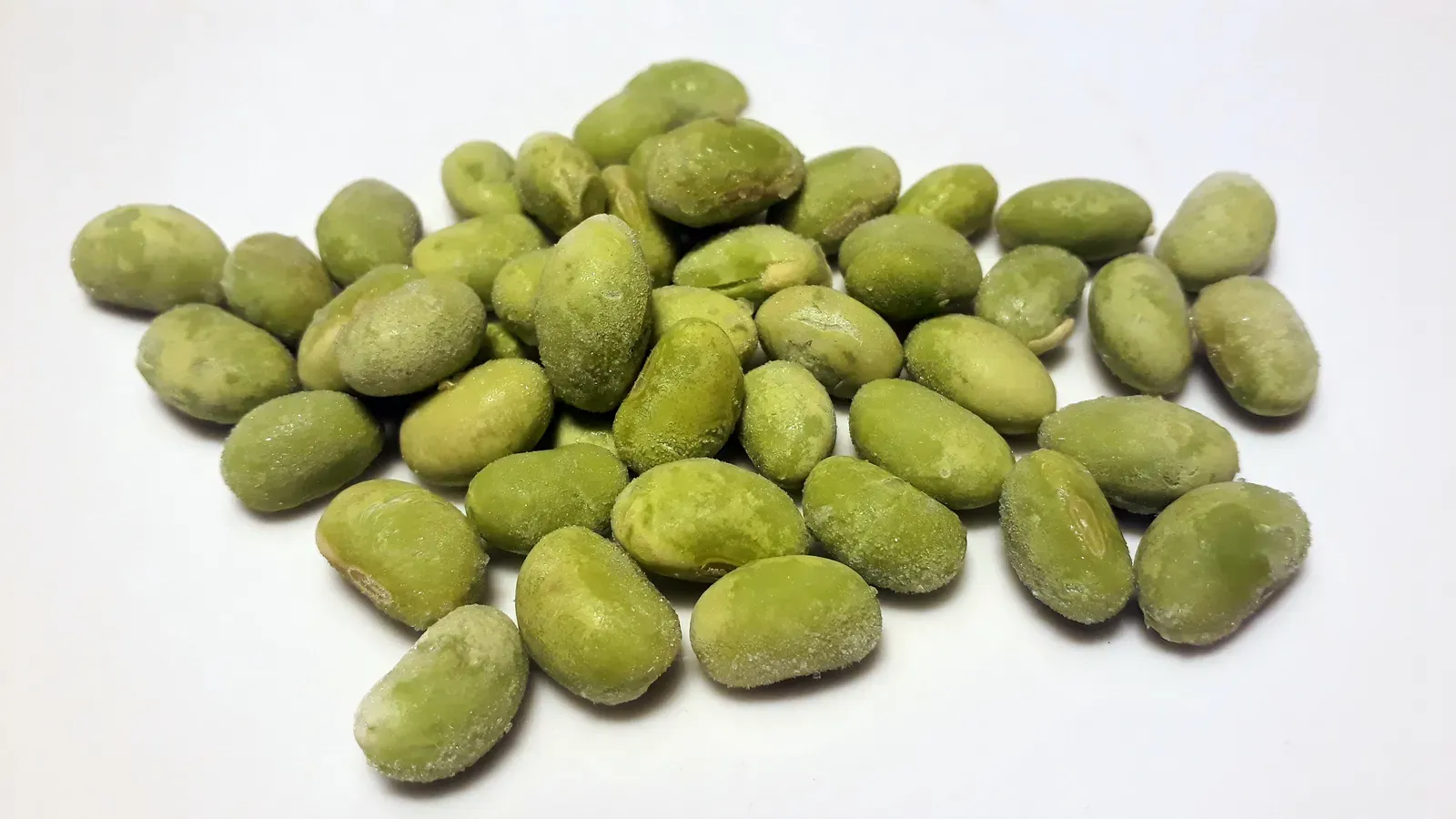
Frozen edamame, or young soybeans, are a protein-rich snack or side dish. Freezing helps preserve their vitamin K and folate content, and they’re easy to steam or microwave, making them a simple way to add plant-based protein to your diet. Most people don’t even think of edamame when they think “frozen vegetables,” and that’s a missed opportunity.
Frozen edamame ranks among the top performers for nutrient density per calorie among all frozen vegetables, specifically for its complete plant protein and magnesium content. A “complete” plant protein means it contains all nine essential amino acids, which is relatively rare in the plant world. That alone makes it worth stocking.
Produce is most nutritious when picked at peak ripeness, but when fruits and vegetables are harvested depends on the form in which they will be sold. Fresh produce sold in grocery stores is usually picked before peak ripeness to ensure it’s not rotten by the time it hits your shopping cart. Edamame destined for freezing doesn’t have that problem. It gets frozen at its nutritional best, and your dinner reaps the benefit.
The Bottom Line: Rethink What “Fresh” Actually Means
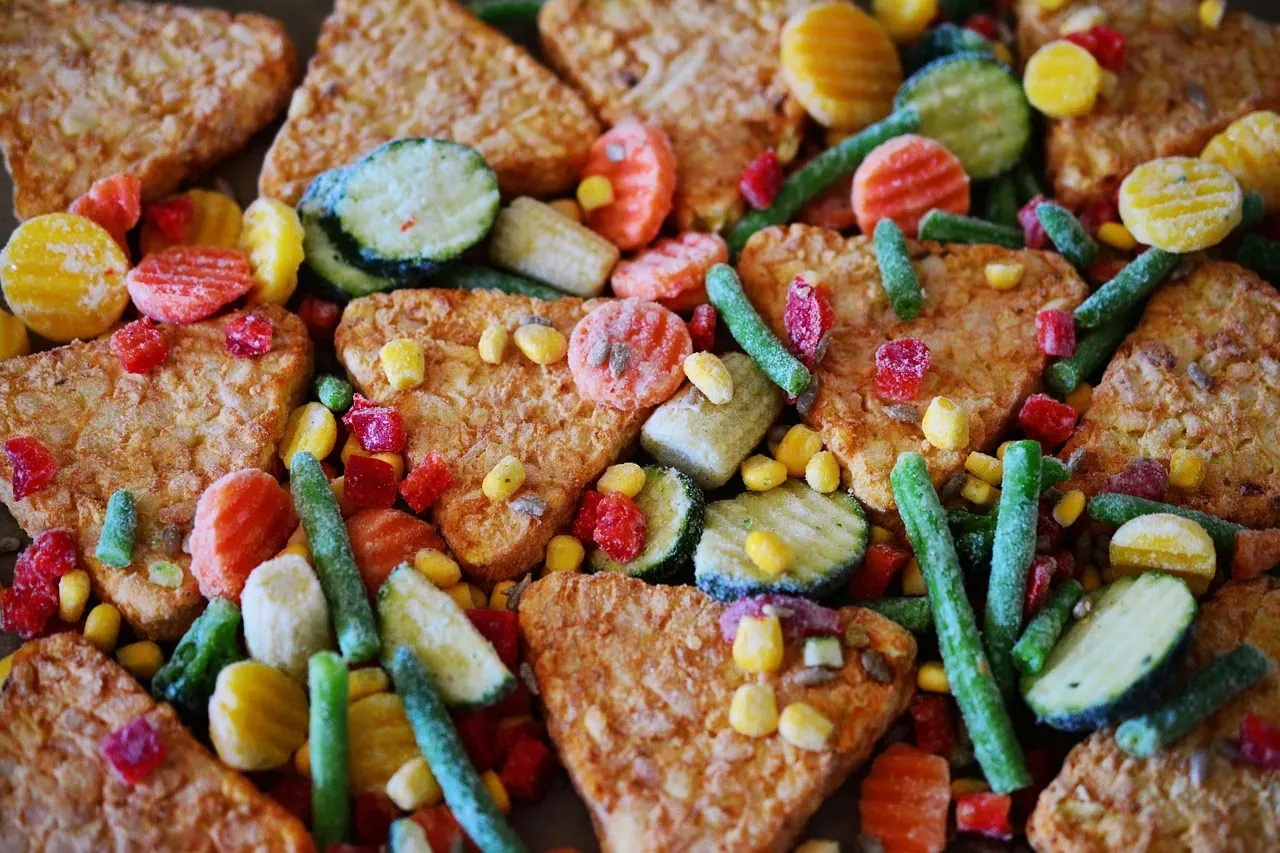
The idea that fresh always beats frozen is, genuinely, one of the most persistent myths in modern nutrition. Frozen vegetables are just as nutritious as fresh, and often more so. New peer-reviewed studies and real-world usage data confirm that flash-frozen produce retains and sometimes exceeds the vitamin C, folate, polyphenols, and fiber of supermarket “fresh” vegetables that have traveled for days or sat in cold storage.
Frozen vegetables are often left to ripen longer than fresh vegetables. As they ripen and mature, they become full of vitamins, minerals, and antioxidants. Meanwhile, vegetables begin to lose their nutritional value as soon as they are harvested, and freezing slows this process considerably. That sequence matters more than most people realize.
Let’s be real, the goal isn’t to debate freezer versus fridge for sport. The goal is to eat more vegetables, and to get the most out of them. Adding more frozen produce to your diet is generally a good idea, especially if you’re looking to save money or want to enjoy certain produce outside of its season. The frozen aisle isn’t the consolation prize. For these six vegetables, it might just be the smarter choice. What do you think? Did any of these findings change the way you’ll shop next time?