
You walk into your favorite restaurant, settle into your seat, and glance at the menu. Feels pretty private, right? Like nobody’s really watching. Honestly, that’s one of the biggest misconceptions people carry into a dining room. The moment you sit down, your server has already begun reading you like a well-worn book.
From the way you hold the menu to the very first words you say when ordering, servers are constantly piecing together a picture. It’s not surveillance. It’s survival. And what they notice can genuinely change the quality of service you receive. Let’s dive in.
Table of Contents
1. How Quickly (or Slowly) You Make Up Your Mind
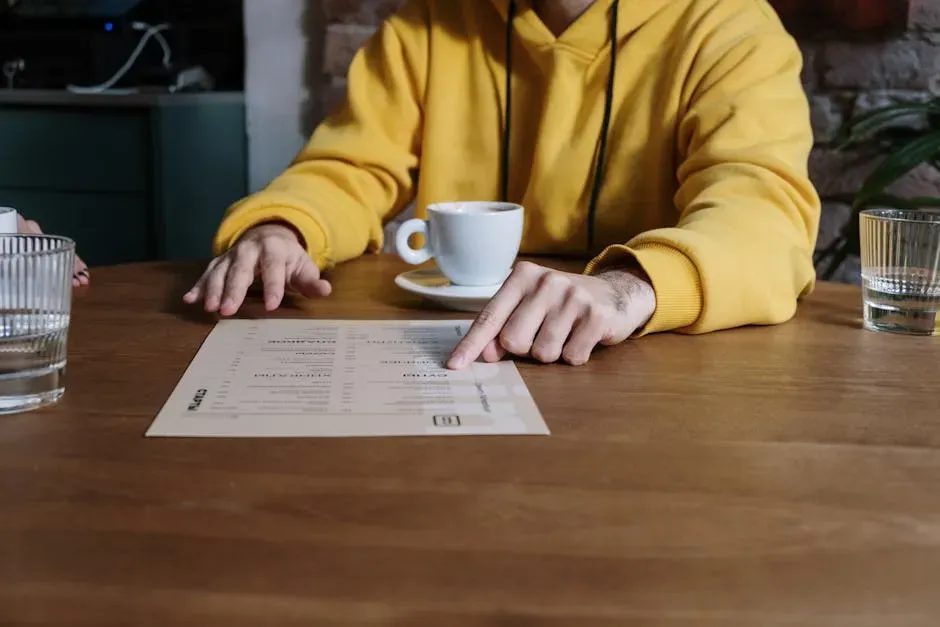
There’s almost nothing a server clocks faster than your decision-making speed. When it comes to ordering, there are three types of people: those who quickly order straight off the menu, those who want to hear the list of specials and deliberate for a bit, and those who want their meal custom-prepared and will spend a long time asking detailed questions.
Here’s the thing – that last group creates a wildly disproportionate amount of work. They may represent only around five percent of customers, but they take up the vast majority of a server’s time and are also the most likely to send food back. That’s a pattern servers recognize within the first thirty seconds of approaching a table.
The speed at which you order matters too: rushing through your order like you’re reading a grocery list suggests impatience, while taking forever and changing your mind repeatedly signals indecisiveness that’ll likely continue throughout the meal. Think of it like a first impression at a job interview. The opening lines tell a seasoned server almost everything they need to know about the next hour of their shift.
Some diners spend a long time examining every detail of the menu before ordering, and servers often notice this immediately because they tend to ask for extra time repeatedly while comparing ingredients, prices, and descriptions carefully. This isn’t necessarily a bad thing, but it does immediately shape how a server plans their pacing around your table versus others.
2. Whether You’ve Already Researched the Menu
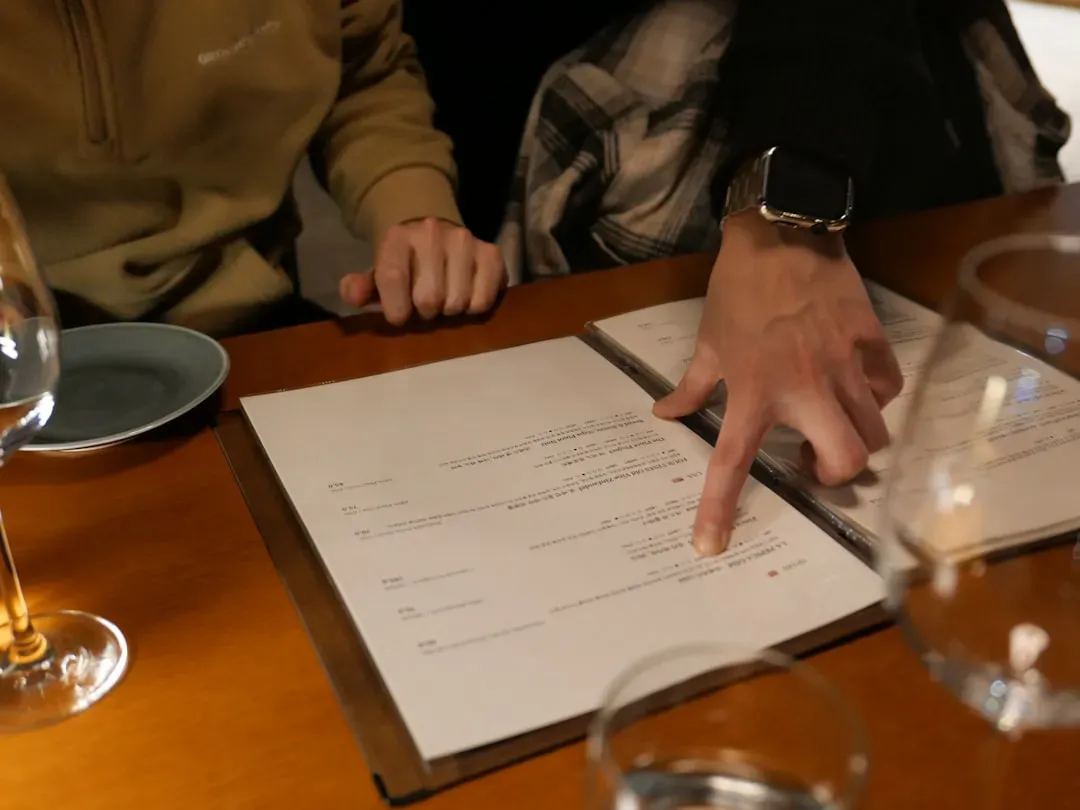
I know it sounds like a small thing, but servers absolutely notice when a guest has done their homework before arriving. Sometimes the diner researched the restaurant beforehand. Looking at menus online allows guests to arrive prepared, which can make the ordering process quick and efficient for both the customer and the staff.
Some diners begin by asking the server what they recommend before reviewing the menu fully. Servers recognize this habit instantly because it often happens as soon as introductions are finished. Many guests use recommendations to narrow down choices quickly. It can also signal trust in the server’s experience, since staff members usually know which dishes guests enjoy most consistently.
However, there’s a right and a wrong way to ask for a recommendation. Servers generally appreciate this question when it is specific. When diners mention preferences like flavors or portion sizes, recommendations become more helpful and lead to a better overall dining experience. Saying “what’s good?” is the dining equivalent of asking someone “what do you think of everything?” – far too broad to be genuinely useful.
3. How Many Modifications You’re Requesting
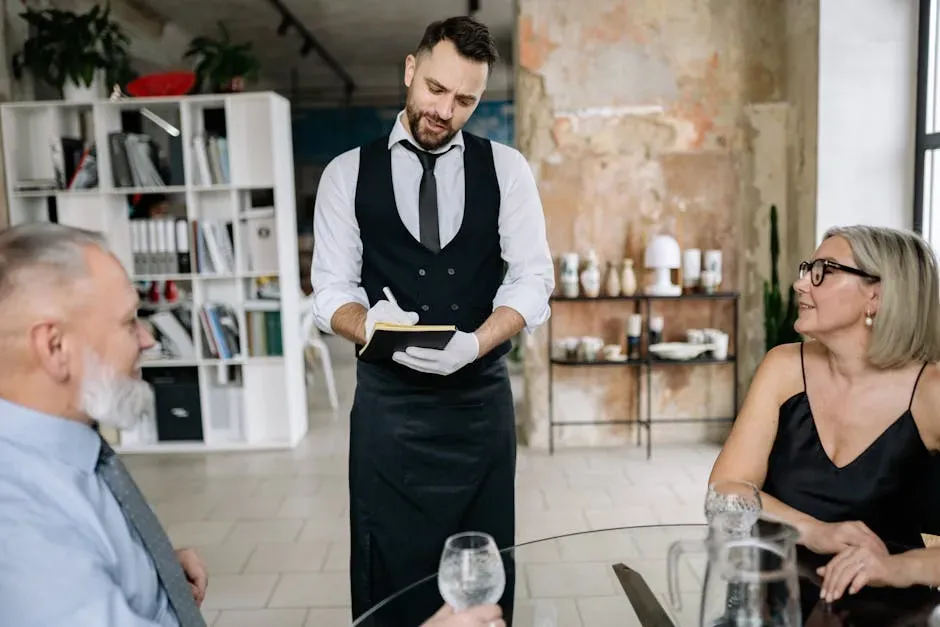
Let’s be real: customizing your order is completely normal, and nobody is judging you for asking to hold the onions. Still, the volume and complexity of modifications is something every server flags instantly. Some guests request multiple adjustments to a menu item, such as changing side dishes, removing ingredients, or altering sauces. This is one of the most reliably noticed ordering habits in any restaurant.
If you ask your server to bring over “whatever’s good,” you can’t be offended if the food you receive isn’t what you wanted. When an order isn’t relayed clearly and precisely, misunderstandings can snowball, wasting resources and causing customer dissatisfaction. Servers mentally brace themselves when the modification requests start stacking up, because each one is another link in a chain that could break somewhere between the table and the kitchen.
Trying to create your own menu item can be wildly chaotic for a restaurant to accommodate, defeating the purpose of trying dishes in the way the restaurant has carefully constructed. If you do have serious dietary restrictions, though, there’s a smarter move. If you have particular dietary considerations, call the restaurant in advance so that they can best accommodate your needs smoothly. Servers who receive that kind of advance preparation are genuinely grateful – and they’ll remember it.
4. Your Tone and How You Treat the Interaction
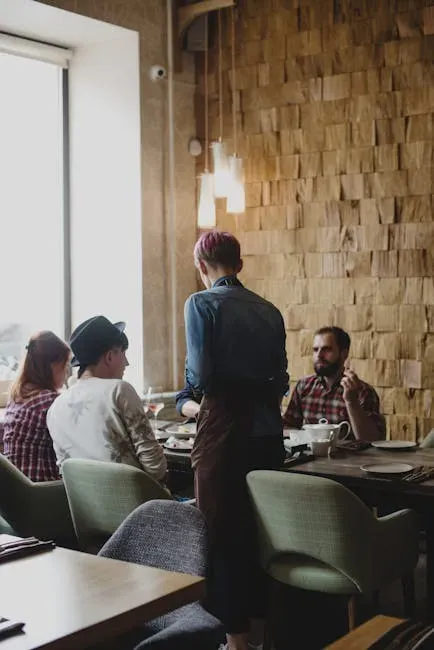
Restaurants run on rhythm, and servers develop sharp instincts after countless shifts observing how guests interact with menus, tables, and each other. Certain ordering habits stand out immediately, even when diners believe they seem ordinary. Among those habits, tone of voice and basic courtesy rank at the very top of what experienced servers notice.
Saying please and thank you, being patient when the restaurant is busy, and treating servers like human beings rather than servants creates a positive feedback loop. Rudeness, however subtle, gets noticed immediately and can affect everything from service speed to the server’s willingness to go the extra mile with special requests. Think of it this way: your server is also managing four or five other tables simultaneously. A small act of kindness costs nothing and changes everything.
Whether you make eye contact with your server when they speak, when you order, and when they deliver food tells them immediately how you view service workers. A 2024 study from the Society for Hospitality and Foodservice Management found that servers consistently report feeling more valued and respected by customers who maintain appropriate eye contact during interactions, which correlates with better service quality and more positive experiences for both parties.
Wanting to customize your order is not a crime, but the way you communicate it to the waitstaff can determine how far they’re willing to go to accommodate you. In other words, tone is a currency. Spend it wisely, and your dining experience gets richer almost immediately.
5. Clues About Your Tipping Intentions
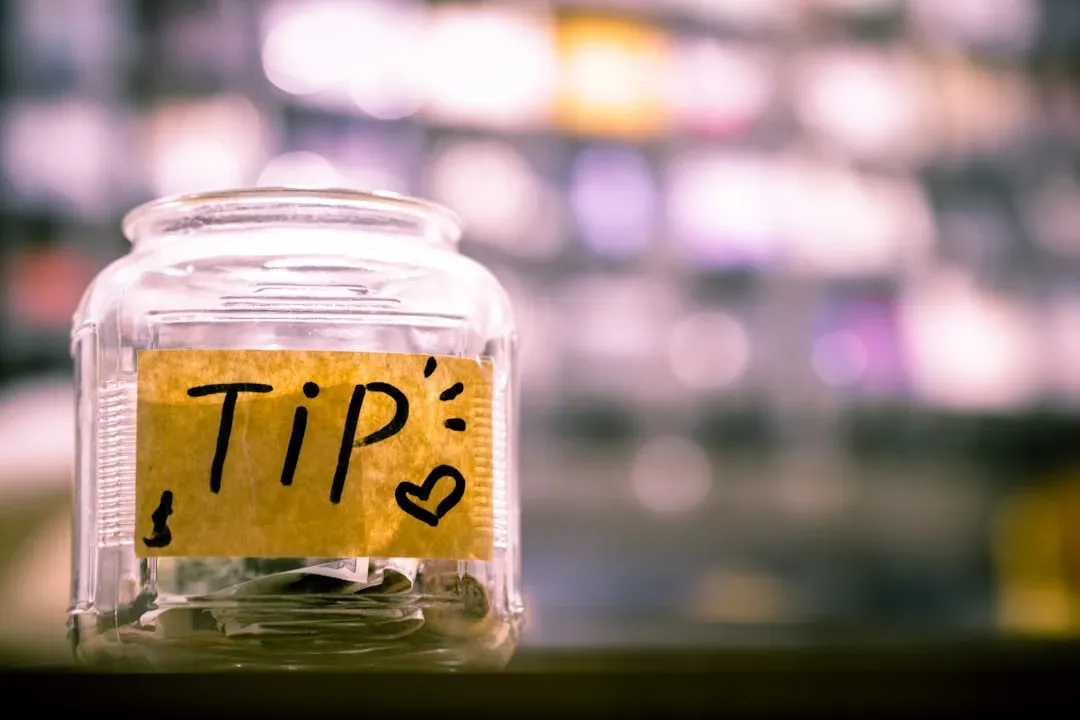
This one might raise an eyebrow. Servers are quietly sizing up the tip potential from the very first exchange, even though most of them will tell you it’s nearly impossible to get right every time. According to a 2024 study published in the Cornell Hospitality Quarterly, experienced servers can predict customer behavior and potential tip percentages with roughly 70% accuracy within the first minute of interaction. That’s a remarkable figure when you sit with it for a moment.
Let’s be real: servers are trying to gauge tipping potential, though they’ll tell you it’s nearly impossible to predict accurately. Nationally, the average tip percentage in full-service restaurants was 19.8% in 2024. Still, that average has been softening. Just 35% of Americans now say they typically leave a 20% tip, down from 37% the year prior, reflecting tighter budgets and rising menu prices.
As of the first quarter of 2025, the average tip in full-service restaurants was approximately 19.4% when using a card or digital payment. Roughly three out of four guests at full-service restaurants choose to tip using card or digital payments, indicating a notable shift towards cashless transactions. Servers have become well-attuned to reading these payment patterns too, adjusting their attention and energy based on what the early signals suggest.
As a rule of thumb, it’s best to keep your order simple, especially during busy periods. If you have a string of customization requests, be prepared to tip generously. That’s honest, practical advice straight from someone inside the industry. Complexity demands effort, and effort deserves recognition.
Conclusion
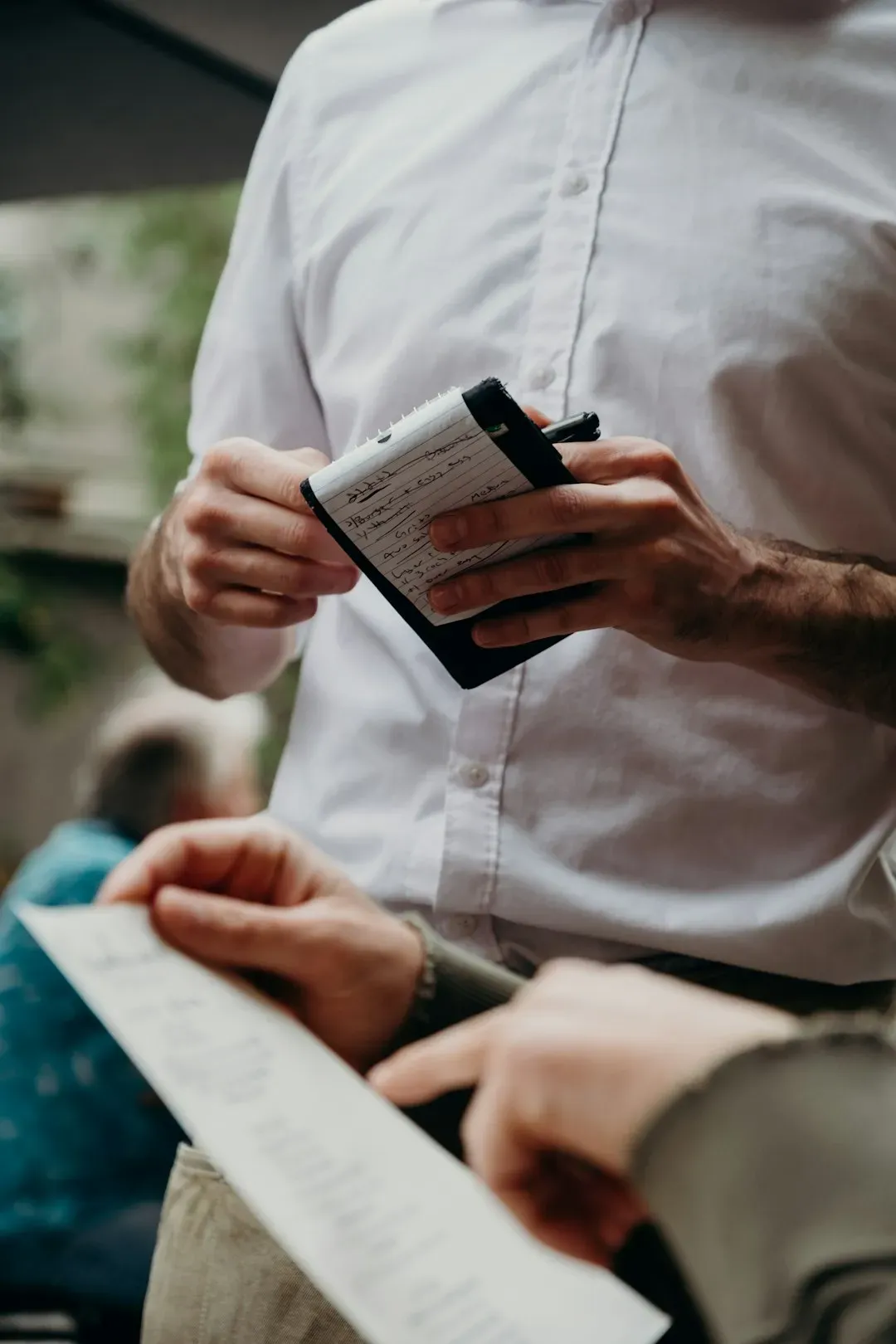
Dining out is a two-way street. What feels like a private moment of choosing between the salmon and the steak is actually an entire conversation happening in real time. Servers are reading your pace, your preparation, your modifications, your tone, and yes, even your likely generosity – all before your appetizer ever hits the table.
None of this should make you feel self-conscious the next time you sit down to order. If anything, knowing what servers notice is a genuine invitation to show up a little more thoughtfully. Small signals make a big difference in how your whole evening unfolds.
So the next time you’re handed that menu, take a breath, be kind, and maybe – just maybe – have a rough idea of what you want. What do you think: does knowing this change the way you’ll order next time? Tell us in the comments.