
When you think you’re just shopping for groceries, you’re actually navigating a carefully designed psychological maze. Stores have spent decades studying every aspect of your behavior, from the moment you grab a cart to when you finally reach checkout. Every feature of the store – from floor plan and shelf layout to lighting, music, and ladies in aprons offering free sausages on sticks – is designed to lure us in, keep us there, and seduce us into spending money. Former grocery workers have revealed the most effective tactics that most shoppers never suspect.
Let’s explore these hidden strategies that transform ordinary shopping trips into spending sprees.
Table of Contents
The Giant Cart Conspiracy
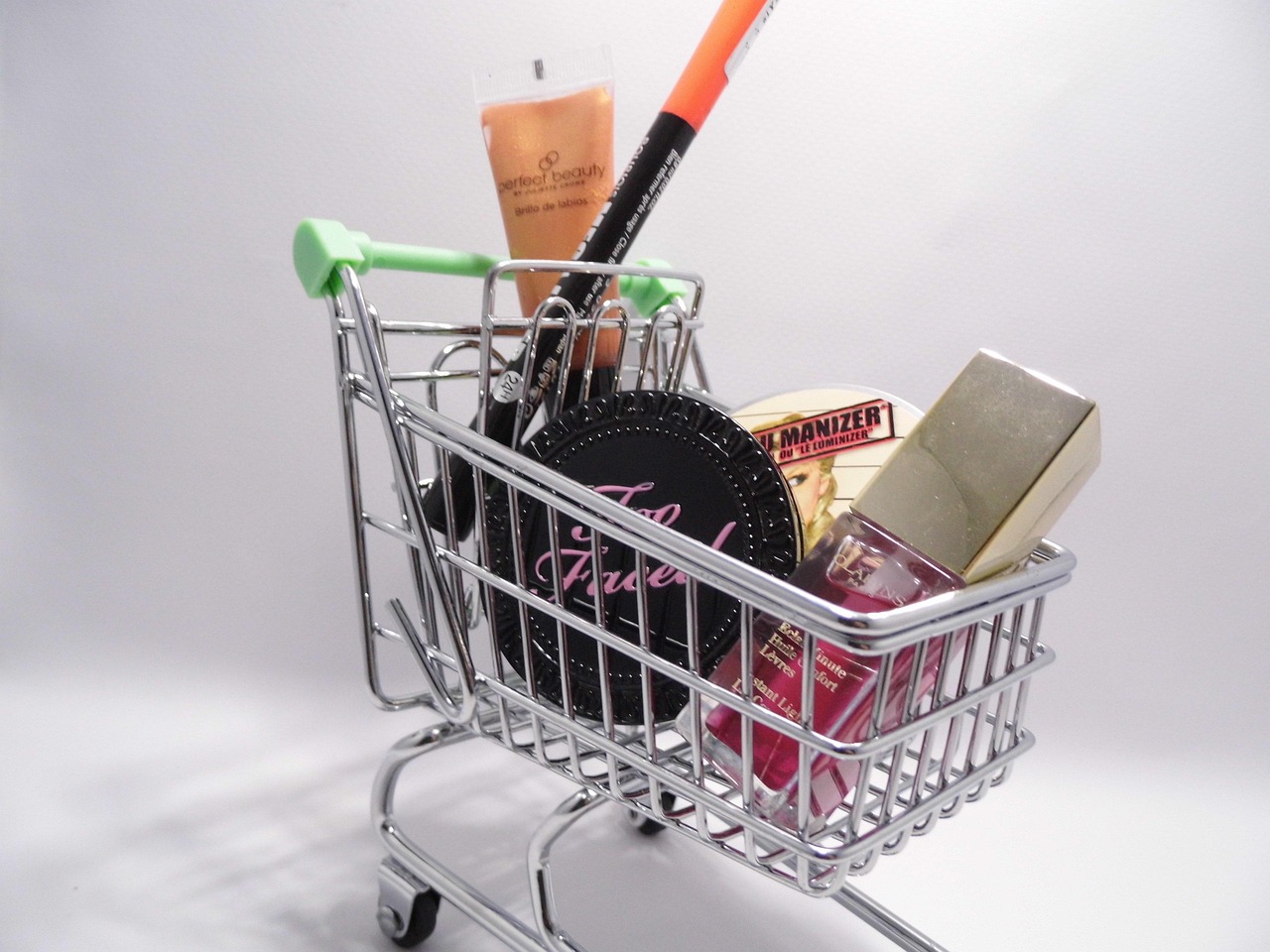
Just having a shopping cart increases the chance of our buying more – which was the impetus behind their invention by grocery-store-owner Sylvan Goldman in 1937. Goldman’s original cart consisted of a modest pair of wire baskets on a folding frame. Carts have since tripled in size, and they’re still growing. According to marketing expert Martin Lindstrom, doubling the size of the shopping cart reportedly leads shoppers to buy 40 percent more.
Shopping carts are getting bigger and bigger, and the increase in size is deliberate; the larger your cart, the more likely you are to impulse-purchase foods to fill it up. Those with the bigger shopping carts bought 40% more than those with the smaller! This is because your cart now looks emptier, meaning you’re more likely to fill it up with impulse buys and treats.
Eye Level Is Buy Level Magic
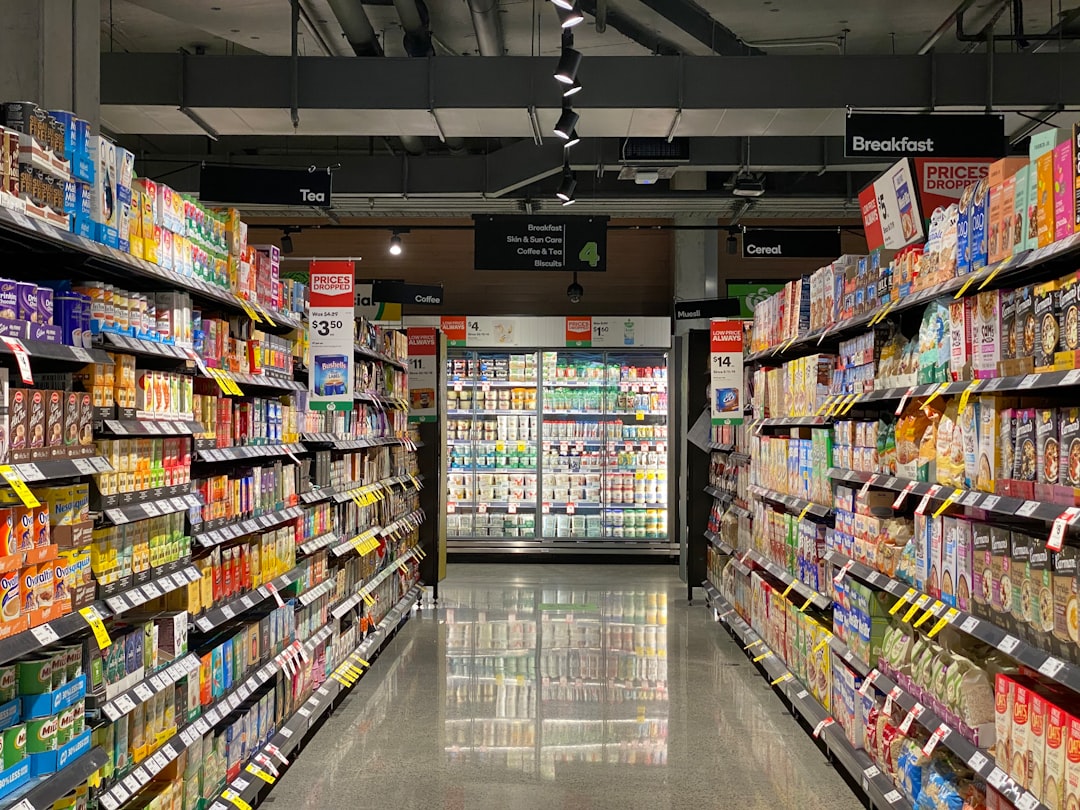
Research has shown that a product’s relationship to customers’ eye levels directly correlates to its sales. “Eye level is buy level,” is the refrain to remember. Eye level (1.2–1.5m) THIS IS WHERE IT SELLS BEST (FOR ADULTS). Products reportedly receive significantly greater attention than those at lower shelves. It is perfect for placing products with high profit margin.
Researchers found that cereals marketed to kids are placed at roughly half as high on market shelves as adult cereals. Additionally, the average angle of the gaze of box characters marketed to kids is downward at a 9.6 degrees, whereas characters on adult cereal boxes look nearly straight ahead.
The Strategic Placement of Essentials
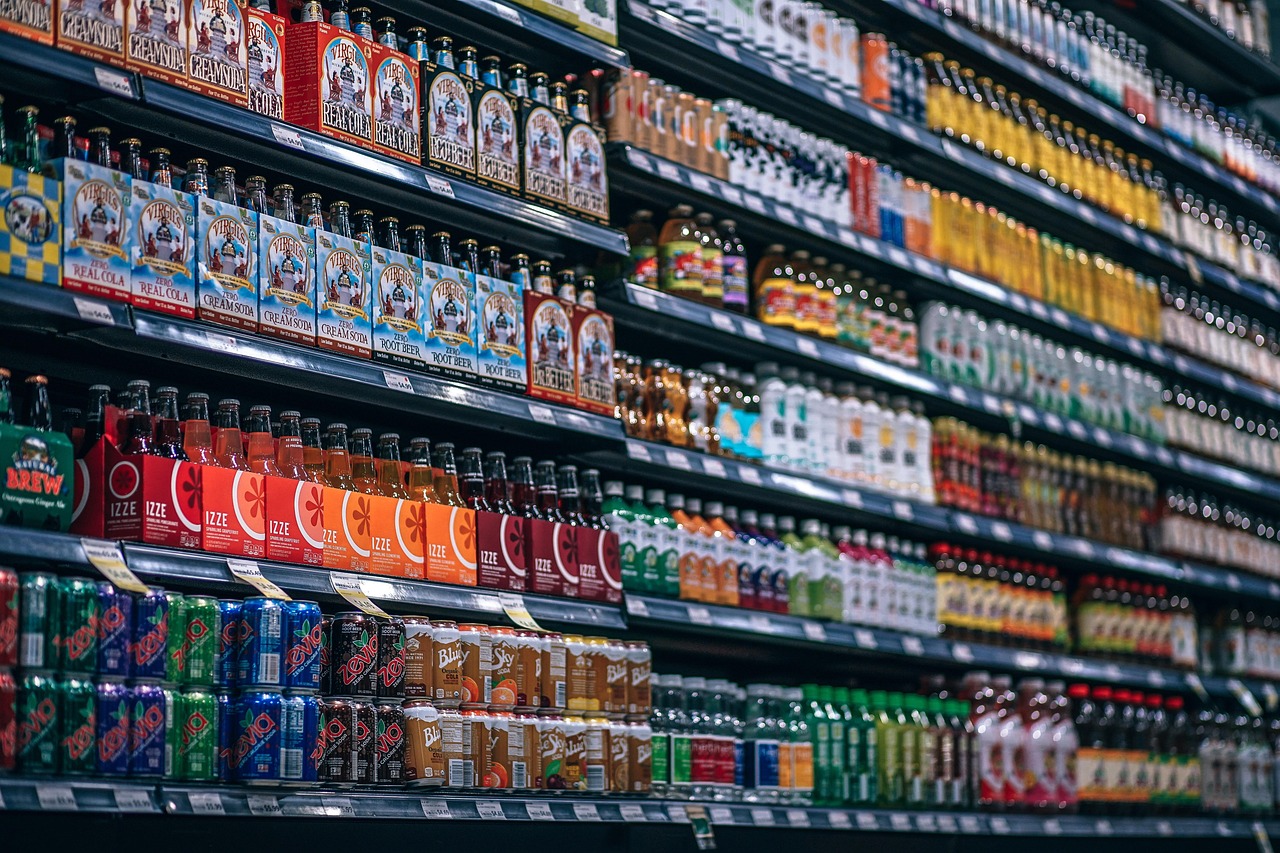
Ever notice how you have to trek to the back of the store for basic stuff like milk, eggs, and bread? That’s not an accident. Except for the produce, you may find that the essentials you always need (like milk, eggs and butter) are toward the back of your store. This means you have to travel to that section in order to grab those ingredients, making you walk past lots of other junk food, seasonal items and those “scent marketing” free sample stands.
Dairy departments are almost invariably located as far from the entrance as possible, ensuring that customers – most of whom will have at least one dairy item on their lists – will have to walk the length of the store, passing a wealth of tempting products, en route to the milk, eggs, cheese, and yogurt.
Scent Marketing That Hijacks Your Nose
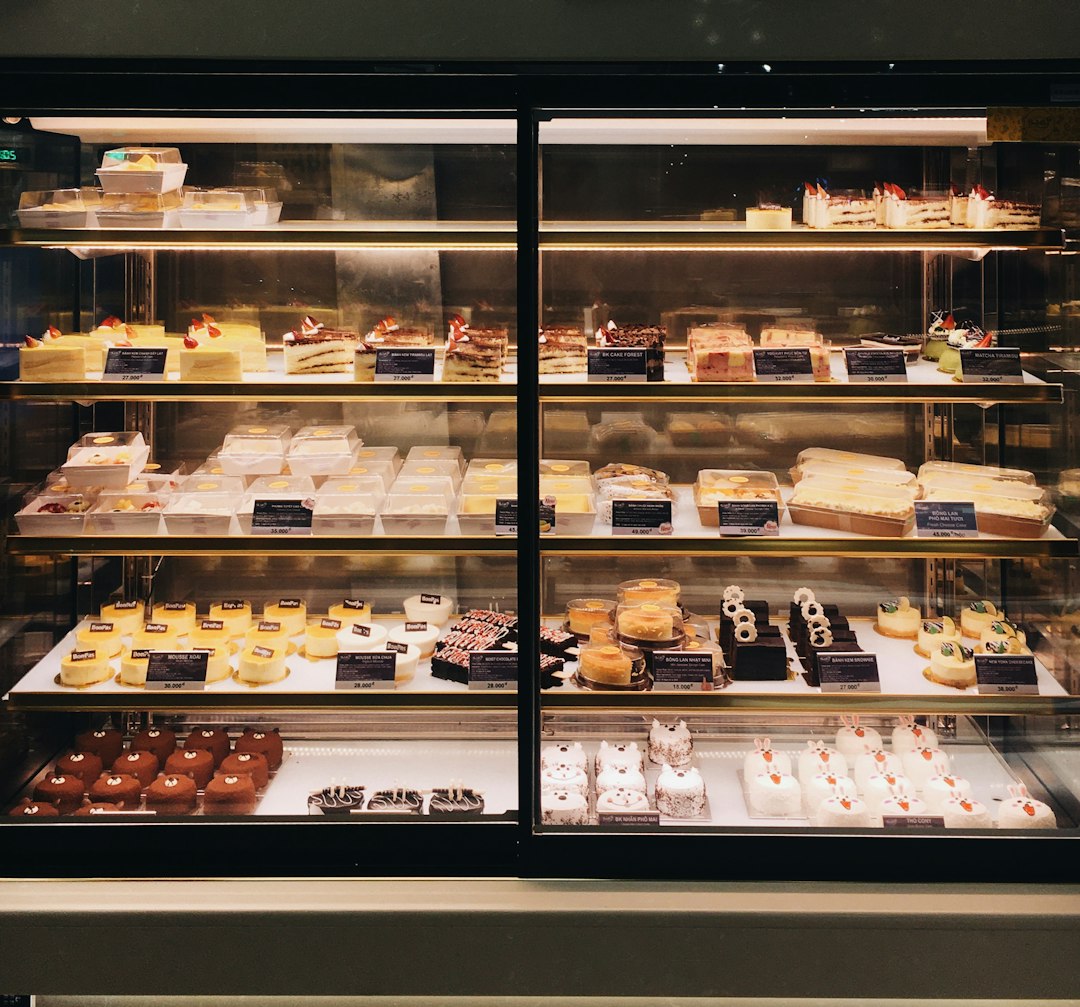
The stands around the store with free samples aren’t just there for you to taste, but also to smell. Having a delicious-smelling food is a marketing tactic beyond word (or taste) of mouth that gets your stomach rumbling. But it goes way deeper than just free samples. Stores often go beyond strategic layout and also use scents to encourage you to buy certain products. Sometimes those scents go hand-in-hand with samples – such as when you can smell sausage cooking from the meat section – and sometimes grocery stores use machines to pump scents such as apple pie or chocolate chip cookies through the air, drawing you toward the bakery section. It’s called “scent marketing,” and yes, it works. Ever noticed a welcoming, wafting smell of fresh-baked goods the minute you walk into a store?
The Bakery Deception
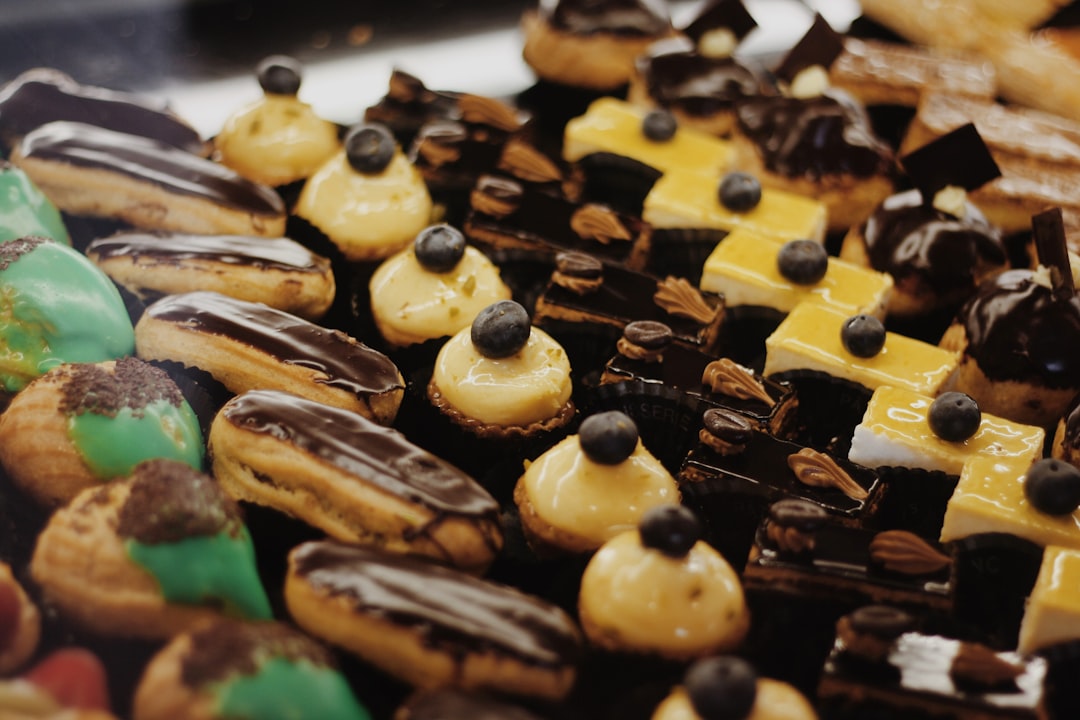
The enticing smell from the in-store bakery is often by design. Many “freshly baked” breads, cookies, and pastries arrive at the store as frozen, pre-made dough or par-baked items. Employees then simply bake them off in ovens. While technically baked fresh on-site, they aren’t usually made from scratch in that location, which is a common misconception.
This creates the powerful aroma of fresh baking without the actual work of making everything from scratch. The smell triggers hunger and creates an illusion of artisanal quality that justifies higher prices.
Temperature Zone Manipulation
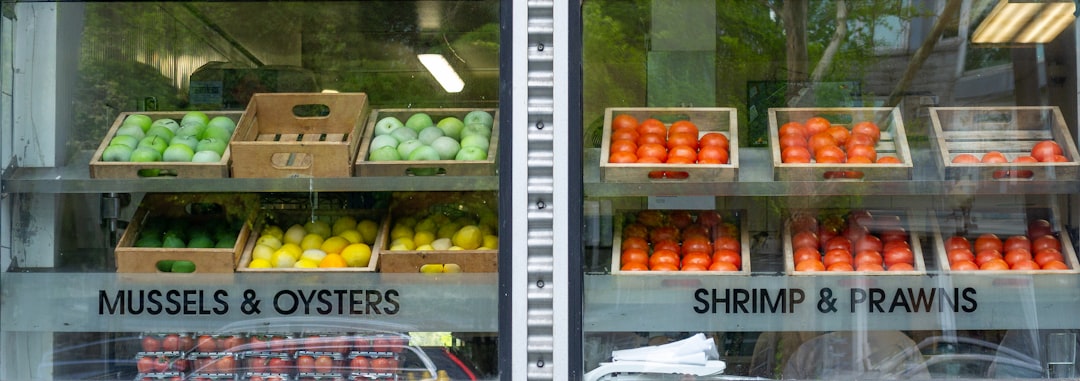
Ever wonder why grocery stores keep certain sections uncomfortably warm while others feel like walking into an icebox? It’s not broken air conditioning – it’s strategic temperature manipulation designed to mess with your shopping behavior. The produce section stays cooler to make fruits and vegetables appear fresher and more appealing, while they crank up the heat in areas where they want you to grab items quickly and move on.
Different temperatures influence how long you linger in each section. Cooler areas encourage browsing, while warmer zones push quick decisions.
End Cap Illusions
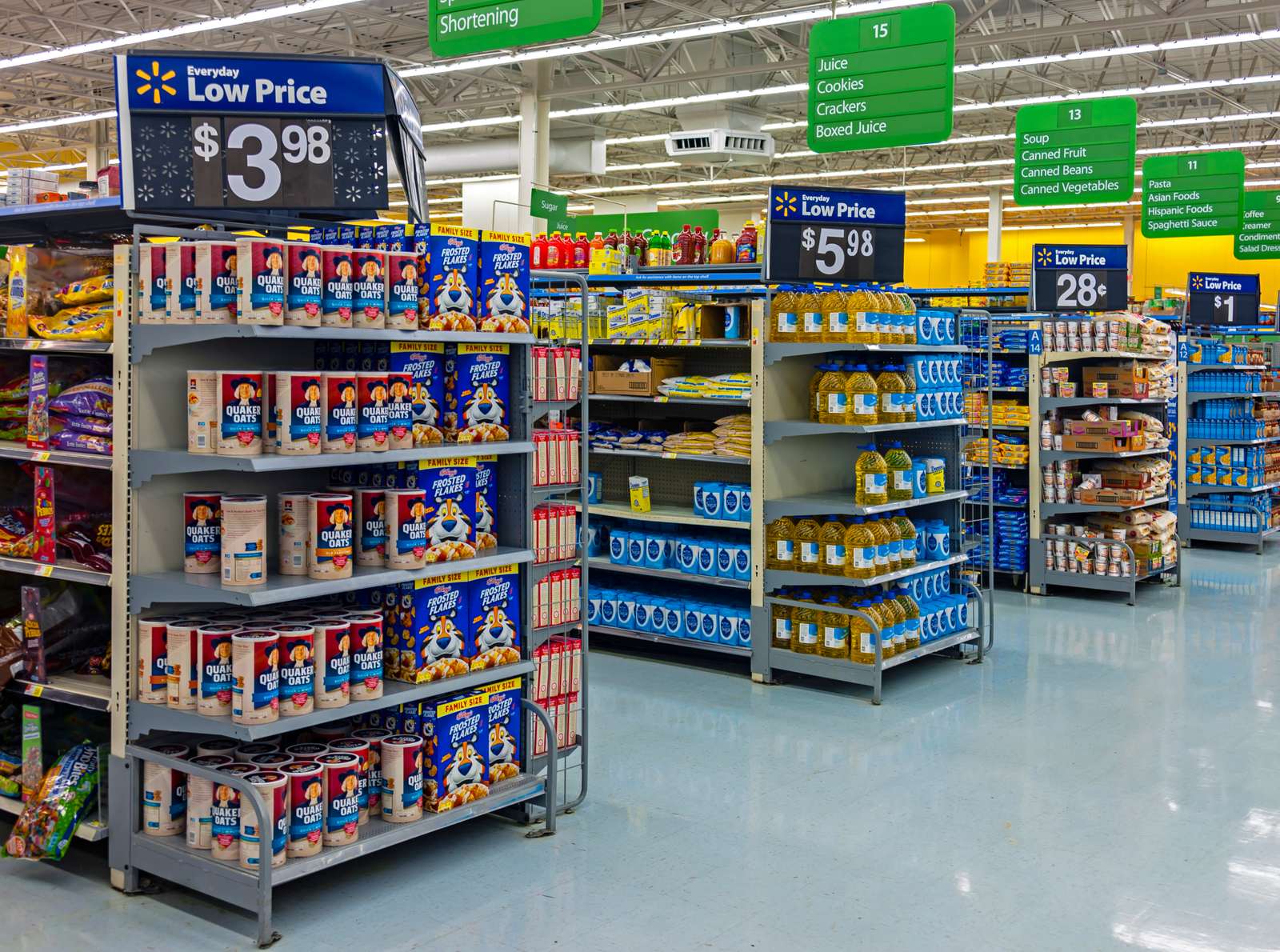
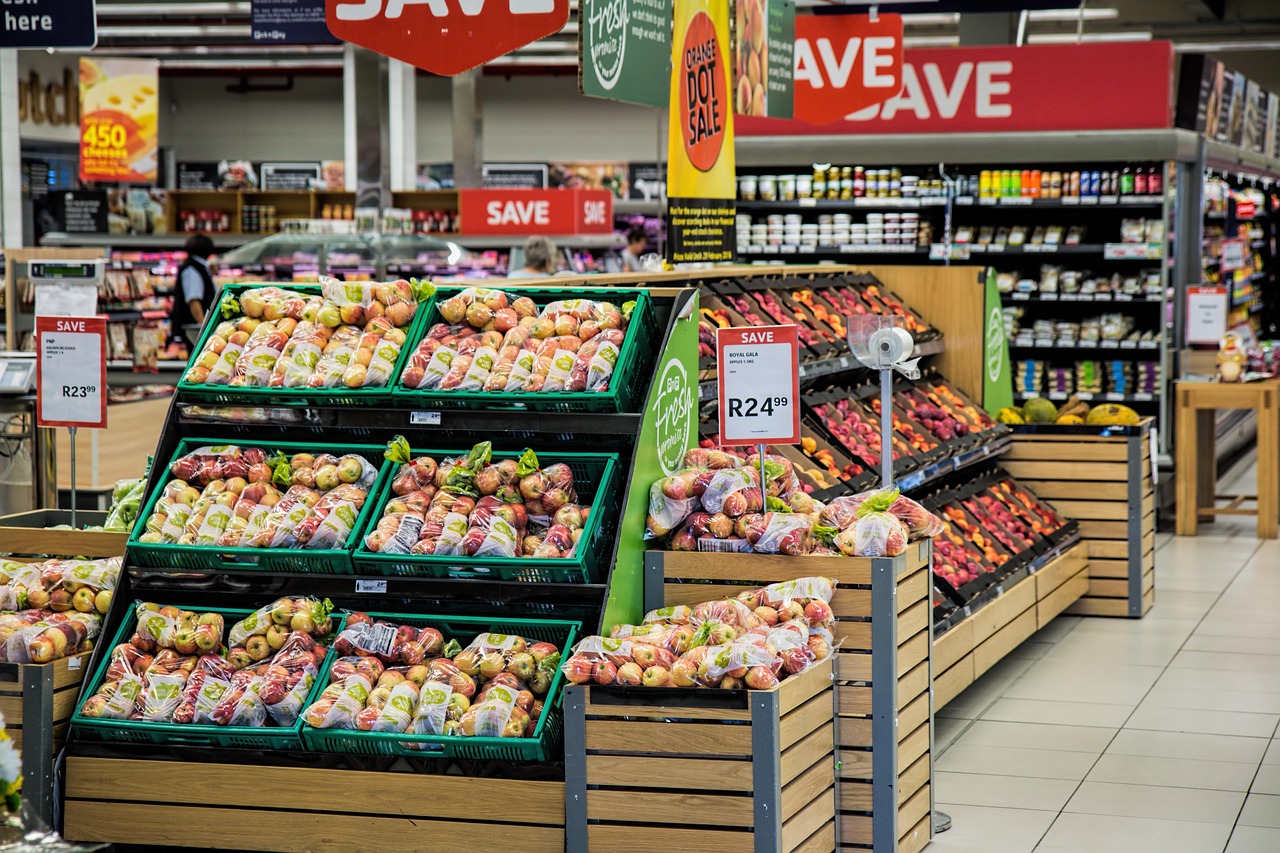
The displays at the ends of the aisles – known in the supermarket business as end caps – are astute shopper traps. Companies pay high prices to display their products there, since these are hot spots for impulse buying. Industry research suggests that a product at an end cap sells significantly faster than the same product shelved elsewhere on the aisle.
Items on endcaps aren’t necessarily the best deal. These sales are designed to lure you, often with the illusion of a good deal. Store managers strategically place products that create the perception of savings without actual discounts.
Strategic Store Layout Changes
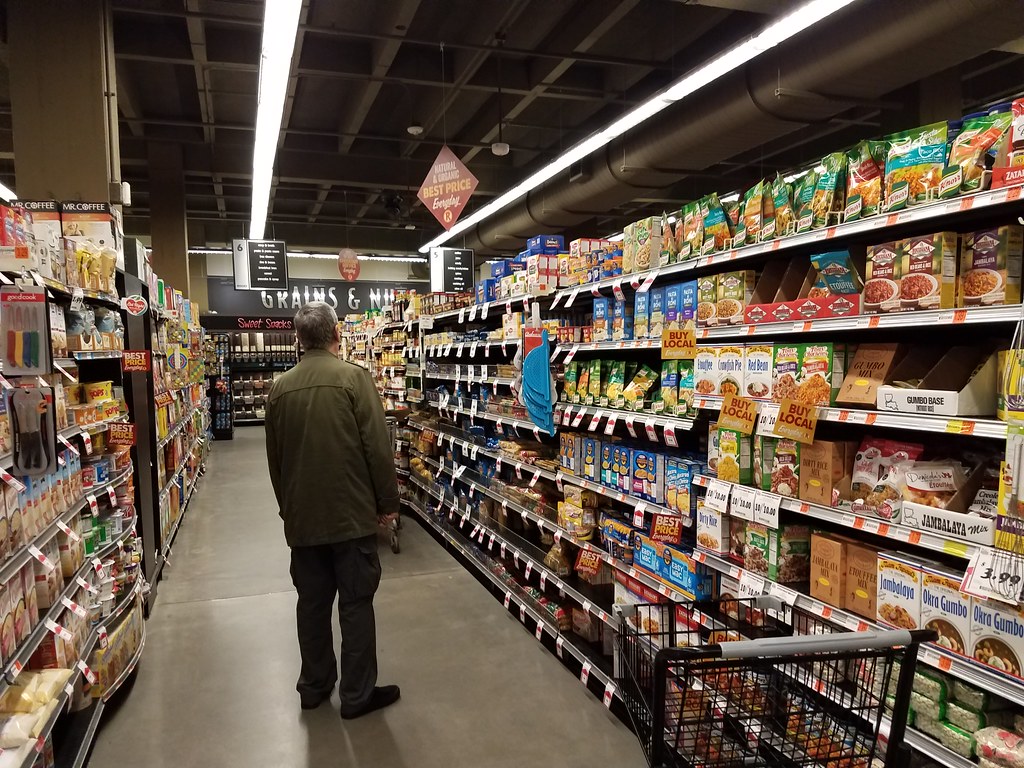
When stores rearrange their layouts, they force you to hunt around and discover products you weren’t planning to buy. You’ll spend more time wandering the aisles, looking for that one item you need, and suddenly your cart has three extra things in it. It’s brilliant and annoying at the same time.
Frequent rearrangements break your shopping routines and force exploration of new sections. This increases exposure to impulse purchases and creates opportunities for discovery of higher-margin products.
The Decision Fatigue Trap
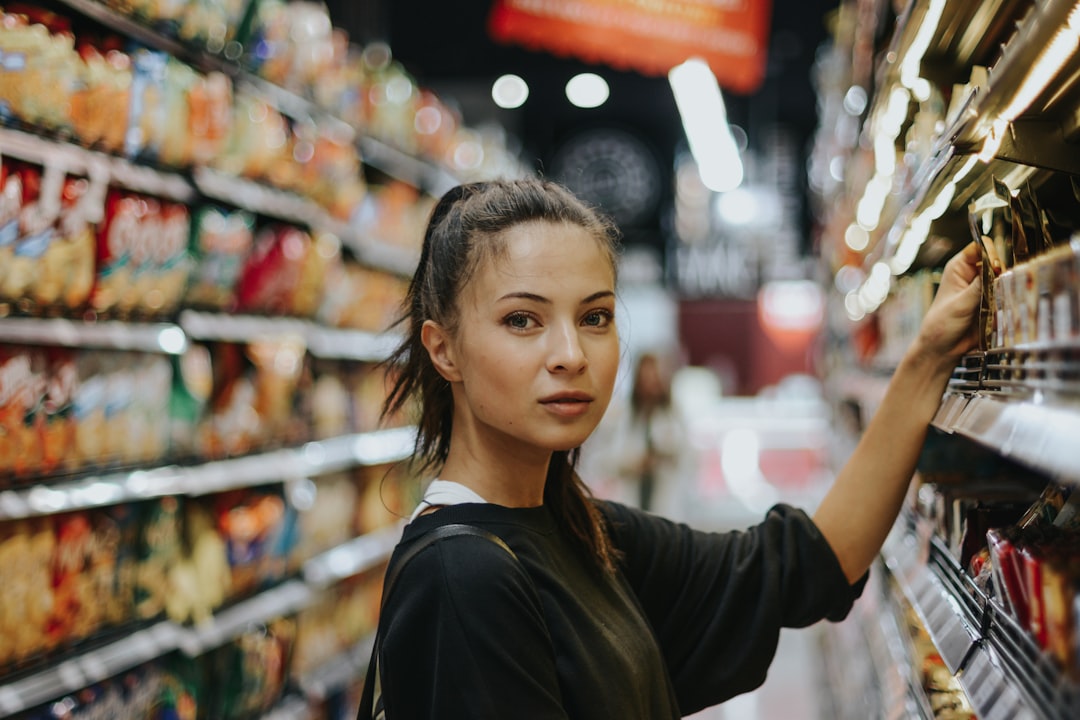
The average supermarket, according to the Food Marketing Institute, carries some 44,000 different items, and many carry tens of thousands more. The sheer volume of available choice is enough to send shoppers into a state of information overload. According to brain-scan experiments conducted by Paul Mullins and colleagues of Bangor University, Wales, the demands of so much decision-making quickly become too much for us. After about 40 minutes of shopping, most people stop struggling to be rationally selective, and instead began shopping emotionally – which is the point at which we accumulate the 50 percent of stuff in our cart that we never intended buying.
Color Psychology in Produce
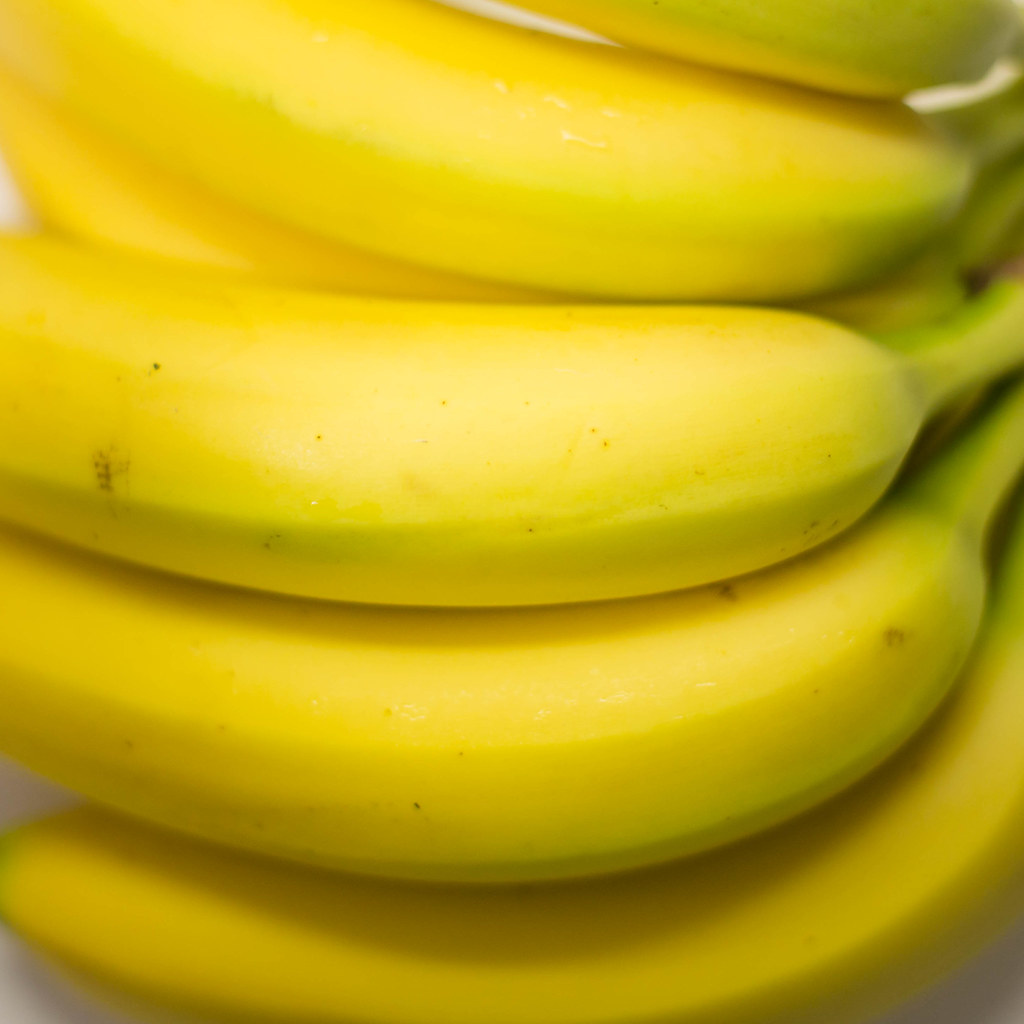
A classic of this kind of customer manipulation, Lindstrom points out, is the banana – still America’s favorite fruit – whose signature ripe yellow is actually the result of painstaking marketing analyses. Sales records indicated the customers bought more bananas if their peels were Pantone color 12-0752 (Buttercup) rather than the slightly brighter Pantone color 13-0858 (Vibrant Yellow). They literally tested different shades of yellow to find the exact color that makes you want to grab a bunch.
Lighting is used to create a certain vibe too. Lorr says that some grocery stores use special lighting to cast produce in certain hues, like lighting to make bananas look more yellow. This manipulation extends beyond bananas to create the most appealing appearance for all produce.
Impulse Purchase Statistics
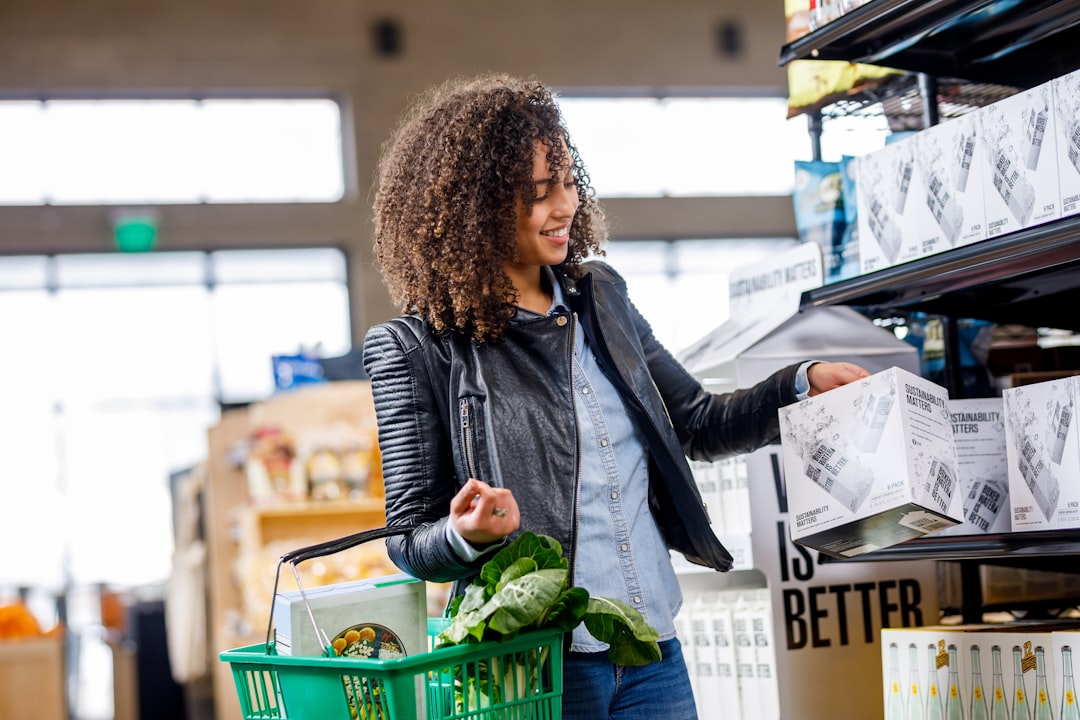
Grocery stores make a lot of money off impulse purchases. A 2023 Slickdeals survey found that 36 percent of Americans say the majority of their purchases are unplanned. So supermarkets use tricks to make you buy what you didn’t intend to. Understanding these numbers helps stores optimize every aspect of their environment to maximize unplanned spending.
Research from Nielsen IQ shows that nearly nine out of ten shoppers have changed their habits – by shopping at value-focused stores, choosing store brands, buying in bulk, and looking for deals and promotions. Stores adapt their psychological tricks to these evolving shopping patterns.
The Checkout Lane Ambush
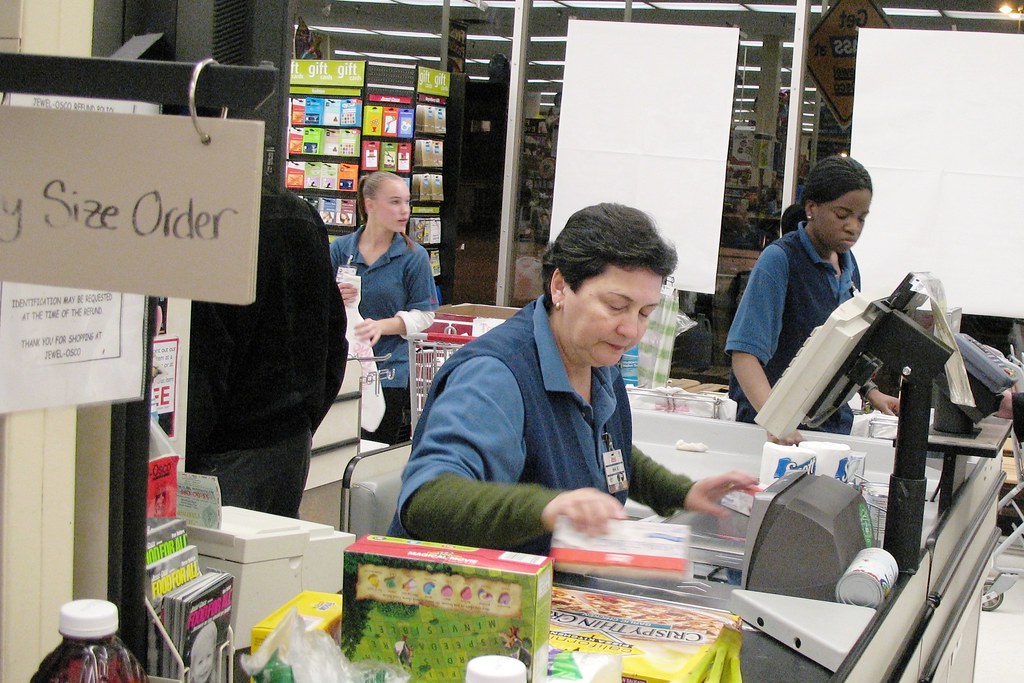
Impulse Buys at Checkout – candy, gum, and small snacks are placed at checkout counters, where shoppers make last-minute purchases while waiting in line. This final opportunity capitalizes on your reduced willpower after making dozens of decisions throughout the store.
The checkout area represents the last chance to increase your total purchase. Items here are deliberately small, affordable, and appealing to tired, decision-fatigued shoppers who’ve been navigating the store’s psychological maze for nearly an hour.
Conclusion
These twelve tricks represent just the beginning of grocery store psychology. The next time you walk into your local supermarket, you’ll start noticing these tactics everywhere – from the cart you grab to the music playing overhead. Armed with this knowledge, you can shop smarter and keep more money in your pocket. What will you spot first on your next shopping trip?
Now that you know these secrets, you hold the power to resist their influence. Make a list, stick to it, and remember that every element in that store is designed to separate you from your money. What other hidden tactics will you discover on your next grocery run?