
There’s a common assumption baked into American food culture: that the dishes most associated with this country were born here. Burgers on the grill, apple pie on the windowsill, a bag of fries on the drive home. These feel like American inventions, almost in a patriotic sense. The reality is considerably more layered.
The United States has always been a country shaped by immigration, and nowhere is that more visible than on the dinner table. Nearly all of today’s popular American foods, including apple pie, hot dogs, hamburgers, and tacos, originated in other countries, with their ingredients and recipes introduced by colonists, settlers, and immigrants. The ten foods below tell that story in vivid detail.
Table of Contents
1. The Hamburger
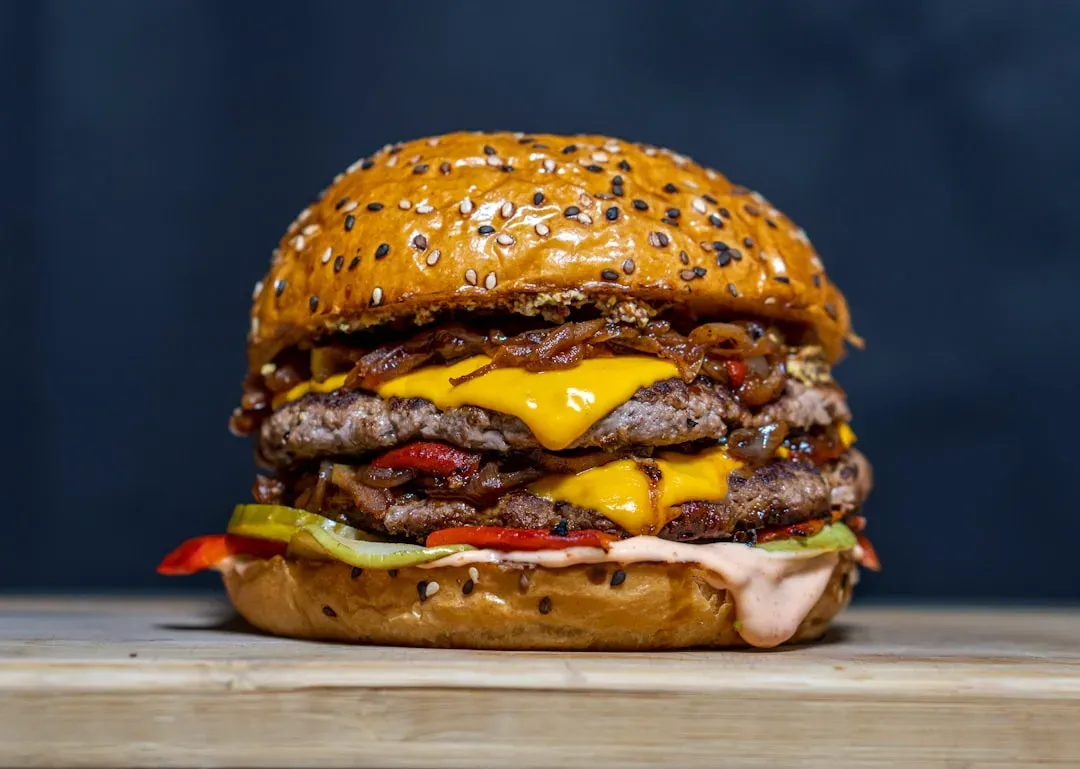
The term “hamburger” originally derives from Hamburg, Germany. When the political revolutions of the German Confederation of 1848 hit, Germans immigrated en masse to the U.S. and brought chopped cooked beef called “frikadellen” with them. The dish was commonly served on a plate with potato salad, making it a proto-burger and fries. The name “frikadellen” was Americanized to “Hamburg style” chopped steak, and was considered an ethnic German-American food for a time.
Americans do get credit for putting the ground beef patty between buns, with at least three people in the U.S. claiming to have independently pioneered the burger. The hamburger’s formal debut arrived at the 1904 World’s Fair in St. Louis, and meat grinders entered the home appliance market during the early 1900s. From there, the burger’s rise to global dominance was rapid and total.
2. The Hot Dog
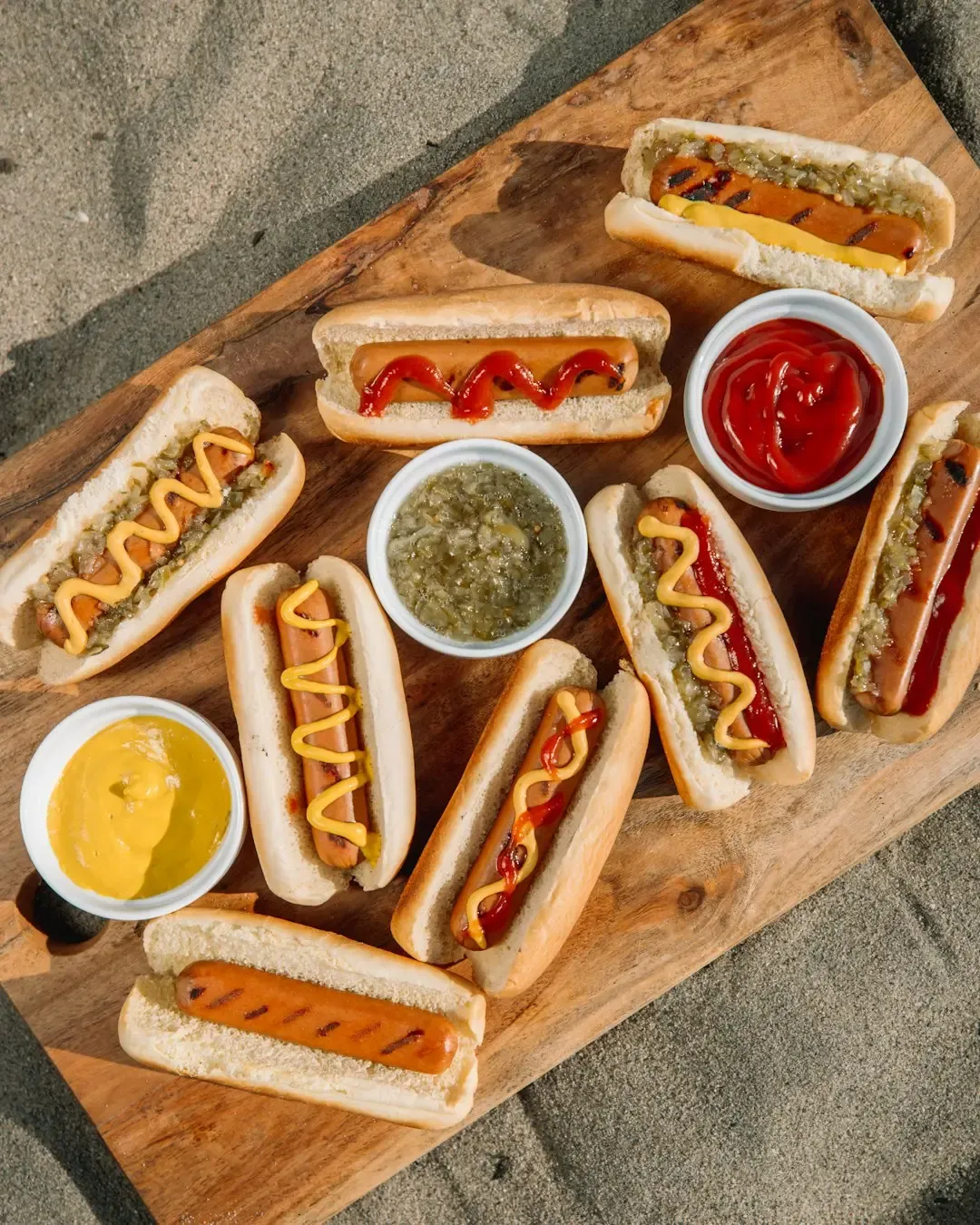
The hot dogs Americans enjoy from ballparks and street vendors are descendants of the sausage, particularly the frankfurter, which originates from Frankfurt-am-Main, Germany, and Vienna, Austria, as far back as the 15th century. The North American version was an amalgamation of sausage styles popularized by German and other Central European immigrants in late 19th-century New York City.
They were served in milk rolls with sauerkraut from pushcarts and Coney Island stands, becoming a common baseball concession thanks to German native and St. Louis Browns owner Chris Von der Ahe. The hot dog reached homes around the country when it became the standard food fare at baseball parks around 1893, with the word “hot dog” becoming the common term for this iconic dish around the 1890s.
3. French Fries
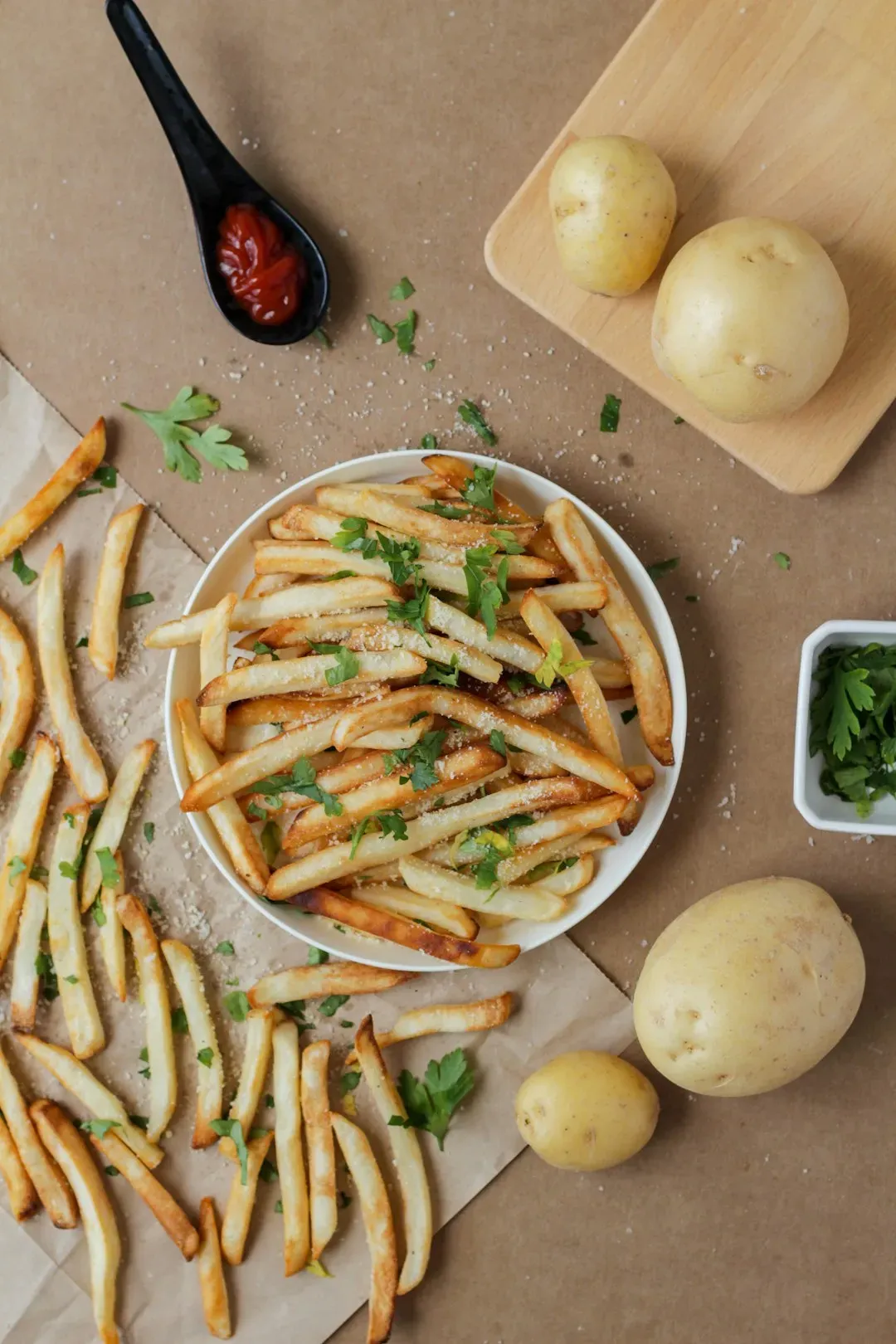
Despite the name, French fries are likely Belgian in origin. Legend has it that villagers in Belgium fried small fish but switched to potatoes during harsh winters when fish were scarce. American soldiers stationed in Belgium during World War I dubbed them “French fries” because French was the language spoken in the region.
White Castle opened just three years after the end of World War I, a period during which many American soldiers had been stationed overseas and exposed to European food trends. One such popular item was the fried potato, which soldiers encountered while stationed in France or alongside Belgian troops. When these veterans returned home, they brought with them an appetite for the crispy, salty treats. Chains like McDonald’s became so successful at popularizing this snack globally that many countries now associate fries with America rather than Europe.
4. Apple Pie
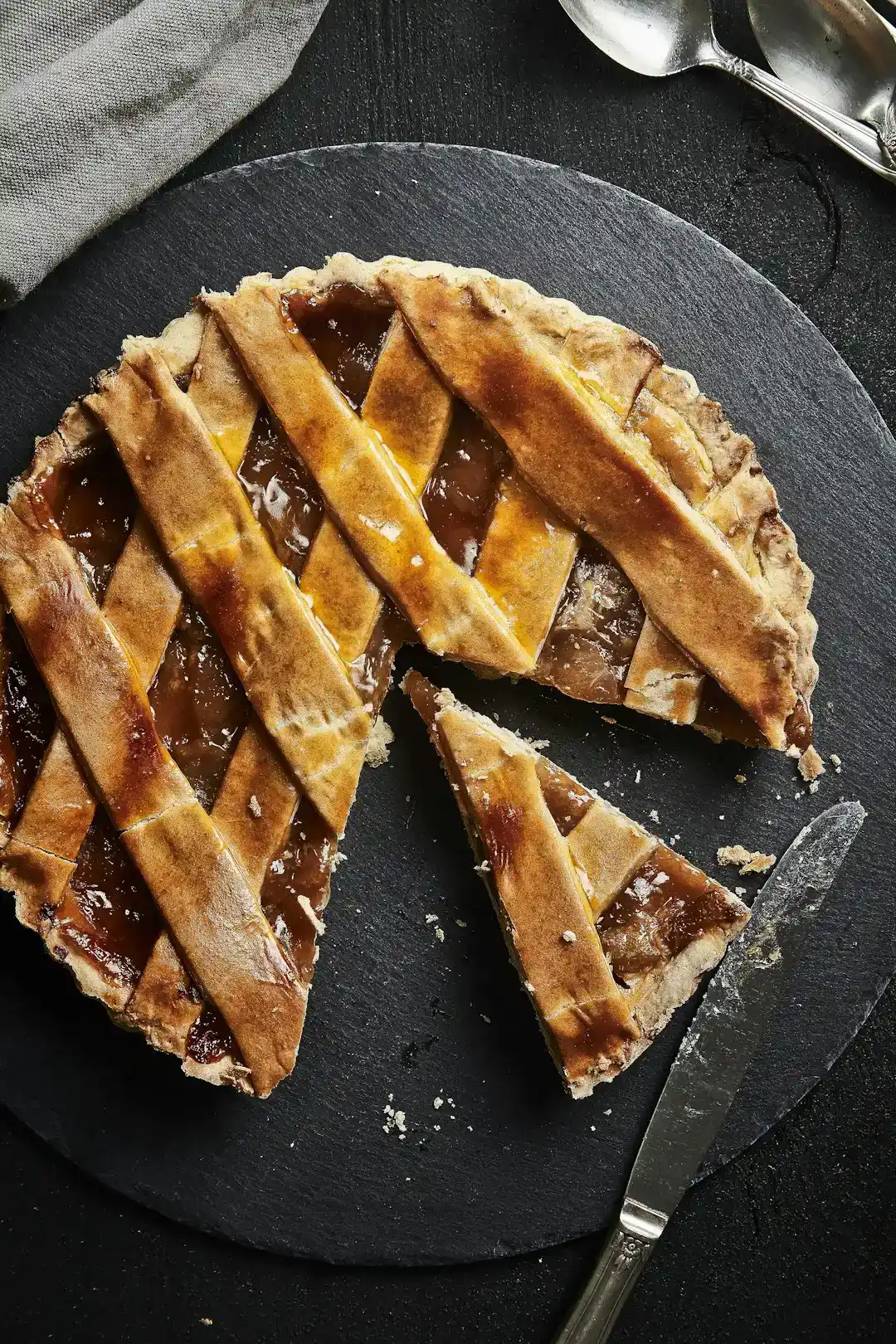
Even though it’s our go-to dessert in the United States, apple pie hails from England, dating back to the 14th century when early cookbooks included recipes for spiced apples wrapped in pastry. The earliest known recipe dates from the late 1300s and lists multiple fruits as ingredients, including figs, raisins, and pears, as well as apples. Unlike a modern pie, there was no added sugar, and it was baked in a “coffin” pastry crust meant to contain the filling rather than serve as an edible part of the dish.
In the early 1500s, Dutch bakers took the concept of the apple pie and pioneered the lattice-style crust we’re used to today, and over the course of a century, the pies were ubiquitous throughout France, Italy, and Germany. When settlers came to America, they brought those traditions with them. Apples weren’t native here either, but colonists quickly started planting orchards, and soon enough, apple pie became a preferred dessert. By the 1700s and 1800s, apple pie was already a fixture in American homes.
5. Fried Chicken
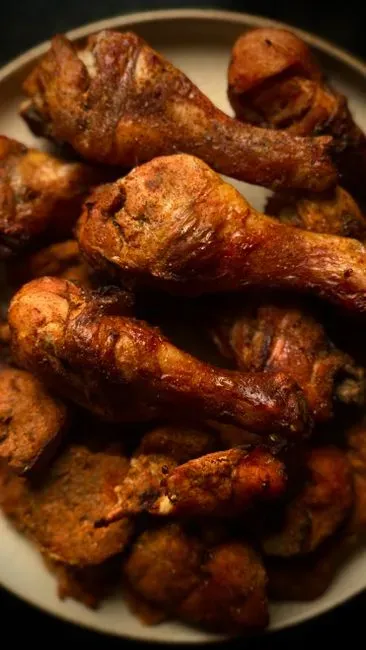
Fried chicken was invented far from Kentucky, having been traced to Scottish and West African traditions of pig lard-frying and seasoning, respectively. Though the earliest known written recipe for fried chicken appeared in a 1747 British cookbook, these cultural influences collided most notably in the U.S. South among enslaved Africans.
Scottish immigrants brought the method of frying chicken in lard, while enslaved West Africans brought sophisticated seasonings and cooking techniques. The fusion happened in the American South, where fried chicken became an iconic home-cooked specialty. By the 1950s, this Southern comfort food became a fast-food phenomenon. What the South made of those combined traditions was genuinely new, but the building blocks came from two very different parts of the world.
6. Ketchup
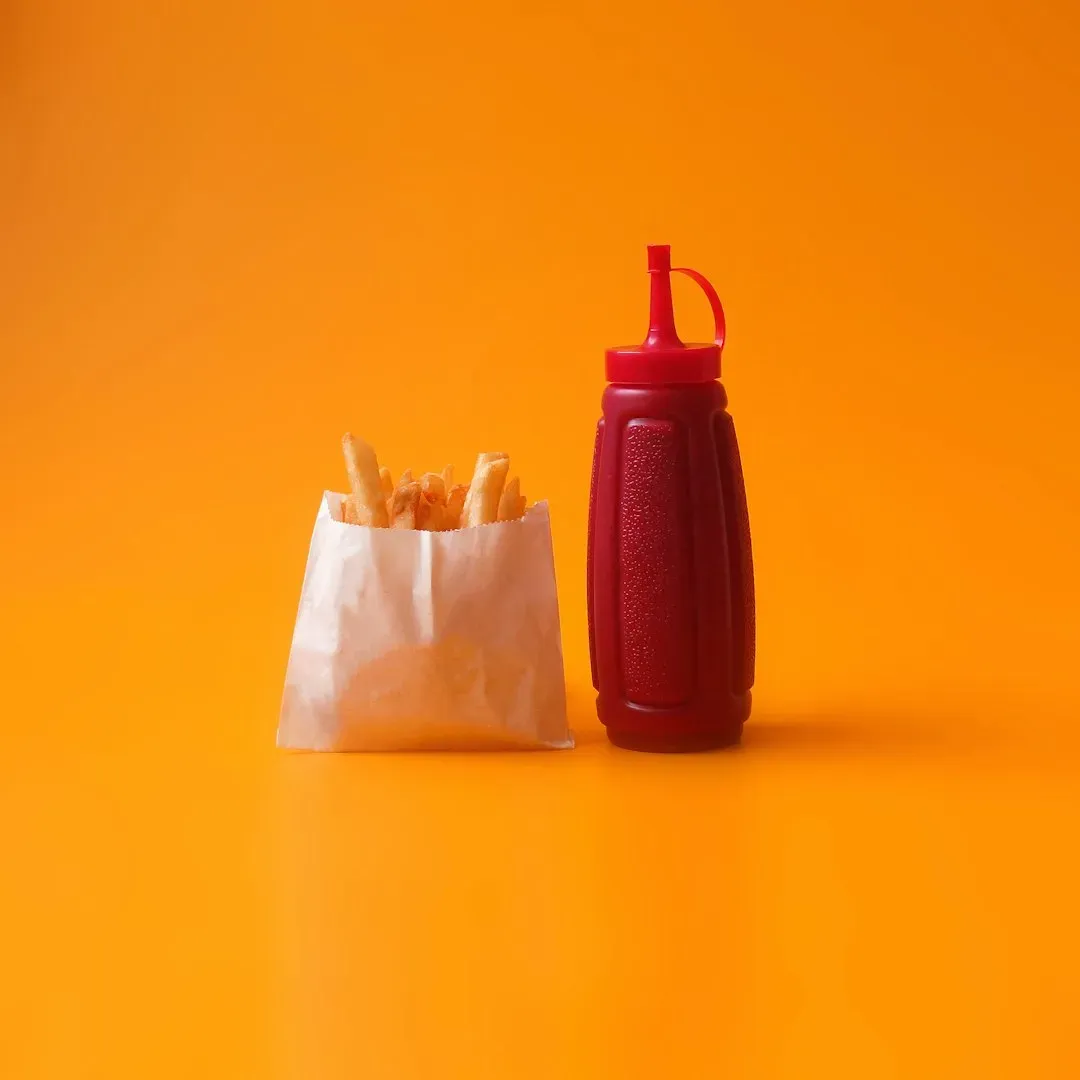
Ketchup might seem American, but its roots are much farther east. The sauce originated in China as a fermented fish sauce called kê-tsiap. British sailors brought it back to Europe, and eventually, Americans adapted the recipe with tomatoes and sugar, creating the condiment we know today.
The transformation from a pungent Asian fish sauce to the sweet red condiment squirted over fries is one of the more dramatic reinventions in culinary history. The tomato-based version solidified in the United States during the 19th century and gradually displaced all other variations. Today, the original fish-sauce version is essentially unrecognizable in the American product that carries the same name.
7. Bagels
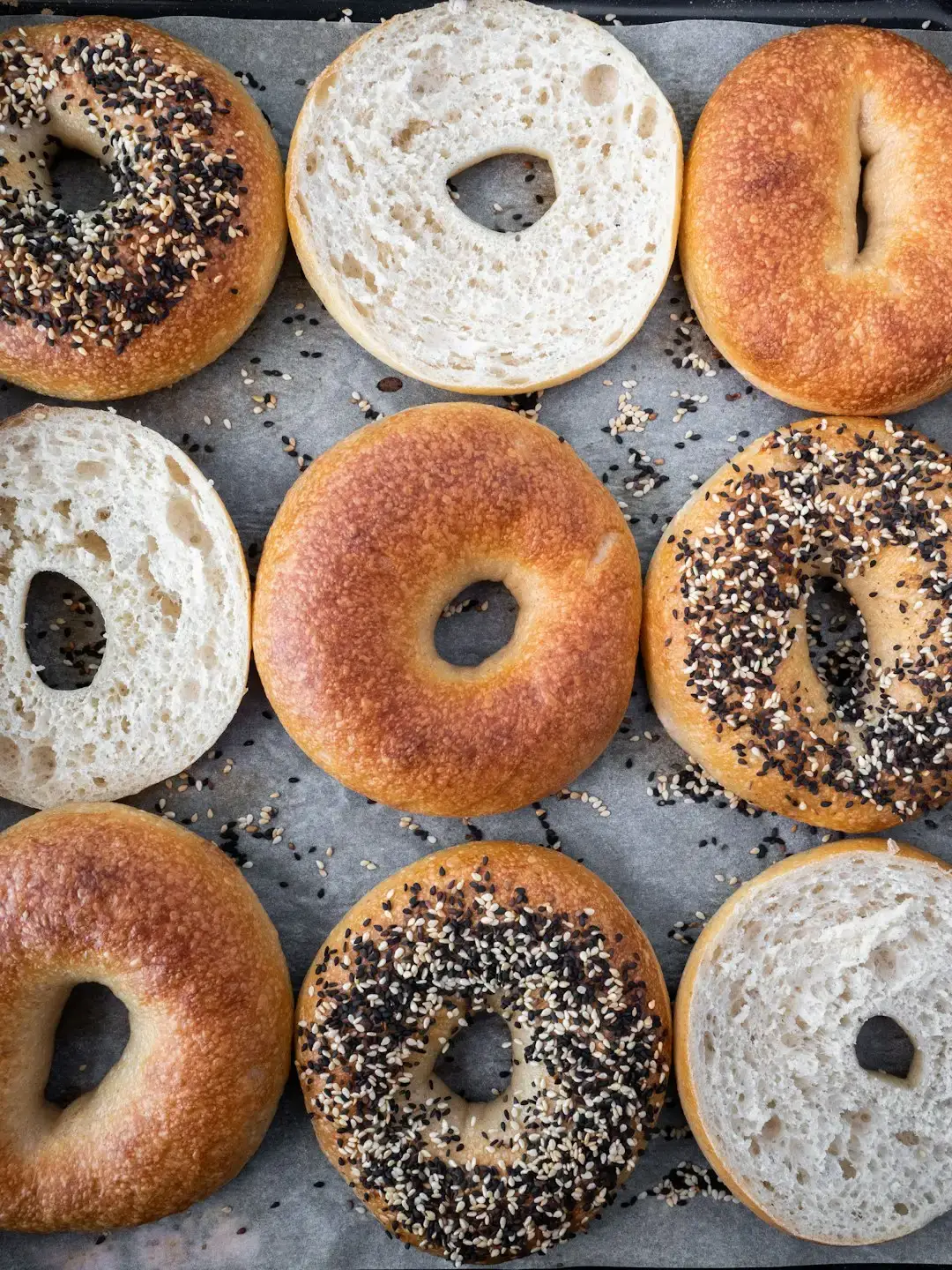
A bagel is a bread roll originating in the Jewish communities of Poland. The bagel’s story begins in 17th-century Poland, where it was known as an “obwarzanek,” a boiled and baked bread popular among the Polish Jewish community. The bagel’s distinctive round shape is said to have practical origins; it allowed bakers to string them on dowels for easy transportation and display. The boiling process also created a unique crust that kept the bread fresher for longer.
Bagels were brought to the United States by immigrant Polish Jews, with a thriving business developing in New York City that was controlled for decades by Bagel Bakers Local 338. They had contracts with nearly all bagel bakeries in and around the city, with workers who prepared all their bagels by hand. During the 1960s and 70s, bagels began to evolve beyond their traditional plain or sesame seed varieties. The introduction of new flavors like cinnamon raisin, blueberry, and everything bagels expanded their appeal to a wider audience.
8. Mac and Cheese
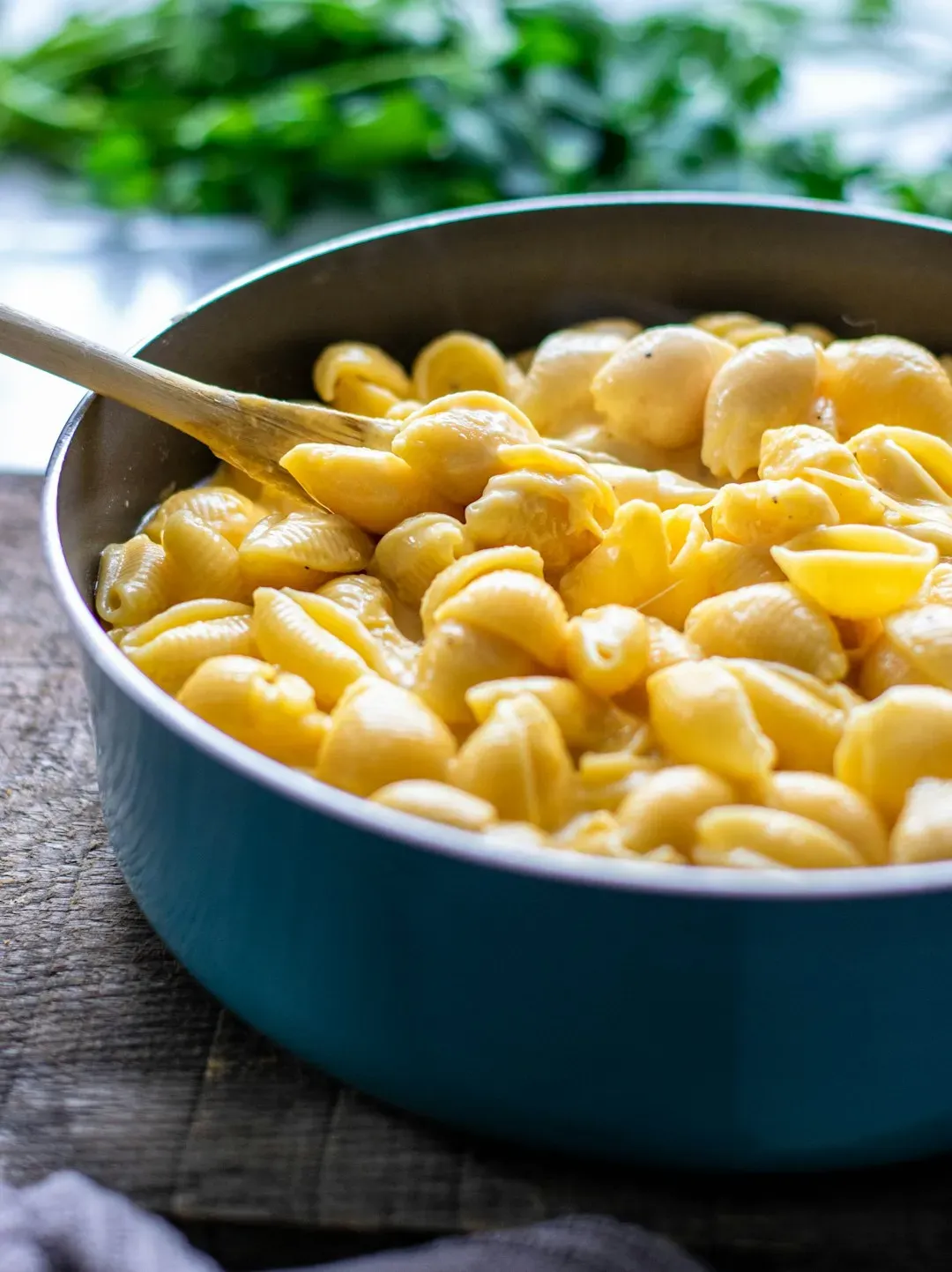
Macaroni and cheese is often considered classic American comfort food, but it has European roots. Pasta and cheese dishes existed in Italy and other parts of Europe long before they became popular in the U.S. The dish gained traction in America partly thanks to early recipes brought over from Europe, and later became widely known through ready-made versions.
Mac and cheese feels like comfort food straight from America’s heartland, but it was actually popularized by Thomas Jefferson. After encountering the dish in France and Italy, Jefferson brought recipes and a pasta machine to the U.S., and the dish eventually became a classic. From that genteel introduction at a presidential dinner table, it somehow made its way into the blue cardboard box found in every American pantry.
9. Doughnuts

Dutch settlers brought olykoek, meaning “oil cake,” to New York in the early 18th century. These doughnuts closely resembled later ones, but the ring donut had not yet appeared. In the mid-19th century, the fried pastries got their name from a New England ship captain’s mother, Elizabeth Gregory, who infused her dough with imported spices of nutmeg and cinnamon and put hazelnuts or walnuts in the center, literally making dough nuts.
How the nuts got replaced by simple holes is a matter of dispute, but doughnuts got a boost in popularity after World War I from the soldiers who had enjoyed them as a token of home in the European trenches, and from the invention of the first doughnut machine in 1920. The modern donut shop empire in California was later mainly built by Cambodian refugees in the 1970s. These resilient immigrants embraced the donut business as their path to the American dream, and today an estimated 80% of donut shops in Southern California are Cambodian-owned.
10. Tacos
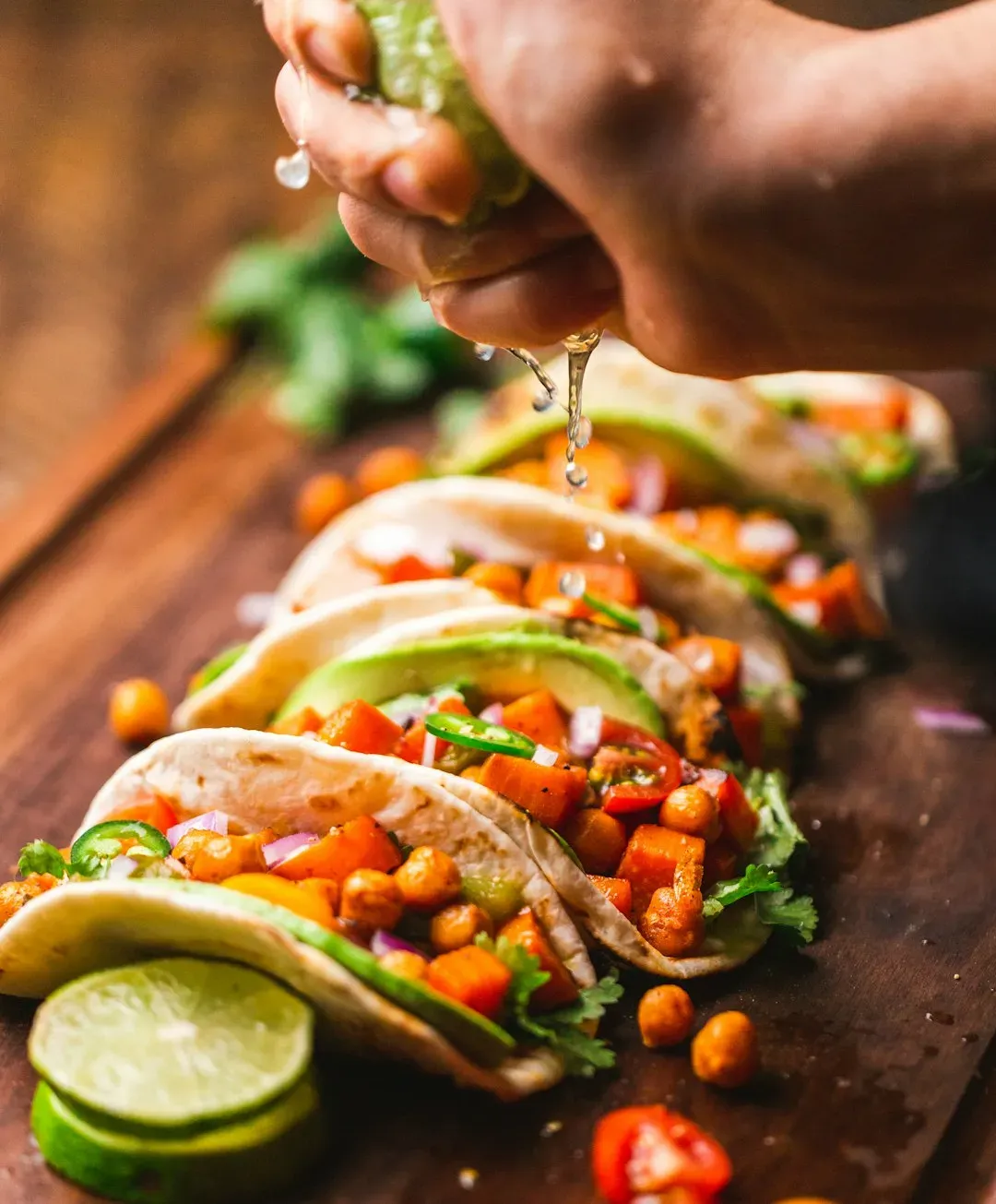
Tacos have become a massive part of American cuisine, from food trucks to Taco Tuesdays. Their origins, however, are firmly Mexican. Tacos date back centuries in Mexico, with indigenous peoples using tortillas to wrap a variety of fillings. The modern taco we enjoy today owes much to Mexican-American communities adapting traditional recipes for wider appeal.
American soldiers returning from World War II craved international foods they had tasted abroad, and the 1960s Tex-Mex trend ushered in mainstream taco stands. The taco’s journey into the American mainstream accelerated through the mid-20th century, eventually producing variations like the crunchy hard-shell taco that have no real equivalent in traditional Mexican cooking. It’s a food that arrived with deep cultural roots and got remixed into something distinctly its own on American soil.
The through-line connecting all ten of these foods is straightforward: American cuisine has rarely invented from scratch. It has absorbed, adapted, and scaled. What makes so many of these dishes feel American isn’t where they started, it’s what happened to them after they arrived.