
Table of Contents
1. Strawberries
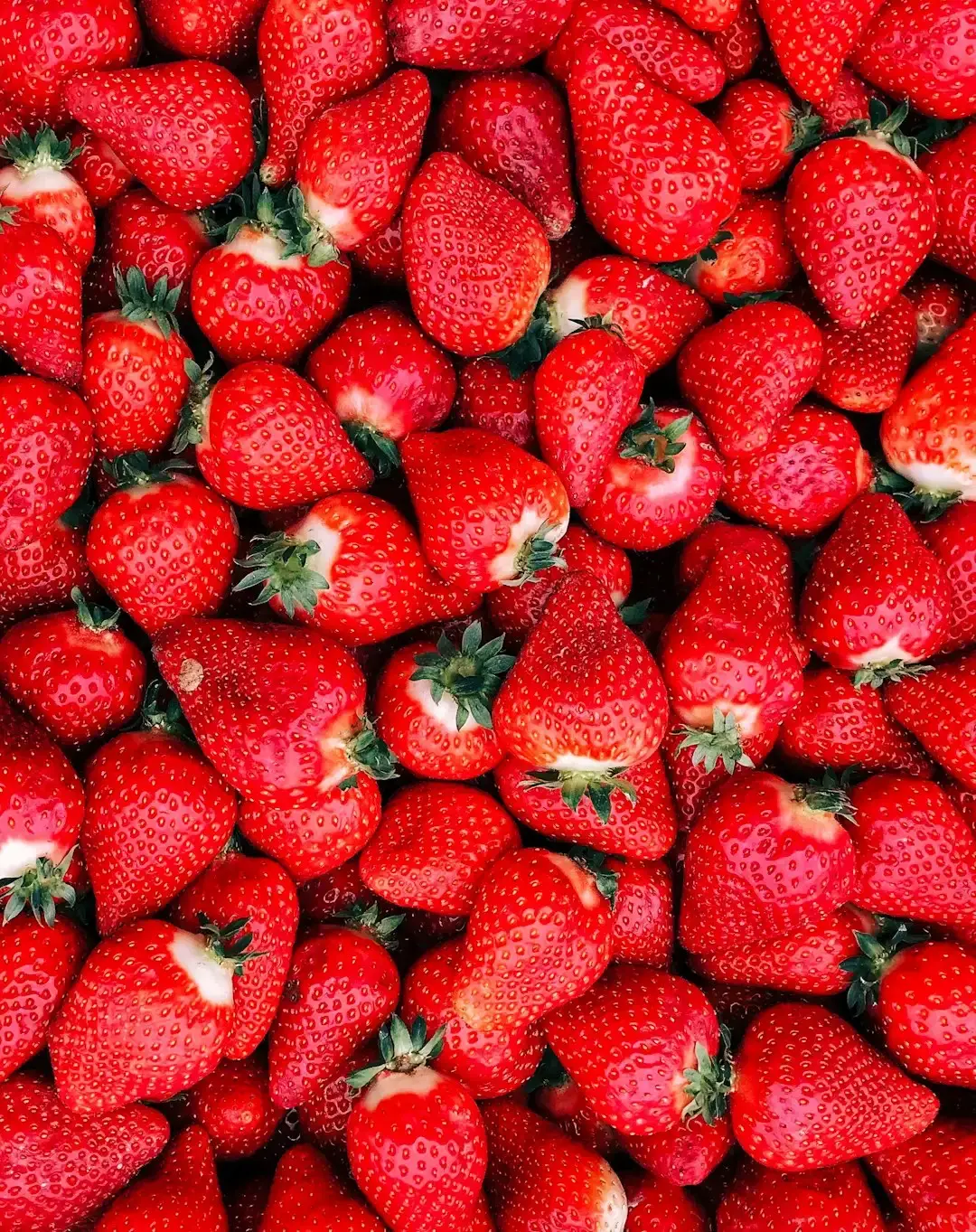
Strawberries hit their sweetest stride in late spring, typically from April through June depending on the region. Cooler nights combined with warm, sunny days during this stretch help the berries build up sugar without turning mushy or overly tart. Off-season strawberries, often grown in greenhouses or shipped from warmer climates, tend to be firmer and less flavorful because they don’t get that same day-night temperature swing.
A properly in-season strawberry should smell fragrant even before you bite into it. Look for deep red color all the way to the cap, since pale shoulders usually mean it was picked too early to survive transport. Farmers markets in late spring are usually the best bet for the real deal.
2. Cherries
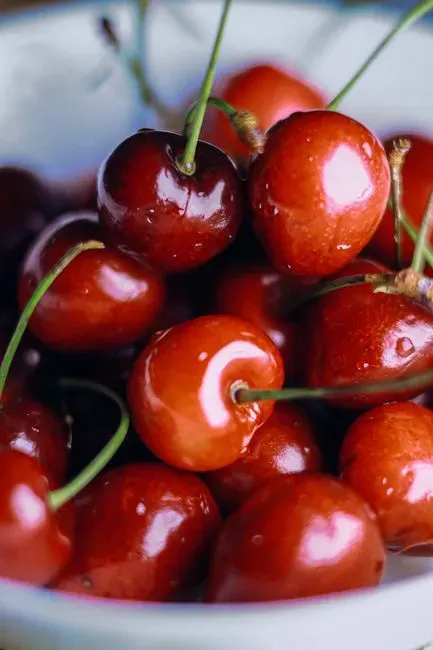
Cherry season is famously short, usually running from late May through early August depending on the variety and growing region. Bing and Rainier cherries, two of the most popular types in the United States, both need a specific stretch of warm days to develop their signature sweetness. Once the season ends, most cherries on shelves are imported from the Southern Hemisphere, and the flavor difference is noticeable.
The tight window is part of why cherries feel like a treat rather than an everyday staple. Growers often watch weather patterns closely, since a late spring frost or an early heat wave can shrink the harvest window even further. Buying cherries in bulk during peak weeks and freezing extras is a common way to stretch the season a little longer.
3. Watermelon
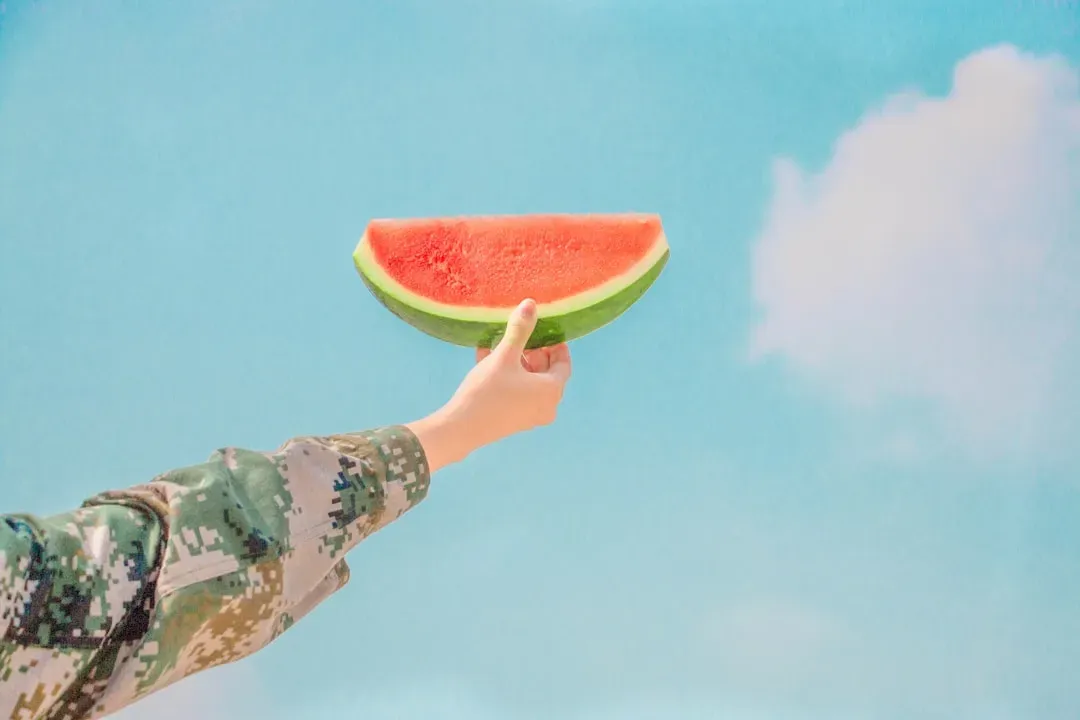
Watermelon reaches its peak during the hottest stretch of summer, generally June through August in most of North America. The fruit needs long, sunny days and consistent heat to convert its stored starches into sugar, which is why a watermelon grown in cooler, cloudier conditions often tastes watery instead of sweet. A ripe one should feel heavy for its size and produce a deep, hollow sound when tapped.
Farmers also point to the dried out tendril near the stem as a reliable ripeness indicator, since a green tendril usually means the melon was picked too soon. Watermelon transported long distances outside its natural season tends to lose some of that crisp snap, since the fruit doesn’t ripen further after harvest. This makes local, in-season watermelon a noticeably different experience from the pale, mild versions found in winter produce aisles.
4. Peaches
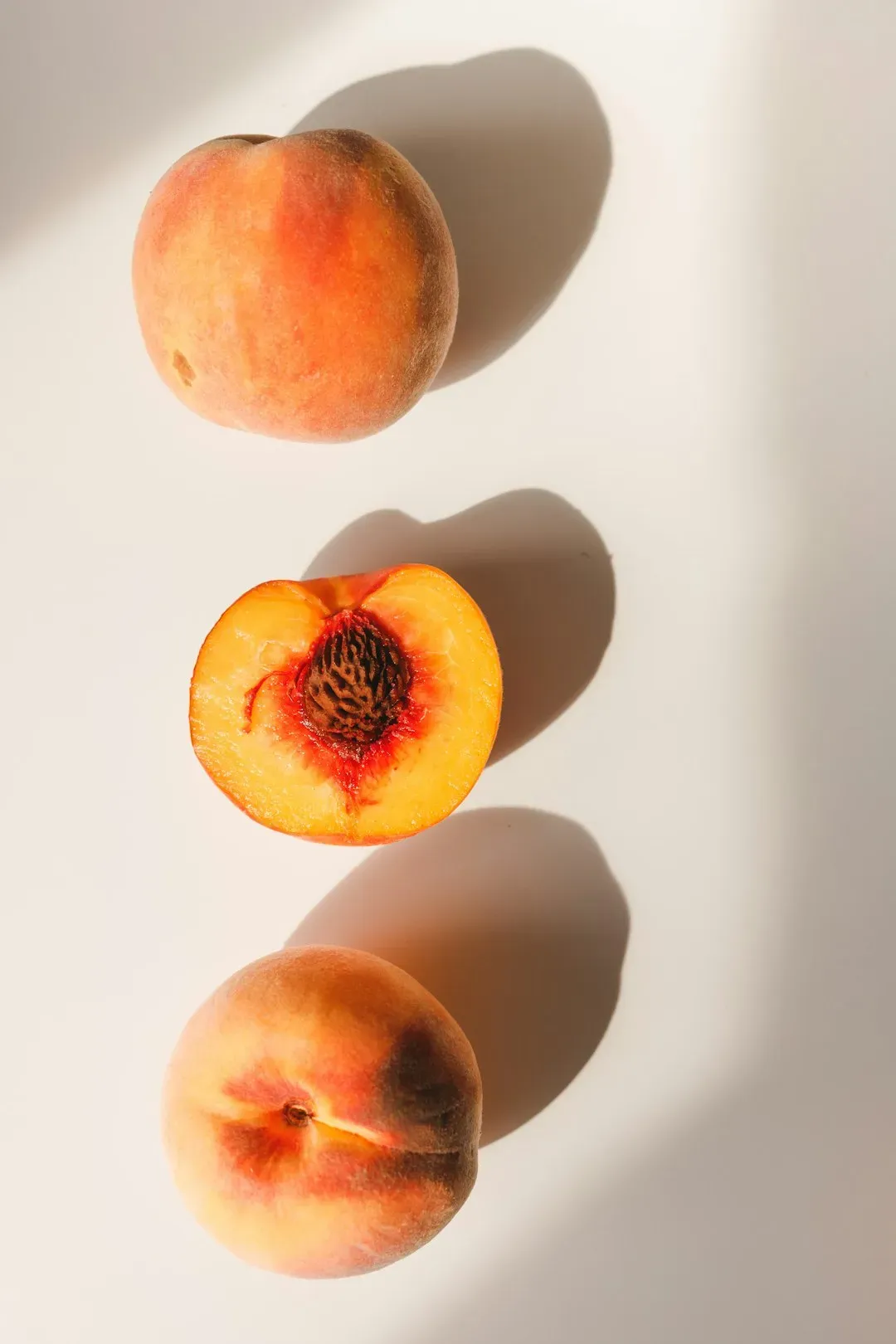
Peach season generally spans mid-June through August, with the exact timing shifting slightly depending on the growing region. States like Georgia and South Carolina in the U.S. are known for their summer peach crops, and the fruit needs sustained warmth to develop its characteristic aroma and juiciness. A peach picked too early and shipped long distances often ripens into a mealy texture instead of the soft, juicy bite people expect.
The best way to judge a peach is by smell rather than color, since a fragrant peach usually signals real ripeness better than skin tone alone. Slight give when pressed near the stem is another good sign. Once peach season passes, most available peaches come from storage or distant growing regions, and the flavor gap becomes obvious pretty quickly.
5. Blueberries
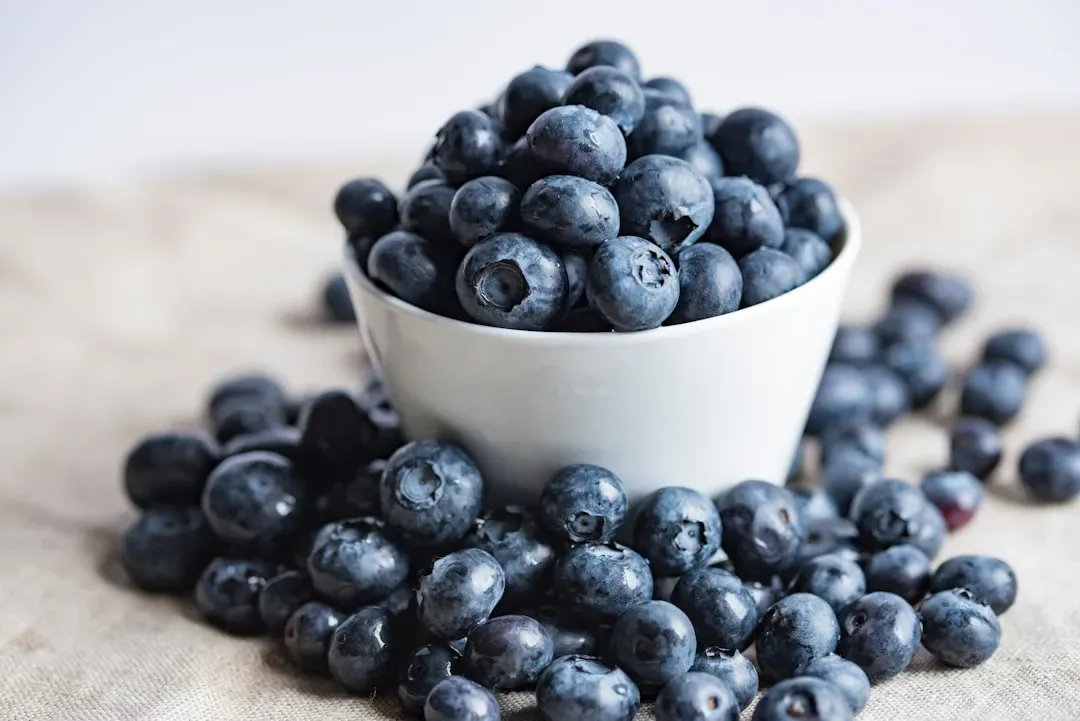
Blueberry season generally runs from June through August in most of the U.S., with some regional variation depending on climate. Wild blueberries, mostly grown in Maine and parts of Canada, tend to have a shorter and later harvest window than cultivated varieties. The extended sunlight during peak summer helps blueberries develop that deep blue color and the slightly tart, floral flavor people associate with the fruit.
Out-of-season blueberries are often imported from South America, and while they’re widely available year-round now, many shoppers notice they’re firmer and blander compared to summer harvests. A dusty white coating called bloom on fresh blueberries is actually a good sign, not something to wash off before storing. Freezing extras during peak season is a common way home cooks preserve that summer flavor for smoothies later in the year.
6. Mangoes
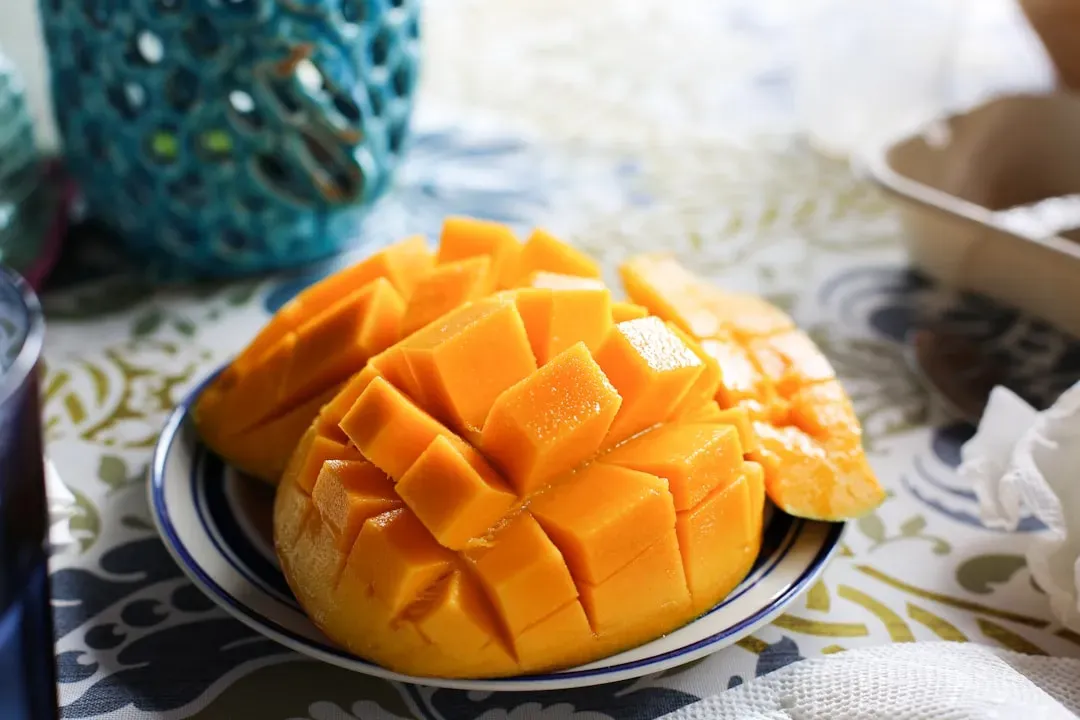
Mango season varies quite a bit depending on where the fruit is grown, but in the U.S., imported mangoes from Mexico and other Latin American countries tend to peak between March and July. The fruit needs a long stretch of tropical heat to fully develop its sugar content, and mangoes picked too early often ripen unevenly with a stringy texture. A truly in-season mango should give slightly when pressed and often carries a sweet, slightly floral scent near the stem.
Color isn’t always a reliable indicator since mango skin tones vary widely by variety, ranging from green to deep red even at full ripeness. Ataulfo mangoes, sometimes called honey mangoes, are known for a smoother, less fibrous texture than the more common Tommy Atkins variety. Because tropical growing regions stagger their harvests, mangoes are available for a longer stretch of the year than many temperate fruits, though flavor quality still fluctuates with the season.
7. Figs
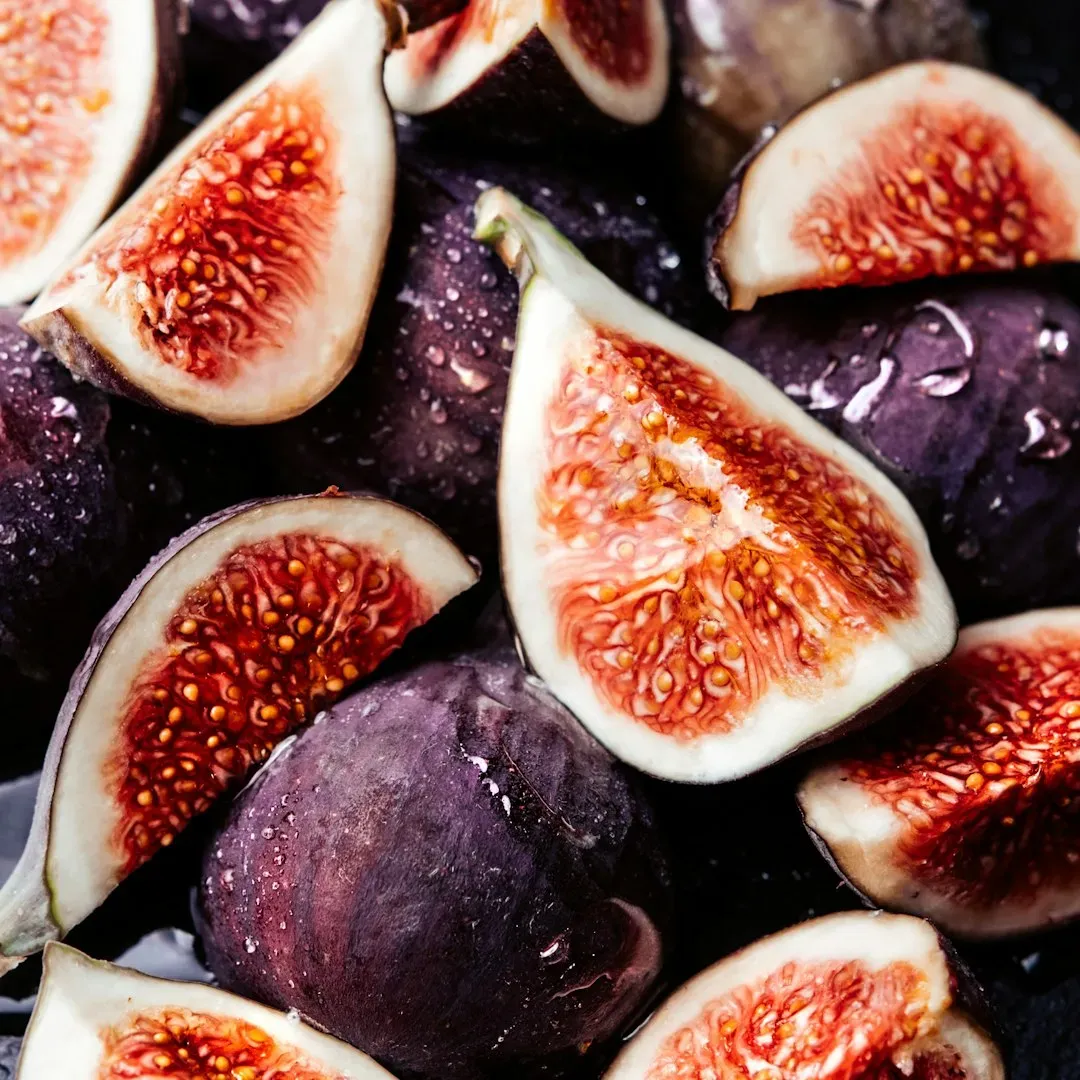
Figs typically have two short harvest windows, one in early summer and a second, often more abundant one in late summer through early fall. This double cropping happens because fig trees can produce a “breba” crop on old wood in June and a main crop on new growth later in the season. Fresh figs are notoriously delicate and don’t ship well, which is part of why they’re harder to find outside their growing regions and season.
A ripe fig should feel slightly soft to the touch and may show a small crack near the base, signaling the sugars inside are fully developed. Because they bruise easily and spoil within days of picking, figs are one of the clearest examples of a fruit that tastes dramatically better bought locally and . Dried figs, while convenient year-round, offer a completely different texture and concentrated sweetness compared to a fresh one eaten at peak ripeness.
8. Apples
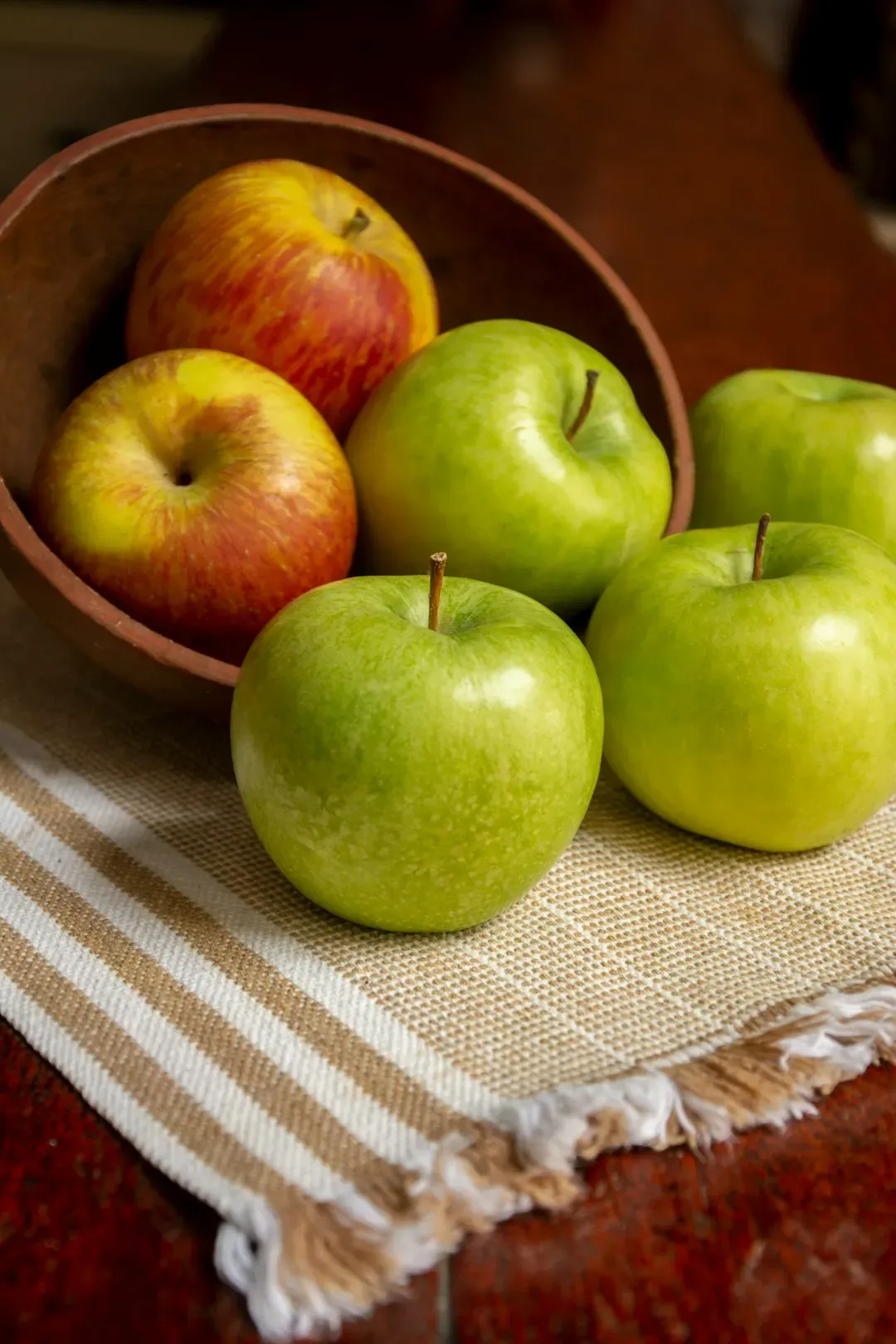
Apple season generally runs from late summer through fall, with most varieties reaching peak harvest between September and November in the Northern Hemisphere. Different varieties ripen at slightly different times, with early types like Gala coming in around August and later varieties like Fuji or Honeycrisp often peaking closer to October. Cool autumn nights help apples develop a crisper texture and more concentrated sweetness compared to fruit harvested in warmer conditions.
Many apples sold in grocery stores months after harvest have actually been kept in controlled cold storage, which slows ripening but doesn’t fully replicate the crunch of a freshly picked fall apple. Orchard visits during peak season are popular precisely because the difference in texture and flavor is noticeable even to casual apple eaters. Storage apples are still perfectly edible, they simply lack the vibrant snap of one picked within days of eating.
9. Pomegranates
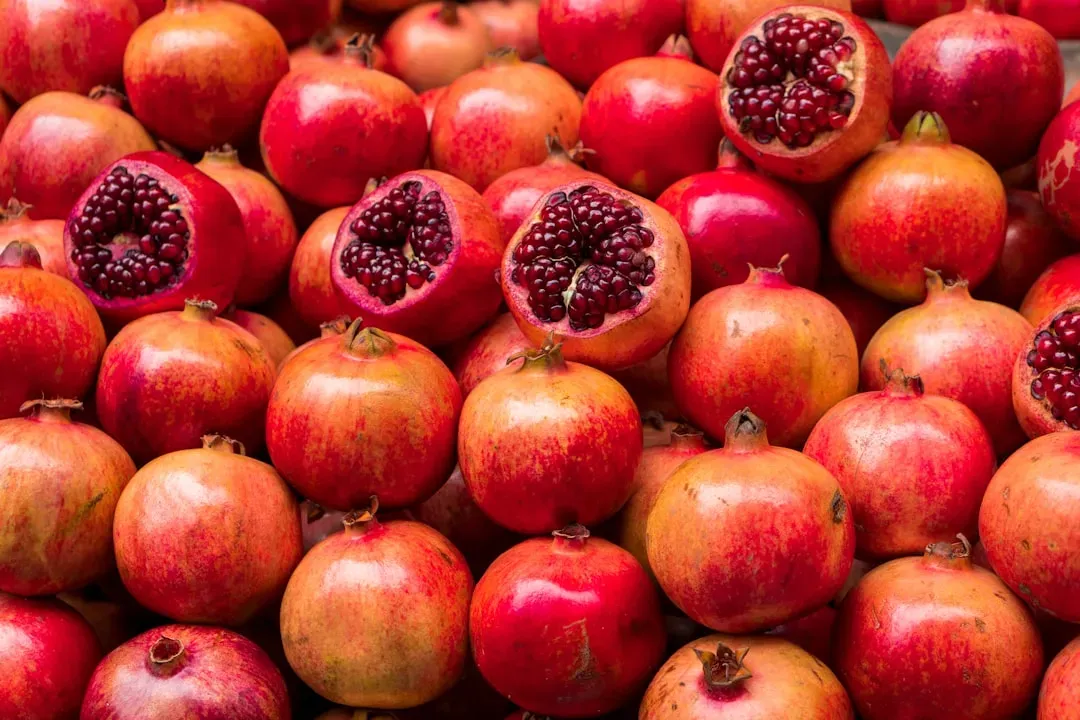
Pomegranate season runs primarily from October through December in the U.S., with California supplying the bulk of the domestic crop. The fruit needs a long, hot growing season followed by cooler fall temperatures to fully develop the deep red color and juicy sweetness inside each aril. Pomegranates picked too early often taste noticeably more tart and less complex than fruit harvested at full maturity.
Unlike many fruits, pomegranates don’t continue ripening after being picked, so timing the harvest correctly matters more than usual. A heavy, firm pomegranate with taut, slightly angular skin is generally a good sign of ripeness and full sugar development. Once the domestic season winds down, some imported pomegranates from the Southern Hemisphere fill grocery shelves, though availability is far more limited than in-season months.
10. Cranberries
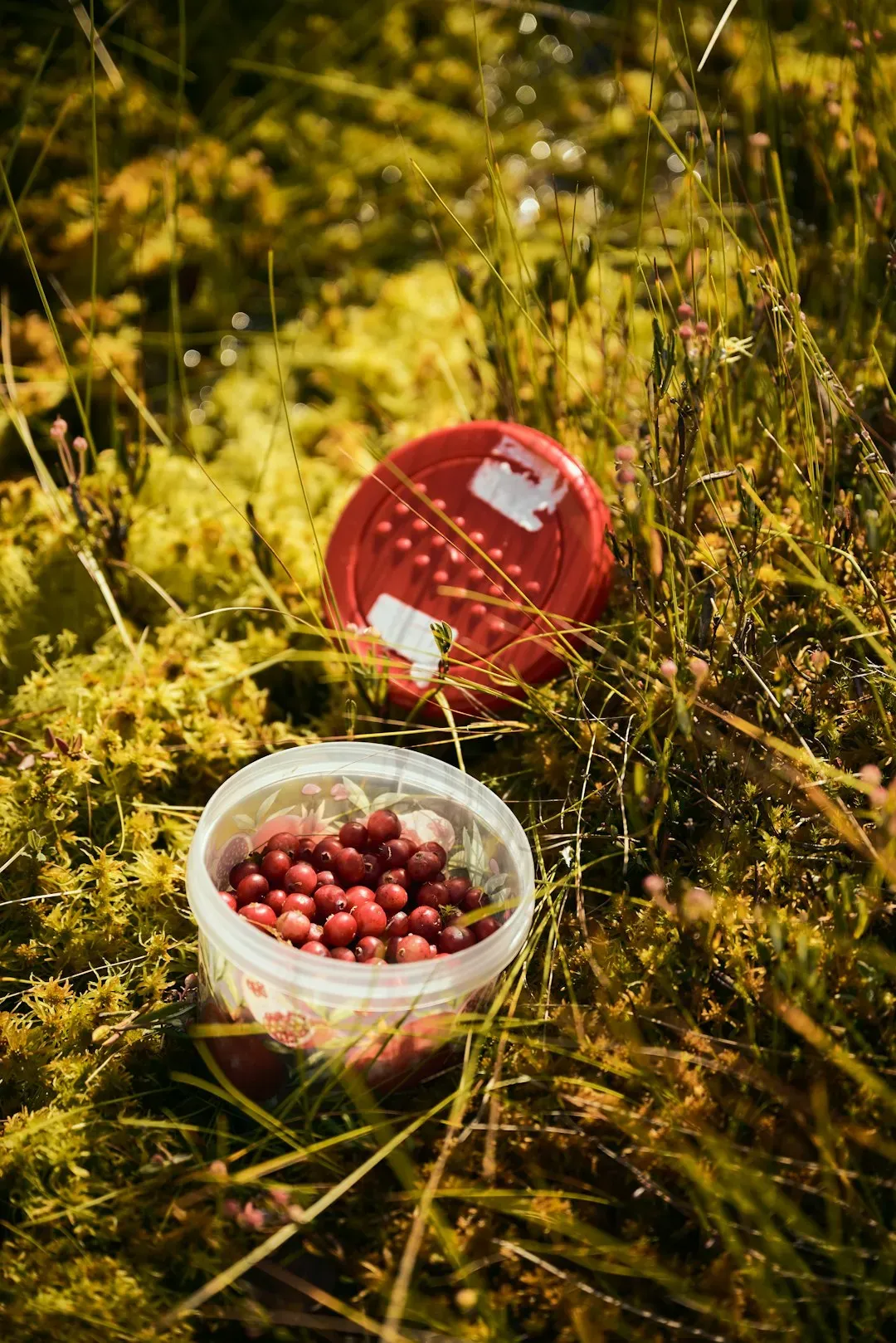
Cranberry season is tightly concentrated in the fall, with the harvest typically running from September through November across major growing regions like Wisconsin and Massachusetts. Unlike sweeter summer fruits, cranberries are naturally tart even at full ripeness, and their flavor intensifies as temperatures drop before harvest. The fruit is famously harvested by flooding the bogs and floating the berries to the surface, a method that also happens to make for one of the more visually striking harvest scenes in American agriculture.
Fresh cranberries have a short shelf life compared to the dried or frozen versions available year-round, which is part of why they’re so strongly associated with the fall and early winter months. A ripe cranberry should feel firm and bounce slightly when dropped, an old but still commonly used test among growers. Once the short harvest window closes, most cranberries available are either previously frozen or processed into sauces, juices, and dried snacks rather than sold fresh.
Eating with the seasons isn’t just a matter of taste preference, it also tends to align with when fruit is most affordable and abundant at local markets. Paying attention to these harvest windows can make a real difference in flavor, whether it’s a July peach or a fall pomegranate at its peak.