
There is nothing quite like the promise of that first sip of coffee in the morning. The smell fills the kitchen, the mug warms your hands, and then – bitterness. Not the pleasant, background kind that gives coffee its personality. The kind that makes you grimace and ask yourself what went wrong.
The good news? Bitter coffee is almost never a mystery you have to live with. Most of the time, there is a very fixable reason behind it. Let’s dive in and sort it out.
Table of Contents
Fix 1: Stop Over-Extracting Your Coffee
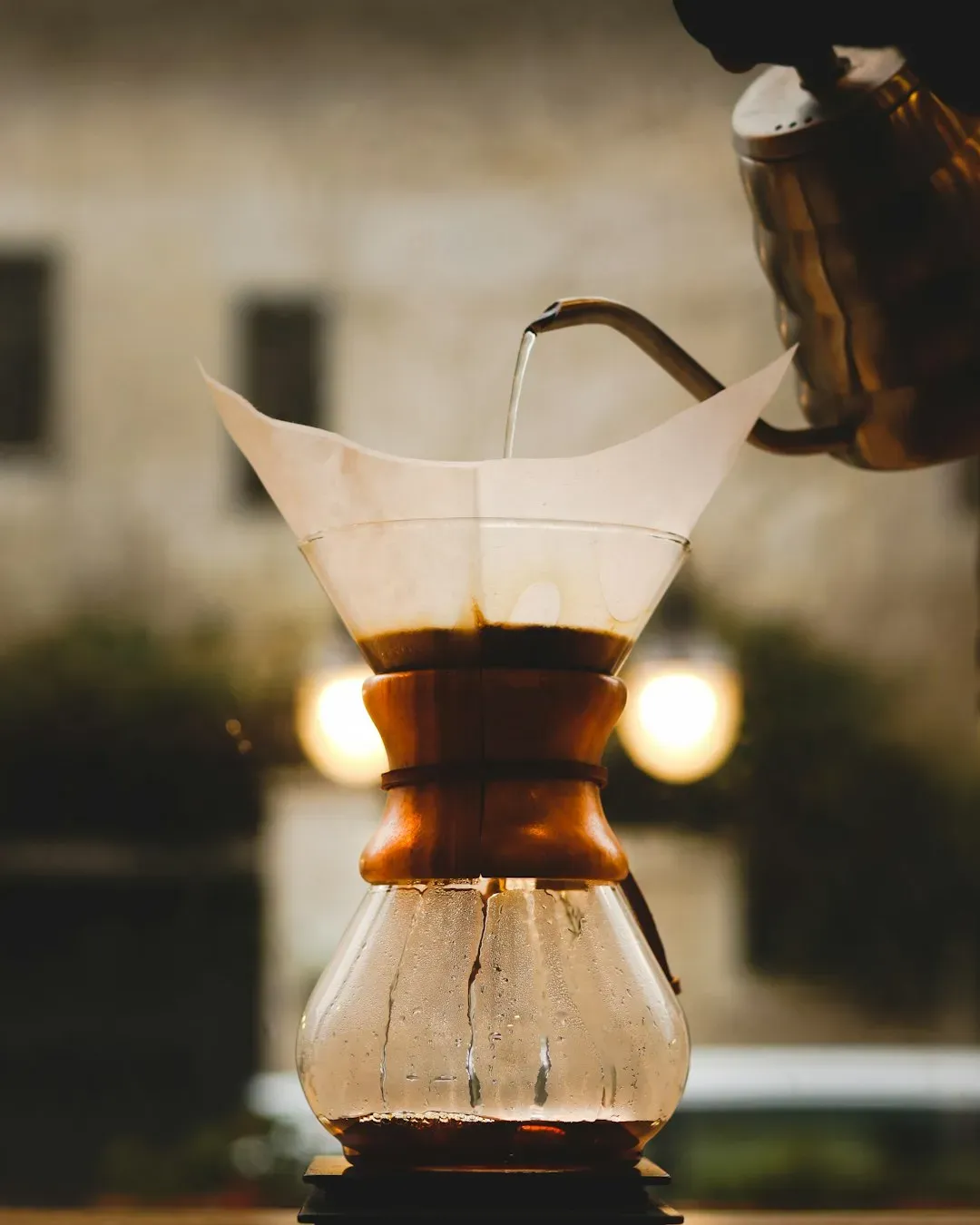
Bitter coffee is usually over-extracted coffee. Essentially, the beans get over-brewed and start to give off extra flavors you don’t want in your cup – all the bitter stuff. Think of it like steeping a tea bag for too long. At first you get something lovely, but keep going and the whole thing turns harsh and tannic.
As hot water contacts ground coffee, compounds dissolve in a specific order. Acids and simple sugars extract first, producing brightness and sweetness. Aromatic compounds follow, contributing complexity and body. Bitter compounds extract later, requiring more contact time, finer grind exposure, or increased turbulence. When brewing continues beyond the optimal extraction window, water begins pulling compounds that dominate the bitter spectrum.
Research suggests that over-extraction above 22% typically produces a bitter and woody flavor, while the sweet spot sits between 18 and 22 percent. A well-prepared coffee that falls within the industry-recognized parameters of 18 to 22 percent extraction should be sweet, creamy, with a good definition of its fruity attributes and flavors.
Bitter coffee is over-extracted coffee, which means the goal is to extract less. One barista-approved way to extract less at home is to grind your beans more coarsely. The larger grounds won’t extract so quickly, but they’ll also make it easier for water to drain in pour-over brewing. Even shaving 20 to 30 seconds off your brew time can make a surprising difference.
Fix 2: Adjust Your Grind Size
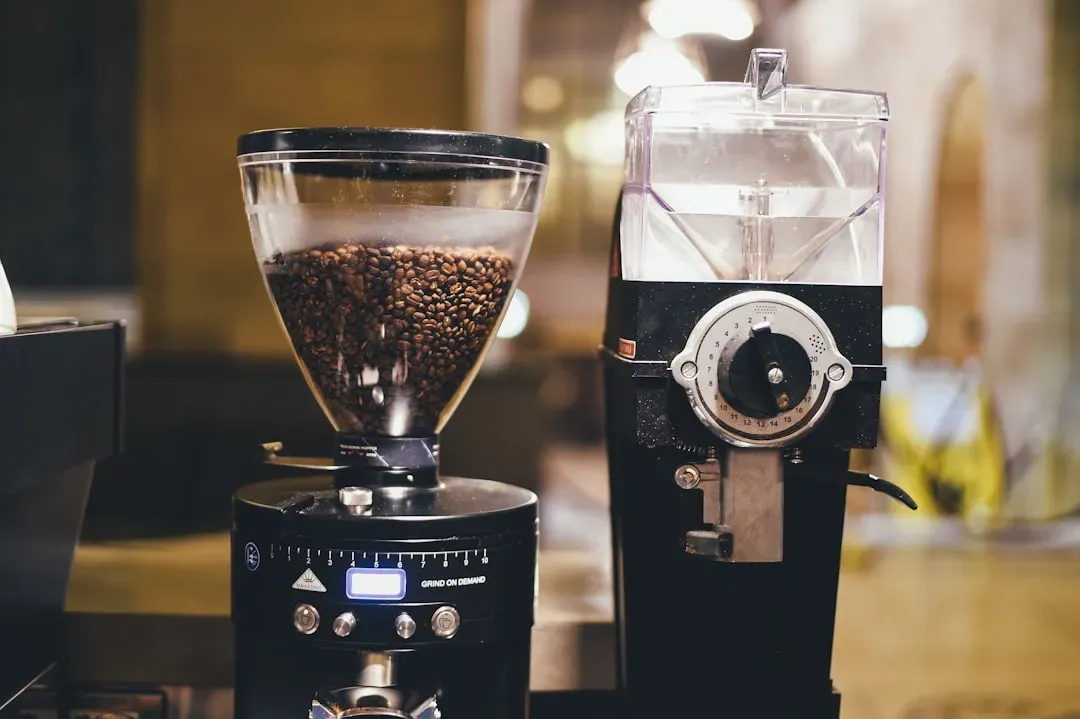
Here’s the thing – grind size is one of those variables that most home brewers ignore completely, and it is probably the single biggest lever you have. Water percolates slower through finely ground coffee, and this prolonged exposure extracts more bitter compounds. It is basically the same principle as a too-long brew time, just operating at a much smaller scale.
If a shot pours too slowly because the grind is too fine, the espresso will taste bitter. You need to make your coffee grinds coarser so that the water is not so restricted. Espresso should pour between 25 and 35 seconds, with the best results usually found between 27 and 33 seconds. For other brew methods, the principle is the same – coarser grinds mean a cleaner, less bitter result.
Grinding coffee beans changes how the flavor compounds dissolve. If they’re too coarsely ground you risk under-extraction and a sour-tasting coffee, but if they’re too finely ground, you risk an over-extracted, bitter coffee. Different brewing methods will require different grinds, and sometimes you need to experiment to figure out the sweet spot.
The smaller the size of the coffee grounds, the more quickly flavor compounds are released into the brewing water. Larger grounds don’t become saturated as quickly, so they take longer to release their bitter compounds. If your coffee has been tasting bitter, a coarser grind could be a simple fix. Honestly, it is worth investing in a decent burr grinder if you are serious about this.
Fix 3: Watch Your Water Temperature
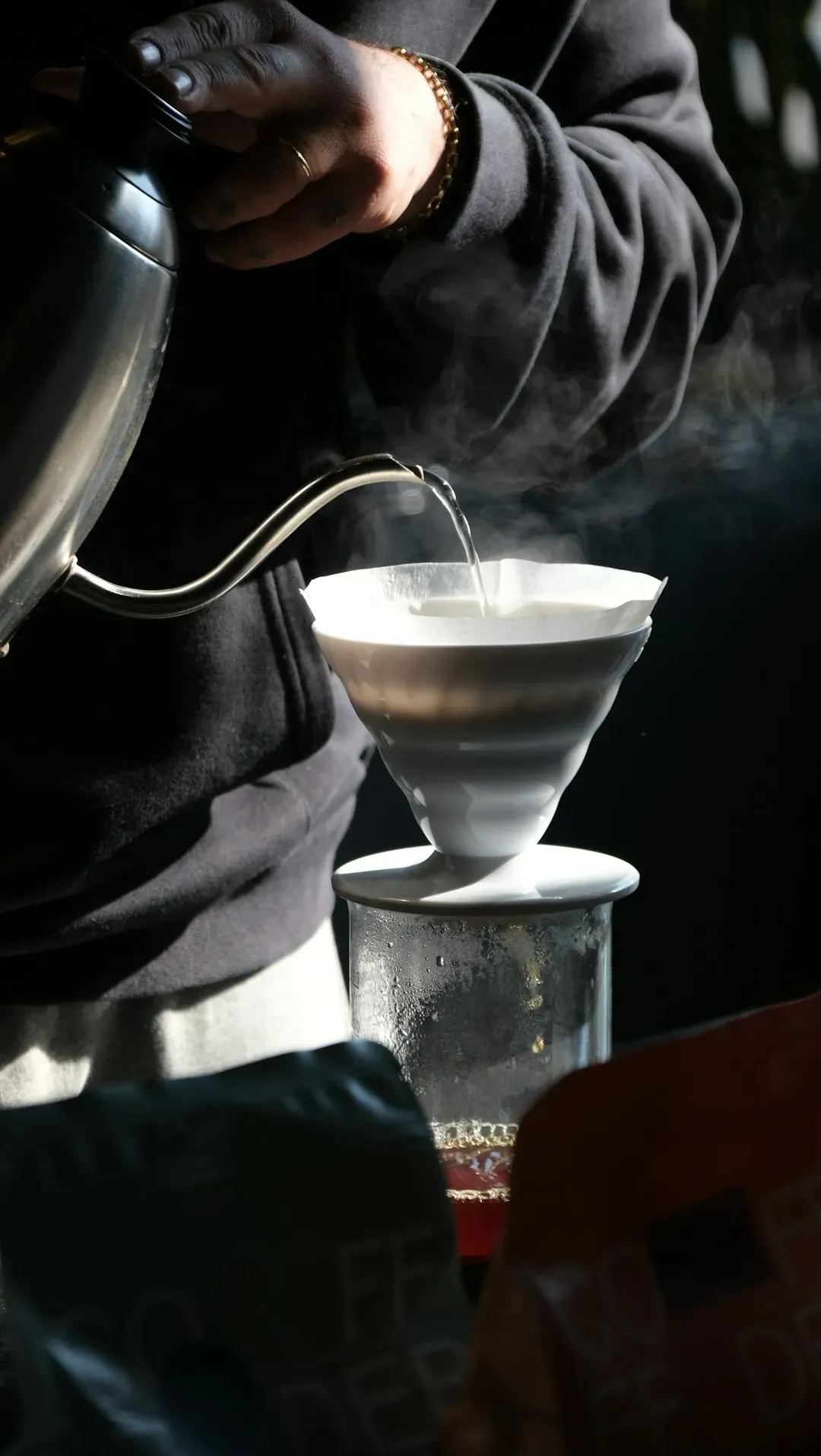
Boiling water and coffee are not friends. I know it sounds counterintuitive – surely hotter means more flavor? – but the science is pretty clear on this. Brewing coffee with water that’s too hot extracts excessive bitter compounds. The ideal brewing temperature is between 195°F and 205°F (90–96°C). If your water is boiling at 212°F/100°C, it will over-extract the coffee, creating a bitter taste.
The temperature of the water has a crucial influence on the extraction of aromas in coffee. If the water is too hot, not only are the desired flavor compounds extracted, but undesirable bitter substances are also released. It is a bit like cooking an onion – gentle heat creates sweetness, scorching heat creates char.
Higher temperatures increase molecular activity and extraction rate. Brewing near boiling accelerates the transition into bitter compound extraction. This is why slight reductions in temperature can noticeably soften perceived bitterness without changing beans or grind.
To solve the problem, let the water cool for about 30 seconds after boiling before pouring it over the coffee grounds. With fully automatic coffee machines, you can manually adjust the brewing temperature, ideally to a maximum of 94°C. A temperature-controlled kettle is one of the best small investments a home brewer can make.
Fix 4: Check the Quality of Your Water
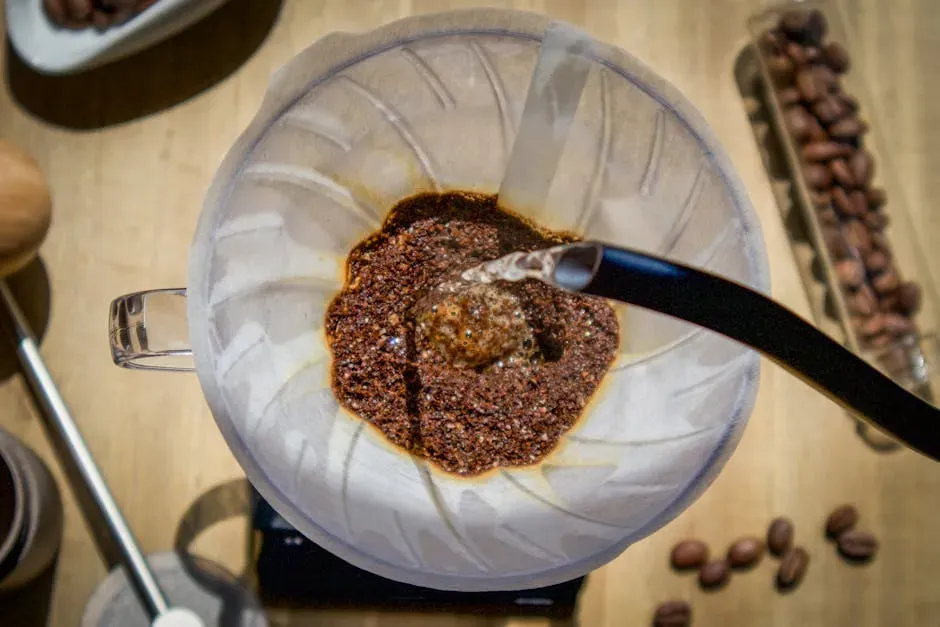
Water makes up roughly 98 percent of what’s in your cup. That fact alone should make you pay attention to what kind of water you’re brewing with. Hard water contains high levels of bicarbonate, which is responsible for highlighting the bitter notes in a coffee. Too hard, and you’ll get a bitter brew. It’s a problem that affects more households than most people realize.
Very hard water with hardness above 300 ppm often yields coffee that tastes chalky, bitter, and flat. Hard water can pull excessive bitterness and also suppress acidity. Plus, limescale will coat your kettle and coffee maker quickly. The bitter taste you blame on your beans might actually be coming straight from your tap.
Tap water is treated by municipalities to be safe for drinking. It often contains added minerals for taste, as well as treatment chemicals like chlorine, chloramine, and fluoride. While these compounds are necessary for removing contaminants, they can give your coffee an unpleasant, bitter taste.
Filtered water is typically the best option for most home brewers. A high-quality pitcher or fridge water filter can remove chlorine, heavy metals, and other impurities without removing minerals like calcium and magnesium. Filtered water tends to taste better and helps create a well-extracted, flavorful cup of coffee. The Specialty Coffee Association recommends a target of around 150 ppm total dissolved solids as an optimal brewing standard, giving you a useful benchmark to aim for.
Fix 5: Clean Your Coffee Equipment Regularly
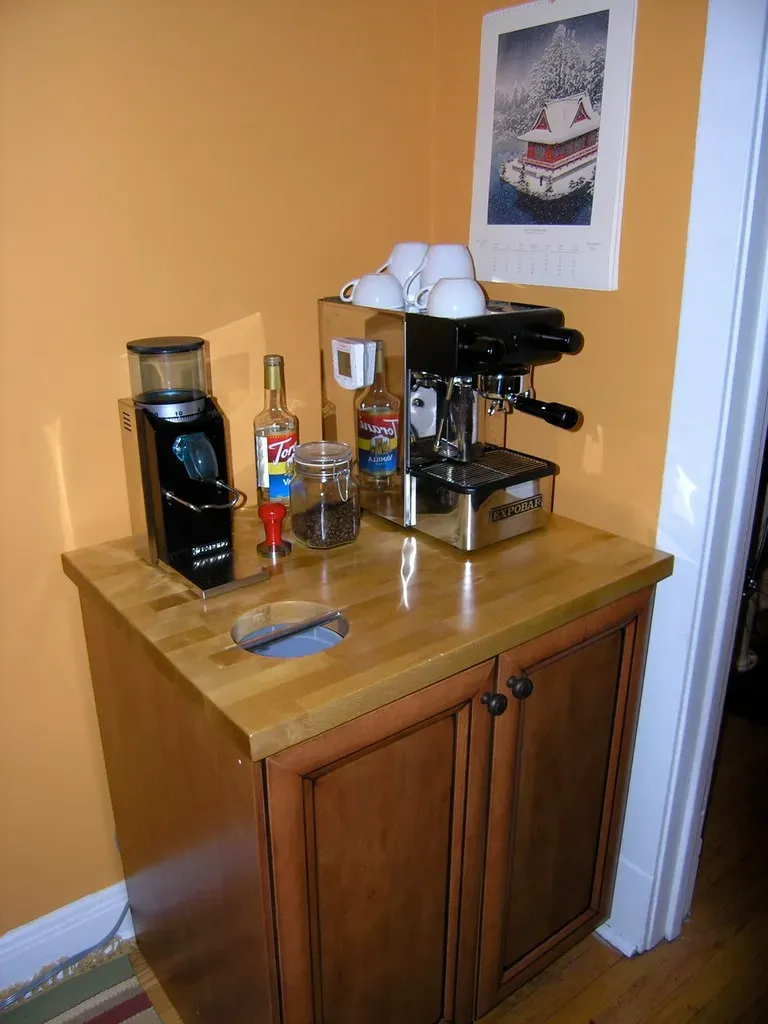
This one might be the most overlooked fix of all. People spend real money on quality beans and a good machine, then completely neglect cleaning the thing. Coffee oils become rancid within 24 to 48 hours, creating bitter, off-flavors that contaminate every subsequent brew. These oils coat internal surfaces and are particularly problematic in espresso machines where high pressure forces them deep into components.
These oils have a dark side. When left exposed to air and heat, they begin to oxidize and turn rancid, much like cooking oil left in a pan for too long. This process transforms them from flavor carriers into flavor destroyers. Every time you pull a shot, a microscopic layer of these oils is left behind on every surface it touches.
When coffee is brewed, the coffee grinds release oils and soluble compounds which, even with paper filters, leave residue in your coffee-making equipment which will build up over time and can become rancid. One of the telltale signs that your coffee equipment needs cleaning is that all of your coffee, no matter what the roast profile or freshness, will have a more charred and bitter taste to it.
It’s advisable to clean your coffee maker at least once a month to ensure optimal performance and flavor. If you use your coffee maker daily, you may want to brew a cleaning solution every two weeks. Regular cleaning helps prevent the buildup of coffee oils and mineral deposits, which can affect taste and functionality. For French press users, the equipment should be cleaned after each use. Make sure to disassemble the French press plunger during cleaning, as old coffee grounds often become trapped underneath the mesh screen.
The Bottom Line: Bitter Coffee Is a Solvable Problem
Every single one of the five causes above is completely within your control. That is actually a pretty empowering thought for something that feels so frustrating at seven in the morning. The fix might be as simple as letting your kettle sit for 30 seconds, or running a descaling cycle on a machine you haven’t cleaned in months.
Coffee tastes bitter not because roasting failed by default, but because extraction crossed a chemical threshold. When grind size, time, temperature, and agitation align incorrectly, bitterness is inevitable regardless of bean quality. Put simply – your beans are probably fine. Your process might just need a small tune-up.
Start with one change at a time. Adjust your grind coarser this week. Check your water next. Clean your machine the week after that. You might be surprised how quickly you go from grimacing at the first sip to actually looking forward to it. What would you have guessed was the biggest culprit – was it the one you expected?