
You probably think reheating last night’s rice is harmless. Most people do. Thing is, that innocent-looking bowl sitting on your counter could be brewing something sinister that even high heat can’t kill. Let’s be real, we’ve all done it. Cooked a big batch of rice, left it out for a few hours while we ate dinner or watched TV, then popped it in the fridge later. Seems fine, right? Here’s the thing, though. Rice left at room temperature too long can harbor a bacterium called Bacillus cereus, and this little troublemaker is responsible for a surprisingly dangerous type of food poisoning. Some folks have even died from it. The term “fried rice syndrome” might sound almost comical, but the reality behind it is anything but funny.
Table of Contents
The Dangerous Bacterium Living on Your Rice
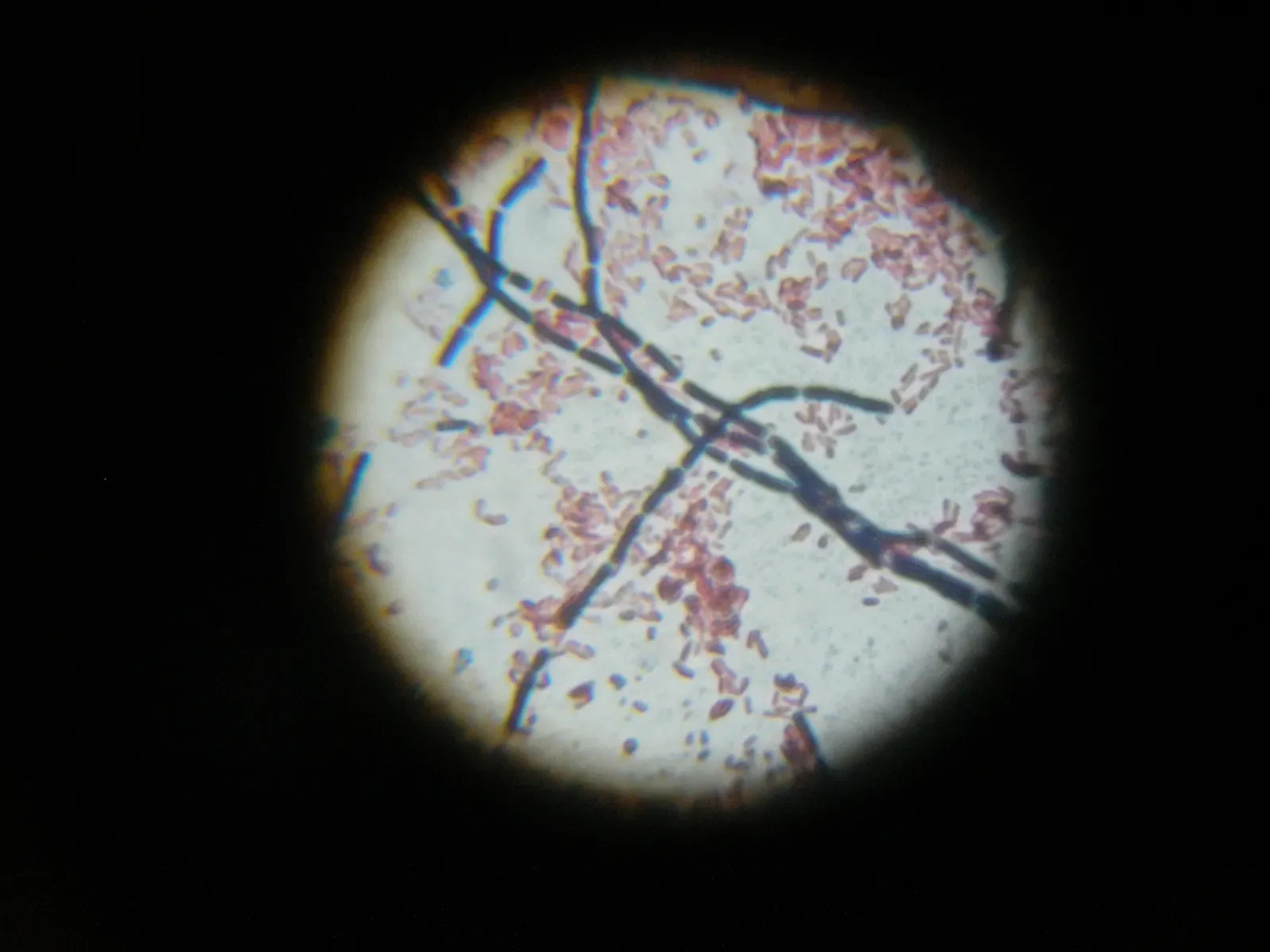
Fried rice syndrome stems from Bacillus cereus, a microscopic germ that loves to live on starchy foods like rice and pasta. The bacteria itself is actually everywhere in our environment. It hangs out in soil, on vegetables, and yes, on uncooked rice grains. The problem starts when you cook that rice. Bacillus cereus produces spores that are incredibly resistant to heating, so cooking doesn’t necessarily kill them. These dormant spores sit quietly in your cooked rice, waiting. Once the temperature drops into what food scientists call the “danger zone,” they wake up and start multiplying like crazy.
What makes this bacterium particularly nasty is its trick. The toxins produced by Bacillus cereus are heat-resistant, and the spores can survive cooking or even digestion. So even when you reheat your rice until it’s steaming hot, you’re not destroying what’s already been produced. You might kill the active bacteria, but those toxins? They’re sticking around to cause trouble.
How Rice Transforms Into a Toxic Time Bomb

Here’s where it gets interesting, and a bit scary. The process of cooking rice, leaving it out, and then reheating it creates the perfect environment for this germ. Think about typical fried rice preparation in a restaurant. They cook a huge batch of white rice early in the day, let it cool on the counter, then fry it up later with vegetables and protein. During those hours sitting at room temperature, the spores germinate and multiply.
Bacillus cereus multiplies most aggressively in the danger zone of between 40°F and 140°F. Room temperature sits right in that sweet spot for bacterial growth. The bacteria don’t just multiply, they also start producing toxins. There are two main toxins: heat-resistant enterotoxin proteins that cause diarrheal illness, and an even deadlier toxin named cereulide that causes emetic illness. That second one, cereulide, is the real killer.
The emetic toxin can withstand temperatures of 121°C (250°F) for 90 minutes. Let that sink in for a moment. Even if you blast your leftover rice in a blazing hot wok or microwave it until it’s practically smoking, that toxin remains active and ready to wreak havoc on your body.
The Shocking Statistics You Need to Know
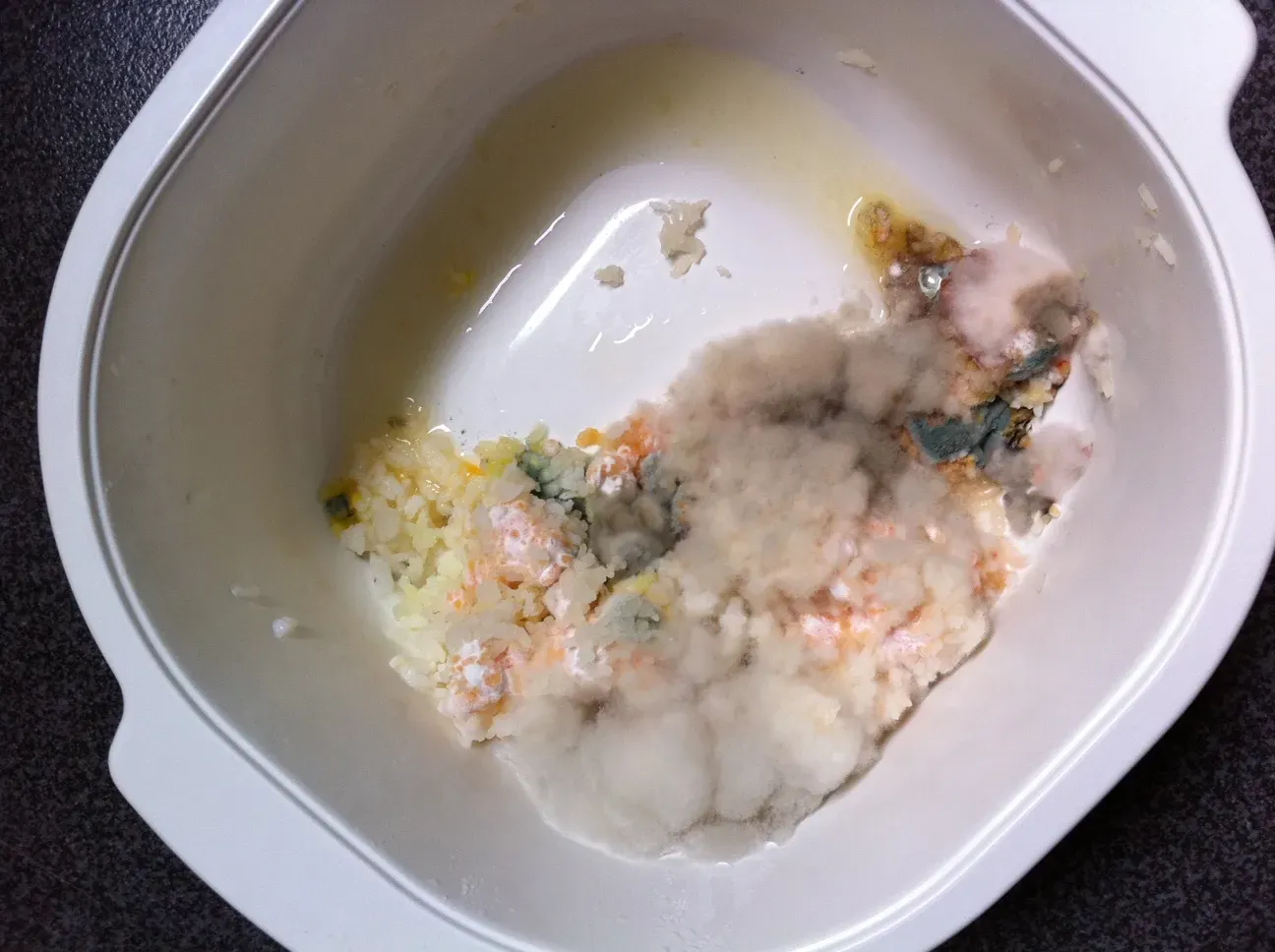
You might be thinking this is rare, and honestly, severe cases are uncommon. The Centers for Disease Control and Prevention estimates Bacillus cereus causes 63,000 annual cases of foodborne illness in the United States and only 20 hospitalizations. That sounds pretty low, doesn’t it? The vast majority of people who get sick from this recover within roughly a day. They experience some vomiting, maybe diarrhea, feel miserable for a while, then bounce back.
The global picture tells a different story, though. A comprehensive review spanning 50 years identified 6,135 cases globally with a mortality rate of 0.9 percent for all Bacillus cereus infections. That might seem tiny, but we’re talking about deaths from eating improperly stored food. Rice was recognized as the highest-risk food category for Bacillus cereus-associated food poisoning, with 43 reported incidents in the study period.
What really caught researchers’ attention was this: In 2018, Bacillus cereus was involved in 98 reported outbreaks among European Union member states, affecting 1,539 people with 111 hospitalizations and 1 death. Recent years have seen outbreaks continue worldwide, with cases reported in Australia, China, and India affecting hundreds of people at a time.
The Tragic Death That Went Viral
A 20-year-old college student died after eating spaghetti that he cooked, left out of the fridge, and then reheated and ate five days later. This case from 2008 in Belgium resurfaced on TikTok in 2023 and terrified millions of viewers. The student had a habit of meal prepping on Sundays for the week ahead. He cooked pasta, put it in containers, but instead of refrigerating it, he left it sitting on his kitchen counter at room temperature.
An autopsy revealed he had acute liver failure, and testing revealed large amounts of Bacillus cereus in the pasta, with evidence pointing to the bacteria as the most likely cause. Within 30 minutes of eating the reheated pasta, he developed severe symptoms. He died at 4 a.m., nearly 10 hours after eating the contaminated pasta. The toxin concentration found in the leftover pasta was extraordinarily high, roughly 14.8 micrograms per gram.
This wasn’t some freak accident with a rare strain. It was completely preventable. The tragedy underscores just how serious this seemingly mundane food safety issue can become under the worst circumstances.
Why the Emetic Toxin Is So Deadly
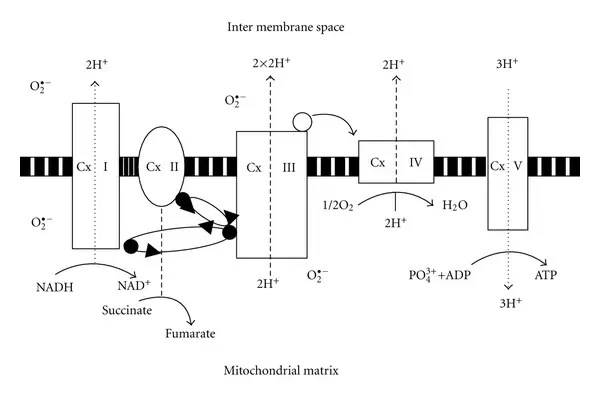
The emetic toxin cereulide is a cyclic peptide that’s highly resistant to heat and pH, meaning food processing steps are unlikely to inactivate it. This toxin doesn’t just make you vomit. It attacks your mitochondria, the powerhouses of your cells. Cereulide disrupts mitochondria in various organs and is chiefly responsible for deadly food poisoning in severe cases.
When cereulide gets into your system, it can cause fulminant liver failure, which means your liver suddenly stops working. Symptoms of severe cases include liver failure, rhabdomyolysis (muscle breakdown), and metabolic acidosis, with outcomes linked to specific cereulide-producing strains. Your body essentially can’t keep up with the damage, and in the worst scenarios, multiple organs start shutting down.
What’s particularly frightening is how quickly the emetic form acts. You usually get sick within one to six hours after eating contaminated food. Diarrheal syndrome takes longer, typically six to 15 hours. So if you eat sketchy rice and start feeling violently ill within an hour or two, that’s the emetic toxin at work.
The Temperature Danger Zone Explained
Food safety experts talk constantly about the danger zone, and for good reason. In the food safety temperature danger zone of 40-140°F, the amount of bacteria can double every 20 minutes. Think about that doubling rate. If you leave cooked rice sitting out for just two hours at room temperature, the bacterial load can increase exponentially.
The optimal growth temperature of Bacillus cereus ranges between 30 and 40°C (86-104°F), although strains responsible for emetic syndrome have a minimal growth temperature of 15°C (59°F). Room temperature in most homes falls right into this optimal growth range. Some strains are even psychrotrophic, meaning they can grow slowly in your refrigerator at 4°C (39°F), though much more slowly.
The United States Department of Agriculture says that cooked food should not be left at room temperature for more than two hours, especially starchy foods like rice because of the Bacillus cereus pathogen. That two-hour window is your safety net. Cross it, and you’re gambling with your health.
Why Reheating Won’t Save You
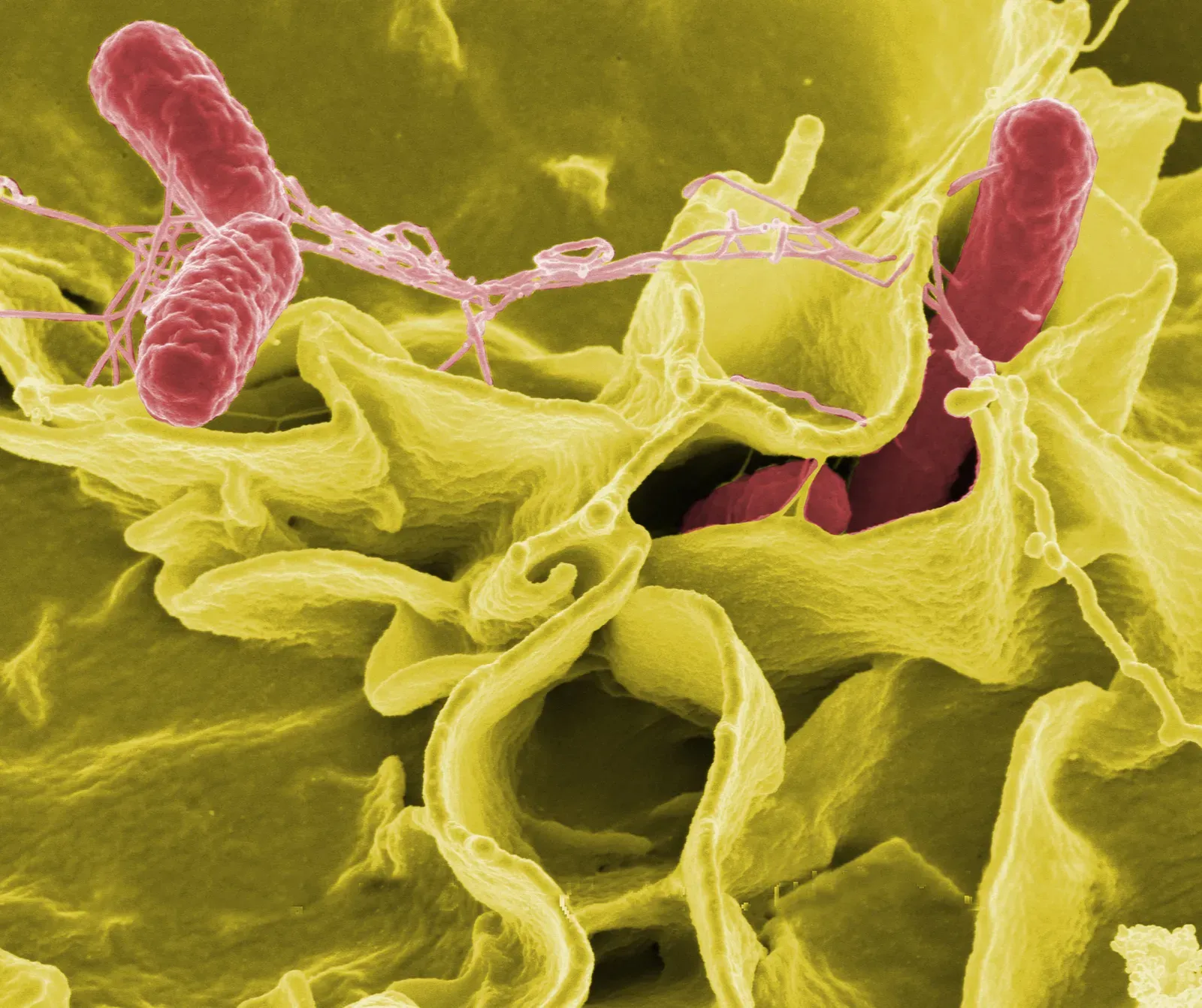
So many people believe that as long as you reheat food really well, you’ll kill anything harmful. That’s true for most bacteria, but Bacillus cereus plays by different rules. Reheating foods to temperatures at or above 165 F (74 C) for 15 seconds will kill the cells but not the toxins, if they have already formed. The damage is already done before you even turn on the stove or microwave.
Fried rice syndrome is sneakier than other types of food poisoning because it uses spores that can survive higher temperatures, including your microwave or a quick fry on the stovetop. The spores themselves are remarkably resilient little packages of genetic material designed to survive extreme conditions. Once they germinate in the danger zone and produce toxins, no amount of reheating will neutralize those toxins.
This is why proper storage from the moment rice finishes cooking is absolutely critical. You can’t rely on your cooking skills later to fix a storage mistake made earlier.
Where the “Fried Rice” Name Came From
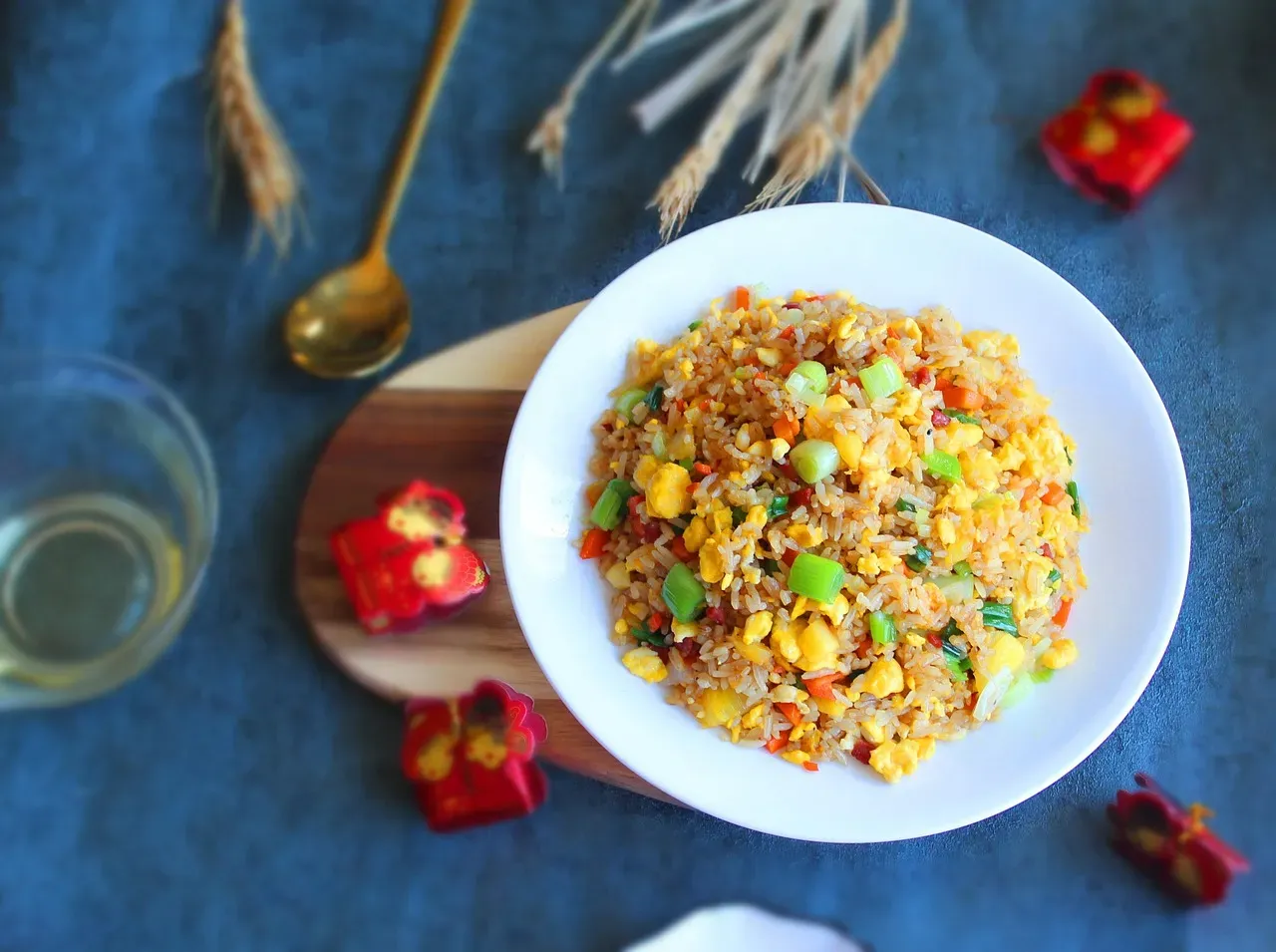
The term “fried rice syndrome” originated from the first reported case of Bacillus cereus contamination in a Chinese restaurant’s fried rice dish. Early documented outbreaks in the 1970s and 1980s were linked to restaurants and takeaway shops that prepared large batches of boiled rice, let them cool at room temperature for extended periods, then stir-fried them to order.
The name comes from early cases linked to cooked white rice that wasn’t refrigerated and was later used to make fried rice dishes at restaurants. The practice of cooking rice in the morning, leaving it out all day, then frying it at night created ideal conditions for the bacteria to multiply and produce toxins. Outbreaks of food poisoning attributed to Bacillus cereus have been associated with cooked rice usually from Chinese restaurants and takeaway shops.
The name has stuck, even though the syndrome isn’t limited to fried rice or even rice in general. Pasta, as we saw with that tragic Belgian case, can be just as dangerous. Really, any starchy food left at room temperature poses the same risk.
Other Foods That Can Harbor the Bacteria
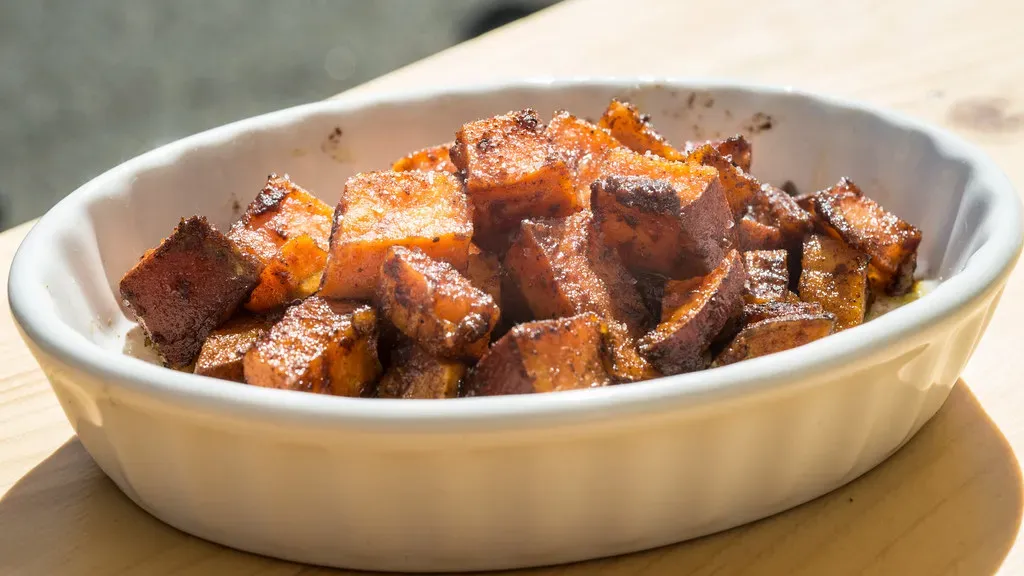
While cooked rice is a good home for Bacillus cereus, the spore-forming bacteria can grow on many kinds of foods, including pasta and potatoes. The bacteria is truly ubiquitous in our environment. Bacillus cereus can contaminate a wide variety of foods, including starchy and meat products, as it is found everywhere in the environment.
Cooked vegetables left out too long can be problematic. Meat dishes, soups with vegetables, dairy products, even certain spices can harbor the spores. Since 1965, Europe has experienced numerous foodborne outbreaks related to food poisoning from consuming milk, ice cream, fish, cooked meat and poultry, and soups with meat and vegetables. Basically, if it’s cooked and contains the nutrients bacteria love, and you leave it in the danger zone, you’re creating risk.
An interesting exception: sushi rice. With sushi rice, they add rice wine vinegar to reduce the pH and make it acidic, preventing Bacillus cereus from growing. The acidity creates an environment the bacteria can’t tolerate, which is why sushi restaurants can keep rice at room temperature without the same risk.