
There is something almost rebellious about reaching past a rack of shiny silicone spatulas and grabbing a simple wooden spoon. No battery required. No special coating. Just wood. Honest, warm, timeless wood. And yet, right now in 2026, that modest kitchen utensil is at the center of one of the most interesting consumer movements of the decade.
What is driving people back to something their grandmothers never stopped using? The answer is more layered than you might expect. Let’s dive in.
Table of Contents
A Market That Is Quietly Booming
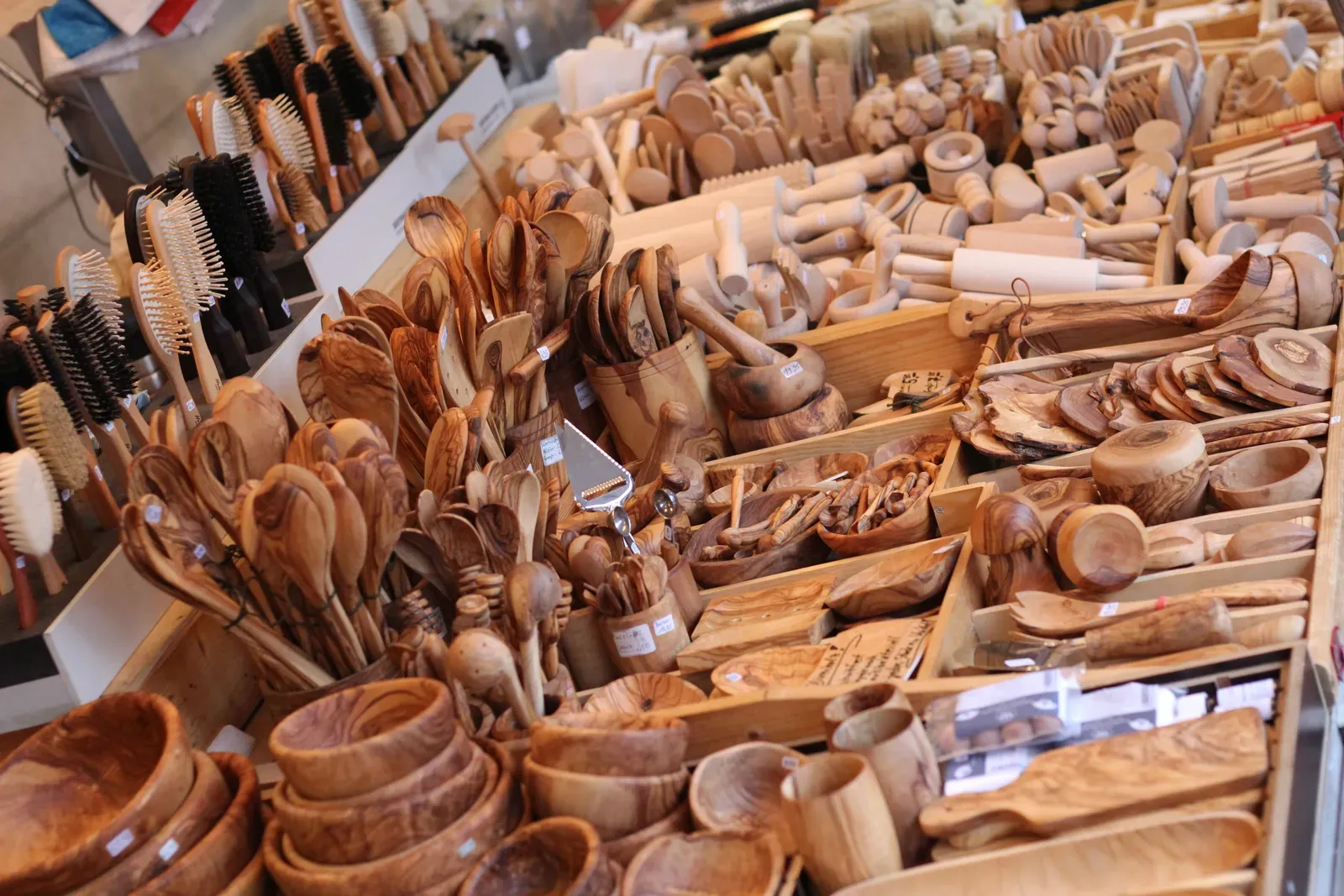
Numbers don’t lie, and the numbers around wooden spoons are genuinely surprising. According to Cognitive Market Research, the global wooden spoon market is growing at a compound annual growth rate of 5.60% from 2023 to 2030. That is not the trajectory of a fading relic. That is the growth curve of a product that has found a second wind.
The wooden cutlery market was valued at USD 199.07 million in 2024 and is anticipated to reach USD 283.1 million by 2032, at a CAGR of 4.5% during the forecast period. Think about that for a moment. We are talking about spoons, spatulas, and ladles collectively crossing into the hundreds of millions in revenue. This is not niche anymore.
Reusable and eco-friendly utensils saw accelerated growth, with over 410 million bamboo and wooden utensil units sold globally. The scale of that figure is almost hard to wrap your head around. It means wooden and bamboo utensils are no longer a boutique preference. They have become a mainstream choice for kitchens worldwide.
The Plastic Backlash Is Real and Regulation-Backed
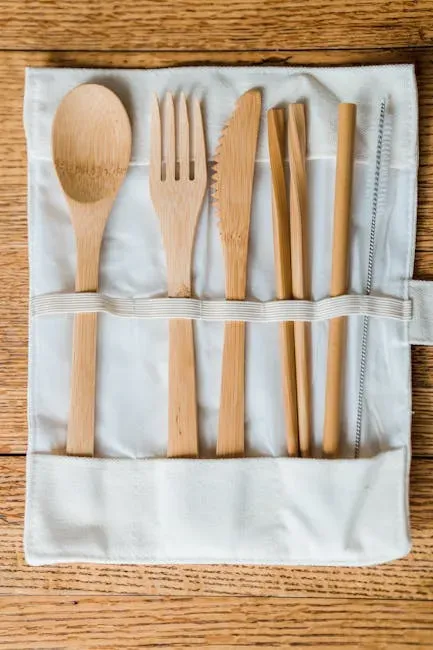
Here’s the thing: wooden spoons didn’t simply get more popular in a vacuum. They got a massive push from something much bigger: a global reckoning with plastic. From 3 July 2021, single-use plastic plates, cutlery, straws, balloon sticks and cotton buds can no longer be placed on the markets of EU member states. That regulatory shift created an enormous gap that wooden and bamboo utensils have rushed to fill.
Certain single-use plastic items like cotton bud sticks, cutlery including forks, knives, spoons, and chopsticks, plates, straws, stirrers, and balloon sticks are now banned in the European Union. Europe set the tone, and other nations followed quickly. Several nations, including Canada and New Zealand, have introduced bans or restrictions on single-use plastics, mirroring the EU’s approach.
Germany implemented a national plastic tax from 1 January 2025 and introduced an annual levy on single-use plastics predominantly for disposable food packaging. The financial pressure on plastic alternatives is mounting year by year. Honestly, when governments start taxing your competition out of the market, that tends to help your sales considerably.
The Health Conversation That Changed Everything
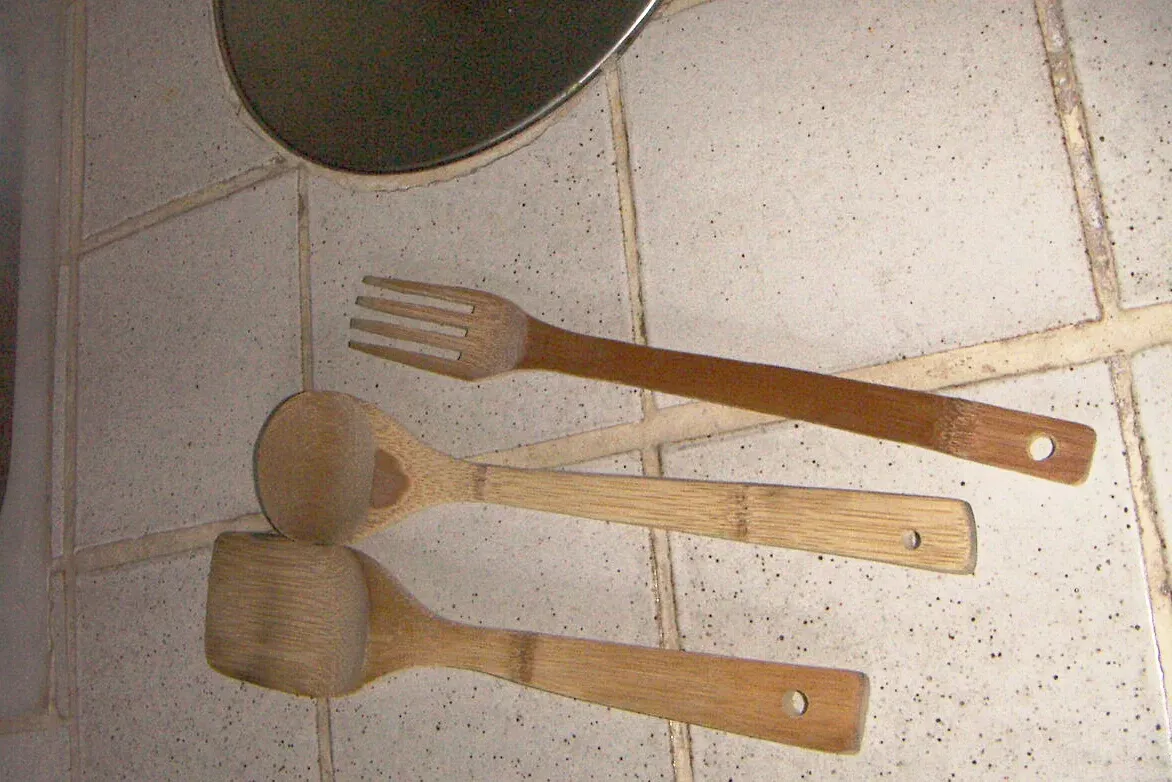
Black plastic kitchen utensils have been scrutinized recently due to a widely publicized October 2024 study that determined that black plastic often contains large amounts of toxic flame retardants, which can leach into food. That study went viral almost instantly. Suddenly, millions of home cooks were looking at their kitchen drawers with a fresh kind of anxiety.
Wooden utensils are an excellent non-toxic choice. Wood is beautiful and durable, gentle on cookware and very pleasant to cook with. It also possesses natural antimicrobial properties and is free from chemical leaching concerns. That combination is hard to beat, especially for people who have just thrown out a drawer full of plastic tools.
According to a study by the University of California-Davis, wooden cutting boards harbor fewer bacteria than plastic cutting boards, showing that wooden utensils can be safer and more hygienic than their plastic counterparts. It is worth noting that proper care matters here. Wooden spoons need to be hand-washed and dried thoroughly to stay safe. But for home cooks willing to treat their tools with a bit of respect, the case for wood is genuinely compelling.
The Artisan Wave and the Rise of Handcrafted Culture
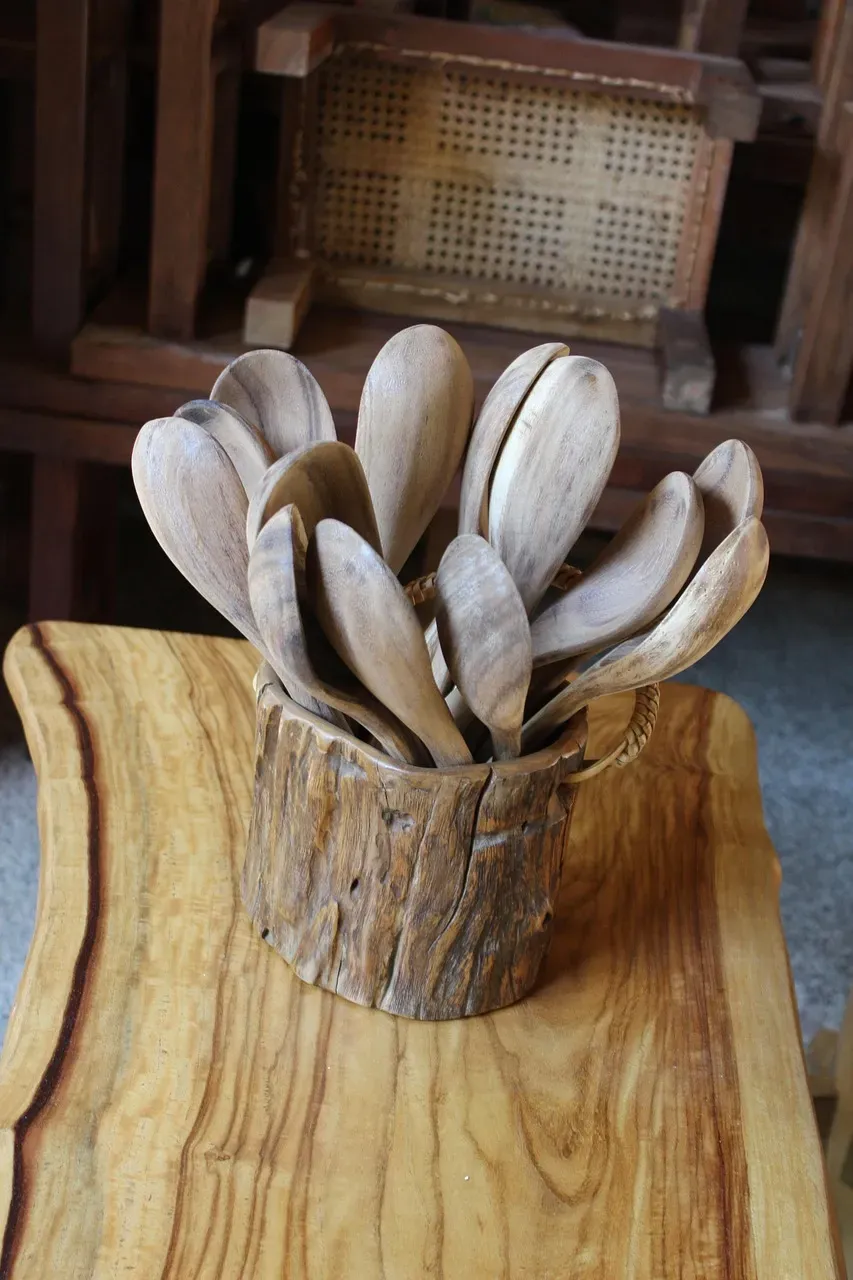
Premium, hand-carved wooden spoons with an emphasis on craftsmanship and individuality are becoming more and more popular. These products, frequently marketed as both tools and decorative items, are particularly alluring in the luxury home goods market. I think this is one of the most fascinating parts of the story. The wooden spoon has somehow transformed from a humble kitchen tool into a statement piece.
As the kitchen increasingly reflects lifestyle values, 2026 continues to see a shift toward sustainability, minimalism, and personalization in kitchenware choices. Wooden kitchenware is enjoying a strong comeback, fueled by consumers seeking eco-friendly, attractive, and practical tools for everyday cooking and entertaining. The kitchen has become a stage, and people want props that look as good as they perform.
Beyond their eco-friendly nature, wooden spoons have a timeless, natural charm that enhances both domestic kitchens and professional settings such as cafés, restaurants, and boutique hotels. The minimalist and earthy design pairs well with modern homeware trends, making them not just cooking tools but also stylish display pieces. Many premium dining establishments now use handcrafted wooden utensils to elevate their presentation and brand image.
Younger Generations Are Leading the Charge
In the 2023 First Insight Report, Gen Z and Millennials were found to be 27% more likely than older generations to choose sustainable products, even if they cost more. This demographic is now shaping purchasing standards in restaurants, cafés, boutique hotels, and premium homeware retail, meaning that stocking wooden utensils has become a smart way for businesses to meet evolving customer expectations.
Sustainability is no longer a marketing gimmick – it’s a purchasing driver. According to Statista’s 2024 Global Consumer Survey, nearly three-quarters of consumers worldwide are actively seeking products made from renewable or biodegradable materials. Meanwhile, the global eco-friendly kitchenware market is projected to reach $15.2 billion by 2028, growing at a CAGR of 6.5%. This isn’t a passing trend – it’s a structural shift in how people think about what they buy.
In 2026, the trend for wooden products continues to thrive, with consumers prioritizing them and gradually replacing household items made from synthetic materials. This rising trend not only benefits consumers but also offers significant profit potential for businesses. The remarkable thing is how natural this shift feels to younger buyers. For many of them, choosing wood over plastic isn’t even a conscious decision anymore. It’s simply what you do.
The Foodservice Industry Has Noticed Too
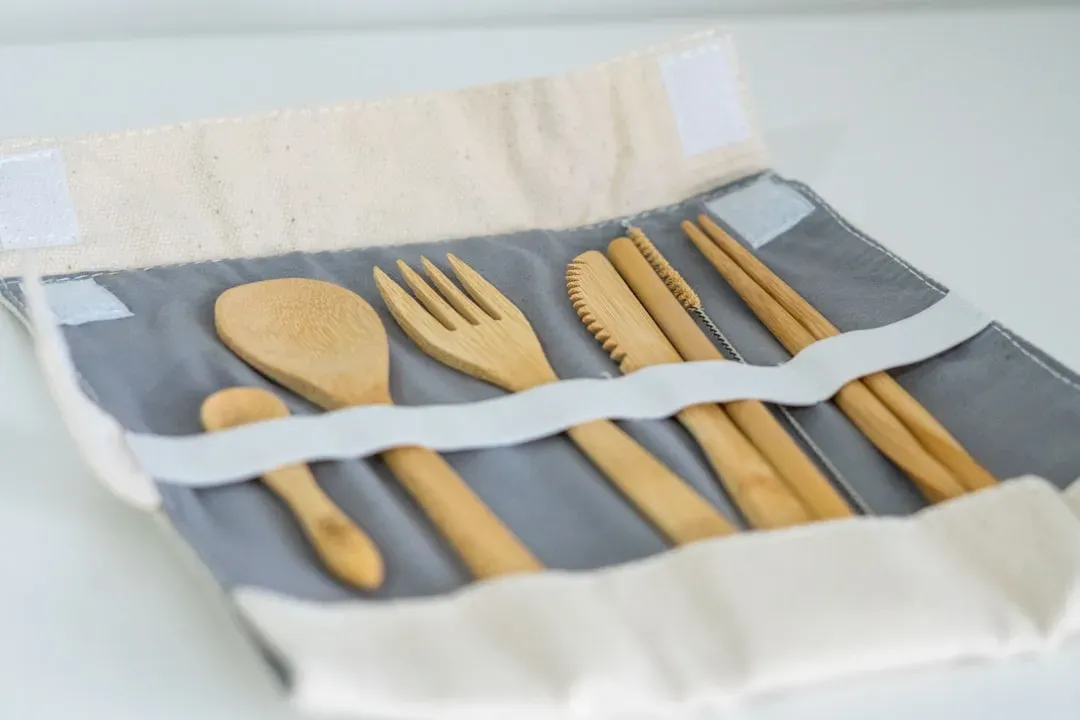
About 35% of restaurants and cafés globally have integrated wooden cutlery into their service mix as of 2024. That is a striking figure. Walk into a trendy café in Berlin, Melbourne, or New York today, and there is a very real chance your coffee comes with a small birchwood stirrer and your yogurt arrives with a compact wooden spoon. This is not an accident.
In 2024, demand from institutional caterers such as schools, offices, and hospitals for disposable wood cutlery rose by roughly 29% compared with 2022, reflecting a growing institutional shift toward sustainable disposables. Even sectors that once seemed permanently attached to plastic are making the switch. Schools and hospitals are not exactly known for impulsive trend-chasing, so their adoption signals something durable.
Restaurants, cafés, and catering services frequently require large quantities of wooden spoons for food preparation and serving. As the hospitality industry grows, so does the demand for quality kitchen utensils, including wooden spoons. Wooden spoons are not only functional but also aesthetically pleasing. They can enhance the presentation of dishes in the hospitality sector, making them a popular choice for chefs and culinary professionals. The wooden spoon has quietly earned a seat at the finest tables, in every sense of the phrase.
It’s genuinely hard to argue with all of this. The wooden spoon never really disappeared. It was just waiting for the world to catch up with it. The question now isn’t whether wooden spoons are making a comeback – they already have. The real question is what took us so long to remember why they were great in the first place. What do you think? Is it time to clear out the plastic and bring wood back to your kitchen? Tell us in the comments.