
You’ve probably been there. You follow a recipe to the letter, timing everything with precision, using the exact ingredients in the right proportions. Everything seems perfect for the first hour. Then something shifts. Your pot roast turns tough when the recipe promised tender. The stew becomes dry. The sauce takes on a weird, bitter edge that wasn’t there before.
Let’s be real: most recipes treat cooking time like a neat little science experiment where everything behaves exactly as predicted. The truth is messier, especially when you cross that invisible threshold somewhere past the hour mark. Something fundamental changes in how food responds to heat after prolonged cooking periods, and honestly, recipe writers don’t always prepare you for it.
Table of Contents
The Maillard Reaction Reaches Its Breaking Point
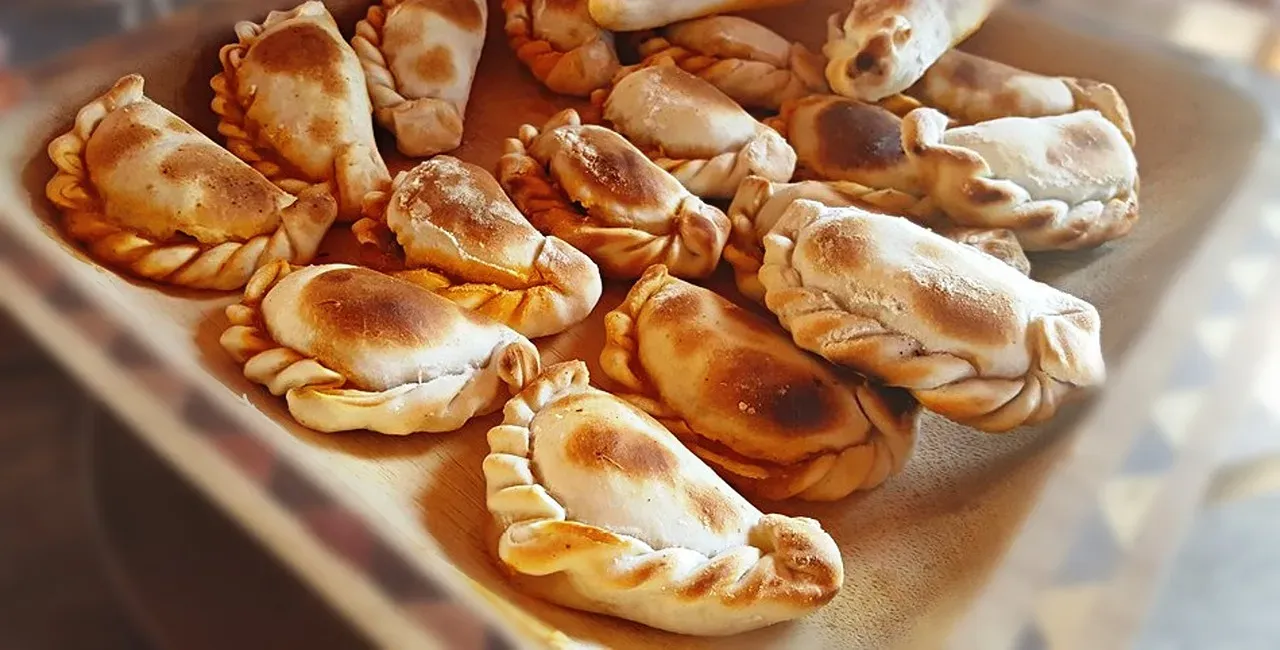
The Maillard reaction, which creates those beautiful brown crusts and complex flavors, typically proceeds rapidly from around 140 to 165°C (280 to 330°F), and many recipes call for an oven temperature high enough to ensure that a Maillard reaction occurs. Here’s where things get interesting though. The Maillard reaction is influenced by factors such as food composition, temperature, and cooking time, and temperature affects the reaction rate, which increases with the increasing temperature until a maximum rate is reached at a peak temperature that varies depending on the food matrix. What most home cooks don’t realize is that after extended cooking periods, you’re not just getting more of those delicious browned flavors. High temperatures can cause undesirable reactions and the formation of undesirable products, including acrylamide and other harmful compounds. Some moist-heat cooking methods may also produce Maillard-type aroma and color over extended periods of time, such as those that include reduction, however browning foods beyond their crusty exteriors may cause some protein destruction.
Protein Structures Begin Irreversible Collapse
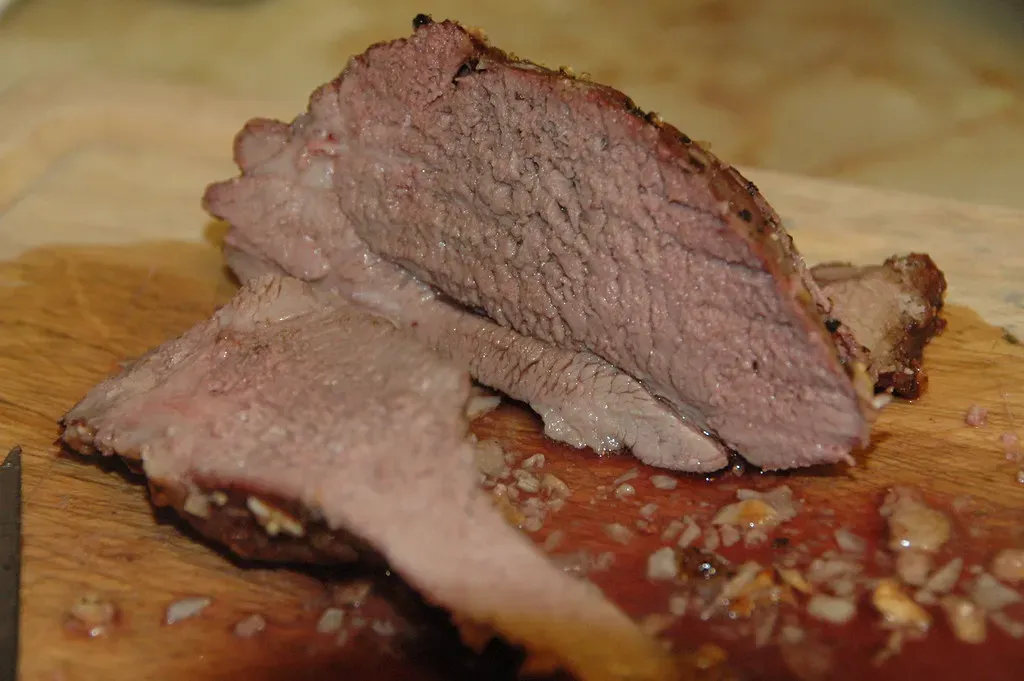
Heat-induced denaturation of major meat proteins, particularly actin and myosin denaturation, have been associated with tougher meat, and heating temperature and rate also affect the extent of collagen denaturation. The initial denaturation that makes meat tender and edible is actually beneficial, but there’s a turning point. Heating at temperatures ranging from 45 to 90°C causes myofibrillar proteins to undergo an initial unfolding process, followed by aggregation and cross-linking, which leads to both lateral and longitudinal contraction of muscle fibers, ultimately resulting in increased meat toughness and water loss. Prolonged heating of meat dissolves collagen and decreases cross-linking between collagen molecules and denatures myofibril protein, especially when conducted at a low temperature over a long period of time. After roughly 70 minutes, proteins that have already denatured can undergo secondary changes that make food progressively tougher instead of more tender.
Moisture Evaporation Accelerates Exponentially
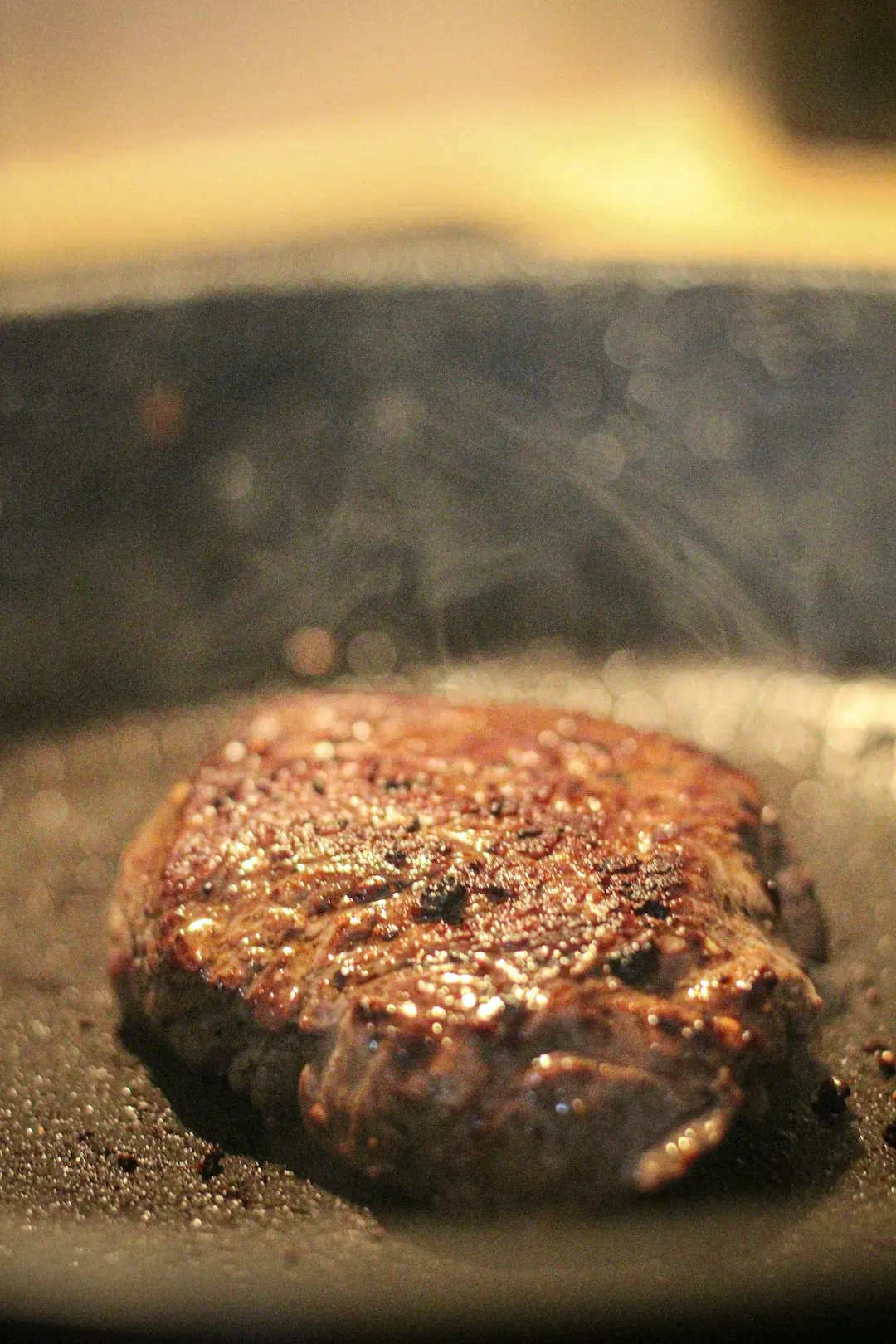
Water doesn’t evaporate at a constant, predictable rate during cooking. Humid air transfers heat more efficiently to food, cooking it more quickly, and also helps prevent the water in the food from evaporating, keeping the moisture locked inside. The problem emerges during extended cooking sessions. The natural humidity of the weather is a factor in cooking time for low and slow cooks, and the lower the ambient humidity, the more moisture will evaporate from your meat and the slower the cook. Think about the cumulative effect over time. The temperature of the water does affect the rate at which water evaporates, and although water will evaporate at any temperature in its liquid form with the right amount of energy, boiling water will begin to evaporate much faster than cold or room temperature water. In the initial 30 minutes of cooking, you might lose a small, manageable amount of liquid, but by the time you hit that 70-minute mark, the rate has compounded to the point where your dish can dry out surprisingly fast.
Temperature Calibration Drifts Over Time
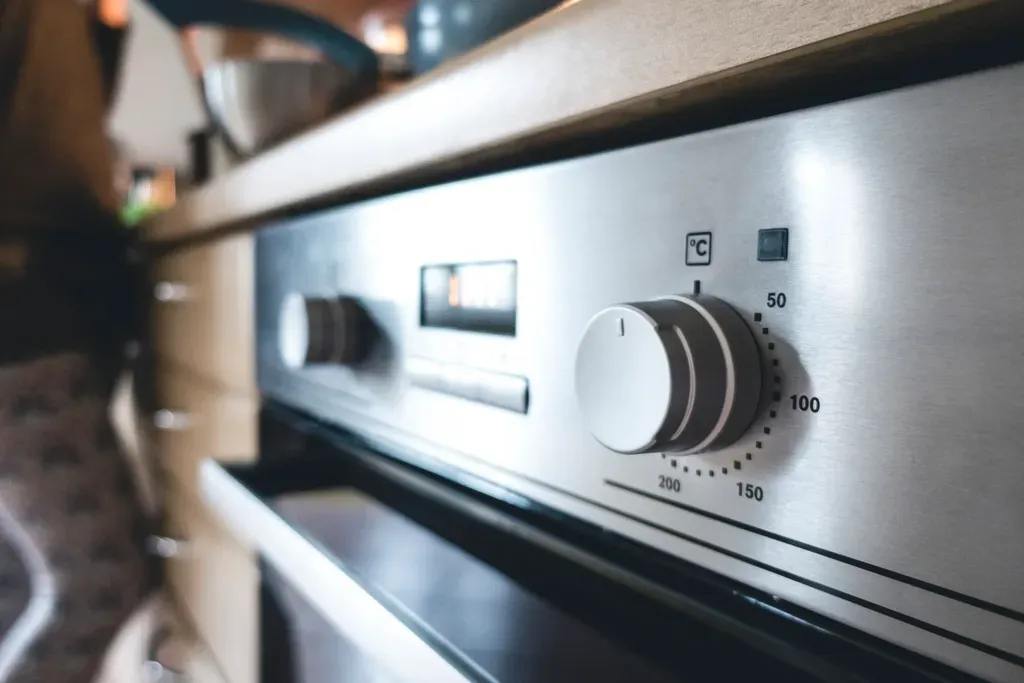
With variations in oven temperatures, thickness and makeup of pans, and types of heat, it’s difficult to tell exactly how long something will take to cook in your kitchen. Most ovens aren’t as accurate as we’d like to believe. Every time you check and open the oven door, the temperature in the oven drops because you are losing hot air, which will increase the cooking time and can result in you checking, opening, checking, opening and things ending up taking significantly longer than planned. Over the course of an hour or more, these temperature fluctuations compound. Your oven might cycle between 325 and 375 degrees when set to 350, and those swings create unpredictable results that recipes can’t account for. Air pressure is lower at higher altitudes, and the boiling point goes down about 2°F for every 1,000 feet above sea level, meaning as you go up in altitude food and cooking surfaces cool faster and conduct heat slower because evaporation occurs at lower temps.
Ingredient Variables Multiply Exponentially
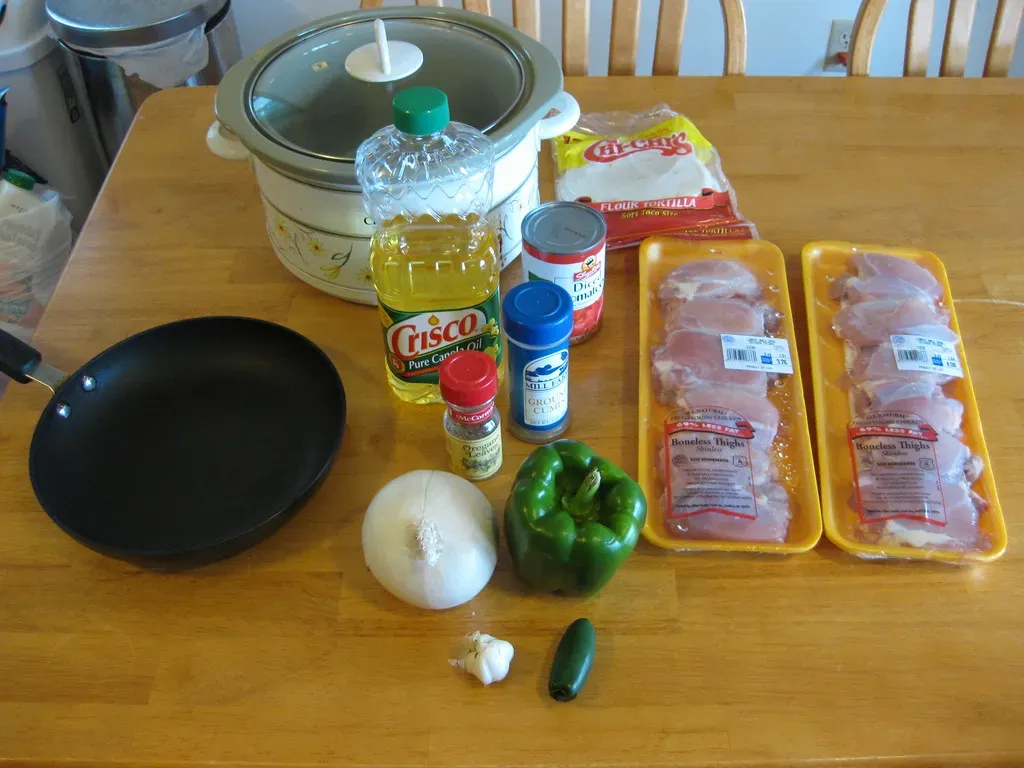
Recipe writers test their dishes under specific conditions with specific ingredients. Cooking times are affected by a lot of things including altitude from sea level, oven power, age, preheat or cold cook, and equipment. The thickness of your pork chop, the age of your beef, the water content of your vegetables all matter more as cooking time extends. The cooking time can change when you scale a recipe up or down, so use it as a guideline only and check often for signs of doneness such as appearance and texture, and for recipes scaled up, start checking at the original recommended cooking time. A slightly thicker cut of meat might handle 45 minutes perfectly fine but become hopelessly overcooked at 75 minutes. These small variations don’t matter much early on but become critical factors past the hour mark when proteins and moisture are already at their breaking points.
Chemical Breakdown Accelerates Beyond Repair
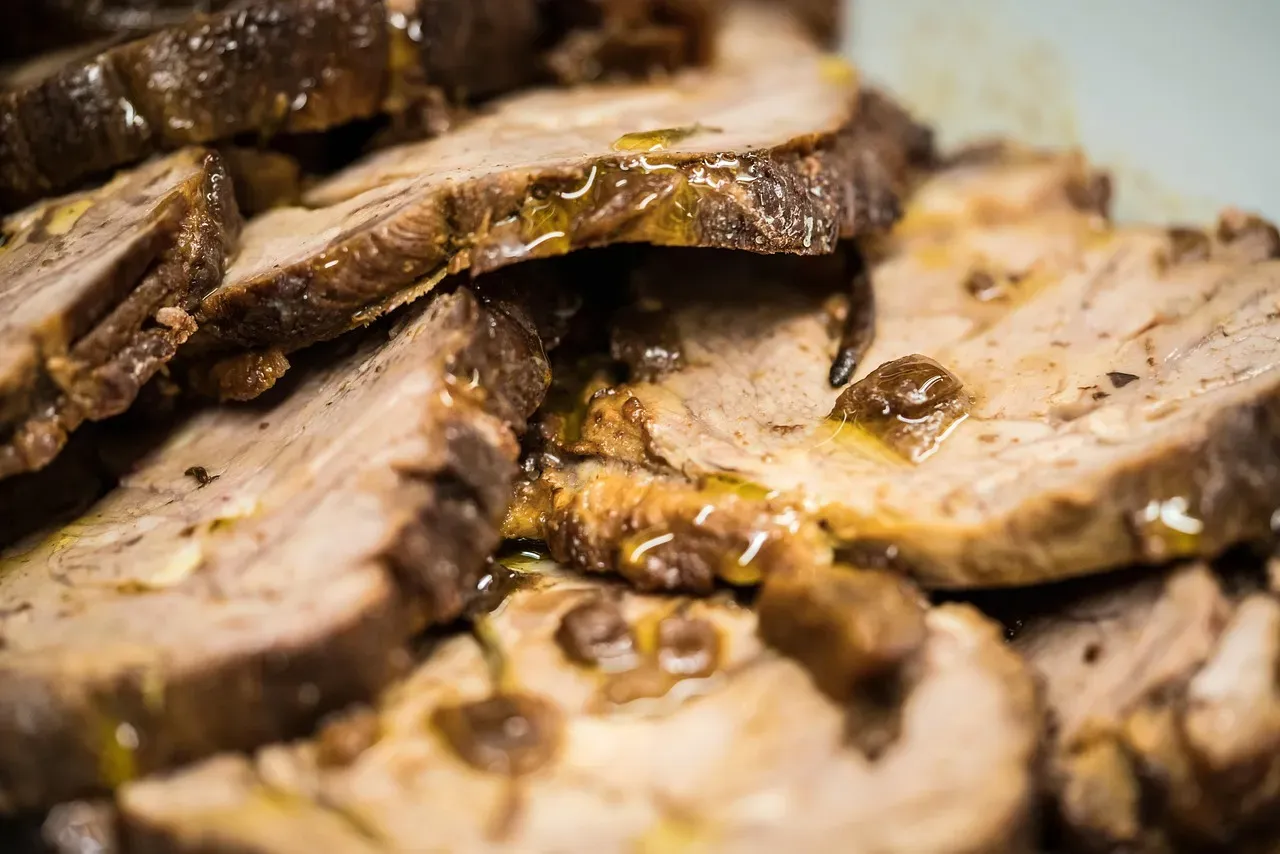
When the heating temperature reaches 64°C, the triple helix structure of collagen remains relatively stable, but when the temperature is further raised, the helices begin to denature and unwind, and initially denaturation causes collagen fibers to shrink, and as heating continues to above 70°C, collagen dissolves and gelatin forms. This process sounds beneficial, yet there’s a critical window. Understanding the impact of reaction parameters is essential for optimizing the Maillard reaction to enhance sensory attributes, nutritional qualities, and product stability, though it can also generate harmful compounds and undesired changes in the nutritional value of the food. What happens around 70 minutes is that many of these chemical processes reach completion or even reverse, moving from beneficial transformation to destructive breakdown. The gelatin that made your braise silky can break down further into compounds that don’t add texture or flavor, just bitterness.
Surface-to-Core Temperature Gradients Destabilize
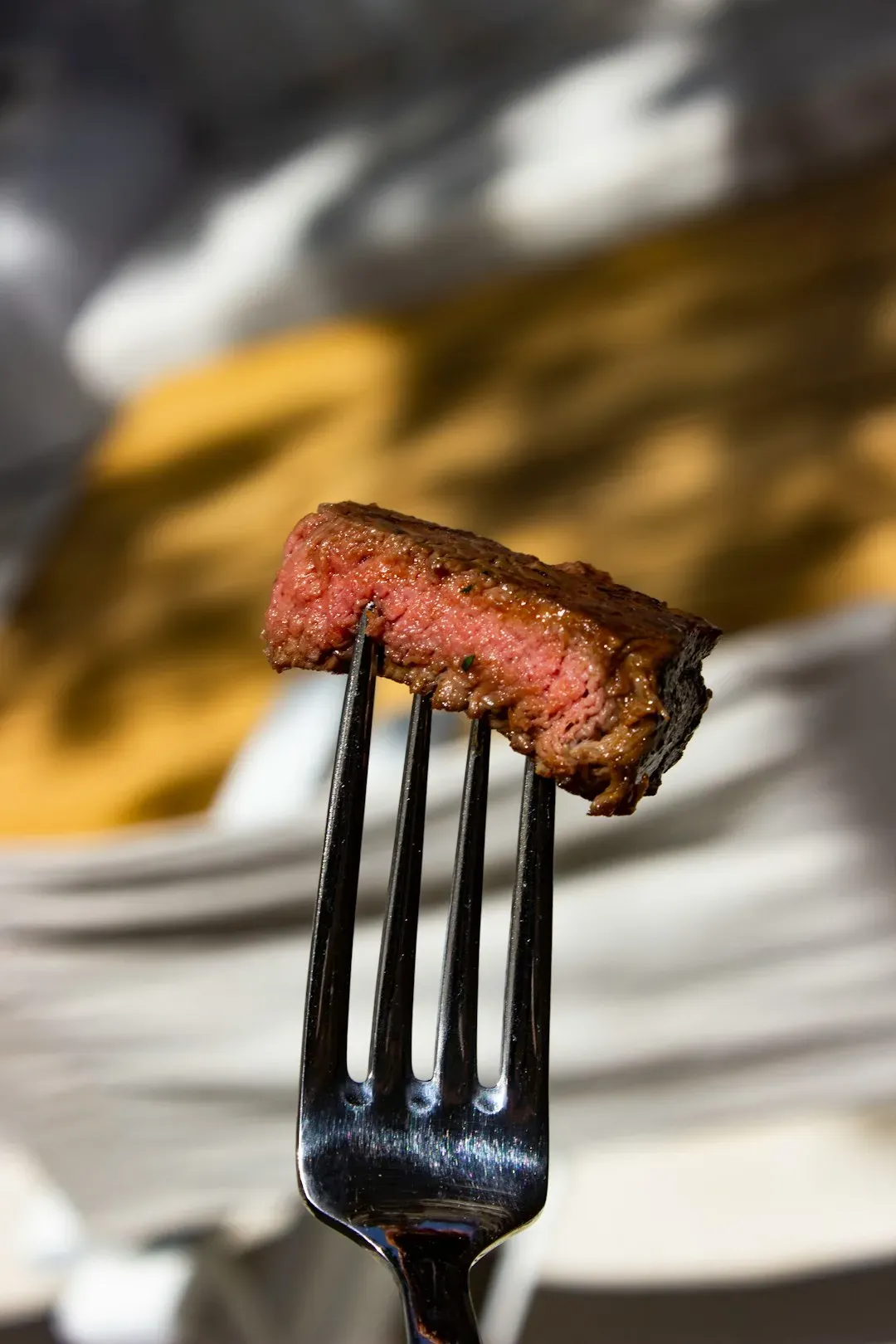
Heat treatment during cooking induces a non-uniform distribution of protein denaturation in macro meat systems, which might explain the differences in colour between the surface and cross-section area, and the outer surface of sous-vide cooked products is subjected to longer contact with temperature, which provokes more intense myoglobin denaturation. In the first hour of cooking, you’re establishing a gradient where the outside cooks faster than the inside. That’s expected and manageable. The shrinkage of connective tissue primarily occurs below an internal temperature threshold of 60°C during the cooking process, however as the internal temperature rises further, the structure of connective tissue fractures and solubilizes, contributing to meat tenderness. Beyond 70 minutes, that gradient can become problematic. The exterior has been exposed to heat for so long that it’s potentially entered the overcooked zone while the interior finally reaches target temperature, creating textural inconsistencies that are nearly impossible to fix.
Recipe Testing Stops at Convenient Timeframes
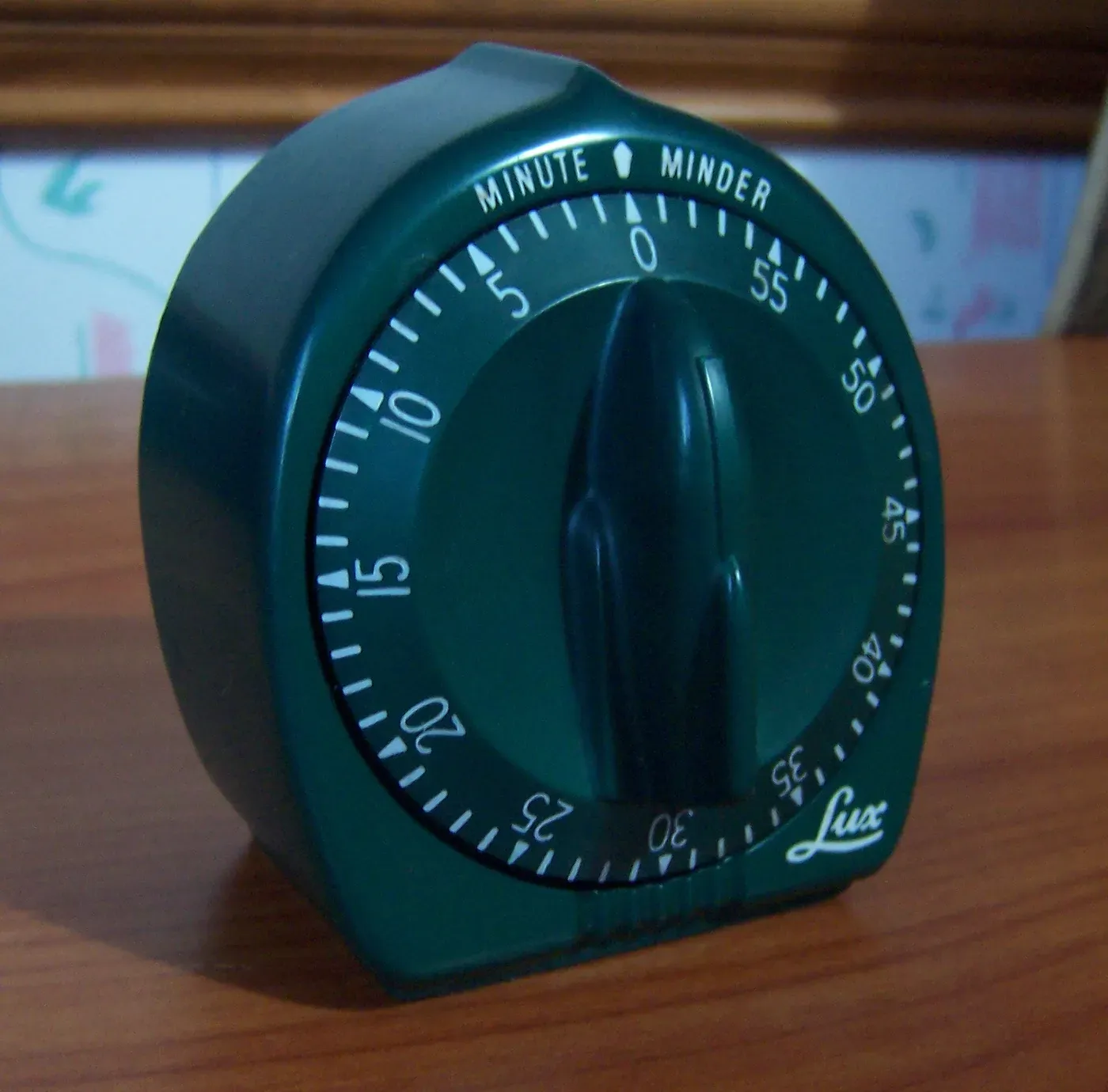
I know it sounds crazy, but here’s the thing recipe developers don’t always tell you. When asked what he thought of cooking times, Chris Kimball, editor of Cook’s Illustrated, said they’re utter nonsense, and although Cook’s Illustrated has a well-earned reputation for accuracy, Kimball doesn’t include start-to-finish times in his recipes because he rejects outright the notion that they can be measured with precision, noting that thirty-minute recipes are never 30 minutes. Most recipe testing focuses on what works within a reasonable home cooking window. Home cooks reliably exceed stated prep and cooking times by 100 to 200 percent, with a 40-minute recipe taking about 70 minutes, and it’s surprising if the median customer could complete the recipe in anywhere close to the listed time. Dishes that require cooking beyond an hour start entering territory where variables multiply beyond what’s practical to test repeatedly. That’s why your braise that should be done in 90 minutes suddenly behaves nothing like the recipe promised.
So what’s the takeaway here? Treat any cooking time beyond 60 to 70 minutes with healthy skepticism. Start checking your food earlier than the recipe suggests. Trust your senses over the timer. Look for visual and textural cues rather than blindly following time guidelines that might not account for your specific conditions, equipment, or ingredients. Cooking isn’t just following instructions, it’s understanding when those instructions stop being reliable. What’s been your experience with long cooking times? Have you noticed that magical hour mark where everything can suddenly go sideways?