
Most of us have heard that saffron is expensive. Some might even know it’s a spice that comes from a flower. Still, few truly grasp why this crimson thread commands prices that rival precious metals. Here’s the thing: when people call saffron “red gold,” they’re not being poetic. They’re being literal.
In many markets around the world, saffron actually does cost more per gram than gold. The math is startling. The reality behind that price tag reveals a story of biology, backbreaking labor, and an agricultural gamble that stretches across continents.
Table of Contents
The Microscopic Yield That Changes Everything
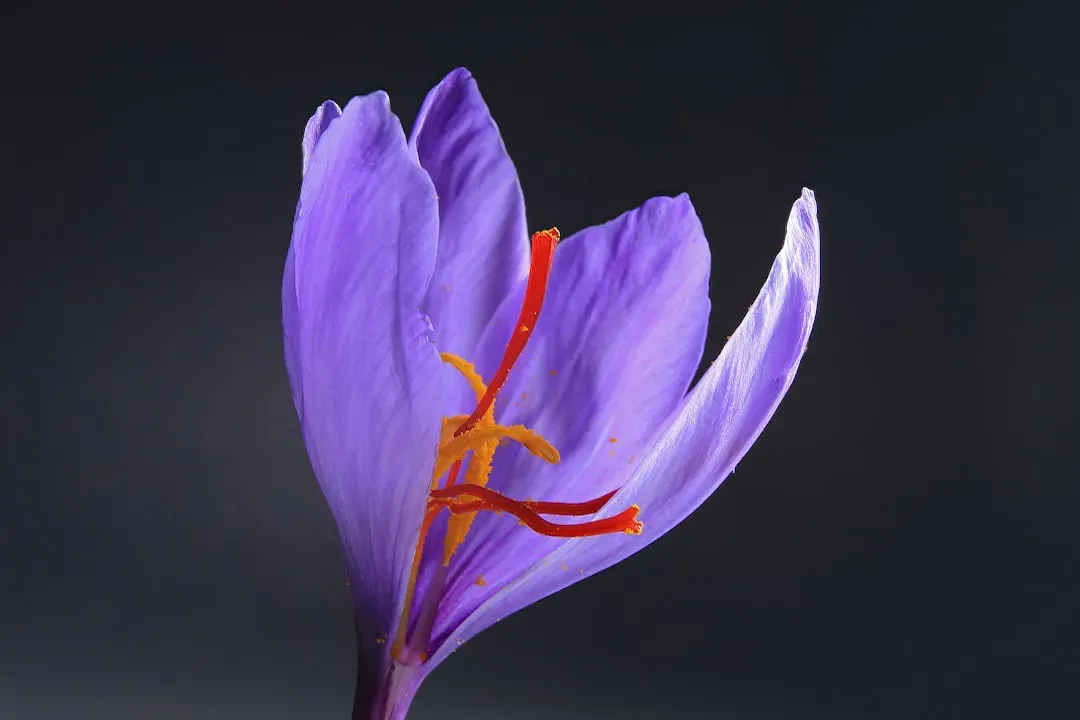
It takes approximately 150,000 flowers to produce one kilogram of saffron, and honestly, that number still feels abstract until you understand what it means in practice. Each delicate purple crocus flower produces exactly three thin red stigmas. Just three. Those tiny threads are what become the spice after drying.
Forty hours of labour are needed to pick 150,000 flowers, which means someone must hand-pick roughly 50,000 blooms every single day during the brief harvest window. All plants bloom within a window of one or two weeks, creating an agricultural sprint that has remained unchanged for centuries. There’s no machine that can replicate the human touch required to pluck those fragile stigmas without destroying them.
This process reduces the weight of the saffron strands to a fifth of their original weight after drying. So farmers aren’t just fighting against minuscule yields – they’re also battling physics itself as moisture evaporates and their harvest literally shrinks before their eyes.
Climate Demands That Limit Global Production
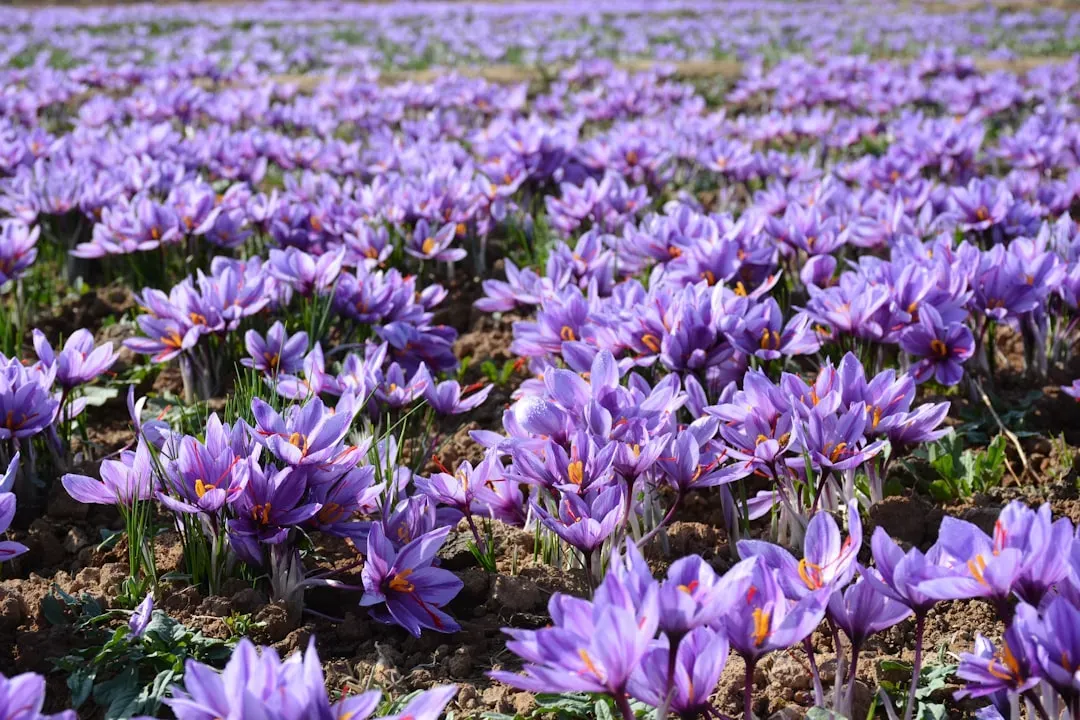
Saffron isn’t picky. It’s impossible. Crocus sativus thrives in Mediterranean climates where hot and dry summer breezes sweep semi-arid lands, though it can survive cold winters, tolerating frosts as low as −10 °C. That might sound flexible, but the reality is far stricter.
Iranian saffron benefits from the region’s significant temperature variations – scorching summers reaching 40°C followed by cold winters, and this dramatic seasonal shift is crucial for the saffron crocus’s growth cycle. Think of it as a plant that needs to be cooked and frozen in precise sequence. Generous spring rains and drier summers are optimal, creating a meteorological tightrope that only certain regions can walk.
As of 2024, Iran produced some 90% of the world total for saffron. This isn’t just market dominance. It’s a geographical monopoly enforced by the planet itself. High temperatures are the main factor limiting development of saffron in new regions, while soil texture, bulk density, and soil and water pH influence the saffron yield.
The Dawn Harvest Nobody Talks About
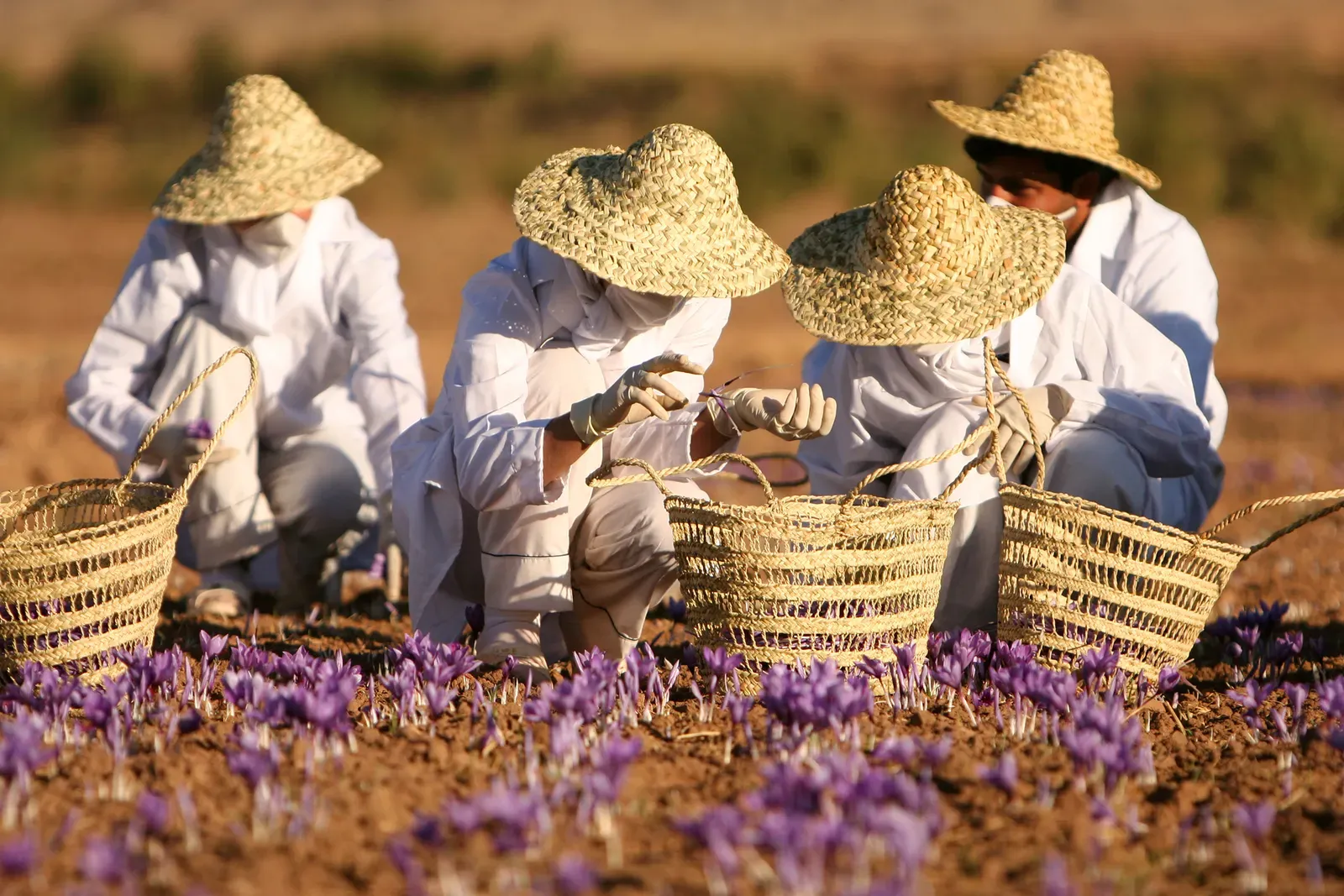
Saffron harvesting occurs in October and November, in the morning when the flowers are still closed, and the process must be completed quickly before the sun rises too high. Let’s be real: this isn’t some romantic vision of pastoral farming. It’s grueling work performed in cold, dark conditions when most people are still asleep.
The majority of people gathering the blooms are women, because picking saffron requires bending over with your pelvis tilted, and women are better genetically suited to work in such conditions and are more resistant to stress, explaining why almost 90% of the workforce is women. The physical toll is real and measurable.
It’s paramount that the saffron strands are handled on the very same day they are harvested, otherwise they fall to bits. So after hours of back-breaking picking before sunrise, workers then face an immediate race against decomposition. No coffee breaks. No downtime. The clock starts ticking the moment those flowers leave the ground.
Current Market Prices Tell the Real Story
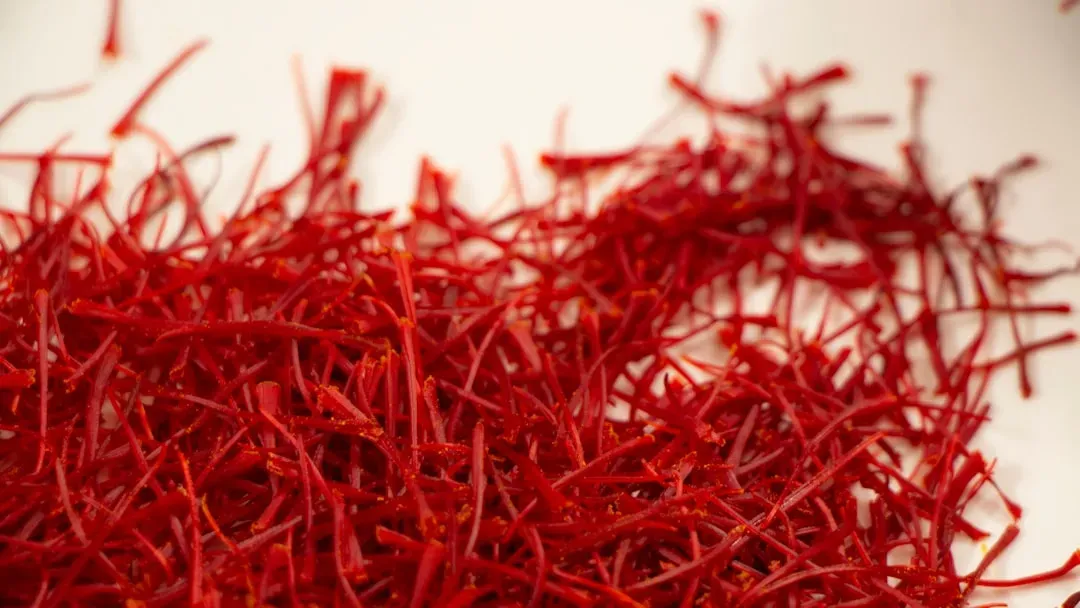
In 2025, high-grade Iranian saffron is averaging around $3,000 per kilogram on the wholesale market. U.S. wholesale prices remain steady as well, generally falling between $2,000 and $3,500 per kilogram, reflecting a remarkably stable global saffron market going into the year.
At US$5,000 per kg or higher, saffron has long been the world’s costliest spice by weight. Let me put that in perspective: gold currently trades around $82,000 per kilogram. Saffron routinely fetches prices up to roughly one tenth of that – for a plant.
Saffron typically costs between $5 and $30 per gram, making it the world’s most expensive spice by weight. In 2023, wholesale prices ranged from $1,000 to $2,000 USD per kg, but by 2024, wholesale prices increased to a new range of $1,500 to $2,500 USD per kg. The upward trajectory shows no signs of slowing.
The Adulteration Problem Inflating Costs
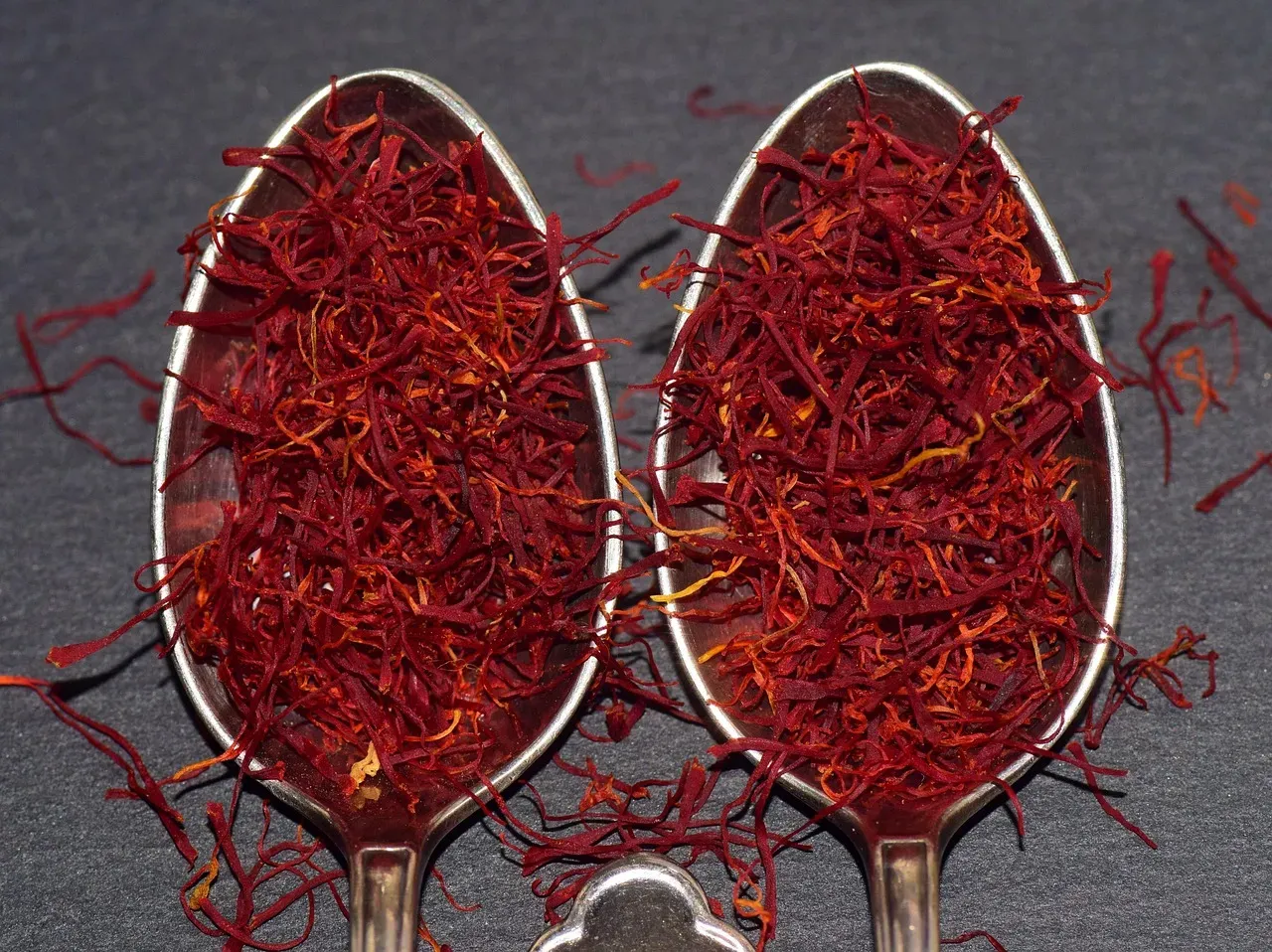
Given its high value, saffron is often adulterated through mixing with dyed corn silk or shredded paper, spraying threads with sweeteners to increase weight, or adding turmeric or marigold to mimic the golden hue. It’s agricultural fraud at an industrial scale.
These practices harm both consumer trust and the reputation of natural saffron producers, prompting authentication methods like chemical testing, origin tracing, and even blockchain tracking. The irony? These authentication costs get passed directly to consumers, making genuine saffron even more expensive.
Adulteration is a growing concern in the global market due to saffron’s high price and increased demand, with products resembling saffron being mixed in as adulterants. Every fake gram on the market makes the real stuff more valuable and harder to verify. The economics become self-reinforcing.
Why Automation Hasn’t Solved the Problem
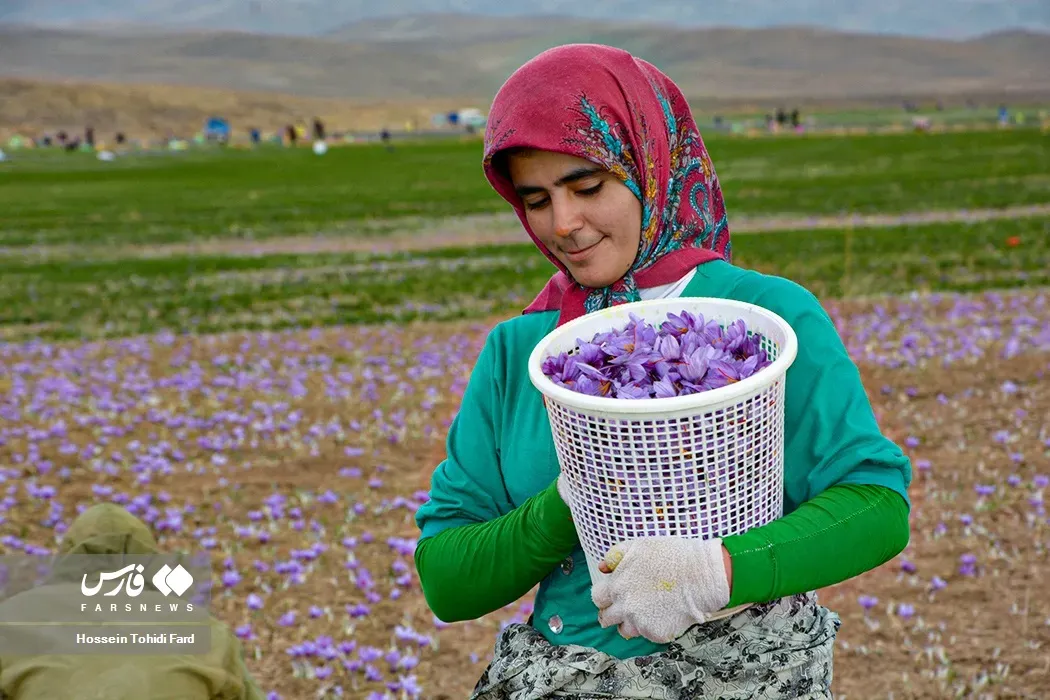
Each delicate purple saffron crocus flower produces only three tiny red stigmas, which must be hand-picked, typically during a single, short harvest season in late autumn, and it takes an estimated 150,000 flowers to yield just one kilogram of saffron threads. This isn’t a job for robots – at least not yet.
Some companies have successfully automated 70 percent of their production process and are actively developing a harvester robot to automate the remaining 30 percent, with systems boasting year-round production and yields three times more per harvest than outdoor farming. Still, the technology remains experimental and expensive.
Labour demand is highly concentrated in time due to harvesting by hand for 2–3 weeks, with technology of saffron production unchanged from ancient times, and increasing labour costs have turned saffron production unprofitable despite its high market price. Traditional producers face an impossible choice: invest in unproven technology or accept razor-thin margins.
The Global Market Keeps Expanding
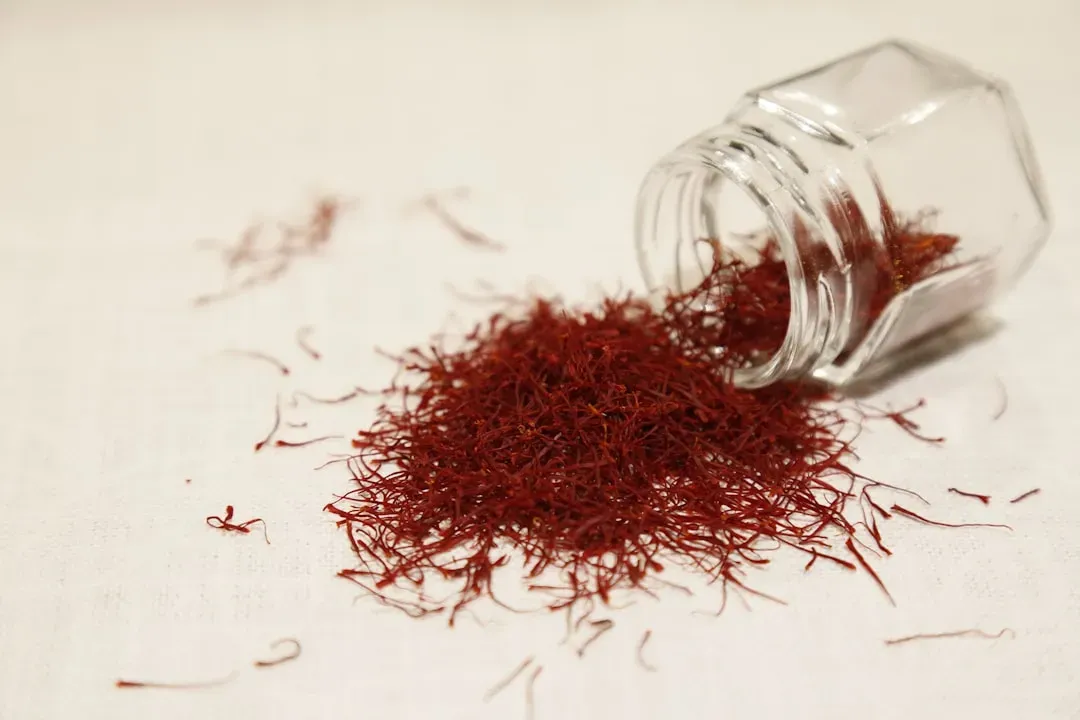
The market size was estimated at USD 602.2 million in 2023 and is projected to reach USD 959.38 million by 2030, growing at a CAGR of 7.1%. Multiple forecasts show consistent upward momentum.
In 2023–2024, saffron began appearing more frequently in high-end beauty formulations and boutique health supplements, demand skyrocketed while supply didn’t, and in 2025, saffron appears not just as a spice but as a global commodity woven into everything from Michelin-star kitchens to face creams priced like gold serums. The applications keep multiplying faster than supply can respond.
Asia-Pacific is anticipated to grow at a leading CAGR from 2025 to 2032, driven by widespread use in traditional medicine, culinary applications, and religious rituals, with consumers highly valuing the natural, medicinal, and aromatic qualities. Emerging markets are discovering what Mediterranean cultures have known for millennia.
The Economics That Make Gold Look Cheap
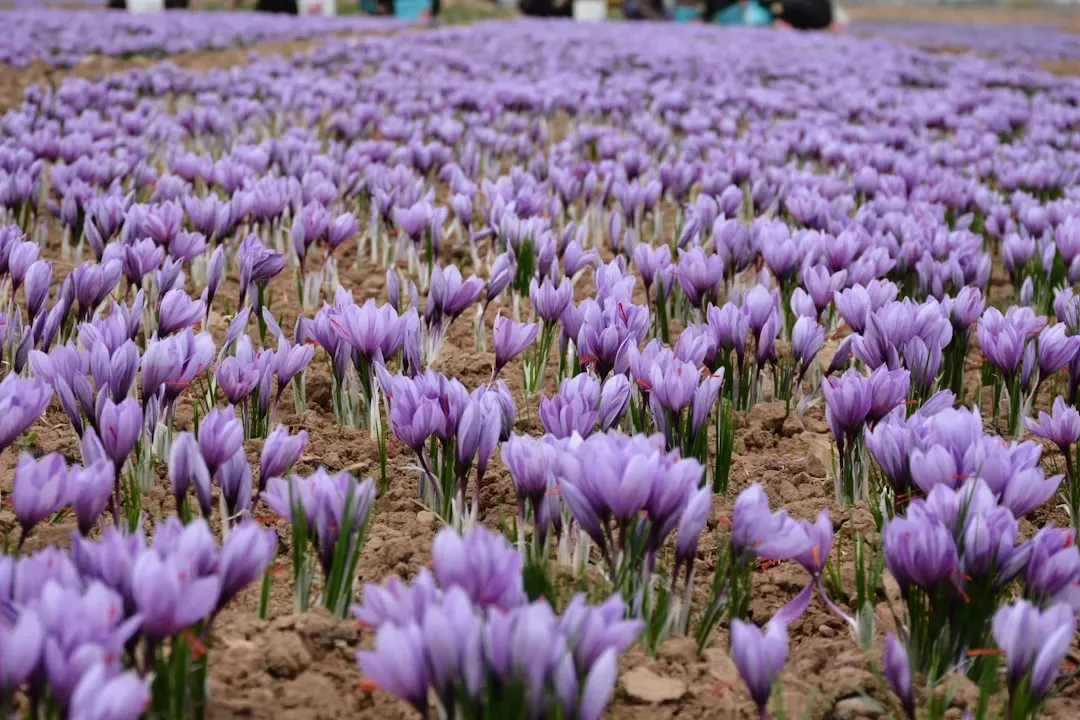
What do you think about it? When roughly half a football field of flowers produces less than two kilograms of dried spice, when harvesting requires waking before dawn for two weeks straight, when climate change threatens the few regions where cultivation is even possible – suddenly that price tag makes perfect sense.
The real question isn’t why saffron costs more than gold. It’s why anyone bothers growing it at all. The answer lies in centuries of tradition, irreplaceable flavor, and the stubborn human tendency to pursue the nearly impossible. Sometimes the most valuable things are expensive precisely because they should be.