
Table of Contents
What Exactly Is Fried Rice Syndrome
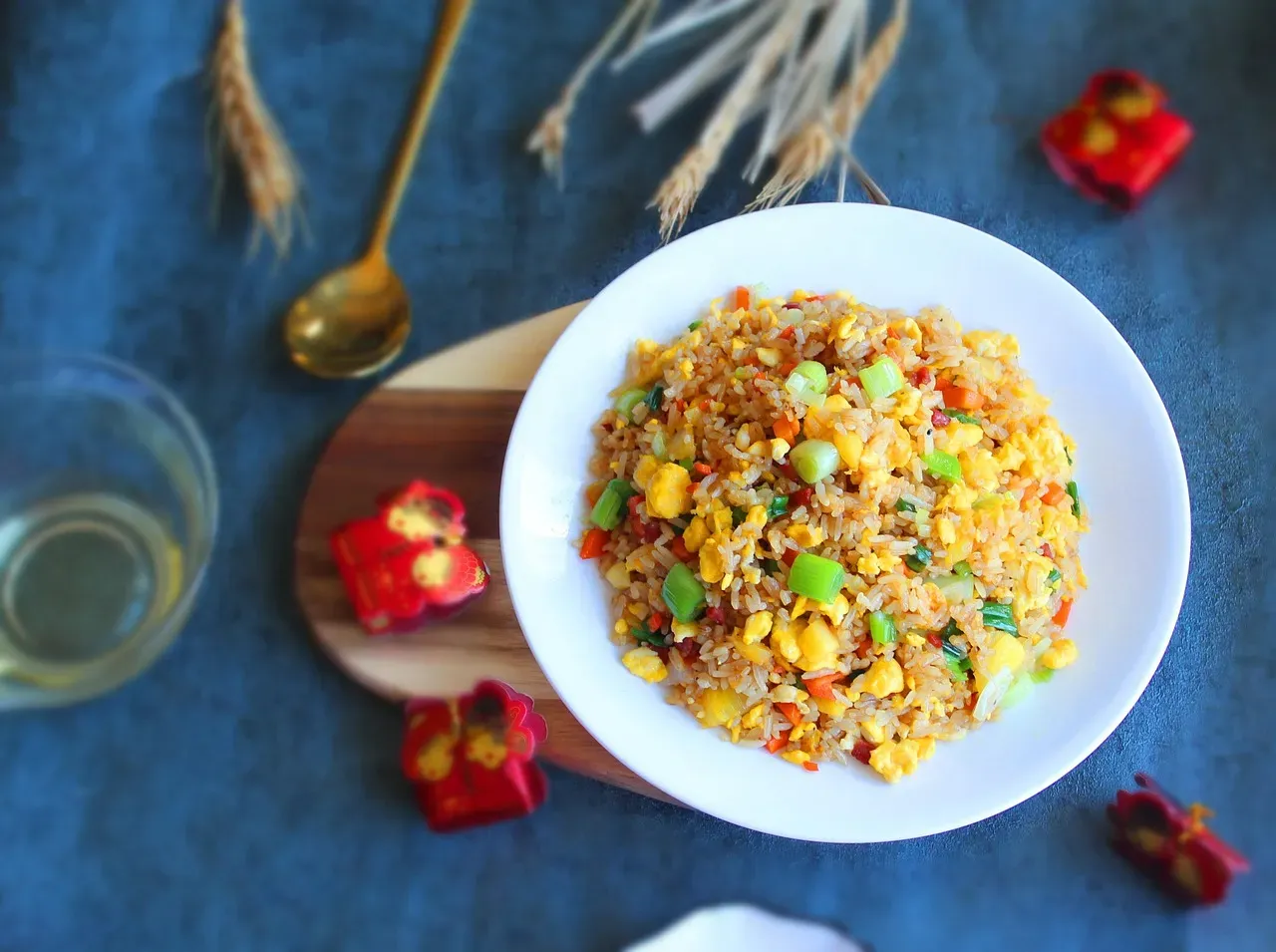
Fried rice syndrome is food poisoning caused by a bacterium known as Bacillus cereus (B. cereus), though honestly, the name makes it sound way more delicious than it actually is. The term “fried rice syndrome” originated from the first reported case of B. cereus contamination in a Chinese restaurant’s fried rice dish, which is why we’re stuck with this particular label. This microscopic germ likes to live on starchy foods like rice and pasta, but it can set up shop on nearly any food. The bacteria itself isn’t new or rare – it’s everywhere in the environment, particularly in soil.
About 63,400 cases of B. cereus foodborne illness occur each year in the United States (2000-2008), according to CDC estimates. Still, that’s a relatively small number compared to other foodborne illnesses, which is why many people have never heard of it until recently.
The Deadly Student Case That Went Viral
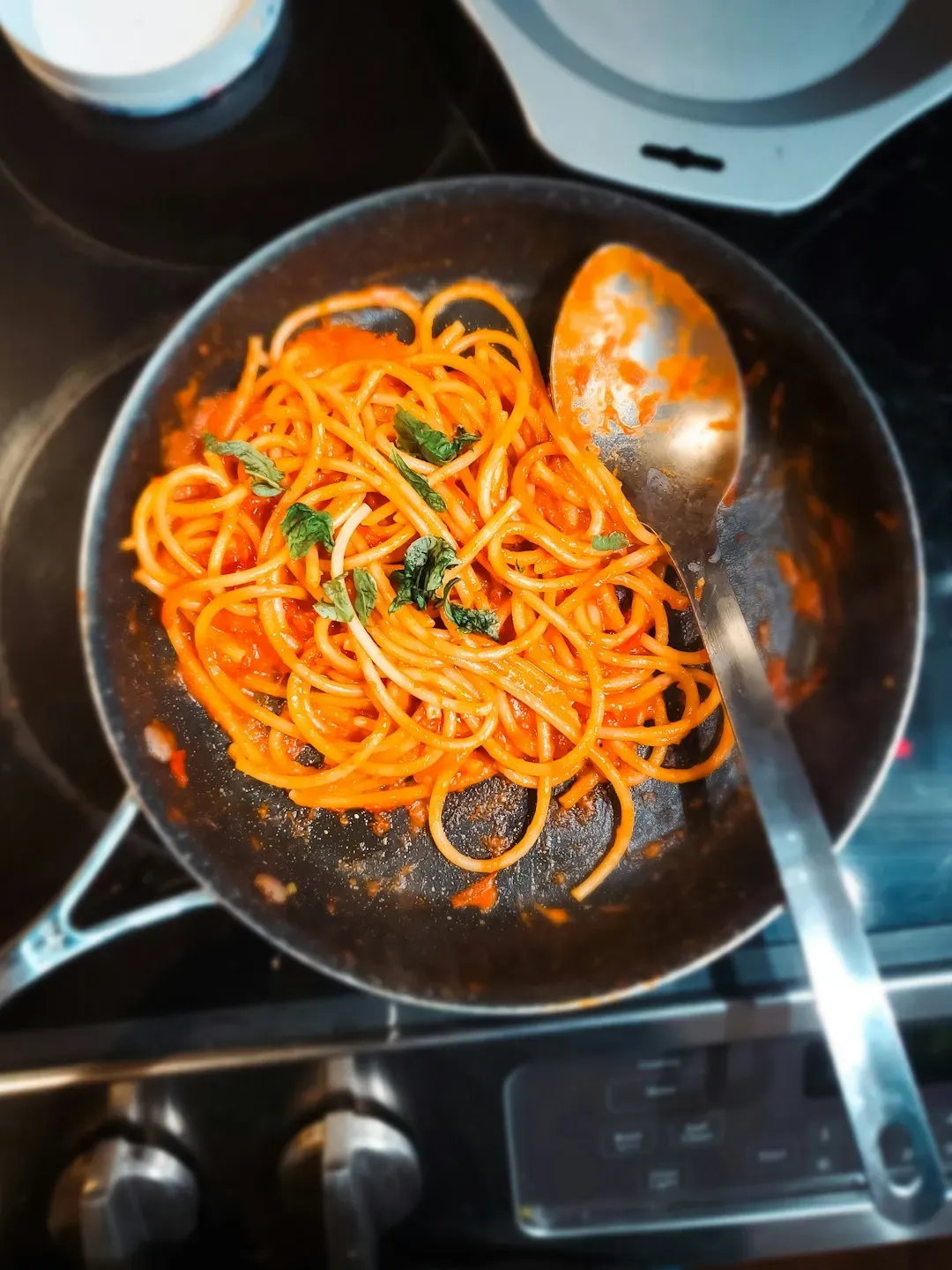
Shortly after reheating and eating the pasta, he became ill with severe vomiting and gastrointestinal symptoms. The next morning, the otherwise healthy young man was found dead. An autopsy revealed he had acute liver failure, and testing revealed large amounts of a bacteria called Bacillus cereus in the pasta. While the exact cause of death could not be determined because the autopsy was delayed, evidence pointed to Bacillus cereus as the most likely cause, according to a case report published in the Journal of Clinical Microbiology. Researchers describe a 20-year-old student in Belgium who died suddenly in 2008 after eating leftover spaghetti with tomato sauce, which he had cooked five days prior and left on the kitchen counter at room temperature. Let’s be real – five days is a long time for food to sit out at room temperature.
The case resurfaced on TikTok in 2023 and terrified a whole new generation of meal-preppers. Though extreme, there have been cases of Bacillus cereus causing severe infections that lead to organ failure and even death, they have been exceedingly rare.
Why This Bacteria Is So Sneaky
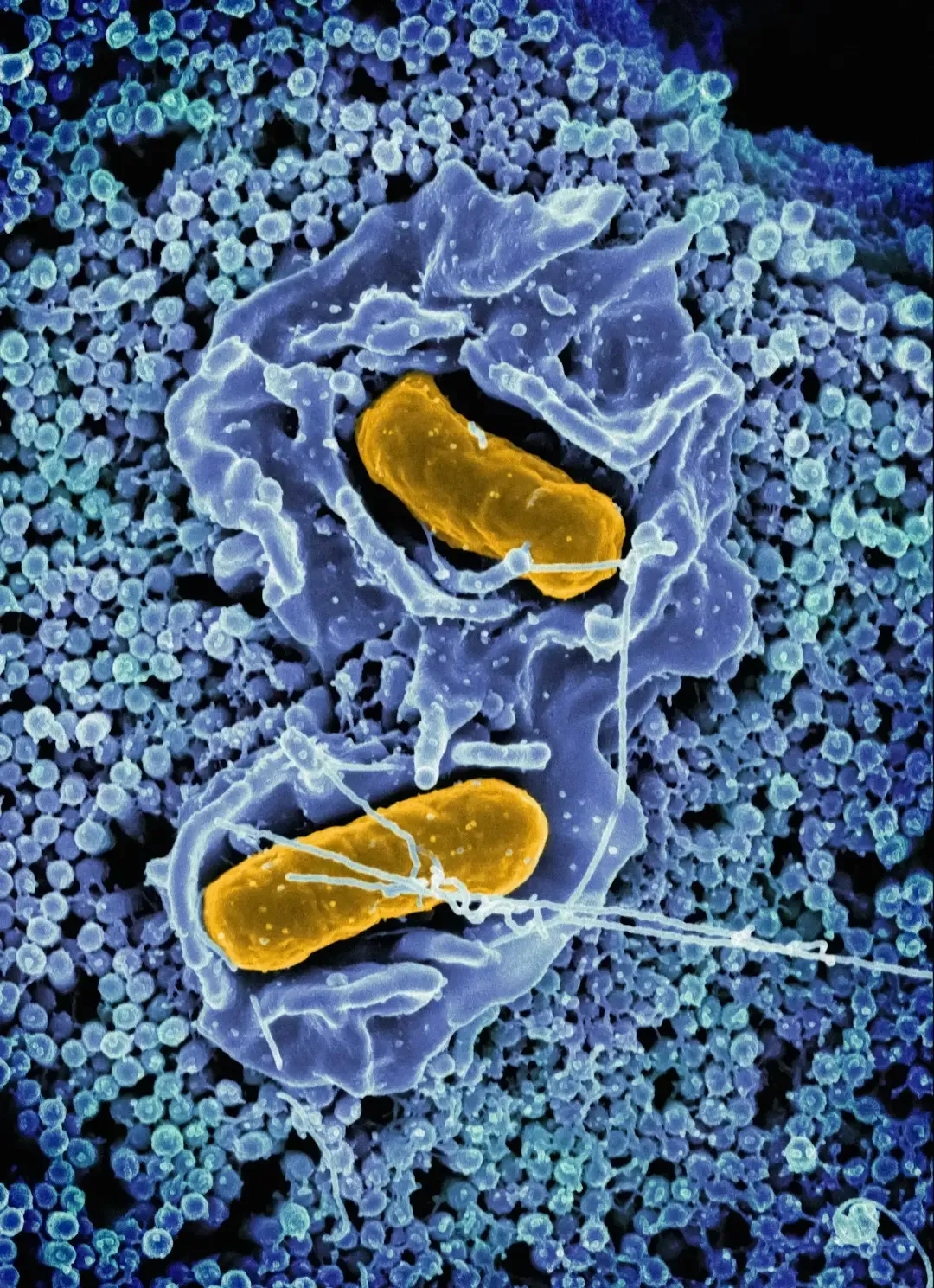
B. cereus is problematic because it has a trick up its sleeve that other bacteria don’t have. It produces a type of cell called a spore, which is very resistant to heating. So while heating leftovers to a high temperature may kill other types of bacteria, it might not have the same effect if the food is contaminated with B. cereus. Here’s the thing that makes this bacteria particularly annoying: cooking doesn’t actually solve the problem. The spores produced by the bacteria “easily survive the cooking process and grow best at room temperature”, which means your rice was likely already harboring these spores before you even started cooking.
These spores are essentially dormant, but if given the right temperature and conditions, they can grow and become active. From here, they begin to produce the toxins that make us unwell. Even reheating won’t destroy those toxins once they’ve formed.
Rice Is the Perfect Breeding Ground
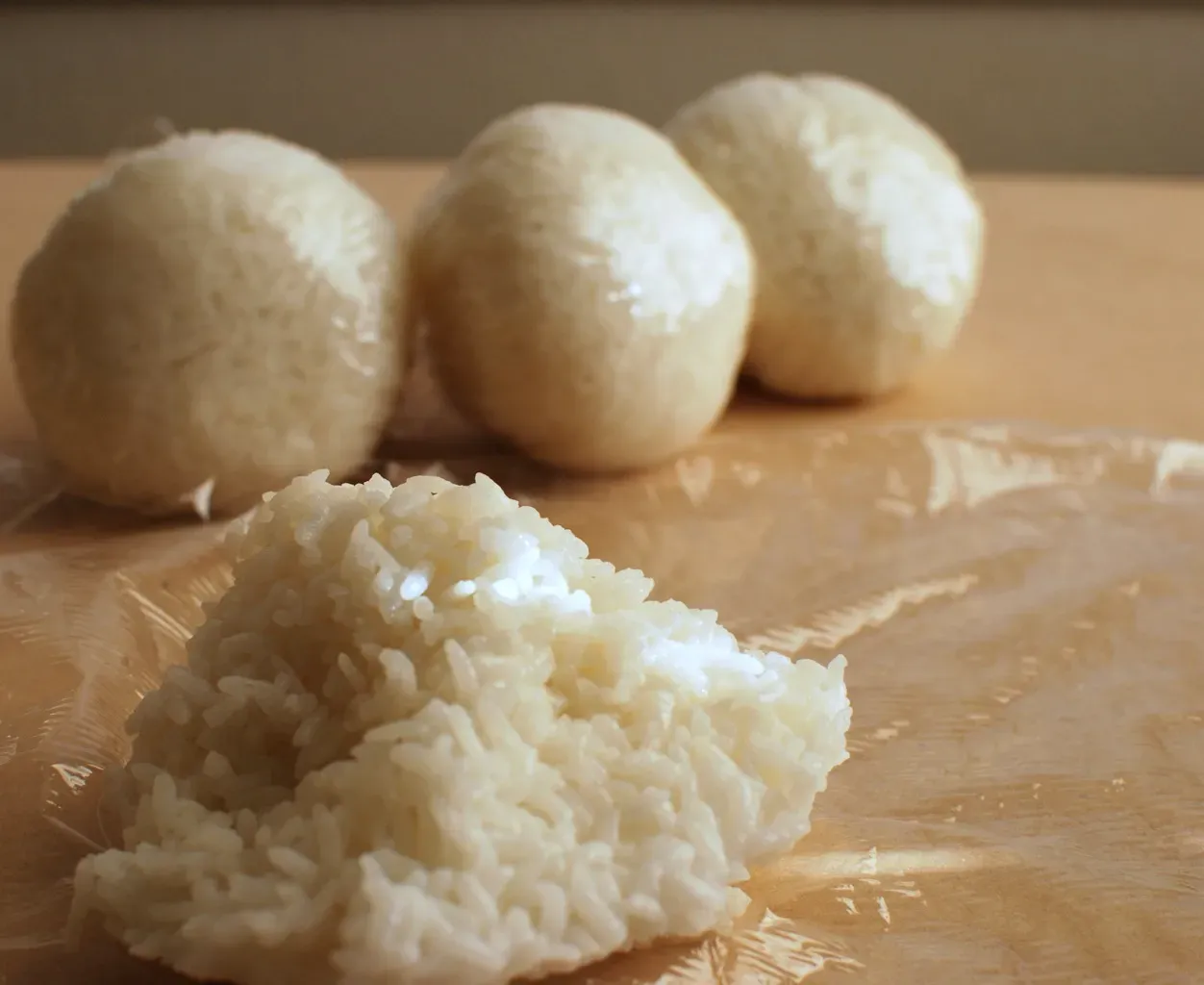
Rice was recognized as the highest-risk food category for B. cereus-associated food poisoning, with 43 reported incidents documented in research spanning from 1984 to 2019. Foods derived from rice or flour were identified as the primary cause of most outbreaks (46.30%) and associated cases (40.81%) in China between 2010 and 2020, according to a study published in 2023. There’s a scientific reason why rice poses such a high risk. Rice is a bunch of tiny pieces, so it has more surface area than something like a steak. More surface area means more places for germs to hide. The small grain size creates countless nooks where bacteria can multiply undisturbed.
About 95% of cases of emetic disease are related to the consumption of rice, according to research on Bacillus cereus contamination. That’s an overwhelming majority that really drives home why this particular food needs extra careful handling.
The Temperature Danger Zone You Need to Know
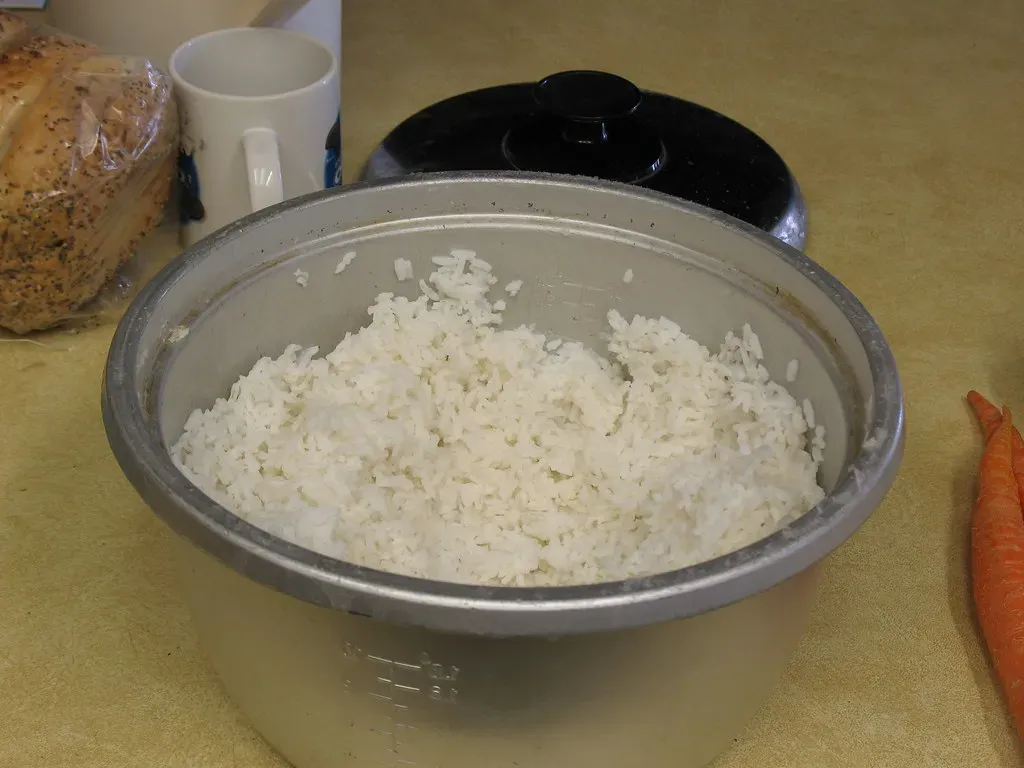
Bacillus cereus thrives in pre-cooked starchy foods, like rice and pasta, and optimal growth occurs between 40 degrees and 140 degrees Fahrenheit (also known as the “danger zone”), according to the USDA. This temperature range is basically a bacteria party zone. Say you cook some pasta to make a pasta salad. Or you cook some rice with the intention of making fried rice later. You leave the cooked food out on the counter for a few hours. Under the right conditions, the small group of spores can turn into a large gathering. And in those higher numbers, the spores will release enough toxins to make you sick.
After cooking rice, other grains, and pasta, you should refrigerate them within 2 hours, according to the USDA’s Food Safety and Inspection Services. (That time frame drops to 1 hour if the grains have been out at 90° F – for instance, if you’re dining outside on a hot day.) I know it sounds strict, and maybe you’ve gotten away with longer in the past. The two-hour rule exists for a reason though.
What Happens If You Get Infected

The symptoms of infection with B. cereus include diarrhoea and vomiting. In fact, there are two types of B. cereus infection: one is normally associated with diarrhoea, and the other with vomiting. Symptoms from Bacillus cereus form within 6 to 12 hours, which is faster than most foodborne illnesses. You can expect nausea, cramps and lots of barf. The bacteria can also cause severe diarrhea if it multiplies in your intestine and produces toxin. It’s not going to be a pleasant experience at all.
As awful as that sounds, you should get over it on your own within 24 hours. Stay hydrated, and if you have a fever or you’re not feeling better after a couple of days, it’s time to go to urgent care. Most people recover without medical intervention, which is why many cases probably go unreported.
Recent Outbreak Cases That Made Headlines
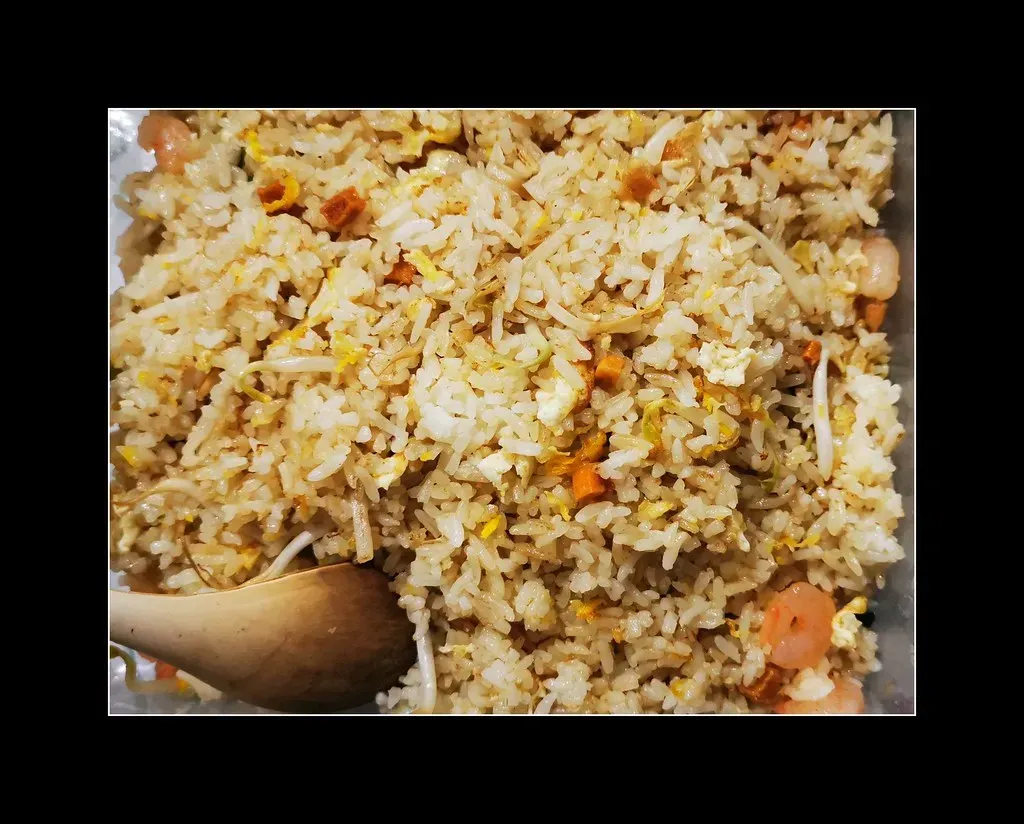
On 2nd February, 2021, 202 people suffered from pain in abdomen and vomiting after consuming the rice provided during a public gathering in Diphu, Assam. Culture of leftover fried rice showed growth of Bacillus cereus group of organisms, according to a case study published in 2024. The food was cooked the previous day, kept at room temperature for the whole night and next day it was just pan-fried, packed and delivered. This is exactly the scenario that creates perfect conditions for bacteria multiplication.
More recently, a recent incident in Iran, where two children fell critically ill after consuming leftover rice, underscores the urgency of raising awareness about this issue, as reported in a 2025 food safety publication. These cases continue to happen worldwide, particularly in settings where large batches of rice are prepared in advance.
How Cooking Doesn’t Actually Kill the Danger
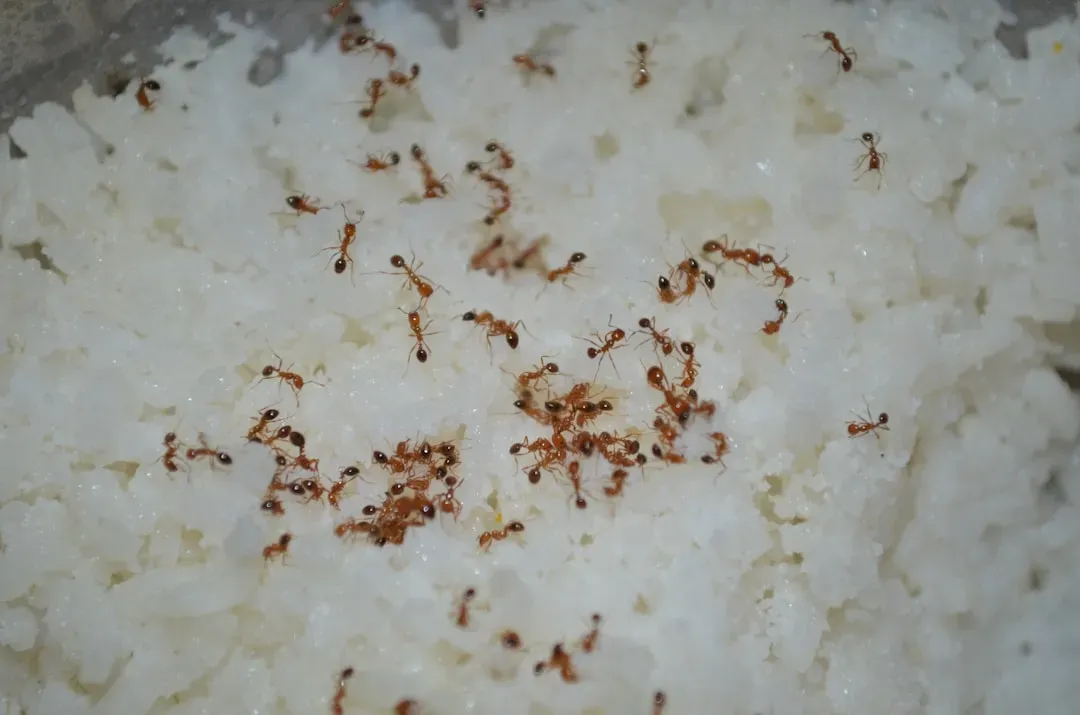
The spores of Bacillus cereus can survive being cooked. The longer cooked rice is left at room temperature, the more likely it is that the bacteria or toxins will make the rice unsafe to eat. This is the part that surprises most people. The main problem posed by contamination with B. cereus of foods is the presence of heat-resistant spores that survive normal cooking temperatures for rice, or other raw materials or processed products, which is usually boiling water close to 100 °C. Regular boiling just isn’t hot enough to destroy these resilient spores.
The spores that B. cereus produces are extremely heat resistant, so no amount of reheating you do at home is going to get rid of them. Even if you microwave that leftover rice until it’s piping hot, the damage might already be done if toxins have formed during storage.
Safe Storage Tips to Protect Yourself
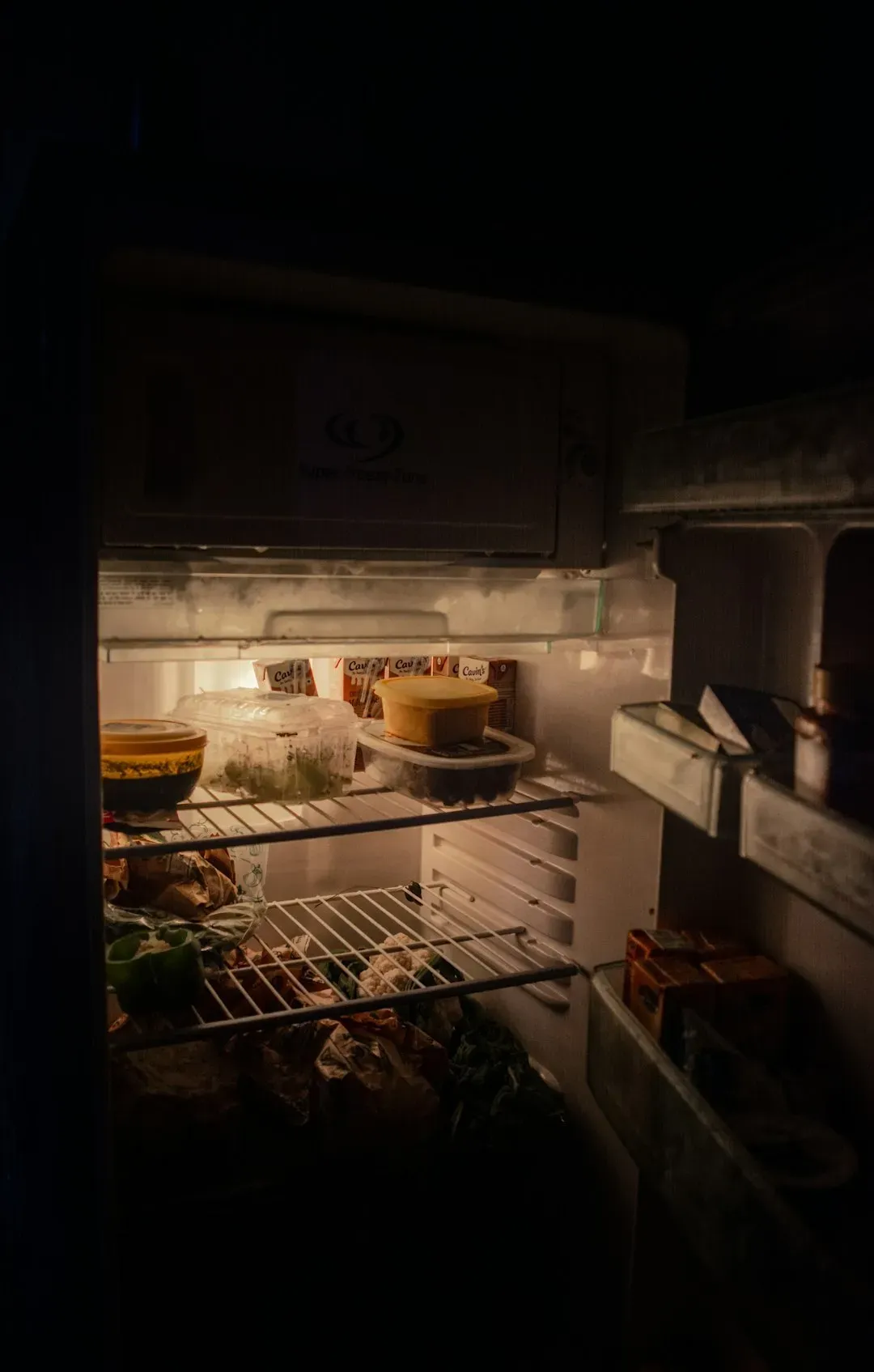
After boiling the rice should either be kept hot (> 63° C.) or cooled quickly and transferred to a refrigerator within 2 hr. of cooking. Boiled or fried rice must not be stored under warm conditions especially in the range 15-50° C. People either leave rice out on the counter for too long, or they don’t break it into smaller pieces to cool it down quickly in the refrigerator. Don’t leave rice out for more than an hour or two (the “two hour rule” applies to all cooked foods). Portion control matters more than you’d think.
You should chill it as quickly as possible, ideally within one hour. Dividing it into smaller portions can help with this. Shallow containers are your friend here – they allow heat to escape faster than one giant pot of rice sitting in the fridge. Dispose of fridge leftovers after 3 to 4 days. Dispose of freezer leftovers after 3 to 4 months. When in doubt, just throw it out.