
You grab a bag from the shelf. It says “natural,” “high protein,” or maybe “no added sugar.” Sounds good, right? Here’s the thing – that front-of-package text is often the least reliable information on the entire product. The real story is hiding on the back, tucked into a tiny grid of numbers and a long list of ingredients most people scan right past.
Nutritionists have been raising this alarm louder than ever, and the science is piling up fast. From hidden sugars to sodium levels that quietly creep past daily limits, snack labels are both your best weapon and a minefield of misinterpretation. Let’s dive in.
Table of Contents
The Front of the Package Is Marketing, Not Medicine
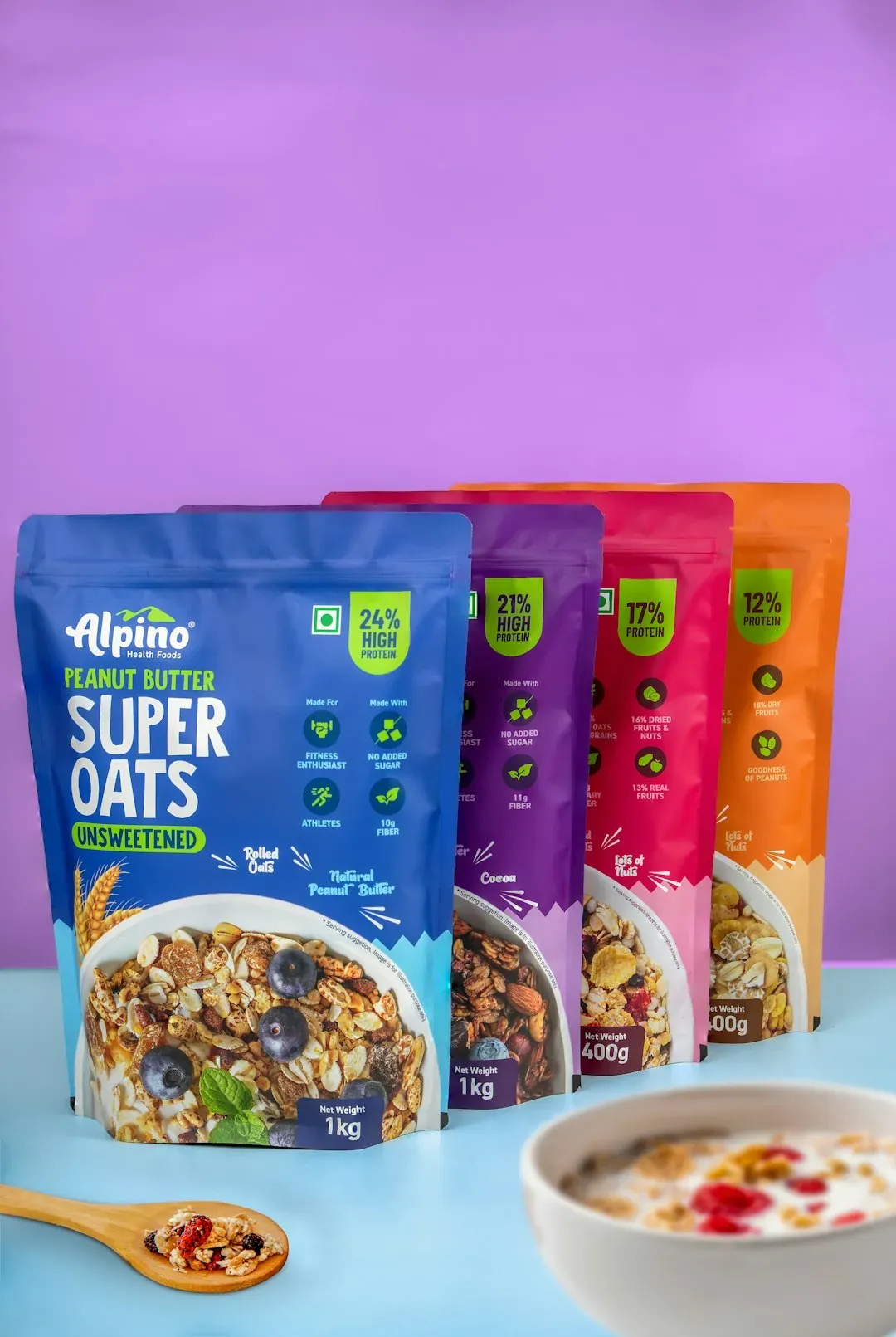
Let’s be real – the big bold text on the front of a snack package exists for one reason: to sell you the product. Deceptive nutrition-related claims are pervasive on unhealthy packaged foods, and researchers argue that these claims have real potential to harm consumer health. It’s basically nutrition theater.
Research published in the journal PRiMER found that the number of packaging health claims was not associated with the actual healthiness of foods, either across all categories or within any specific food group. Think about that for a second. More health claims on the package? Doesn’t mean a thing.
With consumers becoming more health-conscious, food manufacturers often use misleading nutrition claims to persuade individuals to buy their products, making them believe they are getting the healthier option, when in reality they may be purchasing highly processed, empty-calorie foods. The solution, as nutritionists unanimously agree, is to flip the package and read the actual label every single time.
Hidden Sugars Go by Dozens of Different Names

Sugar is a master of disguise. Most people think they’d recognize it on an ingredients list, but honestly, it’s not that simple. Added sugar comes in many forms, and there are at least 61 different names for sugar listed on food labels, including common names such as sucrose and high-fructose corn syrup, as well as barley malt, dextrose, maltose, and rice syrup, among others.
To make their products appear healthier, some manufacturers use smaller amounts of three or four types of sugar in a single product. Research shows that many people eat too much added sugar, with the average American consuming around 15 teaspoons, or roughly 60 grams, of added sugar per day. That’s an astonishing number when you consider the recommendations.
Research shows that excess sugar consumption can be associated with an increased risk of cardiovascular disease. The American Heart Association recommends limiting added sugar consumption to 25 grams, about six teaspoons, per day for women and 36 grams, nine teaspoons, per day for men. One snack bar could quietly hand you nearly a third of that in a single sitting.
Snack Bars Labeled “Healthy” Often Aren’t
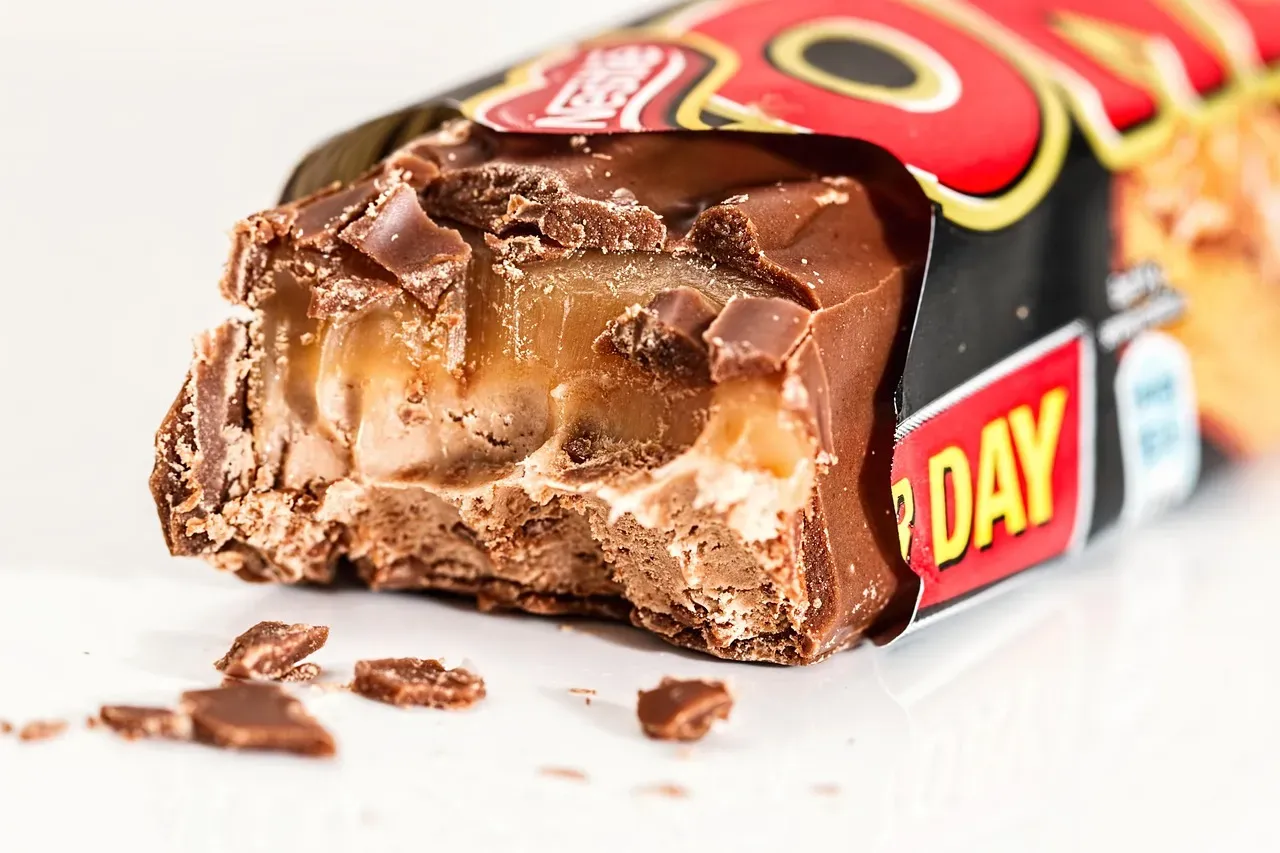
This one might be hard to swallow. Those pricey, wholesome-looking snack bars lining the health food aisle? Many of them are closer to candy bars than nutrition. New nationwide research from Action on Salt and Sugar revealed that snack bars are packed with hidden sugars, with levels equivalent to a third of a child’s daily sugar limit within just one bar.
Under the UK’s voluntary front-of-pack traffic-light labels, roughly more than a third of snack bars sold in supermarkets would be classified as high in sugars, and more than half would be high in saturated fat. On average, one bar contained 175 kilocalories and 7 grams of sugar per serving. That’s before you’ve even had lunch.
Claims like “natural ingredients,” “high-fibre,” and “high-protein” can be deceptive when products are still high in sugar and saturated fat. The lesson here is uncomfortable but clear. A bar that sounds like it belongs in a gym bag might belong more honestly in a candy aisle. Always check the actual numbers before assuming the label is telling you the whole story.
Sodium in Packaged Snacks Is a Silent Threat
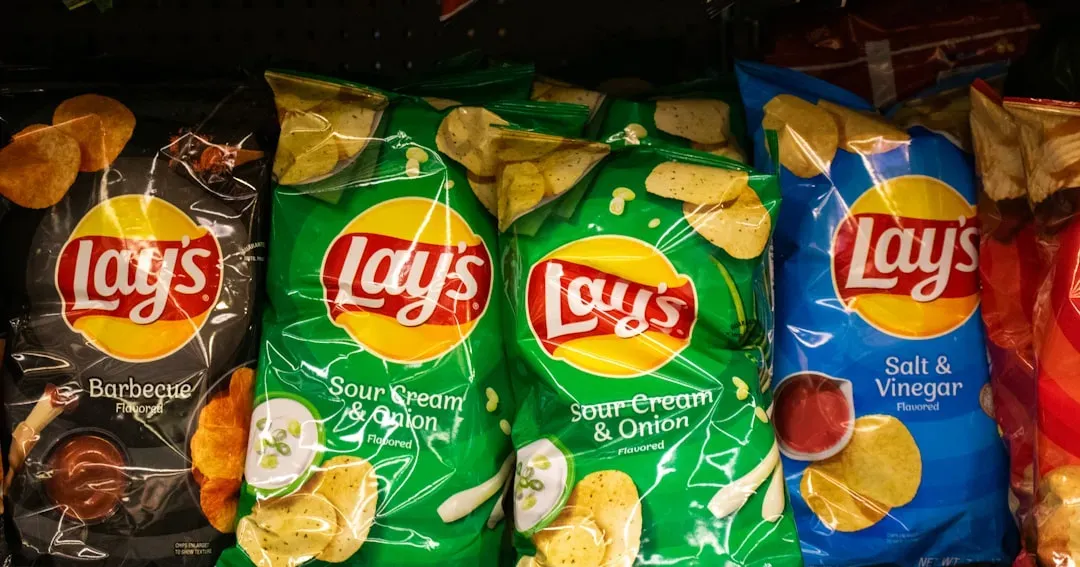
Most people associate too much salt with the shaker at the dinner table. I think that’s one of the biggest misunderstandings in everyday nutrition. In reality, the overwhelming majority of the sodium Americans consume comes not from home cooking, but from packaged products.
More than 70 percent of sodium that people in the U.S. consume comes from processed, packaged, and prepared foods, not from table salt added to food when cooking or eating at home. That’s a significant shift in how we need to think about salt.
The sodium reduction targets set by the FDA are intended to address excessive intake in the U.S., which is currently on average almost 50 percent more than the recommended limit. Roughly nine in ten Americans are eating more sodium than is recommended, with average intake running at approximately 3,400 milligrams per day, while the Dietary Guidelines for Americans advise individuals 14 and older to limit consumption to 2,300 milligrams per day. Checking sodium on snack labels is not optional if cardiovascular health matters to you.
Serving Sizes Are Designed to Confuse You
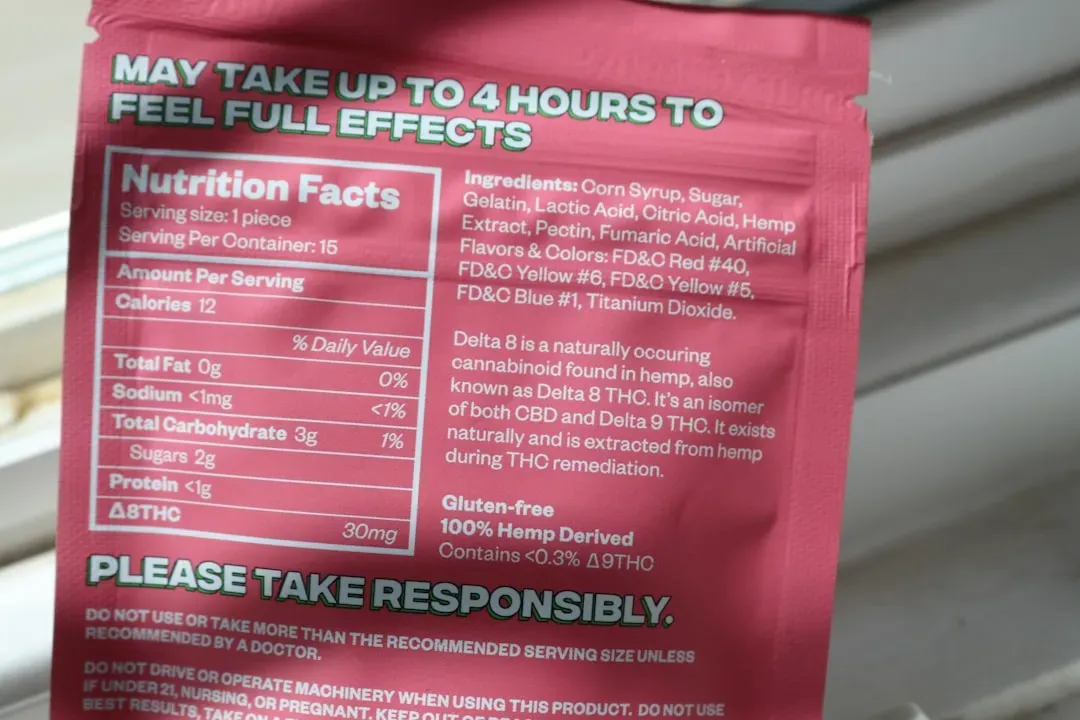
Here’s something that trips up even careful shoppers. You look at the calories on a bag of chips and feel pretty good. Then you realize those numbers are for a single serving, and the bag actually holds three servings. Welcome to one of the oldest tricks in the food industry playbook.
Studies show that many consumers underestimate calories by as much as 25 to 50 percent when serving sizes are unclear. That’s not a small margin of error. That’s potentially an entire extra meal’s worth of calories added to your day, invisibly.
The serving size on a label reflects what people are likely to eat or drink, but this is not necessarily the portion you should eat. For example, one serving size of ice cream is labeled as two-thirds of a cup. Research shows that misjudging portion sizes can increase calorie intake by 20 to 40 percent without people even realizing it. Always multiply the listed values by how much you actually eat, not just what the label calls a serving.
Reading Labels Actually Changes What You Eat
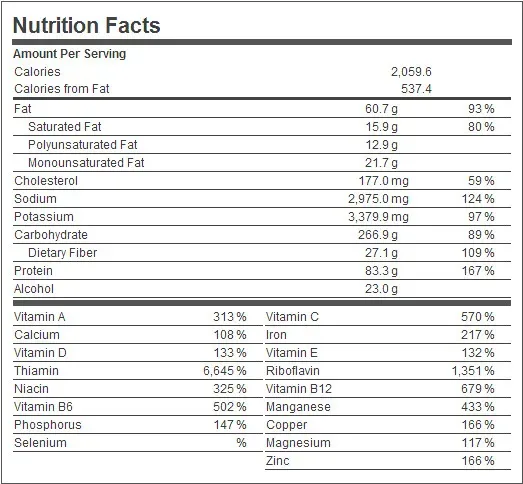
It might sound obvious, but there is now strong evidence that people who regularly use nutrition labels genuinely eat better. It’s not just a theory. Results from nationally representative data indicate that daily intakes of calories, fats, saturated fats, alcohol, sugars, and sodium are significantly lower among adults who regularly use the Nutrition Facts label.
Think of label reading like turning on the lights before you walk into an unfamiliar room. Without it, you’re just guessing. A randomized, controlled nutrition labelling intervention trial showed that label information was viewed for approximately one fifth of all purchased packaged products, and shoppers were most likely to view labelling information for convenience foods, cereals, snack foods, breads, and oils. Products for which participants viewed the label information and subsequently bought the same product were significantly healthier than products where the label was viewed but the item was then set down.
The best way to combat misleading marketing is to make reading labels a regular practice, since unlike private branding, food labels are a much more trustworthy source of information. Honestly, once you start doing it consistently, it becomes a habit as automatic as checking the price.
Ultra-Processed Snacks and Long-Term Health Risks

The research on ultra-processed foods has moved well beyond early warnings in recent years. The evidence is now coming from enormous population studies, and the picture they paint is striking. A 2024 umbrella review of 45 meta-analyses including almost 10 million people found that diets high in ultra-processed foods are linked to 32 health conditions, including obesity, type 2 diabetes, cardiometabolic diseases, many cancers, gastrointestinal disorders, anxiety, depression, cardiovascular events, and all-cause mortality.
Consumption of ultra-processed foods such as sugar-sweetened beverages, potato chips, and packaged cookies may be associated with adverse health outcomes, and this risk for hypertension, cardiovascular events, cancer, and digestive diseases increased with every 100 grams of ultra-processed foods consumed each day. It’s not about one bad snack. It’s about the pattern, day after day.
Most ultra-processed foods are characterized by poor nutritional quality, contributing to excessive calories, and are typically high in saturated fats, added sugars, and sodium, the combination of which contributes to adverse cardiometabolic health outcomes, including heart attack, stroke, obesity, inflammation, type 2 diabetes, and vascular complications. The Nutrition Facts Label and ingredients list remain among the most useful tools consumers have in deciding when to include a more processed food in their diet. No app, no marketing slogan, no influencer recommendation replaces the label in your hands at the moment of purchase.
The snack aisle is not going to get simpler anytime soon. Food companies spend enormous resources making their products look appealing and healthy, while the actual nutritional profile often tells a different story. The good news is that the label – that dense, somewhat boring block of numbers on the back – is legally required to tell you the truth. Use it. What do you think: could just two minutes of label reading per shopping trip actually change your long-term health?