
For years, the fitness world has worshipped protein like a golden nutrient. Shake it, bake it, stack it into every meal. The idea seemed simple enough: more protein equals more muscle, more energy, more health. A longer life, even. Social media has turned this belief into something close to gospel, and supplement companies have happily cashed in on the craze.
Yet quietly, and with a growing mountain of scientific evidence, some of the world’s most respected longevity researchers are pumping the brakes. Hard. What they’ve uncovered turns the protein myth on its head in ways that might genuinely surprise you. Let’s dive in.
Table of Contents
The Protein Obsession Nobody Is Questioning
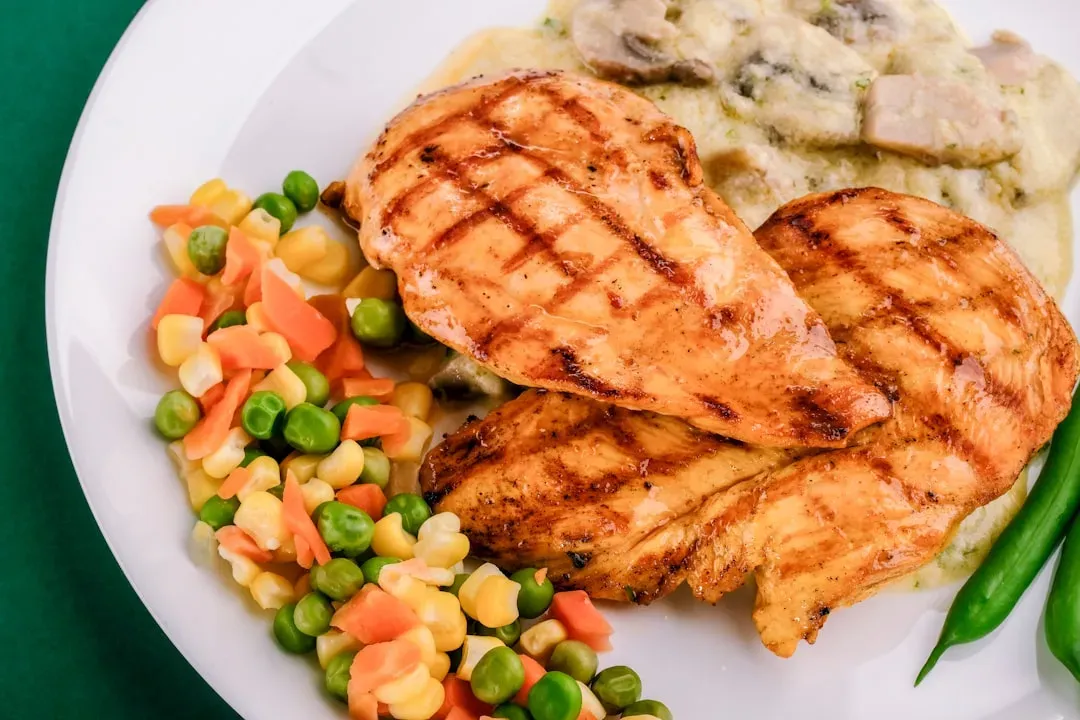
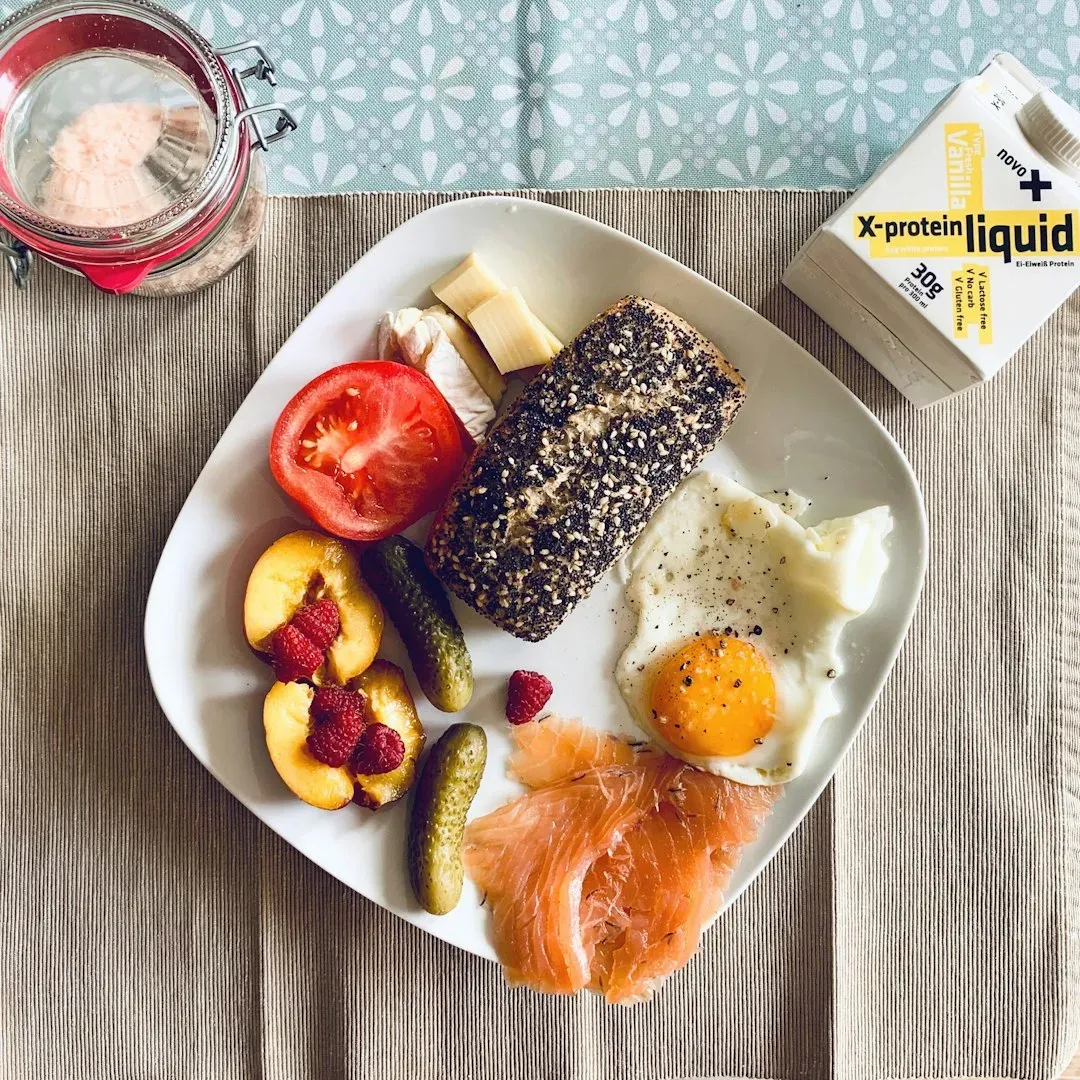
Nearly two thirds of Americans increased their protein intake in 2024, up from roughly half who did so in 2019, a trend at least partly explained by the ongoing protein craze driven by wellness and nutrition influencers who promote higher protein intake for weight loss and other proposed health benefits. It’s everywhere. Protein bars at the checkout counter, protein-fortified water, protein pasta, protein ice cream. The message has been normalized to the point where nobody really stops to ask: could eating this much protein actually be harmful?
While public health recommendations often emphasize high protein intake, human epidemiological data and work on model organisms suggest that excessive protein consumption correlates with increased mortality. That sentence alone should make anyone pause before opening their next protein shake. Honestly, it almost sounds too controversial to be true. Yet the research backing it up is serious, peer-reviewed, and increasingly difficult to ignore.
The Landmark Study That Changed the Conversation
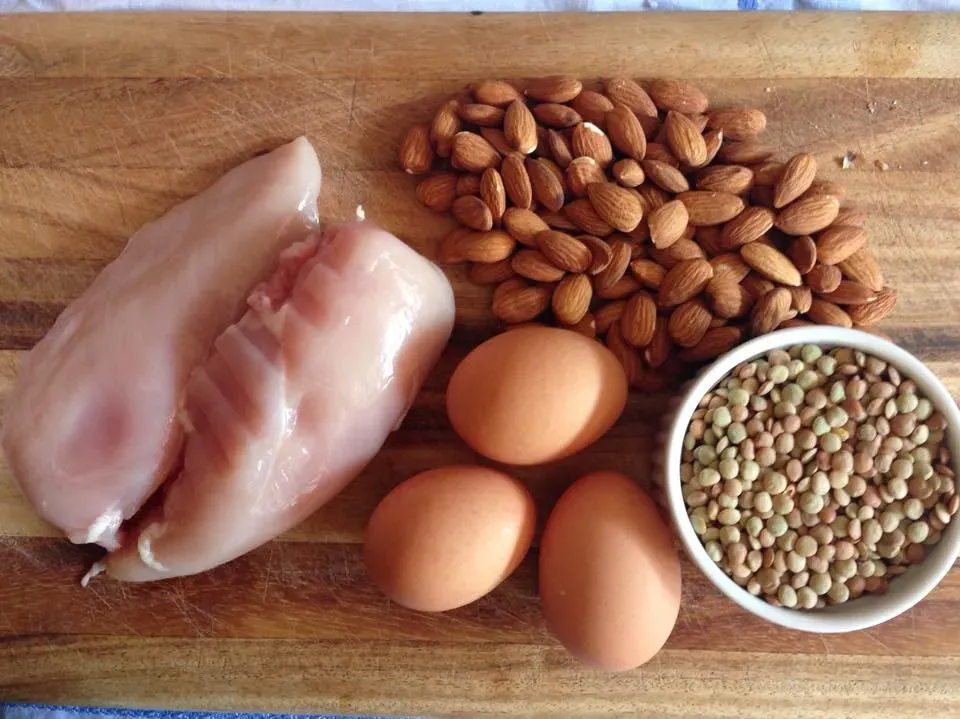
Respondents aged 50 to 65 reporting high protein intake had a whopping 75% increase in overall mortality and a fourfold increase in cancer and diabetes mortality during an 18-year follow-up period. Crucially, these associations were either abolished or attenuated if the source of proteins was plant-based. This was not a small, obscure study. It tracked over 6,000 American adults and was funded in part by the National Institute on Aging.
A high-protein diet was also associated with a fivefold increase in diabetes mortality across all ages. That is a staggering figure, and yet it barely made a dent in the mainstream protein narrative. Think of it this way: if a pharmaceutical drug showed a fivefold increase in diabetes death risk, it would be pulled from shelves overnight. A dietary pattern showing the same gets a book deal and a supplement sponsorship.
The mTOR and IGF-1 Connection: Why More Protein Equals Faster Aging
The debate among longevity scientists focuses on the effects of protein intake on two important signaling pathways: the mammalian target of rapamycin (mTOR) and insulin-like growth factor 1 (IGF-1). Proponents of a lower-protein diet point to studies suggesting that high protein intake may lead to activation of mTOR and an increase in IGF-1 levels, which in turn is linked to accelerated aging and increased vulnerability to age-related diseases.
Mounting evidence suggests that while IGF-1 is essential for regeneration and recovery, chronically high levels may accelerate aging and increase the risk of chronic disease, including cancer. Elevated IGF-1 has been linked to increased cellular proliferation and reduced apoptosis, two hallmarks of cancer progression, and has emerged as a possible risk factor in age-related diseases including breast, prostate, and colorectal cancers. Think of mTOR as a growth accelerator in your body’s engine. Flooring the accelerator constantly is not a strategy for a long drive. It burns out the engine faster.
New Research: High Protein Literally Shortens Lifespan

A near doubling of protein intake with an isocaloric compensatory lowering of carbohydrates significantly shortened lifespan in both sexes of the study animals. This came from a 2025 study published in npj Metabolic Health and Disease, examining the relationship between dietary protein and accelerated aging in detail. The researchers weren’t examining fringe conditions. They were looking at changes that mirror normal aging biology.
High protein intake causes gene-length-dependent transcriptional decline, shortens lifespan and accelerates ageing, according to the published findings. Meanwhile, on the other side of the equation, restricting dietary protein by 50% extended lifespan in male mice, and restricting protein levels beyond 80% improved various neurological health parameters, though a further reduction to 95% affected appetite and became distinctly detrimental. There is a sweet spot, in other words, and the current trend of maximizing protein consumption blows well past it.
The Age Factor: When High Protein Becomes a Double-Edged Sword
Here is where the science gets genuinely nuanced, and I think this is actually the most important part of the whole conversation. Research results suggest that low protein intake during middle age followed by moderate to high protein consumption in old adults may optimize healthspan and longevity. In other words, the same diet isn’t right for a 45-year-old and a 75-year-old. Context matters enormously.
In participants ages 65 and older, those who consumed high amounts of protein had a 28% lower risk of dying from any cause and a 60% lower risk of dying from cancer. This is a real and important reversal of the midlife data. Muscle loss and frailty become genuine threats after 65, and adequate protein intake becomes critical for preserving functional health. People over age 65 may need to increase protein in order to counter frailty and loss of lean body mass, and research has illustrated that higher protein amounts were better for people over 65 but not optimal for those under that age.
The Valter Longo Blueprint: What the Leading Longevity Scientist Actually Recommends
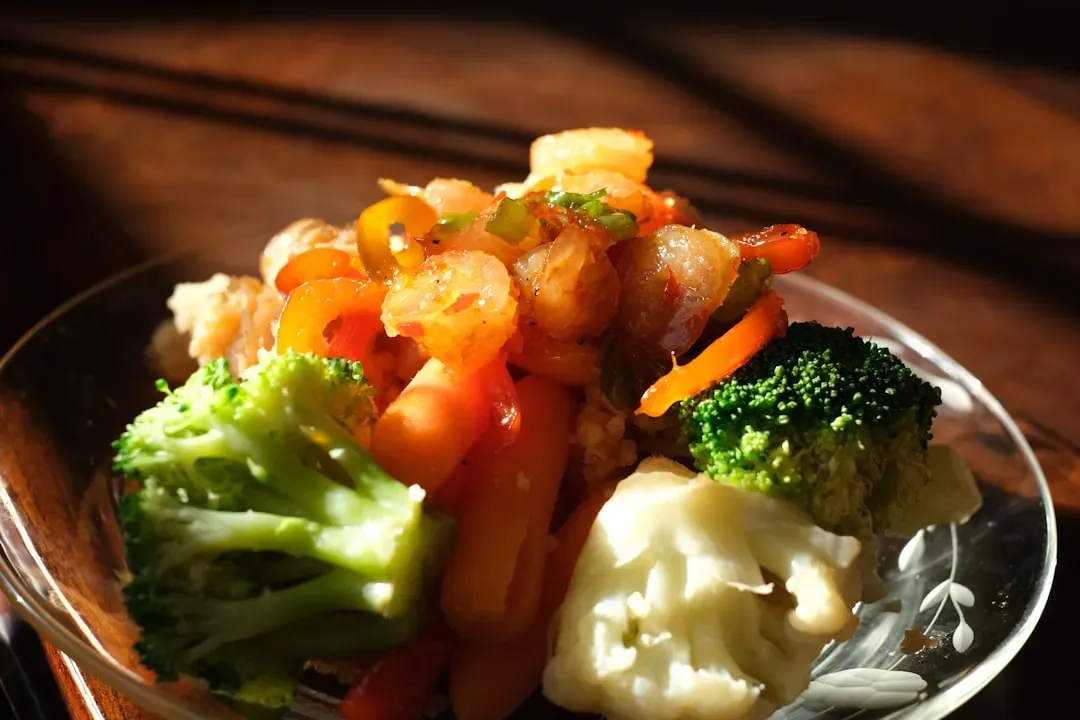
Dr. Valter Longo, director of the Longevity Institute at the University of Southern California and arguably the most prominent longevity researcher alive today, has been remarkably specific. For people below the age of 65, the recommendation is to keep protein intake low, at 0.31 to 0.36 grams per pound of body weight. That comes to 40 to 47 grams of proteins per day for a person weighing 130 pounds, and 60 to 70 grams of protein per day for someone weighing 200 to 220 pounds.
The key characteristics of the optimal longevity diet appear to be moderate to high carbohydrate intake from non-refined sources, low but sufficient protein from largely plant-based sources, and enough plant-based fats to provide about 30 percent of energy needs. In practice, this means a diet that is mostly plant-based plus fish three or four times a week, low protein until age 65 to 70 and then moderate after, with lots of legumes, whole grains, vegetables, and healthy fats, and no red or processed meat, low eggs, low sugar, and low refined grains. That’s a far cry from the 200-gram protein days some fitness influencers preach.
Plant vs. Animal Protein: The Critical Difference
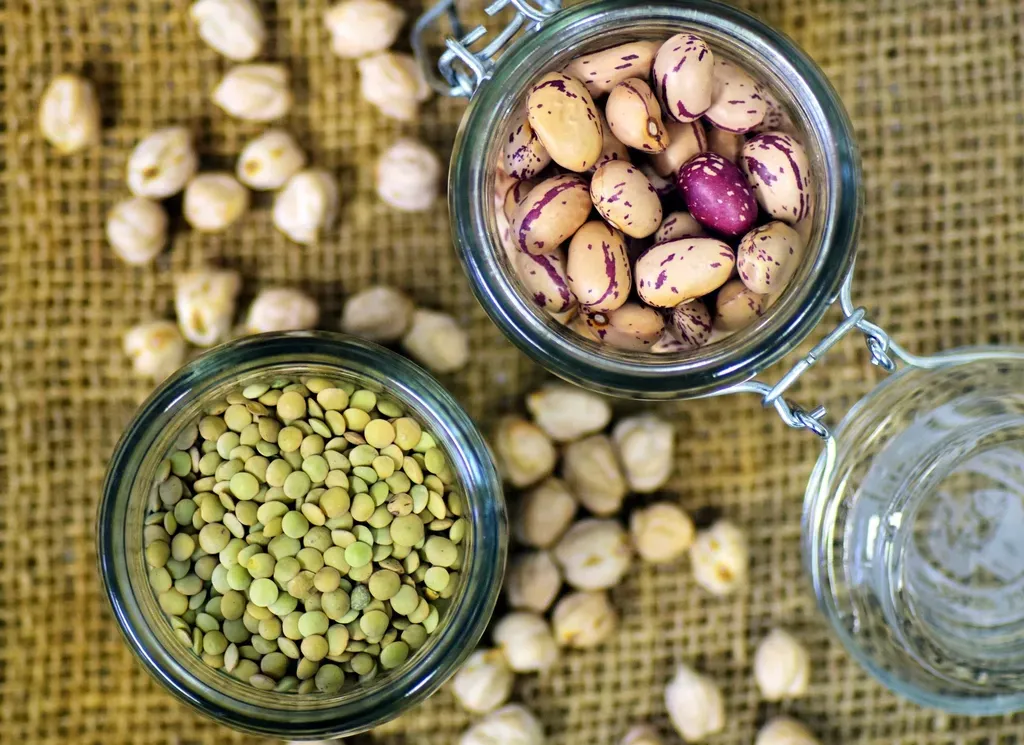
A global study has shown that countries which consume more plant-based proteins, such as chickpeas, tofu and peas, have longer adult life expectancies. Scientists studied food supply and demographic data between 1961 and 2018 from 101 countries, with the data corrected to account for population size and wealth, to understand whether the type of protein a population consumed had an impact on longevity. This study, published in Nature Communications in 2025, is one of the most comprehensive population-level analyses ever conducted on this question.
Early-life survivorship improves with higher animal-based protein and fat supplies, while later-life survival improves with increased plant-based protein and lower fat supplies. Plant protein sources such as legumes, nuts, and whole grains have been associated with a lower risk of chronic diseases and overall mortality, and researchers have proposed that a predominantly plant-based diet is one of the key common denominators contributing to the extended vitality and longevity observed in long-lived communities, also known as “Blue Zones.” Think Okinawa. Think Ikaria. Think Loma Linda, California. These are not coincidences.
Cardiovascular Risks and Insulin Resistance: The Hidden Cost of Going High-Protein

There is significant evidence of higher protein diets, defined as above 30% of total energy intake, impairing glycemic control during weight-loss interventions. Large-scale epidemiological data from over 40,000 individuals suggests an increase in habitual dietary protein increases the risk of cardiovascular disease and insulin resistance. These are not small effect sizes. They represent real population-level risk being largely overlooked in favor of short-term body composition goals.
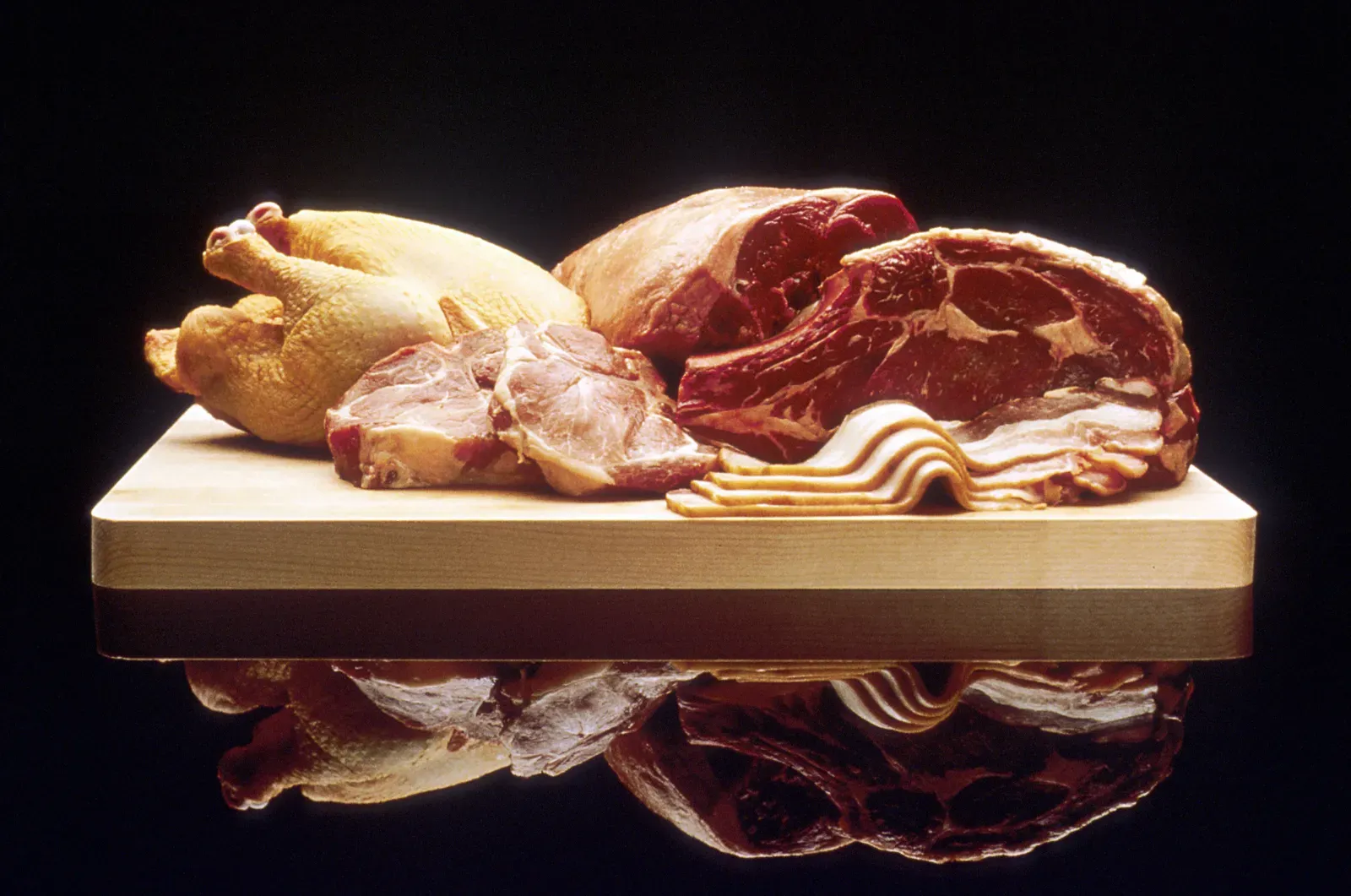
Meat consumption can induce the activation of mTOR and IGF-1, accelerated aging, vascular constriction, atherosclerosis, heart disease, increased risk of diabetes, systemic inflammatory effects, and cancers including colorectal and prostate cancers. That’s quite a list. Still, none of this means protein itself is the enemy. It’s the quantity, the source, and the life stage that determine whether it helps or hurts.
The Amino Acid Detail Most People Have Never Heard of
Emerging evidence suggests that the effects of dietary protein on health and longevity are not mediated simply by protein quantity but are instead mediated by protein quality, specifically the amino acid composition of the diet. This is a subtle but enormously important point that gets completely lost in the “grams per day” conversation. It’s not just how much protein you eat. It’s what kind of protein, and therefore what amino acids it contains.
Some researchers have suggested that the observed benefits of protein restriction during mid and early-late life may be driven, in part, by reduced intake of branched chain amino acids (BCAAs), of which excess consumption is associated with several age-related chronic health problems. In model organisms, protein restriction or restriction of particular amino acids such as methionine and tryptophan has been shown to extend life and promote healthy longevity, independent of total caloric intake. In practice, this partly explains why plant proteins, which are generally lower in BCAAs, seem to carry different biological consequences than animal proteins, even when total protein grams are matched.
What the Research Says You Should Actually Eat Instead
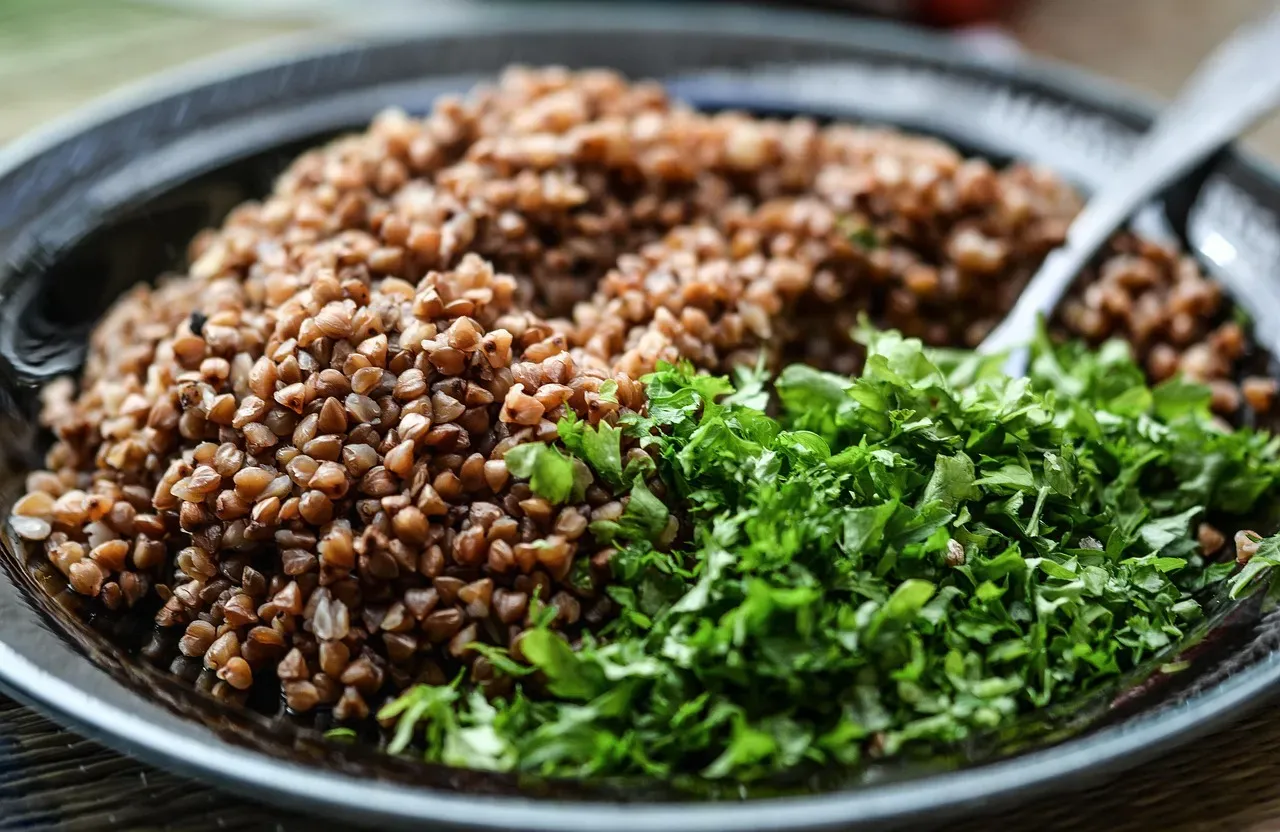
The specific types or food sources of dietary fat, protein, and carbohydrates are more important in influencing chronic disease risk and mortality than their quantity. Some traditional diets, including the Mediterranean, Nordic, and Okinawa diets, and contemporary dietary patterns such as the healthy plant-based diet index and the DASH diet, have been associated with lower mortality and healthy longevity. The answer isn’t a radical protein purge. It’s a thoughtful shift toward whole food plant proteins as the foundation, with protein quantity calibrated to your age.
While caloric restriction enhances longevity, adherence to a low-calorie diet is challenging. Protein restriction represents an alternate nutritional intervention that improves longevity and health in model organisms and may be easier to translate to humans. Valter Longo’s own longevity diet recommends consuming beans, chickpeas, green peas, and other legumes as your main source of protein, paired with whole grains, vegetables, olive oil, and nuts. It’s worth noting that this also happens to describe the dietary patterns of the world’s longest-lived populations pretty accurately. That’s probably not a coincidence.
Conclusion

The high-protein diet trend is not going to vanish overnight. It’s too embedded in gym culture, social media, and the supplement industry for that. It’s hard to say for sure when the mainstream will catch up with the science, but the evidence from the world’s top longevity researchers is now stacking up in a way that’s difficult to dismiss.
The emerging consensus is nuanced but clear: in middle age, lower protein from mostly plant-based sources appears to meaningfully extend healthspan and reduce mortality risk. After 65, the calculus shifts and more protein becomes beneficial to prevent muscle loss and frailty. Source matters as much as amount. And the amino acids inside that protein matter more than the grams on the label.
The next time someone at the gym tells you to hit 200 grams of protein a day, ask them what their plan is for their 70s. What would you eat differently if you knew your diet in your 50s was directly shaping how long, and how well, you lived?