
Supplements are everywhere. On kitchen counters, in gym bags, on every other social media feed. The use of dietary supplements has been rising steadily in the U.S., with more than 70% of survey respondents now reporting they take dietary supplements daily. That’s a staggering number of people reaching for pills they believe are harmless.
Here’s the thing, though: many of these supplements are being stacked together in combinations that doctors are now raising serious red flags about. Not because supplements are inherently evil. Rather, because the combinations can trigger effects nobody saw coming. Let’s dive in.
1. St. John’s Wort + Antidepressants: A Dangerous Serotonin Overload
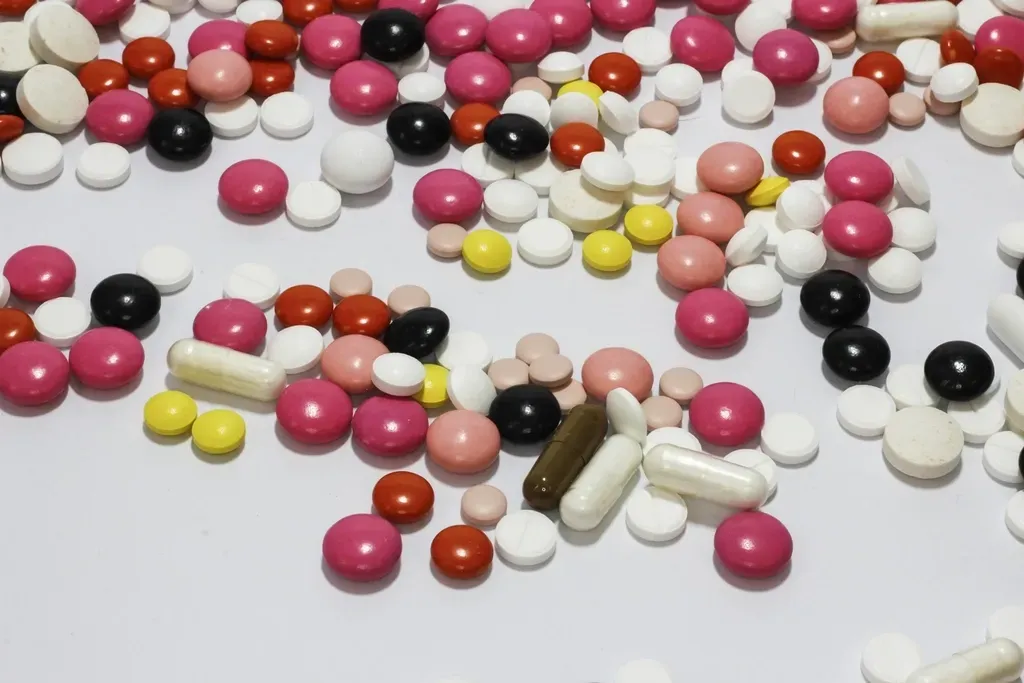
Millions of people take St. John’s Wort hoping for a natural mood boost. It’s sold freely on pharmacy shelves, labeled as mild, herbal, and safe. But mix it with a prescription antidepressant and you’re playing a potentially lethal game.
St. John’s Wort increases levels of serotonin, dopamine, and norepinephrine via reuptake inhibition, similar to the action of SSRIs. Combining it with SSRIs can dangerously elevate serotonin levels, potentially leading to serotonin syndrome, a serious and potentially life-threatening condition. Think of it like flooding an engine with too much fuel. The system simply can’t handle it.
Combining St. John’s Wort with certain antidepressants can lead to a potentially life-threatening increase of serotonin. Symptoms occur within minutes to hours, and may include agitation, diarrhea, fast heartbeat, high blood pressure, hallucinations, and increased body temperature. Those symptoms can escalate fast.
St. John’s Wort significantly affects drug metabolism by inducing the Cytochrome P450 enzyme system, particularly the CYP3A4 enzyme. This interaction can alter the metabolism of various medications, including oral contraceptives, cancer drugs, HIV antiretrovirals, and antidepressants. The scope of its interference is truly wider than most people realize. A 2025 review published in European Psychiatry underscored that the literature highlights the critical need to screen patients who may have added St. John’s Wort into their treatment regimen, especially when taking SSRIs.
2. Turmeric + Black Pepper: Liver Trouble in a Wellness Package
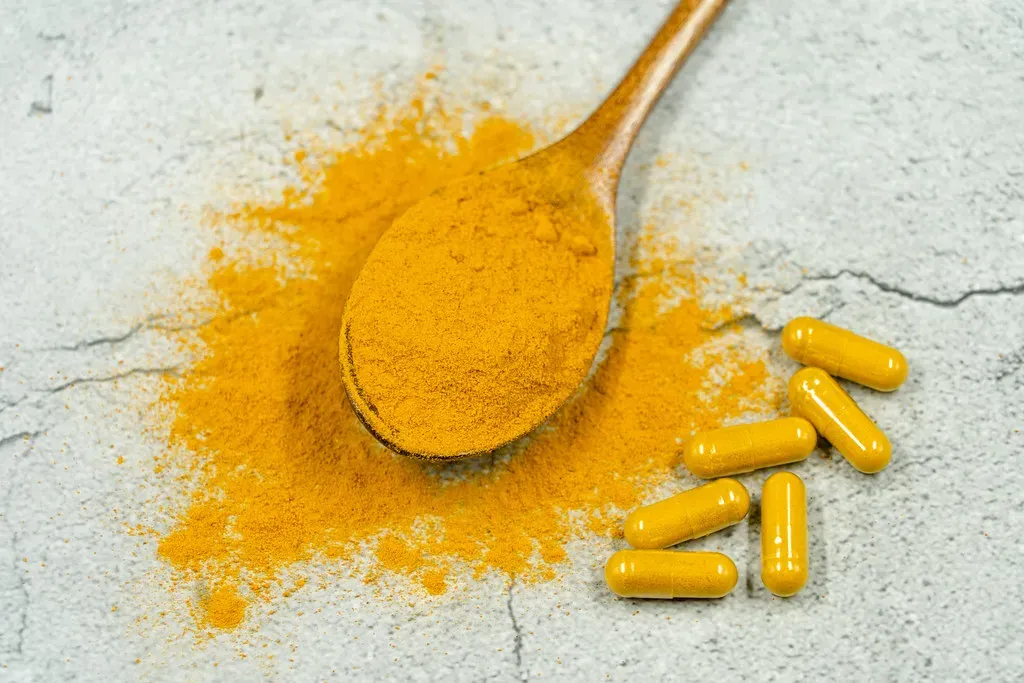
This one really surprises people. Turmeric and black pepper are practically a wellness power couple at this point. Every influencer, every health blog promotes the pair. The problem is that the combination works almost too well at boosting absorption.
Unlike the turmeric you cook with, supplements are ultra-concentrated and provide very high doses. Combined with black pepper, this can overwhelm the liver. In rare cases, turmeric supplements can cause liver injury or failure. That’s not a minor inconvenience. Liver injury is serious, and it can sneak up on you over weeks of consistent use.
Turmeric supplements, touted as an anti-cancer therapy, can cause bleeding, as well as estrogenic activity and CYP interactions, which are often implicated in drug-drug interactions. So the risks extend well beyond the liver alone. Doctors point out that this combination is particularly risky for anyone already taking blood thinners, diabetes medications, or going through cancer treatment.
The potential for a supplement to help or cause harm depends heavily on a person’s underlying health. People who have liver or kidney issues, are pregnant or breastfeeding, receiving chemotherapy, or take multiple prescription medications should be especially careful to avoid taking supplements unless directed by their doctor. Honestly, if that list describes you even a little, talk to someone before popping your next turmeric capsule.
3. Calcium + Iron: A Classic Absorption Battle
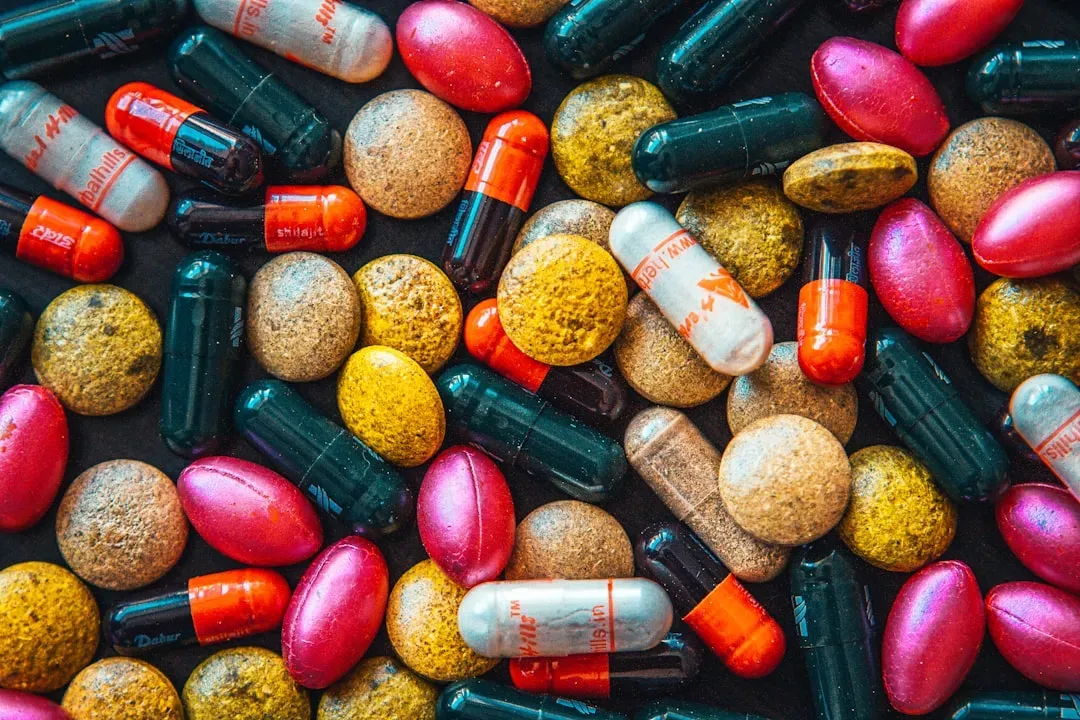
Here’s a mix that looks completely innocent on paper. Two widely recommended minerals. Surely taking them together just covers all your bases, right? Not quite. These two compete fiercely inside your body, and one almost always wins at the other’s expense.
Most minerals are absorbed in the small intestine via shared transporters, which creates competition. Calcium and iron compete for uptake through divalent metal transporter-1 (DMT1), while high zinc intake reduces copper absorption by stimulating metallothionein, a protein that preferentially binds copper. Think of those transporters like a single checkout lane at a busy grocery store. Both shoppers want through, but only one can go at a time.
Calcium is able to inhibit the divalent metal transporter 1 (DMT1) in a dose-dependent manner to reduce iron absorption. This is a biochemical reality, not just a theory. The more calcium you throw in at the same time, the more you undercut your iron levels. For women with iron deficiency anemia, this combination could actively be making their condition worse without them ever knowing why.
Calcium inhibits non-heme iron absorption. Avoid taking calcium supplements or dairy products simultaneously with iron supplements. The fix is actually quite simple: space them out. Take them at different times of day rather than together. Take calcium with food, but separate from iron, magnesium, and zinc. Take iron on an empty stomach or with vitamin C rich foods, also separate from calcium, magnesium, and zinc.
4. High-Dose Zinc + Copper: Robbing Peter to Pay Paul
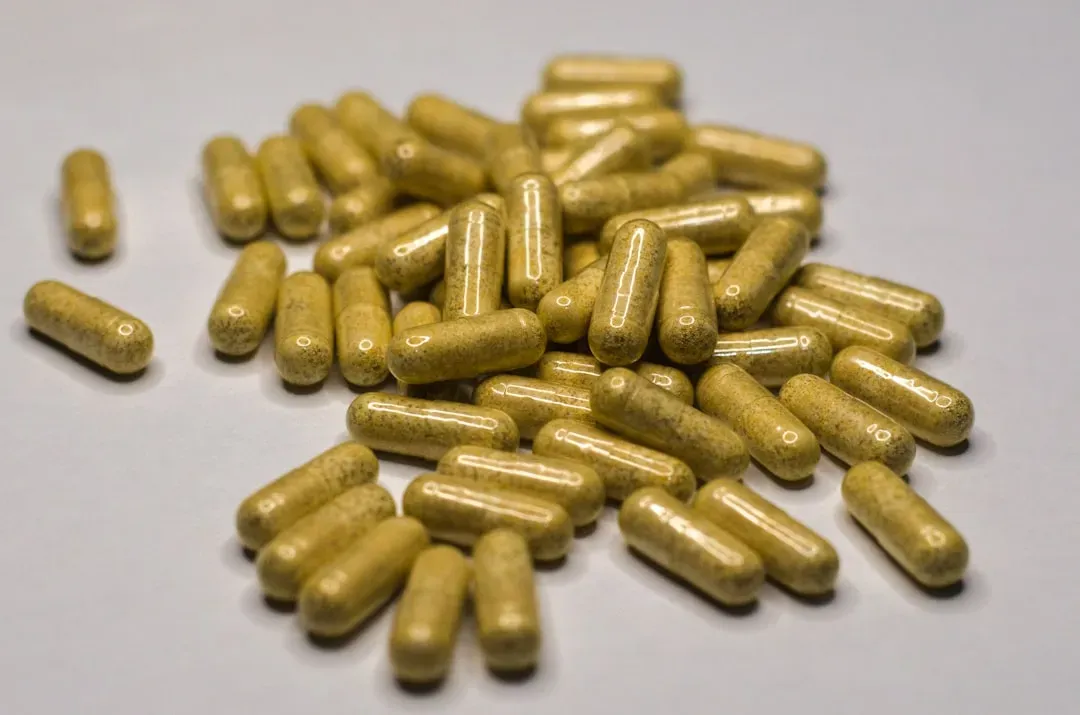
Zinc exploded in popularity after the pandemic years, and it never really left. Immune support, wound healing, hormone function. People now take zinc in doses that would have seemed extreme a decade ago. The problem is that high-dose zinc has a hidden victim: copper.
Zinc and copper share a transporter in the gut, so if you take too much zinc, it locks copper absorption. This has been shown in many clinical and laboratory studies. Research found that taking 50 mg of zinc daily for over 10 weeks reduced copper levels in the blood. It even led to signs of copper deficiency in some participants, like anemia and low white blood cell counts.
Excess zinc supplementation above 40 mg per day can cause copper deficiency, leading to anemia and neurological issues. That’s not a fringe concern. That’s a well-documented clinical outcome. Neurological symptoms from copper deficiency can mimic other conditions, making it notoriously hard to trace back to a supplement nobody thinks of as dangerous.
High-dose zinc at 50 mg per day or more can impair copper absorption; therefore, long-term zinc supplementation may require additional copper to prevent its deficiency. It’s hard to say for sure how many people walking around with unexplained fatigue or low white blood cell counts have inadvertently caused it themselves with a zinc supplement. The number is probably not small.
5. Vitamin D + Calcium Without Vitamin K2: Building Bones, Clogging Arteries?
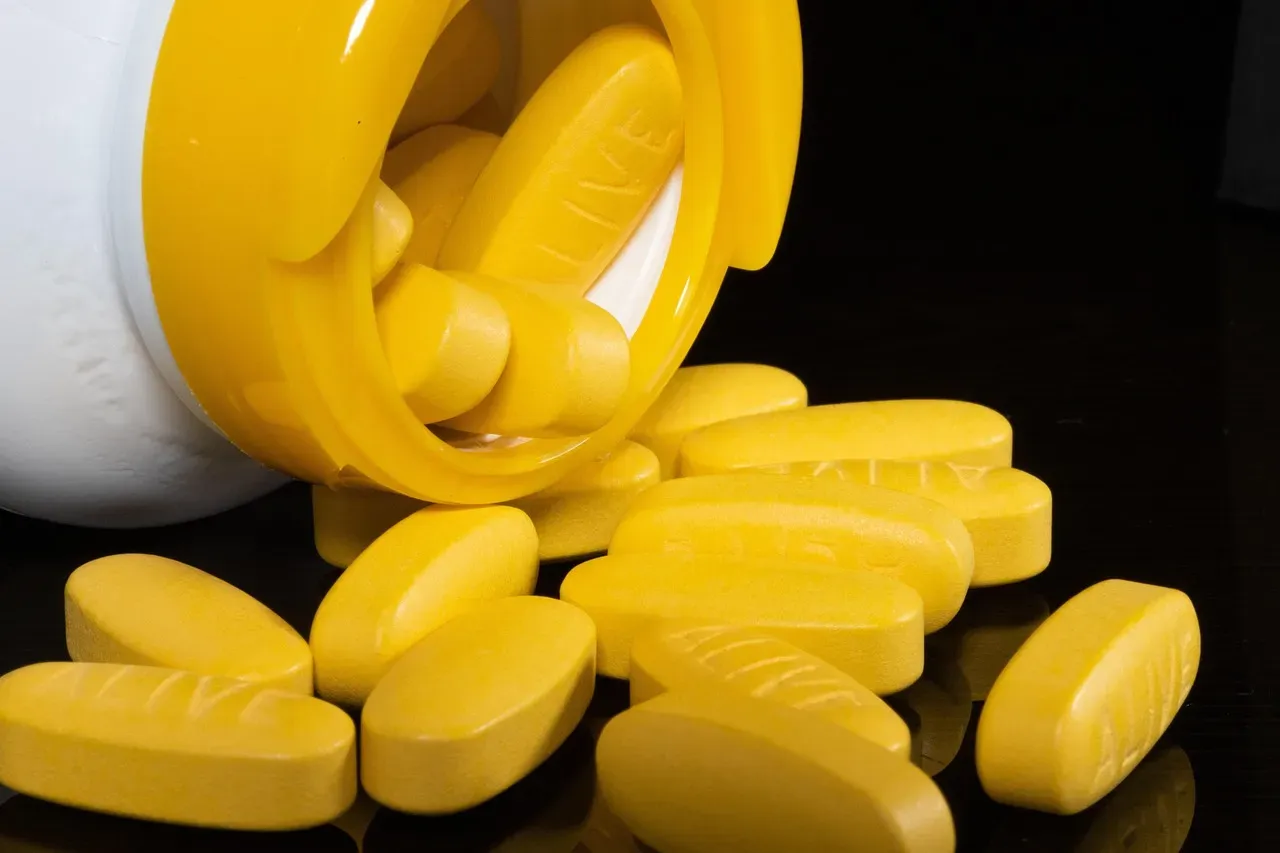
This is the combination that has doctors most concerned right now, especially as high-dose vitamin D supplementation has become almost trendy. Vitamin D and calcium are routinely recommended together for bone health. It sounds completely logical. The calcium needs somewhere to go, though, and without the right co-factor, it doesn’t always end up where you want it.
Vitamin D helps your body absorb calcium from food and supplements, which is important for bone health. Vitamin K, especially K2, plays a role by activating proteins that direct calcium into your bones and teeth instead of building up in your arteries. Recent findings suggest that taking vitamin D without enough K2 might lead to vascular calcification, especially for those already taking calcium supplements. While vitamin D helps raise calcium levels in the blood, vitamin K2 makes sure that calcium goes to your bones and teeth, instead of building up in your arteries.
Too much vitamin D may increase the risk of fractures, and other compounds can build up and pose additional health risks. Stanford Medicine experts further noted in December 2025 that higher doses of nutrients don’t necessarily lead to better results and can sometimes backfire. More of a good thing is not always more of a good thing. Sometimes it’s just more of a problem.
Vitamins A, D, E, and K are all fat-soluble vitamins, which means taking them together can reduce absorption, similar to combining minerals. The interaction web is more tangled than most supplement labels will ever admit. Meanwhile, the FDA is considering a rule change that would cut back on how often dietary supplement warnings must appear on packaging, a move experts say could make them easier to miss. That direction of policy change makes conversations like this one even more urgent.
The Bigger Picture: Why Supplement Safety Gets Overlooked
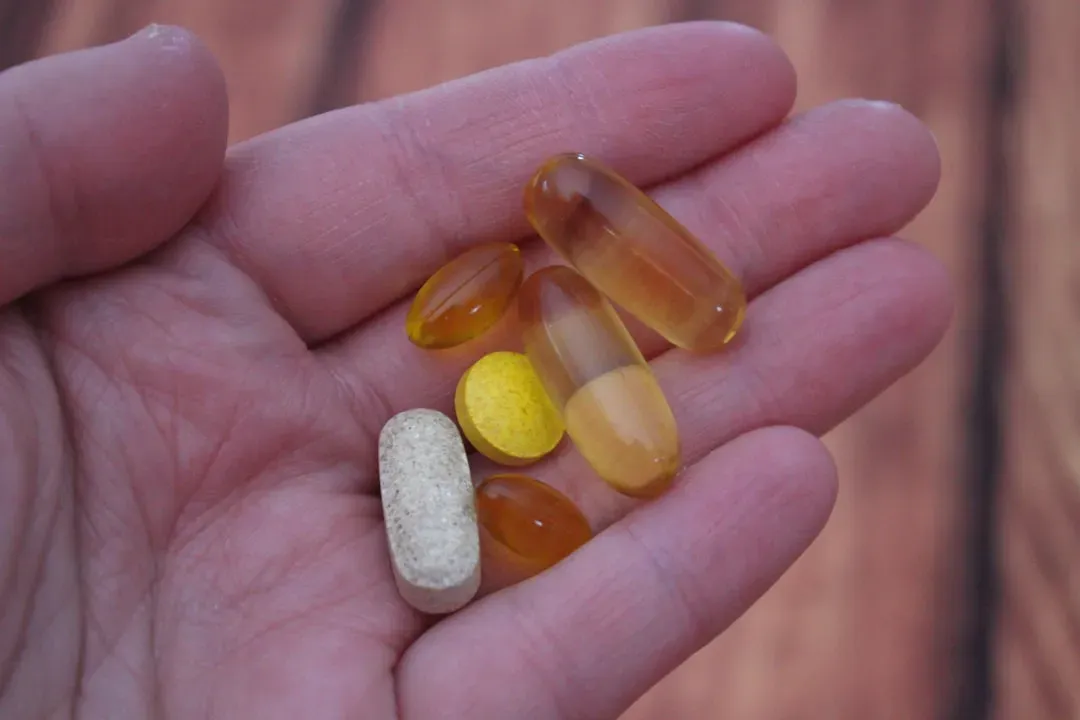
Let’s be real: most people who take supplements genuinely believe they’re doing something good for their health. That belief isn’t wrong. The intent is right. The knowledge gap, however, is dangerous.
Although there is a widespread public perception that herbs and botanical products in dietary supplements are safe, research has demonstrated that these products carry the same dangers as other pharmacologically active compounds. Natural does not mean harmless. Arsenic is natural. Poison ivy is natural. The word means almost nothing when it comes to biological activity inside the human body.
Unlike prescription drugs, the FDA doesn’t review dietary supplements for safety and effectiveness before they hit the market. This is the core problem. Supplement companies don’t have to prove safety before selling. The FDA has to prove danger after problems emerge. It’s backwards compared to how pharmaceuticals get approved, but that’s the law.
What makes some supplements dangerous is the fact that most people think they cannot hurt and are always safe, so the suspicion is that a large amount of patients do not mention them to their doctor. That silence is where harm quietly grows. If your doctor doesn’t know what you’re taking, they can’t protect you from the interaction they’d immediately spot on a prescription review. The simplest thing you can do today? Make a list, and bring it to your next appointment.
What mix are you currently taking that you haven’t mentioned to your doctor? It might be worth a quick conversation.