
We are living in the age of sugar guilt. It’s everywhere – in your morning coffee, your yogurt, your “healthy” granola bar. The World Health Organization warns against it. Your doctor probably mentioned it. And the food industry? It has been racing to offer alternatives faster than most of us can keep up with.
The shelves are now crowded with stevia, monk fruit, erythritol, maple syrup, allulose, and a dozen other options all promising a sweeter life with fewer consequences. But here’s the thing: not all of them live up to the promise. Some are genuinely better choices. Others carry risks that the marketing absolutely will not tell you about. Let’s dive in.
Table of Contents
Why Sugar Alternatives Even Matter
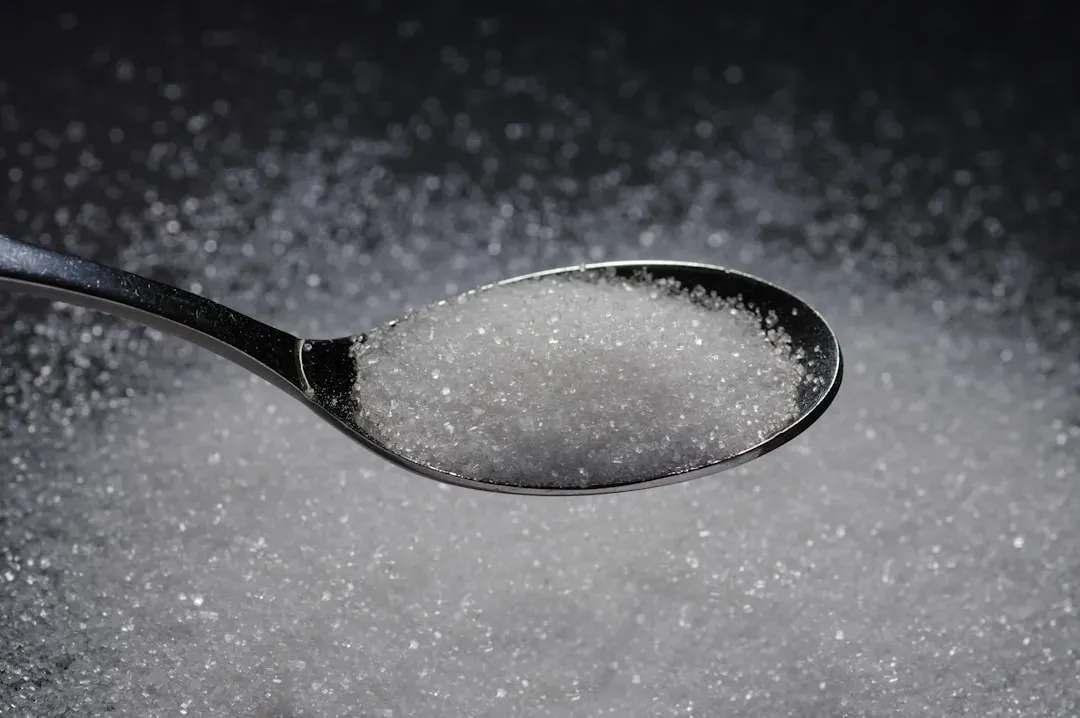
Let’s start with the obvious. The average person consumes nearly 17 teaspoons of added sugar daily, far exceeding the recommended limit. This excessive intake contributes to obesity, diabetes, and other metabolic disorders, making sugar reduction a critical global health concern. That’s a staggering number when you sit with it – nearly three times what most guidelines suggest.
Added sugar can play a part in weight gain, and it may also raise your risk of serious health problems, such as diabetes and heart disease. So the drive toward alternatives isn’t just a wellness trend. It’s rooted in a genuine public health crisis. While sugar alternatives promise reduced calorie intake, their long-term impact on health remains a topic of debate, and understanding their role in weight management, metabolic health, insulin regulation, and dietary trends is essential for making informed choices.
Stevia: The Plant-Based Frontrunner
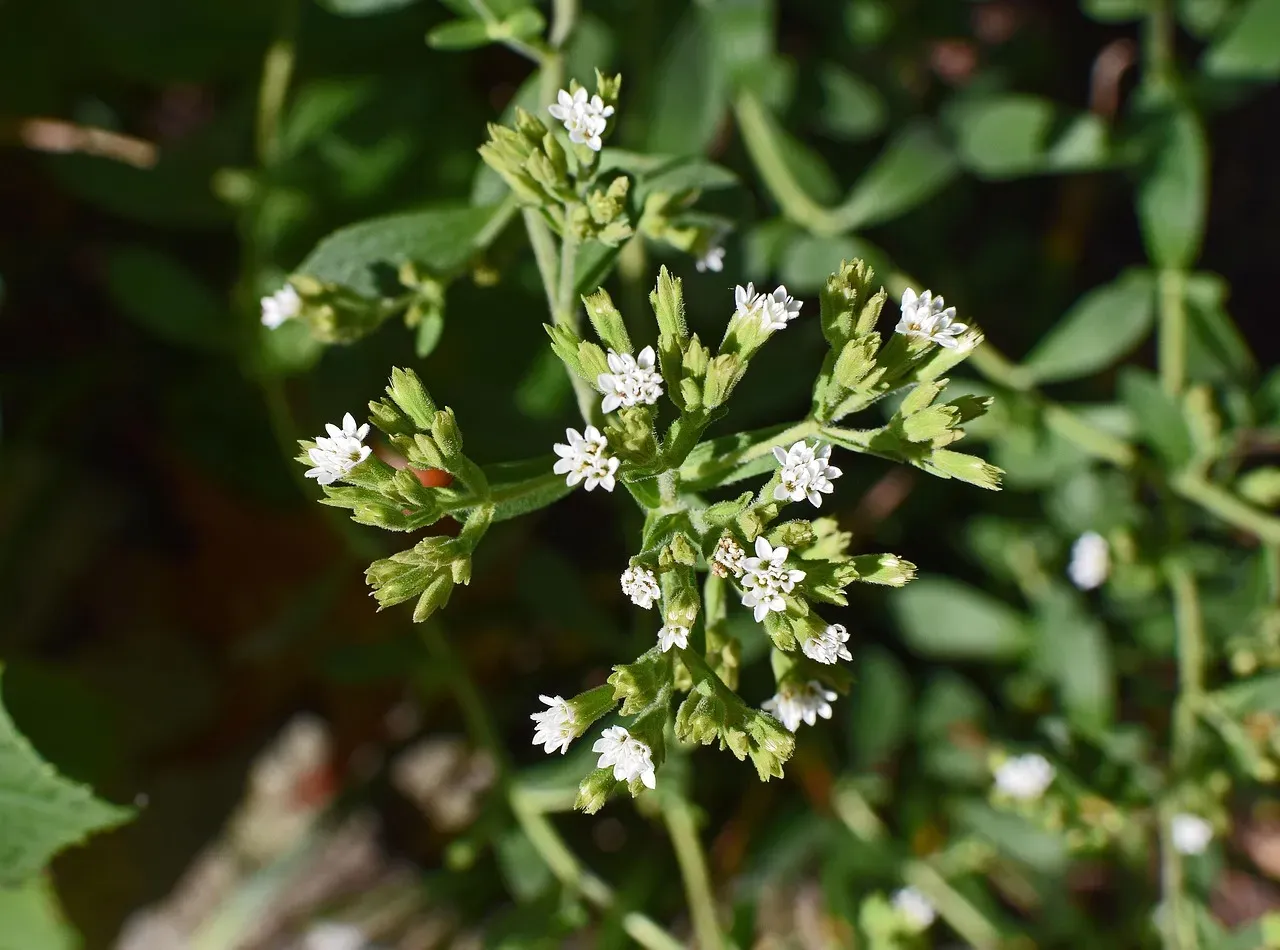
Stevia is often the first name people bring up – and for good reason. Stevia is a sugar substitute made from the leaves of the Stevia rebaudiana plant of South America. The leaves contain chemicals called steviol glycosides that have a highly concentrated sweet flavor, and stevia is about 200 to 400 times sweeter than table sugar while being a non-nutritive sweetener with no carbohydrates, calories, or artificial ingredients.
Recent research has been largely reassuring about its gut impact. A 2024 study found that stevia did not cause any large-scale changes in gut microbiota diversity compared to the control group, and a 2025 study confirmed such findings by showing that stevia intake has a minimal, nearly neutral effect on gut microbiota composition. Any visible effect it had on the gut was actually a positive one, with stevia showing promise as a prebiotic that may promote beneficial bacteria like Lactobacillus and Bifidobacterium. That’s genuinely good news. Still, stevia is not entirely without nuance. There is some concern that it can trigger hormone disruption, referring to a study from 2016, though health researchers continue to look into this claim. Moderation, as always, remains the sensible approach.
Monk Fruit: The Ancient Sweetener With Modern Promise
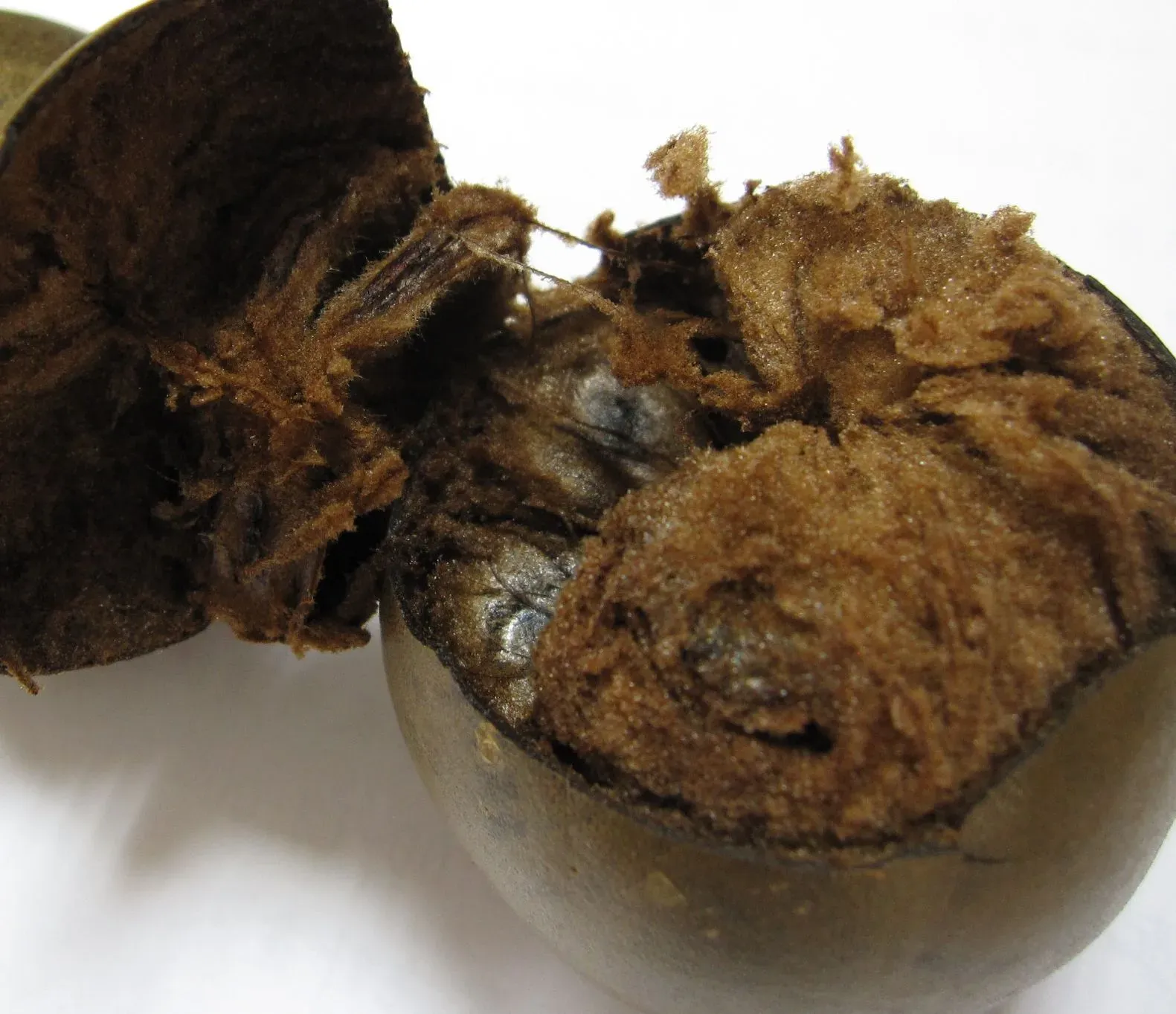
Monk fruit is having a genuine moment right now, and honestly, the science behind it is fascinating. Monk fruit sweetener is extracted from monk fruit, also known as luo han guo or “Buddha fruit,” a small, round fruit grown in Southeast Asia. It gets its intense sweetness from unique antioxidants called mogrosides, and this fruit has been used for centuries in traditional Chinese medicine while now holding FDA approval for use as a sweetener.
Several clinical trials have shown that monk fruit extract has a positive effect on glucose homeostasis and insulin response. A study by Tey et al. showed that monk fruit extract consumption led to an 18% reduction in glucose AUC and a 22% reduction in insulin AUC compared to sucrose. Additionally, Wu et al. in 2024 reported that monk fruit extract supplementation led to a notable reduction in inflammatory cytokines compared to placebo, emphasizing its potential in mitigating chronic inflammation. Monk fruit has received the “generally recognized as safe” designation from the FDA and has no reported side effects. One thing worth knowing: many products combine other sweeteners with monk fruit extract, even if labeled “pure monk fruit,” with some containing erythritol – a sugar alcohol that can cause bloating and may be linked to heart attack and stroke. Always check the label.
Erythritol: The Hidden Risk in “Healthy” Products
Here’s where things get uncomfortable. Erythritol has been marketed aggressively as a safe, keto-friendly sugar alcohol. First approved by the FDA in 2001, erythritol is a sugar alcohol often produced by fermenting corn, has almost no calories, is about 80% as sweet as table sugar, and has negligible impact on insulin levels, making it a favorite for people trying to lose weight or avoid carbohydrates. Sounds ideal, right?
The newer research tells a different story. Researchers treated human cells lining blood vessels in the brain for three hours with about the same amount of erythritol contained in a typical sugar-free beverage, and observed that the treated cells expressed significantly less nitric oxide – a molecule that relaxes and widens blood vessels – and more endothelin-1, a protein that constricts blood vessels. Previous research has also shown that as little as 30 grams of erythritol – about as much as you’d find in a pint of sugar-free ice cream – can cause platelets to clump together, potentially forming clots. A 2025 study published in the Journal of Applied Physiology confirmed these alarming findings. Cleveland Clinic researchers released updated findings showing how erythritol can put some individuals at risk for cardiovascular events such as a heart attack or stroke. I think this is one of the most important nutrition warnings of recent years, and yet most people have absolutely no idea.
Honey and Maple Syrup: Natural, But Not a Free Pass
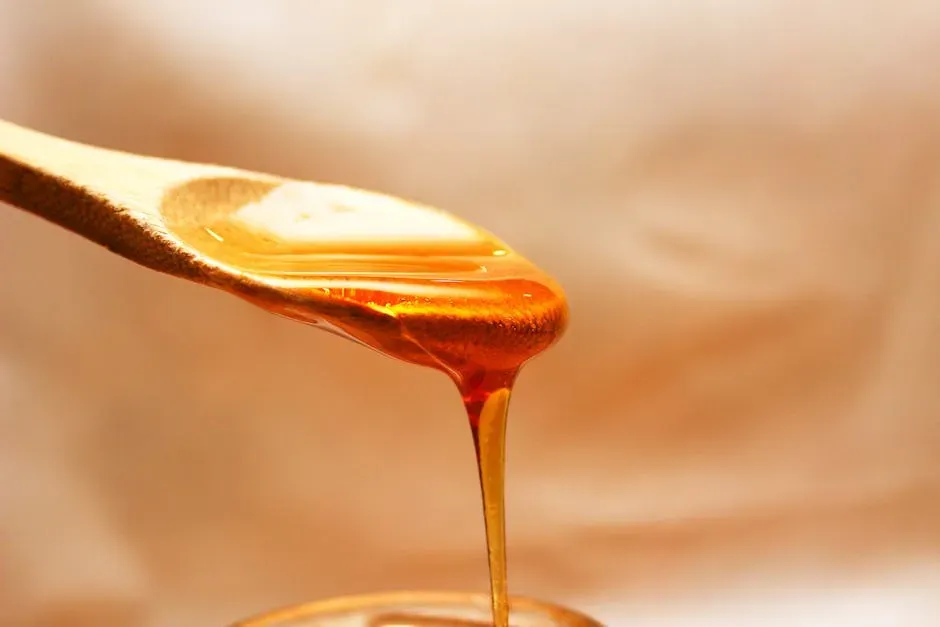
Both honey and maple syrup carry a wholesome, natural image – and unlike artificial alternatives, they do bring some actual nutritional value to the table. Honey and maple syrup are less processed than sugar, so they do contain additional vitamins and minerals, some of which have been associated with antioxidant effects. Maple syrup includes around 65 types of antioxidants including polyphenols, which help minimize oxidative stress connected to inflammation, aging, and chronic diseases, and it is rich in manganese, zinc, and calcium.
However, the honest truth is this: both honey and maple syrup have a glycemic index around 50, which is lower than table sugar, with maple syrup sitting at about 54 and honey at around 58. However, that four-point difference is not that much. All added sugars can play a role in the development of atherosclerosis, hypertension, coronary artery disease, and heart failure, so honey and maple syrup should still be consumed in moderation. They are better than refined white sugar, but they are not a workaround. Think of them as a smarter choice, not a consequence-free one.
Tagatose and Allulose: The Next Generation of Sugar Alternatives
It’s hard to say for sure which newer sweeteners will stand the test of time, but tagatose is generating some serious excitement in research circles right now. Researchers at Tufts University report progress toward that goal, describing in a study published in Cell Reports Physical Science a new biosynthetic method for producing tagatose – a naturally occurring but very rare sugar. Tagatose closely resembles table sugar in taste and could offer a way to sweeten foods with fewer negative effects, with scientists saying it may also come with additional health benefits.
Tagatose may also support oral health. Unlike sucrose, which feeds bacteria that contribute to cavities, tagatose appears to slow the growth of some of those microbes, and research also suggests it may have probiotic effects that support healthier bacteria in both the mouth and the gut. Remarkably, in a 2025 study tracking nearly 12,800 adults over eight years, tagatose was the only sweetener that could not be linked with cognitive decline – a finding that sets it apart from almost every other alternative on the market today. Because it is low in calories and poorly absorbed by the body, tagatose also functions well as a “bulk sweetener,” meaning it can replace sugar not only for sweetness but also for the physical structure sugar provides in cooking and baking – something high-intensity sweeteners cannot replicate. Research is still ongoing, and availability remains limited, but tagatose may well be the most promising sugar alternative of the decade.
What the Science Really Tells Us in 2026

Stepping back and looking at the whole picture, a clear hierarchy is starting to emerge. Not all sugar substitutes are the same – while aspartame and sucralose have been linked to changes in gut bacteria, sweeteners like stevia and monk fruit appear to have fewer metabolic effects. Meanwhile, erythritol and xylitol are drawing serious red flags from cardiovascular researchers. People who consume high amounts of low- and no-calorie sugar substitutes appear to experience faster declines in thinking and memory skills, according to research published in the journal Neurology in September 2025.
Some research on long-term, daily use of artificial sweeteners suggests a link to a higher risk of stroke, heart disease, and death overall. That’s not a small caveat. It’s a fundamental challenge to the idea that zero-calorie always means zero consequence. Scientific consensus remains mixed, and further long-term studies are needed to clarify the metabolic effects of sugar alternatives. The safest bet right now? Stevia and monk fruit in moderation, a little real honey or maple syrup when you want something more natural, and a healthy dose of skepticism toward anything labeled “sugar-free” that doesn’t tell you exactly what’s in it. Your body is smarter than the marketing – trust it.
Which sugar alternative have you been using, and did any of this change your mind? Share your thoughts in the comments below.