
We are living through a genuine sugar reckoning. The average person consumes nearly 17 teaspoons of added sugar daily, far exceeding recommended limits, and this excessive intake contributes to obesity, diabetes, and other metabolic disorders. The shelves of any grocery store now overflow with sweetener options promising a healthier life without sacrificing taste. Stevia packets, monk fruit drops, erythritol bags, honey jars, and maple syrup bottles all compete for your attention and your trust.
Honestly, not all of them deserve it. The science behind sugar alternatives is moving fast, and some of the most popular ones are turning out to be far more complicated than their marketing suggests. Some alternatives genuinely hold up under scrutiny. Others are wolves in sheep’s clothing. Let’s dive in and find out which is which.
Table of Contents
The Bitter Truth About Added Sugar (And Why We Keep Reaching for Alternatives)

Let’s be real: quitting sugar cold turkey is not realistic for most people. Too much added sugar can lead to health problems including high blood sugar, insulin resistance, metabolic syndrome, dental issues such as cavities, increased triglycerides, obesity, and type 2 diabetes. That is a sobering list. No wonder people go looking for something better.
Added sugar can play a part in weight gain. It also may raise the risk of serious health problems, such as diabetes and heart disease. The instinct to find a replacement is completely reasonable. With governments imposing sugar taxes and public health campaigns advocating for healthier diets, alternatives like low- and no-calorie sweeteners have gained significant prominence.
While these sweeteners promise reduced calorie intake, their long-term impact on health remains a topic of debate, and understanding their role in weight management, metabolic health, insulin regulation, and global dietary trends is essential for making informed dietary choices. That debate is what this article is really about.
Stevia: The Plant-Based Frontrunner
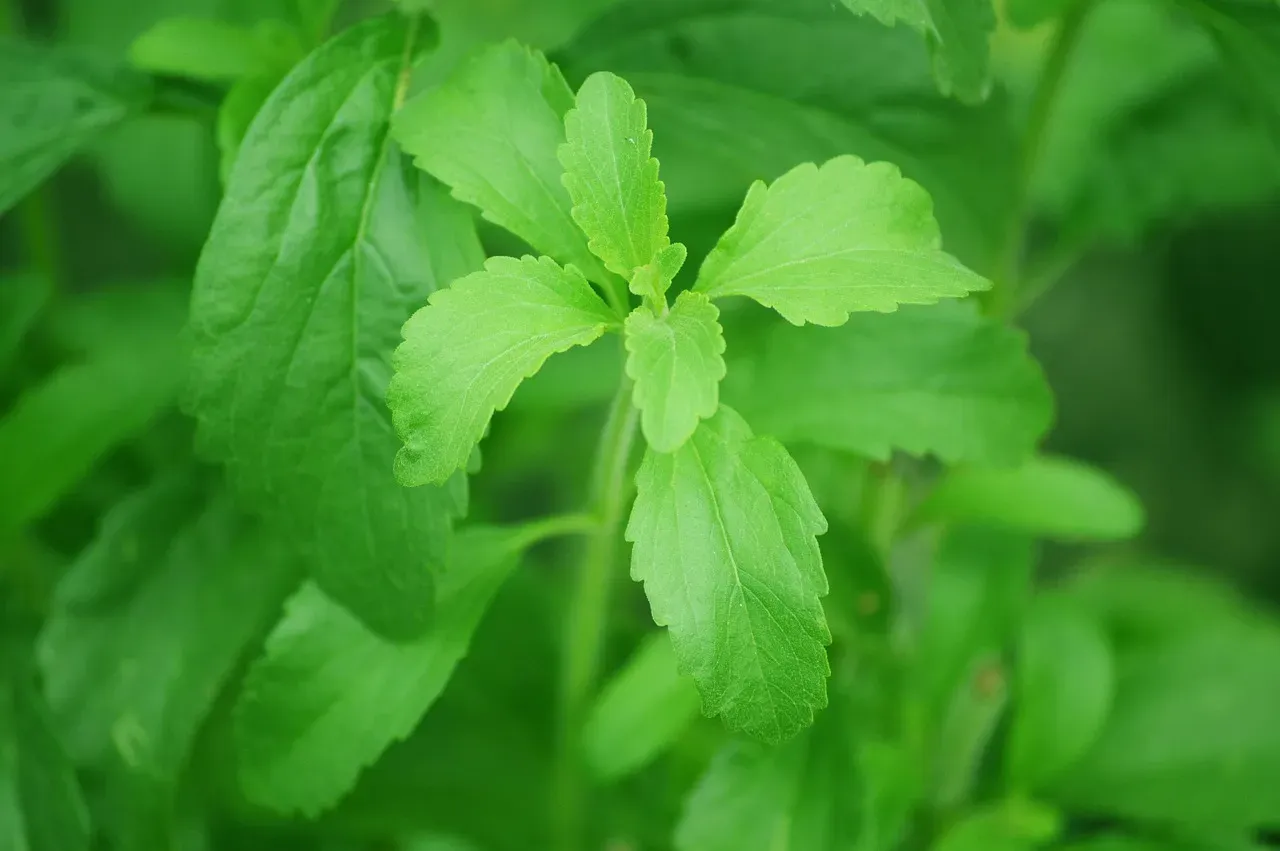
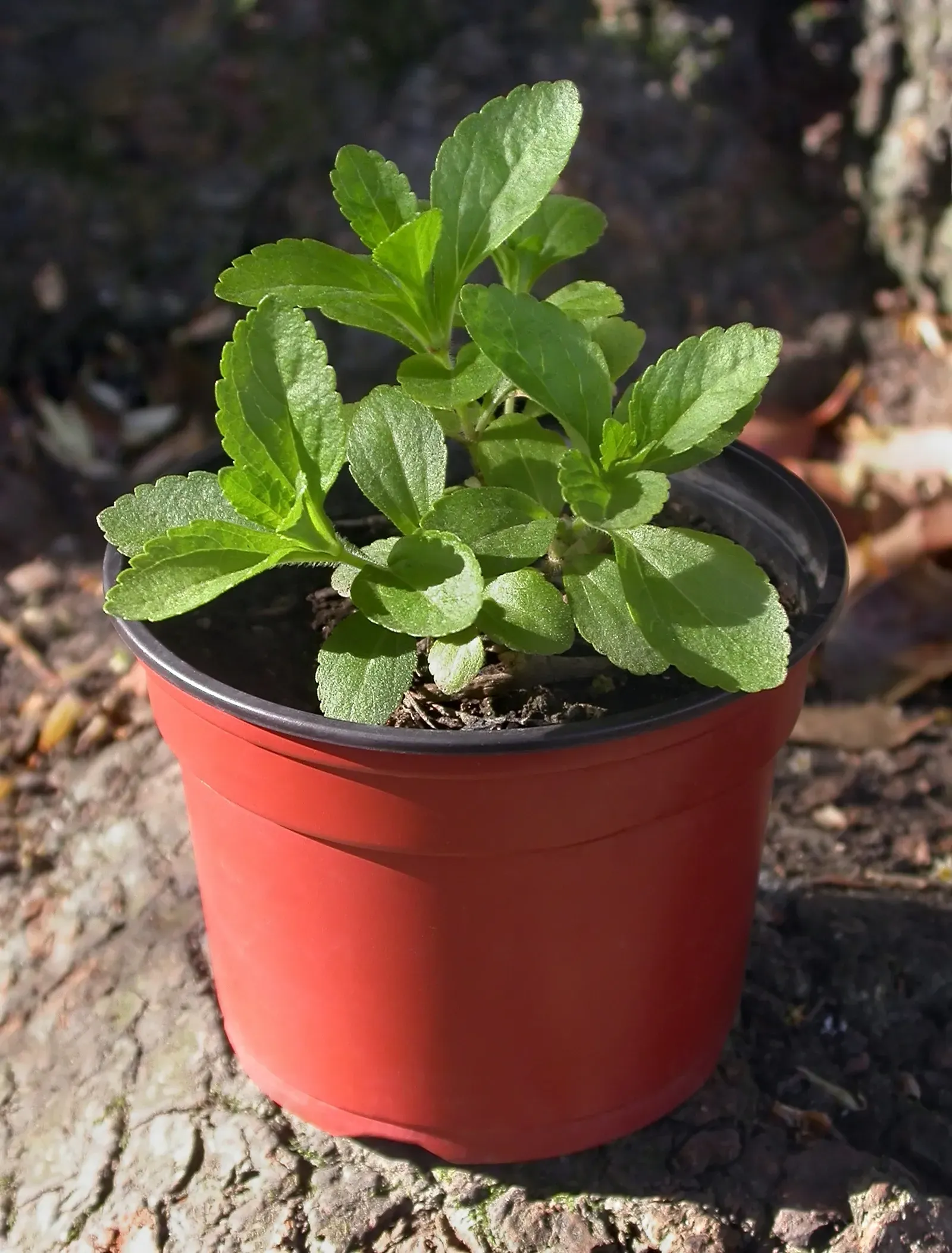
If there is one sugar alternative that has consistently survived scientific scrutiny with its reputation intact, it is stevia. Stevia is a no-calorie, sweet, natural alternative to sugar and artificial sweeteners for coffee, tea, and recipes. As an herb, it is generally considered safe.
Various studies have highlighted promising health benefits of stevia against diabetes, obesity, hypertension, cancer, dental caries, oxidative stress, and microbial infections. That is a genuinely impressive résumé for something you can drop into your morning tea. Stevia reduces oxidative stress, lowering the risk of diabetes, and its leaves have been used to control and treat diabetes and a variety of other metabolic diseases.
A 2024 study found that it is unlikely stevia harms gut health, at least during a 12-week study period. However, that does not rule out common side effects like nausea or bloating. The FDA indicates that you would need to consume about 27 packets of stevia each day to hit the Acceptable Daily Intake. With a sweetness intensity of up to 400 times more than sugar, that is a significant amount of stevia. Moderation is still the key, as with everything in nutrition.
Monk Fruit: The Ancient Remedy Gaining Modern Science
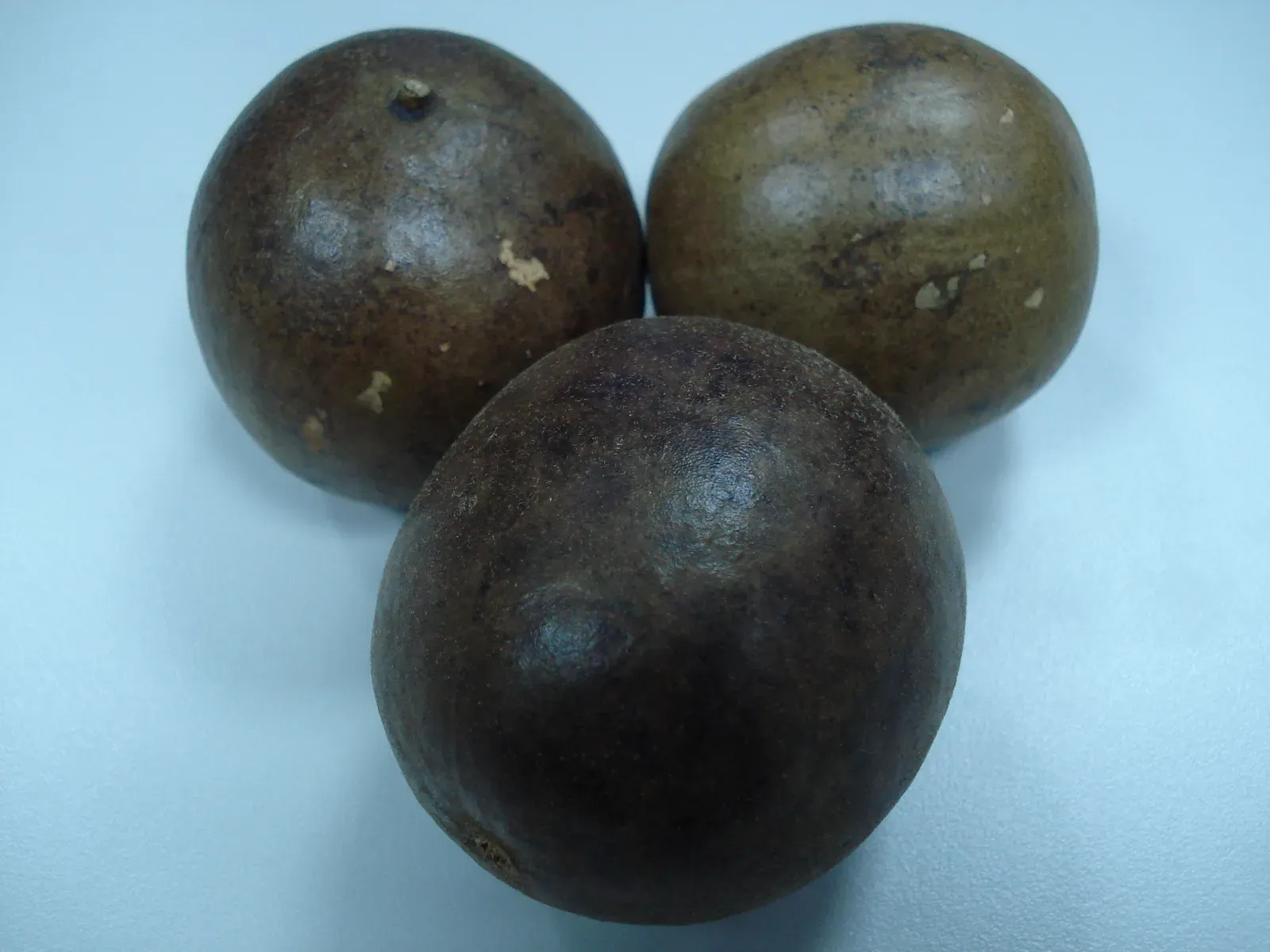
Monk fruit is the newer kid on the block in Western markets, but it has been used in traditional Chinese medicine for centuries. Monk fruit sweetener is extracted from monk fruit, also known as luo han guo or “Buddha fruit,” a small, round fruit grown in Southeast Asia. It gets its intense sweetness from unique antioxidants called mogrosides.
Several clinical trials have shown that monk fruit extract has a positive effect on glucose homeostasis and insulin response. More specifically, a 2024 study showed that monk fruit extract consumption was linked to significant enhancement in glucose variability and insulin sensitivity, suggesting its potential in diabetes management and glycemic control.
Scientists are taking a closer look at monk fruit and discovering it is more than just a sugar substitute. New research published in early 2026 shows its peel and pulp contain a rich mix of antioxidants and bioactive compounds that may support health. There is one practical catch though: many products combine other sweeteners with monk fruit extract, even if the product is called “pure monk fruit,” and some contain erythritol, a sugar alcohol that can cause bloating or stomach upset in some people. Always read the label.
Erythritol: The Keto Darling With a Dark Side
Here is the thing: erythritol has been one of the most hyped sugar alternatives of the past decade. It is everywhere in keto products, protein bars, and sugar-free ice cream. First approved by the FDA in 2001, erythritol is a sugar alcohol often produced by fermenting corn. It has almost no calories, is about 80% as sweet as table sugar, and has negligible impact on insulin levels, making it a favorite for people trying to lose weight or avoid carbohydrates.
The problem? Recent research has raised some serious red flags. Researchers treated human cells that line blood vessels in the brain with roughly the same amount of erythritol contained in a typical sugar-free beverage. They observed that the treated cells expressed significantly less nitric oxide, a molecule that relaxes and widens blood vessels, and more endothelin-1, a protein that constricts blood vessels.
Previous research has shown that as little as 30 grams of erythritol, about as much as you would find in a pint of sugar-free ice cream, can cause platelets to clump together, potentially forming clots. If your vessels are more constricted and your ability to break down blood clots is lowered, your risk of stroke goes up. This is not a small or obscure finding. Cleveland Clinic researchers have released updated findings showing how erythritol can put some individuals at risk for cardiovascular events, such as a heart attack or stroke. I think this one deserves far more public attention than it currently gets.
Honey and Maple Syrup: The “Natural” Sweeteners Under the Microscope
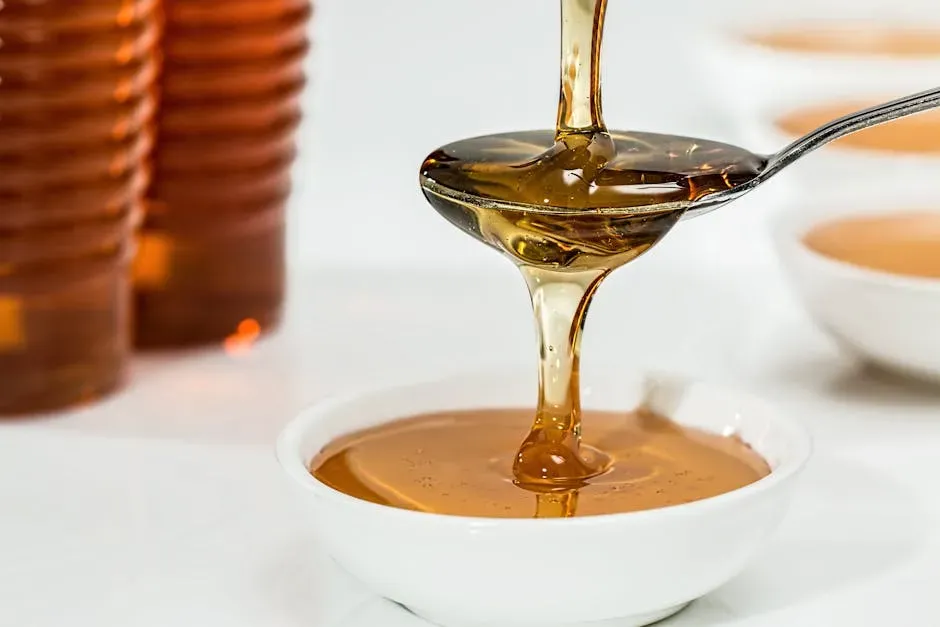
People love the idea that honey and maple syrup are fundamentally different from table sugar because they come from nature. And honestly, they do offer some advantages. But let’s not oversell it.
Both honey and maple syrup are made up of primarily sugar. They are still forms of added sugar that your body processes in largely the same way as the refined stuff. Honey and maple syrup are less processed than sugar, so they do contain additional vitamins and minerals, some of which have been associated with antioxidant effects. That is a real, if modest, distinction.
Honey has a glycemic index of 58, while regular sugar sits at 65, and maple syrup comes in at approximately 54, meaning it raises blood sugar levels somewhat more slowly. Honey also has some antimicrobial and antioxidant properties and has shown some promise in helping to heal topical injuries, like minor burns. Still, all added sugars can play a role in the development of atherosclerosis, hypertension, coronary artery disease, and heart failure, and therefore honey and maple syrup should be consumed in moderation. The “natural” label gives no one a free pass.
Artificial Sweeteners and the Brain: Alarming New Research

Perhaps the most unsettling recent development in the sweetener world involves cognitive health. A 2025 study published in the journal Neurology raised eyebrows across the scientific community. People who consume high amounts of low- and no-calorie sugar substitutes appear to experience faster declines in thinking and memory skills.
People who consumed moderate amounts of sugar substitutes had a brain decline roughly 35% faster than the lowest group, equivalent to about 1.3 years of additional aging. Individually, aspartame, saccharin, acesulfame-K, erythritol, sorbitol, and xylitol were all associated with a faster decline in overall cognition, particularly in memory.
People younger than 60 who consumed the highest amounts of sweeteners showed faster declines in language skills and overall brain power, while no link was found among people 60 or older. It is hard to say for sure whether these findings will hold up in larger populations and longer studies. People who use artificial sweeteners such as aspartame, acesulfame potassium, and sucralose may also have a higher risk of cardiovascular disease compared with people who avoid these products. Taken together, the weight of evidence is shifting. Thinking of these products as completely harmless is increasingly difficult to justify.
So Which Sugar Alternative Is
After looking at all the evidence, the clearest answer is: it depends on what you are comparing, and why. Not all sugar substitutes are the same. While aspartame and sucralose have been linked to changes in gut bacteria, sweeteners like stevia and monk fruit appear to have fewer metabolic effects.
Research indicates that low- and no-calorie sweeteners do not directly raise blood sugar levels. However, some studies suggest that long-term consumption may affect insulin sensitivity and glucose metabolism, warranting further investigation. If you must use a sweetener regularly, stevia and monk fruit currently have the most favorable safety profiles. If you absolutely must use a sweetener, consider a sugar substitute like stevia or try using a mixture of sugar and stevia.
For people who prefer something closer to traditional sweeteners, honey and maple syrup are excellent choices if you are looking for sweeteners with additional micronutrients and antioxidant properties. However, all sugars in excess are harmful to your health. The most honest takeaway from the current science is this: no sweetener is a health food. Think of the best ones as tools for reducing refined sugar intake, not as upgrades that come with their own benefits. Use less of all of them, and spend more time reaching for whole fruits, vegetables, and other naturally sweet whole foods instead.
What surprises you most, that artificial sweeteners may affect the brain, or that erythritol, once considered one of the safest options, is now linked to stroke risk? Share your thoughts in the comments.