
Everyone seems to have a different idea of what a “well-stocked kitchen” actually means. For some people, it’s a gleaming set of professional-grade pans hanging above a marble island. For others, it’s just having a decent knife and a pot that doesn’t wobble. Honestly, the truth is somewhere in between – and the real numbers might genuinely surprise you.
Whether you’re moving into your first apartment, upgrading an outdated setup, or wondering if your current kitchen is actually up to scratch, this breakdown cuts through the noise and gives you real figures from real sources. Let’s dive in.
Table of Contents
The True Cost of Cookware: Where Most Beginners Get It Wrong
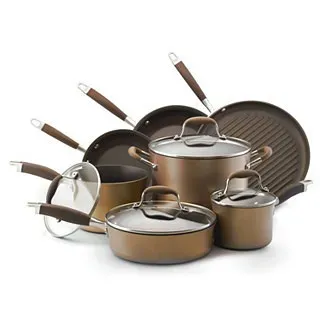
Here’s the thing about cookware: most people either wildly overspend or make the mistake of going too cheap. Buying cheap pans from a big-box store might feel smart upfront, but pans with thin construction can fail in as little as six months of regular use – spending a little more on quality will actually save you more money in the long run.
A starter cookware set that includes the most essential pots and pans can usually be bought for a couple hundred dollars. For those who want to move up from that entry level, you don’t have to spend top dollar to get a dependable cookware set you’ll find a pleasure to cook with. Solid mid-range options exist across every budget tier.
Consumer Reports has nearly 100 cookware sets in their ratings, and according to a nationally representative CR survey of over 2,000 U.S. adults conducted in April 2025, nonstick and stainless steel are the two most commonly used types of cookware. If you’re building a set piece by piece, you’ll want to start with the basics: a frying pan or two, a saucepan, and a Dutch oven.
Knives: The One Area Experts Say You Should Never Cheap Out On

Knives are the most significant area where quality makes a real difference in your results – you’ll want a steel chef’s knife with a decent weight, either a heavier German-style knife or a lighter Japanese-style santoku, but you’ll want to make sure it’s well balanced. Honestly, I think a lot of home cooks discover this lesson the hard way after ruining perfectly good vegetables with a dull, flimsy blade.
A high-quality chef’s knife like a Wusthof Classic runs around $150, which can feel steep when starting out – but Food and Wine’s review of chef knives names the Mercer Cutlery Renaissance as a solid budget pick at around $65. For a complete starter set, experts recommend an 8-inch chef’s knife, a 4.5-inch paring/utility knife, and an 8-inch serrated bread knife, plus kitchen scissors.
Functional cooking knives are available at all price points and for all budgets. The sweet spot for most home cooks is somewhere in the middle: not the absolute cheapest, but definitely not the professional-grade stuff either. Getting those three core knives covered is all most people ever really need.
Major Kitchen Appliances: The Biggest Budget Line Item
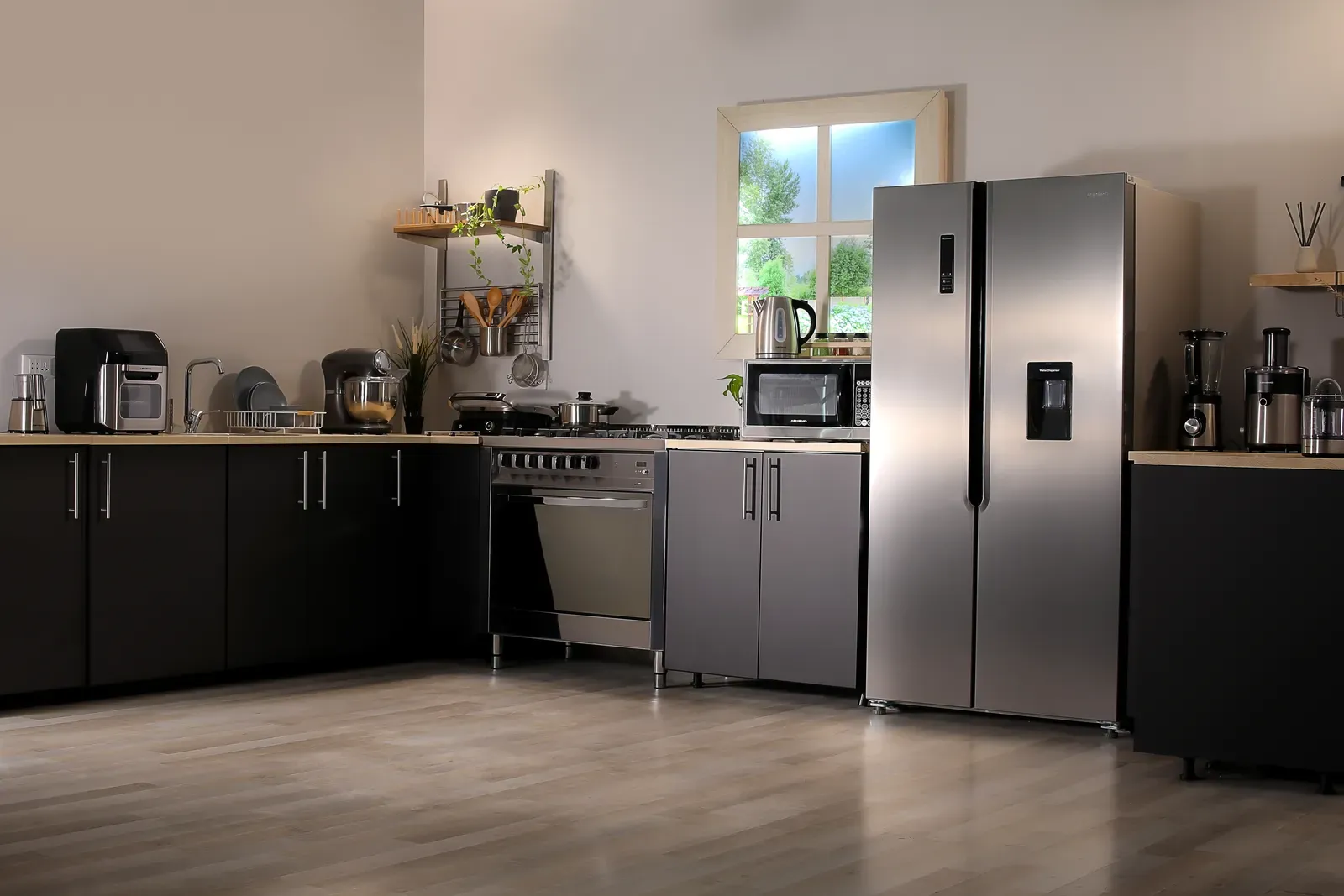
This is where the numbers start to climb in a real way. Replacing your major kitchen appliances – including your fridge, oven, dishwasher, and built-in microwave – typically falls between $2,500 and $15,000. If you want something that looks modern and performs well without going luxury, the picture is clearer now than it used to be.
In 2026, most stylish kitchen appliance packages land between $9,000 and $15,000, with the lower end of that range delivering strong performance and a high-end look, while the upper end adds premium finishes and extra features – still well under $30,000. That’s a meaningful budget anchor for anyone planning a kitchen from scratch.
Appliances and accessories make up the largest part of any kitchen furnishing budget – you need to factor in the cost of refrigerators, ovens, dishwashers, microwaves, and smaller gadgets, and accessories like cookware, utensils, and storage solutions also add up. It’s easy to underestimate those smaller line items until the receipt is sitting in front of you.
Cabinets and Storage: The Framework Everything Depends On
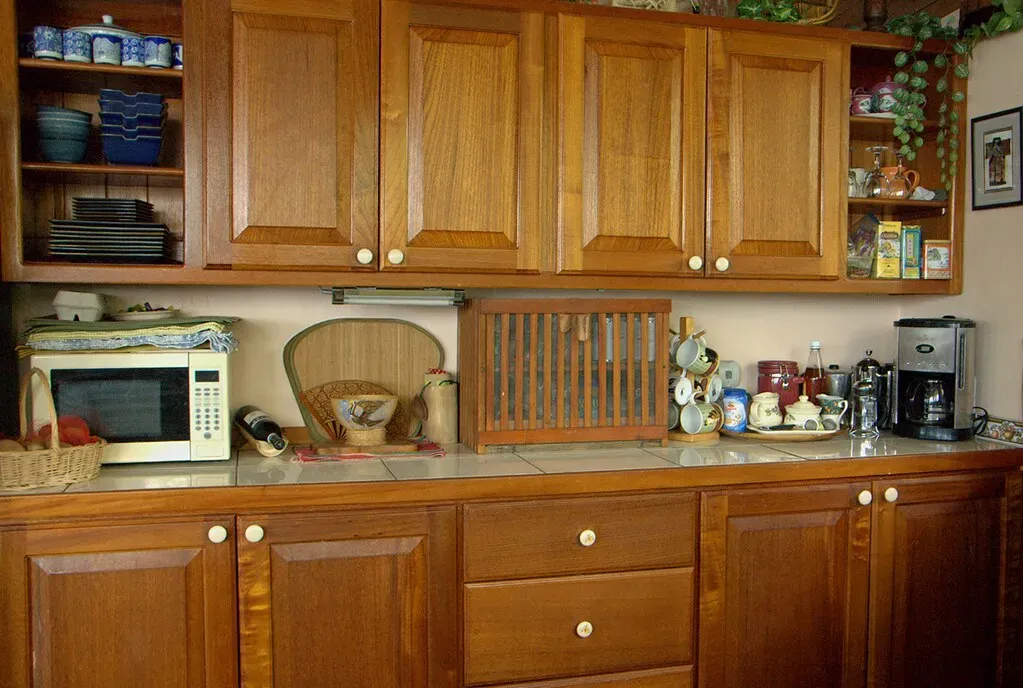
Storage is what makes a kitchen actually functional rather than just visual. Cabinets often make up the biggest single cost in a kitchen, ranging from $2,000 to $28,000 in total – and homeowners can choose between stock, semi-custom, or full-custom cabinets with pricing tied to materials, quality, and customization level. That range is genuinely enormous, which is why it trips so many people up.
Stock cabinets start around $100 per linear foot and offer the most affordable option with standard sizing and limited finishes, while semi-custom cabinets run between $200 and $500 per linear foot and offer flexible sizing, additional finishes, and stronger builds that meet a wider range of style and durability needs.
In most kitchen projects, cabinets can account for roughly 30 to 50 percent of the total budget. That is a staggering share when you think about it. If you’re working with a tight budget, sticking to stock or semi-custom lines, choosing simple styles like Shaker, and refacing instead of replacing if frames are still in good shape are all smart ways to keep costs in check.
Stocking the Pantry: The Cost Nobody Budgets For

Most kitchen budget guides completely skip the pantry, and that’s a major oversight. Having a stocked pantry is essential for anyone looking to save money and eat well – purchasing pantry staples in bulk or when they’re on sale can save a significant amount of money in the long run. Think of it as an upfront investment that keeps paying dividends every week.
Even as inflation cooled through 2025 and into early 2026, food prices haven’t exactly retreated. USDA forecasts continue to show gradual increases – particularly for fresh produce and everyday pantry staples – even if a few basics remain relatively steady on a cost-per-serving basis. That’s why pantry planning isn’t just a smart habit anymore; in 2026, it’s become a practical strategy for staying ahead of stubborn grocery bills.
Basic pantry staples are frequently used, usually fairly inexpensive, and have a long shelf life in the pantry, refrigerator, or freezer. Core essentials – grains, dried beans, pasta, oils, vinegars, canned goods, and basic spices – can get a kitchen fully operational for somewhere between $150 and $300 depending on your household size and buying habits. A strategically stocked pantry means you can shop sales instead of necessities, cook from scratch when packaged goods soar in price, and avoid costly last-minute takeout decisions.
The Real Total: What Experts Say You Should Actually Budget
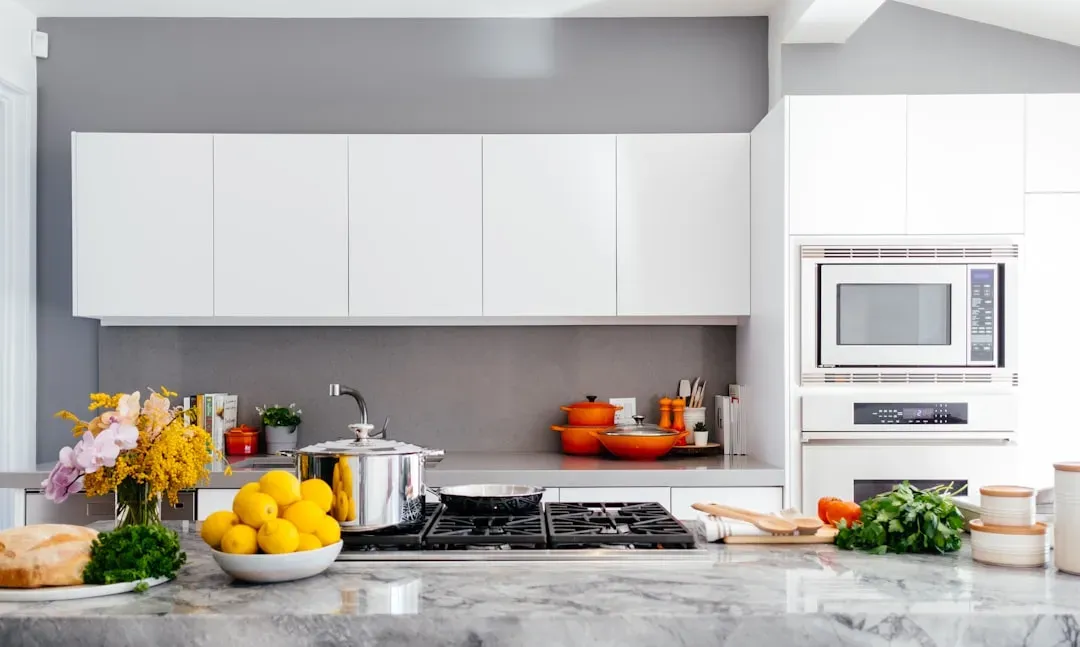
Let’s be real about what the full picture looks like. For a complete home kitchen setup – appliances, cookware, storage, knives, and pantry staples – the range is genuinely wide. As of 2026, remodeling or building out a kitchen remains a significant investment. Heading into 2026, kitchen remodeling costs remain firmly elevated. Industry estimates from late 2025 place average project totals between roughly $14,600 and $41,500, depending on scope. More modest updates – like replacing cabinets, upgrading appliances, or refreshing essential tools – generally run between $10,000 and $20,000. At the higher end, comprehensive renovations and structural overhauls can climb from $20,000 to $65,000 or more, particularly as labor rates and material prices continue to outpace pre-pandemic norms.
For those starting purely from the “equipment and tools” angle without a full renovation, high-quality cookware, knife sets, and storage containers can add between $1,000 and $5,000 to your total kitchen setup cost. That’s the more approachable number for someone moving into a new place who already has the appliances covered. If you’re starting completely from scratch without a spatula to your name, it’s possible to get an essential equipment checklist covered for around $300 – though that same amount could also go toward a single quality set of knives, which gives you a sense of how different priorities lead to very different outcomes.
I think the honest takeaway here is this: there’s no single right number, but there are clearly wrong ones – either wildly underestimating what quality costs, or overspending on things that don’t meaningfully improve how a kitchen actually works. The smartest kitchens aren’t the most expensive ones. They’re the most intentional ones. What’s on your kitchen wishlist that you’ve been putting off? Now might be the time to budget it properly.