
Most people think being a good restaurant guest just means showing up, ordering politely, and leaving a tip. Honestly, that barely scratches the surface. The relationship between a diner and their server is more layered, more human, and more fascinating than most of us realize – and whether you notice it or not, your behavior at the table shapes everything about the experience you receive back.
Chefs and servers have been quietly watching for years. They know which tables are a joy to serve and which ones make an entire shift harder. The difference is rarely about money. It’s about small, deliberate choices that signal respect, awareness, and genuine warmth. So if you’ve ever wondered why some diners seem to get the effortless, attentive, almost magical kind of service, this is where you find out why. Let’s get into it.
Table of Contents
1. Greet Your Server Like a Human Being

Here’s the thing – servers aren’t props in your evening out. They’re professionals managing multiple tables, communicating with kitchen staff, and carrying the mental load of a dozen different needs simultaneously. According to hospitality managers, making a good first impression by greeting your server warmly, using their name, and communicating your order concisely sets a completely different tone for the entire meal.
It sounds almost too simple. A genuine “Hello, how are you tonight?” rather than an immediate launch into drink orders costs you nothing. Guests don’t just remember what they ate – they remember how they were treated. In a busy hospitality environment, the small things, like how you greet staff or navigate a crowded dining room, make the biggest difference.
Learning your server’s name during your initial introduction and using it naturally in conversation is a powerful gesture. Adding it to polite phrases like “Thank you” feels sincere. However, overusing the name or making fun of it crosses a line – a polite tone with friendliness keeps the gesture genuine rather than forced.
2. Have Your Order Ready – Or Say So Honestly

Few things slow down a busy service like a table that waves someone over, then proceeds to stare blankly at the menu for five minutes. Being a great server isn’t just about ensuring guests get their orders on time – it’s about focusing on the finer details of the customer experience, and studies show that customers prefer a more personal interaction during their restaurant visit. That dynamic works both ways. Customers who come prepared make those personal interactions possible.
In a bustling restaurant, it can be easy to mishear an order, or a guest might have misspoken. Repeating back what you heard – a simple “Club sandwich and fries?” – can mean fewer headaches, more satisfied guests, and tables that turn much faster. If you genuinely need more time, simply say so. A server will always prefer honesty over uncertainty.
According to a 2024 YouGov survey of over 1,000 American adults, behaviors like snapping fingers to get a waiter’s attention or debating menu prices with staff are considered unacceptable by roughly four in five Americans. Some of the most divisive behaviors include making multiple modifications to a menu item or taking an extended amount of time to decide what to order. Being decisive is genuinely appreciated – it’s a quiet act of respect.
3. Mention Dietary Needs Upfront – All of Them

Dropping a food allergy or a serious dietary restriction halfway through the meal – or after the dish arrives – puts everyone in a difficult position. If a server doesn’t know the answer to a guest’s question, they should be honest and check with someone else. This is especially crucial for questions about allergens and other dietary restrictions. The same responsibility falls on the diner, though. Tell your server everything relevant before ordering begins.
When a server describes the evening’s specials, that’s typically an ideal moment to inquire about possible dietary restrictions – speak up then. They are actively listening and ready to accommodate. Think of it like a brief partnership: the more information you offer upfront, the better the experience the kitchen and server can craft for you.
Unless it’s explicitly encouraged, making special requests for changes to dishes can disrupt a carefully designed menu. The exception, of course, is genuine allergies or health-related dietary restrictions – in those cases, absolutely let your server know so they can ensure you’re not harmed. Chefs put serious thought into their dishes. Respecting that doesn’t mean suffering silently – it means communicating clearly from the start.
4. Show Up on Time (and Cancel if You Can’t)
This one feels obvious, but the data tells a different story. Successful restaurants rely on a tightly organized schedule and seating plan. When guests arrive too early or late, it can throw the reservation system off, affecting workflow and creating rushed service. If you’re running late, informing the restaurant promptly – even for seemingly small delays – can help staff prepare accordingly.
Restaurant guests are canceling reservations less often than they did a few years ago, largely due to the growing use of cancellation fees. Industry data from 2024 showed reservation cancellation rates dropping to about 17% in the third quarter, down from roughly 19% the year before, suggesting that clearer policies and small financial penalties are helping establish better reservation etiquette.
Still, the damage from no-shows is real. One Chicago restaurant owner experienced 52 cancellations or no-shows on Valentine’s Day 2025, resulting in roughly $3,000 in lost revenue. According to OpenTable, 28% of Americans made a reservation and didn’t honor the booking in 2021, with just six no-shows capable of wiping out the slim profits of a 40-seat restaurant. Calling ahead when your plans change isn’t just polite – it’s genuinely important to people’s livelihoods.
5. Taste Your Food Before Complaining (or Seasoning It)
I know it sounds small, but seasoning your food before you even taste it is one of those moves that chefs genuinely wince at. Tasting your food before seasoning it is proper etiquette – seasoning food before you taste it is rude to the chef, and you may be doing yourself a disservice by throwing off the flavor profile of your meal. Every dish is built with a specific balance in mind.
Similarly, waiting until a dish is half-eaten before flagging a problem puts everyone in an awkward spot. If the kitchen is backed up or something is off, proactive communication minimizes frustration. Honesty builds trust. A server would far rather know about a problem early so they can actually fix it.
Customer complaints and difficult situations are inevitable in the restaurant industry, and how they’re handled can make or break the experience. Staying calm, listening actively, and resolving issues professionally – whether you’re the server or the guest – keeps everything moving in the right direction. Escalating a minor issue dramatically rarely improves the meal. Quietly flagging something does.
6. Respect the Pace – Don’t Rush, Don’t Camp Either
As a restaurant server, the job involves keeping guests flowing in and out at the right pace. This means finding the perfect balance between efficiency and customer service. Experienced servers don’t want guests to feel hurried, but they also don’t want them to be camped out during a lunch rush. Diners can help that balance enormously by being self-aware about timing.
The timing of service is critical. Dishes should arrive promptly, and servers remain attentive to customers’ needs without being intrusive. In a busy brunch spot, for example, servers wait until guests take their first bite before checking back, avoiding approaching while guests are eating and refraining from frequent visits – this approach leads to happier diners. Guests who read and match that rhythm make service feel seamless.
It’s equally important to consider how long you stay at the table. Respecting closing times acknowledges the staff’s workday and their need to close on schedule. Given diners’ tendency to linger indefinitely – even when they can see a queue forming at the door – it comes as little surprise that restaurants are starting to enforce time limits.
7. Be Patient During the Rush
Saturday evening at 7:30 PM is not the moment to demand instant attention from an overwhelmed server running five tables. Honestly, a little patience during peak hours is one of the most underrated things a diner can offer. Service jobs can be demanding, but maintaining a cheerful demeanor even during busy hours greatly impacts a guest’s experience. A friendly, upbeat attitude is contagious and often leads to better customer satisfaction. That warmth flows in both directions.
Demonstrating patience – rather than complaining loudly and disrupting the experience of fellow diners – shows respect and empathy for staff who are managing pressure. Reacting calmly rather than with frustration prevents added stress that can affect overall service quality. Think of it this way: the server dealing with a calm table will naturally be able to bring them more attention, not less.
If you can, consider dining early – booking a table during peak hours could cost you excellent service. By choosing to eat early, you’re more likely to receive the undivided attention of the chef and staff, as there will be fewer diners in the restaurant. Off-peak dining is genuinely one of the best-kept secrets in fine dining.
8. Engage Genuinely With Menu Recommendations

When a server takes the time to recommend a dish or describe a special, they’re drawing on real knowledge – knowledge they were trained to share with you. Guests often appreciate personalized suggestions that align with their preferences. Engaging with questions about taste preferences and dining goals allows servers to suggest dishes, beverages, or pairings that elevate the experience, including house specialties, chef-recommended items, or limited-time offerings.
Customers appreciate it when servers remember their preferences. Whether it’s a favorite dish or the perfect wine pairing, offering personalized recommendations can lead to higher tips – but the exchange only works when guests actually engage with those suggestions. Brushing off every recommendation with “I already know what I want” shuts down a process that was designed to benefit you.
Customers genuinely appreciate when servers know their dishes. Being knowledgeable about the menu, including ingredients and preparation methods, gives servers the confidence to guide you meaningfully. When you ask questions and listen to the answers, you’re treating your server as the hospitality professional they are – and they notice.
9. Tip Fairly and Understand Why It Matters

Let’s be real: tipping isn’t just a cultural nicety in the United States – it’s a financial reality for most servers. A striking 58.5% of a server’s share of hourly earnings comes from tips. The base wages in many states remain shockingly low. The federal minimum wage for tipped workers is currently $2.13 per hour, as compared to the standard minimum wage of $7.25 per hour for non-tipped workers.
Recent surveys indicate a decline in the percentage of people who “always tip,” dropping from roughly three in four in 2019 to nearly two in three in 2023. However, the fundamental principle remains: service industry employees depend on tips as part of their income. For full-service dining, tipping remains essential – ranging from 20 to 25% for excellent service, 20% for good service, and 15% for satisfactory service.
Data from Toast in 2024 showed that total tips averaged 18.8% in the third quarter, the same level recorded in the previous quarter. Average tips at full-service restaurants also held steady at about 19.3% during that period. It’s hard to say exactly where the “right” number ultimately lands – but aiming for around a fifth of your bill at a full-service restaurant still reflects an honest understanding of how service industry pay actually works.
10. Say Thank You – And Mean It

This one might be the most powerful tip on this entire list, and it costs absolutely nothing. A simple but heartfelt “Thank you for dining with us!” leaves a lasting impact. Appreciation encourages guests to return and rewards good service with higher tips. The same applies in reverse: guests who genuinely express gratitude create a completely different atmosphere at their table.
Casually striking up a conversation can be incredibly valuable. Finding out what brings a guest in or what made them choose a specific dish shows you’re focused on the whole experience, not just the transaction. That kind of connection is what makes customers feel seen, appreciated, and far more likely to return again and again. A server who feels appreciated will go further for that table – it’s just human nature.
Nearly 90% of adults say they enjoy going to restaurants, and roughly two in three feel comfortable dining at sit-down establishments. Eating out is, at its core, a shared human experience. When guests honor that by treating staff with genuine warmth and respect, the whole room feels it. That’s not idealism – that’s just how good hospitality works from both sides of the table.
Conclusion
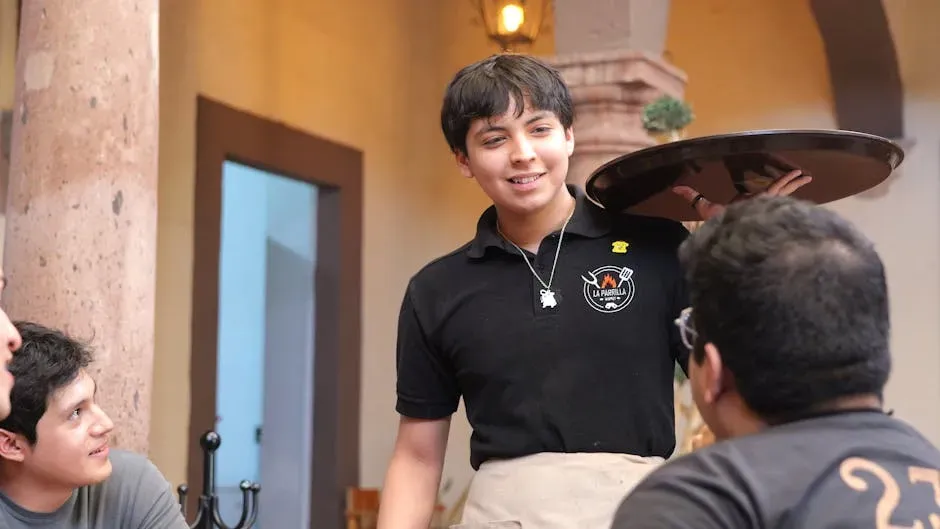
None of these tips require you to be a food critic, a hospitality expert, or someone who dines out every week. They just require a little awareness. The restaurants and servers who give you the best experiences aren’t doing it by accident – and the diners who receive the best service aren’t just getting lucky either.
Being a great restaurant guest is a skill, and like any skill, it improves with a bit of intention. From arriving on time to tipping fairly to simply saying thank you with genuine warmth, each one of these small habits sends a signal that you see the people serving you as what they actually are: skilled professionals working hard to make your evening memorable.
Next time you sit down at a restaurant, try just one of these tips and watch what changes. You might be surprised how much the experience shifts – and how much better the whole thing feels when it flows both ways. What would you have guessed makes the biggest difference? Tell us in the comments.