
Heart disease remains one of the biggest killers on the planet. We all know the statistics, but honestly, they still hit hard every time you read them. Cardiovascular disease claims over 800,000 lives in the United States alone each year. What’s surprising though is how much your grocery cart can actually change that number.
Research published in a 2023 issue of Circulation found that upping your vegetable intake by following a plant-based diet can dramatically reduce your risk of heart disease. The science here is real, it’s robust, and it keeps getting stronger year after year. Which vegetables, specifically, should you be prioritizing? That’s exactly what this article digs into. Let’s get started.
Table of Contents
1. Spinach: The Leafy Green With a Serious Cardiovascular Edge
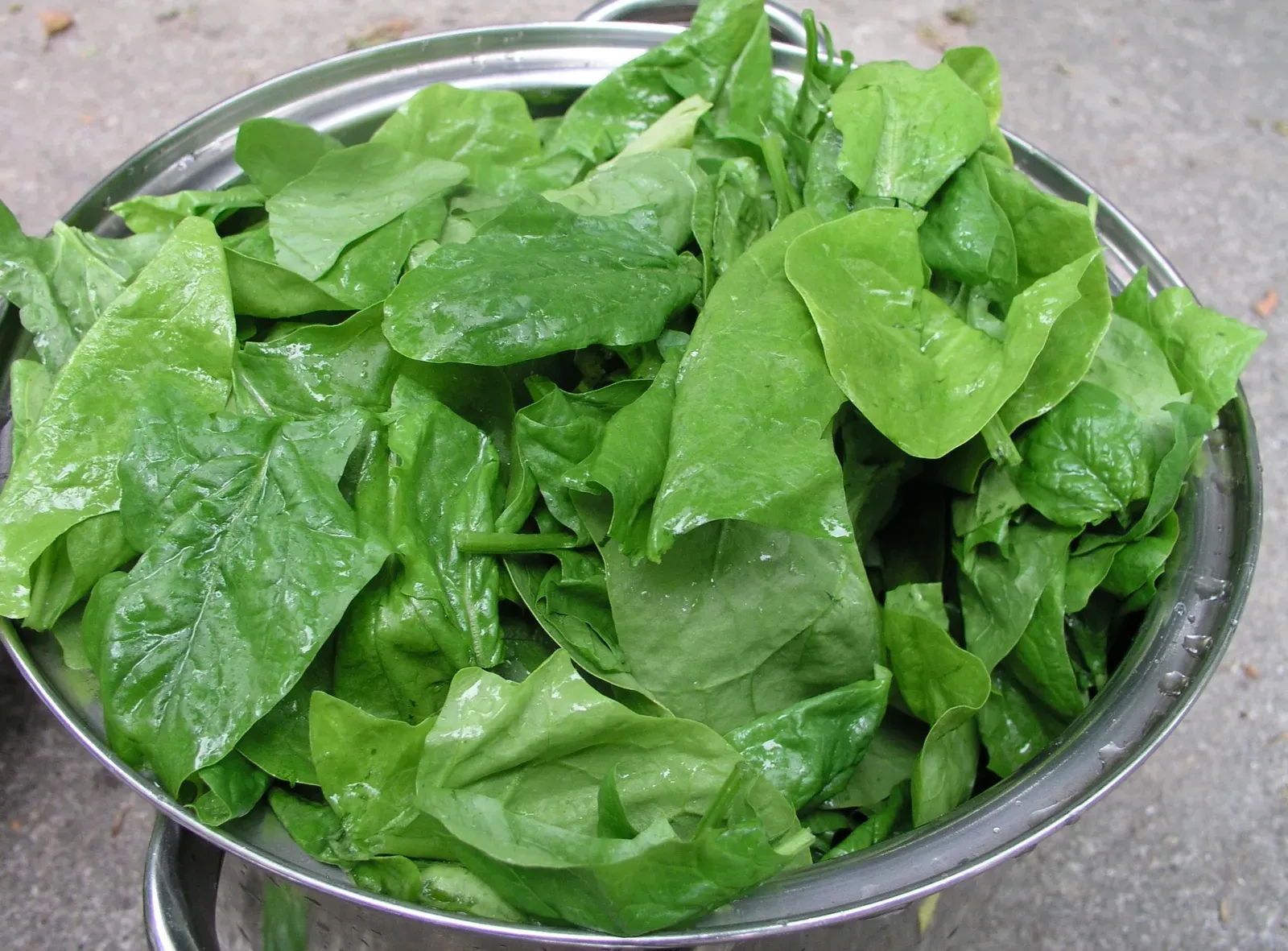
Few vegetables have as much research behind them as spinach, and the results are genuinely impressive. Researchers found that people who ate the most nitrate-rich vegetables, especially leafy greens such as spinach and lettuce, had a 12% to 26% lower risk of cardiovascular disease over the course of a large Danish study. That’s a huge reduction for something you can toss in a salad.
Spinach contains high amounts of nitrates, which have been shown to help moderate blood pressure levels and decrease the risk of heart disease. Here’s how it works: during digestion, nitrate found in foods is converted into nitric oxide, a compound that relaxes and widens blood vessels.
High-nitrate spinach soup administration, containing roughly 845 mg of nitrate, decreased postprandial arterial stiffness by approximately 6.93% and reduced central systolic blood pressure by around 4 mmHg following 7 days of administration. Spinach is also a good source of fiber. Fiber has been shown to help protect against heart disease, diabetes, and more. Raw spinach has a little more than half a gram of fiber per cup, while boiled spinach provides more than 4 grams per cup.
2. Broccoli: The Cruciferous Champion for Your Arteries
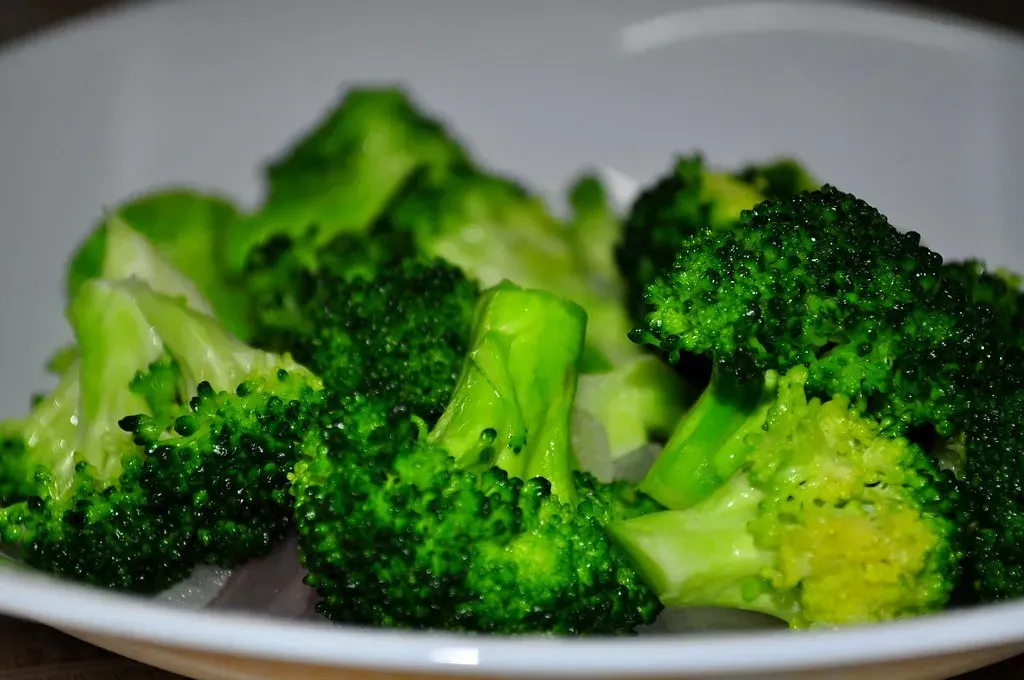
Broccoli is a cruciferous vegetable packed with fiber, vitamin K, and sulforaphane, a powerful plant compound that reduces oxidative stress. Its high fiber content supports lower LDL cholesterol levels, while sulforaphane has been shown to decrease inflammation and protect arterial linings from damage.
Regular intake of broccoli is associated with reduced risk of cardiovascular disease. Think about it like this: sulforaphane is basically a tiny cleanup crew working inside your arteries every time you eat this vegetable. The National Heart, Lung, and Blood Institute lists broccoli alongside other leafy greens like spinach, kale, and carrots as a key part of a heart-healthy eating plan.
In the Physicians’ Health Study, researchers found an inverse association between vegetables rich in carotenoids, including broccoli, and risk of coronary artery disease. Men who consumed two and a half or more servings per day of these vegetables had notably lower coronary artery disease risk compared to those consuming less than one serving daily. These are the kinds of numbers that make doctors sit up and take notice.
3. Kale: Arguably the Most Nutrient-Dense Vegetable for Heart Health
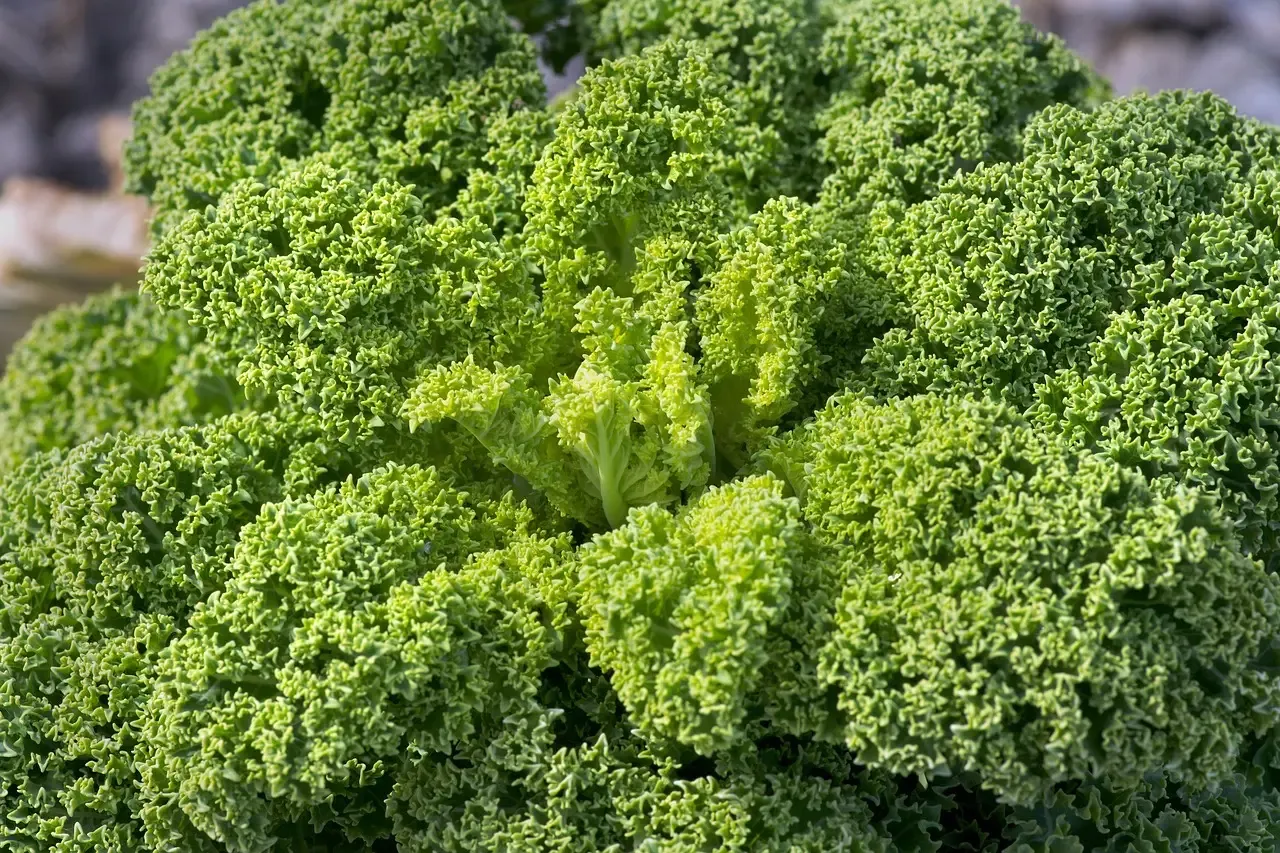
Kale earns its title as a superfood, especially for heart health. It’s rich in vitamin C, vitamin K, and polyphenols, compounds that reduce inflammation and oxidative damage. Inflammation is one of the root causes of arterial plaque buildup, so this really matters.
Referred to often as “the Queen of Greens,” kale is packed full of vitamins and minerals, including vitamins A, C, and K, and is also high in fiber, iron, and antioxidants, and helps reduce LDL cholesterol. An abundance of vitamin K found in leafy greens like kale, collards, spinach, and broccoli promotes healthy arteries, and a diet rich in leafy greens can also help lower high blood pressure.
A meta-analysis found that a random effect model indicated increased intake of green leafy vegetables significantly reduces the incidence of cardiovascular disease by about 15.8%. Honestly, that kind of reduction from food alone is something a lot of people don’t realize is even possible.
4. Beets: The Blood Pressure Superstar You Might Be Overlooking
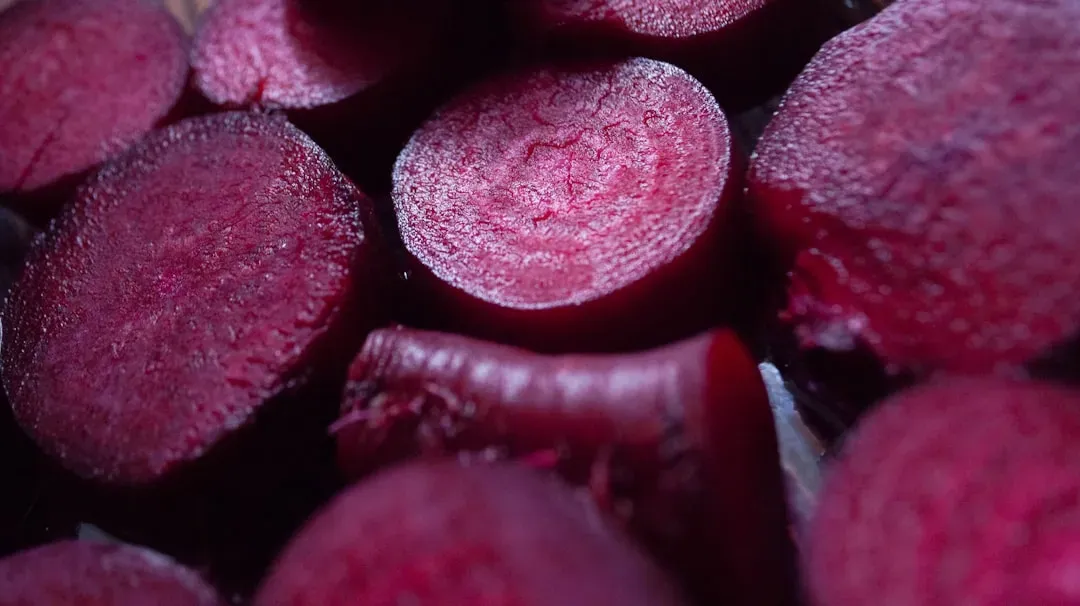
Beets are a nitrate-rich vegetable known for their blood pressure-lowering properties. Drinking beet juice or adding beets to salads has been shown to enhance blood flow and lower systolic blood pressure within hours, thanks to natural nitrates. Beets also contain betalains, antioxidant pigments that protect blood vessels from oxidative stress.
Beets are particularly high in nitrate, and their juice has been shown to lower blood pressure. After a person consumes nitrate, the body converts it to nitric oxide, which opens blood vessels and promotes blood flow, resulting in less pressure in the arteries.
Full of folate, eating beets can help reduce artery inflammation to lower your risks for heart disease. Beets have also been shown to help reduce high blood pressure. Consider beet juice as practically a natural, mild antihypertensive agent, without the pharmacy receipt.
5. Garlic: Small Clove, Giant Cardiovascular Impact
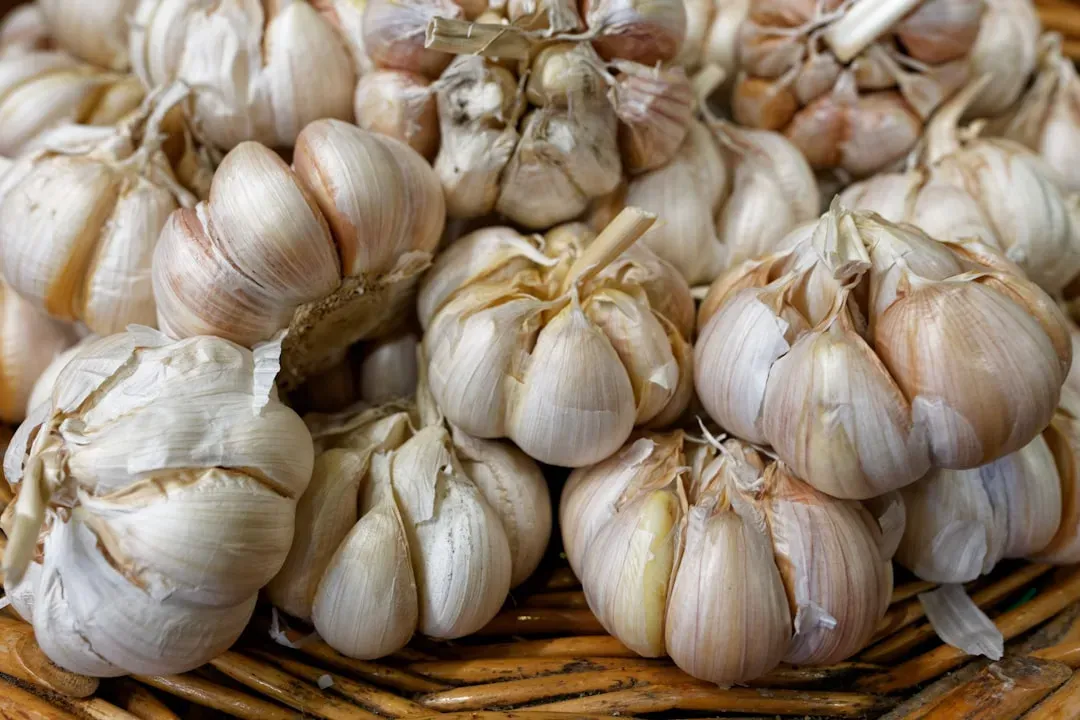
Garlic is one of those foods that has been used medicinally for thousands of years, and science is steadily catching up with the folk wisdom. Researchers have found that garlic helps to reduce LDL cholesterol, combats hypertension by reducing blood pressure, and inhibits platelet aggregation, all of which reduce the risk of cardiovascular disease.
Regular garlic consumption can help reduce high blood pressure and undesirable cholesterol levels. Raw garlic provides maximum health benefits. The active compound responsible for most of this is allicin, which is released when garlic is crushed or chopped.
A review of studies concluded that garlic supplements could be considered a complementary treatment option for hypertension or slightly elevated cholesterol, and as a stimulation for immunity. Let’s be real, adding garlic to your meals is one of the easiest dietary upgrades you can make. It’s flavorful, cheap, and backed by solid evidence.
6. Avocado: The Healthy Fat That Actually Lowers LDL
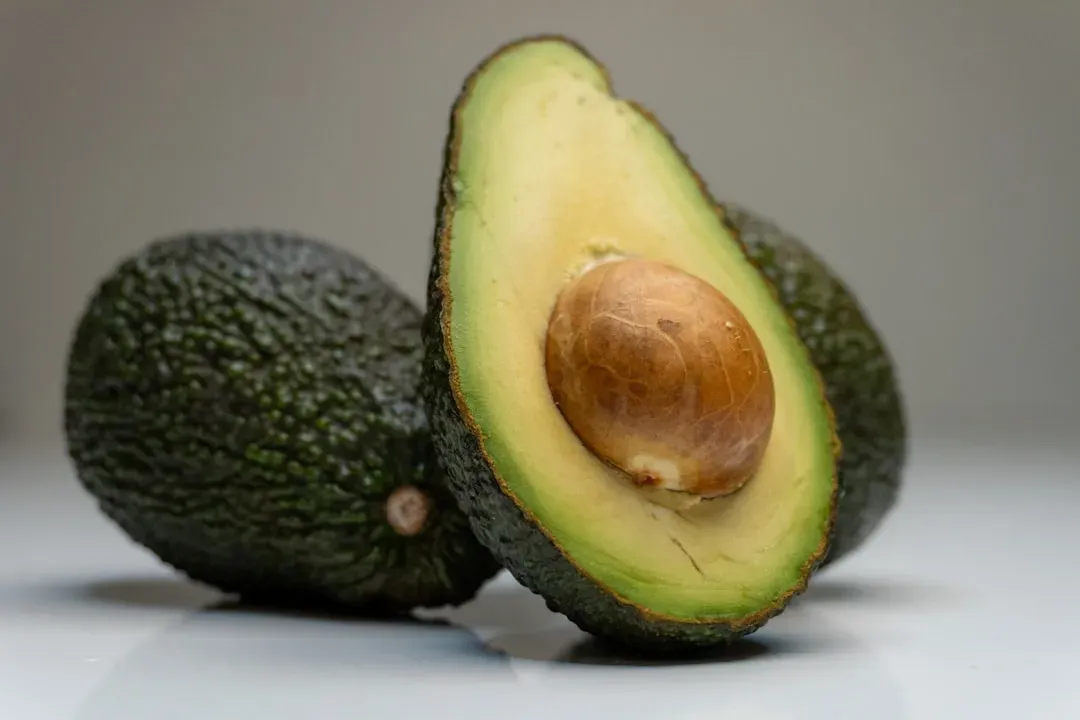
Avocado is technically a fruit, but it behaves like a vegetable in most diets, and its heart benefits are worth highlighting here. Avocados are rich in monounsaturated fats and bioactive compounds that may help improve heart health by influencing lipid profiles and other risk factors.
Avocados are a nutrient-dense food containing dietary fiber, potassium, magnesium, monounsaturated fatty acids, and polyunsaturated fatty acids, as well as phytonutrients and bioactive compounds, all of which have been independently associated with cardiovascular health. Half an avocado alone provides a meaningful dose of multiple heart-protective nutrients.
A meta-analysis of nine studies with 2,314 participants showed that those who consumed avocado supplements had lower LDL levels than the control group. A significant reduction was observed in LDL cholesterol and systolic blood pressure among avocado consumers. The fat in avocado is essentially the same fat your heart loves, oleic acid, similar to what you find in high-quality olive oil.
7. Eggplant: The Underrated Cholesterol Fighter
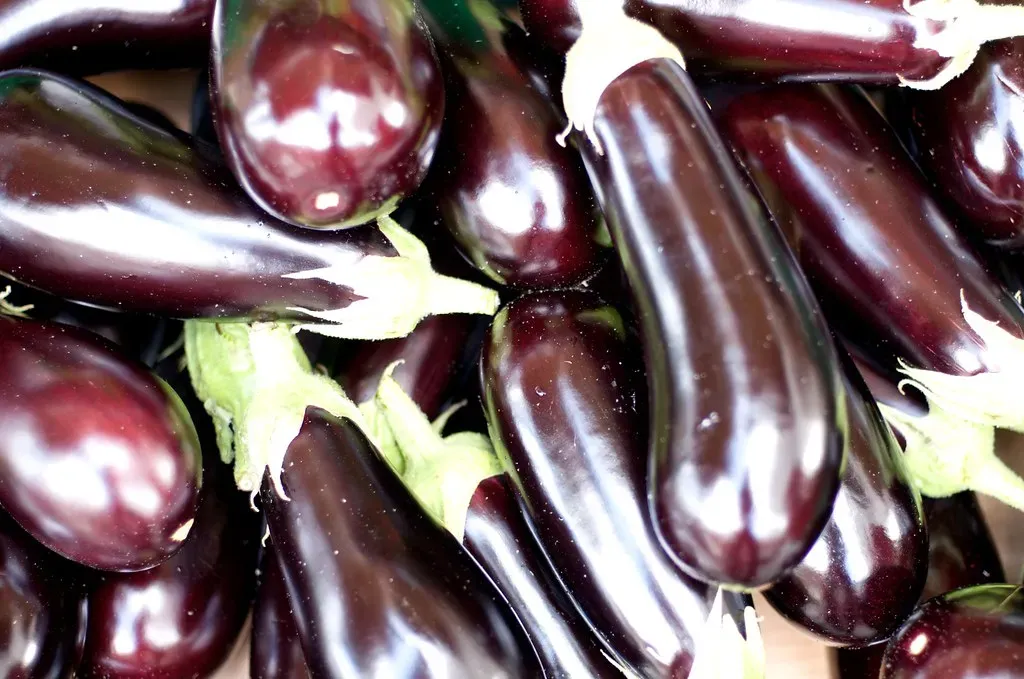
Not everyone’s first choice at the vegetable stand, I’ll admit. Eggplant is often overlooked, yet the research behind its cholesterol-lowering properties is genuinely interesting. Eggplant is one of the richest sources of soluble fiber among vegetables. Soluble fiber is precisely what your gut uses to trap and eliminate LDL cholesterol before it gets absorbed into your bloodstream.
The well-known Portfolio diet specifically includes eggplant as a key viscous fiber source, combining it with other plant-based foods to achieve meaningful LDL-lowering effects. Under controlled settings, an LDL-C lowering effect of roughly 30% could be achieved with this diet, an effect comparable to that achievable with a low-dose statin.
In hypercholesterolemic animal research, eggplant juice significantly reduced plasma cholesterol levels, aortic cholesterol content, and oxidized LDL concentrations, while also increasing endothelium-dependent relaxations. In a bile acid binding study comparing multiple vegetables, eggplant demonstrated the third highest bile acid binding capacity at around 14% relative to a cholesterol-lowering drug used as a control.
8. Carrots: Beta-Carotene, Fiber, and Proven Cholesterol Benefits
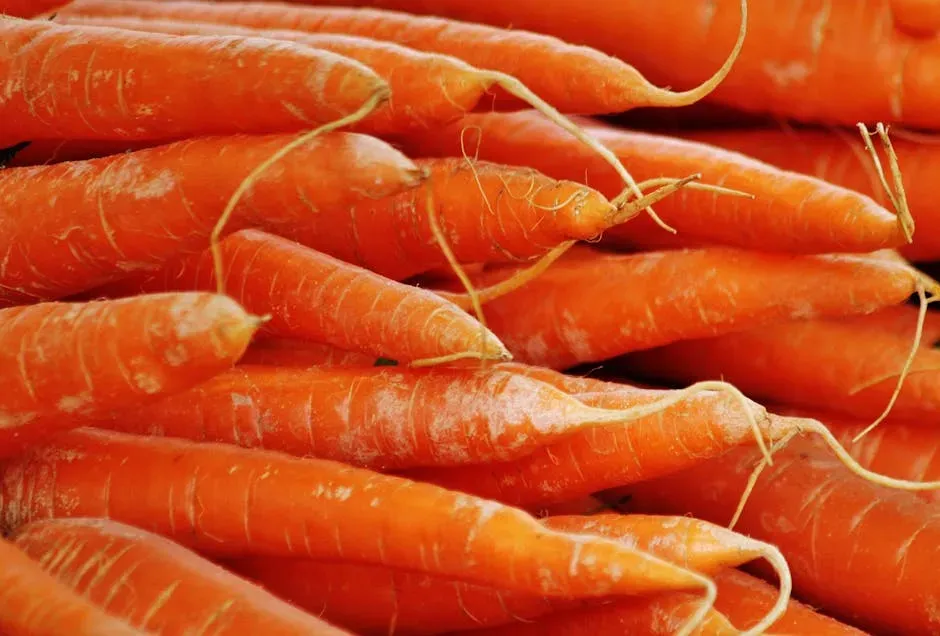
Carrots are one of those vegetables that almost every nutrition guide mentions, but the real question is: does the science back the hype? It does. Carrot consumption modifies cholesterol absorption and bile acid excretion, increases antioxidant status, and these effects are considered interesting for cardiovascular protection.
Research found a significant decrease of cholesterol level in the liver along with a reduction in liver triglycerides in subjects consuming carrots. Fecal total steroids excretion also increased significantly compared to controls. That’s basically your body eliminating excess cholesterol more efficiently, which is exactly what you want.
Soluble fiber found in vegetables like carrots helps lower LDL cholesterol by binding to it in the digestive tract, reducing its absorption, and helping the body eliminate it more efficiently. The fiber in vegetables binds to cholesterol in the gut so it does not go back into circulation, thus helping reduce total and LDL cholesterol, as multiple studies have confirmed.
9. Green Beans: The Saponin-Rich Superfood for LDL Reduction
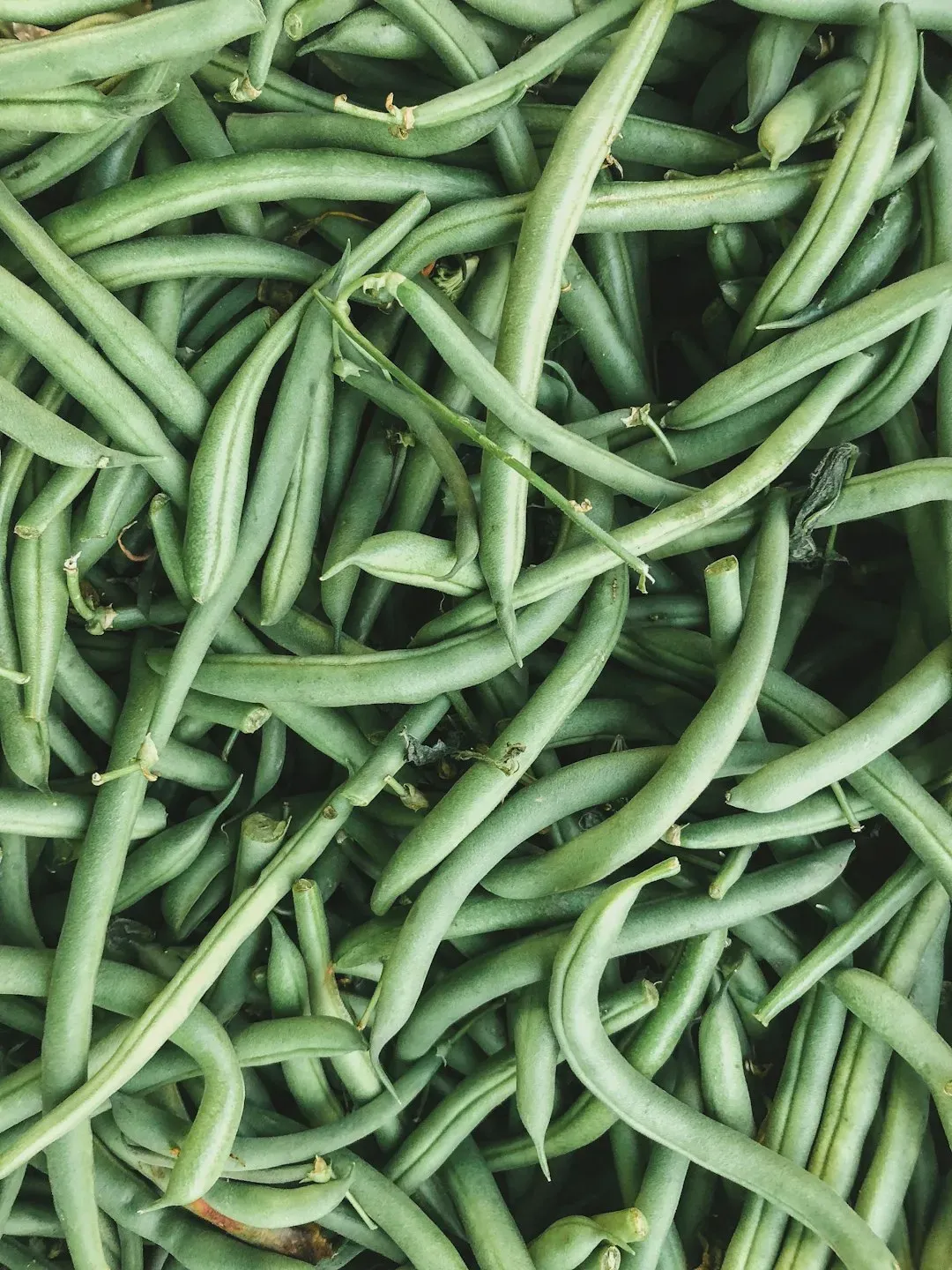
Green beans made the list of 100 healthiest foods thanks to their saponin content, which can help lower cholesterol levels. Research suggests that foods high in saponins are beneficial because they may help lower cholesterol, have anti-cancer and anti-inflammatory properties, and even help with blood glucose control.
Saponins help trap LDL cholesterol and bile salts in the gut, which prevents them from being absorbed. This leads to a decrease in LDL without impacting HDL cholesterol. Because saponins help lower LDL levels, they may reduce the risk of heart disease.
Soluble fiber in green beans helps bind cholesterol in the gut so it is excreted instead of absorbed into the body. Increasing soluble fiber intake by five grams per day is effective at significantly reducing total cholesterol and LDL levels. Green beans are also rich in folate and potassium, which may help lower high blood pressure, the leading cause of death globally.
Why Combining These Vegetables Multiplies the Benefits
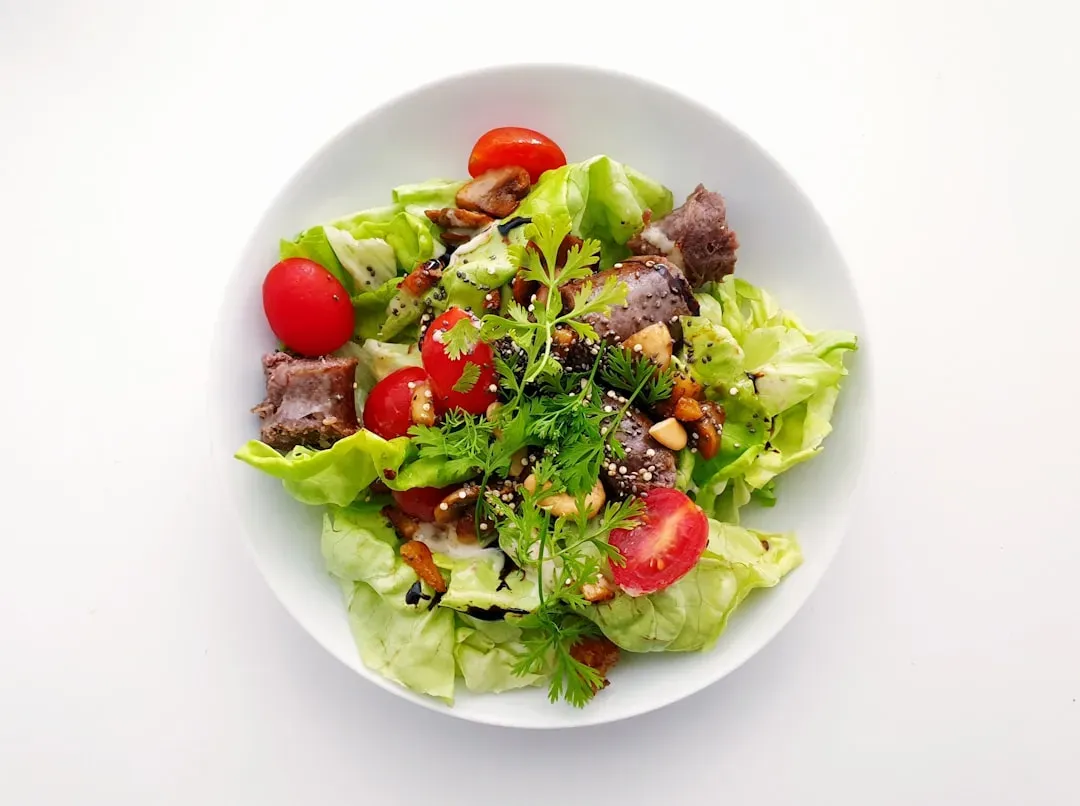
Here’s the thing that most people miss: it’s not just about eating one of these vegetables occasionally. The real magic happens when you combine them consistently over time. A study of 14,835 adults, published in a 2025 issue of BMC Medicine, found that those with greater adherence to a plant-forward dietary approach had a 16% lower risk of dying from cardiovascular disease and a 14% reduced risk of dying prematurely from any cause over a 22-year period.
A renewed focus on fruits, vegetables, fiber, and potassium is especially important. Most adults still fall short on fiber intake, despite strong evidence linking higher intake to lower LDL cholesterol, healthier blood vessels, and reduced heart disease risk. Most of us are eating far less than we should.
Research suggests that even 50% adherence to a plant-forward dietary pattern beginning in young adulthood may delay increases in cardiovascular disease risk later in life by about 6 years. Strict adherence could delay it by up to 13 years. That’s not a small difference. That’s over a decade of healthier life, potentially earned simply by making smarter choices on your plate.
Conclusion: Your Plate Is One of the Most Powerful Tools You Have
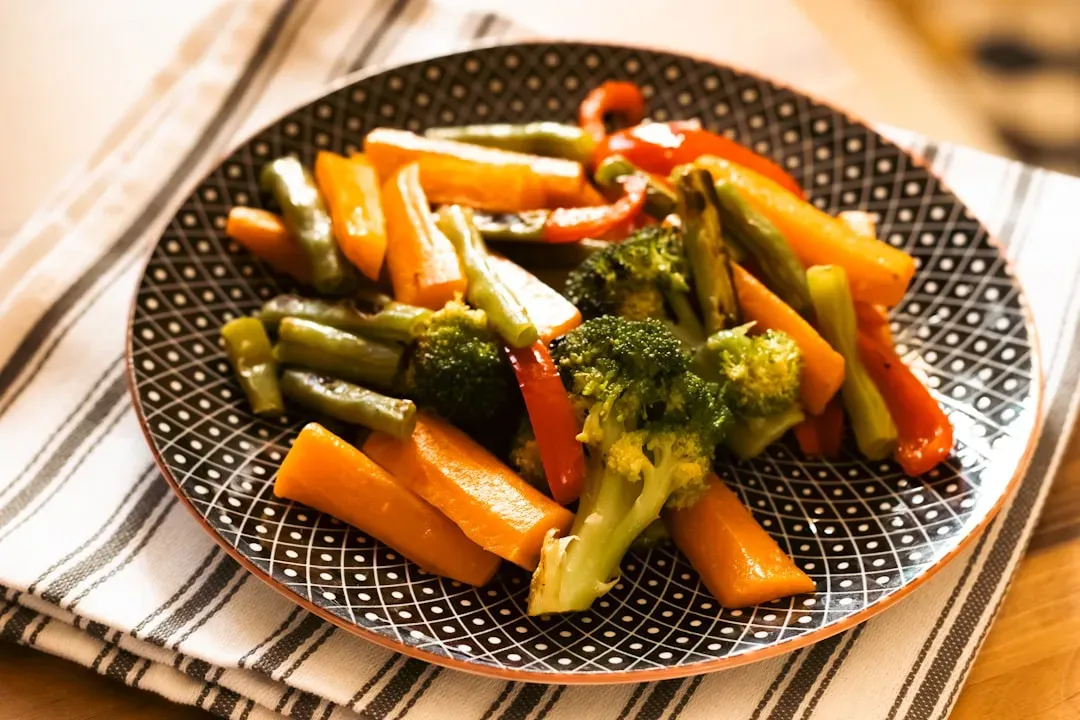
The vegetables covered in this article are not exotic, they’re not expensive, and they’re not hard to prepare. Spinach in your eggs. Roasted broccoli with dinner. Beet juice before a workout. Garlic in nearly everything. Small, realistic changes that are backed by decades of peer-reviewed science and confirmed by the most recent research available in 2025 and 2026.
The American College of Cardiology and American Heart Association strongly suggest a diet emphasizing intake of vegetables, fruits, legumes, nuts, whole grains, and fish to decrease atherosclerotic cardiovascular disease risk as a class I recommendation, meaning the benefit is well established. That’s about as strong an endorsement as medicine gives.
The real question isn’t whether these vegetables work. The evidence is clear. The question is: how many of them are actually on your plate right now? What do you think about it? Share your experience in the comments.