
Most of us have been there. You notice a little more hair in the shower drain than usual, or your ponytail seems slightly thinner than it once was. It’s one of those quietly unsettling moments. Hair health is deeply tied to how we feel about ourselves, and honestly, the connection between what we eat and how our hair grows is more significant than most people realize.
Vitamins and minerals from food play an important role in the hair follicle growth cycle and cellular turnover. The good news? Your kitchen might already hold some of the best answers. Let’s dive in.
Table of Contents
1. Eggs: A Complete Package for Hair Follicles
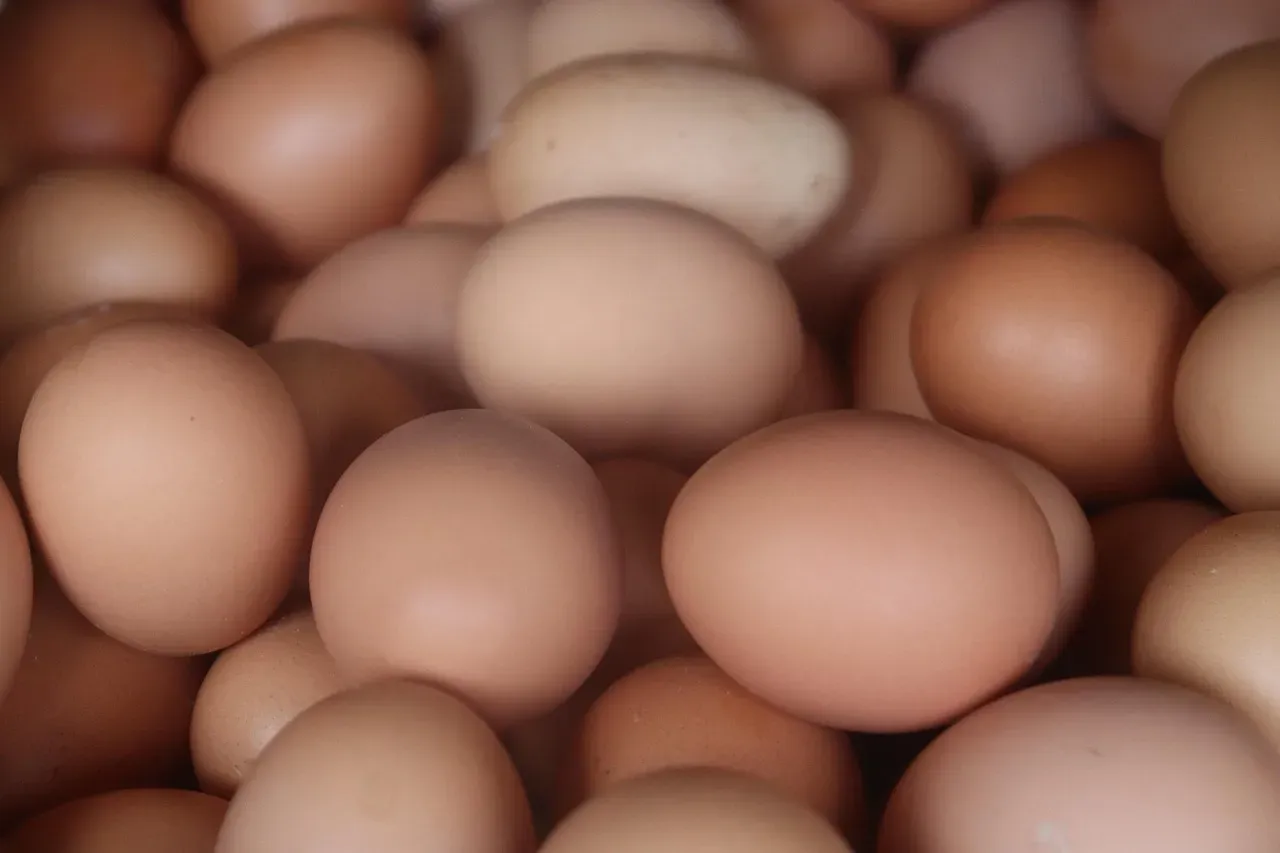
Few foods are as nutrient-dense for hair as a simple egg. Eggs are filled with protein, which is essential because hair follicles are mostly protein. They also contain biotin, a vitamin that supports keratin production – the protein hair is actually made from. Moreover, eggs provide zinc, selenium, and other hair-friendly nutrients, making them a top choice for overall hair health.
Biotin supports keratin production and improves the strength and thickness of hair shafts. Deficiency in biotin can lead to thinning and breakage, making it a key nutrient in the best foods for healthy hair. Think of eggs as a one-stop-shop for your scalp. Protein, biotin, zinc and selenium all in one shell. That’s honestly hard to beat.
2. Fatty Fish: Omega-3s That Feed Your Follicles
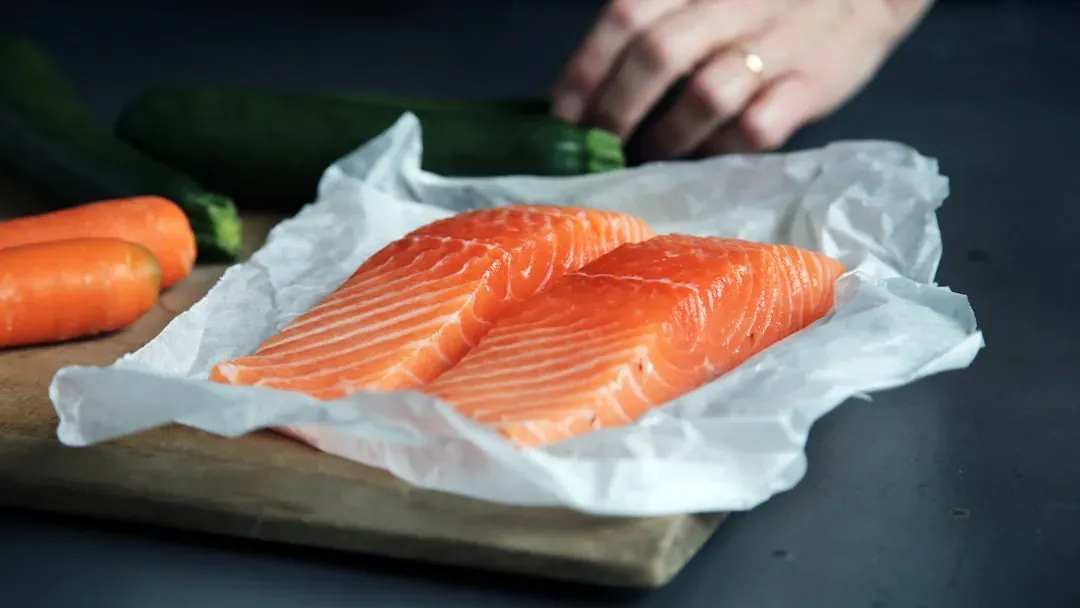
Salmon, mackerel, and sardines are excellent sources of omega-3 fatty acids, which reduce inflammation and support scalp hydration. These nutrients promote dense, shiny hair and are often part of the best foods for healthy hair. There’s more to these fish than meets the eye, too.
Salmon and other fatty fish are teeming with follicle-stimulating vitamin D. Per a study printed in The Journal of Steroid Biochemistry and Molecular Biology, vitamin D may also help stimulate hair follicles that have become dormant. In other words, there’s evidence to suggest the nutrient may help prevent thinning hair and even bald spots. If you’re not eating fatty fish at least once or twice a week, you might genuinely be missing out.
3. Spinach: The Iron-Rich Green Your Scalp Craves
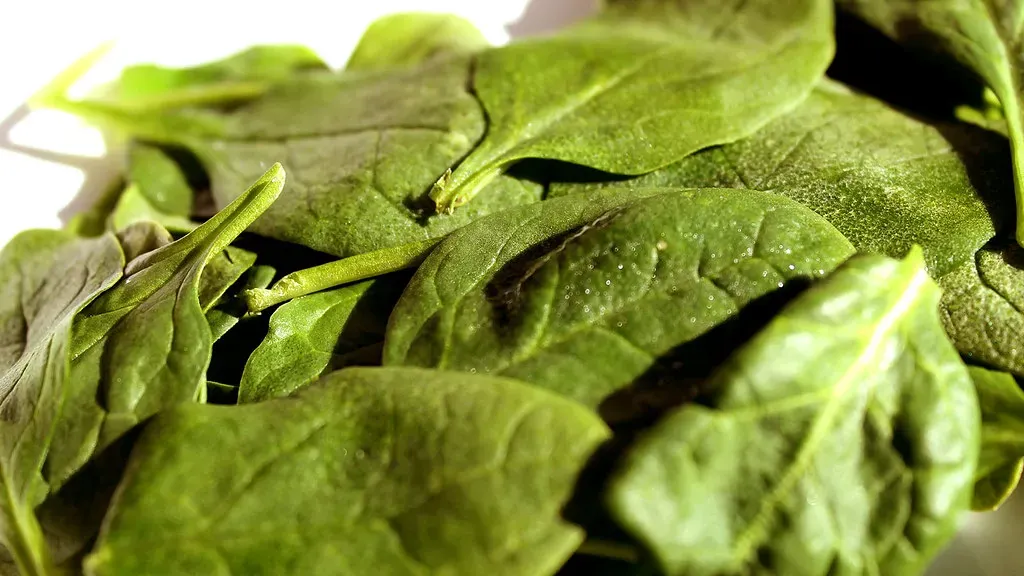
Like many dark green leafy vegetables, spinach is full of essential nutrients. Spinach has an abundance of vitamin A, iron, beta carotene, folate, and vitamins A and C, all vital to maintaining a healthy scalp and a thick, full head of hair. It’s one of those foods that genuinely earns its reputation as a nutritional powerhouse.
Spinach is also a great plant-based source of iron, which is essential for hair growth. Iron helps red blood cells carry oxygen throughout the body to fuel your metabolism and aid growth and repair. Iron deficiency is one of the most common nutritional causes of hair fall. Including spinach in a healthy diet for hair growth helps replenish iron stores naturally, promoting stronger strands and reduced shedding.
4. Sweet Potatoes: Beta-Carotene and Vitamin A in Abundance
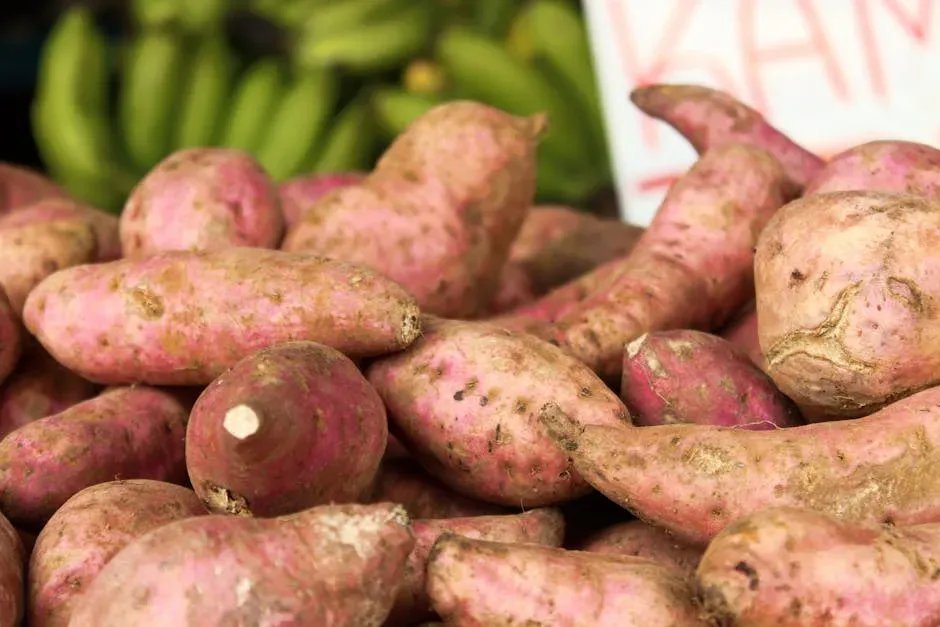
Sweet potatoes are a good source of beta-carotene. The body converts this compound into vitamin A, which is linked to hair health. A medium sweet potato contains enough beta carotene to provide up to 160% of your daily vitamin A needs. Research has shown that vitamin A can affect the production of sebum, which helps keep hair healthy.
Sweet potatoes are a good source of a nutrient called beta carotene. The good news is that you can eat as much beta carotene as you want. Your body will only turn beta carotene into vitamin A if it needs it. This makes sweet potatoes a genuinely smart, low-risk way to get your vitamin A fix, unlike direct supplements that can actually backfire if overdone.
5. Berries: Antioxidant Armor for Hair Follicles
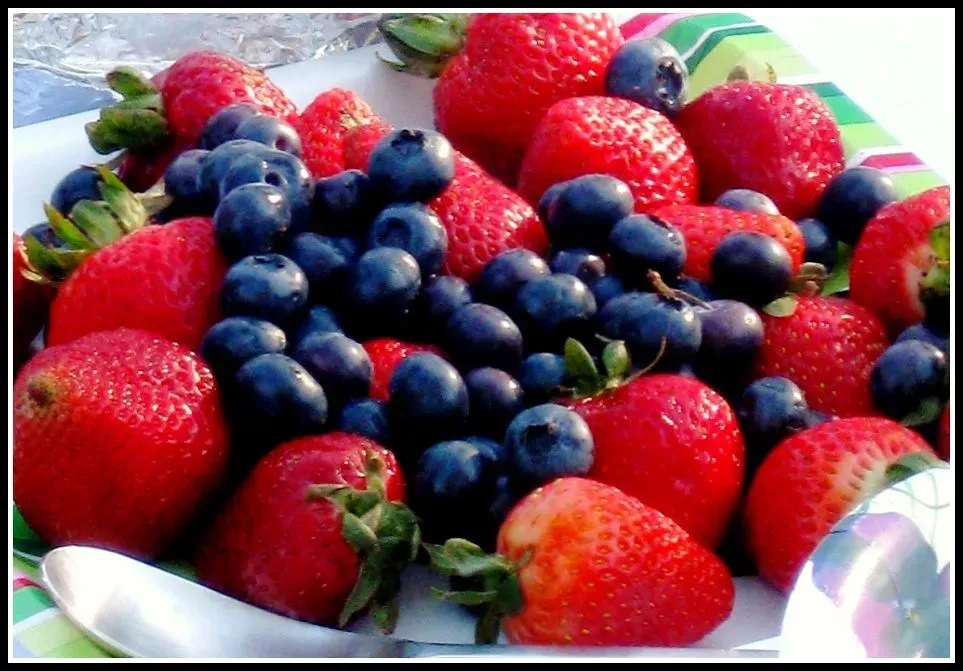
Berries are loaded with beneficial compounds and vitamins that may support hair growth. This includes vitamin C, which has strong antioxidant properties. Antioxidants can help protect hair follicles against damage from harmful molecules called free radicals. It’s a bit like giving your scalp a daily defense shield.
The body also uses vitamin C to produce collagen, a protein that helps strengthen hair to prevent it from becoming brittle and breaking. What’s more, vitamin C helps the body absorb iron from the diet. Low iron levels may cause iron deficiency anemia, which has been linked to hair loss. Berries such as blueberries and strawberries are excellent sources of antioxidants that can nourish the scalp and promote hair growth.
6. Nuts: A Small Handful With a Big Impact
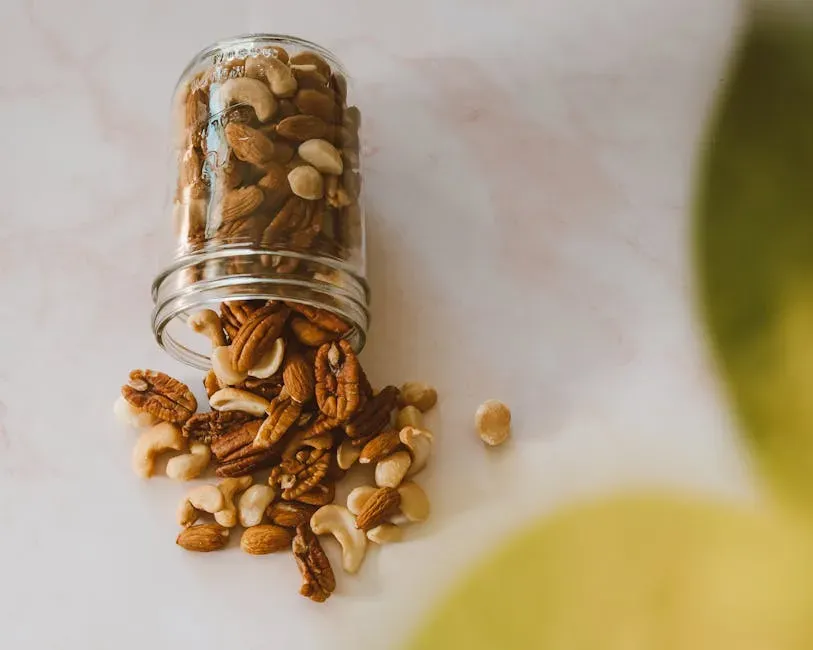
Nuts are tasty, convenient, and contain a variety of nutrients that are important for hair growth. For example, an ounce of almonds provides 48% of your daily vitamin E needs. They also provide a variety of B vitamins, zinc, and essential fatty acids. Deficiency in any of these nutrients may contribute to hair loss.
Almonds, walnuts, and cashews pack vitamin E, B vitamins, zinc, and healthy fats. These nutrients support hair growth, reduce inflammation, and strengthen strands from root to tip. Just a small handful each day can make a difference. I think nuts are one of the most underrated hair foods out there. People talk about fancy supplements when a small bag of mixed nuts does so much of the same work.
7. Seeds: Tiny But Mighty for Scalp Health
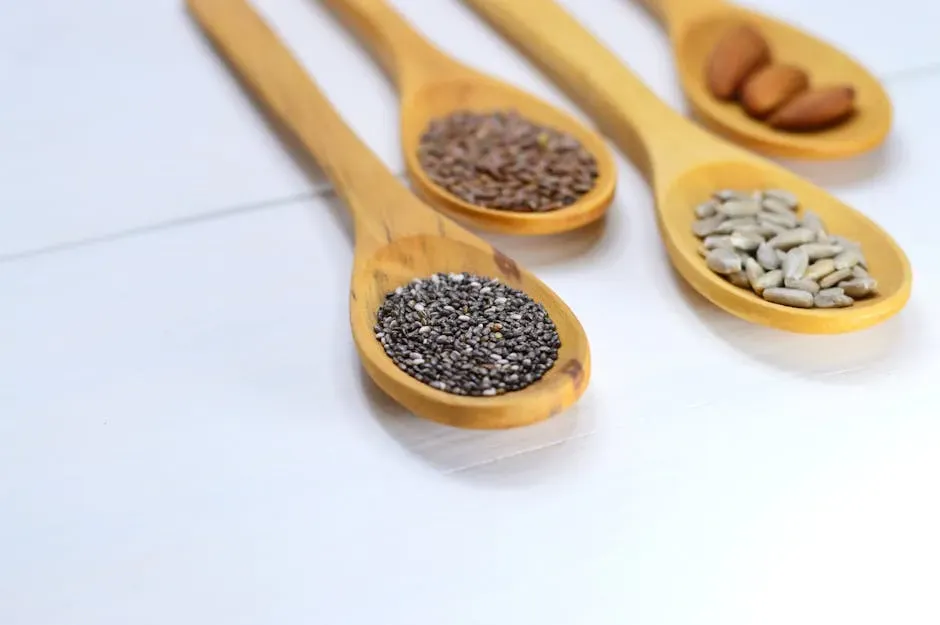
Sunflower seeds, chia seeds, and flaxseeds contain vitamin E, zinc, selenium, and omega-3 fatty acids. These nutrients protect follicles, promote healthy growth, and support scalp health. Seeds are the kind of food that quietly works hard in the background, no fanfare required.
Seeds are a great way to get nutrients vital for hair growth in a delicious, low-calorie snack. Seeds are a good source of vitamin E, selenium, and zinc. Some seeds also provide omega-3 fatty acids. While seeds and nuts are a great way to ensure the health of your hair, you should eat a mixture to get the widest variety of nutrients.
8. Oysters and Zinc-Rich Foods: The Hair-Growth Mineral You May Be Missing
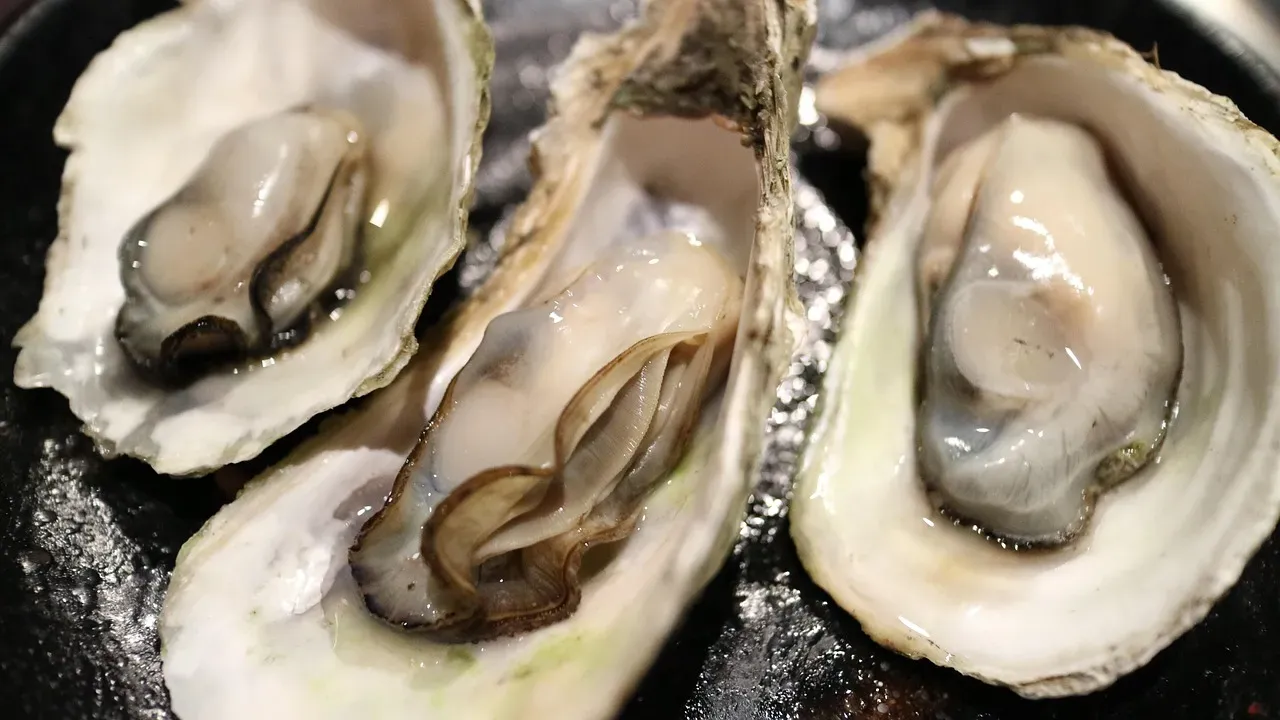
Oysters are among the richest natural sources of zinc, a mineral essential for hair repair and growth. Zinc deficiency has been linked to hair loss, so incorporating zinc-rich foods like oysters can help maintain healthy follicles. While zinc often gets less attention than biotin or vitamin D, research continues to highlight its importance.
Vitamin B, vitamin D, iron, and zinc all play critical roles in supporting hair growth and maintenance. Deficiencies in these micronutrients have been associated with a higher risk of androgenetic alopecia, while supplementation has shown potential benefits in improving hair growth and reducing hair loss, according to a 2024 systematic review in Molecular Nutrition and Food Research. One medium oyster can provide up to 96% of a woman’s daily zinc requirement and 75% of a man’s, making it one of the most efficient ways to support the hair growth cycle and follicle restoration.
The Bigger Picture: Diet Is a Foundation, Not a Fix
Here’s the thing. No single food is going to reverse hereditary hair loss or overnight transform thin strands into a full mane. Eating a balanced diet rich in vitamins and minerals may help promote hair growth, especially if your hair loss is due to poor nutrition. Context matters enormously here.
Specific foods and nutrients have significant importance in maintaining healthy hair, which is a crucial aspect of an individual’s identity and self-esteem. Similarly, it is evident that a deficiency in specific nutrients can contribute to the onset of alopecia. A 2025 systematic review published in a peer-reviewed journal analyzing 17 studies and more than 61,000 participants confirmed the meaningful link between diet and hair health, with vitamin D standing out as the most studied single nutrient.
While some vitamins and supplements may support hair growth, your body absorbs nutrients better from foods. So reaching for real, whole foods first is always the smarter move. What would you add to your plate starting today?